
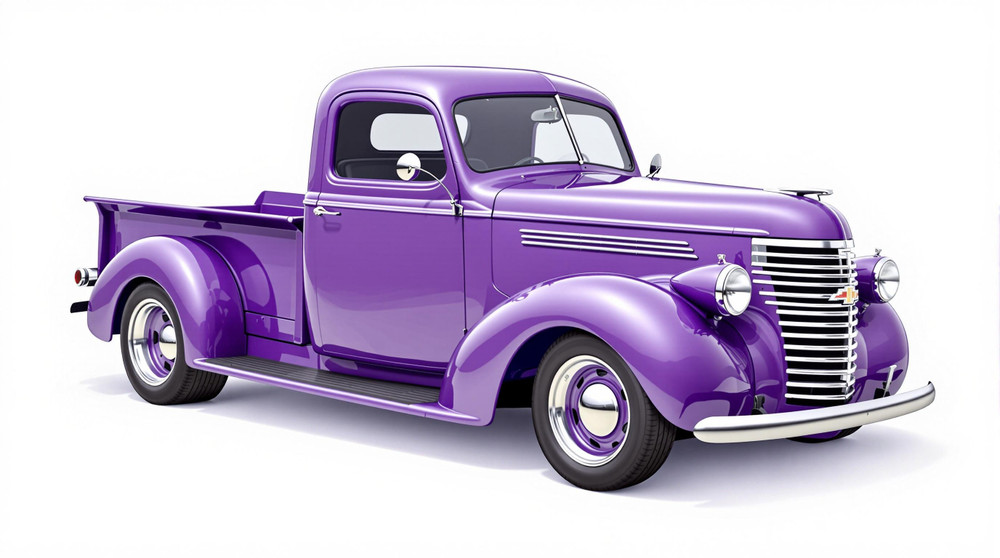
Image of 1939 Chevrolet Truck, Note: These illustrations use artistic license and may differ from actual historical models.
Performance Metrics
Fundamental Metrics
Emotional Appeal
MMP Rating
| Engine Specifications | |
|---|---|
| Engine: | Inline 6 |
| Displacement: | 216.5 cubic inches |
| Horsepower: | Estimated 85 HP |
| Torque: | 170 lb-ft |
| Compression Ratio: | Estimated 6.5:1 |
| Ignition System: | Distributor and coil |
| Cooling System: | Liquid cooled |
| Performance Specifications | |
| 0-60 Time: | Information not available |
| 1/4 Mile Time: | Information not available |
| Top Speed: | 70 mph |
| Transmission and Drive | |
| Drive Type: | Rear wheel drive |
| Transmission Type: | 3-speed manual |
| Fuel and Efficiency | |
| Fuel System Type: | Carburetor |
| MPG: | Estimated 10-15 MPG |
| Dimensions and Brakes | |
| Brakes: | Drum brakes |
| Wheelbase: | 113 inches |
| Weight: | Estimated 3,200 lbs |
Note: Specifications for classic cars are given to the best of our ability, considering the limited and variant data available.
1939 Chevrolet Truck: The Art Deco Workhorse
The 1939 Chevrolet Truck brought a little art deco flair to the working world. Its upright grille, rounded fenders, and steel cab gave it a modern presence, while its straightforward six-cylinder powertrain and practical chassis were built for everyday hauling. Manufactured by the Chevrolet Motor Division of General Motors, the 1939 line included light pickups as well as heavier commercial trucks.
The model arrived as the United States was beginning to recover from the Great Depression, when farms, small businesses, and local delivery companies needed dependable vehicles more than elaborate features. It also belongs to the final stretch of prewar American truck design. Civilian production continued for a few years before wartime demands reshaped the industry.
A notable point in the 1939 truck’s story is that it helped establish the look many people now associate with a classic Chevrolet pickup: a rounded, integrated front end, a prominent vertical grille, and a cab designed to feel less like a bare equipment shed and more like a proper road vehicle.
Art Deco Styling and Practical Cab
The 1939 Chevrolet’s most striking feature is its front end. The tall, narrow grille is framed by rounded front fenders, with the headlights set into the fender area for a more unified appearance than the separate lamps found on many earlier trucks. The hood has a gently curved profile, and the cab’s rounded roof and flowing body lines soften what was still a working machine. Chevrolet’s styling gave the truck a distinctly late-1930s look without sacrificing its utilitarian character.
Inside, the cab is simple and functional. Drivers faced a straightforward instrument panel with essential gauges and controls, a large steering wheel, and a bench seat. Materials were chosen for durability rather than luxury: painted metal, vinyl or cloth upholstery depending on specification and replacement history, and hard-wearing trim. A restored example may have upgraded upholstery or modern conveniences, so buyers should distinguish original equipment from later additions.
For its time, the truck offered useful features such as hydraulic brakes, safety glass, and a three-speed manual transmission. The electrical system was six-volt, and the driving position and controls were conventional by contemporary standards. These were not luxury appointments, but they made the Chevrolet more comfortable and easier to operate than a purely agricultural vehicle.
Factory paint choices varied by model, equipment, and commercial order. Dark greens, blues, reds, and black are common colors seen on surviving trucks, although today’s examples may wear non-original shades. Business buyers often chose paint to match a fleet or company identity. A well-preserved original finish is uncommon, so color alone does not confirm authenticity.
The best-known body style is the half-ton pickup, prized today for its proportions and versatility. Chevrolet also offered heavier pickup configurations and commercial bodies such as panel trucks, delivery bodies, and other chassis-cab arrangements. The exact offerings depended on the truck’s weight class and how it was ordered. The half-ton pickup is generally the most iconic and collectible version, while panel and specialty bodies can be harder to find.
Why the 1939 Chevrolet Mattered
The 1939 truck was part of a broader shift in American commercial vehicle design. Manufacturers were making trucks more polished and more comfortable without abandoning their core purpose. Chevrolet’s rounded styling helped blur the visual line between a work truck and a passenger vehicle, while its familiar mechanical layout made the truck accessible to owners and repair shops across the country.
What set it apart was not a single revolutionary gadget. Its appeal came from the combination of updated styling, practical engineering, and the scale of Chevrolet’s dealer and parts network. In an era when a truck might be expected to haul produce during the week and serve as family transport on Sunday, that balance mattered.
Its influence is visible in the way collectors value early pickups today. The 1939 Chevrolet represents a turning point between the more upright trucks of the early 1930s and the smoother, more integrated designs that followed. It is also a reminder that prewar trucks were working vehicles first, with much of their surviving history written in repairs, repaints, and hard miles.
Six-Cylinder Performance and Road Manners
Most 1939 Chevrolet trucks were powered by a 216.5-cubic-inch overhead-valve inline-six. Period ratings are commonly cited at about 85 horsepower, though specifications and published figures can vary with the truck’s configuration and rating method. Power went through a manual three-speed transmission to the rear wheels. The engine’s strength was its low-speed pulling ability and uncomplicated design, not quick acceleration.
There was no standardized modern 0-to-60 mph test for these trucks, and results depend heavily on body style, gearing, condition, and load. A reasonable estimate for a healthy, lightly loaded pickup is roughly 25 to 35 seconds to reach 60 mph. Top speed is generally in the neighborhood of 55 to 65 mph, but sustained high-speed driving is not what the truck was designed for. Heavier versions and loaded pickups will be slower.
On the road, the six-cylinder produces a steady, mechanical rumble, with the transmission and driveline clearly audible in the cab. The engine feels happiest at moderate speeds, where it can pull without being hurried. The clutch, steering, and brakes require more physical input than a modern vehicle, and the driver needs to plan gear changes and stops well in advance.
The suspension is tuned for carrying a load, so an empty truck can feel firm and bouncy over broken pavement. Add cargo and the ride generally settles down, though the truck still feels like a body-on-frame work vehicle. On winding roads, its tall stance, period tires, and comparatively slow steering call for measured inputs. In crosswinds, the high-sided cab and bed can also move around more than a modern pickup. A well-maintained example is enjoyable at country-road speeds, but it is not a contemporary highway cruiser.
Owning and Maintaining a Prewar Pickup
Today, most 1939 Chevrolet trucks are used as show vehicles, weekend cruisers, collection pieces, or rolling restorations. Some owners still put them to light work, but regular heavy hauling can place extra strain on an 80-plus-year-old chassis and driveline. Their simple layout makes them appealing to hands-on enthusiasts who enjoy mechanical projects.
Routine maintenance is relatively straightforward for an experienced home mechanic. The engine bay is accessible, and many service tasks involve familiar mechanical systems rather than complex electronics. The main challenges are age, previous repairs, and parts compatibility. Engine, brake, steering, and electrical components should be inspected carefully, while body panels, trim, and model-specific pieces can take more effort to source.
Reliability depends more on the quality of restoration and ongoing maintenance than on the Chevrolet badge alone. Check for rust in the cab corners, floor, running boards, fenders, and frame. Inspect the brakes and steering before driving, and confirm that any electrical conversion has been carried out safely. A truck that starts and moves under its own power is not necessarily roadworthy.
Little-Known Facts and Common Complaints
The 1939 Chevrolet line included several weight classes and commercial configurations, so “1939 Chevrolet Truck” does not describe one single specification. Engine, wheelbase, axle, and body details can differ considerably between a light pickup and a heavier chassis. Original paperwork, data plates, and parts documentation are helpful when verifying a specific truck.
There is no widely recognized 1939 Chevrolet truck speed or endurance record, and the model is not chiefly known for celebrity ownership. Its historical importance is more everyday than glamorous: trucks like this carried farm goods, tools, building materials, and local deliveries across the country. They were part of the practical transport system that kept communities moving.
Common criticisms are also part of the ownership experience. The cab can be noisy, the ride is firm when unloaded, and highway speeds demand patience. Braking and handling feel dated by modern standards, and original trucks lack conveniences such as power steering, air conditioning, and modern crash protection. Those compromises are precisely why a careful test drive and a thorough inspection matter.
Collector Values and Availability
Chevrolet produced trucks in substantial numbers, but a precise production total for every 1939 body style and weight class is difficult to establish from commonly available model summaries. As a broad estimate rather than a verified factory figure, total production across the 1939 Chevrolet truck range may have been in the low hundreds of thousands. Surviving trucks are far fewer, and condition, originality, and body style strongly influence availability.
As a general 2026 collector-market guide, a non-running project might sell for about $5,000 to $15,000. A usable driver or older restoration could fall around $15,000 to $35,000. A high-quality, well-documented restoration may bring roughly $35,000 to $65,000, with exceptional examples or unusual commercial bodies sometimes exceeding that range. These are broad estimates, not appraisals; location, completeness, authenticity, and market demand can shift the price substantially.
Values for desirable prewar pickups have generally strengthened over the long term, especially for original, correctly restored examples. At the same time, the market rewards condition more than ambitious restoration spending. A solid, complete truck is often a better starting point than a cheap project missing rare trim or body parts. Buyers should compare recent sales of similar body styles rather than relying on asking prices.
A Classic Built to Work
The 1939 Chevrolet Truck combines late-1930s styling with honest, uncomplicated engineering. Its six-cylinder engine, practical cab, and range of commercial configurations made it useful in its own time, while its rounded fenders and upright grille have made it a favorite among vintage-truck enthusiasts.
It is not fast, quiet, or effortless by modern standards. That is part of its appeal. The 1939 Chevrolet offers a direct connection to the working roads of prewar America, and every slow shift and steady engine note reminds its driver that this classic was designed to earn its keep.
1939 Chevrolet Truck Catalog of Parts
 1939 Chevrolet TRUCK Rear Bumper Arm Grommets-BG 77Rear Bumper Arm Grommets. 2-1/8" wide X 3-3/4" long, with 1-3/4" long inner slot. For 1/2 Ton, Commercial and Utility Vehicles. Pair
 1939 Chevrolet TRUCK Gas Filler Grommet. 2-1/16" I.D., 4" O.D. Each-GF 20Gas Filler Grommet. 2-1/16" I.D., 4" O.D. Each
 1939 Chevrolet TRUCK Gas Filler Grommet. Made with proper flange. 2-15/16" I.D-GF 30-AGas Filler Grommet. Made with proper flange. 2-15/16" I.D., 4-1/8" O.D. Each
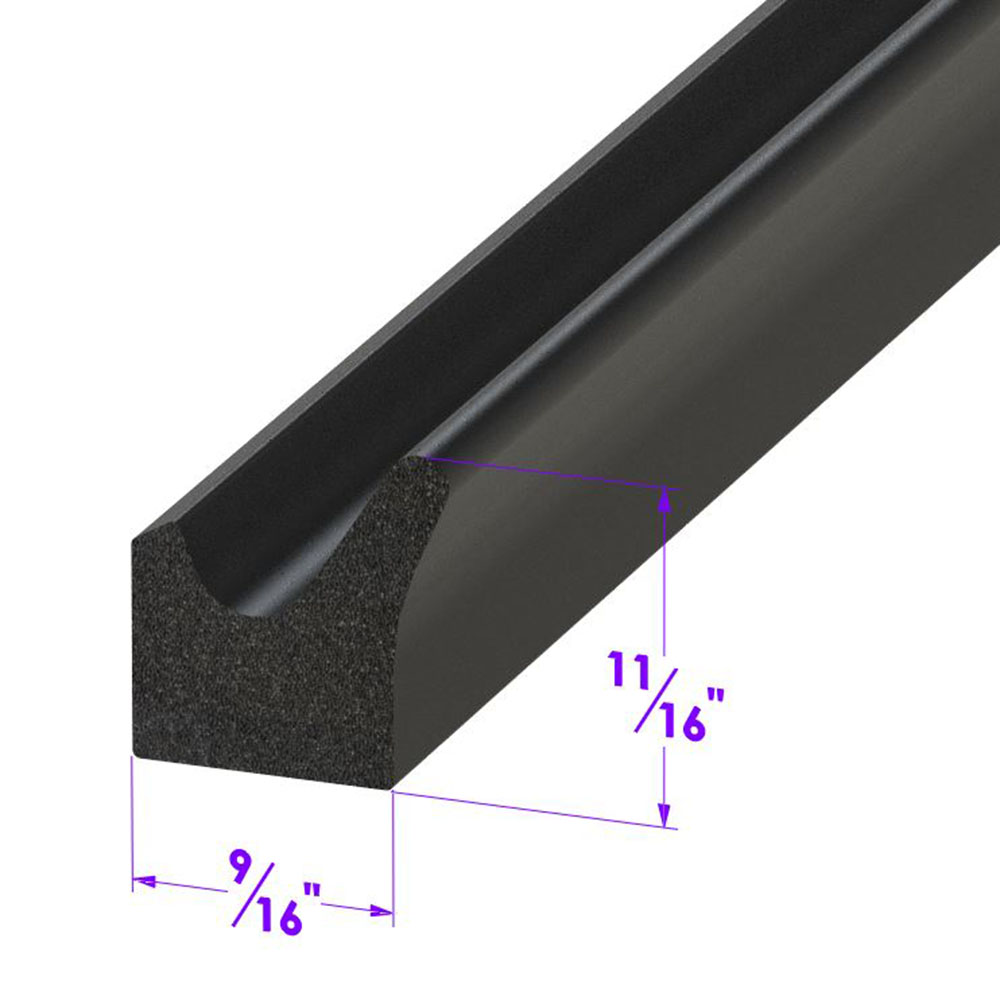 1939 Chevrolet TRUCK Door side seal. Same as LP 40-A, but for a heavier seal-LP 40Door side seal. Same as LP 40-A, but for a heavier seal. Fits many domestic passenger cars and trucks. Used in Cobra kit cars as trunk weatherstrip. Per foot.
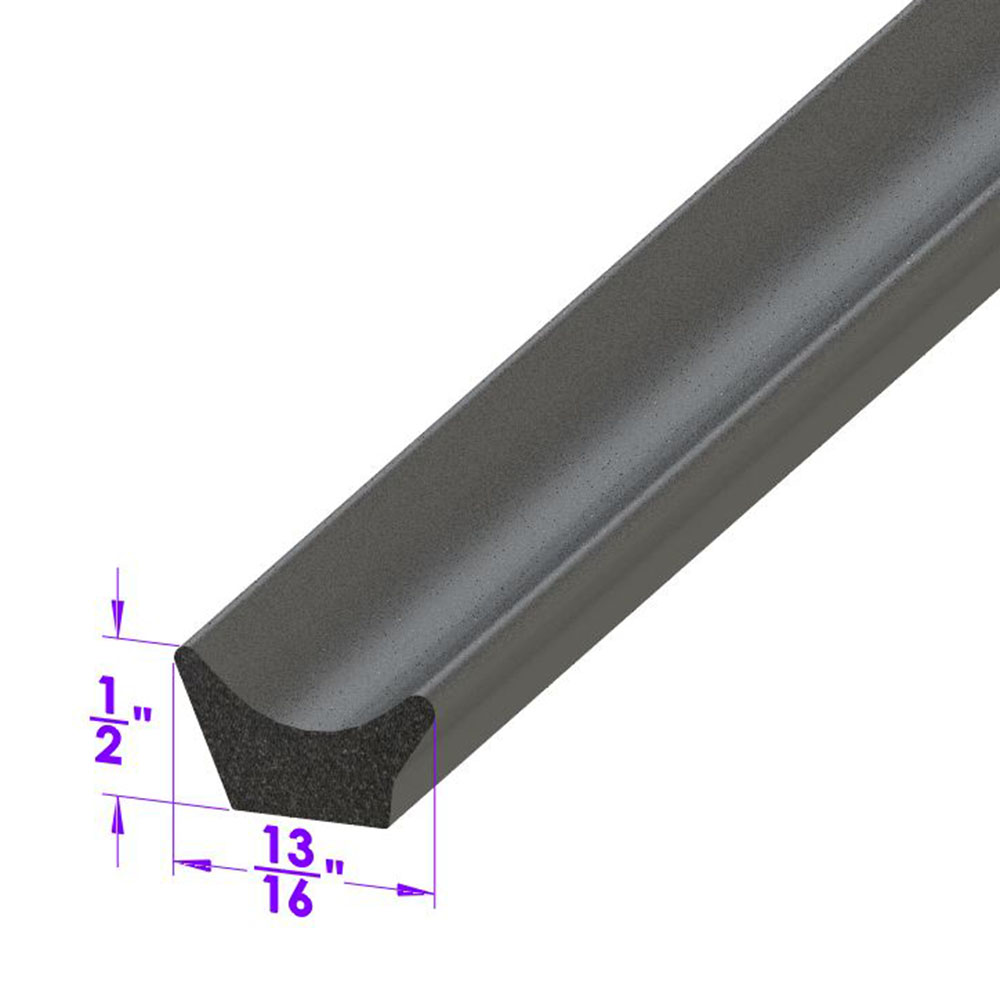 1939 Chevrolet TRUCK Door side seal. Same as LP 40, but for a lighter seal-LP 40-ADoor side seal. Same as LP 40, but for a lighter seal. Fits many domestic passenger cars and trucks. Universal seal for street rods and customs. Used in Cobra kit cars as door weatherstrip. Per foot.
 1939 Chevrolet TRUCK Swing-Out Windshield Seal. 3/4" High. Sold by the foot-LP 97-ASwing-Out Windshield Seal. 3/4" High. Sold by the foot
 1939 Chevrolet TRUCK Swing-Out Windshield Seal. 1" High. Sold by the foot-LP 97-BSwing-Out Windshield Seal. 1" High. Sold by the foot
 1939 Chevrolet TRUCK Side Mount Antenna Pad. '39-'40: Two used per car-MB 539Side Mount Antenna Pad. '39-'40: Two used per car. '41: One used per car. Thick on one side of beaded pad. 1-7/16" O.D., 1/2" I.D. Each
 1939 Chevrolet TRUCK Front motor mount-MM 1Front motor mount. Fits all '32 Chevy passenger cars and Sedan Delivery (BA/BB); '32-'42 Chevy pickups; '33-'55 Chevy Commercial and Utility (1st Series) vehicles; '39-'54 GMC pickups. 1-3/8 in. W x 7-5/8 in. L. Replaces OEM#'s 3657520/37339939. One used per vehicle. Each.
 1939 Chevrolet TRUCK Cowl Vent Seal. 3-3/4" wide X 14-5/8" long. Each-RP 100-OCowl Vent Seal. 3-3/4" wide X 14-5/8" long. Each
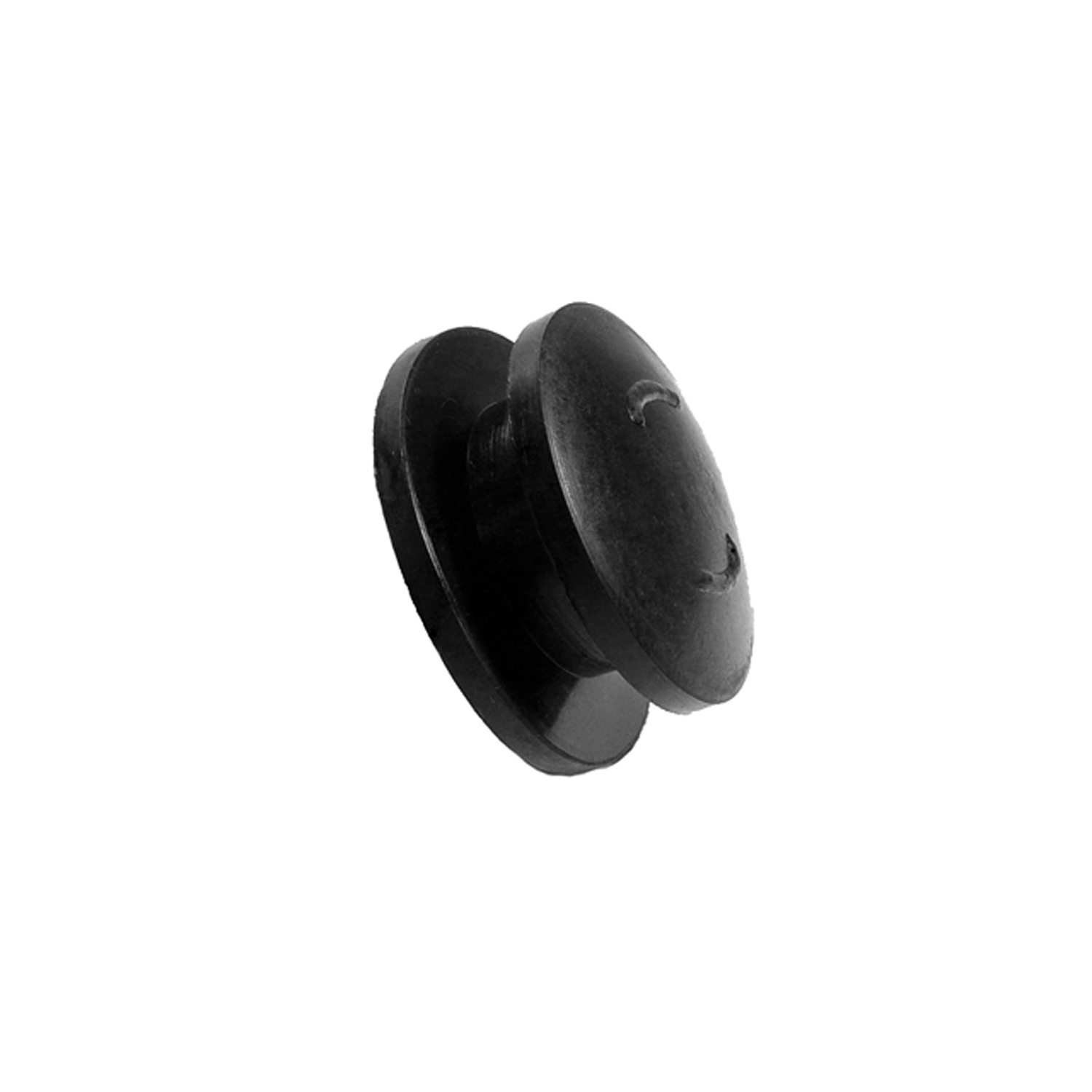 1939 Chevrolet TRUCK Horn Button. 2-3/16" O.D., 1-1/8" I.D. Each-RP 600-AHorn Button. 2-3/16" O.D., 1-1/8" I.D. Each
 1939 Chevrolet TRUCK Wire Grommet for Throttle, Choke, Oil and Temperature Lines-SM 88Wire Grommet for Throttle, Choke, Oil and Temperature Lines. Held by steel retainers. 3-13/16" X 1-1/8" X 5/16" thick. Each
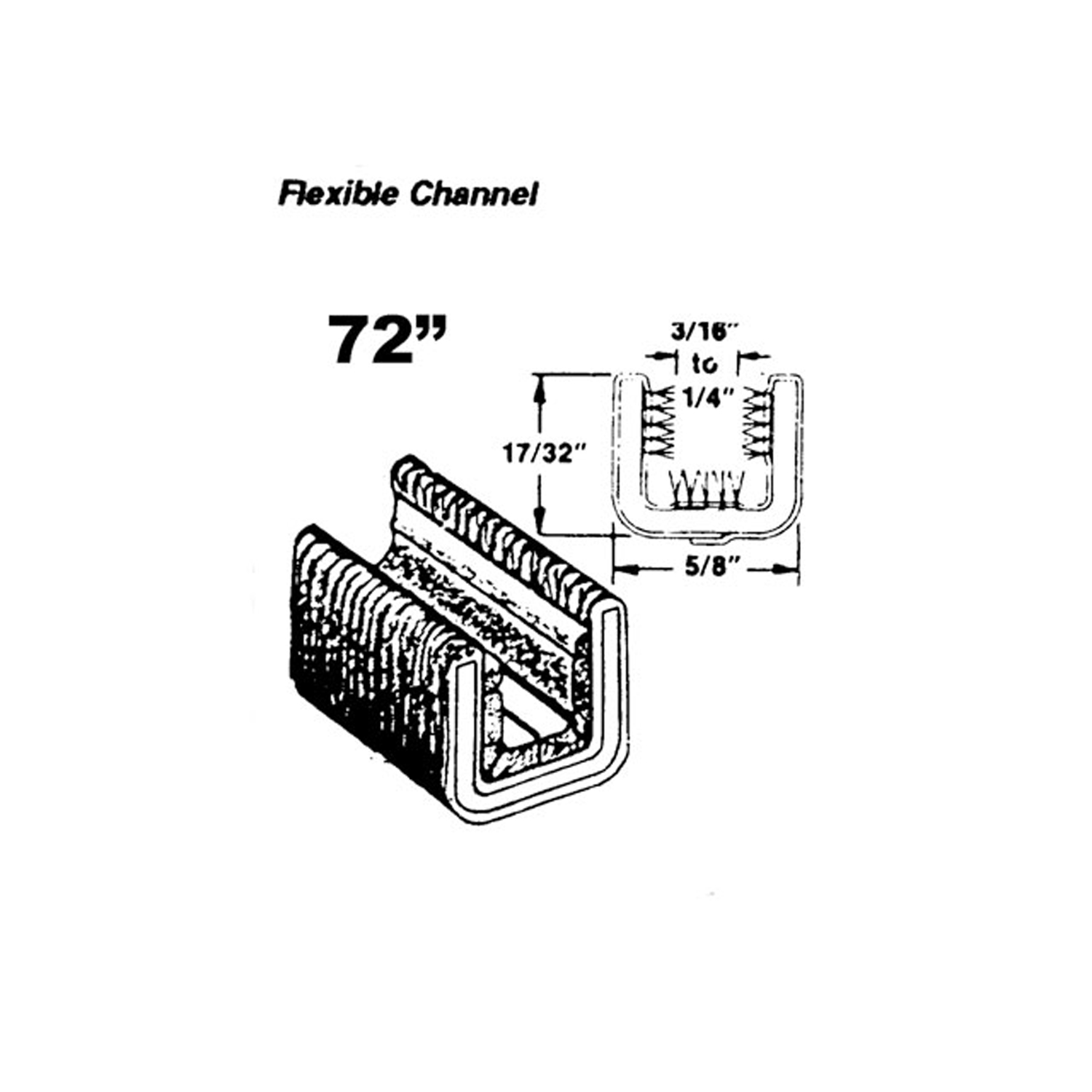 1939 Chevrolet TRUCK Flexible glass-run channel-WC 26-72Flexible glass-run channel. For models without framed side glass. Unbeaded, pile-lined. 72 in. long. Each. NOTE: $20 special shipping charge applies for domestic orders. Call or email for overseas shipping costs. Part can be sectioned into two equal lengths to reduce overseas shipping costs.
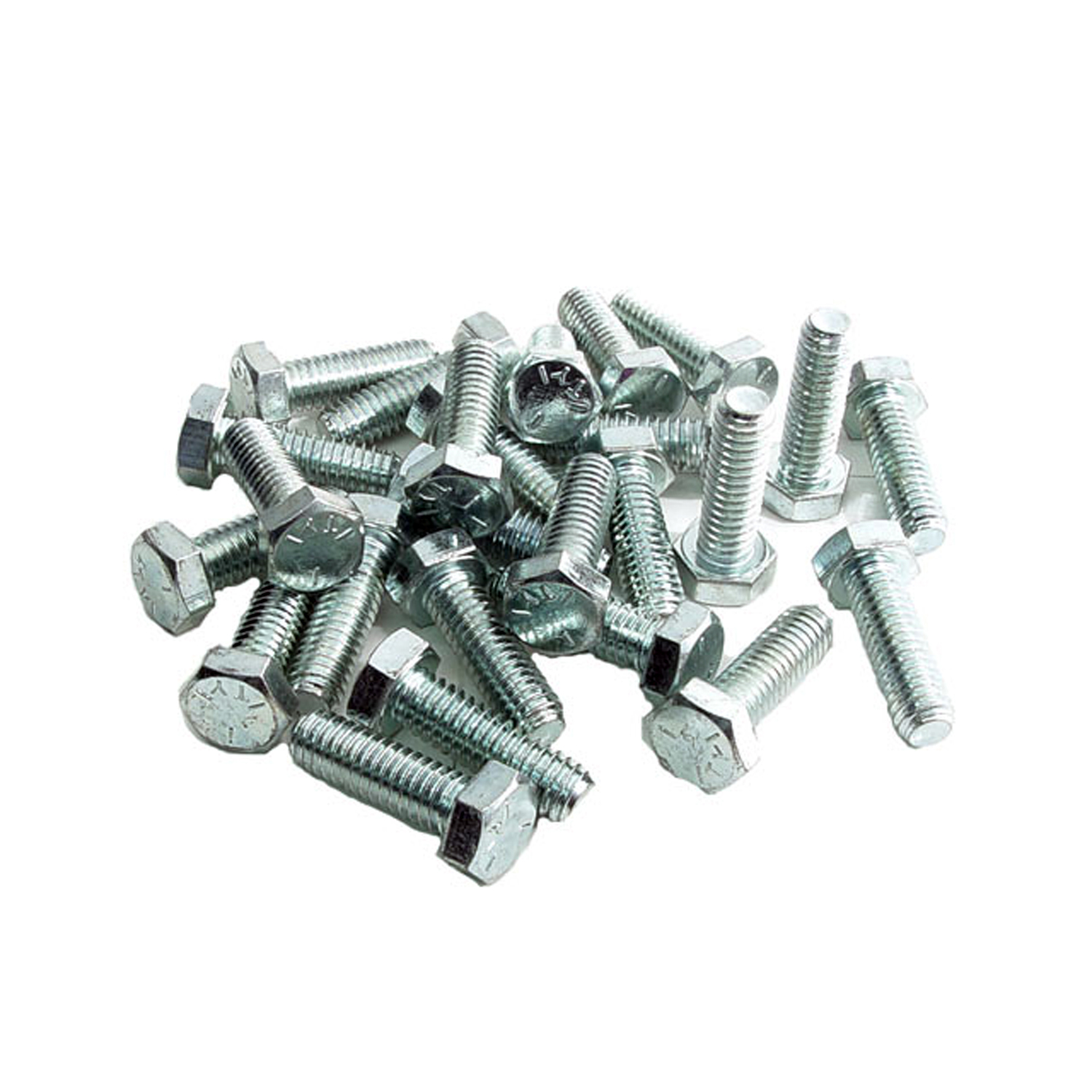 1939 Chevrolet TRUCK Fender Bolts. For use with Fender Bolt Washers; WF 3001-WF 3000Fender Bolts. For use with Fender Bolt Washers; WF 3001. Zinc Chromate plated, high strength. 1" X 5/16". Set of 25
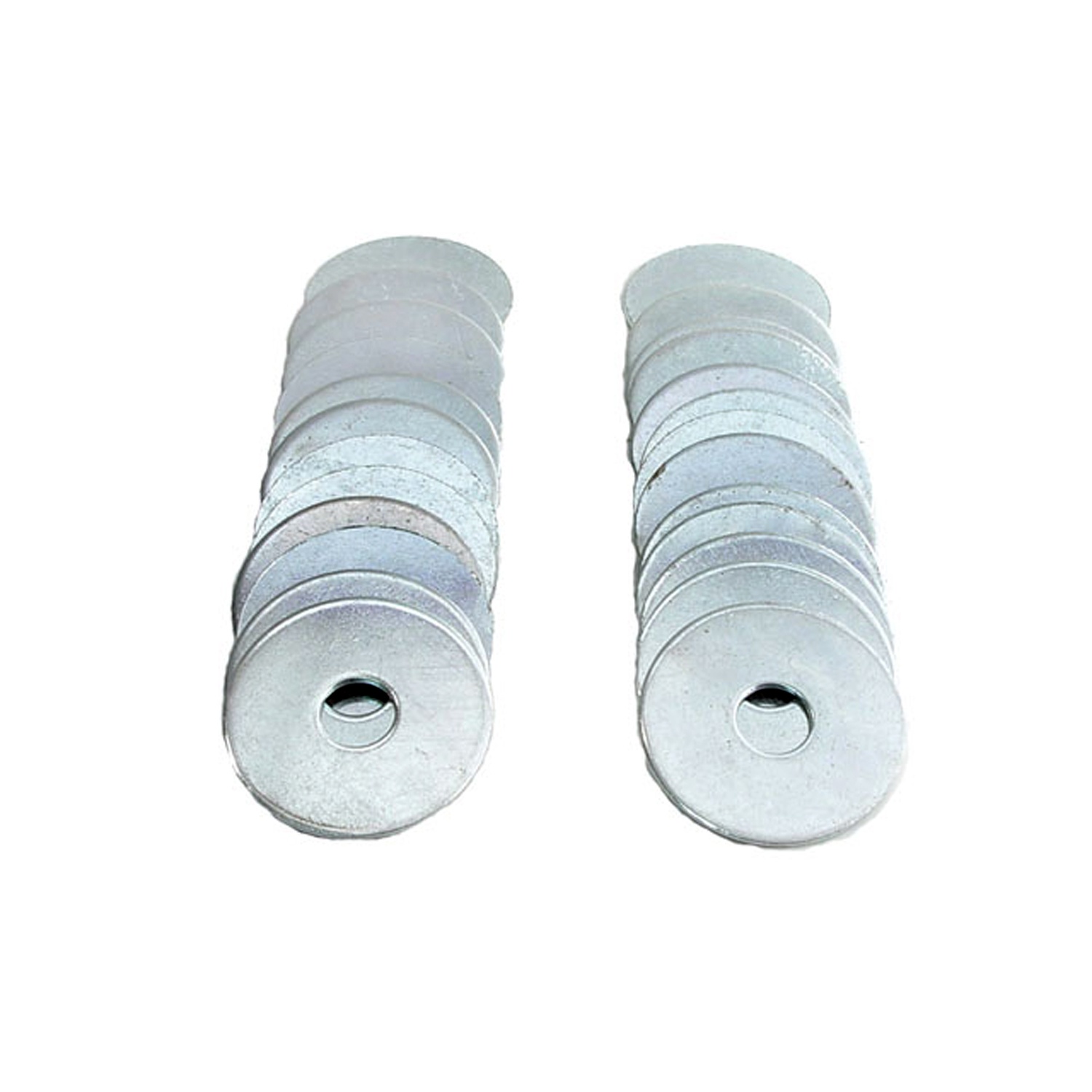 1939 Chevrolet TRUCK Fender Bolt Washers. For use with Fender Bolts; WF 3000-WF 3001Fender Bolt Washers. For use with Fender Bolts; WF 3000. High quality, cadmium plated. 1-1/4" O.D., 3/8" I.D. Set of 25
Why Choose Metro?
For over 100 years, Metro Moulded Parts has been the pinnacle of quality in classic car restoration parts. Our commitment to precision and authenticity in every component ensures a perfect fit and an OEM-level appearance.
- Expert Craftsmanship & Quality: Each part is a testament to our dedication to reliability and perfection, crafted from original designs and thoroughly tested.
- Advanced Technology: We use cutting-edge techniques to create flawless, long-lasting parts that surpass others in performance.
- SuperSoft Sponge – The Ultimate Door Seal: Not only are our door seals 30% softer than competitors', but they're also guaranteed to never leak. They effectively reduce wind and road noise, enhancing your classic car's comfort and driving experience.
- Proudly American: Our parts are a product of American craftsmanship, made in the USA with a spirit of excellence and heritage.
- Unrivaled Warranty: We back our products with a 30-year industry-leading warranty, a testament to our confidence in their quality.
Join us in preserving the legacy of classic cars with parts that are crafted for perfection, not just made.