
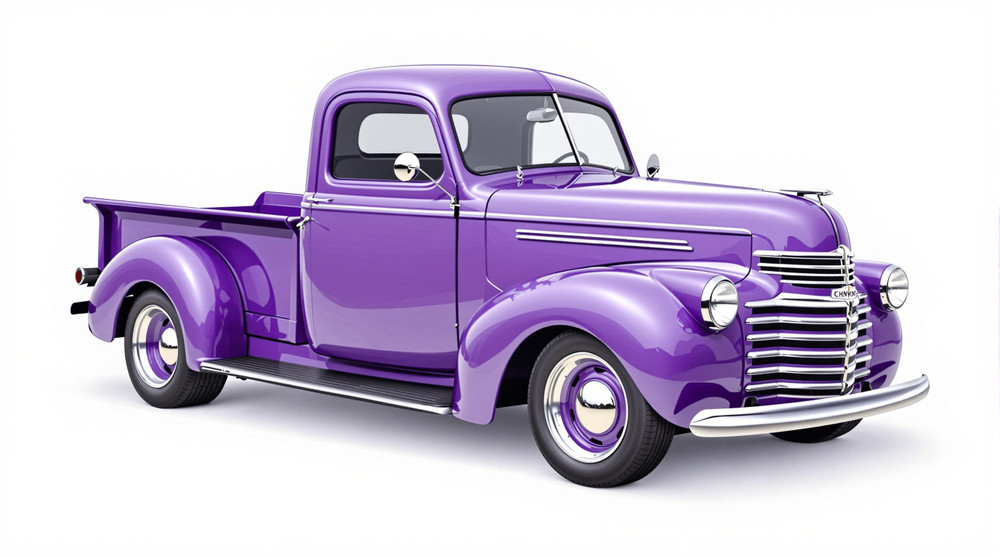
Image of 1940 Chevrolet Truck, Note: These illustrations use artistic license and may differ from actual historical models.
Performance Metrics
Fundamental Metrics
Emotional Appeal
MMP Rating
| Engine Specifications | |
|---|---|
| Engine: | Inline 6 |
| Displacement: | 216.5 cubic inches |
| Horsepower: | Estimated 85-90 HP |
| Torque: | 170 lb-ft |
| Compression Ratio: | Estimated 6.5:1 |
| Ignition System: | Battery and coil |
| Cooling System: | Liquid-cooled |
| Performance Specifications | |
| 0-60 Time: | Information not available due to the age of the vehicle |
| 1/4 Mile Time: | Information not available due to the age of the vehicle |
| Top Speed: | 70 mph |
| Transmission and Drive | |
| Drive Type: | Rear-wheel drive |
| Transmission Type: | 3-speed manual |
| Fuel and Efficiency | |
| Fuel System Type: | Carburetor |
| MPG: | Estimated 10-15 MPG |
| Dimensions and Brakes | |
| Brakes: | Drum brakes |
| Wheelbase: | 113 inches |
| Weight: | 3,200 lbs |
Note: Specifications for classic cars are given to the best of our ability, considering the limited and variant data available.
1940 Chevrolet Truck: A Prewar Workhorse with Art Deco Style
The 1940 Chevrolet Truck could haul a load all week and still turn heads at the curb, thanks to its rounded fenders, upright grille, and distinctly prewar character. Built by Chevrolet, then a division of General Motors, it belonged to a generation of trucks that paired practical working-truck engineering with a more carefully styled appearance than many earlier commercial vehicles.
Chevrolet offered the 1940 truck in several weight classes and configurations, from light-duty pickups to heavier commercial chassis. Its exact specifications depended on the series and body ordered, but the familiar half-ton pickup is the model most collectors picture today. Often grouped by enthusiasts with Chevrolet’s “Art Deco” trucks, it reflects a period when manufacturers were giving utility vehicles a more polished, modern look.
The truck arrived as the United States was emerging from the Great Depression and preparing for the industrial demands of World War II. America had not yet entered the war, but trucks like this were already essential to farms, shops, delivery routes, and local businesses. A notable twist in its story is that civilian production continued only briefly after the United States entered the war in December 1941. Automakers then shifted much of their capacity toward military production, making surviving prewar trucks tangible reminders of a rapidly changing era.
Art Deco Truck Styling
The 1940 Chevrolet’s face is its calling card. A broad, upright grille with closely spaced vertical bars sits between rounded front fenders, while the hood flows back toward a tall, softly curved cab. The headlights are set into the front fenders, giving the truck a more integrated appearance than the separate-lamp designs common on older vehicles. Running boards bridge the gap between the fenders, and the gently rounded cab roof completes the period look.
It is handsome without being delicate. The fenders, hood, and cab have generous curves, but the truck still looks ready to work. Restored examples often wear bright grille trim and carefully finished paint, while original work trucks may show a simpler, more utilitarian finish. That contrast is part of the model’s appeal: it can look elegant at a show and entirely believable parked beside a barn.
Inside, the cab is straightforward and durable. The dashboard is mostly painted metal, with a compact instrument panel, simple controls, and a broad steering wheel. A bench seat, generally trimmed in practical upholstery such as cloth or durable leatherette, accommodates the driver and passenger. Materials were chosen for serviceability rather than luxury, but the cab’s curved metalwork and clear, direct layout give it more personality than a bare-bones utility interior.
Engine, Equipment, and Body Choices
The typical light-duty 1940 Chevrolet Truck used Chevrolet’s 216.5-cubic-inch overhead-valve inline-six, commonly known as a Stovebolt six. In period truck trim, it produced about 85 horsepower. A three-speed manual transmission and rear-wheel drive delivered that power to the road. The six-cylinder’s reputation rested less on speed than on its steady pulling ability and straightforward construction.
For its time, the truck offered useful modern equipment. Hydraulic drum brakes provided more even braking than older mechanical systems, while a six-volt electrical system powered the lights and ignition. Sealed-beam headlamps were part of the new lighting standard introduced for American vehicles around this period. The suspension and chassis were built for carrying loads, using conventional leaf springs and a solid front axle rather than a car-like independent setup.
Chevrolet’s commercial range included pickup, panel-delivery, and cab-and-chassis configurations, with heavier-duty versions available for stake, platform, and other commercial bodies. Some specialized bodies were supplied or completed by outside body builders. The half-ton pickup is the most iconic version today, especially the open-bed model with its simple tailgate and wood or metal bed fittings. Panel deliveries and heavier trucks are less commonly seen at casual car shows, but they have a strong following among commercial-vehicle enthusiasts.
Paint depended on the truck’s series, destination, and buyer. Work vehicles were often ordered in practical solid colors, while fleet owners and businesses could favor colors that matched their branding. Black, dark green, and blue are popular choices on restored trucks, though a restoration should be checked against the correct factory information for its specific series and market. Many surviving trucks have also been repainted several times, so an old color on a project vehicle is not automatically its original one.
Why the 1940 Chevrolet Truck Matters
The 1940 Chevrolet was not a radical engineering breakthrough, and that is part of what made it successful. It brought together proven mechanical components, useful body choices, and styling that made a commercial vehicle feel current. Chevrolet was competing in a crowded truck market, and the model’s mix of capability, accessibility, and attractive design helped make the brand a familiar sight on American roads.
Its lasting influence is most visible in the way it helped normalize the idea that a truck could be both a working tool and a well-designed product. The rounded cab and fender forms look thoroughly of their era, yet they also established a visual language that collectors now associate with prewar Chevrolet trucks. Later pickups would become more comfortable and powerful, but the 1940 model captures an important transition from purely functional transport to the more lifestyle-oriented trucks that followed decades later.
1940 Chevrolet Truck Performance and Driving
There is no single factory top-speed or 0-to-60-mph figure that applies to every 1940 Chevrolet Truck. Gear ratios, body style, axle choice, load, tire condition, and mechanical health all affect performance. As a general guide, a well-maintained light-duty example might reach roughly 55 to 65 mph, while acceleration to 60 mph is slow by modern standards and can take around 30 seconds or longer. These are practical estimates, not modern instrumented test results.
Behind the wheel, the engine delivers its power with a steady six-cylinder thrum rather than a quick burst of acceleration. The driver works a manual gearbox, steers through a large wheel, and relies on drum brakes that need more planning and distance than modern discs. The view over the hood is commanding, and the controls make the driver feel directly connected to the truck’s mechanical workings.
The ride is firm, especially when the truck is empty. Its load-oriented springs can feel choppy over potholes and broken pavement, while a properly loaded bed often settles the chassis. On winding roads, the tall body, manual steering, and period tires call for measured inputs rather than quick cornering. Crosswinds can also make an empty pickup feel unsettled. A healthy truck is perfectly capable of enjoyable local drives, but it belongs in the right lane and rewards patience.
Living with a Prewar Chevrolet
Today, the 1940 Chevrolet Truck is most often used as a show vehicle, weekend cruiser, parade truck, or carefully maintained farm and business runabout. Some owners preserve the original working appearance, while others build high-quality restorations or modified “restomod” pickups with updated brakes, steering, suspension, or engines. For collectors, an honest, period-correct truck can be just as appealing as a gleaming show restoration.
Routine mechanical work is generally approachable for a mechanically minded owner. The engine bay is not crowded by modern electronics, and many repairs involve familiar components such as carburetors, ignition systems, drum brakes, and leaf springs. Parts support remains good for common service items and popular pickup models, although trim, sheet metal, and parts specific to less common body styles can take more searching. Rust deserves close attention, particularly around cab corners, floors, fenders, running boards, and the bed.
Reliability depends heavily on maintenance and the quality of any restoration. Age-related problems can include worn wiring, tired cooling systems, fuel-system issues, and brake components that have sat unused. The original six-volt electrical system is adequate when properly maintained, but poor grounds or deteriorated wiring can create frustrating starting and lighting problems. A careful inspection before a long trip is sensible, as is remembering that modern traffic moves faster than this truck was designed to travel.
1940 Chevrolet Truck Facts and Myths
“Art Deco truck” is a popular enthusiast label rather than a formal Chevrolet model name. It describes the styling character of several late-1930s and early-1940s Chevrolet trucks. The term is useful shorthand, but it does not mean every truck from this period had identical bodywork or equipment.
There is no widely recognized land-speed, endurance, or sales record attached specifically to the 1940 model. Its distinction is more everyday and more meaningful: trucks from this family became part of the working landscape of farms, small businesses, and local delivery fleets. Some continued serving through the war years and beyond, often with hard lives and repeated repairs. That long service is also why original, unmodified survivors can be difficult to find.
A common criticism is that the truck is slow, noisy, and demanding by modern standards. The brakes, steering, seating, and cabin comfort do not compare with a contemporary pickup. On the other hand, those very qualities are part of the experience for many owners. The truck’s straightforward mechanics and unmistakable sound are a large part of its appeal, provided the buyer understands that it is a vintage vehicle rather than modern transportation.
Collector Value and Availability
Exact production totals for every 1940 Chevrolet truck configuration are not consistently presented in a single, easily verified figure. As a broad estimate, Chevrolet may have built roughly 180,000 to 230,000 trucks across its 1940 commercial range, with the light-duty pickup representing only part of that total. This is an informed estimate, not a confirmed count of surviving or newly produced pickups.
Values vary widely with condition, originality, body style, and the quality of restoration. In the current collector market, a rough project truck might sell for about $5,000 to $12,000. A usable driver or an older, presentable restoration may fall around $12,000 to $25,000. Well-restored pickups commonly bring roughly $25,000 to $40,000, while exceptional examples or rare commercial configurations can exceed that range. These are broad U.S. market estimates, and local demand can move prices substantially.
The half-ton pickup is the easiest version to find because it is the most popular with collectors and restoration shops. Panel deliveries, heavier-duty models, and trucks with unusual original bodies are scarcer. Values have generally benefited from strong interest in classic pickups, though condition and build quality matter more than simply having a prewar Chevrolet badge. A carefully documented, well-finished truck is more likely to hold its value than a hurried restoration or heavily modified example.
The 1940 Chevrolet Truck’s Lasting Appeal
The 1940 Chevrolet Truck combines a dependable overhead-valve six, straightforward working-truck construction, and styling that has aged into an American classic. It is not fast or plush, but it is practical, mechanically approachable, and unmistakably tied to the prewar years. Whether preserved as a farm truck, restored as a showpiece, or driven on quiet weekend roads, it offers a direct connection to the era when Chevrolet helped put dependable trucks to work across the country.
More than eight decades later, its rounded fenders and steady six-cylinder pulse still tell the story of a vehicle built to earn its keep, and built with enough character to be remembered.
1940 Chevrolet Truck Catalog of Parts
 1940 Chevrolet TRUCK Rear Bumper Arm Grommets-BG 77Rear Bumper Arm Grommets. 2-1/8" wide X 3-3/4" long, with 1-3/4" long inner slot. For 1/2 Ton, Commercial and Utility Vehicles. Pair
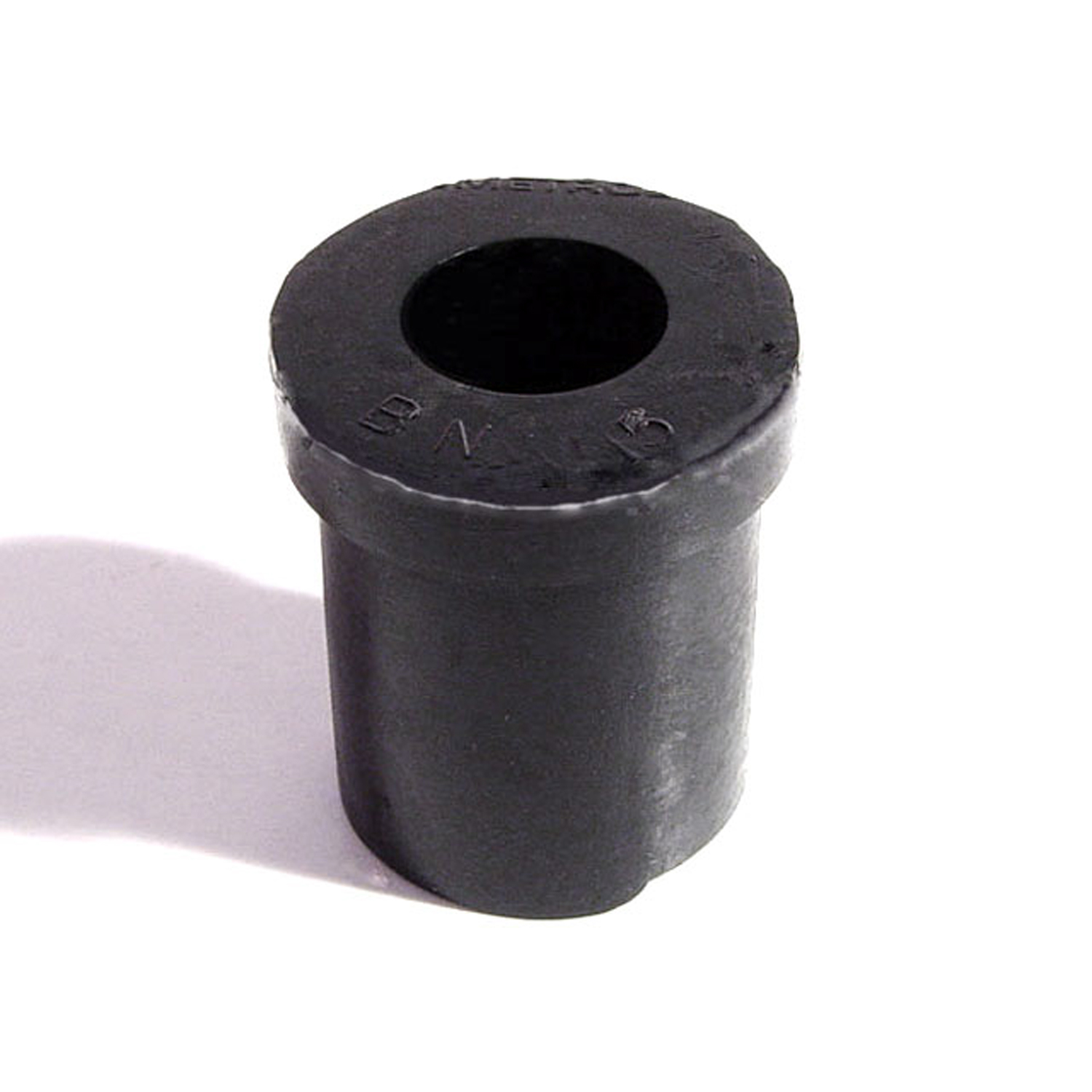 1940 Chevrolet TRUCK Spring and Shackle Bushing. 7/8" bottom O.D-BN 15Spring and Shackle Bushing. 7/8" bottom O.D. X 1-1/8" high, with 1/2" I.D. Each
 1940 Chevrolet TRUCK Gas Filler Grommet. Made with proper flange. 2-15/16" I.D-GF 30-AGas Filler Grommet. Made with proper flange. 2-15/16" I.D., 4-1/8" O.D. Each
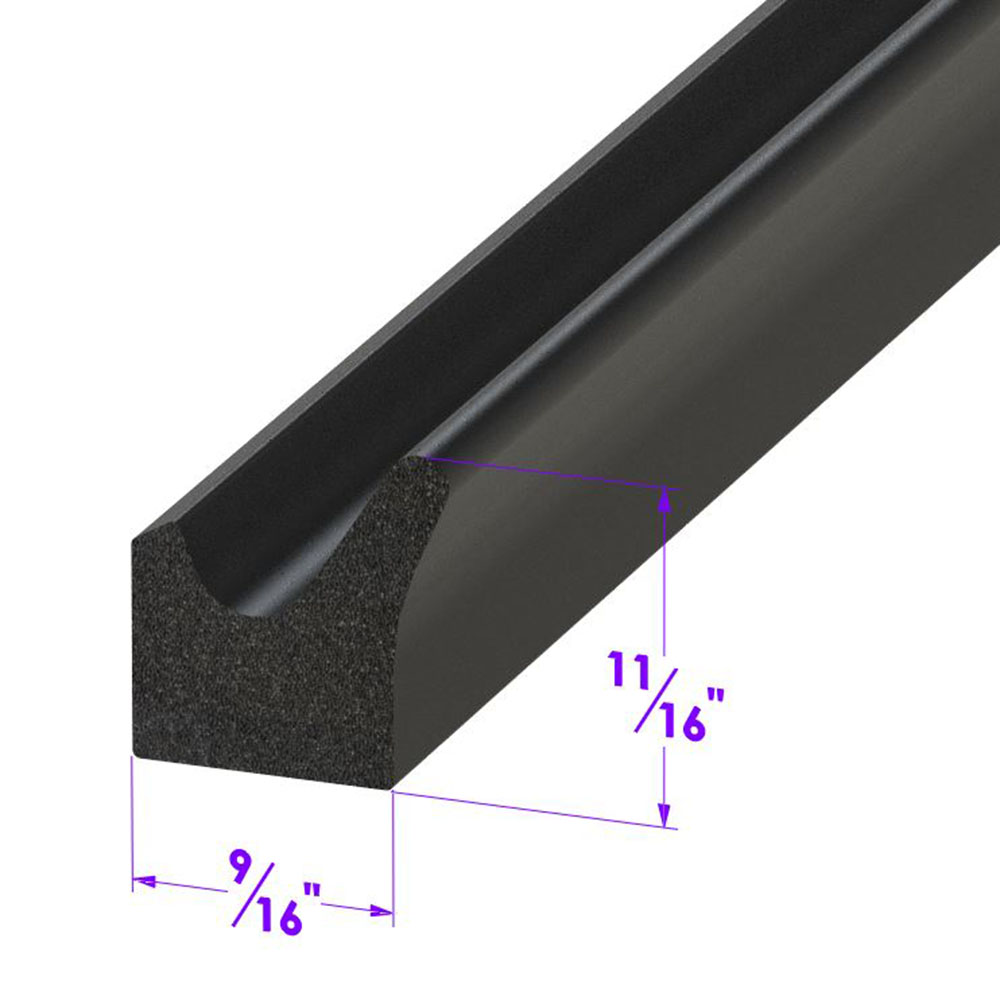 1940 Chevrolet TRUCK Door side seal. Same as LP 40-A, but for a heavier seal-LP 40Door side seal. Same as LP 40-A, but for a heavier seal. Fits many domestic passenger cars and trucks. Used in Cobra kit cars as trunk weatherstrip. Per foot.
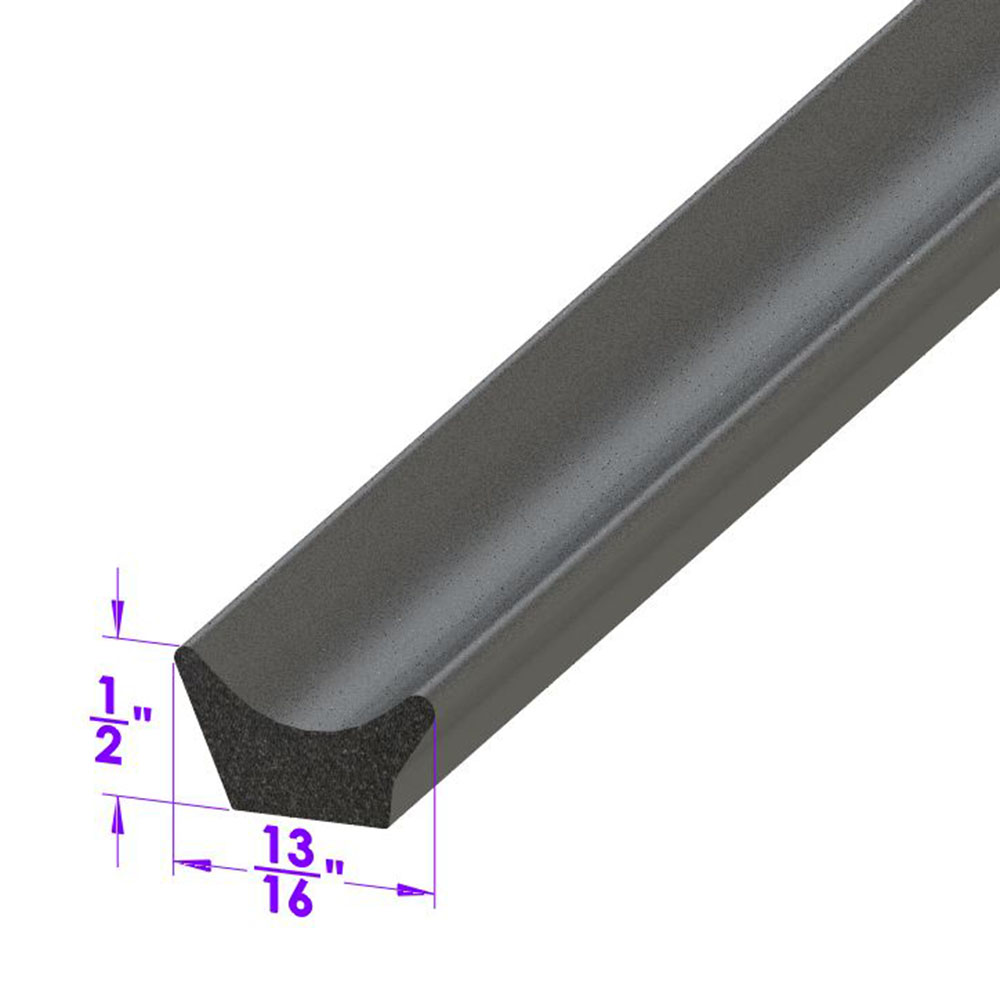 1940 Chevrolet TRUCK Door side seal. Same as LP 40, but for a lighter seal-LP 40-ADoor side seal. Same as LP 40, but for a lighter seal. Fits many domestic passenger cars and trucks. Universal seal for street rods and customs. Used in Cobra kit cars as door weatherstrip. Per foot.
 1940 Chevrolet TRUCK Swing-Out Windshield Seal. 3/4" High. Sold by the foot-LP 97-ASwing-Out Windshield Seal. 3/4" High. Sold by the foot
 1940 Chevrolet TRUCK Swing-Out Windshield Seal. 1" High. Sold by the foot-LP 97-BSwing-Out Windshield Seal. 1" High. Sold by the foot
 1940 Chevrolet TRUCK Side Mount Antenna Pad. '39-'40: Two used per car-MB 539Side Mount Antenna Pad. '39-'40: Two used per car. '41: One used per car. Thick on one side of beaded pad. 1-7/16" O.D., 1/2" I.D. Each
 1940 Chevrolet TRUCK Front motor mount-MM 1Front motor mount. Fits all '32 Chevy passenger cars and Sedan Delivery (BA/BB); '32-'42 Chevy pickups; '33-'55 Chevy Commercial and Utility (1st Series) vehicles; '39-'54 GMC pickups. 1-3/8 in. W x 7-5/8 in. L. Replaces OEM#'s 3657520/37339939. One used per vehicle. Each.
 1940 Chevrolet TRUCK Tail-light Pads. For Sedan Delivery-MP 483-CTail-light Pads. For Sedan Delivery. 3-1/8" wide X 7-3/4" long. Pair
 1940 Chevrolet TRUCK Headlight Pads. For 1/2 Ton Panel Truck-MP 528-EHeadlight Pads. For 1/2 Ton Panel Truck. 3" wide X 6-3/4" long. Pair R&L
 1940 Chevrolet TRUCK Cowl Vent Seal. 3-3/4" wide X 14-5/8" long. Each-RP 100-OCowl Vent Seal. 3-3/4" wide X 14-5/8" long. Each
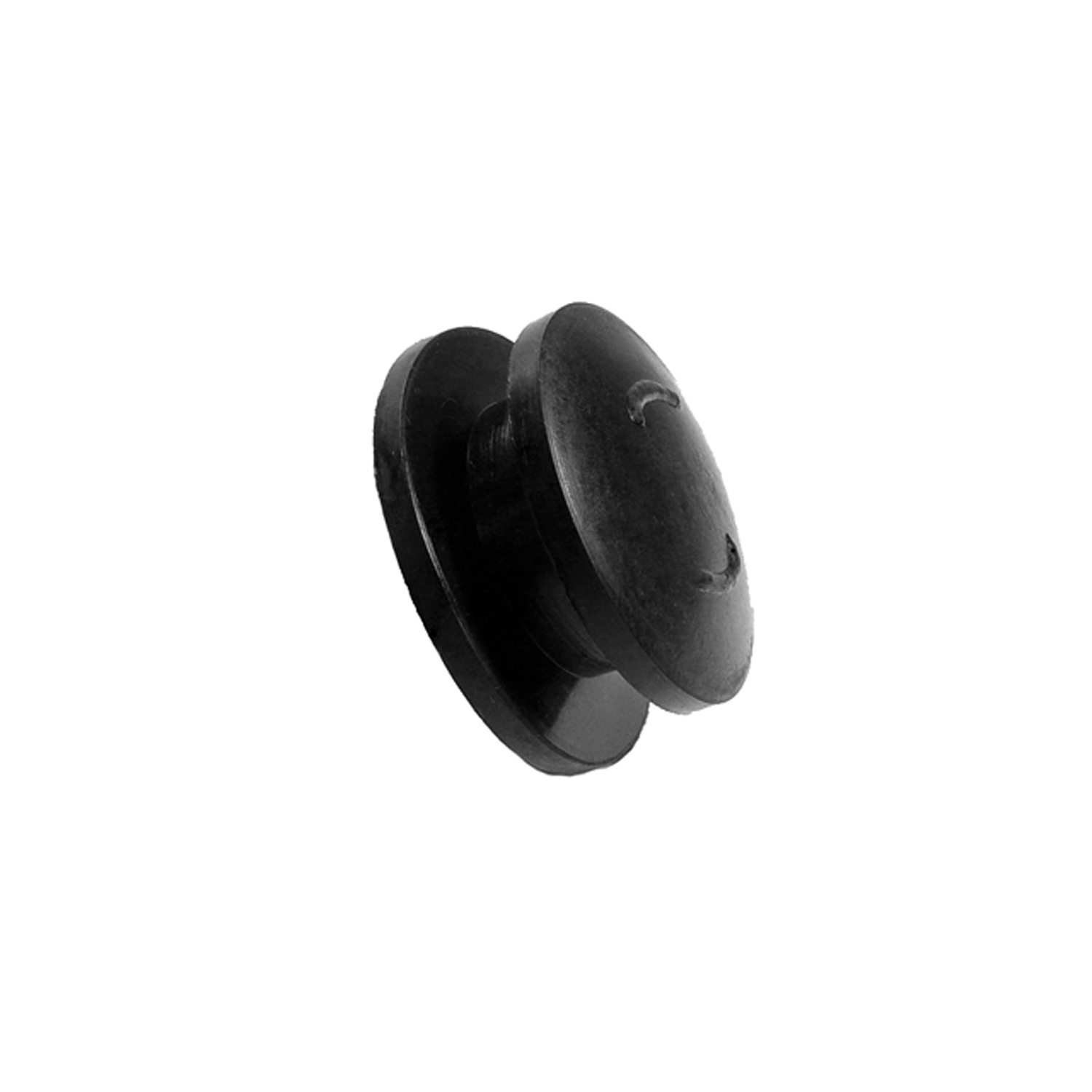 1940 Chevrolet TRUCK Horn Button. 2-3/16" O.D., 1-1/8" I.D. Each-RP 600-AHorn Button. 2-3/16" O.D., 1-1/8" I.D. Each
 1940 Chevrolet TRUCK Wire Grommet for Throttle, Choke, Oil and Temperature Lines-SM 88Wire Grommet for Throttle, Choke, Oil and Temperature Lines. Held by steel retainers. 3-13/16" X 1-1/8" X 5/16" thick. Each
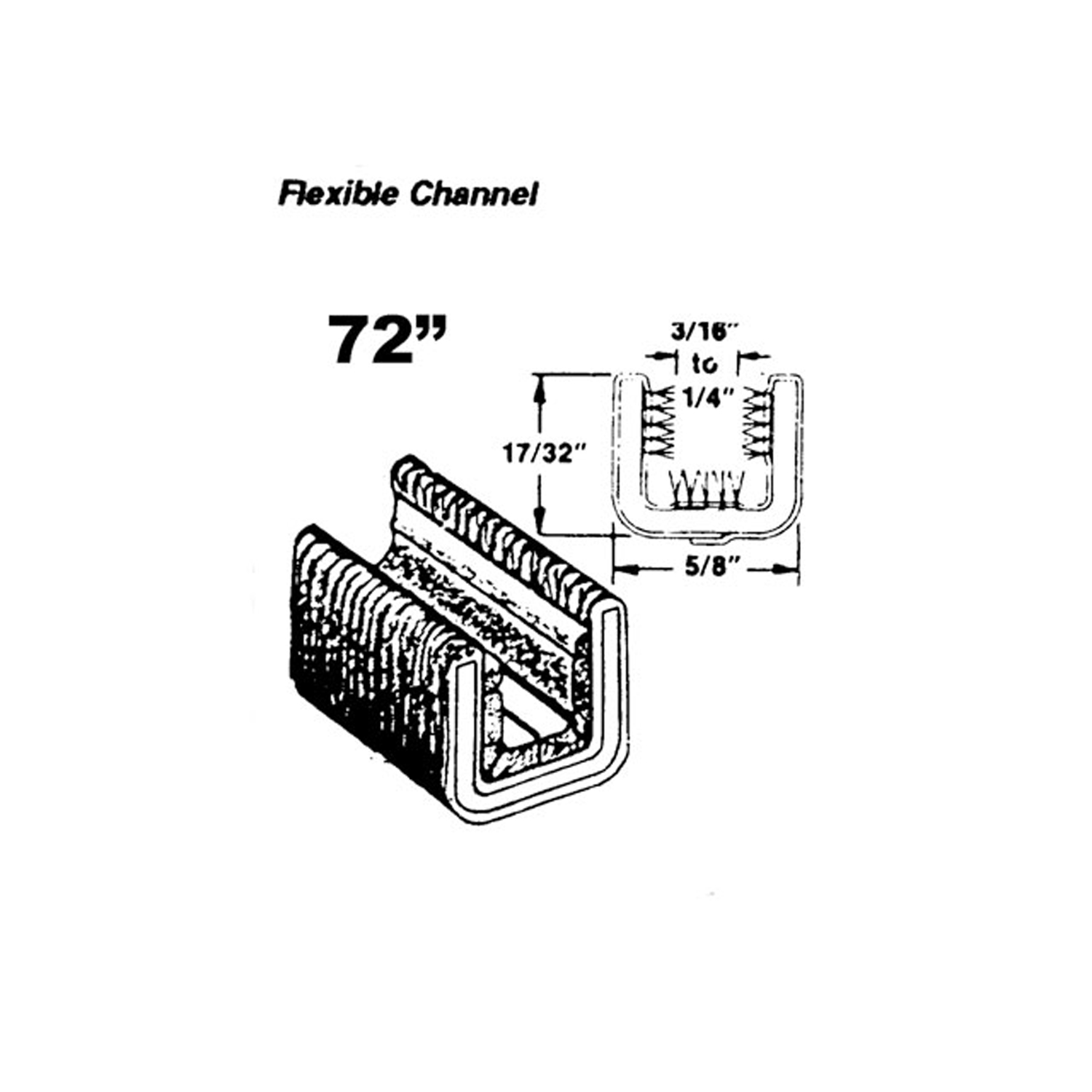 1940 Chevrolet TRUCK Flexible glass-run channel-WC 26-72Flexible glass-run channel. For models without framed side glass. Unbeaded, pile-lined. 72 in. long. Each. NOTE: $20 special shipping charge applies for domestic orders. Call or email for overseas shipping costs. Part can be sectioned into two equal lengths to reduce overseas shipping costs.
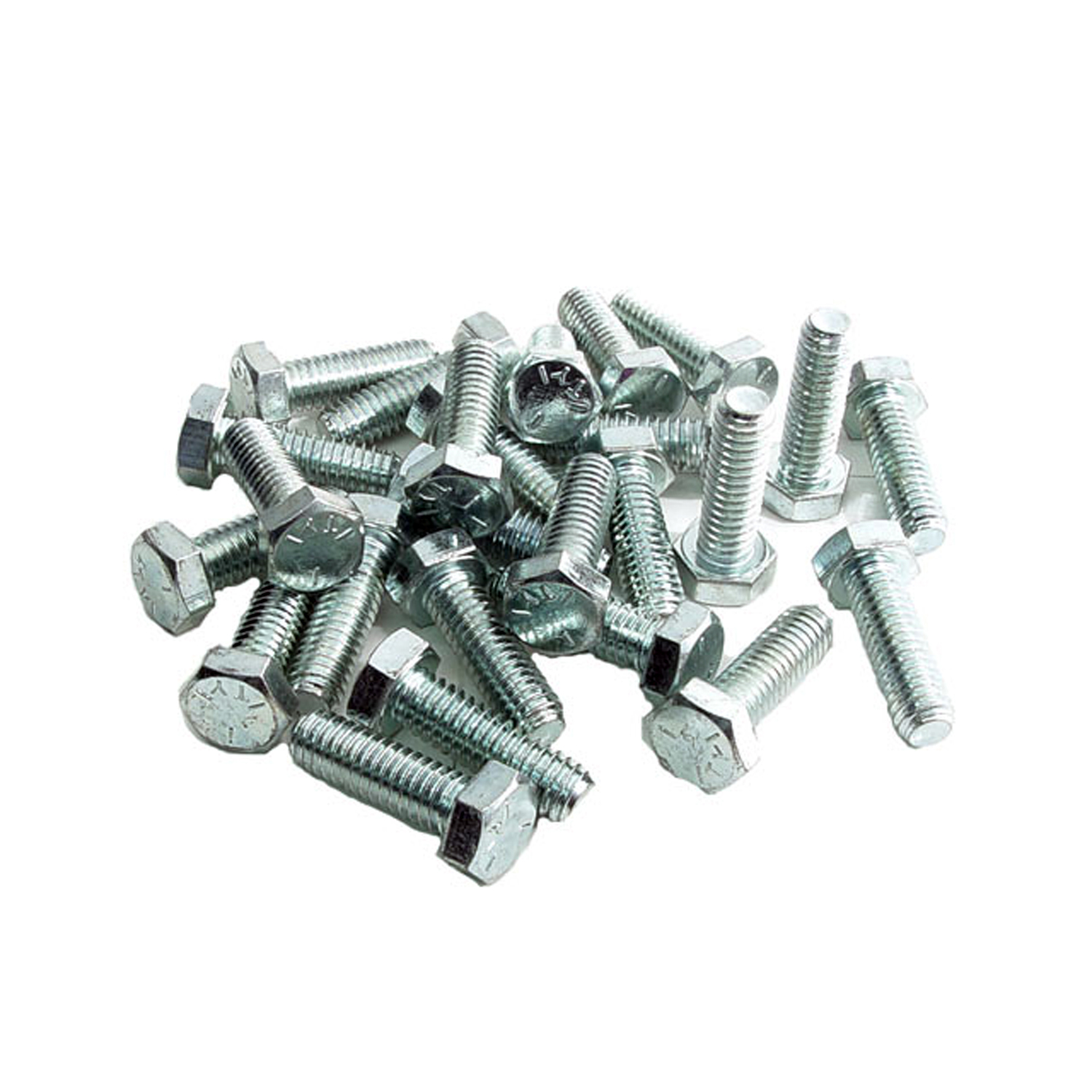 1940 Chevrolet TRUCK Fender Bolts. For use with Fender Bolt Washers; WF 3001-WF 3000Fender Bolts. For use with Fender Bolt Washers; WF 3001. Zinc Chromate plated, high strength. 1" X 5/16". Set of 25
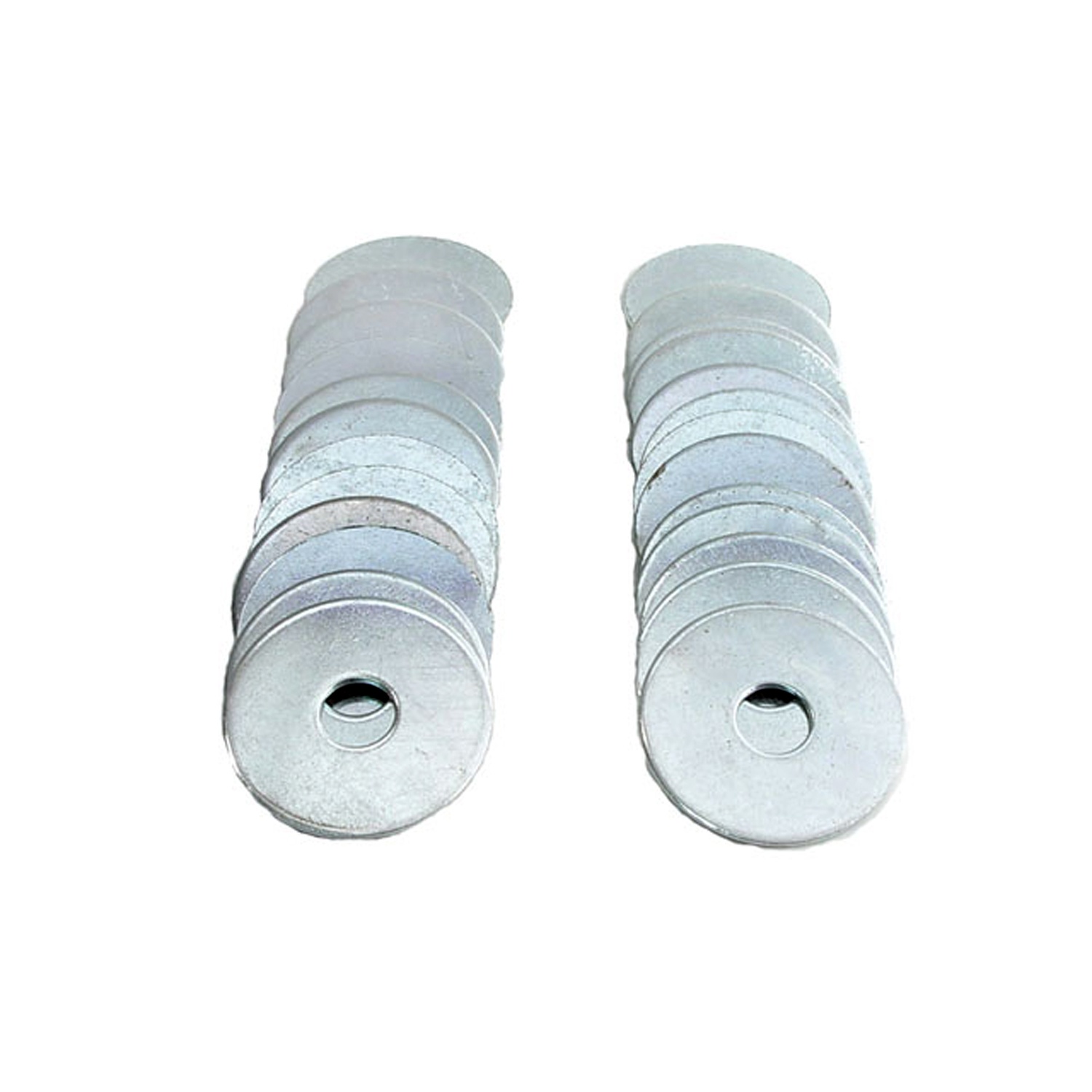 1940 Chevrolet TRUCK Fender Bolt Washers. For use with Fender Bolts; WF 3000-WF 3001Fender Bolt Washers. For use with Fender Bolts; WF 3000. High quality, cadmium plated. 1-1/4" O.D., 3/8" I.D. Set of 25
Why Choose Metro?
For over 100 years, Metro Moulded Parts has been the pinnacle of quality in classic car restoration parts. Our commitment to precision and authenticity in every component ensures a perfect fit and an OEM-level appearance.
- Expert Craftsmanship & Quality: Each part is a testament to our dedication to reliability and perfection, crafted from original designs and thoroughly tested.
- Advanced Technology: We use cutting-edge techniques to create flawless, long-lasting parts that surpass others in performance.
- SuperSoft Sponge – The Ultimate Door Seal: Not only are our door seals 30% softer than competitors', but they're also guaranteed to never leak. They effectively reduce wind and road noise, enhancing your classic car's comfort and driving experience.
- Proudly American: Our parts are a product of American craftsmanship, made in the USA with a spirit of excellence and heritage.
- Unrivaled Warranty: We back our products with a 30-year industry-leading warranty, a testament to our confidence in their quality.
Join us in preserving the legacy of classic cars with parts that are crafted for perfection, not just made.