

Image of 1946 Chevrolet Truck, Note: These illustrations use artistic license and may differ from actual historical models.
Performance Metrics
Fundamental Metrics
Emotional Appeal
MMP Rating
| Engine Specifications | |
|---|---|
| Engine: | 216.5 cu in (3.5 L) I6 |
| Displacement: | 216.5 cu in (3.5 L) |
| Horsepower: | 90-100 hp |
| Torque: | 174 lb-ft |
| Compression Ratio: | 6.6:1 |
| Ignition System: | Battery and coil |
| Cooling System: | Liquid-cooled |
| Performance Specifications | |
| 0-60 Time: | Not available due to the age and type of vehicle |
| 1/4 Mile Time: | Not available due to the age and type of vehicle |
| Top Speed: | 50-55 mph |
| Transmission and Drive | |
| Drive Type: | Rear-wheel drive |
| Transmission Type: | 3-speed manual |
| Fuel and Efficiency | |
| Fuel System Type: | Carburetor |
| MPG: | 10-15 mpg |
| Dimensions and Brakes | |
| Brakes: | Hydraulic drum brakes |
| Wheelbase: | 115 inches |
| Weight: | 3,200 lbs |
Note: Specifications for classic cars are given to the best of our ability, considering the limited and variant data available.
1946 Chevrolet Truck: The Last of the Prewar Workhorses
The 1946 Chevrolet Truck brought American work back onto the road after years of wartime production, carrying a familiar prewar design into a rapidly changing postwar world. Built by Chevrolet, a division of General Motors, it was part of the company’s “AK” truck series, a rugged range that had been updated for 1941 and then kept in production through the war years.
In 1946, Chevrolet returned its attention to civilian customers who needed trucks for farms, businesses, construction jobs, and everyday hauling. The truck was not an all-new design, but that was part of its appeal: proven mechanicals, straightforward construction, and a useful range of chassis and body styles. It also marks an important dividing line in Chevrolet truck history. The 1946 model was among the final examples of the prewar series before the much more extensively redesigned Advance Design trucks arrived for the 1947 model year.
One detail that makes the 1946 especially interesting is its timing. It looked back to the prewar era but was sold during the first full year of the postwar civilian vehicle boom. For many buyers, it was less a nostalgic purchase than a practical tool for getting a business or farm moving again.
Art Deco Looks and Work-Ready Details
The 1946 Chevrolet has the upright, purposeful shape associated with early-1940s American trucks. Its tall hood, rounded front fenders, broad running boards, and compact cab give it a distinctly prewar profile. The grille and front-end trim vary by model and production details, but the overall effect is clean and substantial rather than flashy. Many enthusiasts describe trucks of this era as “Art Deco,” a nickname that captures their rounded forms and carefully shaped sheet metal.
The cab was designed around utility. Inside, the driver faced a simple dashboard with clearly arranged instruments, a large steering wheel, and controls that were easy to reach. A wide bench seat accommodated a driver and passenger, with upholstery materials and finishes depending on the truck and its equipment. Compared with a modern pickup, the cabin is basic: little sound insulation, few comfort extras, and plenty of painted metal. That simplicity also makes the interior relatively easy to understand and restore.
Chevrolet offered the 1946 in a range of commercial configurations. The half-ton 3100 pickup is the best-known and most commonly sought-after version today. Heavier-duty models included the 3600 three-quarter-ton and 3800 one-ton, while chassis-cab and chassis-cowl versions could be fitted with specialized bodies. Buyers could also find configurations such as stake, platform, panel-delivery, and canopy-style bodies, depending on the intended job and local availability.
Color choices depended on the model, body type, production source, and whether the truck was ordered for fleet or commercial use. Black, red, blue, green, and subdued work-truck shades are commonly associated with surviving examples, but factory paint records and original paint chips are the best guides for a faithful restoration. Today, restored trucks are often seen in deep reds, dark greens, blues, and classic black, while some owners choose period-correct commercial colors.
Technology Built for the Job
Under the hood, many 1946 Chevrolet trucks used Chevrolet’s 216.5-cubic-inch inline-six, commonly called the 216. In typical truck form it produced about 90 horsepower, with output and specifications varying by application. It was paired with a manual transmission, usually a three-speed in light-duty models, while heavier configurations and equipment could differ.
The six-cylinder engine was valued for its steady low-speed pull and straightforward construction, not high-revving performance. The truck also used familiar mechanical systems, including a solid front axle, leaf springs, and hydraulic brakes. These were practical choices for a vehicle expected to carry loads and spend its life around farms, workshops, and rough roads. There were no modern driver aids, power steering, or automatic transmission options to soften the work. The driver supplied the muscle and the judgment.
A Bridge Between Two Truck Generations
The 1946 Chevrolet Truck’s historical importance comes less from a single breakthrough than from what it represents. It was a dependable continuation of a successful prewar design at a moment when American businesses and households urgently needed vehicles. Its familiar engineering helped Chevrolet meet demand without waiting for a complete redesign.
It also stands at the end of a long-running design chapter. Chevrolet’s Advance Design trucks, introduced for the 1947 model year, brought a more modern cab and a fresh visual identity. That makes the 1946 a useful point of comparison for collectors: it retains the narrower, more upright character of earlier trucks, while the next generation moved toward a roomier, more contemporary appearance.
Against its contemporaries, the Chevrolet’s strengths were accessibility and practicality. It was part of a broad product line, supported by Chevrolet’s large dealer and parts network. The basic formula of a sturdy frame, dependable six-cylinder power, and multiple body choices helped define what American buyers expected from a general-purpose work truck. Its influence is visible in the way later pickups continued to balance everyday usability with commercial capability.
Performance and Road Manners
A 1946 Chevrolet Truck is not quick by modern standards. Chevrolet did not publish a single meaningful 0-to-60-mph figure for every body, axle ratio, and load combination, so any number should be treated as an estimate. A sound, lightly loaded half-ton might take roughly 30 to 40 seconds to reach 60 mph. A heavily loaded truck or a heavier-duty model could be slower. Top speed is generally around 60 to 65 mph in favorable conditions, though sustained highway cruising is more comfortable at lower speeds.
On the road, the truck feels mechanical and direct. The steering is unassisted, the gear changes require deliberate movement, and the driver can feel the chassis working beneath the cab. The leaf-spring suspension handles a useful load well, but an empty truck can bounce over sharp bumps. On a winding road, its tall stance, solid front axle, and period tires call for measured cornering rather than quick inputs. Crosswinds and road grooves are also more noticeable than they are in a modern pickup.
The inline-six provides a steady, low-pitched rumble, accompanied by the fan, exhaust, and general mechanical sounds of an older truck. Acceleration builds gradually, and the driver must plan ahead when merging or climbing hills. For enthusiasts, that is part of the appeal: the truck rewards smooth shifts, good timing, and a light touch rather than speed.
Living With a 1946 Chevrolet
Today, these trucks are commonly used as weekend drivers, show vehicles, parade trucks, farm runabouts, and rolling advertisements for small businesses. Some are restored to factory-style specification, while others receive modern engines, transmissions, brakes, or steering components. A carefully maintained original-style truck can be enjoyable on local roads, but it is not an ideal substitute for a modern daily driver on fast highways.
Maintenance is manageable for an owner with basic mechanical skills. The engine bay is relatively accessible, and many routine jobs can be done with common tools. Parts support is strong for popular components, especially for the 3100, though trim, correct interior pieces, and certain model-specific parts can take more searching. As with any nearly 80-year-old vehicle, condition matters more than reputation: inspect the frame, cab corners, floor, fenders, and bed for rust, and check the engine, transmission, brakes, and cooling system before purchase.
Reliability depends heavily on upkeep and restoration quality. A healthy 216 can be a durable engine when serviced correctly, but neglected cooling, lubrication, or ignition systems can turn a simple truck into a project. Buyers should also remember that period brakes, lighting, tires, and steering do not offer the performance or safety margins of modern equipment.
Notable Facts and Common Criticisms
The 1946 model belongs to Chevrolet’s AK-series trucks, a family that traces its basic design to the prewar period. Its proximity to the 1947 Advance Design launch is one reason collectors prize it: it offers a final look at Chevrolet’s earlier truck styling just before the company made a major visual and practical shift.
There is no widely recognized 1946 Chevrolet Truck land-speed record or headline motorsport achievement. Its historical role was more everyday than glamorous. Trucks like this moved supplies, tools, crops, and building materials during the difficult transition from wartime production to civilian life. That ordinary service is precisely why so many became worn out, modified, or scrapped over the decades.
The most common criticisms are predictable. The cabin is noisy, the ride can be choppy when unladen, the brakes and steering require more effort than modern systems, and the truck is slow by current traffic standards. Rust and hard-working past lives can also make restoration expensive. On the other hand, its simple layout and strong parts community help make it a popular classic-truck project.
Collector Value and Availability
Exact production totals for each 1946 Chevrolet truck configuration can be difficult to pin down, and published figures may combine several models or body types. As a broad estimate, Chevrolet likely built roughly 150,000 to 200,000 trucks across its range for the 1946 model year. That is a working estimate for the overall truck line, not a verified count for the 3100 alone.
The 3100 half-ton pickup is the most visible and desirable version, so it is also the easiest to find among surviving examples. Heavier-duty trucks and specialized bodies are less common, especially when they retain their original equipment. Availability varies by region, but project trucks and incomplete examples still appear regularly in the classic-truck market.
As a broad U.S. market guide, a project truck may sell for about $5,000 to $12,000, depending on completeness and rust. A usable driver-quality example often falls around $15,000 to $30,000. Well-restored trucks commonly range from roughly $30,000 to $60,000, with exceptional restorations, rare configurations, or highly finished examples sometimes exceeding that range. These are estimates, not appraisals, and local demand can shift prices substantially.
Values have generally been supported by steady interest in classic American pickups, particularly the 3100. Condition, originality, documentation, and restoration quality have a much greater effect on price than a simple claim that the truck is “rare.” Over the long term, good examples have tended to hold interest and may appreciate, but the market is selective. A costly restoration does not always return every dollar invested.
Why the 1946 Chevrolet Still Matters
The 1946 Chevrolet Truck combines prewar styling, practical engineering, and a direct connection to America’s postwar recovery. Its sturdy inline-six, simple cabin, and wide range of work-ready body styles made it a useful tool in its own time. Today, the same straightforward character makes it approachable for collectors and memorable on the road.
It may not be fast or comfortable by modern standards, but it offers something a newer truck cannot: an unfiltered feel for how American work trucks were built and driven. As the last chapter of Chevrolet’s prewar truck design, the 1946 model is more than a handsome old pickup. It is a working piece of automotive history.
1946 Chevrolet Truck Catalog of Parts
 1946 Chevrolet Truck Front Bumper Arm Grommets-BG 76Front Bumper Arm Grommets. 2-1/4" wide X 5-5/16" long, with 1-9/16" long inner slot. For Commercial and Utility Models. Pair
 1946 Chevrolet Truck Rear Bumper Arm Grommets-BG 77Rear Bumper Arm Grommets. 2-1/8" wide X 3-3/4" long, with 1-3/4" long inner slot. For 1/2 Ton, Commercial and Utility Vehicles. Pair
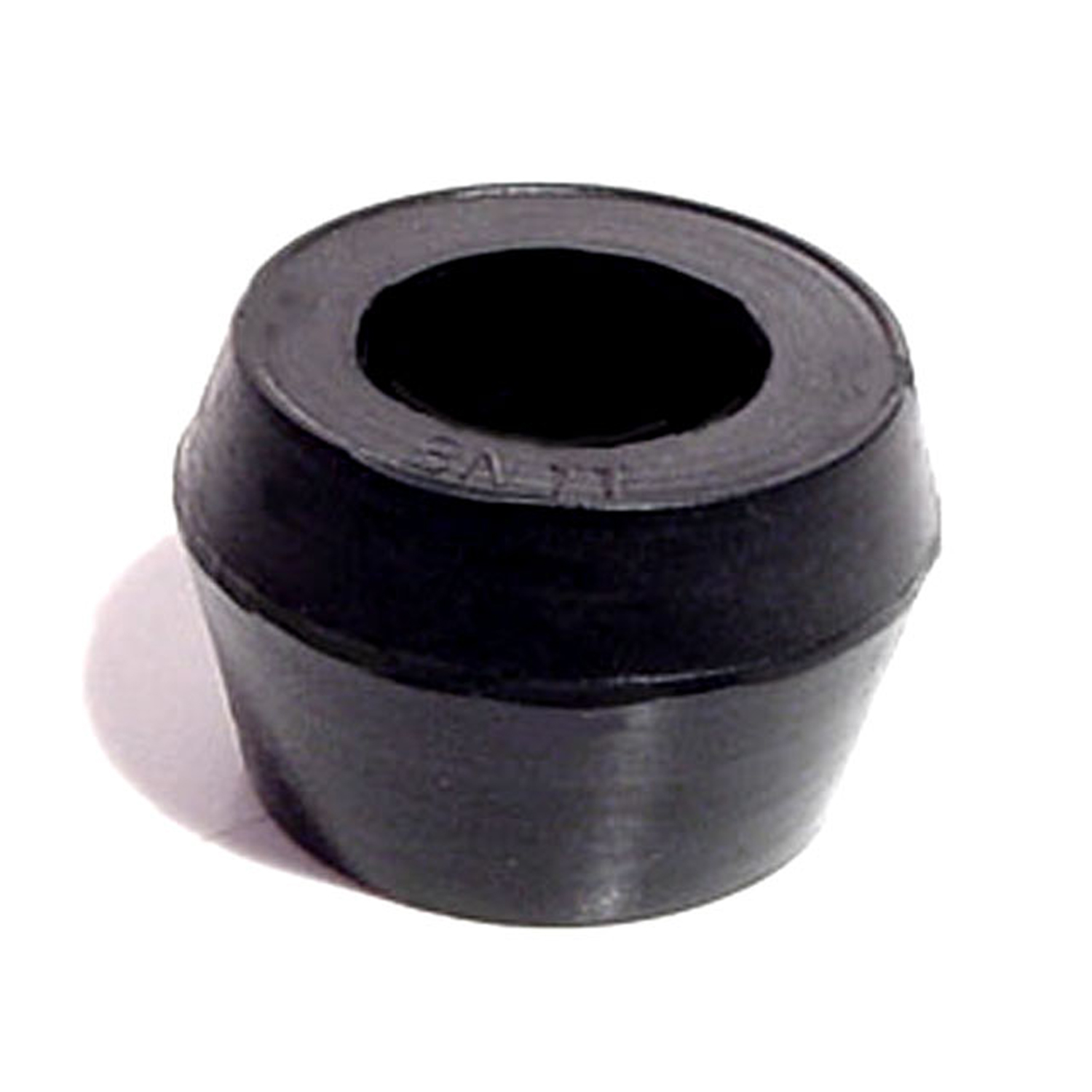 1946 Chevrolet Truck Shock Absorber Grommet. 1" bottom O.D-BN 11Shock Absorber Grommet. 1" bottom O.D., 3/4" high, with 5/8" I.D. Each
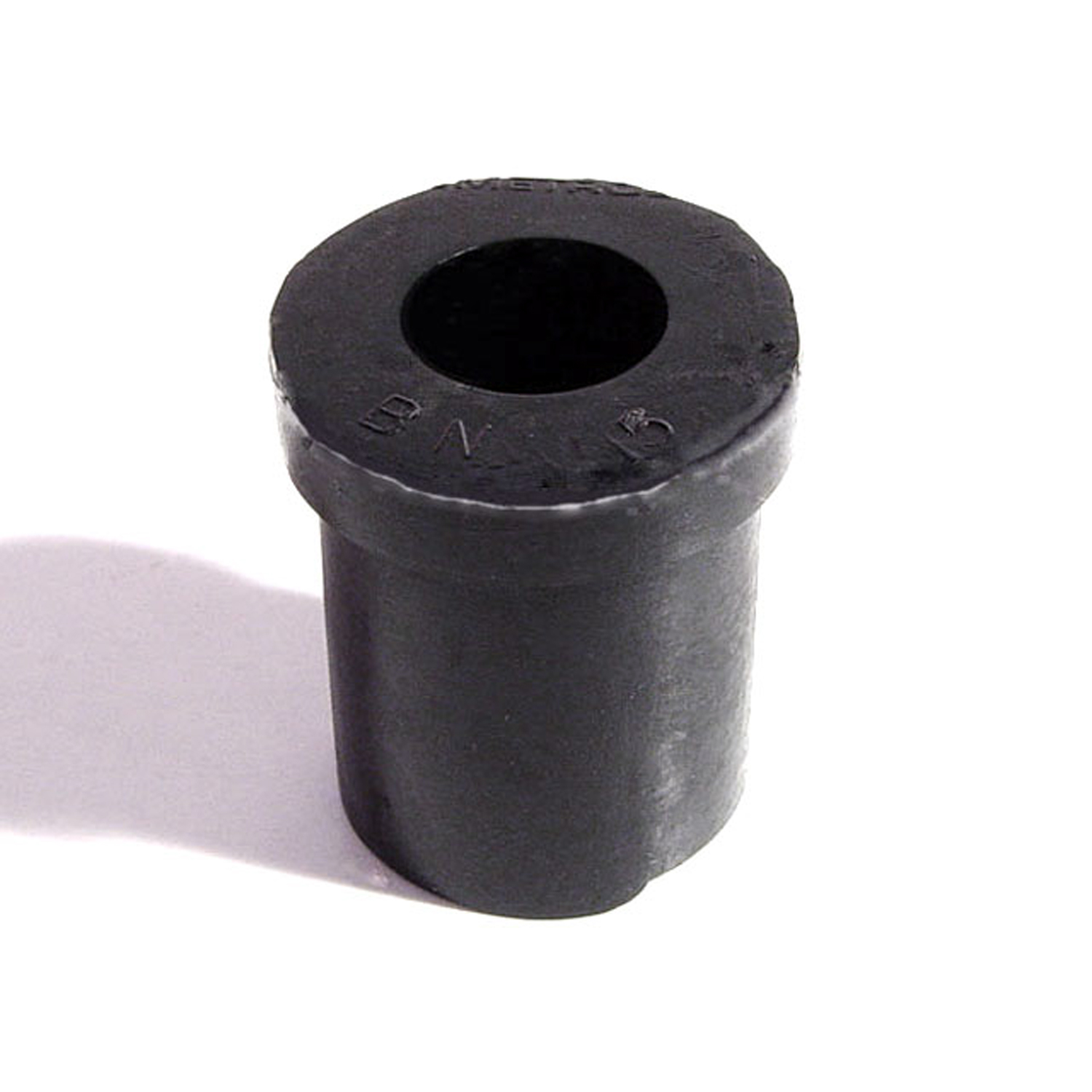 1946 Chevrolet Truck Spring and Shackle Bushing. 7/8" bottom O.D-BN 15Spring and Shackle Bushing. 7/8" bottom O.D. X 1-1/8" high, with 1/2" I.D. Each
 1946 Chevrolet Truck Gas Filler Grommet. Made with proper flange. 2-15/16" I.D-GF 30-AGas Filler Grommet. Made with proper flange. 2-15/16" I.D., 4-1/8" O.D. Each
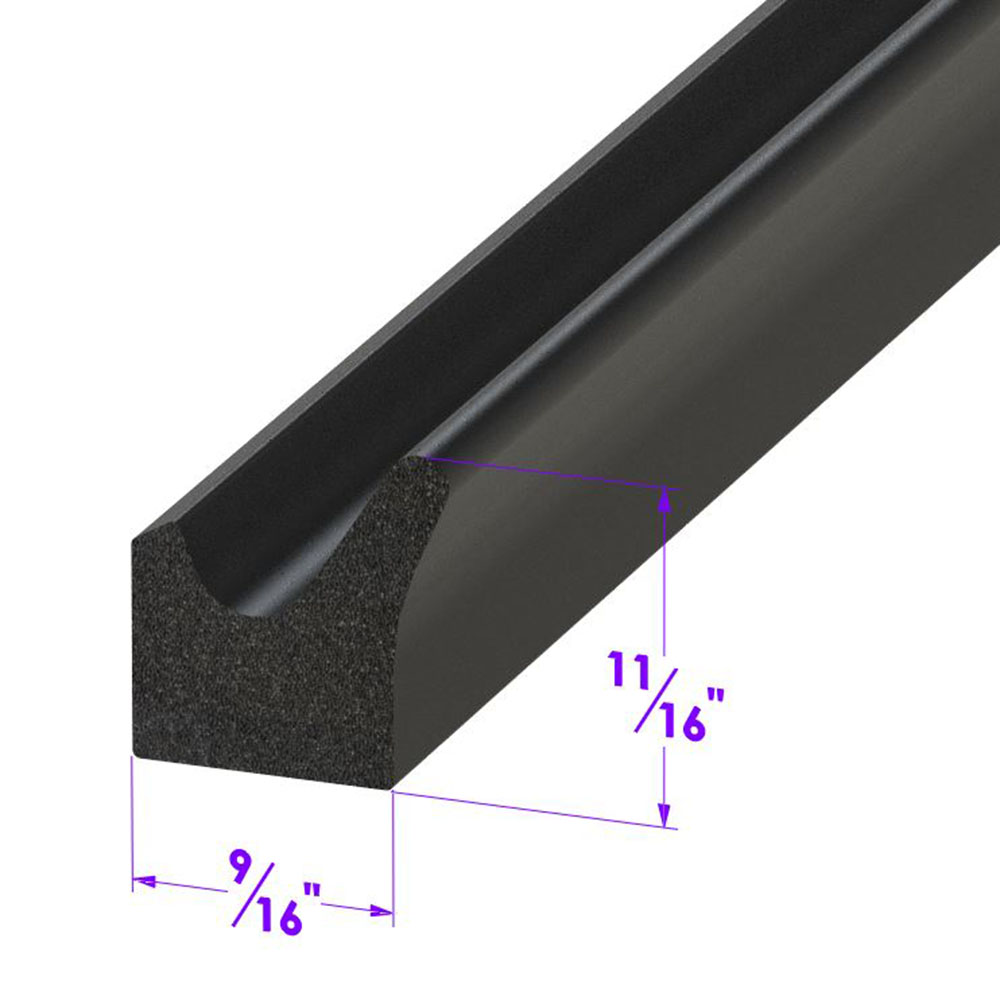 1946 Chevrolet Truck Door side seal. Same as LP 40-A, but for a heavier seal-LP 40Door side seal. Same as LP 40-A, but for a heavier seal. Fits many domestic passenger cars and trucks. Used in Cobra kit cars as trunk weatherstrip. Per foot.
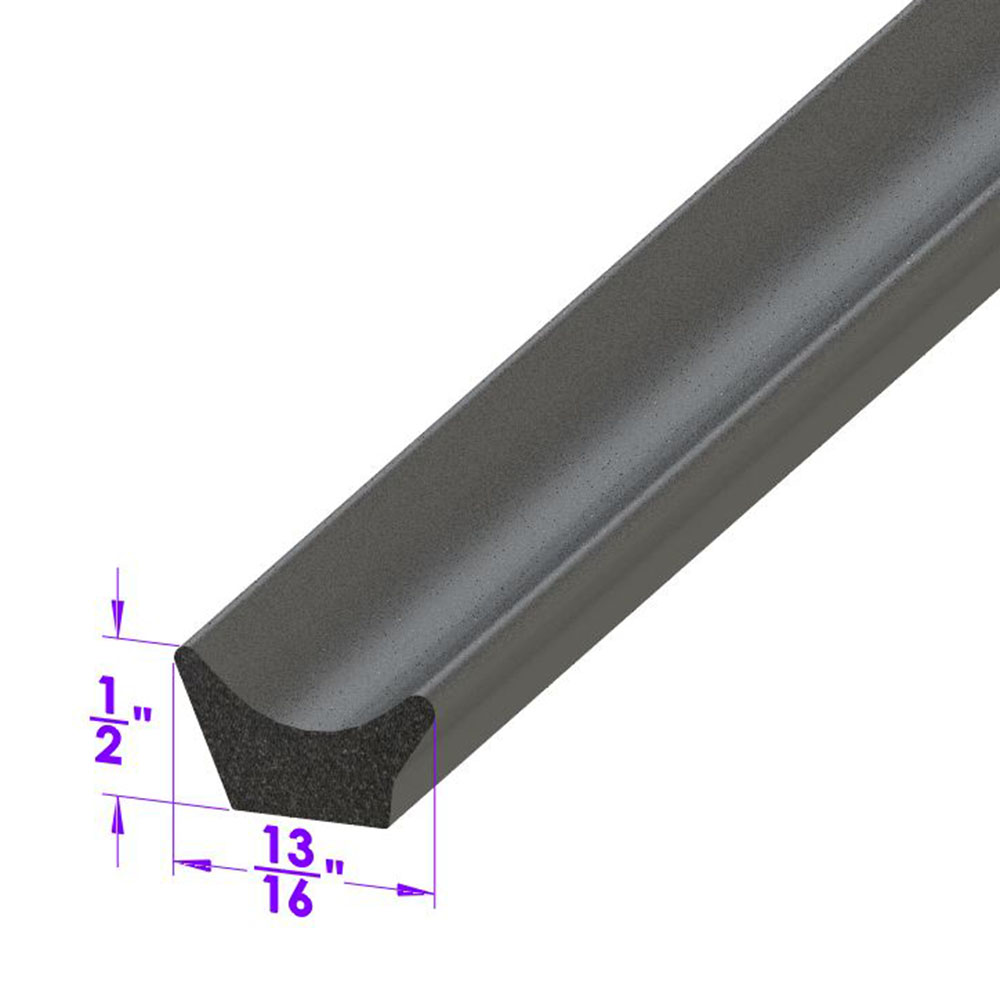 1946 Chevrolet Truck Door side seal. Same as LP 40, but for a lighter seal-LP 40-ADoor side seal. Same as LP 40, but for a lighter seal. Fits many domestic passenger cars and trucks. Universal seal for street rods and customs. Used in Cobra kit cars as door weatherstrip. Per foot.
 1946 Chevrolet Truck Swing-Out Windshield Seal. 3/4" High. Sold by the foot-LP 97-ASwing-Out Windshield Seal. 3/4" High. Sold by the foot
 1946 Chevrolet Truck Swing-Out Windshield Seal. 1" High. Sold by the foot-LP 97-BSwing-Out Windshield Seal. 1" High. Sold by the foot
 1946 Chevrolet Truck Side Support Cushion. For side support to clutch housing-MM 3-ASide Support Cushion. For side support to clutch housing. Each
 1946 Chevrolet Truck Door Handle Pads. 1-1/2" wide X 2-3/4" long. Pair-MP 546-VDoor Handle Pads. 1-1/2" wide X 2-3/4" long. Pair
 1946 Chevrolet Truck Cowl Vent Seal. 3-3/4" wide X 14-5/8" long. Each-RP 100-OCowl Vent Seal. 3-3/4" wide X 14-5/8" long. Each
 1946 Chevrolet Truck Door Lock Knob. Made of Yellow rubber, self-threading-RP 304-HDoor Lock Knob. Made of Yellow rubber, self-threading. 1-3/8" tall with 1/8" lower I.D., 3/8" lower O.D. Each
 1946 Chevrolet Truck Radio Fuse Boot and Wire Harness. For original radio only-SM 65-ARadio Fuse Boot and Wire Harness. For original radio only. Each
 1946 Chevrolet Truck Wire Grommet for Throttle, Choke, Oil and Temperature Lines-SM 88Wire Grommet for Throttle, Choke, Oil and Temperature Lines. Held by steel retainers. 3-13/16" X 1-1/8" X 5/16" thick. Each
 1946 Chevrolet Truck Rear Window Seal '42-'66 GM Full Size Trucks With Small Window-VWS 7313-URear Window Seal '42-'66 GM Full Size Trucks With Small Window, Includes Lockstrip, Set of 2.
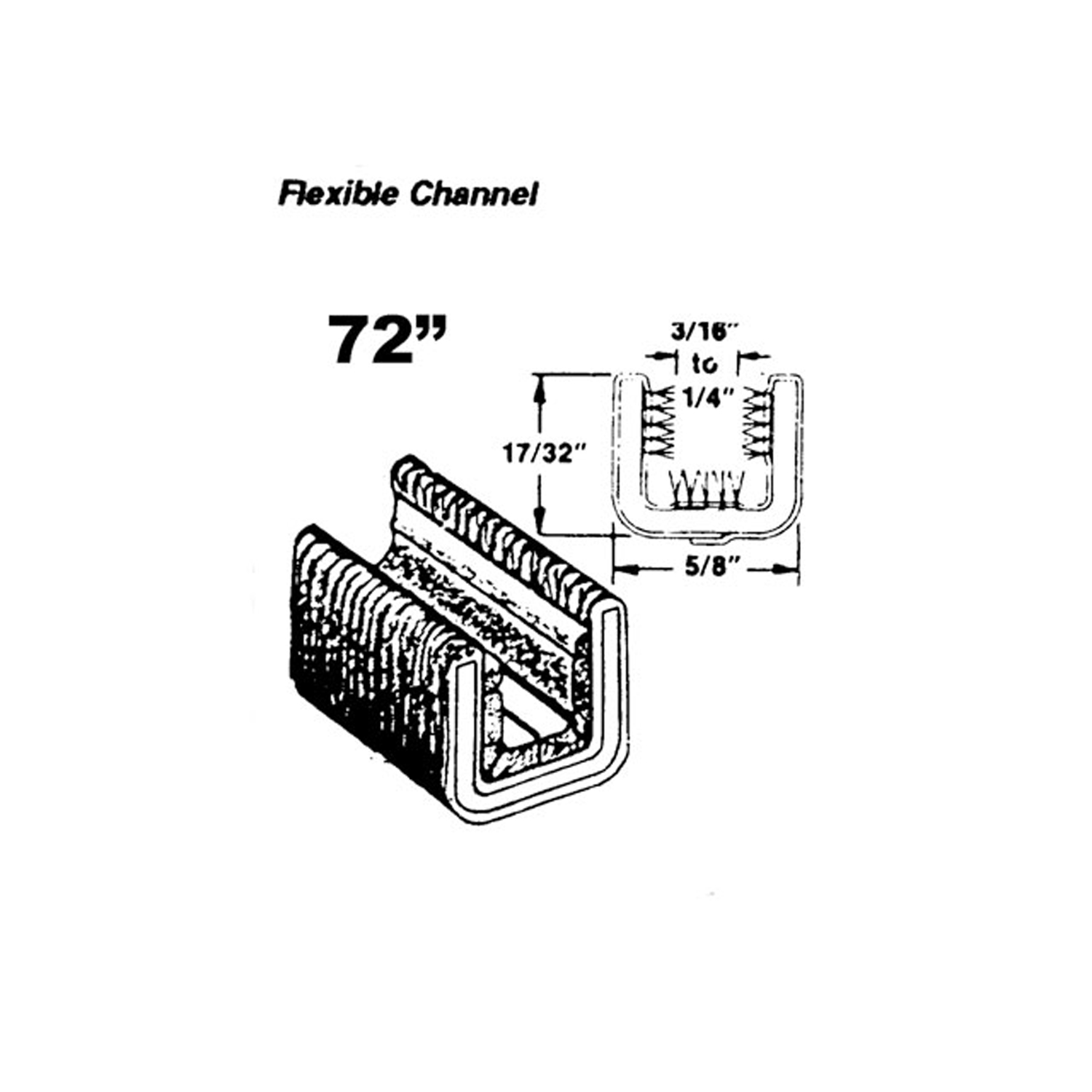 1946 Chevrolet Truck Flexible glass-run channel-WC 26-72Flexible glass-run channel. For models without framed side glass. Unbeaded, pile-lined. 72 in. long. Each. NOTE: $20 special shipping charge applies for domestic orders. Call or email for overseas shipping costs. Part can be sectioned into two equal lengths to reduce overseas shipping costs.
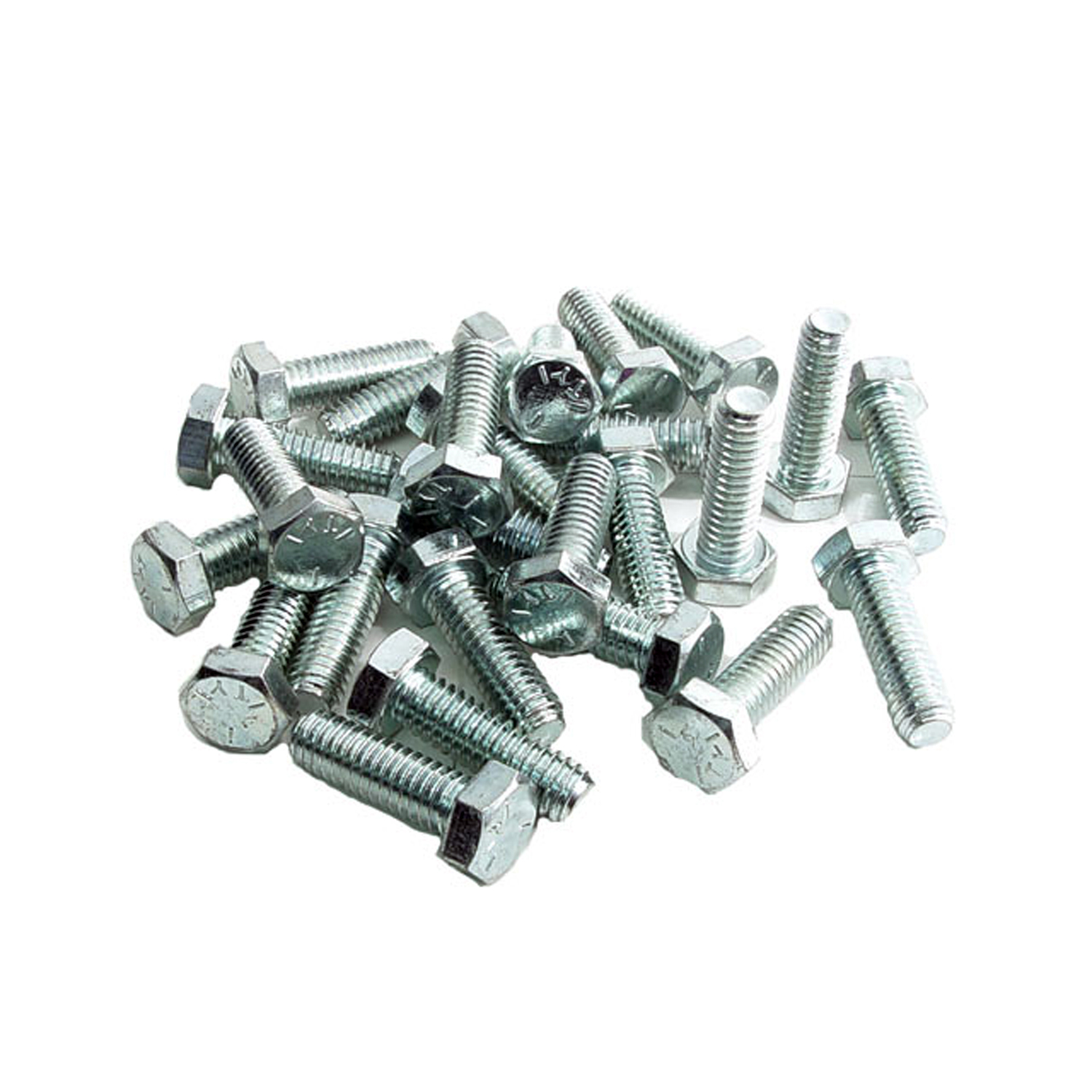 1946 Chevrolet Truck Fender Bolts. For use with Fender Bolt Washers; WF 3001-WF 3000Fender Bolts. For use with Fender Bolt Washers; WF 3001. Zinc Chromate plated, high strength. 1" X 5/16". Set of 25
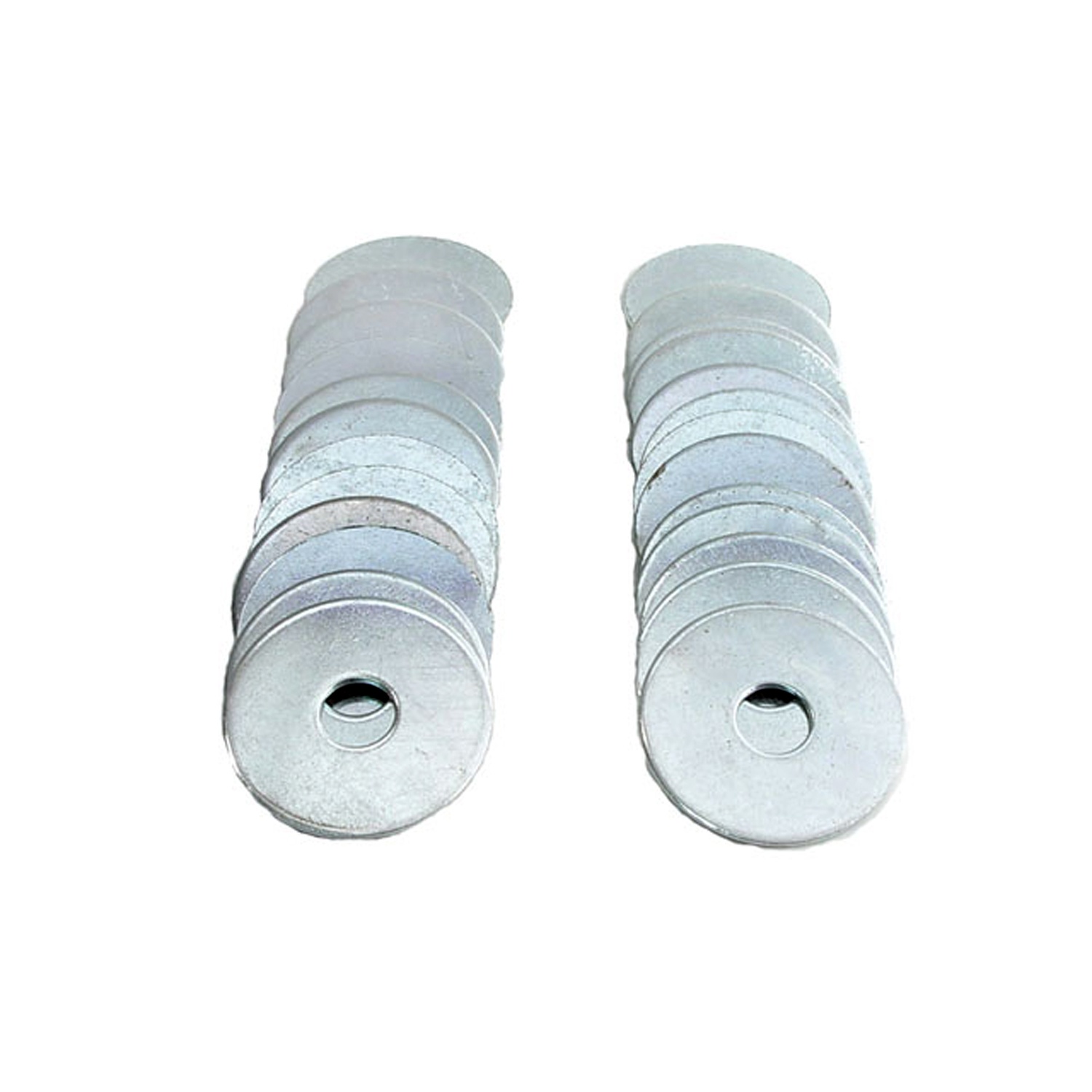 1946 Chevrolet Truck Fender Bolt Washers. For use with Fender Bolts; WF 3000-WF 3001Fender Bolt Washers. For use with Fender Bolts; WF 3000. High quality, cadmium plated. 1-1/4" O.D., 3/8" I.D. Set of 25
 1946 Chevrolet Truck VENT WINDOW SEAL REAR,CADILLAC '40-46, CHEVROLET '41-48-WR 7300-RVENT WINDOW SEAL REAR,CADILLAC '40-46, CHEVROLET '41-48, OLDSMOBILE P0NTIAC '40-42
Why Choose Metro?
For over 100 years, Metro Moulded Parts has been the pinnacle of quality in classic car restoration parts. Our commitment to precision and authenticity in every component ensures a perfect fit and an OEM-level appearance.
- Expert Craftsmanship & Quality: Each part is a testament to our dedication to reliability and perfection, crafted from original designs and thoroughly tested.
- Advanced Technology: We use cutting-edge techniques to create flawless, long-lasting parts that surpass others in performance.
- SuperSoft Sponge – The Ultimate Door Seal: Not only are our door seals 30% softer than competitors', but they're also guaranteed to never leak. They effectively reduce wind and road noise, enhancing your classic car's comfort and driving experience.
- Proudly American: Our parts are a product of American craftsmanship, made in the USA with a spirit of excellence and heritage.
- Unrivaled Warranty: We back our products with a 30-year industry-leading warranty, a testament to our confidence in their quality.
Join us in preserving the legacy of classic cars with parts that are crafted for perfection, not just made.