
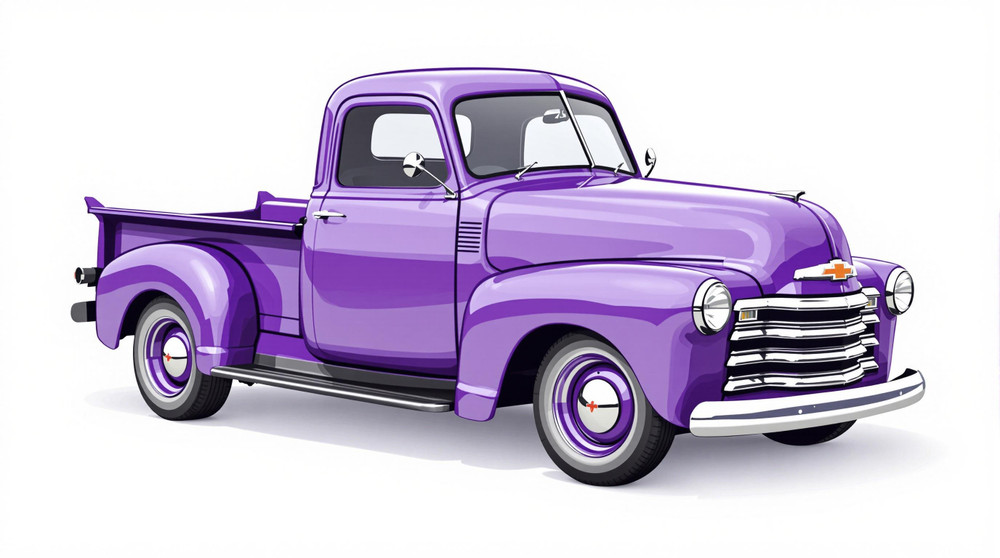
Image of 1948 Chevrolet Truck, Note: These illustrations use artistic license and may differ from actual historical models.
Performance Metrics
Fundamental Metrics
Emotional Appeal
MMP Rating
| Engine Specifications | |
|---|---|
| Engine: | 216.5 cu in (3.5 L) I6 |
| Displacement: | 216.5 cu in (3.5 L) |
| Horsepower: | 90-92 hp |
| Torque: | 174 lb-ft |
| Compression Ratio: | 6.6:1 |
| Ignition System: | Battery and coil |
| Cooling System: | Liquid-cooled |
| Performance Specifications | |
| 0-60 Time: | Information not available |
| 1/4 Mile Time: | Information not available |
| Top Speed: | 70 mph |
| Transmission and Drive | |
| Drive Type: | Rear-wheel drive |
| Transmission Type: | 3-speed manual |
| Fuel and Efficiency | |
| Fuel System Type: | Carburetor |
| MPG: | 10-12 mpg |
| Dimensions and Brakes | |
| Brakes: | Hydraulic drum brakes |
| Wheelbase: | 115 inches |
| Weight: | 3,125 lbs |
Note: Specifications for classic cars are given to the best of our ability, considering the limited and variant data available.
1948 Chevrolet Truck: The Advance-Design Workhorse
The 1948 Chevrolet truck looks ready to leave the showroom and get straight to work, with a broad hood, rounded fenders, and a cab designed to make long days behind the wheel less punishing. It belongs to Chevrolet’s Advance-Design series, a thoroughly reworked line introduced in 1947 as American manufacturers shifted from wartime production back to civilian vehicles.
Chevrolet, then a major division of General Motors, built the Advance-Design trucks for farmers, tradespeople, delivery operators, and businesses that needed dependable transport. The 1948 model was part of the series’ early postwar run, which continued through 1955 in its first form. One detail that hints at the series’ practical thinking is its available five-window cab: small rear-corner windows improved visibility, a welcome benefit when maneuvering a loaded truck or backing into a tight work yard.
Advance-Design Styling and Cab Details
Chevrolet gave the truck a rounded, confident shape without making it look delicate. The hood sits high above a broad grille, while bulbous front fenders flow into the running boards and rear fenders. The headlights are integrated into the fenders, helping create the truck’s distinctive, unified front end. Compared with many prewar trucks, the design feels smoother and more substantial, but it remains unmistakably a working vehicle.
The cab was an important part of the redesign. Chevrolet moved the cab forward compared with earlier trucks, improving the driver’s view of the road and making the layout feel more spacious. Buyers could choose a conventional cab or a deluxe five-window version with rear-corner glass. The split windshield is another recognizable early Advance-Design feature. Later trucks in the series received a one-piece windshield, so the 1948 truck retains the classic divided-glass look.
Inside, the mood is functional rather than luxurious. The metal dashboard is painted, the bench seat is broad and simple, and a rubber floor mat is better suited to muddy boots than plush carpeting. Depending on trim and equipment, upholstery materials and finishes varied, but the emphasis was always durability and easy cleaning. The cab feels open by the standards of its era, though modern drivers will find the seating position upright and the controls decidedly hands-on.
Factory paint choices varied by year, series, and ordering needs. Period colors included practical fleet shades as well as more eye-catching blues, greens, reds, yellows, and black. Green and blue are particularly familiar on restored Advance-Design trucks, while black and white remain popular choices for work-truck-style restorations. Commercial buyers could also order colors to suit a business fleet.
Body Styles and Truck Configurations
The 3100 half-ton pickup is the best-known 1948 Chevrolet truck and the version most commonly seen at shows. Buyers could order it with different bed and wheelbase configurations, while heavier-duty models served operators who needed more payload capacity. Chevrolet’s truck range also included the 3600 three-quarter-ton and larger one-ton and commercial chassis models, with specifications varying by configuration.
The pickup was only one part of the lineup. Advance-Design chassis could support stake beds, flatbeds, service bodies, and other commercial equipment. Chevrolet also offered panel and canopy-style delivery trucks, plus specialized configurations such as cab-over-engine models. The Suburban Carryall provided enclosed passenger and cargo space, making it an early ancestor of the modern SUV. For collectors, the pickup is the iconic choice, but less common commercial bodies can be especially appealing when found intact.
What Made the 1948 Truck Significant
The Advance-Design series was Chevrolet’s major postwar truck redesign, not simply a cosmetic refresh of a prewar model. A roomier cab, improved outward visibility, and a more modern exterior helped it feel better suited to the changing demands of postwar work. The broader cab-forward layout also made the truck more practical in crowded towns and work sites.
Chevrolet’s achievement was not a single headline-grabbing invention. It was the combination of useful improvements in a mass-market truck that businesses and individuals could actually buy and keep running. The design helped establish a visual language that became closely associated with postwar American pickups: rounded fenders, a substantial grille, a comfortable-enough cab, and a chassis adaptable to many jobs. Its popularity and recognizable styling have kept the Advance-Design trucks influential among restorers and custom builders.
Engine, Speed, and Road Manners
Most 1948 Chevrolet half-ton pickups used Chevrolet’s 216.5-cubic-inch inline-six, rated at about 90 horsepower in period specifications. The engine was paired with a manual transmission, commonly a three-speed, with other gearing and equipment depending on the truck’s intended use. Some heavier-duty configurations had different powertrain specifications, so engine details should be confirmed by model and chassis rather than assumed from the year alone.
Performance is modest by modern standards. A sound, lightly loaded half-ton might reach roughly 60 to 65 mph, though many owners will prefer to cruise below that range. A 0-to-60 mph run can take around 30 to 40 seconds, depending on condition, gearing, load, altitude, and how the test is measured. These are practical estimates, not modern standardized figures. The truck was built to haul and work, not to win a drag race.
On the road, the six-cylinder makes a steady, purposeful sound rather than a dramatic one. The manual transmission and relatively low power mean the driver has to plan ahead, especially when joining faster traffic or climbing hills. Steering and braking require more effort than in a modern pickup, and the driver is much more involved in every part of the journey.
The truck’s suspension is designed for durability and payload, so an unloaded pickup can ride firmly over sharp bumps. With a reasonable load, the ride often feels more settled. On winding roads, its tall stance, truck tires, and slower steering reward a measured pace. Crosswinds and uneven pavement are noticeable, particularly in a lightly loaded example. The best driving experience comes from accepting its pace and enjoying the mechanical rhythm rather than expecting modern comfort or handling.
Living With a 1948 Chevrolet
Many owners use these trucks as weekend drivers, show vehicles, parade participants, or practical runabouts for local trips. A well-restored example can handle occasional errands, but regular highway commuting asks a lot of a machine designed for a different traffic environment. Original work trucks can still be found in farm and commercial settings, though many survivors have been restored, modified, or repurposed.
Maintenance is one of the truck’s strong points. The mechanical layout is straightforward, and many routine repairs are within reach of an experienced home mechanic with basic tools and a repair manual. Parts support is generally good for popular components, though finding correct trim, unmodified body parts, and rare commercial equipment can take more effort. Buyers should inspect the frame, cab corners, floors, bed, and running boards for rust, and check the engine, transmission, brakes, and electrical system carefully.
Original trucks use a six-volt electrical system, which can be less forgiving of poor connections than a modern 12-volt setup. Some have been converted to 12 volts for easier starting and accessory use. Such a conversion can be useful, but it should be done properly, with compatible components rather than a collection of mismatched parts.
Notable Details and Common Complaints
The Advance-Design series became one of Chevrolet’s most familiar postwar truck families, and the 1948 model sits near the start of that long-running design. Its five-window cab is a standout option for collectors because it combines a distinctive look with genuinely useful visibility. Chevrolet offered the series in many working configurations, so two trucks from the same year can differ considerably in body, chassis, and equipment.
There is no widely recognized speed or endurance record associated with the 1948 Chevrolet truck. Its significance is more down-to-earth: trucks like it helped move goods, tools, and people during the postwar building boom. Common criticisms are just as practical. The truck is slow, noisy by modern standards, and not especially comfortable over rough roads when unloaded. Braking, steering, and visibility are also different from what drivers expect today. Those shortcomings are part of its character, but they matter when choosing one for regular use.
Collector Values and Availability
Values depend heavily on condition, originality, body style, and restoration quality. As a broad current-market estimate, a project truck might sell for about $5,000 to $12,000. A usable driver or older restoration commonly falls around $15,000 to $30,000, while a high-quality, correctly restored pickup may bring roughly $35,000 to $60,000 or more. Exceptional examples and rare commercial configurations can exceed that range. These are general guide figures, not appraisals, and local markets can vary significantly.
The 3100 pickup is relatively available compared with unusual body styles, but clean, original trucks are harder to find than modified or partly restored examples. Exact production totals for individual 1948 Chevrolet truck models and body configurations are not consistently reported in commonly available sources. A reasonable broad estimate is roughly 350,000 to 450,000 Chevrolet trucks across the company’s truck line for the 1948 model year, not a figure for the 3100 alone. The Advance-Design family’s multi-year production made it a common work truck in its day, but decades of use and rust have reduced the supply of well-preserved survivors.
Prices for desirable Advance-Design pickups have generally held up well, with especially strong interest in quality restorations and attractive five-window trucks. The market is not immune to changing tastes or economic conditions, and a rough project is no guaranteed investment. Buyers tend to reward sound metal, correct details, and honest workmanship more than a long list of expensive modifications.
Why the 1948 Chevrolet Still Matters
The 1948 Chevrolet truck combines simple engineering, adaptable working-truck construction, and one of the most recognizable postwar pickup designs. Its inline-six is unhurried, its cab is basic, and its road manners demand patience, but the truck’s appeal is easy to understand once it is moving under its own power.
More than a handsome old pickup, the 1948 Chevrolet represents the return of American industry to everyday civilian work after the war. It was built to serve, designed to be repaired, and styled well enough to remain memorable long after its working life ended. That mix of usefulness and character is why it still earns a place in garages, collections, and on the open road.
1948 Chevrolet Truck Catalog of Parts
 1948 Chevrolet Truck Park Brake Lever Boot-BL 4Park Brake Lever Boot. Base: 4-1/8" long X 2-1/2" wide, with 2-15/16" long slot. Top: 1-1/8" long inner slot. Each
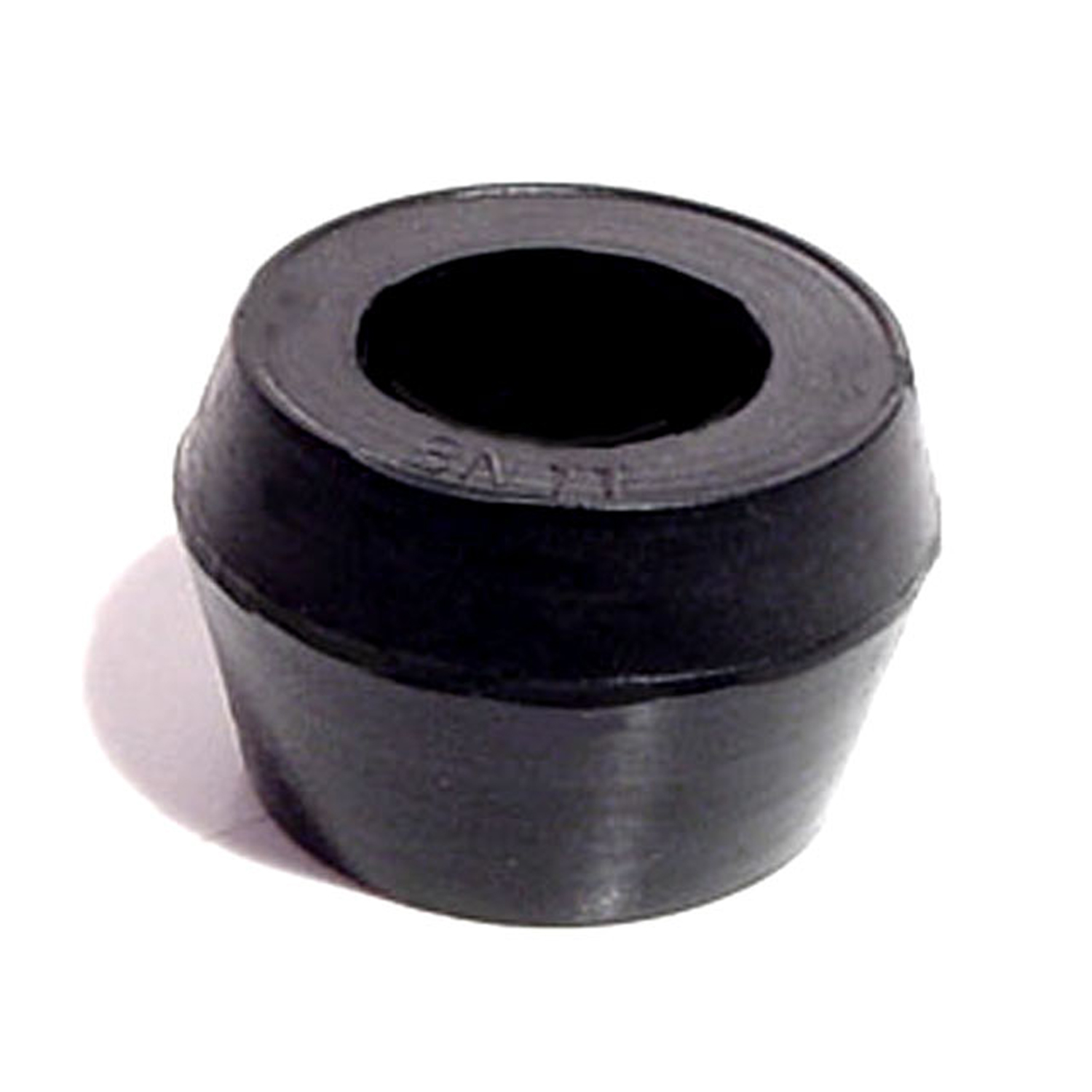 1948 Chevrolet Truck Shock Absorber Grommet. 1" bottom O.D-BN 11Shock Absorber Grommet. 1" bottom O.D., 3/4" high, with 5/8" I.D. Each
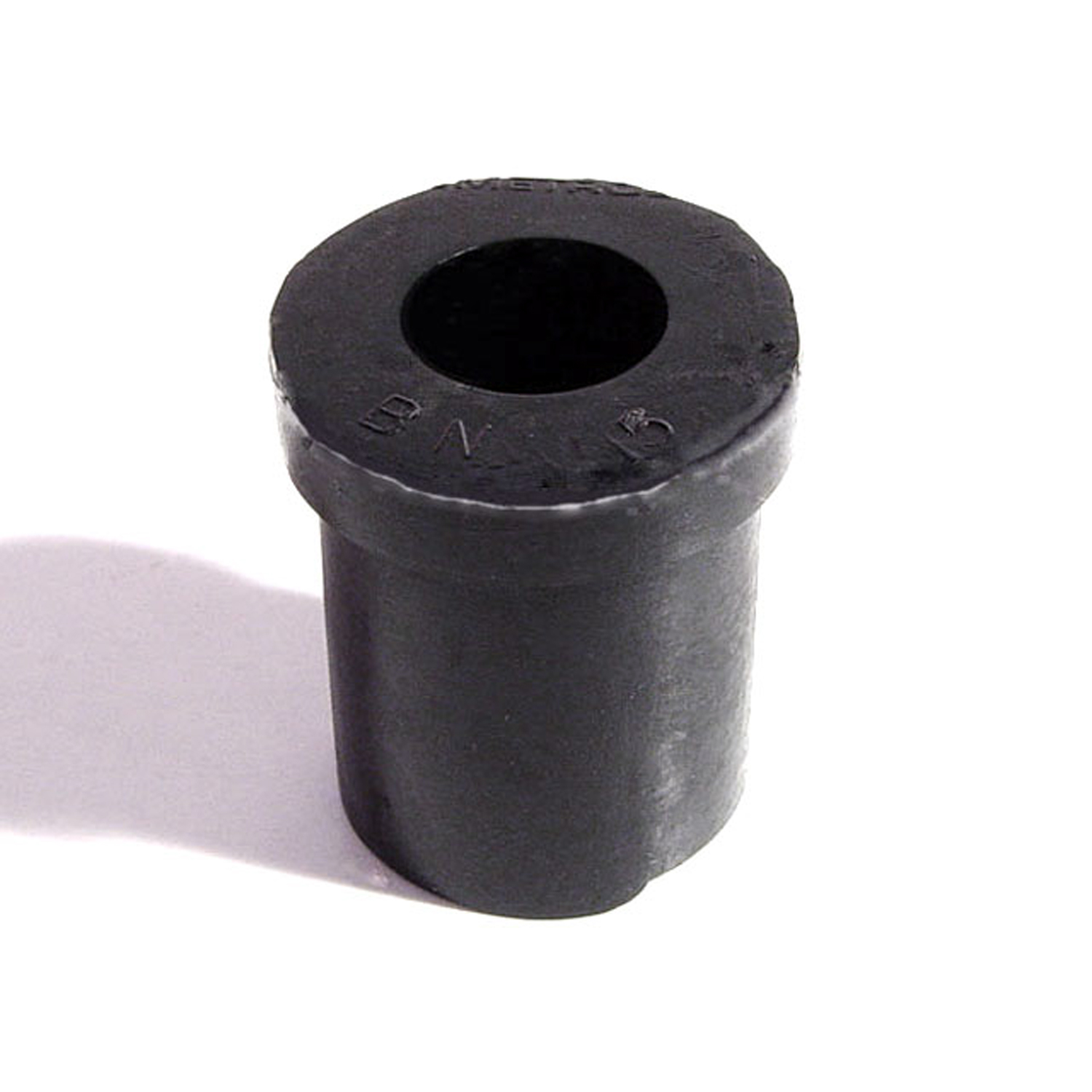 1948 Chevrolet Truck Spring and Shackle Bushing. 7/8" bottom O.D-BN 15Spring and Shackle Bushing. 7/8" bottom O.D. X 1-1/8" high, with 1/2" I.D. Each
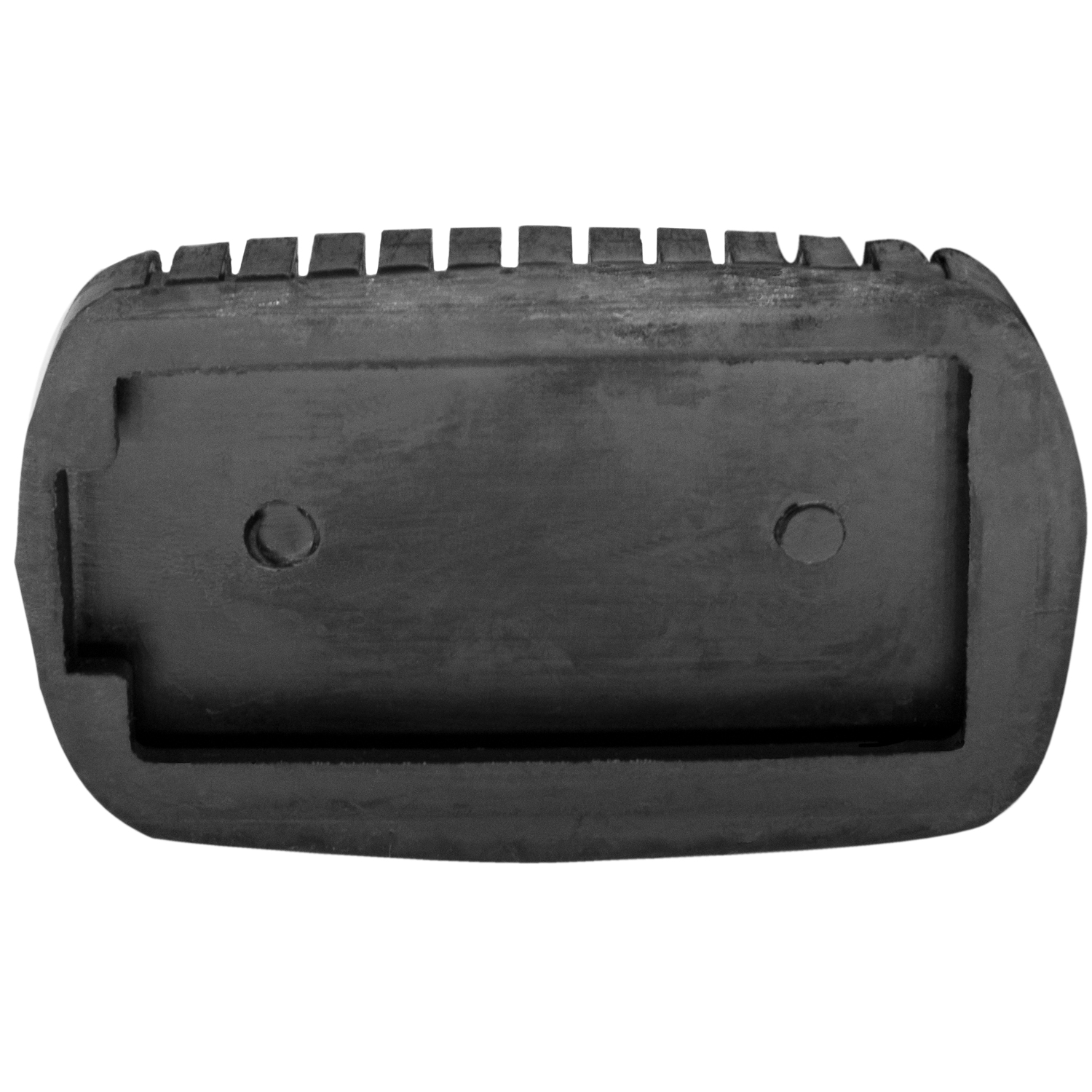 1948 Chevrolet Truck Clutch and Brake Pedal Pad. 2-1/2" wide X 3-7/8" long-CB 100-A/EAClutch and Brake Pedal Pad. 2-1/2" wide X 3-7/8" long. Each
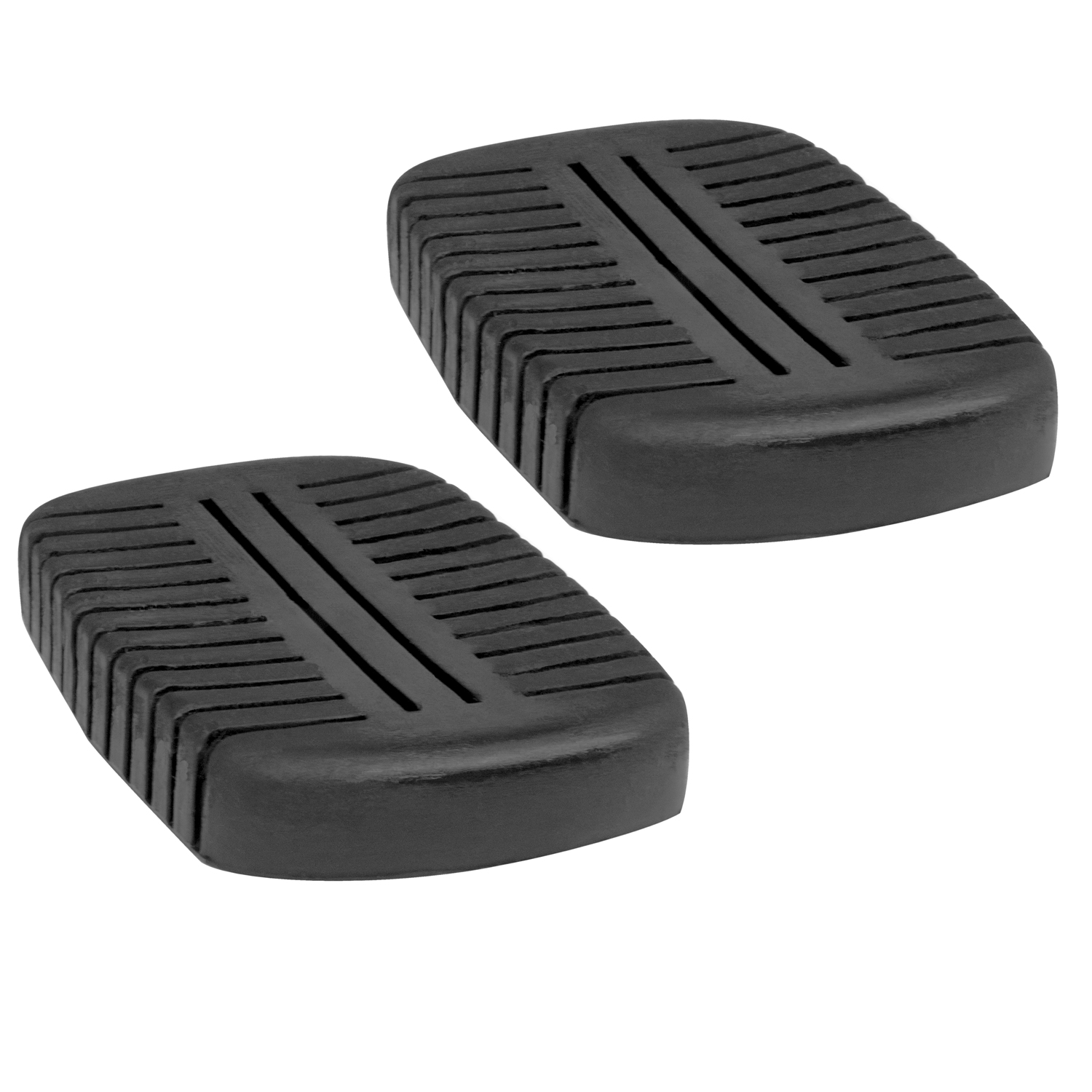 1948 Chevrolet Truck Clutch and Brake Pedal Pads. 2-1/2" wide X 3-7/8" long-CB 100-A/PRClutch and Brake Pedal Pads. 2-1/2" wide X 3-7/8" long. Pair
 1948 Chevrolet Truck Center Division Bar Seal. 15-1/4" long. Each-DP 17Center Division Bar Seal. 15-1/4" long. Each
 1948 Chevrolet Truck Molded Door Seals. For First Series. Pair R&L-LM 13-EMolded Door Seals. For First Series. Pair R&L
 1948 Chevrolet Truck Door Top and Side Seal. Sold by the foot-LP 103Door Top and Side Seal. Sold by the foot
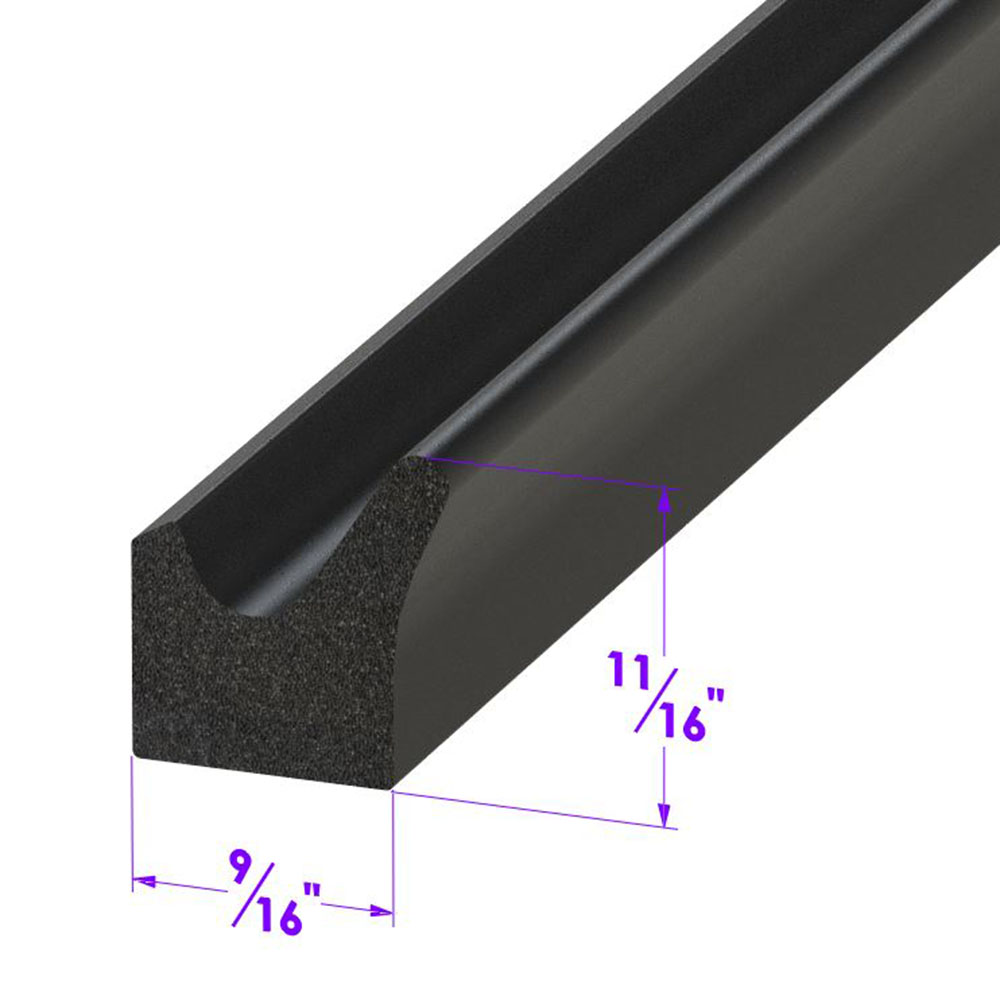 1948 Chevrolet Truck Door side seal. Same as LP 40-A, but for a heavier seal-LP 40Door side seal. Same as LP 40-A, but for a heavier seal. Fits many domestic passenger cars and trucks. Used in Cobra kit cars as trunk weatherstrip. Per foot.
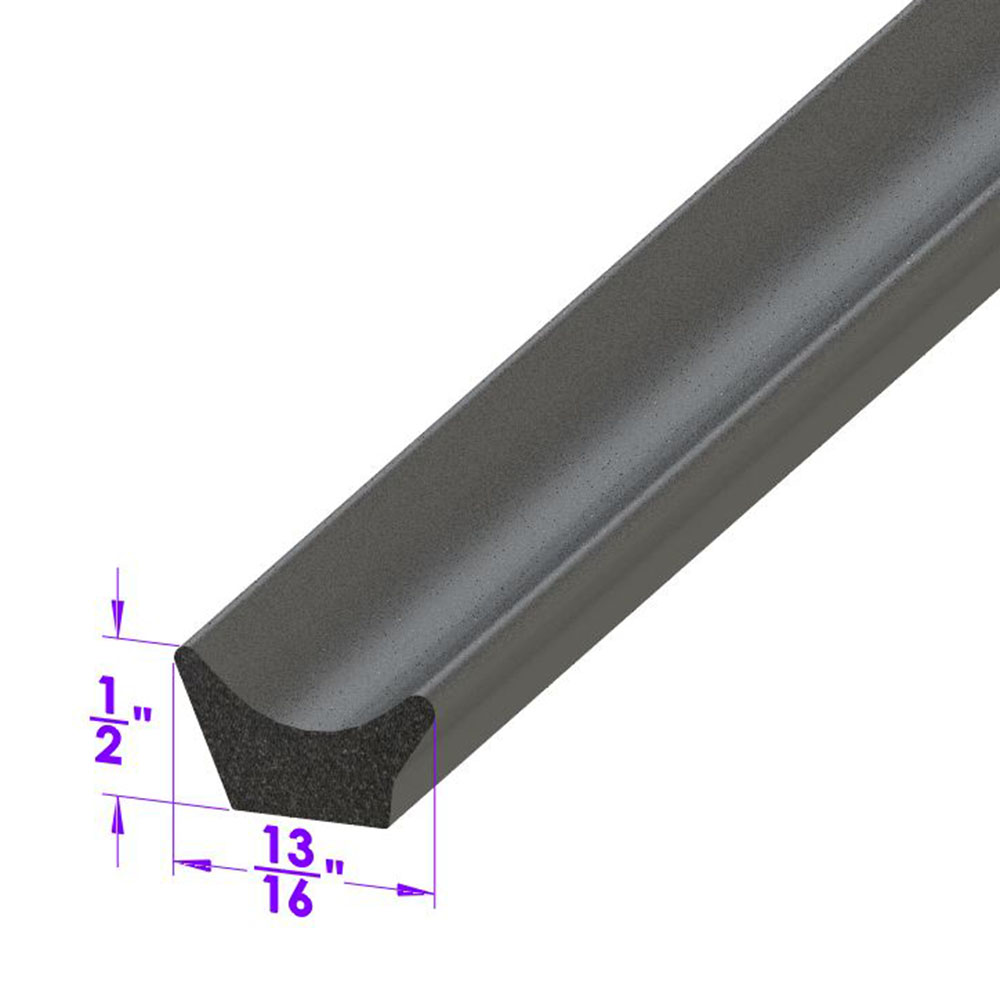 1948 Chevrolet Truck Door side seal. Same as LP 40, but for a lighter seal-LP 40-ADoor side seal. Same as LP 40, but for a lighter seal. Fits many domestic passenger cars and trucks. Universal seal for street rods and customs. Used in Cobra kit cars as door weatherstrip. Per foot.
 1948 Chevrolet Truck Door Weatherstrip for 2 Doors. Kit-LPK 40Door Weatherstrip for 2 Doors. Kit
 1948 Chevrolet Truck Side Support Cushion. For side support to clutch housing-MM 3-ASide Support Cushion. For side support to clutch housing. Each
 1948 Chevrolet Truck Door Handle Pads. 1-1/2" wide X 2-3/4" long. Pair-MP 546-VDoor Handle Pads. 1-1/2" wide X 2-3/4" long. Pair
 1948 Chevrolet Truck Cowl Vent Seal. For models with flat-faced cowls-RP 100-KCowl Vent Seal. For models with flat-faced cowls. 4" wide X 16-1/2" long. Each
 1948 Chevrolet Truck Side Vent Seal. Each-RP 100-MSide Vent Seal. Each
 1948 Chevrolet Truck Rear Door Hinge Auxillary Seal. 2-3/8" I.D., 3-3/16" Long-RP 203Rear Door Hinge Auxillary Seal. 2-3/8" I.D., 3-3/16" Long. Each
 1948 Chevrolet Truck Rear Door Hinge Auxillary Seal. 2-3/8" I.D., 3-3/16" Long-RP 203-SETRear Door Hinge Auxillary Seal. 2-3/8" I.D., 3-3/16" Long. 4-Piece Set
 1948 Chevrolet Truck Radio Fuse Boot and Wire Harness. For original radio only-SM 65-ARadio Fuse Boot and Wire Harness. For original radio only. Each
 1948 Chevrolet Truck Cowl Vent Drain Hose. 5/8" I.D., 13/16" O.D., 8" long-VH 101Cowl Vent Drain Hose. 5/8" I.D., 13/16" O.D., 8" long. Replaces OEM #3683557. Each
 1948 Chevrolet Truck Rear Window Seal '42-'66 GM Full Size Trucks With Small Window-VWS 7313-URear Window Seal '42-'66 GM Full Size Trucks With Small Window, Includes Lockstrip, Set of 2.
 1948 Chevrolet Truck Flexible Window Scraper. Used on outside side window-WC 24-/FTFlexible Window Scraper. Used on outside side window. Made of all rubber. Slides into light steel track. 11/16" wide X 1/4" high. Sold by the foot
 1948 Chevrolet Truck Flexible Window Scraper. Used on outside side window-WC 24-32Flexible Window Scraper. Used on outside side window. Made of all rubber. Slides into steel track. 11/16" wide X 1/4" high X 32" long. Each
 1948 Chevrolet Truck Flexible Window Scraper. Used on outside side window-WC 24-A 27Flexible Window Scraper. Used on outside side window. Made of all rubber. Two used per vehicle. 7/8" wide X 1/4" high X 27" long. Each 1948 Chevrolet Truck Flexible window scraper. Used on outside side windows-WC 24-A/FTFlexible window scraper. Used on outside side windows. Dense rubber. Two used per vehicle. 7/8 in. wide X 1/4 in. high. Sold by the foot.
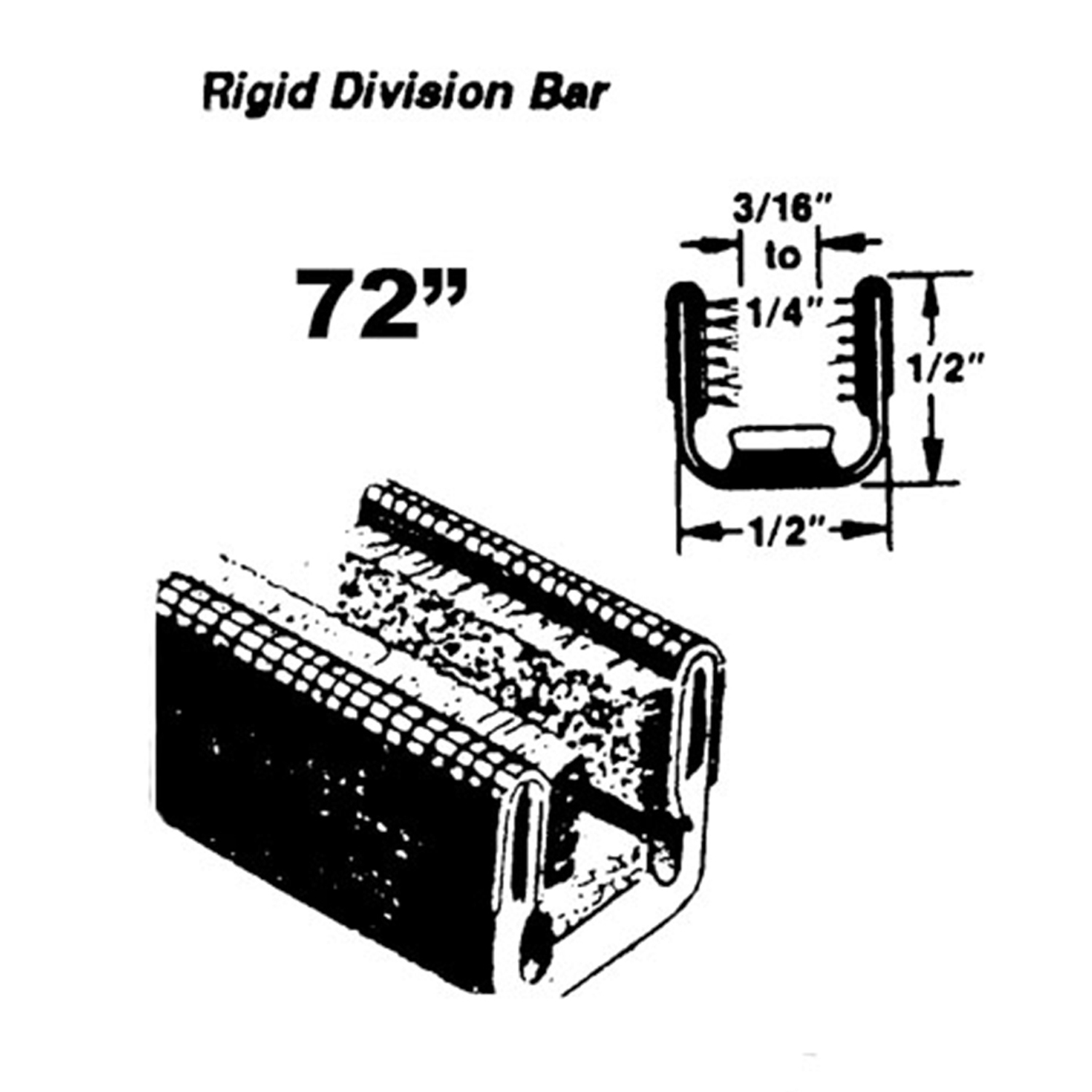 1948 Chevrolet Truck Upper and lower rigid division-bar channel-WC 25-72Upper and lower rigid division-bar channel. Unbeaded, pile-lined. 72 in. long. Each. NOTE: $20 special shipping charge applies for domestic orders. Call or email for overseas shipping costs. Part can be sectioned into two equal lengths to reduce overseas shipping costs.
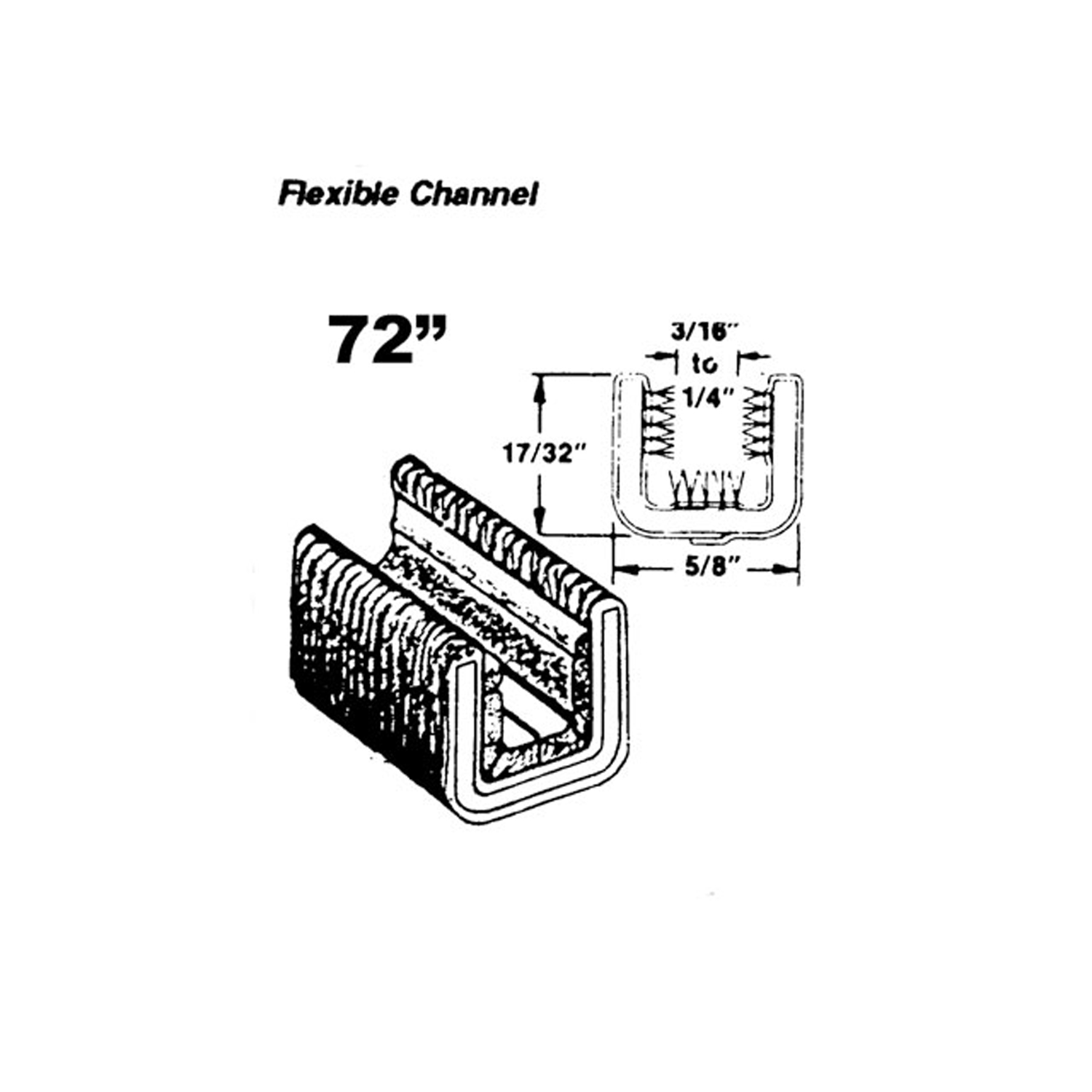 1948 Chevrolet Truck Flexible glass-run channel-WC 26-72Flexible glass-run channel. For models without framed side glass. Unbeaded, pile-lined. 72 in. long. Each. NOTE: $20 special shipping charge applies for domestic orders. Call or email for overseas shipping costs. Part can be sectioned into two equal lengths to reduce overseas shipping costs.
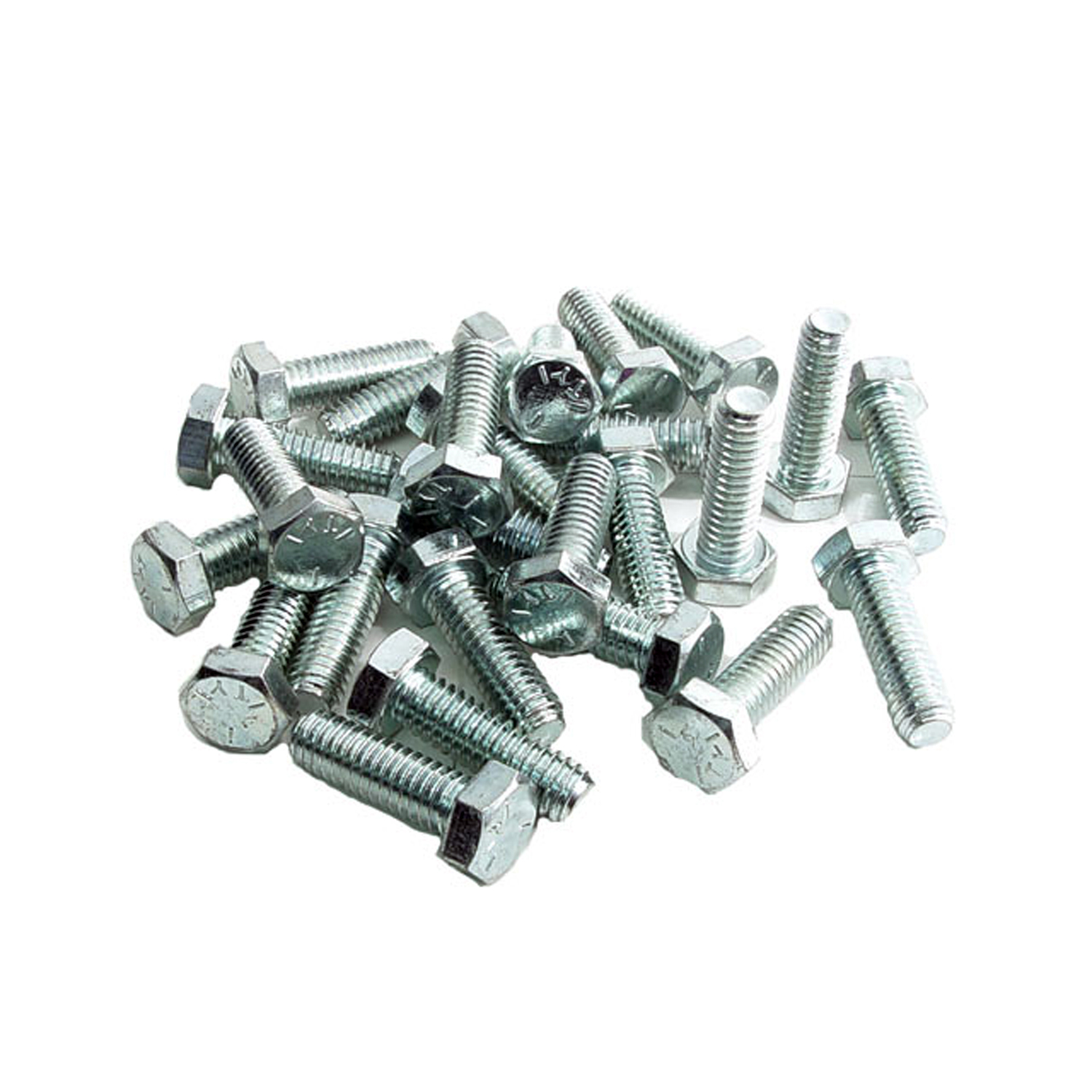 1948 Chevrolet Truck Fender Bolts. For use with Fender Bolt Washers; WF 3001-WF 3000Fender Bolts. For use with Fender Bolt Washers; WF 3001. Zinc Chromate plated, high strength. 1" X 5/16". Set of 25
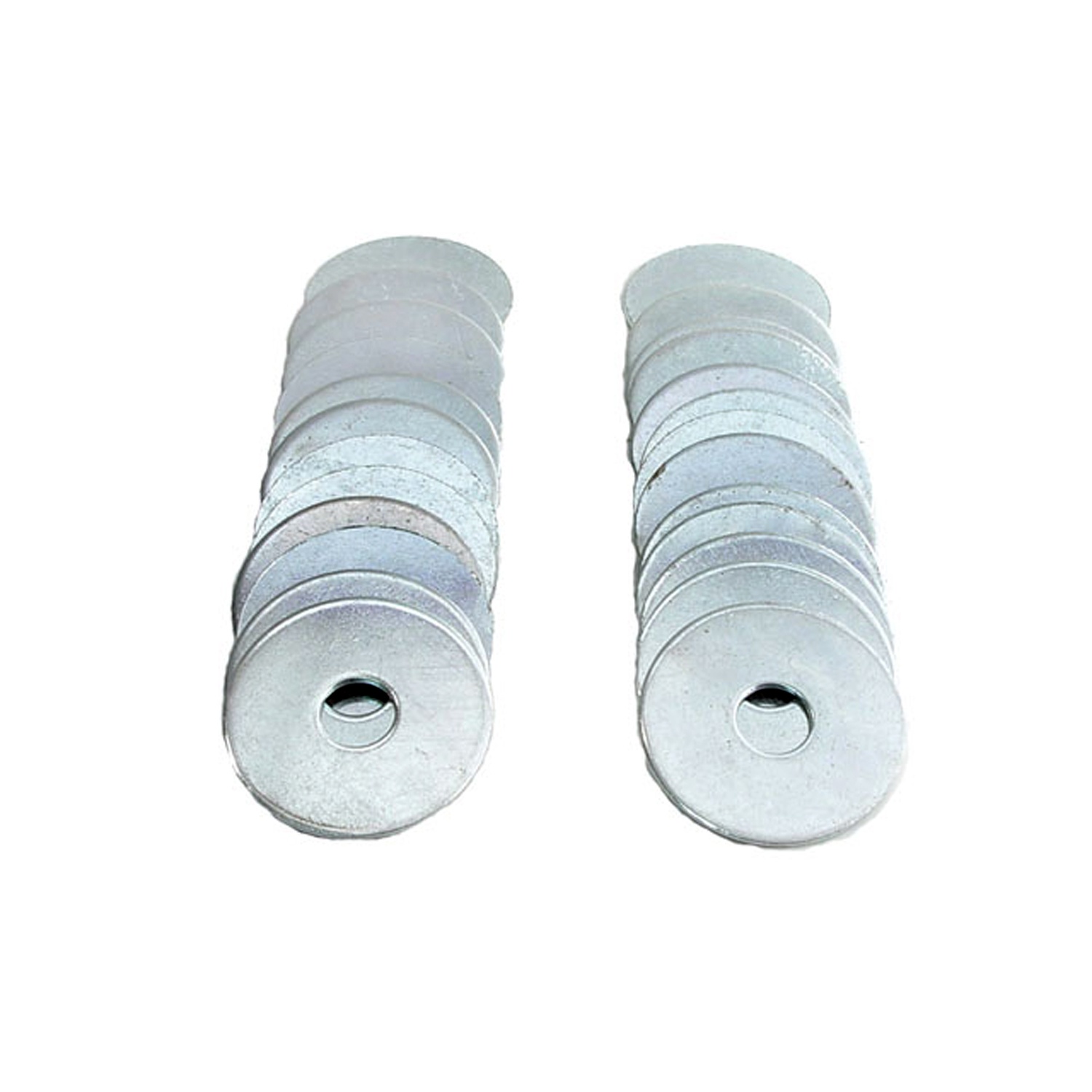 1948 Chevrolet Truck Fender Bolt Washers. For use with Fender Bolts; WF 3000-WF 3001Fender Bolt Washers. For use with Fender Bolts; WF 3000. High quality, cadmium plated. 1-1/4" O.D., 3/8" I.D. Set of 25
 1948 Chevrolet Truck VENT WINDOW SEAL REAR,CADILLAC '40-46, CHEVROLET '41-48-WR 7300-RVENT WINDOW SEAL REAR,CADILLAC '40-46, CHEVROLET '41-48, OLDSMOBILE P0NTIAC '40-42
Why Choose Metro?
For over 100 years, Metro Moulded Parts has been the pinnacle of quality in classic car restoration parts. Our commitment to precision and authenticity in every component ensures a perfect fit and an OEM-level appearance.
- Expert Craftsmanship & Quality: Each part is a testament to our dedication to reliability and perfection, crafted from original designs and thoroughly tested.
- Advanced Technology: We use cutting-edge techniques to create flawless, long-lasting parts that surpass others in performance.
- SuperSoft Sponge – The Ultimate Door Seal: Not only are our door seals 30% softer than competitors', but they're also guaranteed to never leak. They effectively reduce wind and road noise, enhancing your classic car's comfort and driving experience.
- Proudly American: Our parts are a product of American craftsmanship, made in the USA with a spirit of excellence and heritage.
- Unrivaled Warranty: We back our products with a 30-year industry-leading warranty, a testament to our confidence in their quality.
Join us in preserving the legacy of classic cars with parts that are crafted for perfection, not just made.