

Image of 1949 Chevrolet Truck, Note: These illustrations use artistic license and may differ from actual historical models.
Performance Metrics
Fundamental Metrics
Emotional Appeal
MMP Rating
| Engine Specifications | |
|---|---|
| Engine Options: | 216.5 cu in (3.5 L) I6, 235 cu in (3.9 L) I6 |
| Displacement Range: | 216.5 - 235 cu in |
| Horsepower Range: | 92 - 112 hp |
| Torque: | 174 - 200 lb-ft |
| Compression Ratio: | 6.5:1 - 7.5:1 |
| Ignition System: | Battery and coil |
| Cooling System: | Liquid-cooled |
| Performance Specifications | |
| 0-60 Time: | Estimated 20 - 25 seconds |
| 1/4 Mile Time: | Estimated 22 - 25 seconds |
| Top Speed: | 70 - 75 mph |
| Transmission and Drive | |
| Drive Type: | Rear-wheel drive |
| Transmission Type: | 3-speed manual, 4-speed manual |
| Fuel and Efficiency | |
| Fuel System Type: | Carburetor |
| MPG: | Estimated 10 - 15 mpg |
| Dimensions and Brakes | |
| Brakes: | Drum brakes |
| Wheelbase: | 115 - 125 inches |
| Weight: | 3,200 - 3,600 lbs |
Note: Specifications for classic cars are given to the best of our ability, considering the limited and variant data available.
1949 Chevrolet Truck: The Advance-Design Workhorse
The 1949 Chevrolet truck brought postwar practicality to farms, job sites, and Main Streets across America, with rounded fenders and a broad, welcoming cab that made it instantly recognizable. Built by Chevrolet, a division of General Motors, it belonged to the Advance-Design generation introduced in 1947, a clean-sheet postwar family of trucks designed to be roomier and more comfortable than the prewar machines it replaced.
Chevrolet’s Advance-Design trucks became a major force in the postwar market. Their combination of useful payloads, familiar mechanicals, and broad model choice helped make Chevrolet a leading truck seller. One detail that gives the 1949 model extra appeal today is its place in the early years of the generation: it retains the classic five-bar grille and rounded styling, while benefiting from the steady development of a design that would remain in production, with revisions, into 1955.
Rounded Fenders and a Roomier Cab
The 1949 Chevrolet’s styling is all friendly curves and purposeful proportions. Its hood flows into bulbous front fenders, with the headlights set into the fender ends rather than perched separately above them. A tall, upright grille, broad running boards, and a simple Chevrolet badge complete the front view. The overall shape looks less utilitarian than many earlier trucks, but it still announces its working purpose clearly.
The cab was a major part of the Advance-Design appeal. Chevrolet made it roomier than its earlier truck cabs, with improved visibility and more space for the driver and passenger. Inside, the layout was straightforward: a large steering wheel, clear instruments, painted metal surfaces, and a wide bench seat. Upholstery and trim varied with the model and order, but the materials were chosen for durability rather than luxury. This was a working cab, not a car interior dressed up for show.
Equipment was basic by modern standards. The truck had a 6-volt electrical system, manual steering, and mechanical controls that asked the driver to do more of the work. Three-speed transmissions were common, with a four-speed available on some models. Chevrolet offered practical options and accessories depending on the truck and buyer, but conveniences such as modern power steering, air conditioning, and contemporary safety equipment were not part of the experience.
Pickup, Panel, and Commercial Choices
The 1949 range included several sizes and configurations. The light-duty 3100 half-ton pickup is the best-known version today, but Chevrolet also sold heavier 3600 three-quarter-ton and 3800 one-ton trucks. Buyers could choose from commercial bodies such as panel trucks, stake and platform trucks, and other chassis configurations. Availability and exact specifications varied by model and body supplier.
The 3100 pickup is the iconic choice, with its open cargo bed, short-cab proportions, and unmistakable Advance-Design front end. Factory paint choices varied by year, body, and commercial order. Restored examples are often seen in period-style greens, blues, reds, black, and fleet colors such as yellow. A bright red or deep green 3100 is especially familiar at shows, though a carefully finished original color can be just as appealing.
Why Advance Design Mattered
The Advance-Design series was significant because it treated comfort and usability as important parts of a truck, not just extras after payload and durability. Chevrolet’s roomier cab, improved outward visibility, and car-like styling helped make the truck feel more approachable to owners who might spend long days behind the wheel. Its design also helped establish a visual template for the postwar American pickup: rounded front fenders, an integrated-looking cab, and a strong, upright face.
What set the 1949 Chevrolet apart from many contemporaries was the balance between familiar truck hardware and a more modern appearance. It was still a body-on-frame work vehicle, built to haul and endure, but it looked like a product of the postwar era rather than a carryover from the 1930s. Its influence is easy to see in the continued popularity of rounded, early postwar pickups among restorers and custom builders.
Six-Cylinder Power and Road Manners
Most 1949 3100 pickups were powered by Chevrolet’s 216.5-cubic-inch inline-six, commonly rated at about 90 horsepower. Heavier models could use larger six-cylinder engines, depending on configuration. The 216 was valued for its straightforward design and useful low-speed pulling power, not high-revving performance. A manual transmission sent power to the rear wheels, and the truck’s gearing favored hauling and steady work over quick acceleration.
Chevrolet did not market the 1949 pickup as a speed machine, and period performance figures can vary with engine, axle ratio, load, and condition. A sound, lightly loaded truck might reach roughly 60 to 65 mph, but cruising comfortably at that speed is another matter. A 0-to-60-mph run could take well over 30 seconds, and some trucks may struggle to reach 60 at all, especially with a tired engine or a heavy load. Treat those numbers as practical estimates, not factory guarantees.
On the road, the 3100 feels mechanical and deliberate. The inline-six produces a steady, familiar rumble, while the clutch and gear lever require purposeful input. Leaf springs and a solid front axle are well suited to carrying cargo, but an unloaded truck can bounce over rough pavement. On winding roads, the tall body, manual steering, and modest tires reward measured speeds and smooth inputs. Crosswinds and uneven surfaces are noticeable, particularly in a light pickup without cargo in the bed.
Living With a 1949 Chevrolet
Today, owners use these trucks as weekend drivers, show vehicles, farm runabouts, and foundations for tasteful customs. A stock 3100 can handle local roads and relaxed country drives, but regular highway commuting is less comfortable than it is in a modern pickup. Its brakes, lighting, steering, and crash protection reflect the standards of its time, so careful maintenance and defensive driving are essential.
Routine service is one of the truck’s strengths. The engine bay is accessible, the mechanical systems are relatively simple, and many repairs can be handled by an owner with basic tools and a workshop manual. Parts support is strong because the Advance-Design trucks are popular restoration subjects. Still, age brings familiar challenges: worn steering components, tired brakes, rust in the cab and bed, leaky seals, and electrical problems in an old 6-volt system. A pre-purchase inspection should include the frame, cab corners, floor, and areas around the windshield and bed.
1949 Chevrolet Truck Facts and Criticisms
The Advance-Design family was produced in several forms from 1947 through 1955, with the first series ending when Chevrolet introduced its second-series 1955 trucks. That long production run is one reason parts, restoration knowledge, and enthusiast support remain widespread. The 1949 model itself is not known for a singular speed or endurance record. Its achievement was more practical: Chevrolet built a versatile truck range that found buyers in both personal and commercial use.
The truck’s most common criticisms are also part of its character. It is slow by modern traffic standards, can ride roughly when empty, and asks the driver to manage manual steering and shifting. The original 6-volt system and period drum brakes also require attention if the truck is expected to be driven regularly. Some owners preserve the original setup, while others add discreet upgrades such as improved lighting, modern tires, or brake enhancements. Any modification should be done carefully, especially if the truck is expected to retain its vintage driving feel.
Collector Values and Availability
Exact production totals for each 1949 body, trim, and chassis configuration are difficult to pin down in a single reliable figure. A reasonable broad estimate is that Chevrolet built several hundred thousand trucks across its full 1949 range, with the 3100 pickup among the most visible versions. That does not make every example common in good condition: rust, hard working lives, and decades of modifications have taken many trucks off the road.
As a general 2026 market guide, a project truck may sell for roughly $5,000 to $15,000, depending heavily on completeness and rust. A usable driver or solid, partly restored example often falls around $15,000 to $35,000. Well-restored trucks commonly bring about $35,000 to $65,000, while exceptional restorations or high-quality customs can exceed that range. These are broad estimates, not appraisals; location, originality, documentation, body style, and workmanship can shift the price substantially.
Interest in early Chevrolet pickups has supported long-term values, especially for clean, original-looking 3100s. Prices can rise and fall with collector demand and the cost of restoration, so a truck should be bought for its condition and appeal rather than an assumption of guaranteed appreciation. The plentiful parts supply makes restoration more approachable than for many rare classics, but skilled bodywork and paint can still be expensive.
A Postwar Classic With Lasting Appeal
The 1949 Chevrolet truck combines an unmistakable postwar design with simple, serviceable mechanicals and a wide range of working configurations. Its roomy cab and rounded styling helped move the pickup toward a more comfortable, personal vehicle, while its six-cylinder power and sturdy chassis kept it firmly rooted in work.
Whether restored to factory style, kept as a useful driver, or carefully customized, the 1949 Chevrolet remains a vivid reminder of how America’s postwar pickup took shape: practical enough for the job, distinctive enough to become a classic.
1949 Chevrolet Truck Catalog of Parts
 1949 Chevrolet Truck Park Brake Lever Boot-BL 4Park Brake Lever Boot. Base: 4-1/8" long X 2-1/2" wide, with 2-15/16" long slot. Top: 1-1/8" long inner slot. Each
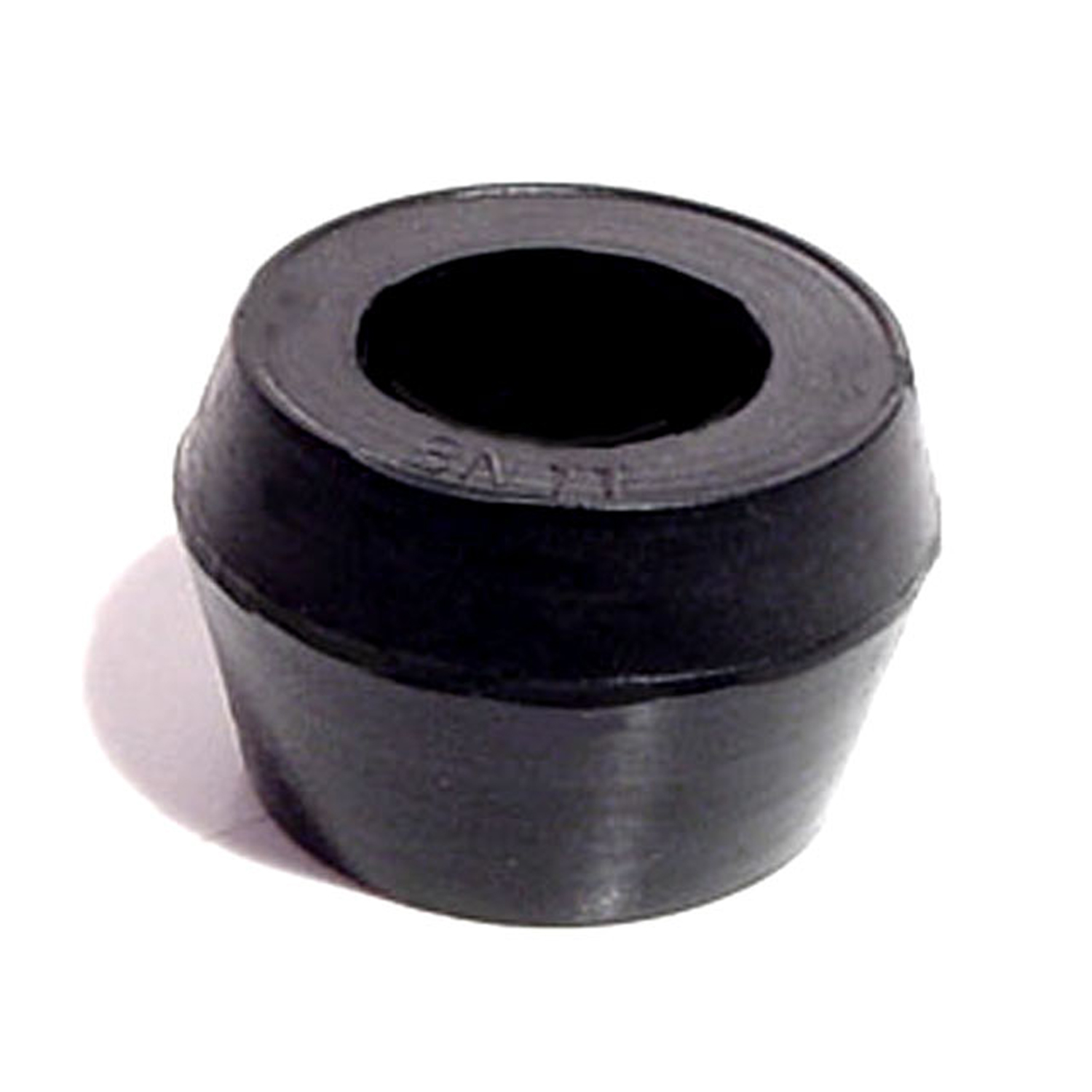 1949 Chevrolet Truck Shock Absorber Grommet. 1" bottom O.D-BN 11Shock Absorber Grommet. 1" bottom O.D., 3/4" high, with 5/8" I.D. Each
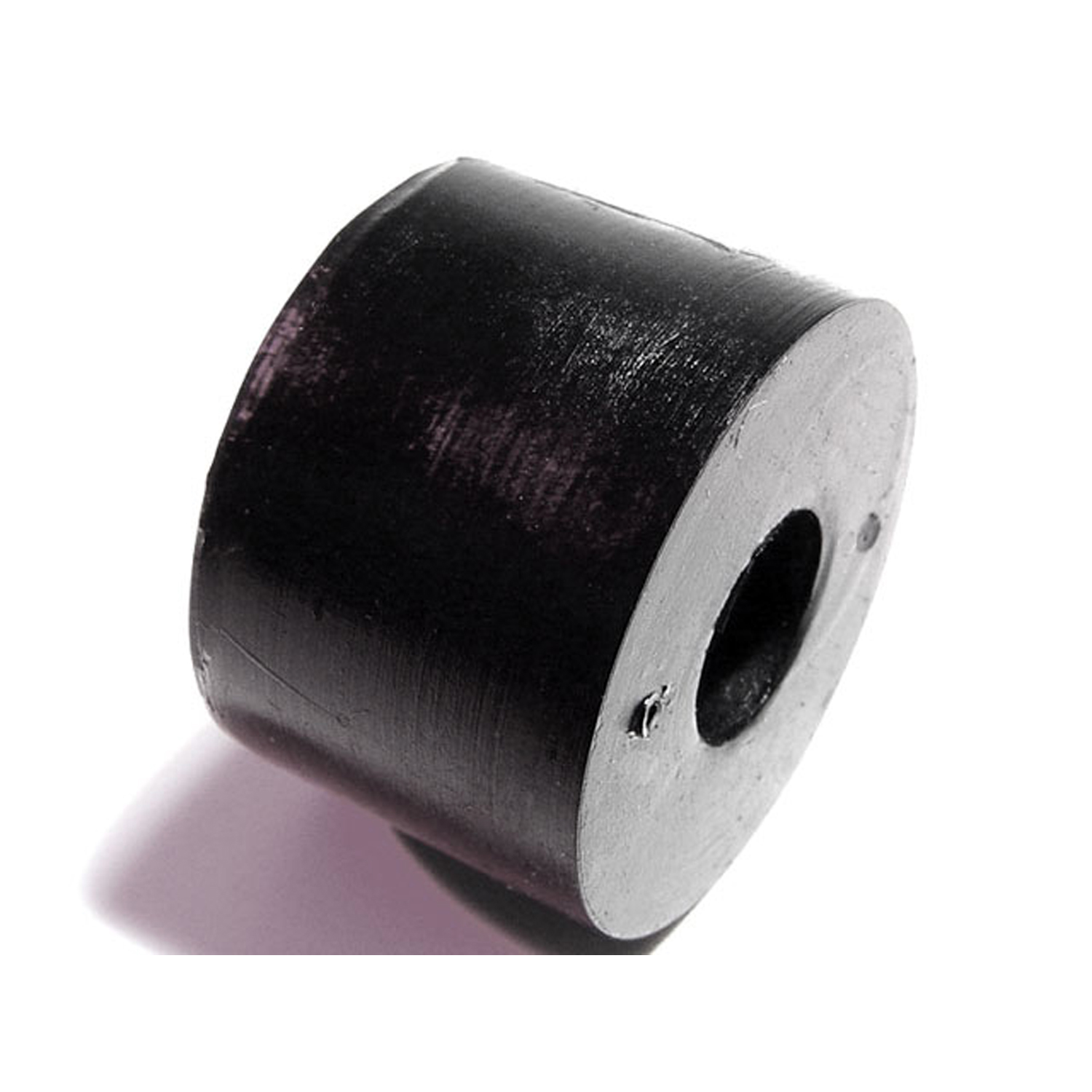 1949 Chevrolet Truck Shock Absorber Grommet. 1" bottom O.D., 5/8" high-BN 13Shock Absorber Grommet. 1" bottom O.D., 5/8" high., with 3/8" I.D. Each
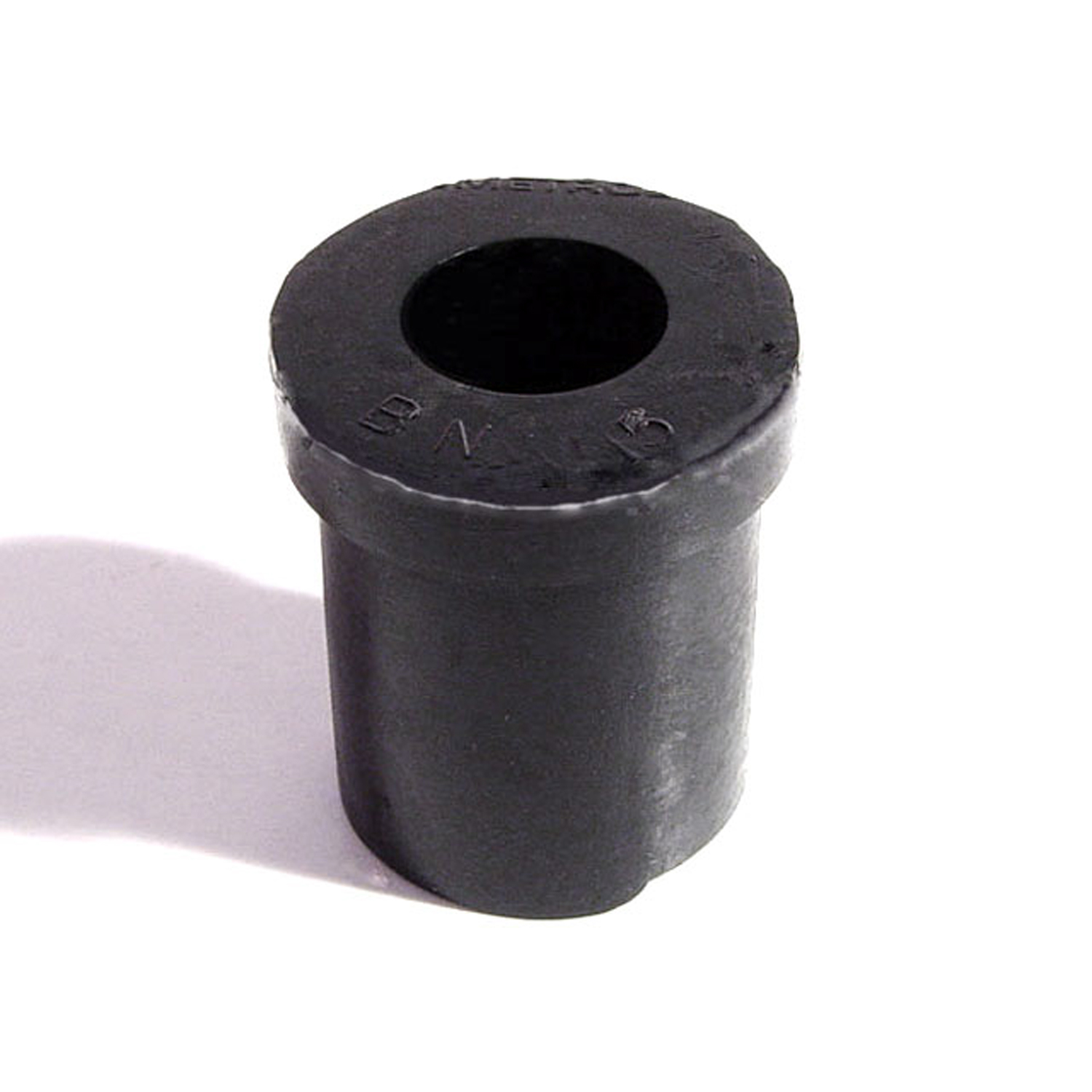 1949 Chevrolet Truck Spring and Shackle Bushing. 7/8" bottom O.D-BN 15Spring and Shackle Bushing. 7/8" bottom O.D. X 1-1/8" high, with 1/2" I.D. Each
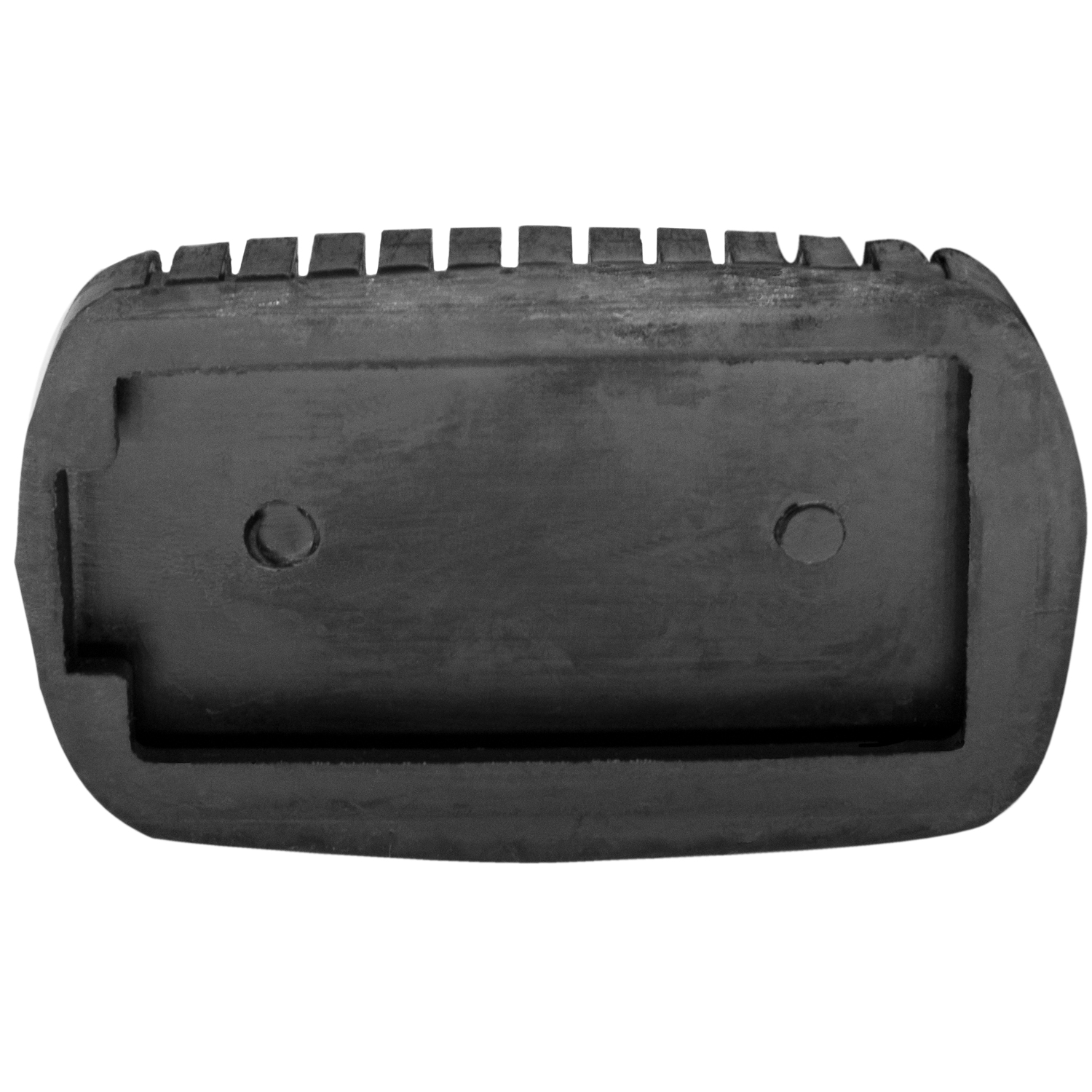 1949 Chevrolet Truck Clutch and Brake Pedal Pad. 2-1/2" wide X 3-7/8" long-CB 100-A/EAClutch and Brake Pedal Pad. 2-1/2" wide X 3-7/8" long. Each
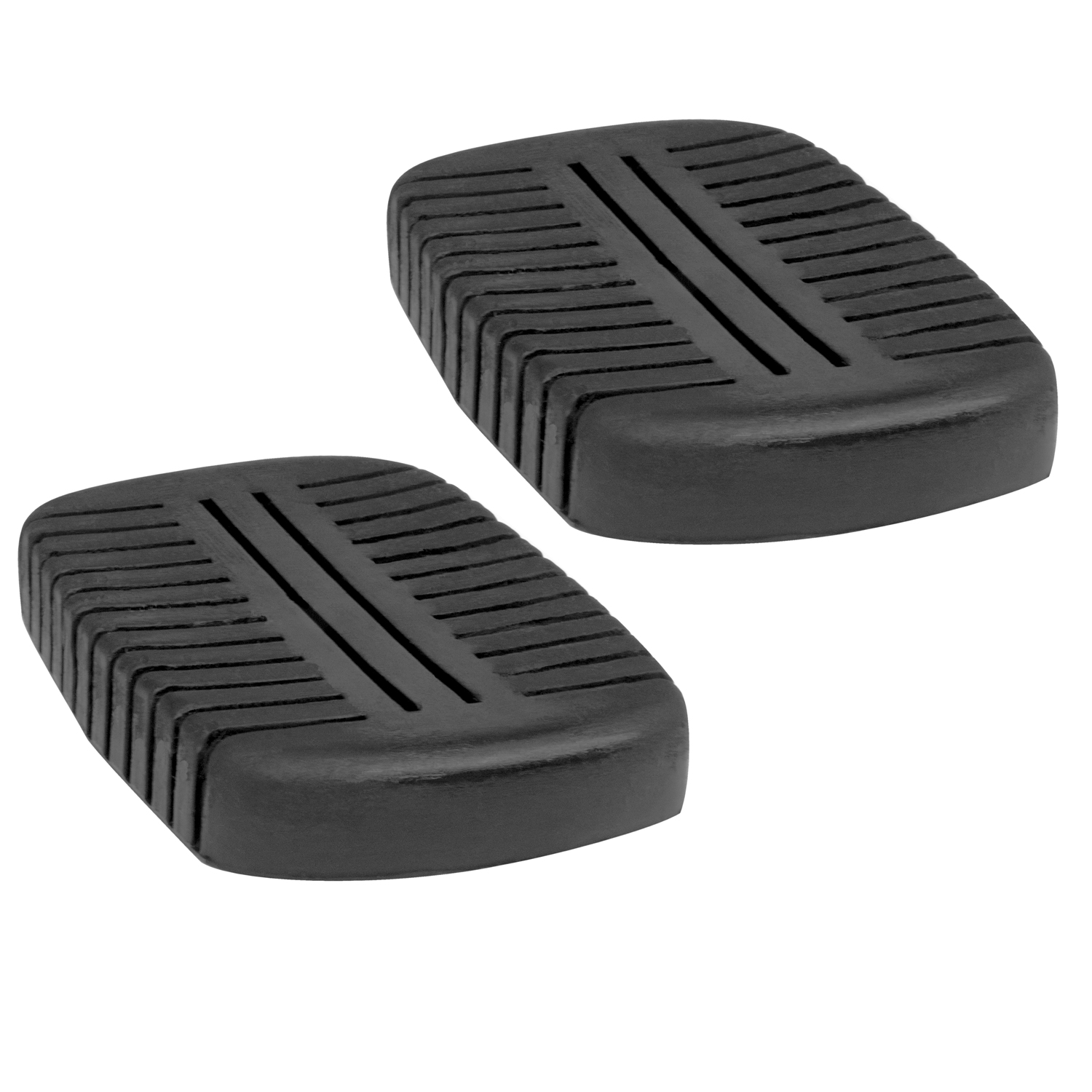 1949 Chevrolet Truck Clutch and Brake Pedal Pads. 2-1/2" wide X 3-7/8" long-CB 100-A/PRClutch and Brake Pedal Pads. 2-1/2" wide X 3-7/8" long. Pair
 1949 Chevrolet Truck Center Division Bar Seal. 15-1/4" long. Each-DP 17Center Division Bar Seal. 15-1/4" long. Each
 1949 Chevrolet Truck Gas Filler Grommet. Highest quality. 2-1/4" I.D., 3-3/4" O-GF 38Gas Filler Grommet. Highest quality. 2-1/4" I.D., 3-3/4" O.D. Each
 1949 Chevrolet Truck Molded Door Seals. For First Series. Pair R&L-LM 13-EMolded Door Seals. For First Series. Pair R&L
 1949 Chevrolet Truck Door Top and Side Seal. Sold by the foot-LP 103Door Top and Side Seal. Sold by the foot
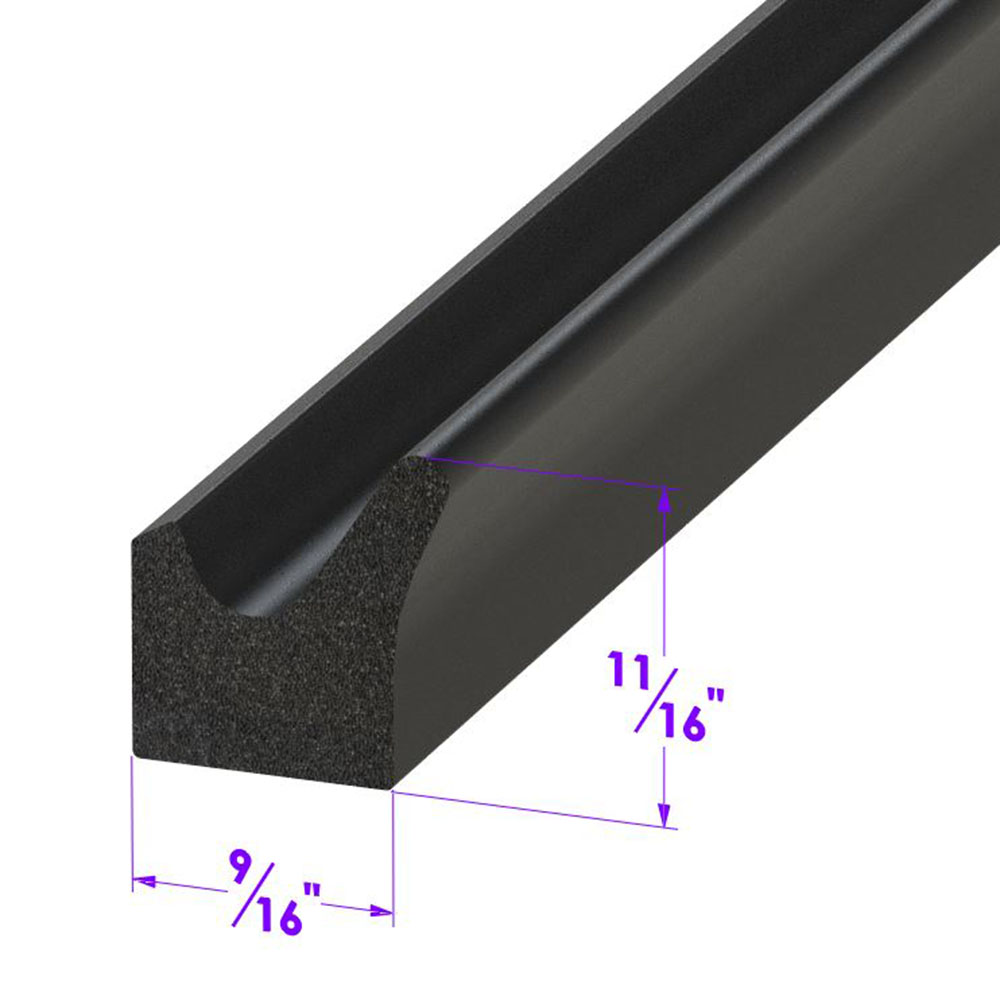 1949 Chevrolet Truck Door side seal. Same as LP 40-A, but for a heavier seal-LP 40Door side seal. Same as LP 40-A, but for a heavier seal. Fits many domestic passenger cars and trucks. Used in Cobra kit cars as trunk weatherstrip. Per foot.
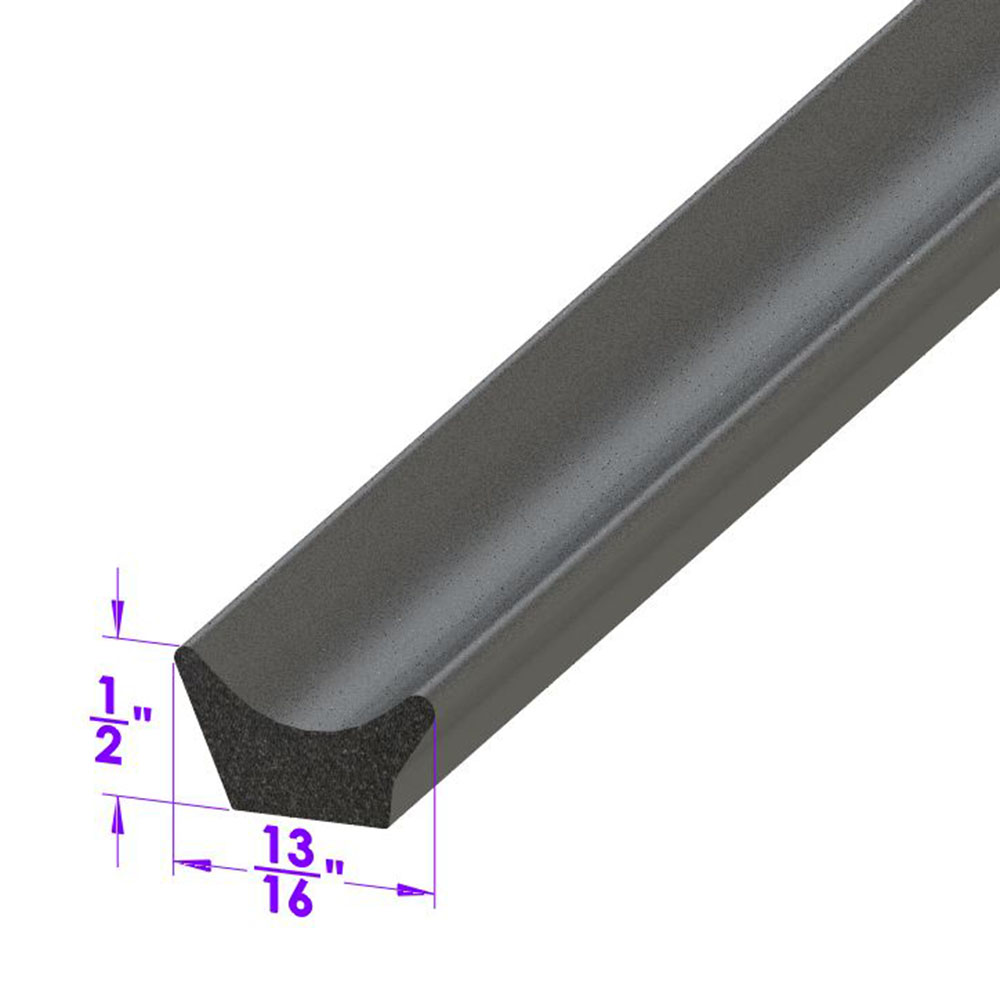 1949 Chevrolet Truck Door side seal. Same as LP 40, but for a lighter seal-LP 40-ADoor side seal. Same as LP 40, but for a lighter seal. Fits many domestic passenger cars and trucks. Universal seal for street rods and customs. Used in Cobra kit cars as door weatherstrip. Per foot.
 1949 Chevrolet Truck Door Weatherstrip for 2 Doors. Kit-LPK 40Door Weatherstrip for 2 Doors. Kit
 1949 Chevrolet Truck Tail-light Pads. For Sedan Delivery. 3" wide X 4-1/4" long-MP 484-FTail-light Pads. For Sedan Delivery. 3" wide X 4-1/4" long. Pair R&L
 1949 Chevrolet Truck Door Handle Pads. 1-1/2" wide X 2-3/4" long. Pair-MP 546-VDoor Handle Pads. 1-1/2" wide X 2-3/4" long. Pair
 1949 Chevrolet Truck Cowl Vent Seal. For models with flat-faced cowls-RP 100-KCowl Vent Seal. For models with flat-faced cowls. 4" wide X 16-1/2" long. Each
 1949 Chevrolet Truck Side Vent Seal. Each-RP 100-MSide Vent Seal. Each
 1949 Chevrolet Truck Rear Door Hinge Auxillary Seal. 2-3/8" I.D., 3-3/16" Long-RP 203Rear Door Hinge Auxillary Seal. 2-3/8" I.D., 3-3/16" Long. Each
 1949 Chevrolet Truck Rear Door Hinge Auxillary Seal. 2-3/8" I.D., 3-3/16" Long-RP 203-SETRear Door Hinge Auxillary Seal. 2-3/8" I.D., 3-3/16" Long. 4-Piece Set
 1949 Chevrolet Truck Cowl Vent Drain Hose. 5/8" I.D., 13/16" O.D., 8" long-VH 101Cowl Vent Drain Hose. 5/8" I.D., 13/16" O.D., 8" long. Replaces OEM #3683557. Each
 1949 Chevrolet Truck Rear Window Seal '42-'66 GM Full Size Trucks With Small Window-VWS 7313-URear Window Seal '42-'66 GM Full Size Trucks With Small Window, Includes Lockstrip, Set of 2.
 1949 Chevrolet Truck Flexible Window Scraper. Used on outside side window-WC 24-/FTFlexible Window Scraper. Used on outside side window. Made of all rubber. Slides into light steel track. 11/16" wide X 1/4" high. Sold by the foot
 1949 Chevrolet Truck Flexible Window Scraper. Used on outside side window-WC 24-32Flexible Window Scraper. Used on outside side window. Made of all rubber. Slides into steel track. 11/16" wide X 1/4" high X 32" long. Each
 1949 Chevrolet Truck Flexible Window Scraper. Used on outside side window-WC 24-A 27Flexible Window Scraper. Used on outside side window. Made of all rubber. Two used per vehicle. 7/8" wide X 1/4" high X 27" long. Each
 1949 Chevrolet Truck Flexible window scraper. Used on outside side windows-WC 24-A/FTFlexible window scraper. Used on outside side windows. Dense rubber. Two used per vehicle. 7/8 in. wide X 1/4 in. high. Sold by the foot.
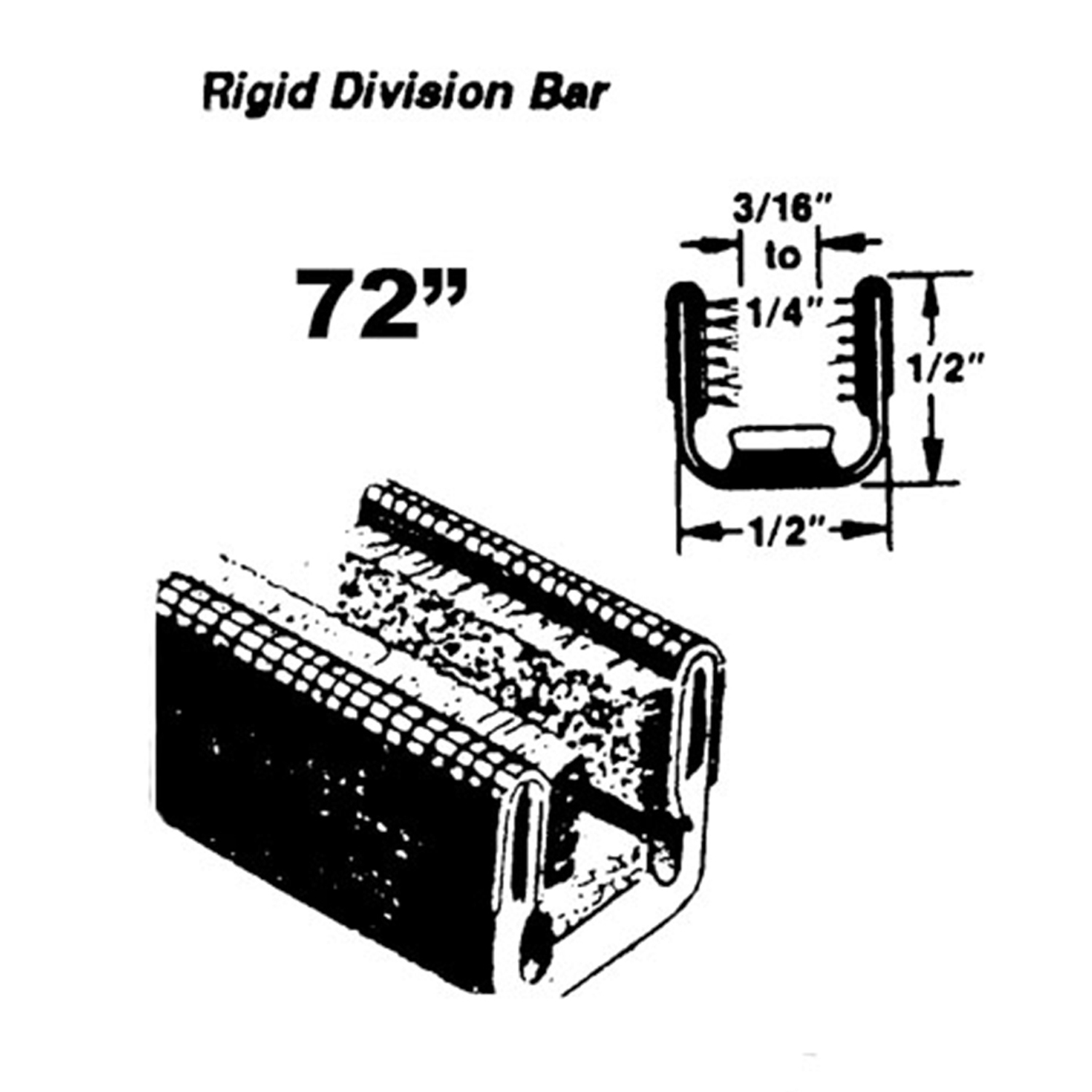 1949 Chevrolet Truck Upper and lower rigid division-bar channel-WC 25-72Upper and lower rigid division-bar channel. Unbeaded, pile-lined. 72 in. long. Each. NOTE: $20 special shipping charge applies for domestic orders. Call or email for overseas shipping costs. Part can be sectioned into two equal lengths to reduce overseas shipping costs.
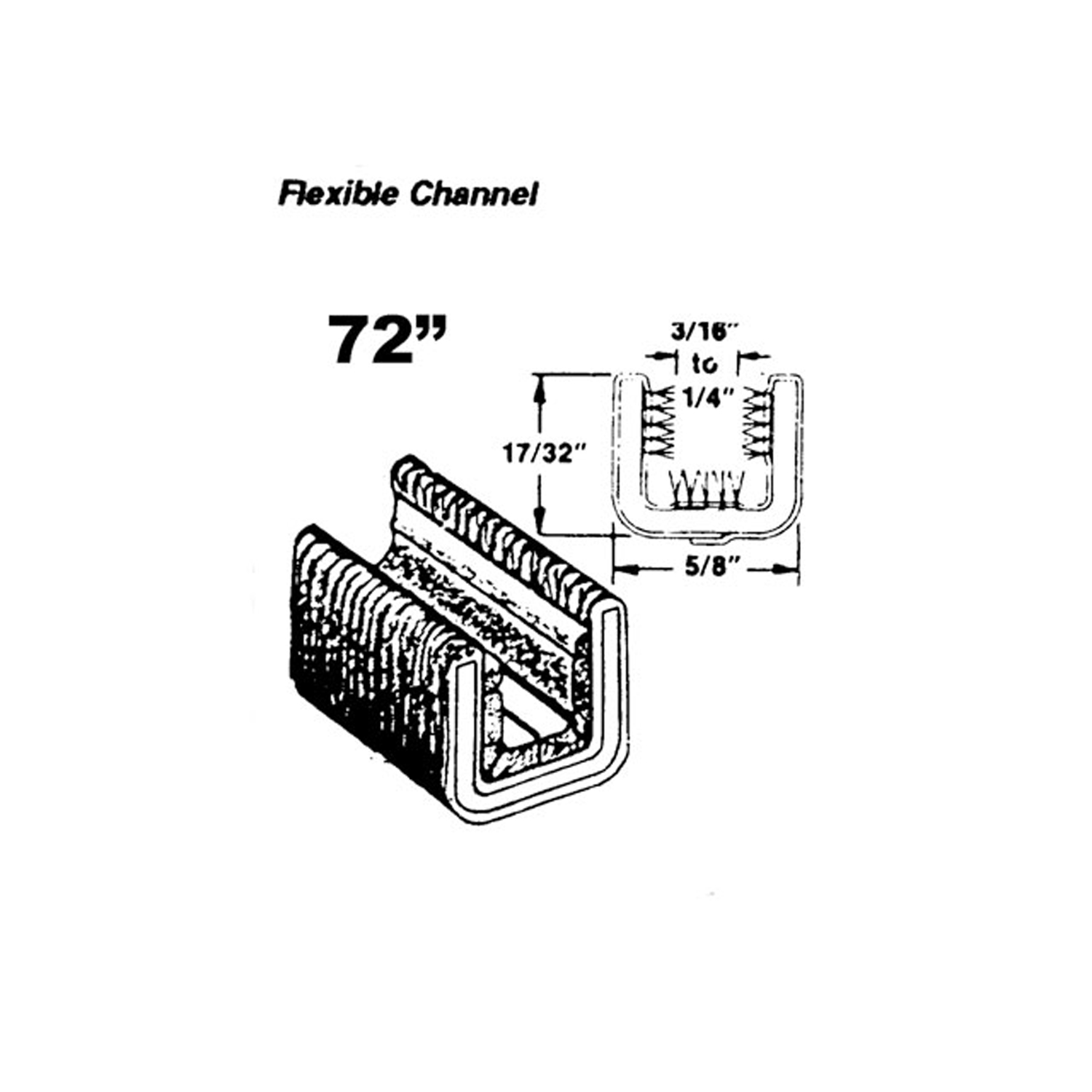 1949 Chevrolet Truck Flexible glass-run channel-WC 26-72Flexible glass-run channel. For models without framed side glass. Unbeaded, pile-lined. 72 in. long. Each. NOTE: $20 special shipping charge applies for domestic orders. Call or email for overseas shipping costs. Part can be sectioned into two equal lengths to reduce overseas shipping costs.
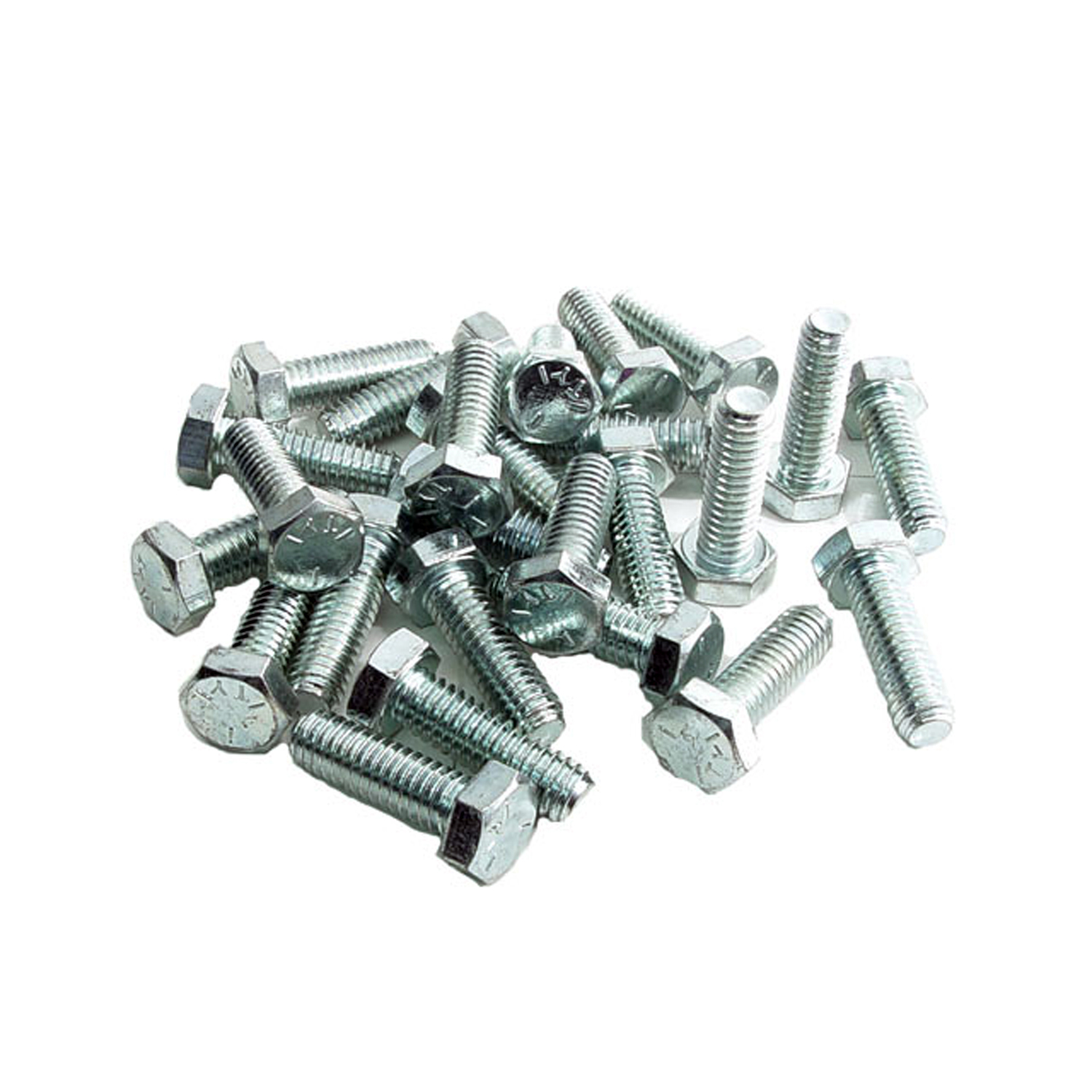 1949 Chevrolet Truck Fender Bolts. For use with Fender Bolt Washers; WF 3001-WF 3000Fender Bolts. For use with Fender Bolt Washers; WF 3001. Zinc Chromate plated, high strength. 1" X 5/16". Set of 25
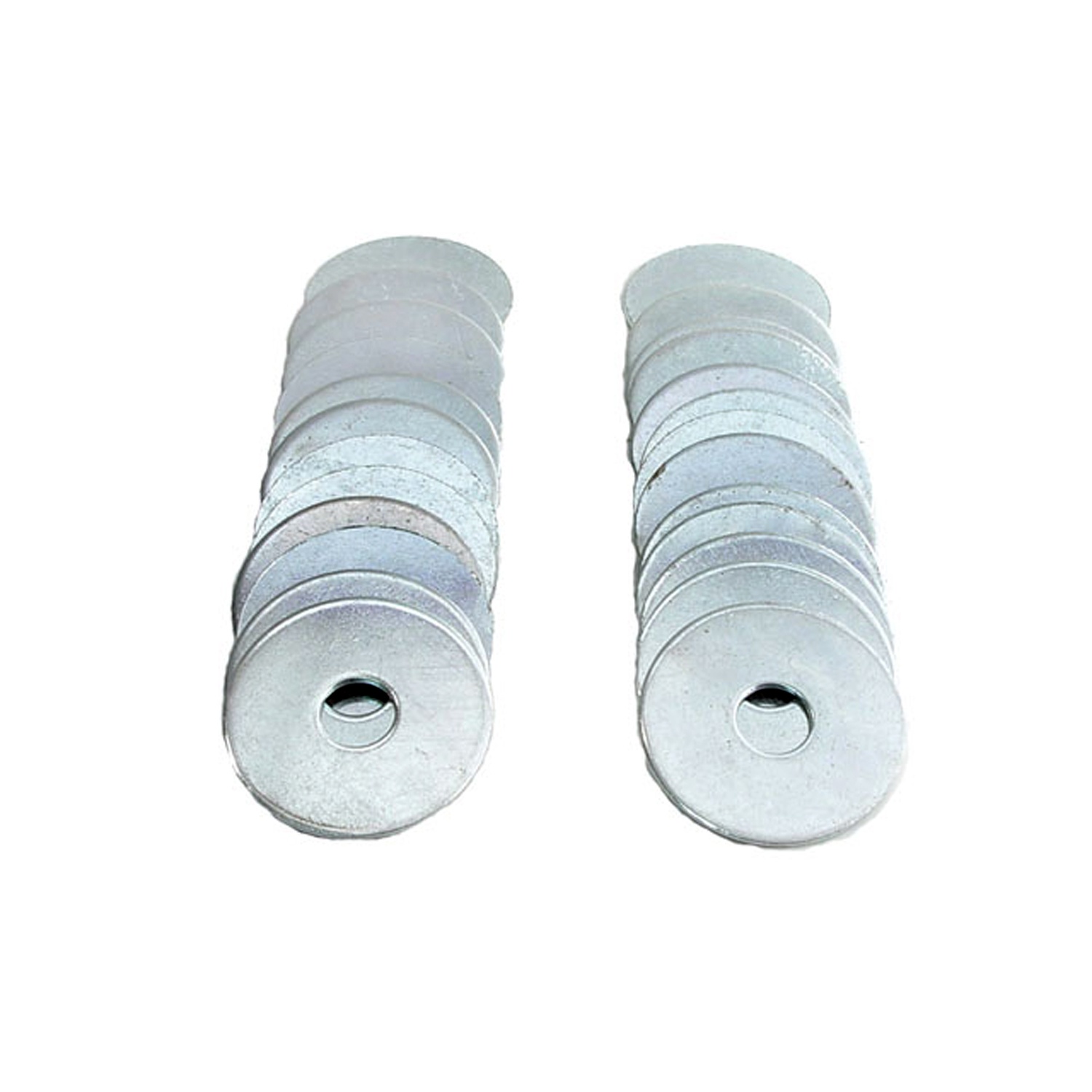 1949 Chevrolet Truck Fender Bolt Washers. For use with Fender Bolts; WF 3000-WF 3001Fender Bolt Washers. For use with Fender Bolts; WF 3000. High quality, cadmium plated. 1-1/4" O.D., 3/8" I.D. Set of 25
Why Choose Metro?
For over 100 years, Metro Moulded Parts has been the pinnacle of quality in classic car restoration parts. Our commitment to precision and authenticity in every component ensures a perfect fit and an OEM-level appearance.
- Expert Craftsmanship & Quality: Each part is a testament to our dedication to reliability and perfection, crafted from original designs and thoroughly tested.
- Advanced Technology: We use cutting-edge techniques to create flawless, long-lasting parts that surpass others in performance.
- SuperSoft Sponge – The Ultimate Door Seal: Not only are our door seals 30% softer than competitors', but they're also guaranteed to never leak. They effectively reduce wind and road noise, enhancing your classic car's comfort and driving experience.
- Proudly American: Our parts are a product of American craftsmanship, made in the USA with a spirit of excellence and heritage.
- Unrivaled Warranty: We back our products with a 30-year industry-leading warranty, a testament to our confidence in their quality.
Join us in preserving the legacy of classic cars with parts that are crafted for perfection, not just made.