
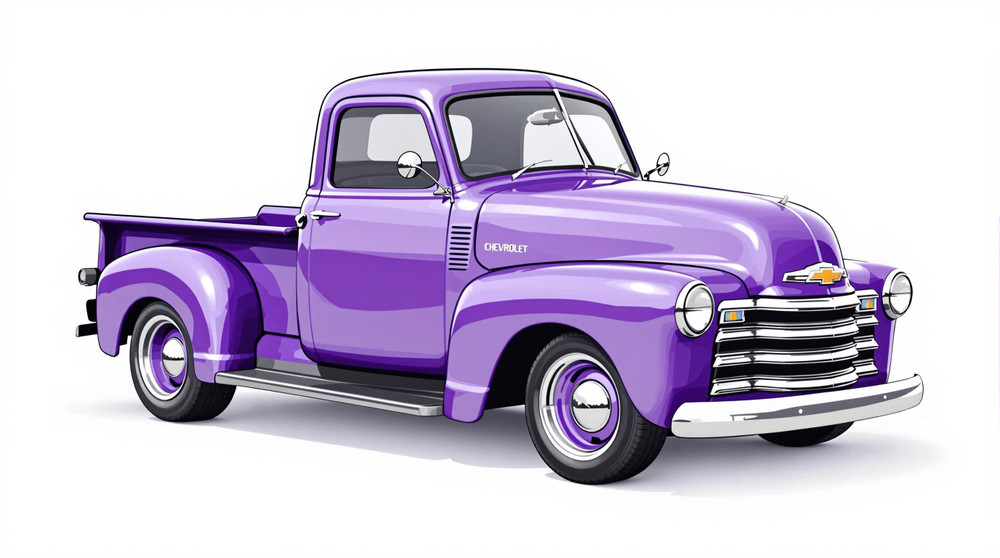
Image of 1950 Chevrolet Truck, Note: These illustrations use artistic license and may differ from actual historical models.
Performance Metrics
Fundamental Metrics
Emotional Appeal
MMP Rating
| Engine Specifications | |
|---|---|
| Engine Options: | 216.5 cu in (3.5 L) I6 |
| Displacement Range: | 216.5 cu in (3.5 L) |
| Horsepower Range: | 92 hp |
| Torque: | 176 lb-ft |
| Compression Ratio: | 6.6:1 |
| Ignition System: | Battery and coil |
| Cooling System: | Liquid-cooled |
| Performance Specifications | |
| 0-60 Time: | Estimated 20-25 seconds |
| 1/4 Mile Time: | Not available |
| Top Speed: | 70 mph |
| Transmission and Drive | |
| Drive Type: | Rear-wheel drive |
| Transmission Type: | 3-speed manual |
| Fuel and Efficiency | |
| Fuel System Type: | Carburetor |
| MPG: | Estimated 10-15 mpg |
| Dimensions and Brakes | |
| Brakes: | Drum brakes |
| Wheelbase: | 115 inches |
| Weight: | 3,920 lbs |
Note: Specifications for classic cars are given to the best of our ability, considering the limited and variant data available.
1950 Chevrolet Truck: The Advance-Design Workhorse
The 1950 Chevrolet truck turned everyday labor into a little postwar style. With its rounded front fenders, broad grille, and unusually roomy cab, it was built to haul tools, crops, and building supplies, but it looked good doing it. The truck came from Chevrolet, then a major division of General Motors, and belonged to the company’s Advance-Design series, introduced for the 1947 model year.
Advance-Design trucks arrived as America was rebuilding and expanding after World War II. New homes, roads, farms, and businesses needed dependable transportation, and Chevrolet answered with a fresh design intended to be more comfortable and practical than its prewar trucks. A notable detail for collectors: by 1950 buyers could get the distinctive “five-window” cab, whose extra rear-corner windows improved visibility and gave the truck one of its most recognizable profiles.
Advance-Design Styling and Cabin
The 1950 Chevrolet’s styling is friendly but purposeful. Its tall, rounded hood leads into a broad, horizontal-bar grille, while the front fenders flow outward around the headlights before sweeping back along the sides. The result is a substantial-looking truck without the blunt, upright appearance of many earlier work vehicles. On a well-preserved example, the curves of the hood and fenders catch the light in a way that makes even a plain farm pickup feel carefully designed.
The cab was a major part of the Advance-Design appeal. Chevrolet promoted it as roomier than the previous generation, with more shoulder and leg space and improved visibility. The cabin was still a work environment: painted metal surfaces, a broad bench seat, simple gauges, and a durable rubber floor mat were typical. Upholstery materials and trim could vary, but comfort and easy cleaning mattered more than luxury. The five-window cab added small rear-quarter windows; the standard cab had fewer panes and a cleaner, more enclosed look.
Technology was straightforward by modern standards. The truck used a conventional steering wheel and manual controls, a six-volt electrical system, and mechanical simplicity that made many repairs possible with basic tools. It did not have power steering, air conditioning, or modern safety equipment such as seat belts and airbags. Chevrolet’s emphasis was on practical improvements, including a more accommodating cab and a sturdy chassis, rather than electronic features.
Paint choices varied by model year, body style, and fleet order. Buyers could choose from factory colors that included work-friendly dark shades and brighter options, while commercial customers often ordered trucks in business or fleet colors. Green, blue, red, and dark neutral tones are among the period looks enthusiasts commonly associate with these pickups. Original paint codes are the best guide when restoring a particular truck, since colors and availability could differ across the range.
Body Styles and Model Choices
The 3100 half-ton pickup is the best-known 1950 Chevrolet truck today. Its short-bed proportions and 116-inch wheelbase give it the classic Advance-Design silhouette that appears in restoration shops, car shows, and custom-truck builds. Chevrolet also offered heavier-duty 3600 and 3800 models, along with commercial bodies and chassis intended for different kinds of work.
The wider family included panel trucks, Suburban carryalls, canopy express models, stake trucks, and chassis-cab configurations that could be fitted with specialized bodies. Exact availability depended on the model and application. The pickup remains the most iconic version, but panel trucks and Suburbans have their own following, especially among buyers looking for a less common restoration or period-style delivery vehicle.
Why the 1950 Chevrolet Truck Matters
The 1950 truck was not a radical technical experiment. Its significance lies in how Chevrolet brought passenger-car thinking into a practical commercial vehicle. The Advance-Design cab offered better space and a more finished appearance, while the rounded styling helped establish a visual identity that was recognizably Chevrolet. The truck showed that a working vehicle could be durable and comfortable without losing its straightforward, serviceable character.
That balance helped the Advance-Design family become a lasting success. Its design influenced the way many people came to picture a postwar American pickup: a separate bed, rounded front sheet metal, a broad cab, and a confident, upright stance. The 1950 model sits near the middle of the series’ production run, so it carries the established design while benefiting from several years of development and refinement.
Engine, Speed, and Road Manners
Most 1950 Chevrolet half-ton pickups used a 216.5-cubic-inch inline-six, commonly known as the 216. It produced about 92 horsepower in typical factory specifications and delivered its power at modest engine speeds. A manual transmission was standard, with a three-speed gearbox common on half-ton trucks. Transmission and axle combinations could vary by model and order, so a surviving truck may not match every general specification.
Chevrolet did not publish modern-style acceleration figures for every truck configuration. As a practical estimate, a stock 3100 typically needs roughly 25 to 35 seconds to reach 60 mph, depending on gearing, condition, load, and the accuracy of the speedometer. A realistic top speed is around 60 to 65 mph for a sound, lightly loaded example. These are estimates, not guaranteed factory test results, and sustained high-speed driving is not the truck’s natural job.
Behind the wheel, the 216 delivers a steady, low-revving six-cylinder hum rather than a sharp burst of power. The steering is manual, the controls are direct, and the driver sits upright behind a broad hood. The bench seat and simple dashboard create an unhurried driving position, but the truck’s age is always part of the experience. It asks for anticipation: allow extra space for braking, plan gear changes, and do not expect modern traffic pace on a steep grade.
On rough roads, the solid axles and period suspension give the truck a firm, sometimes bouncy ride, especially when it is unloaded. A payload can settle the rear and make the ride feel more composed, but worn springs, bushings, tires, or steering components can make any example wander or rattle. On winding roads, its size, steering effort, and relatively narrow tires reward smooth inputs rather than quick corrections. In crosswinds, the tall cab and boxy body can be pushed around more than a modern pickup.
Living With a 1950 Chevrolet
Owners use these trucks in several ways. Some keep them as show-quality restorations, while others drive them to local events, use them for light hauling, or build them into custom street trucks. A stock example is best suited to relaxed local trips and occasional practical work, not daily high-speed commuting. Restomods with updated brakes, steering, suspension, or powertrains can be more comfortable in modern traffic, though modifications may reduce originality and change collector appeal.
Routine maintenance is approachable for an owner with mechanical experience. The engine bay is accessible, the drivetrain is uncomplicated, and replacement parts for common 3100 components are widely available through specialist suppliers. The 216’s original connecting-rod lubrication system uses oil troughs and dippers, making correct oil level and regular maintenance especially important. Before driving a long-stored truck, inspect the brakes, fuel system, cooling system, tires, steering, and electrical wiring rather than assuming that a fresh start means it is roadworthy.
Reliability depends heavily on condition and upkeep. A well-maintained truck can be dependable for local use, but age-related issues are common: tired wiring, leaking seals, worn front-end parts, overheating, and brake problems. The frame and cab should also be checked for rust, particularly around the cab corners, floor, door bottoms, and bed supports. In many restorations, finding sound body panels and correcting old repairs takes more time than servicing the engine.
1950 Chevrolet Truck Facts and Myths
The name “Advance-Design” was Chevrolet’s label for its postwar truck family, not a separate trim level. The optional five-window cab is one of the easiest visual identifiers for enthusiasts, and it is often sought after because of its extra glass and distinctive proportions. The 3100 is common enough to support an active restoration and parts market, but original, unmodified examples are increasingly appealing to collectors.
There is no widely recognized speed, endurance, or competition record associated specifically with the 1950 Chevrolet pickup. Its legacy is less about racing and more about sheer usefulness: these trucks worked on farms, in towns, and on construction sites across the postwar United States. Chevrolet sold trucks in large numbers, but a precise production total for every 1950 body style and configuration is difficult to pin down from a single dependable figure. A reasonable broad estimate is several hundred thousand Chevrolet trucks across the full range, possibly around 400,000 to 500,000 for the model year, rather than that number for 3100 pickups alone.
One common criticism is that a stock truck feels slow and unsophisticated beside a modern vehicle. That is fair. The brakes, steering, ride, and highway performance all reflect 1950 engineering. Another frequent challenge is rust, compounded by decades of hard work and improvised repairs. Still, those limitations are also part of the truck’s appeal: it is an honest, mechanical vehicle whose character comes from use, not from layers of electronic assistance.
Collector Values and Availability
Values vary sharply with body style, originality, rust, mechanical condition, and restoration quality. As a broad 2026 market estimate in the United States, a rough project truck may sell for about $5,000 to $12,000. A usable driver or older restoration commonly falls around $15,000 to $30,000, while a high-quality, correctly restored 3100 can bring roughly $35,000 to $60,000 or more. Exceptional restorations, rare body styles, and well-executed custom builds can exceed that range, sometimes substantially. These are general estimates, not a formal appraisal.
Availability is good compared with many postwar classics. The 3100 was produced in large numbers, and parts support remains strong. However, a complete, rust-free truck with desirable original details is harder to find than a project. Five-window cabs, unusual commercial bodies, and well-preserved Suburbans or panel trucks can attract more attention than an ordinary half-ton pickup.
Prices have generally benefited from steady interest in vintage pickups, but the market is condition-sensitive. A solid, documented restoration is more likely to hold its value than a rushed build with hidden rust or mismatched parts. Originality matters to traditional collectors, while tasteful custom work appeals to a different buyer pool. For a purchase, inspect the metal and paperwork closely, then judge the truck on the quality of its underlying work rather than its fresh paint alone.
A Postwar Classic Built to Work
The 1950 Chevrolet truck combines the practical engineering of a working vehicle with the graceful lines of the Advance-Design era. Its roomy cab, recognizable five-window option, simple inline-six power, and huge variety of body styles made it useful in its own time and appealing to enthusiasts today. It is not fast or refined by modern standards, but it is approachable, repairable, and full of character.
More than seven decades later, a well-kept 1950 Chevrolet still tells its story through every rounded fender and familiar engine note: this was a truck designed to earn its keep, and it became an American classic by doing exactly that.
1950 Chevrolet Truck Catalog of Parts
 1950 Chevrolet Truck Park Brake Lever Boot-BL 4Park Brake Lever Boot. Base: 4-1/8" long X 2-1/2" wide, with 2-15/16" long slot. Top: 1-1/8" long inner slot. Each
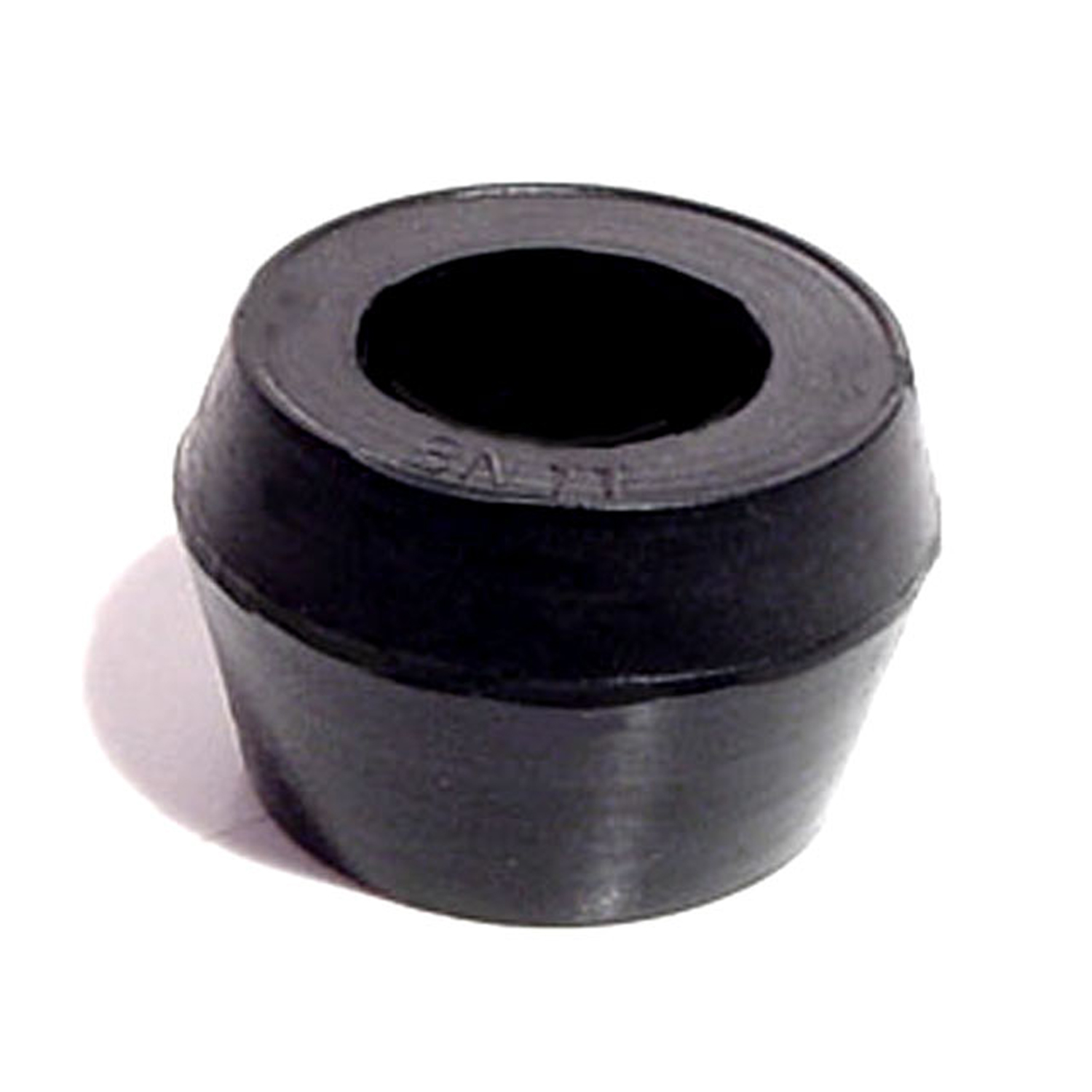 1950 Chevrolet Truck Shock Absorber Grommet. 1" bottom O.D-BN 11Shock Absorber Grommet. 1" bottom O.D., 3/4" high, with 5/8" I.D. Each
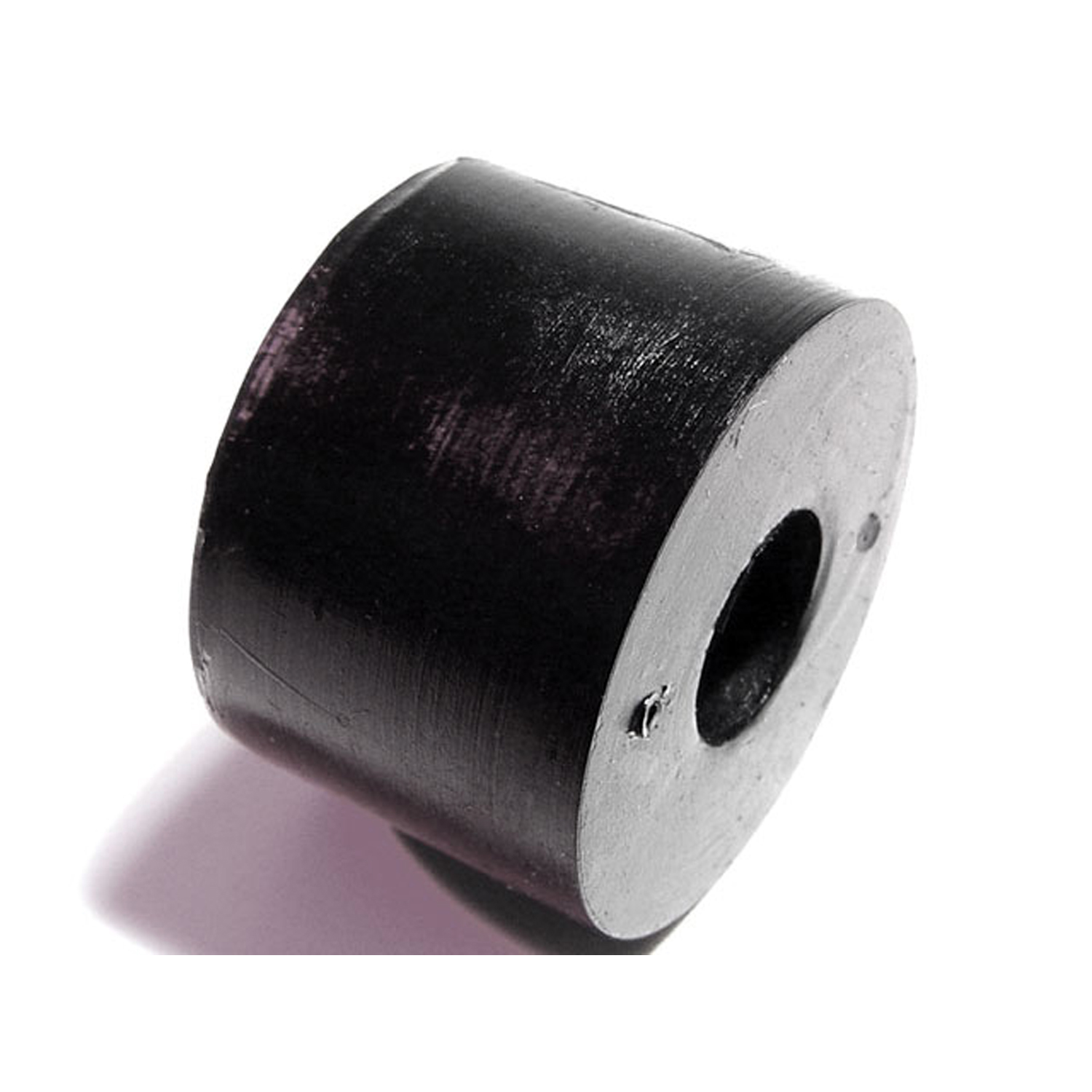 1950 Chevrolet Truck Shock Absorber Grommet. 1" bottom O.D., 5/8" high-BN 13Shock Absorber Grommet. 1" bottom O.D., 5/8" high., with 3/8" I.D. Each
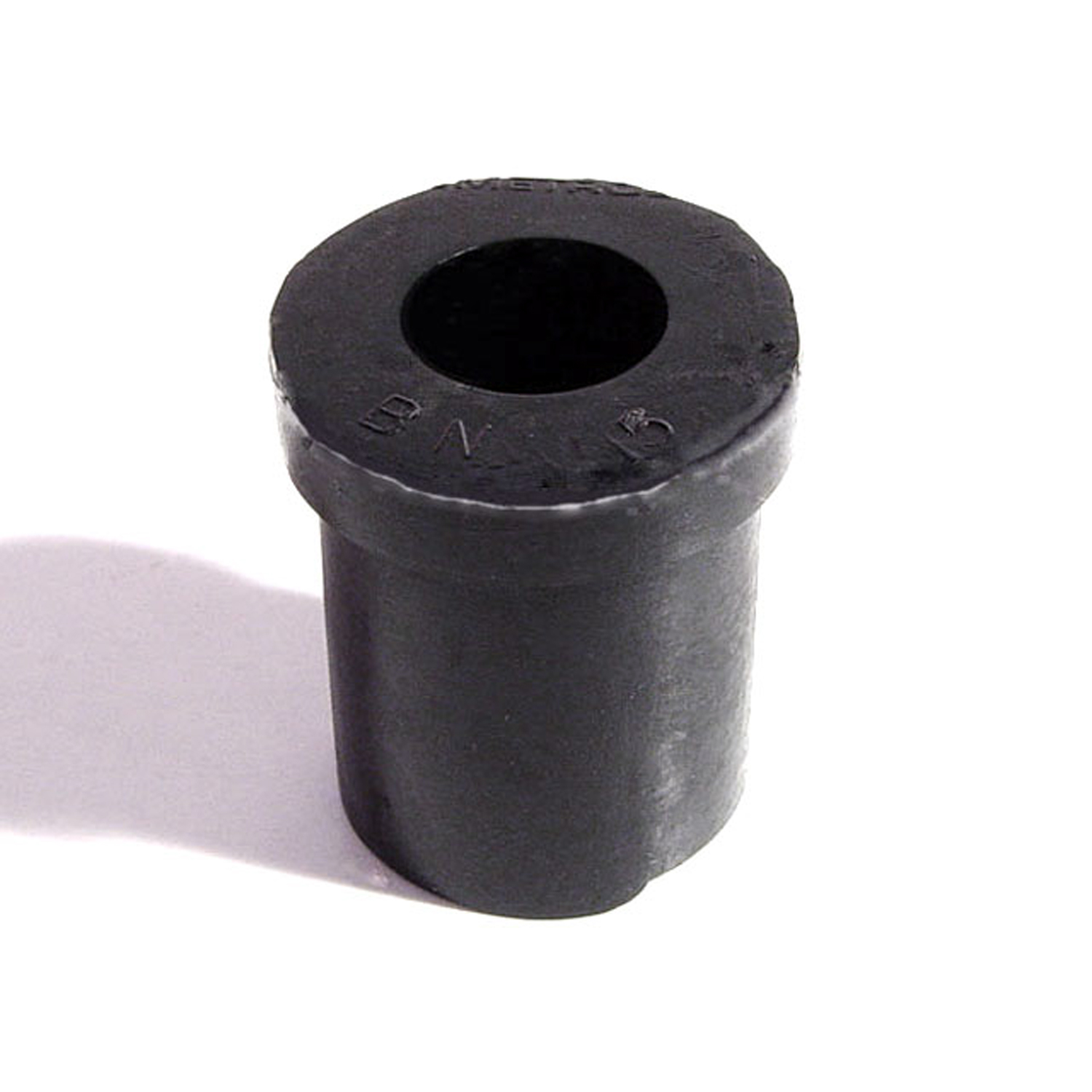 1950 Chevrolet Truck Spring and Shackle Bushing. 7/8" bottom O.D-BN 15Spring and Shackle Bushing. 7/8" bottom O.D. X 1-1/8" high, with 1/2" I.D. Each
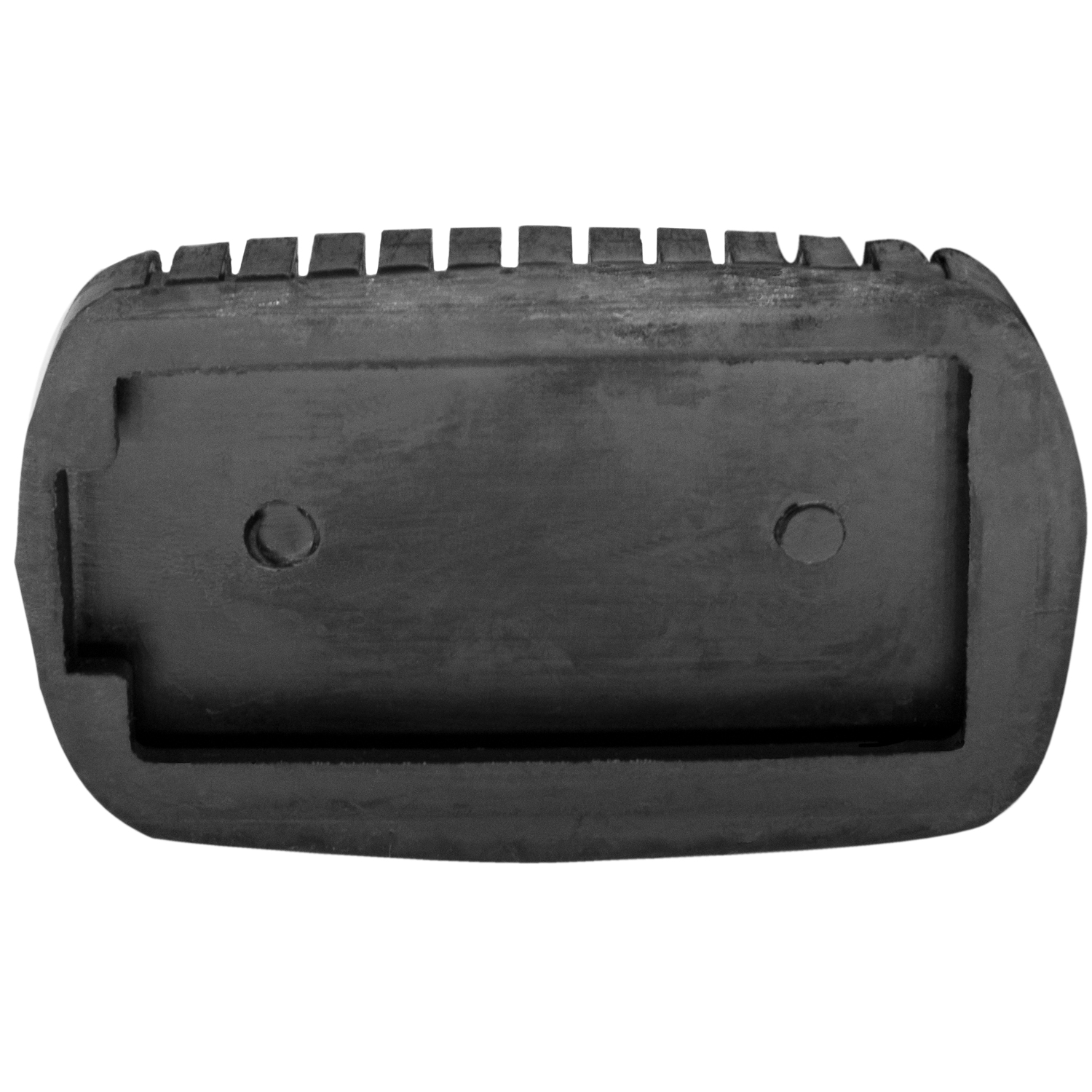 1950 Chevrolet Truck Clutch and Brake Pedal Pad. 2-1/2" wide X 3-7/8" long-CB 100-A/EAClutch and Brake Pedal Pad. 2-1/2" wide X 3-7/8" long. Each
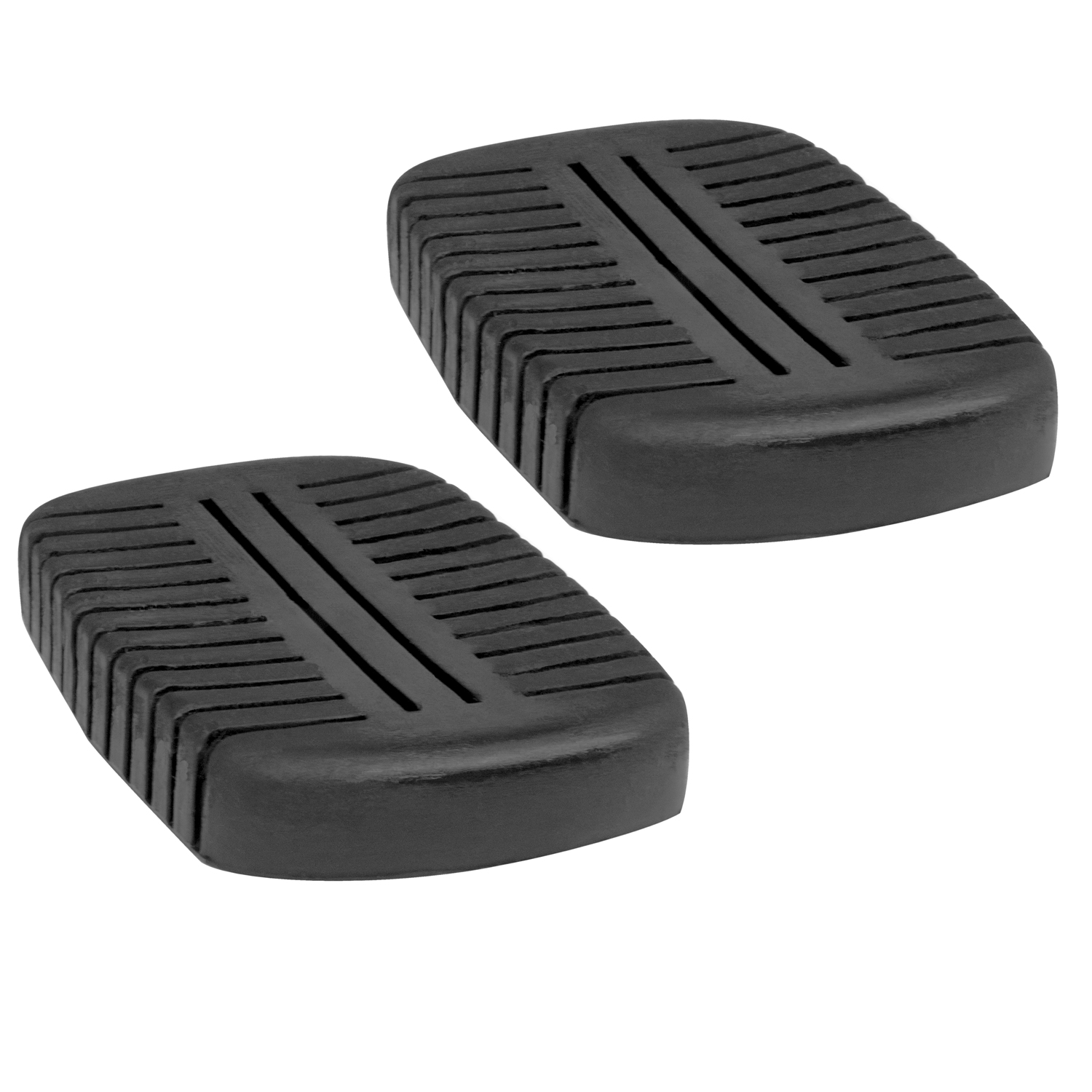 1950 Chevrolet Truck Clutch and Brake Pedal Pads. 2-1/2" wide X 3-7/8" long-CB 100-A/PRClutch and Brake Pedal Pads. 2-1/2" wide X 3-7/8" long. Pair
 1950 Chevrolet Truck Center Division Bar Seal. 15-1/4" long. Each-DP 17Center Division Bar Seal. 15-1/4" long. Each
 1950 Chevrolet Truck Gas Filler Grommet. Highest quality. 2-1/4" I.D., 3-3/4" O-GF 38Gas Filler Grommet. Highest quality. 2-1/4" I.D., 3-3/4" O.D. Each
 1950 Chevrolet Truck Molded Door Seals. For First Series. Pair R&L-LM 13-EMolded Door Seals. For First Series. Pair R&L
 1950 Chevrolet Truck Door Top and Side Seal. Sold by the foot-LP 103Door Top and Side Seal. Sold by the foot
 1950 Chevrolet Truck Door Bottom Seal. Retained by metal strip-LP 104-ADoor Bottom Seal. Retained by metal strip. Sold by the foot
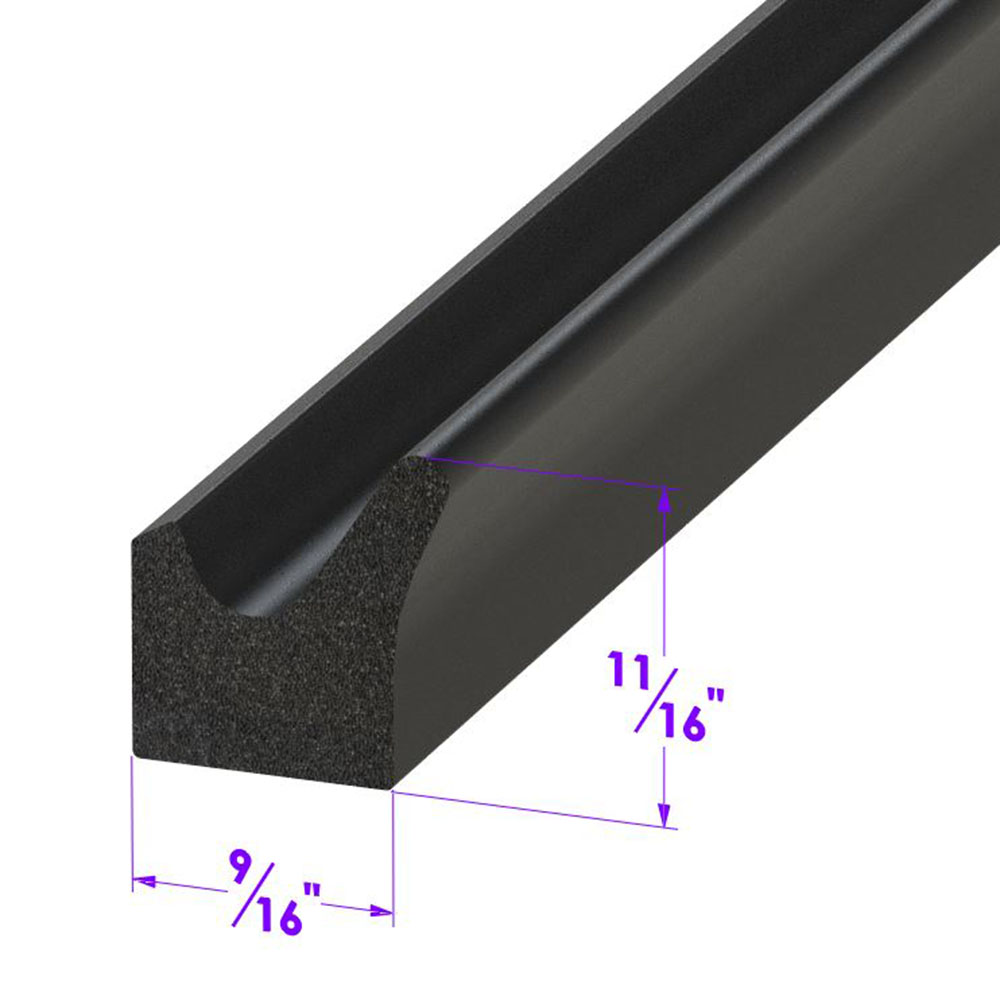 1950 Chevrolet Truck Door side seal. Same as LP 40-A, but for a heavier seal-LP 40Door side seal. Same as LP 40-A, but for a heavier seal. Fits many domestic passenger cars and trucks. Used in Cobra kit cars as trunk weatherstrip. Per foot.
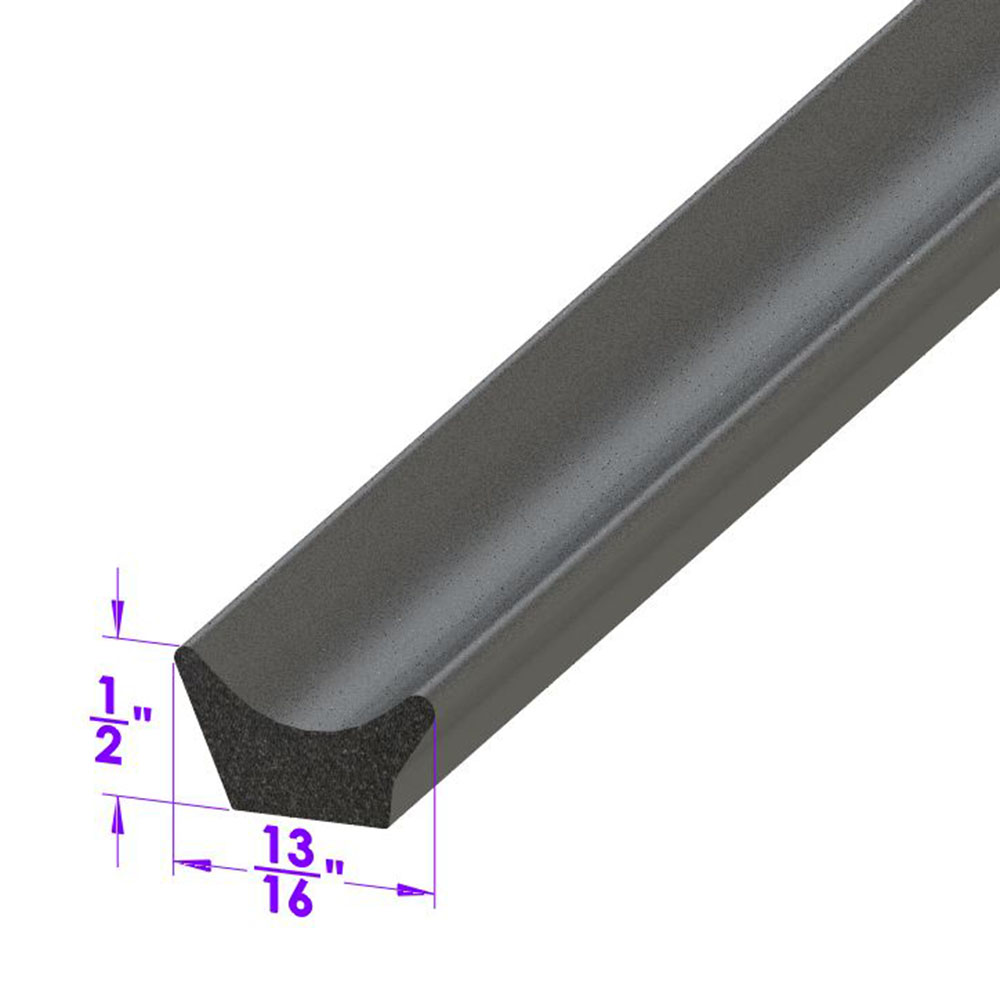 1950 Chevrolet Truck Door side seal. Same as LP 40, but for a lighter seal-LP 40-ADoor side seal. Same as LP 40, but for a lighter seal. Fits many domestic passenger cars and trucks. Universal seal for street rods and customs. Used in Cobra kit cars as door weatherstrip. Per foot.
 1950 Chevrolet Truck Tail-light Pads. For Sedan Delivery. 3" wide X 4-1/4" long-MP 484-FTail-light Pads. For Sedan Delivery. 3" wide X 4-1/4" long. Pair R&L
 1950 Chevrolet Truck Windshield Wiper Transmission Pad. For 1/2-ton pickups-MP 484-GWindshield Wiper Transmission Pad. For 1/2-ton pickups. 1-1/4" wide X 1-1/2" long. Each.
 1950 Chevrolet Truck Cowl Vent Seal. For models with flat-faced cowls-RP 100-KCowl Vent Seal. For models with flat-faced cowls. 4" wide X 16-1/2" long. Each
 1950 Chevrolet Truck Side Vent Seal. Each-RP 100-MSide Vent Seal. Each
 1950 Chevrolet Truck Rear Door Hinge Auxillary Seal. 2-3/8" I.D., 3-3/16" Long-RP 203Rear Door Hinge Auxillary Seal. 2-3/8" I.D., 3-3/16" Long. Each
 1950 Chevrolet Truck Rear Door Hinge Auxillary Seal. 2-3/8" I.D., 3-3/16" Long-RP 203-SETRear Door Hinge Auxillary Seal. 2-3/8" I.D., 3-3/16" Long. 4-Piece Set
 1950 Chevrolet Truck Door Lock Knob. Made of Silver rubber, self-threading-RP 304-JDoor Lock Knob. Made of Silver rubber, self-threading. 1-3/8" tall with 1/8" lower I.D., 3/8" lower O.D. Each
 1950 Chevrolet Truck Cowl Vent Drain Hose. 5/8" I.D., 13/16" O.D., 8" long-VH 101Cowl Vent Drain Hose. 5/8" I.D., 13/16" O.D., 8" long. Replaces OEM #3683557. Each
 1950 Chevrolet Truck Rear Window Seal '42-'66 GM Full Size Trucks With Small Window-VWS 7313-URear Window Seal '42-'66 GM Full Size Trucks With Small Window, Includes Lockstrip, Set of 2.
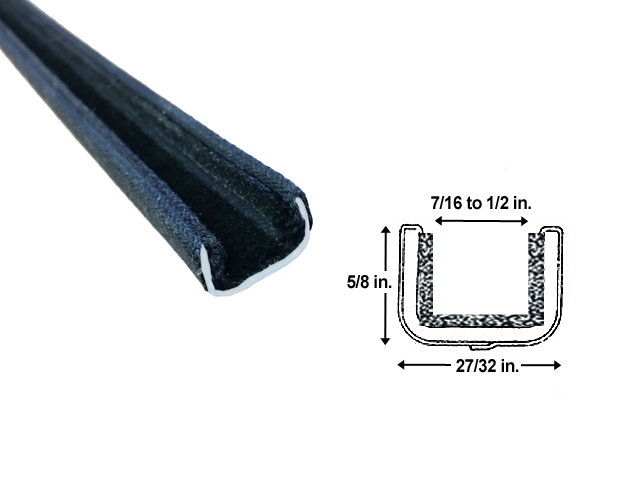 1950 Chevrolet Truck Flexible window channel-WC 18-60Flexible window channel. Fits '50-'63 Chevrolet and GMC full-size pick-up trucks. 60 in. long. Each.
 1950 Chevrolet Truck Flexible Window Scraper. Used on outside side window-WC 24-/FTFlexible Window Scraper. Used on outside side window. Made of all rubber. Slides into light steel track. 11/16" wide X 1/4" high. Sold by the foot
 1950 Chevrolet Truck Flexible Window Scraper. Used on outside side window-WC 24-32Flexible Window Scraper. Used on outside side window. Made of all rubber. Slides into steel track. 11/16" wide X 1/4" high X 32" long. Each
 1950 Chevrolet Truck Flexible Window Scraper. Used on outside side window-WC 24-A 27Flexible Window Scraper. Used on outside side window. Made of all rubber. Two used per vehicle. 7/8" wide X 1/4" high X 27" long. Each
 1950 Chevrolet Truck Flexible window scraper. Used on outside side windows-WC 24-A/FTFlexible window scraper. Used on outside side windows. Dense rubber. Two used per vehicle. 7/8 in. wide X 1/4 in. high. Sold by the foot.
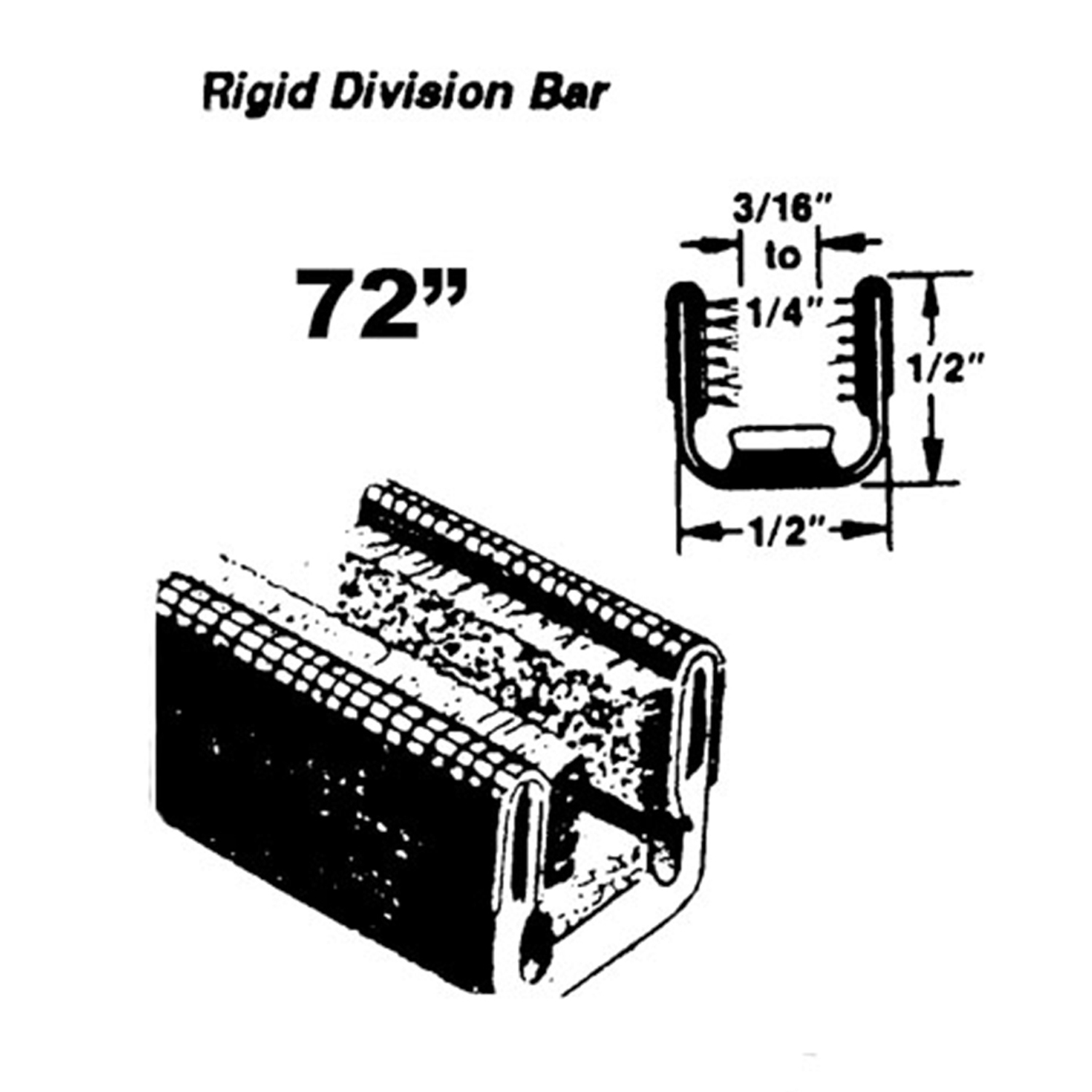 1950 Chevrolet Truck Upper and lower rigid division-bar channel-WC 25-72Upper and lower rigid division-bar channel. Unbeaded, pile-lined. 72 in. long. Each. NOTE: $20 special shipping charge applies for domestic orders. Call or email for overseas shipping costs. Part can be sectioned into two equal lengths to reduce overseas shipping costs.
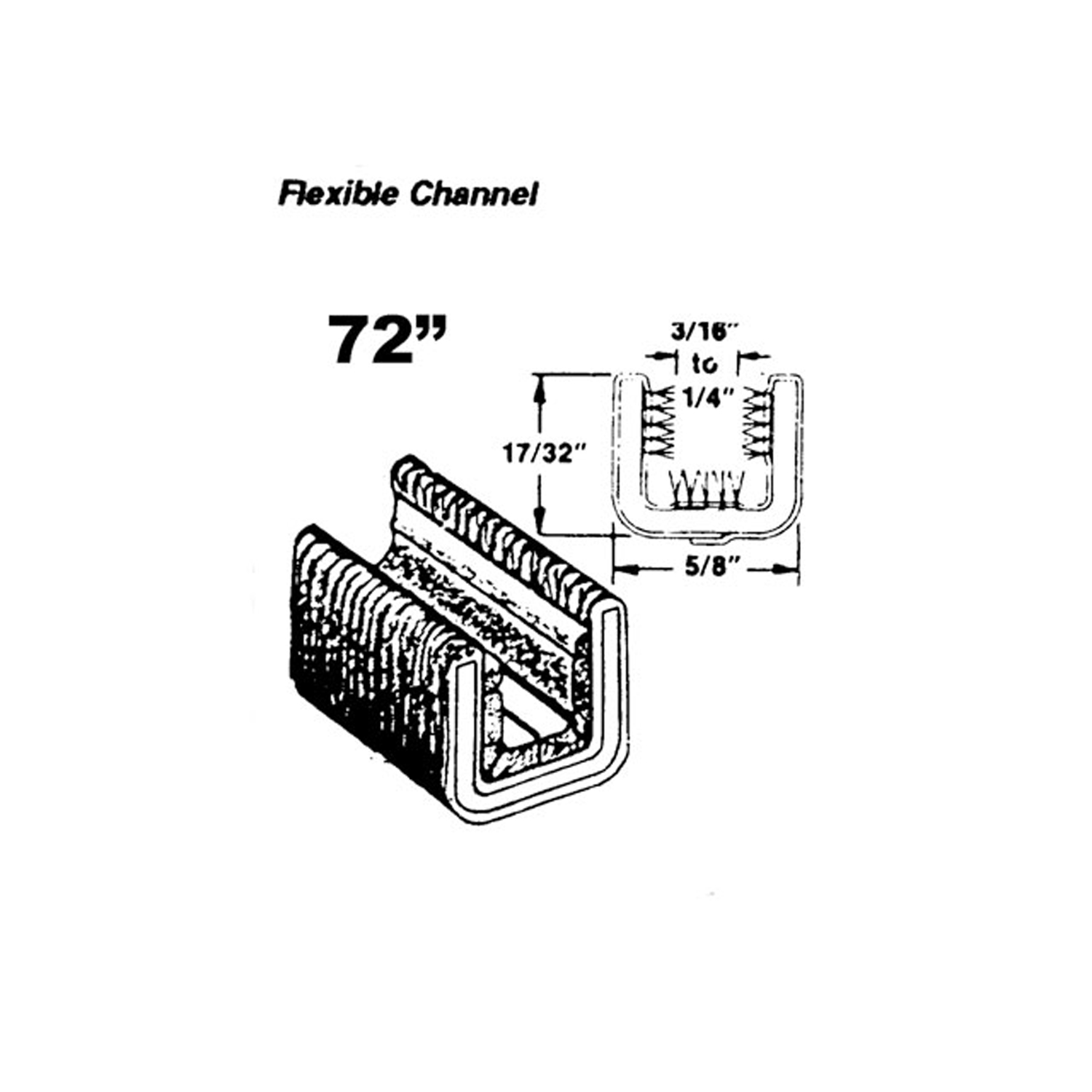 1950 Chevrolet Truck Flexible glass-run channel-WC 26-72Flexible glass-run channel. For models without framed side glass. Unbeaded, pile-lined. 72 in. long. Each. NOTE: $20 special shipping charge applies for domestic orders. Call or email for overseas shipping costs. Part can be sectioned into two equal lengths to reduce overseas shipping costs.
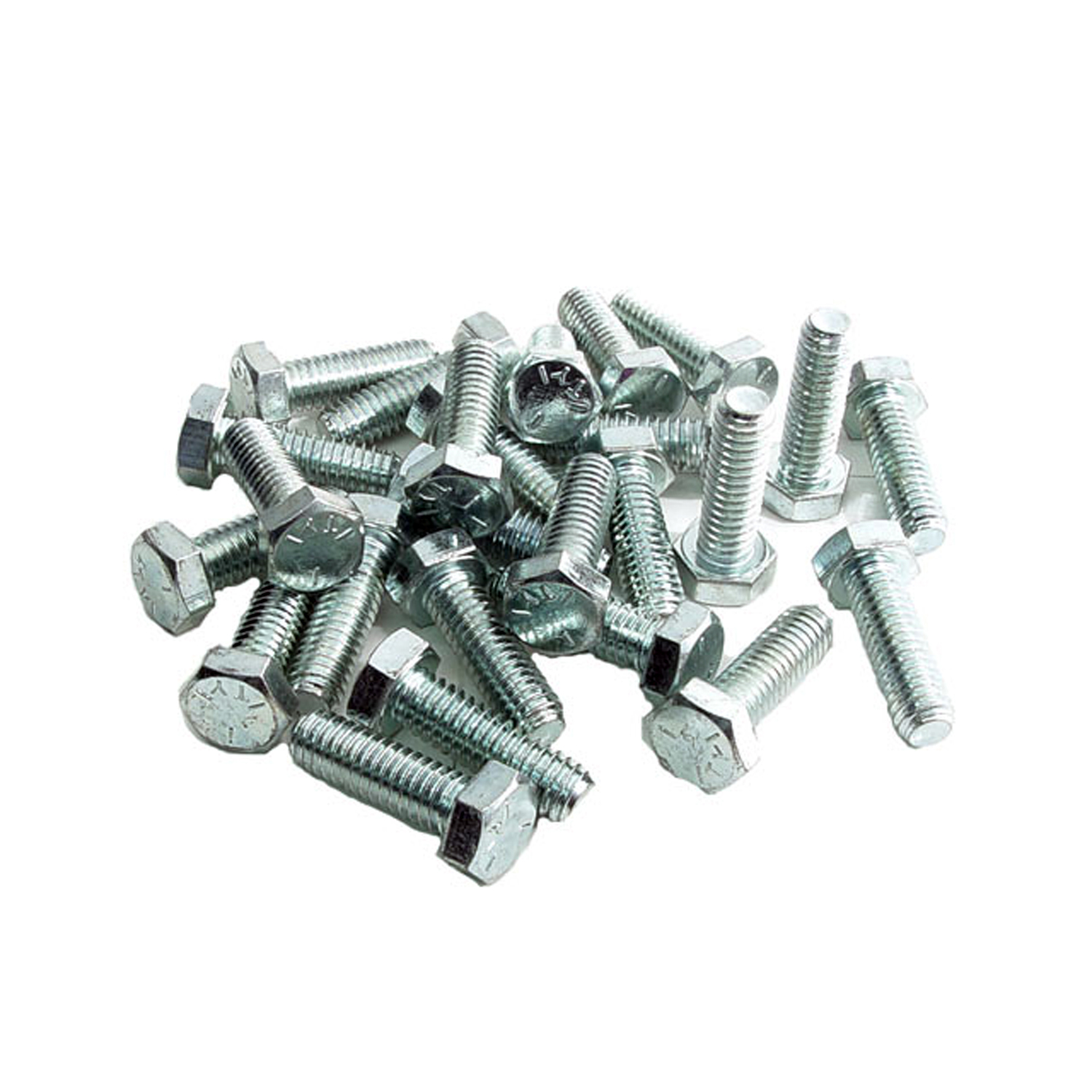 1950 Chevrolet Truck Fender Bolts. For use with Fender Bolt Washers; WF 3001-WF 3000Fender Bolts. For use with Fender Bolt Washers; WF 3001. Zinc Chromate plated, high strength. 1" X 5/16". Set of 25
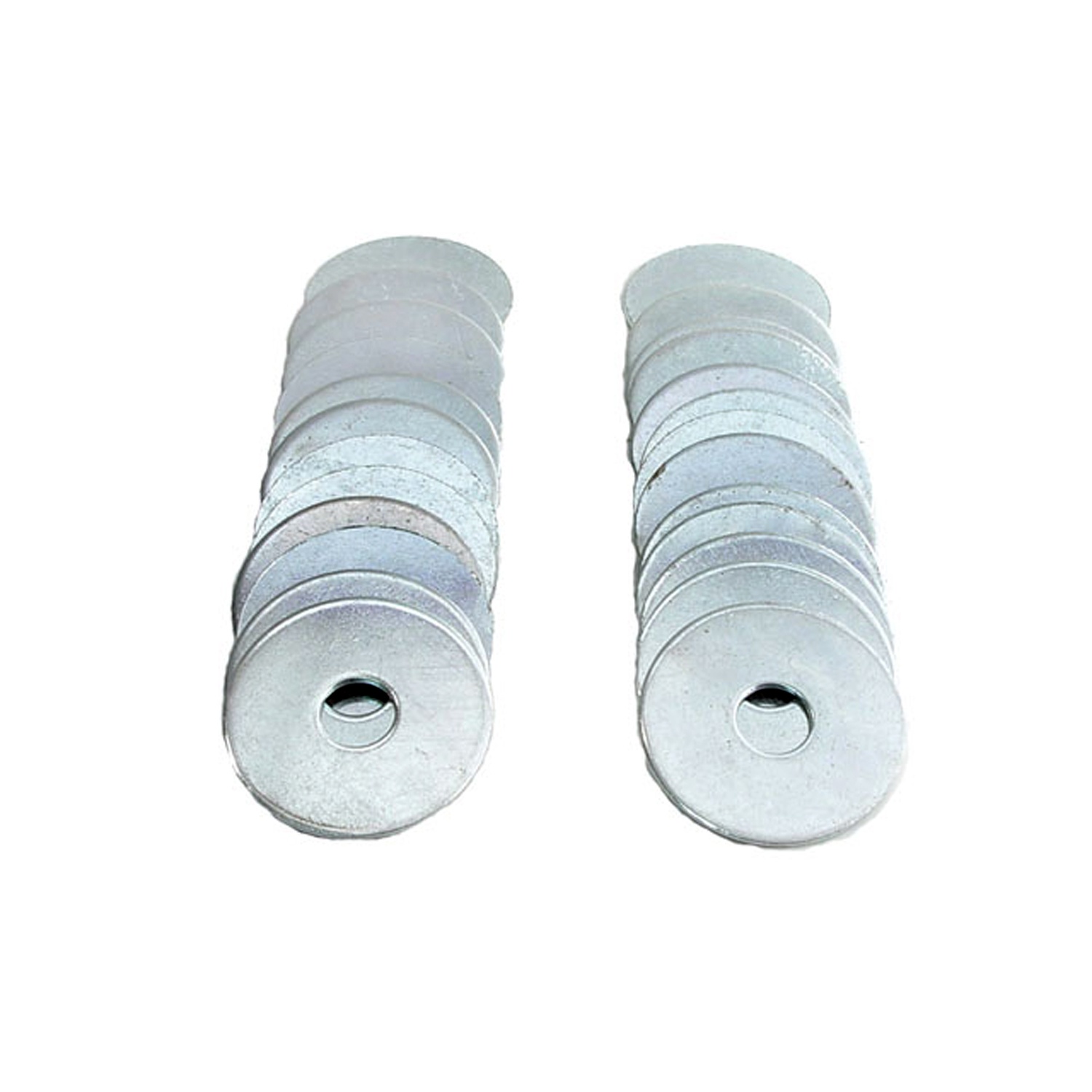 1950 Chevrolet Truck Fender Bolt Washers. For use with Fender Bolts; WF 3000-WF 3001Fender Bolt Washers. For use with Fender Bolts; WF 3000. High quality, cadmium plated. 1-1/4" O.D., 3/8" I.D. Set of 25
Why Choose Metro?
For over 100 years, Metro Moulded Parts has been the pinnacle of quality in classic car restoration parts. Our commitment to precision and authenticity in every component ensures a perfect fit and an OEM-level appearance.
- Expert Craftsmanship & Quality: Each part is a testament to our dedication to reliability and perfection, crafted from original designs and thoroughly tested.
- Advanced Technology: We use cutting-edge techniques to create flawless, long-lasting parts that surpass others in performance.
- SuperSoft Sponge – The Ultimate Door Seal: Not only are our door seals 30% softer than competitors', but they're also guaranteed to never leak. They effectively reduce wind and road noise, enhancing your classic car's comfort and driving experience.
- Proudly American: Our parts are a product of American craftsmanship, made in the USA with a spirit of excellence and heritage.
- Unrivaled Warranty: We back our products with a 30-year industry-leading warranty, a testament to our confidence in their quality.
Join us in preserving the legacy of classic cars with parts that are crafted for perfection, not just made.