
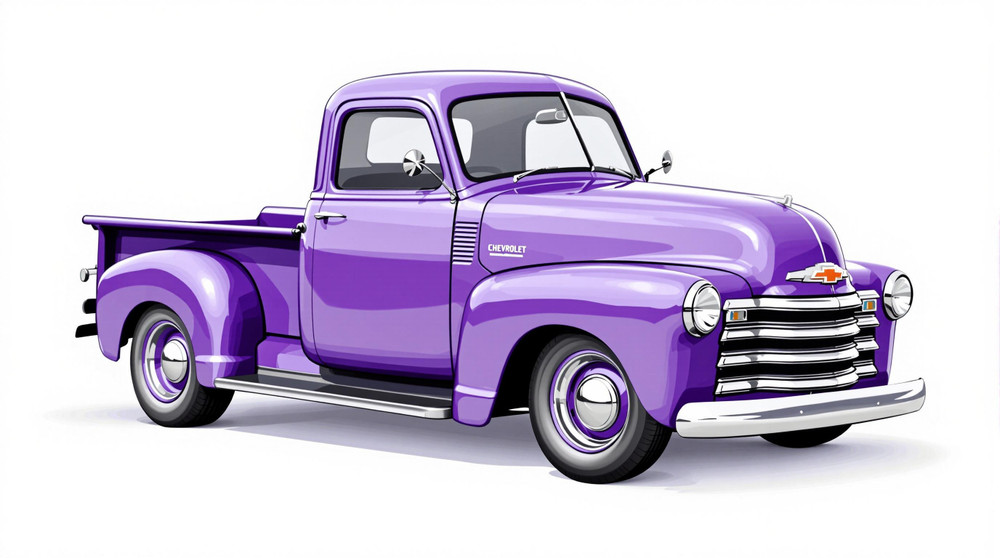
Image of 1952 Chevrolet Truck, Note: These illustrations use artistic license and may differ from actual historical models.
Performance Metrics
Fundamental Metrics
Emotional Appeal
MMP Rating
| Engine Specifications | |
|---|---|
| Engine Options: | 216.5 cu in (3.5 L) I6, 235.5 cu in (3.9 L) I6 |
| Displacement Range: | 216.5 - 235.5 cu in |
| Horsepower Range: | 92 - 112 hp |
| Torque: | 200 lb-ft |
| Compression Ratio: | 7.5:1 |
| Ignition System: | Battery Ignition |
| Cooling System: | Liquid-cooled |
| Performance Specifications | |
| 0-60 Time: | Estimated 20 - 25 seconds |
| 1/4 Mile Time: | Estimated 22 - 25 seconds |
| Top Speed: | 70 - 75 mph |
| Transmission and Drive | |
| Drive Type: | Rear-wheel drive |
| Transmission Type: | 3-speed manual, 4-speed manual |
| Fuel and Efficiency | |
| Fuel System Type: | Carburetor |
| MPG: | Estimated 10 - 15 mpg |
| Dimensions and Brakes | |
| Brakes: | Drum brakes |
| Wheelbase: | 116 in (2,946 mm) for the short wheelbase, 125.25 in (3,179 mm) for the long wheelbase |
| Weight: | 3,200 - 3,600 lbs |
Note: Specifications for classic cars are given to the best of our ability, considering the limited and variant data available.
1952 Chevrolet Truck: America’s Everyday Workhorse
The 1952 Chevrolet truck was built for the workday, but its rounded cab and unmistakable grille gave it a personality that still turns heads today. Part of Chevrolet’s Advance-Design line, it blended practical hauling ability with a more spacious, comfortable cab than many earlier work trucks. For farmers, tradespeople, delivery drivers, and small businesses, it was a dependable tool. For today’s enthusiasts, it is one of the most recognizable postwar American pickups.
Chevrolet introduced the Advance-Design trucks for the 1947 model year, replacing its prewar truck range with a thoroughly updated family of light- and medium-duty vehicles. The 1952 model sits near the end of that design’s run, which continued through 1955 in the first series. A notable detail: Chevrolet promoted the Advance-Design cab as larger and roomier than its predecessor, reflecting a growing expectation that a truck should be more than a bare-bones place to sit between jobs.
Advance-Design Styling and Cab Details
The 1952 Chevrolet’s shape is substantial without looking heavy. Its rounded hood sweeps forward to a broad grille, while bulbous front fenders flow into the body rather than appearing as separate, sharply defined pieces. The rounded cab roof, tall windshield, and curved rear cab corners give the truck its friendly, almost sculptural profile. A prominent Chevrolet bowtie on the nose and bright grille trim add just enough polish to its working appearance.
Inside, the focus is on function. The cab uses painted metal for much of its dash and interior trim, with a wide bench seat typically upholstered in durable vinyl or cloth-and-vinyl materials, depending on specification and replacement history. The large steering wheel, clear round gauges, simple switches, and straightforward layout are easy to understand and service. Compared with a modern truck, it is spartan: sound insulation is limited, and comfort features are few. Still, its broad cab and generous glass make it feel open and provide good visibility for the era.
Factory colors varied by year, body, and commercial order. Buyers could choose practical fleet colors as well as more vivid shades, with greens, blues, reds, grays, and cream tones among the period palette. White and restrained colors were common on business trucks, while restored pickups in red, dark green, blue, or two-tone combinations are especially popular at shows today. Paint on surviving trucks may not be original, so a color alone does not confirm factory specification.
The best-known version is the half-ton 3100 pickup, offered with short- and long-bed configurations. Chevrolet also sold heavier 3600 three-quarter-ton and 3800 one-ton models. The wider Advance-Design range included chassis-cab trucks and commercial bodies such as panel deliveries, stake trucks, and other work-specific configurations. The pickup is the iconic collector choice, but surviving commercial versions can be particularly distinctive.
Why the 1952 Chevrolet Truck Matters
The Advance-Design series helped establish the postwar pickup as a vehicle that could serve both a business and a household. Its roomier cab, improved visibility, and more integrated styling made it feel more modern than a stripped-down prewar work truck, while its construction remained simple enough for demanding service. Chevrolet offered a broad range of chassis and body configurations, allowing the same basic family of trucks to serve a small farm, a delivery route, or a municipal fleet.
That combination of versatility and approachability is a major part of the truck’s lasting influence. The 1952 Chevrolet was not a high-tech luxury vehicle, but it helped normalize the idea that a working truck could be practical, recognizable, and comfortable enough for regular use. Its enduring popularity also reflects the strength of the Advance-Design silhouette: even people who do not know the model year often recognize it immediately.
Engine, Speed, and Road Manners
Most 1952 half-ton 3100 pickups used Chevrolet’s 216.5-cubic-inch Thriftmaster inline-six, rated at about 92 horsepower when new. Heavier models and particular configurations could use larger engines, including a 235-cubic-inch six. Equipment varied, so the engine in a surviving truck should be checked against its identification numbers and original build details. A three-speed manual transmission was common, with other transmission and axle combinations available depending on the truck.
Performance figures are best treated as estimates because gearing, engine condition, payload, tire size, and modifications make a substantial difference. A stock 3100 might reach roughly 65 to 70 mph under favorable conditions, but it is much happier cruising below that pace. A 0-to-60-mph run could take around 25 to 35 seconds, and some trucks may be slower. These are not modern test figures or a promise for every truck; the original design prioritized pulling power and utility over quick acceleration.
On the road, the six-cylinder produces a steady, low-pitched mechanical hum, accompanied by the sounds of the transmission, tires, and wind passing around the cab. The manual steering and brakes require more effort than a modern driver may expect, especially at low speeds or with a load. The suspension is built to carry cargo, so an empty truck can bounce over broken pavement. On a winding road, its tall stance, older tires, and period steering call for smooth inputs and sensible speeds. In return, the driver gets a direct, hands-on experience that feels very different from a contemporary pickup.
Living With a 1952 Chevrolet
Owners use these trucks as weekend cruisers, show vehicles, farm and property runabouts, and, in some cases, regular drivers. Their simple mechanical layout is a major advantage: many routine jobs can be handled by an owner with basic tools and a repair manual. Parts support is strong for popular 3100 models, though locating correct trim, original interior pieces, or specialized components for less common commercial versions may take more patience.
Reliability depends heavily on condition and maintenance. A well-kept inline-six can be durable, but a 70-year-old truck may have worn bearings, tired brakes, electrical problems, cooling-system issues, or rust concealed beneath paint and filler. Before buying, inspect the frame, cab corners, floor, bed, and suspension mounts, and check whether the braking system and steering have been properly refurbished. Many surviving trucks have been modified with later engines, transmissions, brakes, or 12-volt electrical systems. Those upgrades can improve drivability, but they affect originality and value.
Trivia, Reputation, and Common Complaints
The 1952 Chevrolet is part of a truck line that remained in production for eight model years, a long run that helped put Advance-Design trucks on roads and job sites across the country. That popularity means the family is familiar to collectors, but it also means that a 1952 pickup can be difficult to distinguish from nearby model years at a quick glance. Details such as grille design, trim, serial information, and factory documentation help establish what a particular truck actually is.
There is no widely recognized speed or endurance record associated with the stock 1952 Chevrolet pickup, and claims of specific celebrity ownership should be verified rather than assumed. Its historical role is less about one dramatic event than about everyday service during the postwar years, including a period when American industry was adjusting to renewed civilian demand after wartime production.
Common criticisms are straightforward: modest acceleration, heavy controls, limited braking performance by modern standards, and a ride that can be choppy when the bed is empty. Rust and decades of improvised repairs are also frequent concerns. These are honest working trucks, not modern vehicles disguised in vintage sheet metal, and they are most enjoyable when driven with that in mind.
Collector Values and Availability
Chevrolet did not publish an easily usable, model-by-model production total for every 1952 truck configuration. A reasonable broad estimate is that Chevrolet built several hundred thousand trucks across its full 1952 lineup, perhaps in the range of 300,000 to 400,000. That is an informed estimate, not a confirmed count for the 3100 alone. The popular pickup remains findable, while well-preserved heavy-duty models, unusual commercial bodies, and trucks with documented originality are less common.
In the current collector market, a project truck may sell for roughly $5,000 to $12,000, depending on completeness, rust, and paperwork. A usable driver or older restoration commonly falls around $15,000 to $30,000. A high-quality, carefully restored 3100 can reach approximately $35,000 to $60,000 or more, particularly when its condition, originality, and workmanship stand out. These are broad U.S. market estimates; location, body style, and recent auction results can shift prices considerably.
Values for clean, well-presented Advance-Design pickups have generally held up better than those of many ordinary vintage vehicles, with the best examples appreciating over the long term. The market is selective, however. A costly restoration does not guarantee a matching sale price, and originality, rust repair quality, and mechanical condition often matter more than shiny paint alone.
A Classic Chevrolet Built to Keep Working
The 1952 Chevrolet truck combines recognizable postwar styling, simple mechanical engineering, and a wide range of real-world configurations. Its inline-six is steady rather than fast, its cab is practical rather than plush, and its road manners reward patience. Yet those very qualities are part of its appeal. More than seven decades after leaving the factory, the Advance-Design Chevrolet still feels like a genuine working truck, with a character that no modern pickup can quite reproduce.
1952 Chevrolet Truck Catalog of Parts
 1952 Chevrolet Truck Park Brake Lever Boot-BL 4Park Brake Lever Boot. Base: 4-1/8" long X 2-1/2" wide, with 2-15/16" long slot. Top: 1-1/8" long inner slot. Each
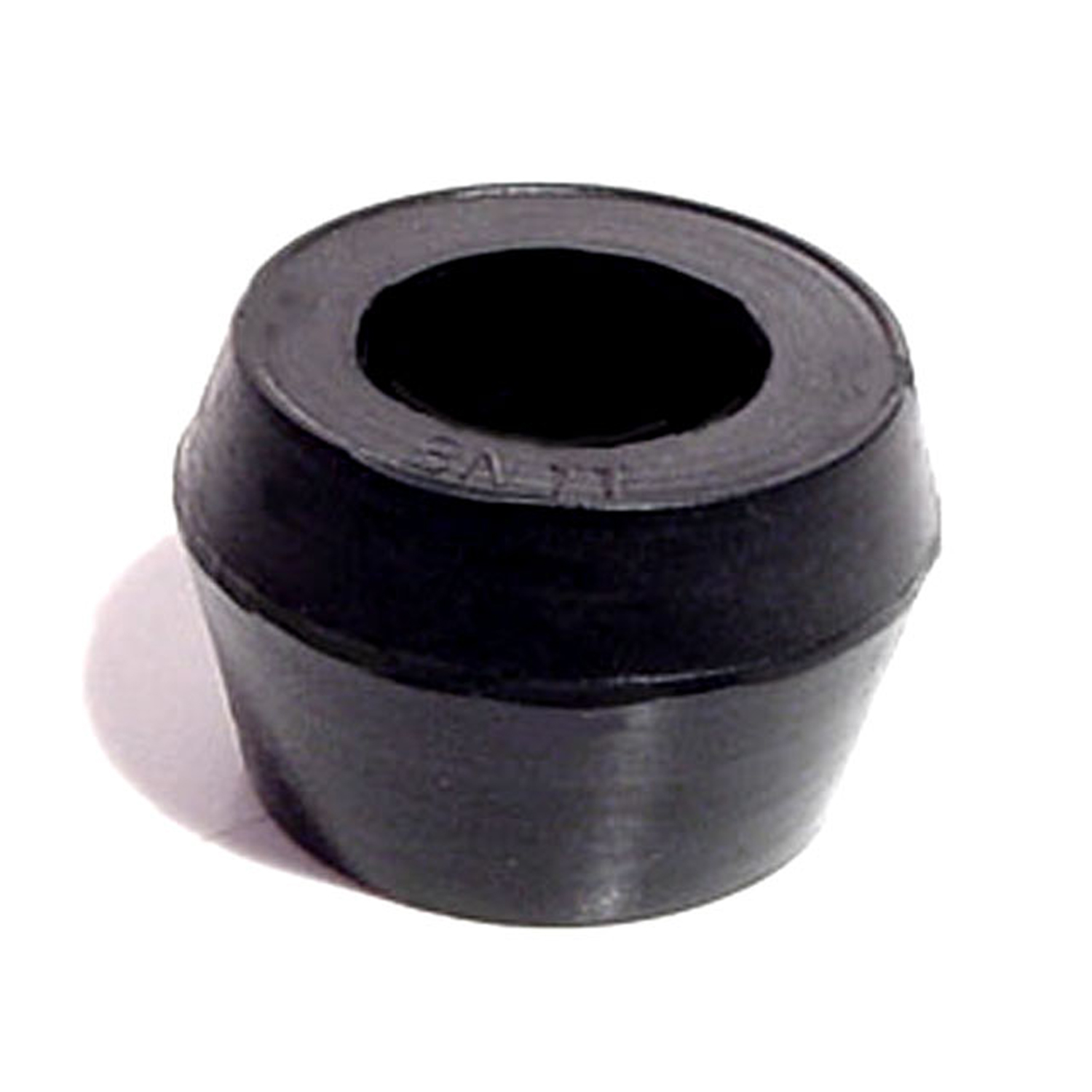 1952 Chevrolet Truck Shock Absorber Grommet. 1" bottom O.D-BN 11Shock Absorber Grommet. 1" bottom O.D., 3/4" high, with 5/8" I.D. Each
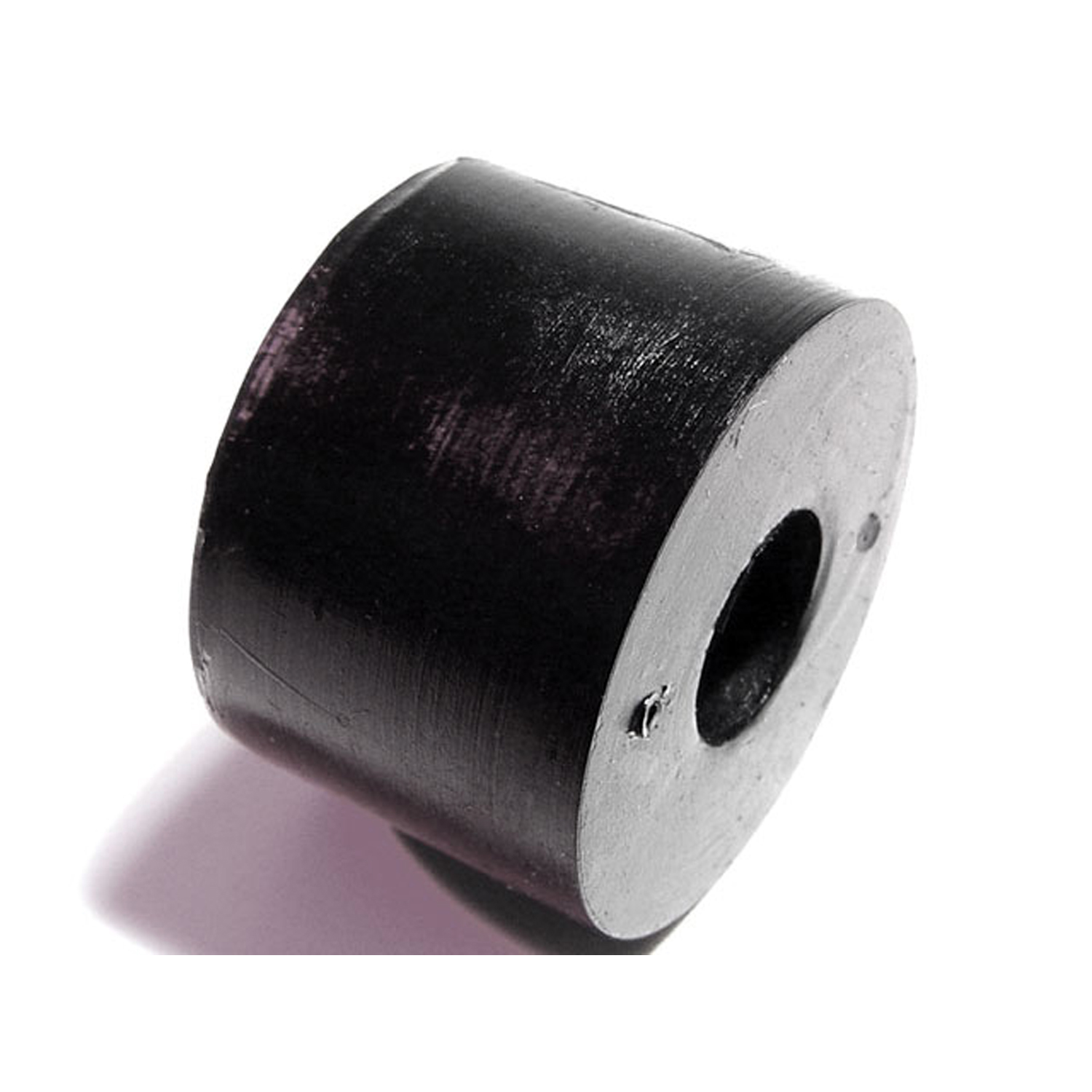 1952 Chevrolet Truck Shock Absorber Grommet. 1" bottom O.D., 5/8" high-BN 13Shock Absorber Grommet. 1" bottom O.D., 5/8" high., with 3/8" I.D. Each
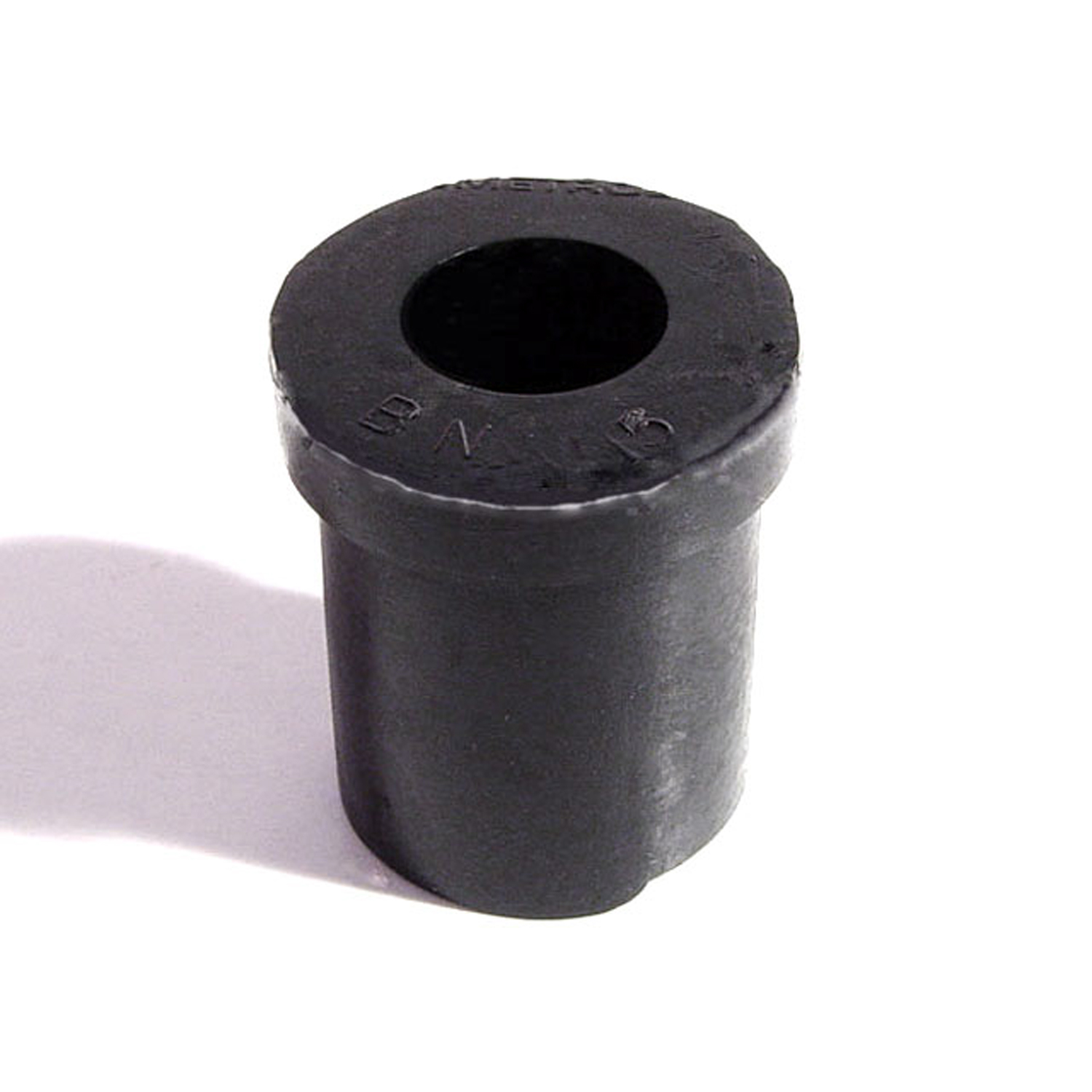 1952 Chevrolet Truck Spring and Shackle Bushing. 7/8" bottom O.D-BN 15Spring and Shackle Bushing. 7/8" bottom O.D. X 1-1/8" high, with 1/2" I.D. Each
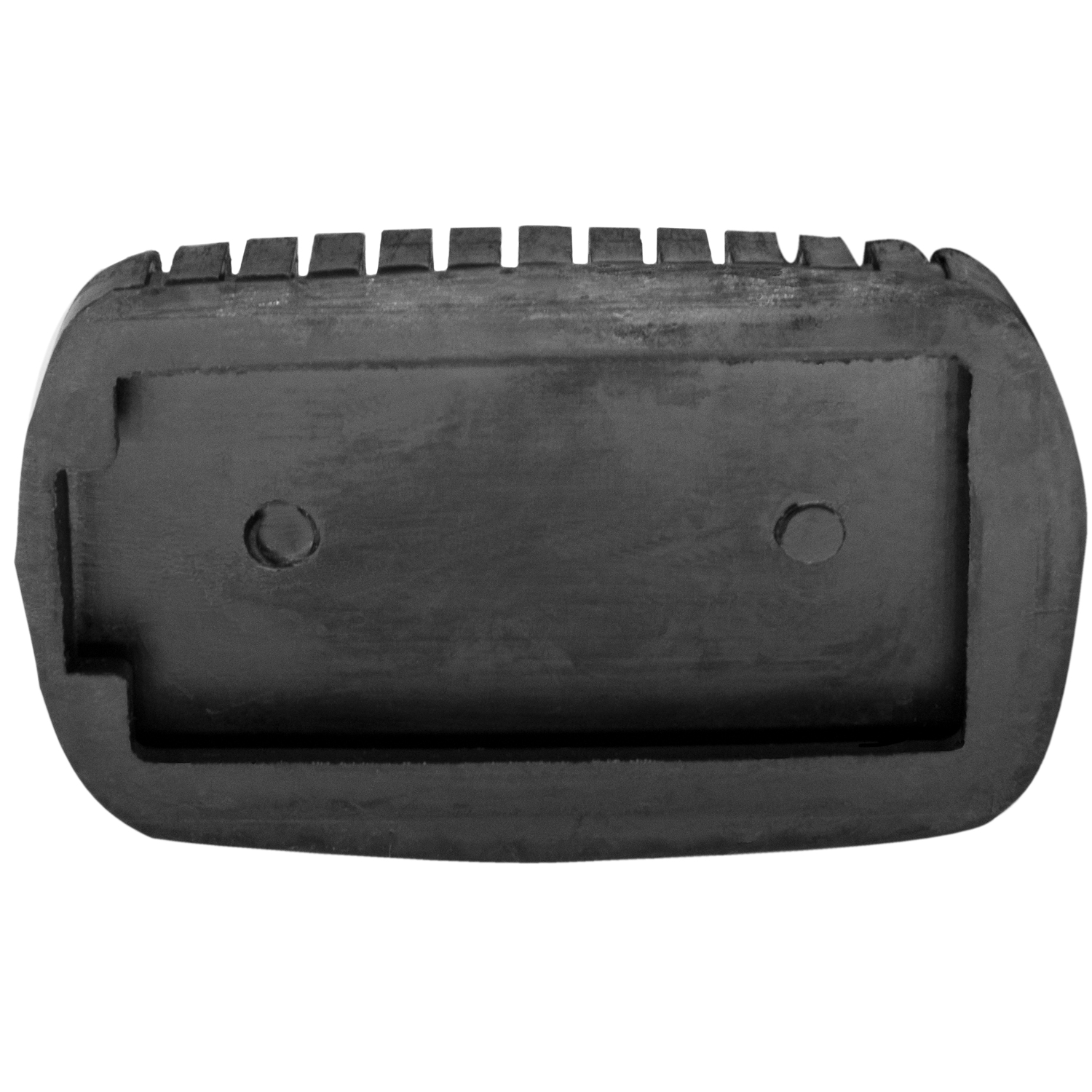 1952 Chevrolet Truck Clutch and Brake Pedal Pad. 2-1/2" wide X 3-7/8" long-CB 100-A/EAClutch and Brake Pedal Pad. 2-1/2" wide X 3-7/8" long. Each
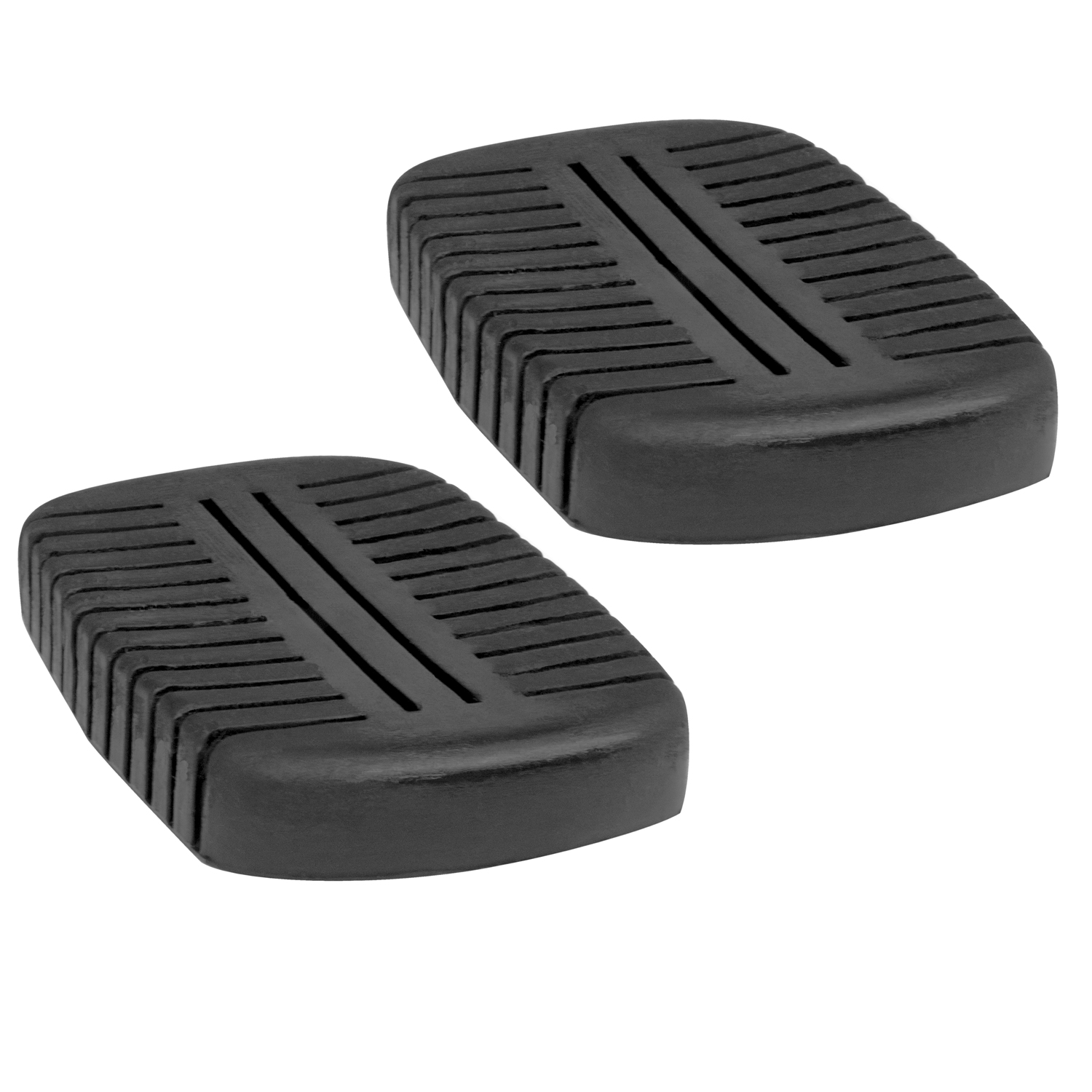 1952 Chevrolet Truck Clutch and Brake Pedal Pads. 2-1/2" wide X 3-7/8" long-CB 100-A/PRClutch and Brake Pedal Pads. 2-1/2" wide X 3-7/8" long. Pair
 1952 Chevrolet Truck Center Division Bar Seal. 15-1/4" long. Each-DP 17Center Division Bar Seal. 15-1/4" long. Each
 1952 Chevrolet Truck Gas Filler Grommet. Highest quality. 2-1/4" I.D., 3-3/4" O-GF 38Gas Filler Grommet. Highest quality. 2-1/4" I.D., 3-3/4" O.D. Each
 1952 Chevrolet Truck Molded Door Seals. For First Series. Pair R&L-LM 13-EMolded Door Seals. For First Series. Pair R&L
 1952 Chevrolet Truck Door Top and Side Seal. Sold by the foot-LP 103Door Top and Side Seal. Sold by the foot
 1952 Chevrolet Truck Door Bottom Seal. Retained by metal strip-LP 104-ADoor Bottom Seal. Retained by metal strip. Sold by the foot
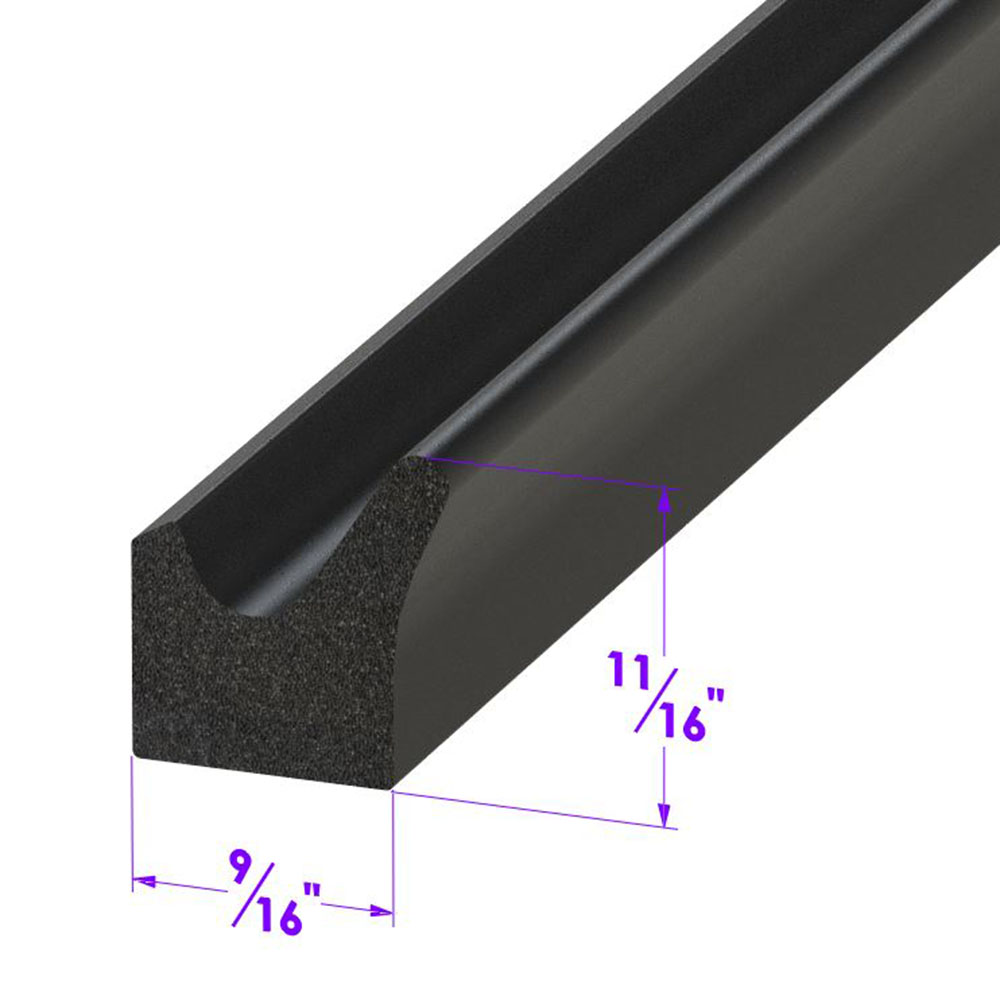 1952 Chevrolet Truck Door side seal. Same as LP 40-A, but for a heavier seal-LP 40Door side seal. Same as LP 40-A, but for a heavier seal. Fits many domestic passenger cars and trucks. Used in Cobra kit cars as trunk weatherstrip. Per foot.
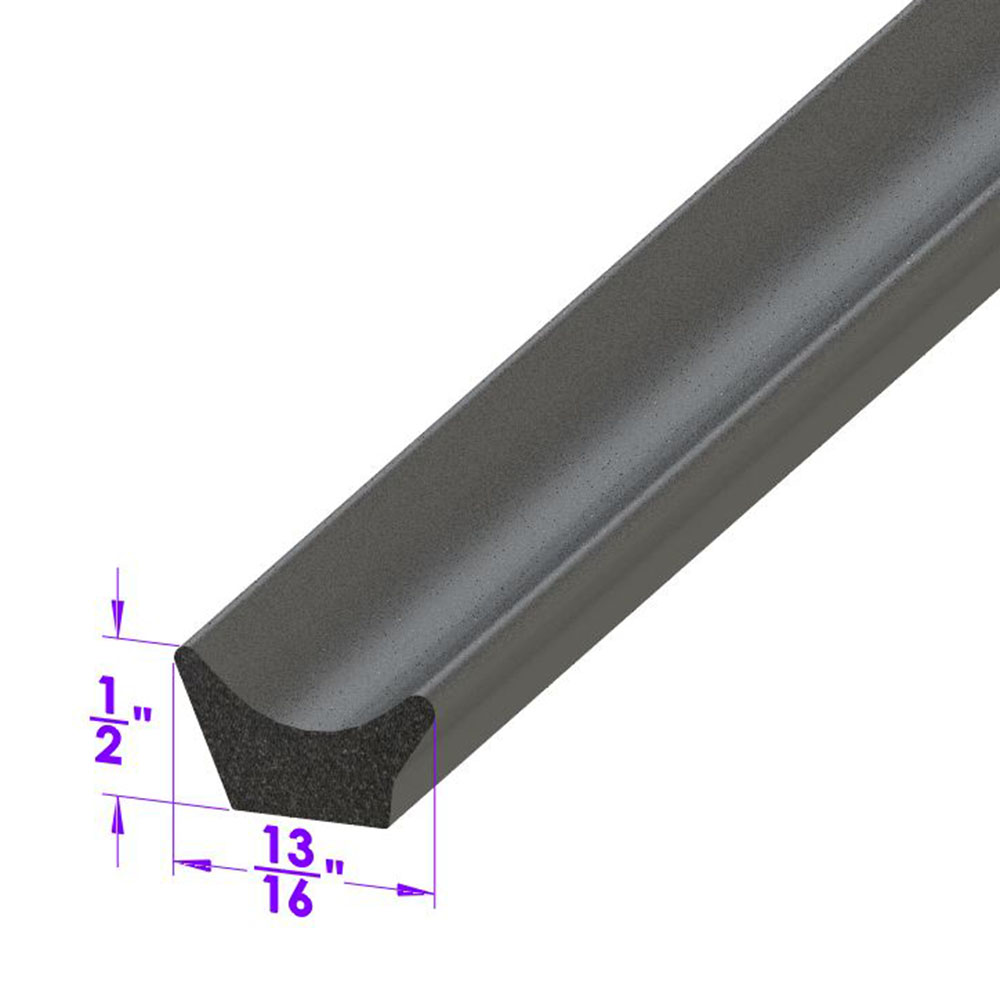 1952 Chevrolet Truck Door side seal. Same as LP 40, but for a lighter seal-LP 40-ADoor side seal. Same as LP 40, but for a lighter seal. Fits many domestic passenger cars and trucks. Universal seal for street rods and customs. Used in Cobra kit cars as door weatherstrip. Per foot.
 1952 Chevrolet Truck Cowl Vent Seal. For models with flat-faced cowls-RP 100-KCowl Vent Seal. For models with flat-faced cowls. 4" wide X 16-1/2" long. Each
 1952 Chevrolet Truck Rear Door Hinge Auxillary Seal. 2-3/8" I.D., 3-3/16" Long-RP 203Rear Door Hinge Auxillary Seal. 2-3/8" I.D., 3-3/16" Long. Each
 1952 Chevrolet Truck Rear Door Hinge Auxillary Seal. 2-3/8" I.D., 3-3/16" Long-RP 203-SETRear Door Hinge Auxillary Seal. 2-3/8" I.D., 3-3/16" Long. 4-Piece Set
 1952 Chevrolet Truck Seat Adjustment Rod & Anti-Rattle Bumper. Each-SB 66Seat Adjustment Rod & Anti-Rattle Bumper. Each
 1952 Chevrolet Truck Side Window Bumper-SB 98Side Window Bumper. For side window glass in vent frame at top of window. Made with steel core like original. Replaces OEM #4180904-5. Pair R&L
 1952 Chevrolet Truck Cowl Vent Drain Hose. 5/8" I.D., 13/16" O.D., 8" long-VH 101Cowl Vent Drain Hose. 5/8" I.D., 13/16" O.D., 8" long. Replaces OEM #3683557. Each
 1952 Chevrolet Truck Rear Window Seal '42-'66 GM Full Size Trucks With Small Window-VWS 7313-URear Window Seal '42-'66 GM Full Size Trucks With Small Window, Includes Lockstrip, Set of 2.
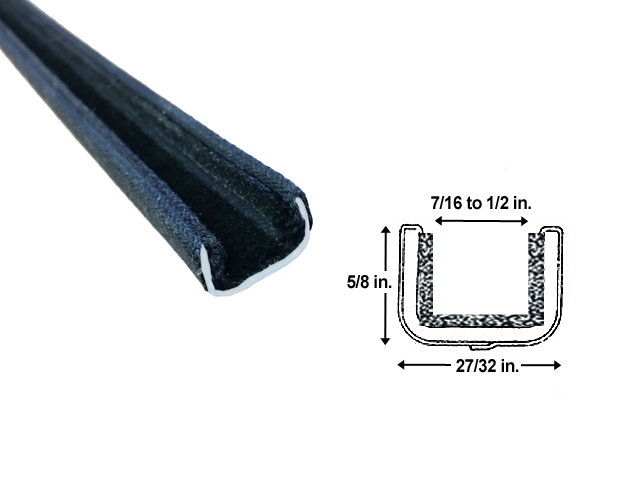 1952 Chevrolet Truck Flexible window channel-WC 18-60Flexible window channel. Fits '50-'63 Chevrolet and GMC full-size pick-up trucks. 60 in. long. Each.
 1952 Chevrolet Truck Flexible Window Scraper. Used on outside side window-WC 24-/FTFlexible Window Scraper. Used on outside side window. Made of all rubber. Slides into light steel track. 11/16" wide X 1/4" high. Sold by the foot
 1952 Chevrolet Truck Flexible Window Scraper. Used on outside side window-WC 24-32Flexible Window Scraper. Used on outside side window. Made of all rubber. Slides into steel track. 11/16" wide X 1/4" high X 32" long. Each
 1952 Chevrolet Truck Flexible Window Scraper. Used on outside side window-WC 24-A 27Flexible Window Scraper. Used on outside side window. Made of all rubber. Two used per vehicle. 7/8" wide X 1/4" high X 27" long. Each
 1952 Chevrolet Truck Flexible window scraper. Used on outside side windows-WC 24-A/FTFlexible window scraper. Used on outside side windows. Dense rubber. Two used per vehicle. 7/8 in. wide X 1/4 in. high. Sold by the foot.
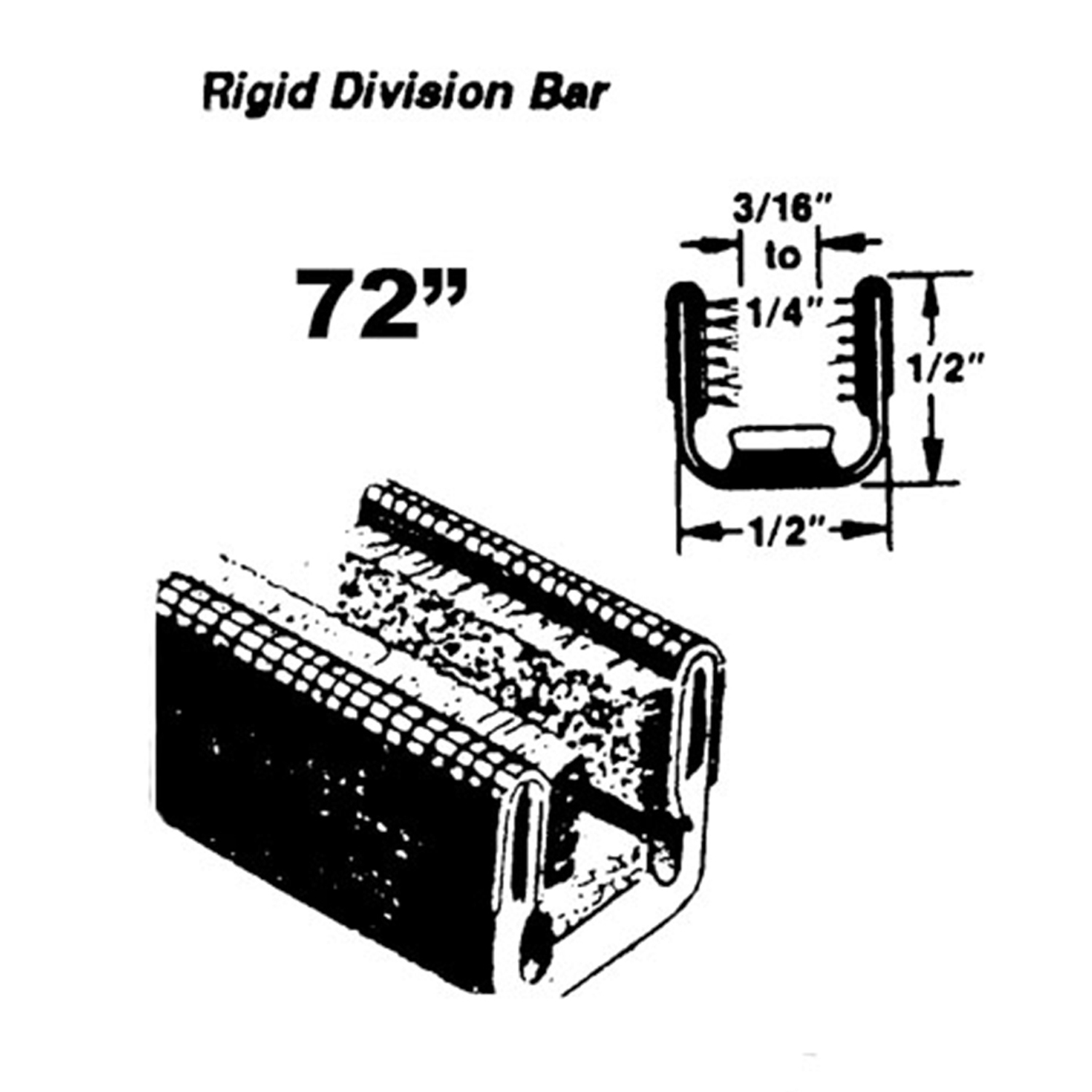 1952 Chevrolet Truck Upper and lower rigid division-bar channel-WC 25-72Upper and lower rigid division-bar channel. Unbeaded, pile-lined. 72 in. long. Each. NOTE: $20 special shipping charge applies for domestic orders. Call or email for overseas shipping costs. Part can be sectioned into two equal lengths to reduce overseas shipping costs.
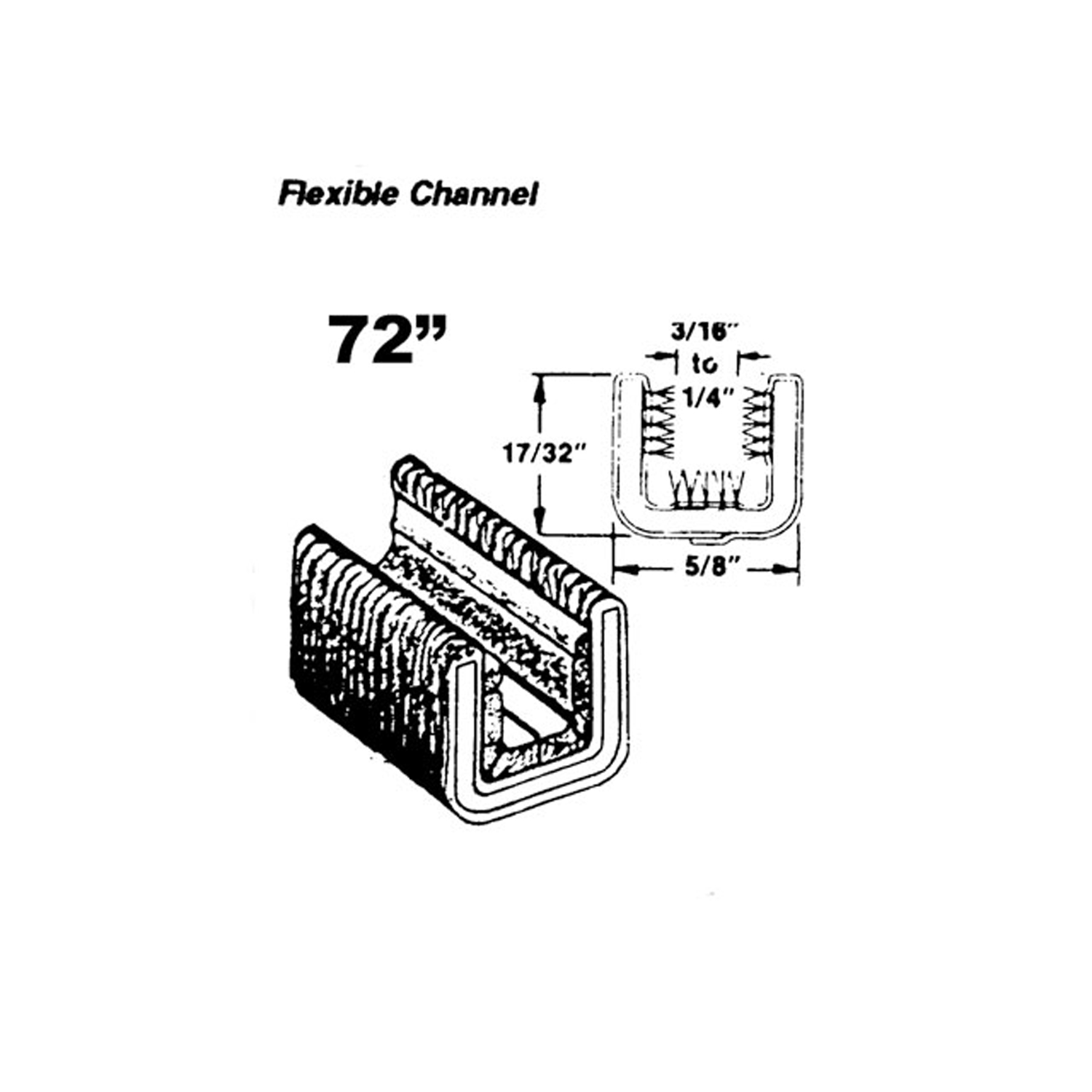 1952 Chevrolet Truck Flexible glass-run channel-WC 26-72Flexible glass-run channel. For models without framed side glass. Unbeaded, pile-lined. 72 in. long. Each. NOTE: $20 special shipping charge applies for domestic orders. Call or email for overseas shipping costs. Part can be sectioned into two equal lengths to reduce overseas shipping costs.
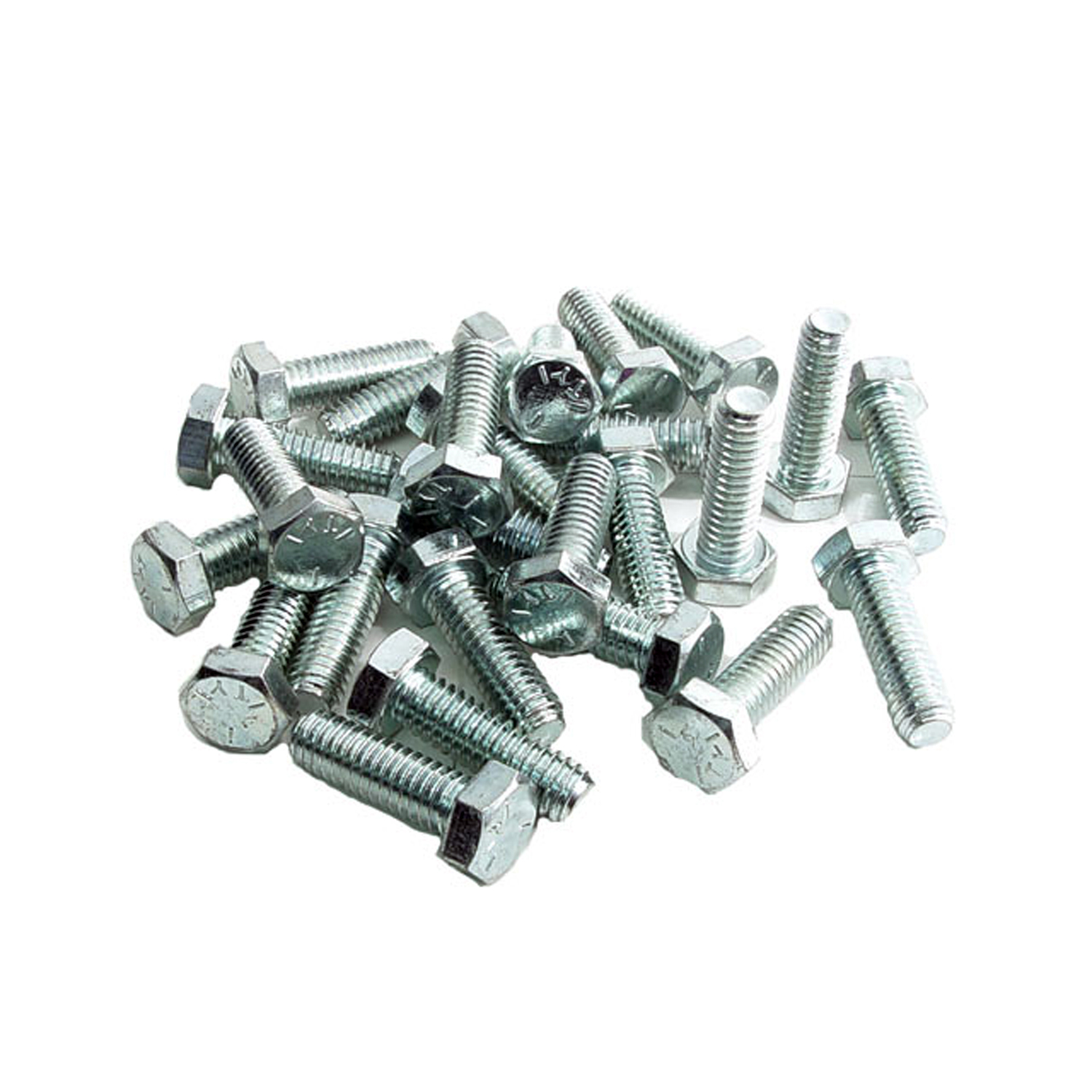 1952 Chevrolet Truck Fender Bolts. For use with Fender Bolt Washers; WF 3001-WF 3000Fender Bolts. For use with Fender Bolt Washers; WF 3001. Zinc Chromate plated, high strength. 1" X 5/16". Set of 25
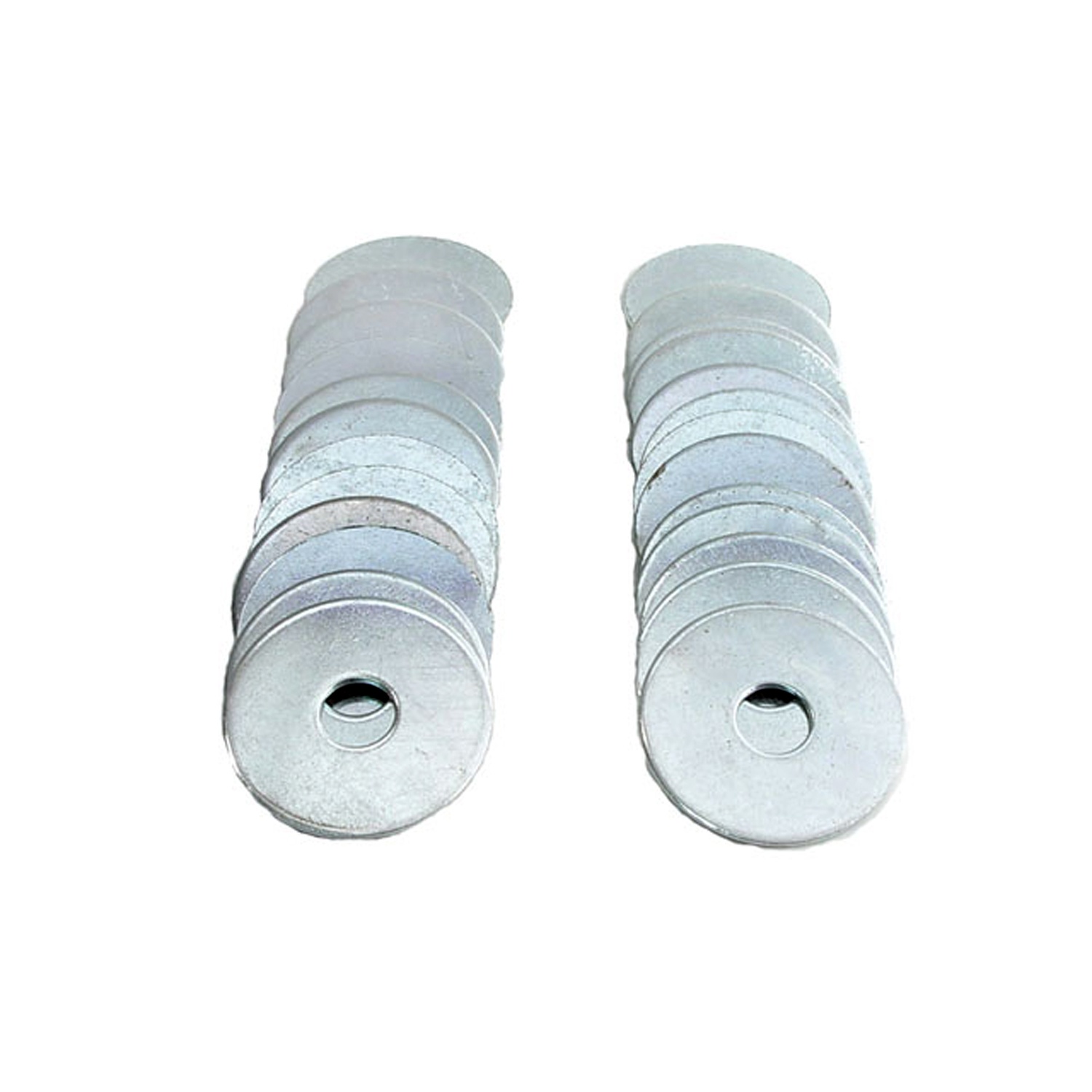 1952 Chevrolet Truck Fender Bolt Washers. For use with Fender Bolts; WF 3000-WF 3001Fender Bolt Washers. For use with Fender Bolts; WF 3000. High quality, cadmium plated. 1-1/4" O.D., 3/8" I.D. Set of 25
 1952 Chevrolet Truck Front Vent Window Seals w/ Vertical Division Bars-WR 2000Front Vent Window Seals w/ Vertical Division Bars. Does not fit Sedan Delivery. '55 First Series only. 26-1/4" long, 13-3/4" long. Set of 4
Why Choose Metro?
For over 100 years, Metro Moulded Parts has been the pinnacle of quality in classic car restoration parts. Our commitment to precision and authenticity in every component ensures a perfect fit and an OEM-level appearance.
- Expert Craftsmanship & Quality: Each part is a testament to our dedication to reliability and perfection, crafted from original designs and thoroughly tested.
- Advanced Technology: We use cutting-edge techniques to create flawless, long-lasting parts that surpass others in performance.
- SuperSoft Sponge – The Ultimate Door Seal: Not only are our door seals 30% softer than competitors', but they're also guaranteed to never leak. They effectively reduce wind and road noise, enhancing your classic car's comfort and driving experience.
- Proudly American: Our parts are a product of American craftsmanship, made in the USA with a spirit of excellence and heritage.
- Unrivaled Warranty: We back our products with a 30-year industry-leading warranty, a testament to our confidence in their quality.
Join us in preserving the legacy of classic cars with parts that are crafted for perfection, not just made.