
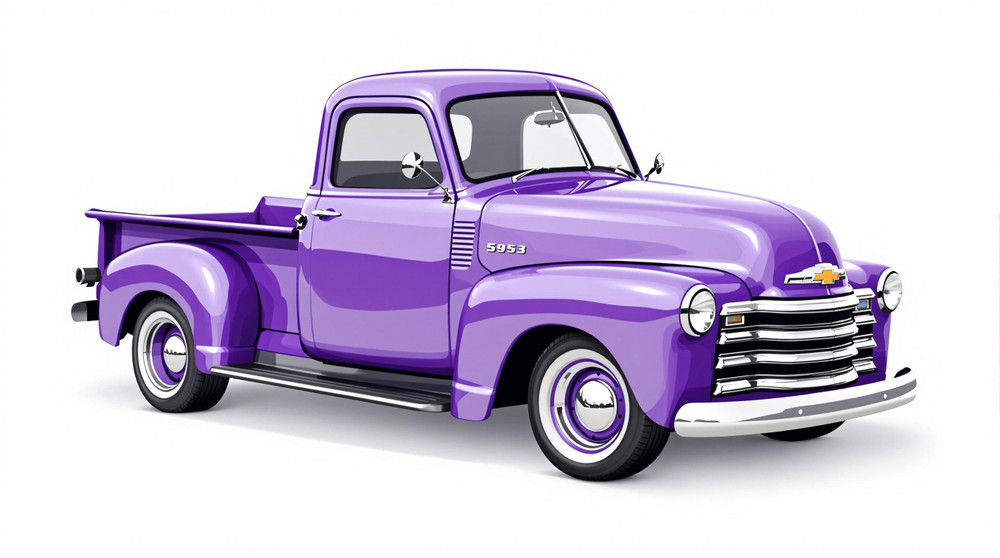
Image of 1953 Chevrolet Truck, Note: These illustrations use artistic license and may differ from actual historical models.
Performance Metrics
Fundamental Metrics
Emotional Appeal
MMP Rating
| Engine Specifications | |
|---|---|
| Engine Options: | 216.5 cu in (3.5 L) I6, 235.5 cu in (3.9 L) I6 |
| Displacement Range: | 216.5 - 235.5 cu in |
| Horsepower Range: | 92 - 112 hp |
| Torque: | 175 - 200 lb-ft |
| Compression Ratio: | 7.5:1 |
| Ignition System: | Battery Ignition |
| Cooling System: | Liquid-cooled |
| Performance Specifications | |
| 0-60 Time: | Estimated 20 - 25 seconds |
| 1/4 Mile Time: | Estimated 22 - 25 seconds |
| Top Speed: | 70 - 75 mph |
| Transmission and Drive | |
| Drive Type: | Rear-wheel drive |
| Transmission Type: | 3-speed manual, 4-speed manual |
| Fuel and Efficiency | |
| Fuel System Type: | Carburetor |
| MPG: | Estimated 10 - 15 mpg |
| Dimensions and Brakes | |
| Brakes: | Drum brakes |
| Wheelbase: | 114.0 in (2,896 mm) - 125.25 in (3,179 mm) |
| Weight: | 3,200 - 3,600 lbs |
Note: Specifications for classic cars are given to the best of our ability, considering the limited and variant data available.
1953 Chevrolet Truck: The Last of the Advance-Design Era
The 1953 Chevrolet truck looks ready to go to work, but its rounded fenders and bright, horizontal-bar grille give it a charm that has made it just as welcome at vintage truck shows. Built by Chevrolet as part of its celebrated Advance-Design lineup, it was a capable postwar workhorse and the final model year of a design that had helped redefine the American pickup.
Chevrolet introduced the Advance-Design trucks for 1947, when buyers wanted vehicles that were more comfortable and practical than prewar models. The design remained in production through 1953, with incremental updates along the way. That makes the 1953 model a particularly interesting year: it retains the familiar, rounded Advance-Design appearance, but sits just one step before the more substantial 1954 redesign.
A notable detail is that 1953 was not simply a year of carryover styling. Chevrolet updated the cab interior, including the instrument panel, giving this final-year truck a more current feel while preserving the look enthusiasts recognize today.
Advance-Design Styling and Cab
From the outside, the 1953 Chevrolet is all gentle curves and purposeful proportions. The hood slopes into a rounded nose, broad fenders sit prominently over the wheels, and the grille’s horizontal bars give the front end a handsome, almost architectural look. The headlamps are integrated into the fenders, while the upright cab and large windows make the truck look ready for a full day on the job.
The 1953 pickup has a split windshield, a detail that distinguishes it from the one-piece windshield introduced for 1954. Its wide doors and generous glass area make the cab feel more open than many earlier pickups, though the truck’s high floor and upright seating position are reminders that comfort was still secondary to utility.
Inside, the cab is straightforward and durable. The painted-metal dashboard, large legible gauges, simple controls, and broad bench seat are designed for work rather than luxury. Upholstery materials varied by trim and configuration, but owners should expect practical cloth or vinyl rather than plush modern cushioning. The revised 1953 instrument panel is a useful year-specific feature for restorers and collectors.
Factory paint choices varied with body style, equipment, and production details. Period colors included shades of red, blue, green, gray, cream, and black, along with brighter colors used on some commercial and fleet trucks. Red and blue pickups are especially familiar at shows, while black and muted fleet colors suit the truck’s working roots. Original paint codes are worth checking before a restoration, since color availability could differ across the model range.
Pickup, Panel, and Other Body Styles
The best-known version is the 3100 half-ton pickup, generally built on a 116-inch wheelbase. Its open cargo bed, rounded fenders, and short, upright cab have become the signature Advance-Design combination. It is also the version most often restored, modified, and sought after by collectors.
Chevrolet’s 1953 truck range went well beyond the familiar pickup. The 3600 three-quarter-ton and 3800 one-ton models offered greater carrying capacity, while panel trucks, Suburbans, stake trucks, and other commercial bodies served businesses and public agencies. Larger chassis and cab-over-engine models were available for heavier-duty applications. Equipment and body styles depended on the series, so a particular truck’s specifications are best confirmed by its identification and factory documentation.
Engines, Technology, and Work-Ready Design
Most light-duty 1953 Chevrolet pickups were powered by a 216.5-cubic-inch overhead-valve inline-six, rated at about 92 horsepower when new. Some trucks and configurations used a larger 235-cubic-inch six, with ratings that varied by application. These engines were built for steady pulling and dependable service, not high-revving performance. Since many trucks have been rebuilt or modified over the decades, the engine currently under the hood may not be the one installed at the factory.
A conventional manual transmission was the norm, with three-speed and, depending on series and equipment, heavier-duty transmission choices. The truck also used a six-volt electrical system, hydraulic brakes, leaf-spring suspension, and a solid front axle. By modern standards, these are simple components, but they were well suited to farm work, deliveries, and local hauling.
The Advance-Design cab itself was an important part of Chevrolet’s postwar approach. Its wide windows, more spacious feel, and better visibility helped make the truck easier to use day after day. It did not have modern conveniences such as power steering, air conditioning, or advanced safety equipment, but compared with many prewar work trucks, it offered a notably more accommodating place to spend a shift.
Historical Significance of the 1953 Chevy Truck
The 1953 model represents the closing chapter of Chevrolet’s Advance-Design generation, a lineup that helped establish the postwar pickup as a practical vehicle for both work and everyday life. Chevrolet’s trucks were no longer just bare-bones commercial tools. They had more integrated styling, more usable cabs, and a broader range of body and equipment choices.
That balance of function and appearance is part of the truck’s lasting influence. The rounded fenders and substantial grille gave it a recognizable personality without sacrificing its working purpose. Later generations would become more modern and powerful, but the Advance-Design trucks helped shape the familiar American pickup formula: a useful cargo bed, a durable chassis, and a cab comfortable enough for regular use.
What sets the 1953 apart from its immediate successors is its transitional character. It has the classic split windshield and rounded styling of the earlier Advance-Design trucks, yet it received interior updates before the more obvious 1954 changes. For enthusiasts, it is a satisfying blend of familiar old-school design and late-series refinement.
1953 Chevrolet Truck Performance and Driving Feel
Performance figures depend heavily on engine, gearing, tire size, load, and mechanical condition. A stock 216-powered half-ton is best thought of as a 50-to-60-mph working truck, with a top speed in the neighborhood of 60 to 65 mph under favorable conditions. Reaching 60 mph from a standstill could take roughly 30 seconds or longer. Those are practical estimates, not factory guarantees, and a tired engine or steep rear axle gearing can make the truck feel slower.
The driving experience is deliberate. The inline-six produces a low, steady rumble, and the manual gearbox asks the driver to make unhurried shifts. Steering is heavy at parking speeds, especially without a load or at low tire pressure, and the brakes require more anticipation than a modern vehicle’s. The tall cab and wide hood make the truck feel substantial from behind the wheel.
On rough roads, the solid front axle and leaf springs deliver a firm, sometimes bouncy ride when the bed is empty. A load can settle the rear suspension and make the truck feel more composed. On winding roads, its height, period tires, and slow steering reward smooth inputs rather than quick maneuvers. It is enjoyable at a relaxed pace, but it does not offer the cornering grip, braking distance, or high-speed stability of a contemporary pickup.
Ownership, Maintenance, and Reliability
Today, 1953 Chevrolet trucks appear as restored show vehicles, weekend cruisers, farm and ranch vehicles, and rolling projects. Some remain close to factory specification, while others have been fitted with modern engines, disc brakes, power steering, or updated electrical systems. A well-executed restomod can be easier to use in modern traffic, though purists usually favor original components and appearance.
Routine maintenance is approachable for an owner with basic mechanical skills. The engine bay is relatively open, the mechanical systems are uncomplicated, and many common service items are accessible. Owners should pay particular attention to cooling-system condition, ignition components, fuel delivery, brake hydraulics, steering wear, and the integrity of the frame and cab mounts. A truck that has spent decades outdoors may also have rust in the cab corners, floor, steps, bed, and lower fenders.
Parts support is strong for popular 3100 pickups, with reproduction body, interior, and mechanical parts widely available. Less common commercial versions can take more research and patience. Before buying, inspect the truck carefully and confirm whether major components are original, rebuilt, or adapted from another year. A familiar-looking restoration can conceal substantial mechanical or structural work.
Fun Facts and Common Criticisms
The 1953 Chevrolet belongs to a truck family whose popularity has carried well beyond its original working life. It is common to see Advance-Design pickups in advertising, television, films, and custom-car culture, where their instantly recognizable silhouette makes them useful scene-setters. Individual trucks have also become long-lived family vehicles, often passed down through several generations.
There is no single famous speed or endurance record that defines the 1953 model. Its achievement was more practical: serving businesses, farms, tradespeople, and local fleets across a wide variety of jobs. Chevrolet offered the truck in numerous series and body configurations, so an exact production figure for every 1953 truck variant is not always straightforward to pin down. A reasonable broad estimate is several hundred thousand Chevrolet trucks across the full range, though that should not be mistaken for a confirmed count of 3100 pickups alone.
Common criticisms are familiar to anyone who has driven an original example. The truck is slow by modern standards, the ride can be harsh when empty, and the steering and brakes demand more effort and attention. The six-volt electrical system can also be less forgiving of poor connections or neglected wiring. Those limitations are part of the period experience, but they matter if the truck will be driven frequently in modern traffic.
Collector Values and Market Outlook
Values vary substantially with rust, originality, mechanical condition, body style, and restoration quality. As a broad 2026 estimate, a project-quality 3100 may sell for about $5,000 to $12,000. A usable driver or honest older restoration often falls around $15,000 to $30,000, while a high-quality restored pickup can bring roughly $35,000 to $60,000 or more. Exceptional examples, rare commercial bodies, and well-built custom trucks can exceed those ranges.
The 3100 pickup is relatively easy to find compared with unusual commercial versions, though clean, unmodified examples are much less common than project trucks. Panel trucks, Suburbans, cab-over models, and specialized bodies generally take longer to locate and may command a premium when complete and correctly restored.
The market for classic pickups has generally remained strong, but values are not guaranteed to rise. Interest in nostalgic American trucks supports demand, while restoration costs can outpace the value of an ordinary example. The best-preserved trucks and thoughtful restorations tend to hold their appeal; poorly executed modifications or severe rust can sharply limit value. Buyers should focus on condition and documentation rather than assuming every old Chevrolet pickup is an investment.
Why the 1953 Chevrolet Truck Still Matters
The 1953 Chevrolet truck brings together the practical engineering of a postwar work vehicle and the distinctive styling of the Advance-Design era. Its inline-six, simple mechanical layout, broad body range, and unmistakable rounded cab made it useful in its own time and appealing to collectors today.
It is not fast, quiet, or effortless by modern standards. Its appeal is more enduring than that: a 1953 Chevrolet feels connected to the jobs and communities it served, while its final-year Advance-Design details give it a special place in the history of the American pickup.
1953 Chevrolet Truck Catalog of Parts
 1953 Chevrolet Truck Park Brake Lever Boot-BL 4Park Brake Lever Boot. Base: 4-1/8" long X 2-1/2" wide, with 2-15/16" long slot. Top: 1-1/8" long inner slot. Each
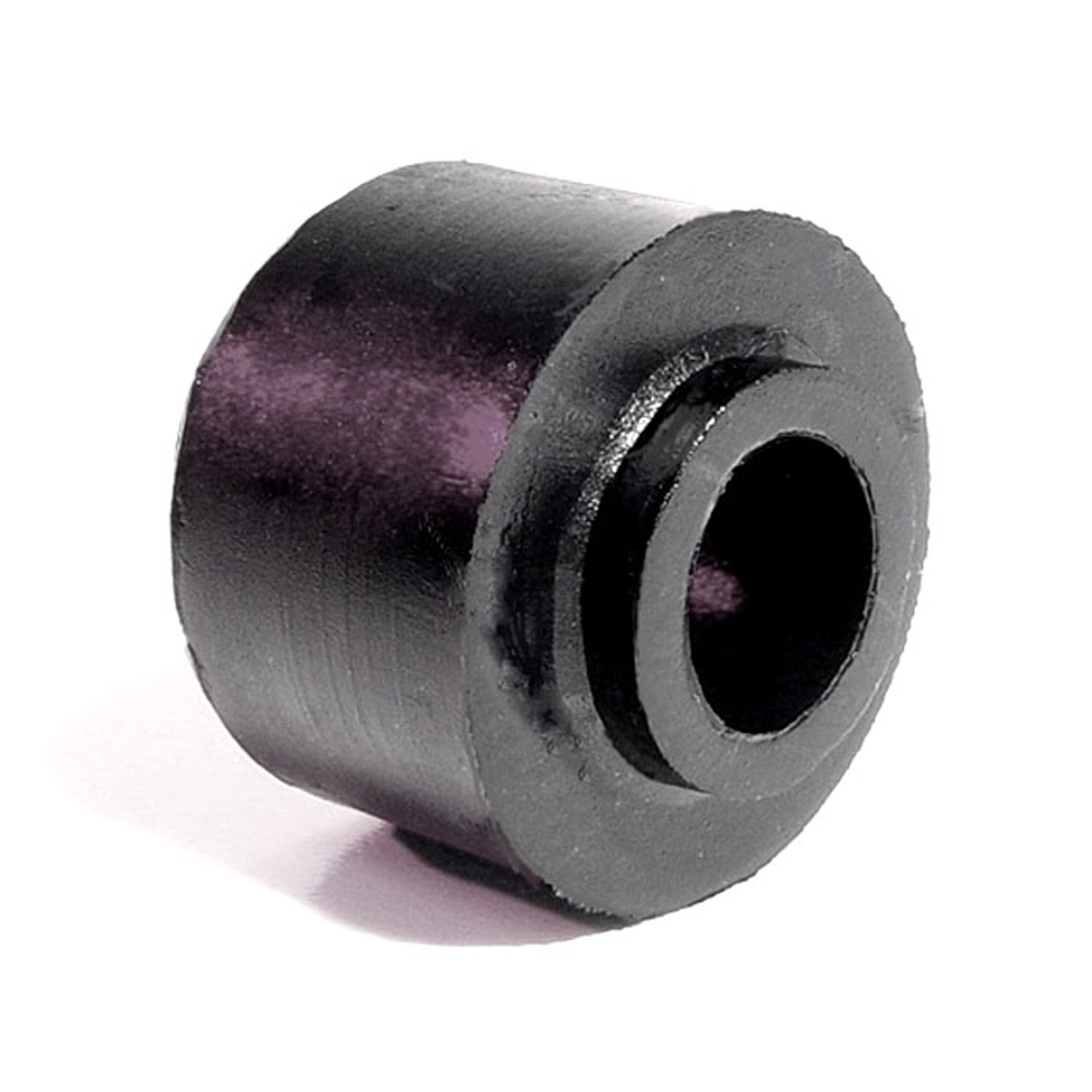 1953 Chevrolet Truck Shock Absorber Grommet. 1" bottom O.D., 3/4" high-BN 1Shock Absorber Grommet. 1" bottom O.D., 3/4" high., with 7/16" I.D. Each
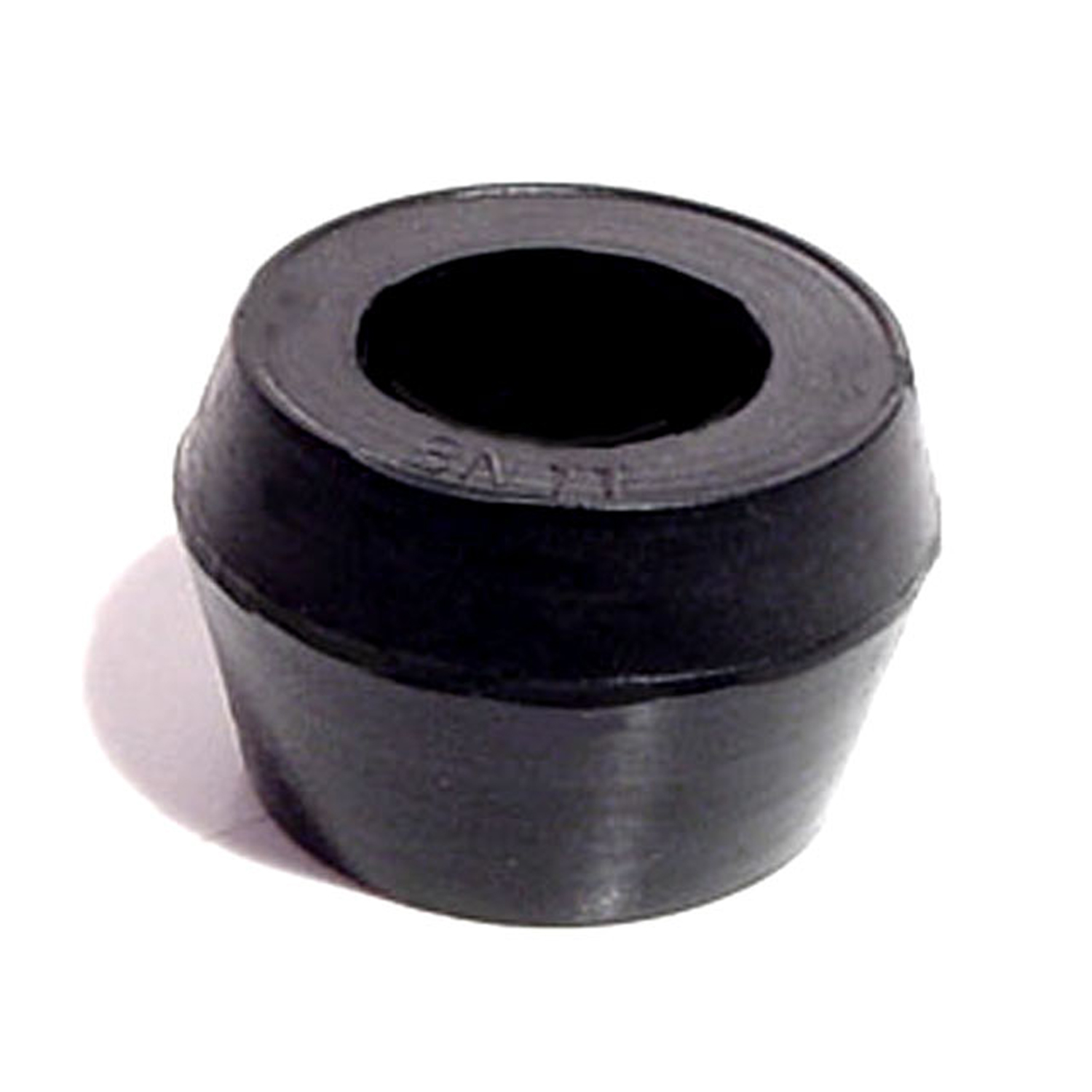 1953 Chevrolet Truck Shock Absorber Grommet. 1" bottom O.D-BN 11Shock Absorber Grommet. 1" bottom O.D., 3/4" high, with 5/8" I.D. Each
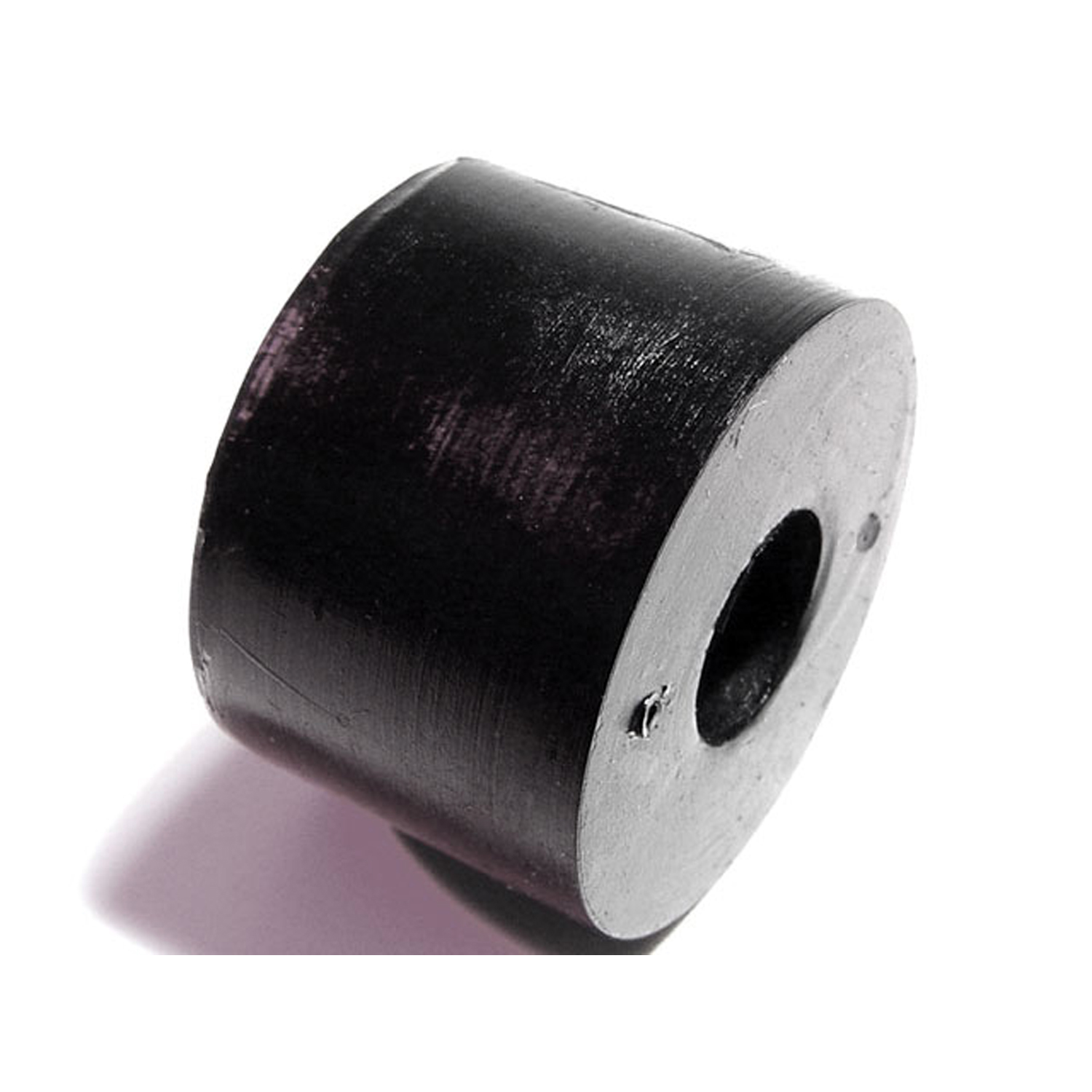 1953 Chevrolet Truck Shock Absorber Grommet. 1" bottom O.D., 5/8" high-BN 13Shock Absorber Grommet. 1" bottom O.D., 5/8" high., with 3/8" I.D. Each
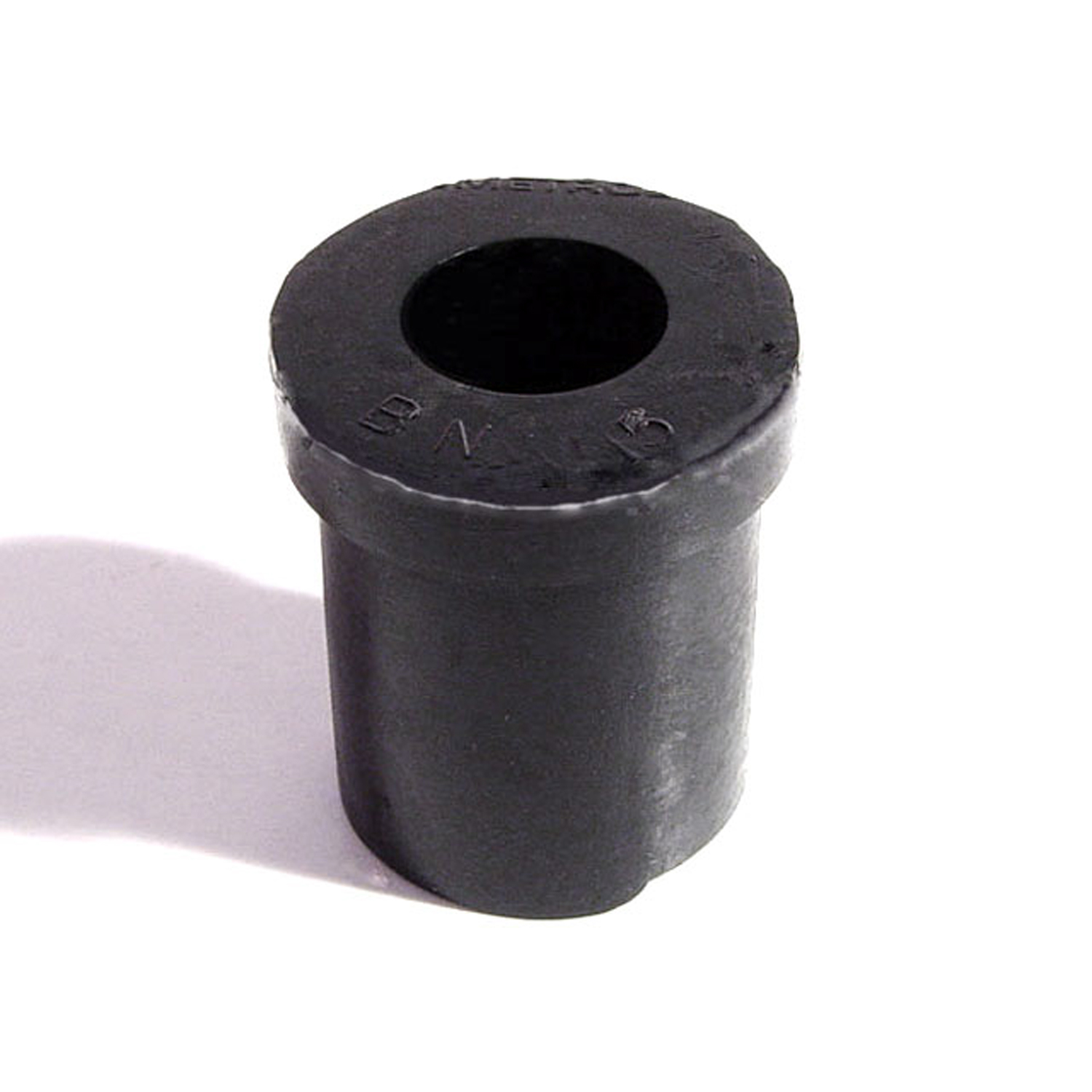 1953 Chevrolet Truck Spring and Shackle Bushing. 7/8" bottom O.D-BN 15Spring and Shackle Bushing. 7/8" bottom O.D. X 1-1/8" high, with 1/2" I.D. Each
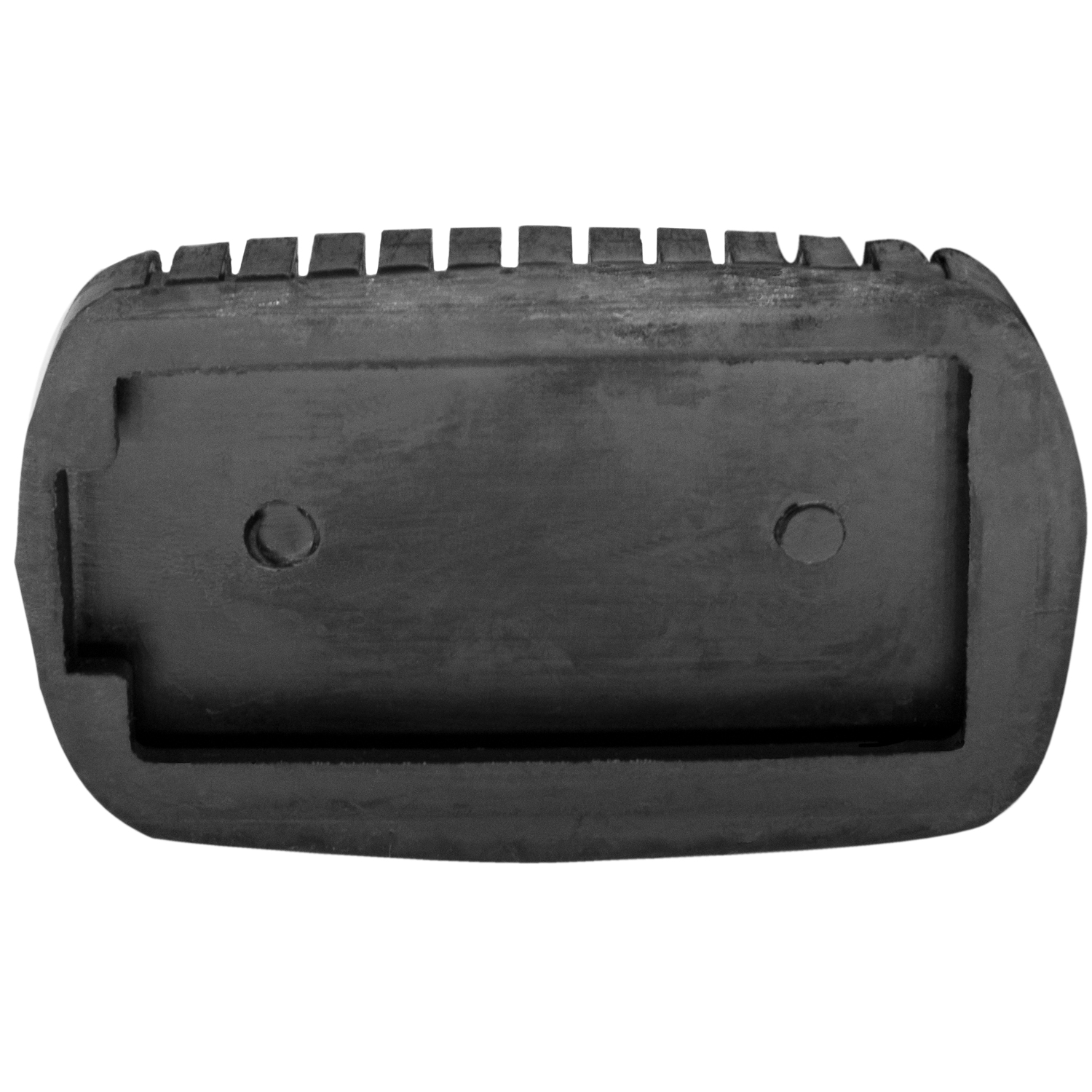 1953 Chevrolet Truck Clutch and Brake Pedal Pad. 2-1/2" wide X 3-7/8" long-CB 100-A/EAClutch and Brake Pedal Pad. 2-1/2" wide X 3-7/8" long. Each
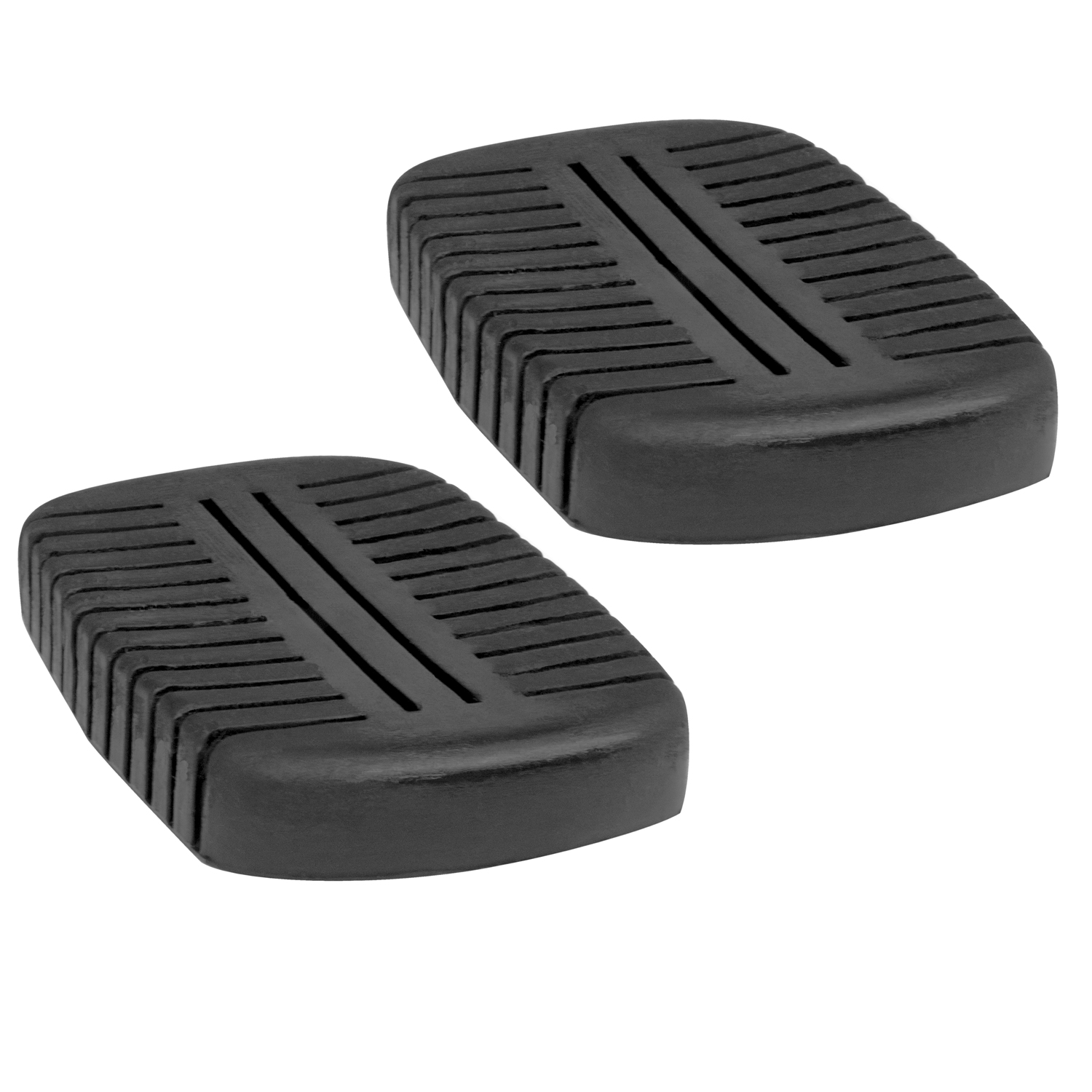 1953 Chevrolet Truck Clutch and Brake Pedal Pads. 2-1/2" wide X 3-7/8" long-CB 100-A/PRClutch and Brake Pedal Pads. 2-1/2" wide X 3-7/8" long. Pair
 1953 Chevrolet Truck Center Division Bar Seal. 15-1/4" long. Each-DP 17Center Division Bar Seal. 15-1/4" long. Each
 1953 Chevrolet Truck Gas Filler Grommet. Highest quality. 2-1/4" I.D., 3-3/4" O-GF 38Gas Filler Grommet. Highest quality. 2-1/4" I.D., 3-3/4" O.D. Each
 1953 Chevrolet Truck Molded Door Seals. For First Series. Pair R&L-LM 13-EMolded Door Seals. For First Series. Pair R&L
 1953 Chevrolet Truck Door Top and Side Seal. Sold by the foot-LP 103Door Top and Side Seal. Sold by the foot
 1953 Chevrolet Truck Door Bottom Seal. Retained by metal strip-LP 104-ADoor Bottom Seal. Retained by metal strip. Sold by the foot
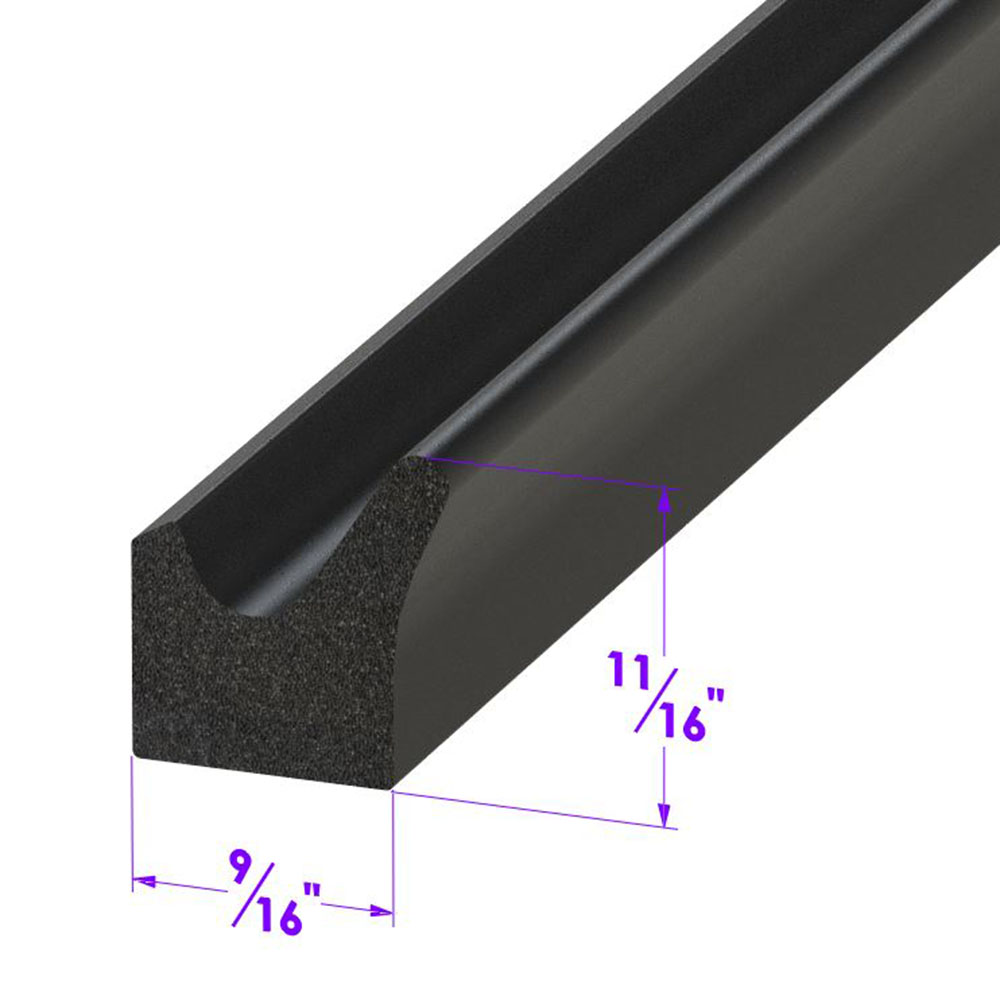 1953 Chevrolet Truck Door side seal. Same as LP 40-A, but for a heavier seal-LP 40Door side seal. Same as LP 40-A, but for a heavier seal. Fits many domestic passenger cars and trucks. Used in Cobra kit cars as trunk weatherstrip. Per foot.
 1953 Chevrolet Truck Door Handle Pads. 2-1/4" long & 3/4" long-MP 536-DDoor Handle Pads. 2-1/4" long & 3/4" long. 4-Piece Set R&L
 1953 Chevrolet Truck Cowl Vent Seal. For models with flat-faced cowls-RP 100-KCowl Vent Seal. For models with flat-faced cowls. 4" wide X 16-1/2" long. Each
 1953 Chevrolet Truck Starter Solenoid Boot-RP 1-WStarter Solenoid Boot. Solenoid plunger starter switch at starter. Each
 1953 Chevrolet Truck Rear Door Hinge Auxillary Seal. 2-3/8" I.D., 3-3/16" Long-RP 203Rear Door Hinge Auxillary Seal. 2-3/8" I.D., 3-3/16" Long. Each
 1953 Chevrolet Truck Rear Door Hinge Auxillary Seal. 2-3/8" I.D., 3-3/16" Long-RP 203-SETRear Door Hinge Auxillary Seal. 2-3/8" I.D., 3-3/16" Long. 4-Piece Set
 1953 Chevrolet Truck Seat Adjustment Rod & Anti-Rattle Bumper. Each-SB 66Seat Adjustment Rod & Anti-Rattle Bumper. Each
 1953 Chevrolet Truck Side Window Bumper-SB 98Side Window Bumper. For side window glass in vent frame at top of window. Made with steel core like original. Replaces OEM #4180904-5. Pair R&L
 1953 Chevrolet Truck Cowl Vent Drain Hose. 5/8" I.D., 13/16" O.D., 8" long-VH 101Cowl Vent Drain Hose. 5/8" I.D., 13/16" O.D., 8" long. Replaces OEM #3683557. Each
 1953 Chevrolet Truck Rear Window Seal '42-'66 GM Full Size Trucks With Small Window-VWS 7313-URear Window Seal '42-'66 GM Full Size Trucks With Small Window, Includes Lockstrip, Set of 2.
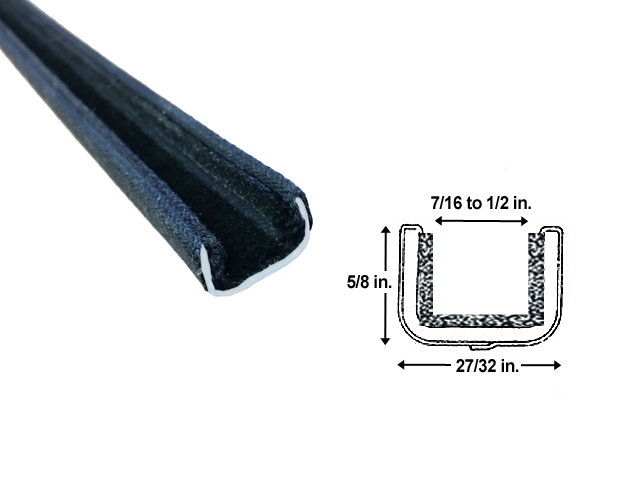 1953 Chevrolet Truck Flexible window channel-WC 18-60Flexible window channel. Fits '50-'63 Chevrolet and GMC full-size pick-up trucks. 60 in. long. Each.
 1953 Chevrolet Truck Flexible Window Scraper. Used on outside side window-WC 24-/FTFlexible Window Scraper. Used on outside side window. Made of all rubber. Slides into light steel track. 11/16" wide X 1/4" high. Sold by the foot
 1953 Chevrolet Truck Flexible Window Scraper. Used on outside side window-WC 24-32Flexible Window Scraper. Used on outside side window. Made of all rubber. Slides into steel track. 11/16" wide X 1/4" high X 32" long. Each
 1953 Chevrolet Truck Flexible Window Scraper. Used on outside side window-WC 24-A 27Flexible Window Scraper. Used on outside side window. Made of all rubber. Two used per vehicle. 7/8" wide X 1/4" high X 27" long. Each
 1953 Chevrolet Truck Flexible window scraper. Used on outside side windows-WC 24-A/FTFlexible window scraper. Used on outside side windows. Dense rubber. Two used per vehicle. 7/8 in. wide X 1/4 in. high. Sold by the foot.
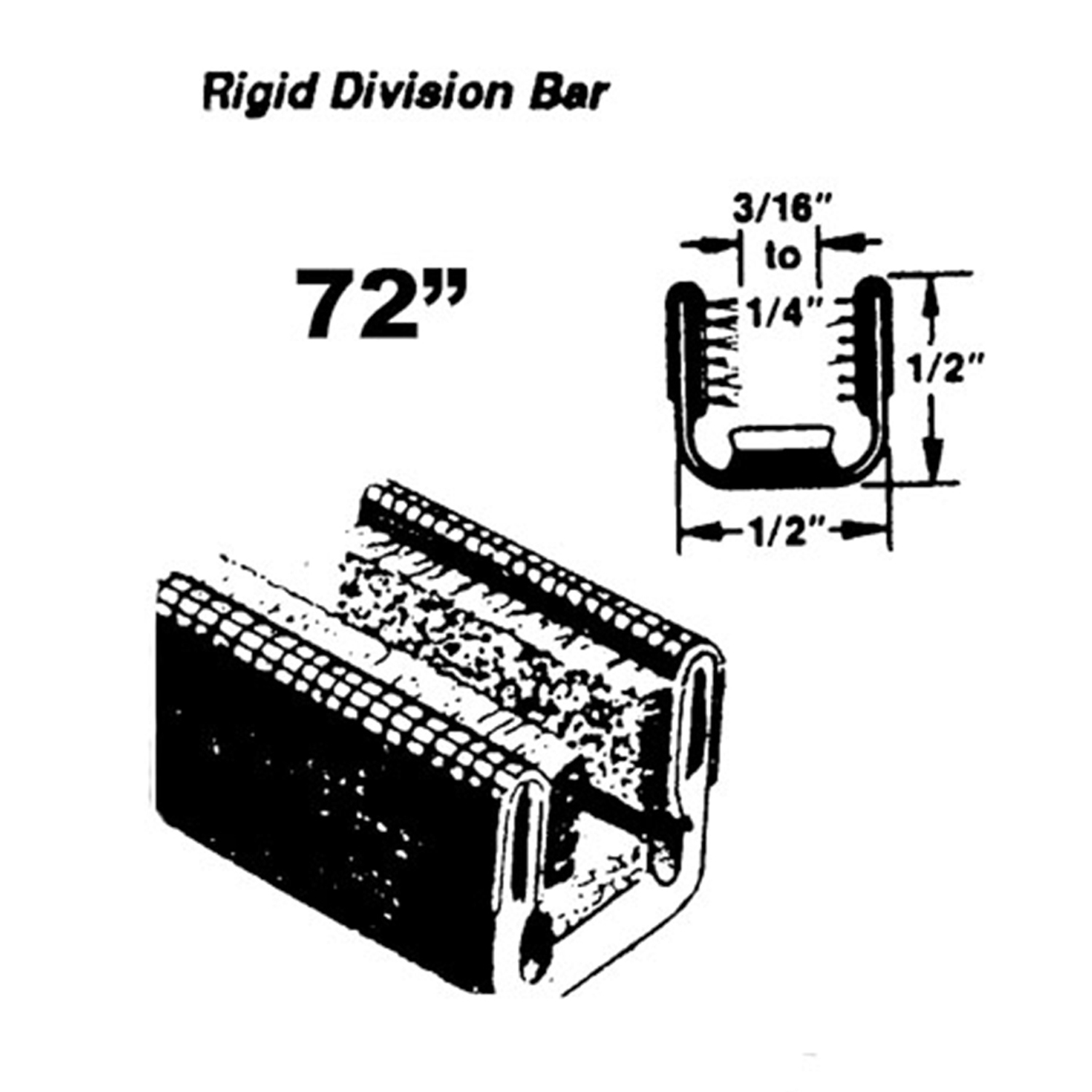 1953 Chevrolet Truck Upper and lower rigid division-bar channel-WC 25-72Upper and lower rigid division-bar channel. Unbeaded, pile-lined. 72 in. long. Each. NOTE: $20 special shipping charge applies for domestic orders. Call or email for overseas shipping costs. Part can be sectioned into two equal lengths to reduce overseas shipping costs.
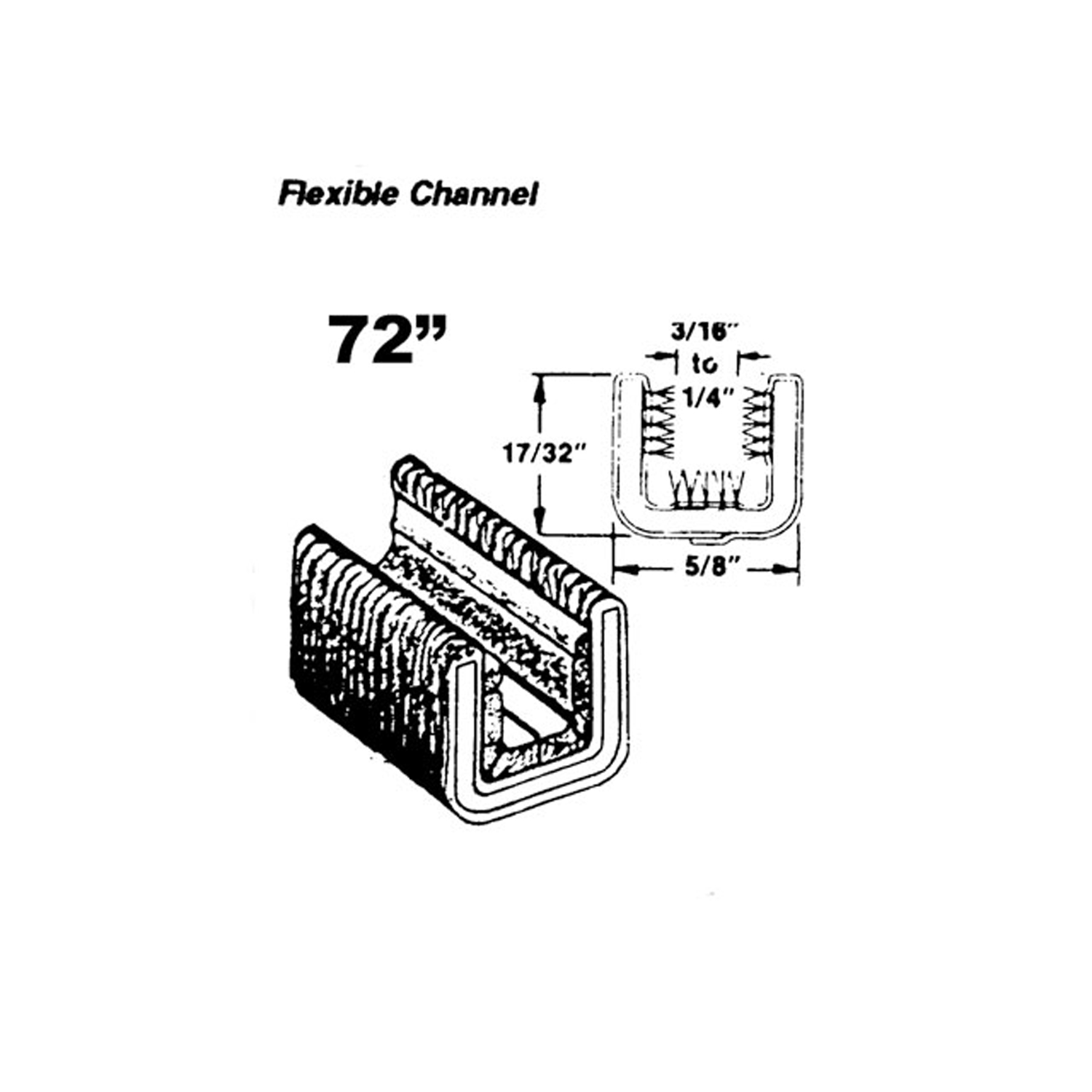 1953 Chevrolet Truck Flexible glass-run channel-WC 26-72Flexible glass-run channel. For models without framed side glass. Unbeaded, pile-lined. 72 in. long. Each. NOTE: $20 special shipping charge applies for domestic orders. Call or email for overseas shipping costs. Part can be sectioned into two equal lengths to reduce overseas shipping costs.
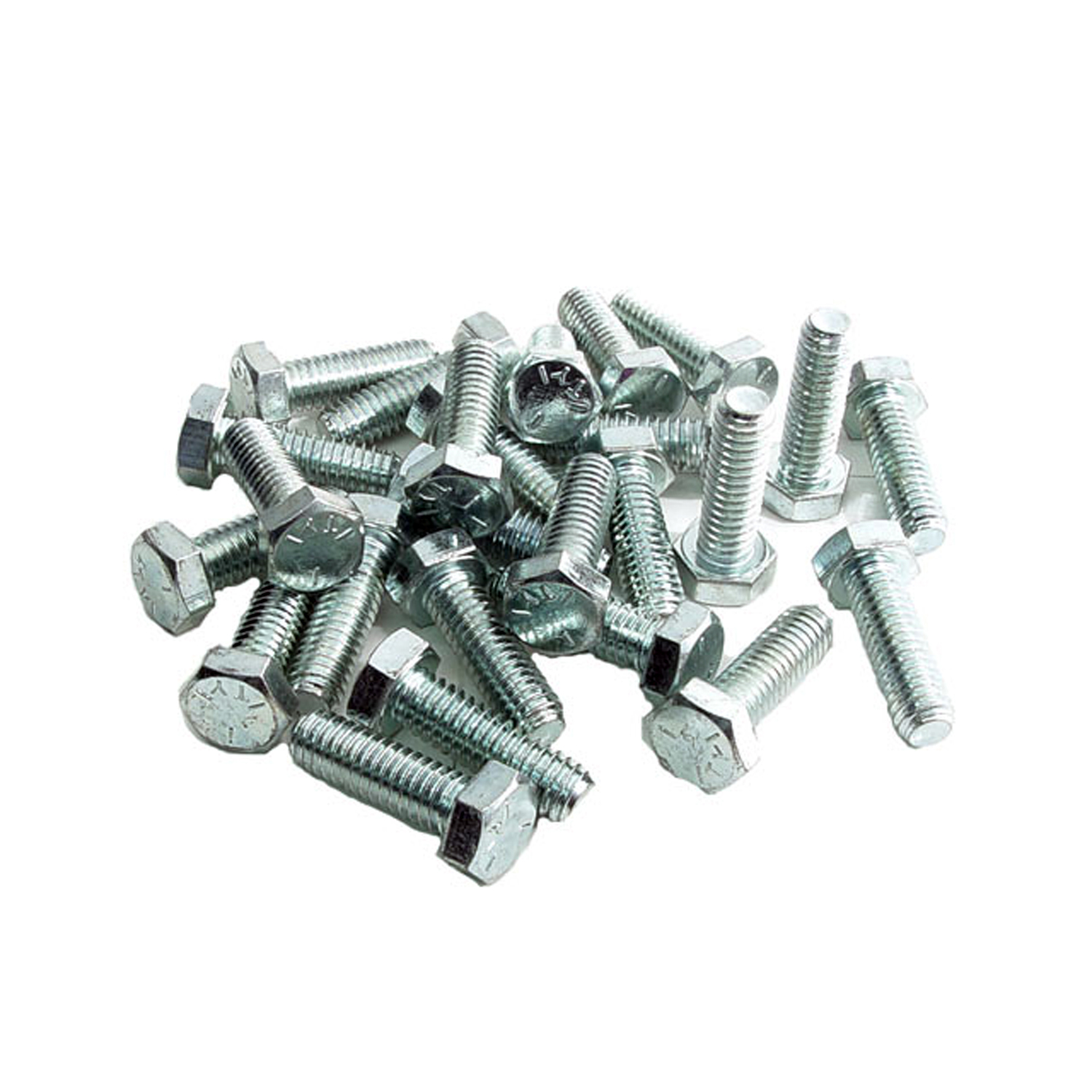 1953 Chevrolet Truck Fender Bolts. For use with Fender Bolt Washers; WF 3001-WF 3000Fender Bolts. For use with Fender Bolt Washers; WF 3001. Zinc Chromate plated, high strength. 1" X 5/16". Set of 25
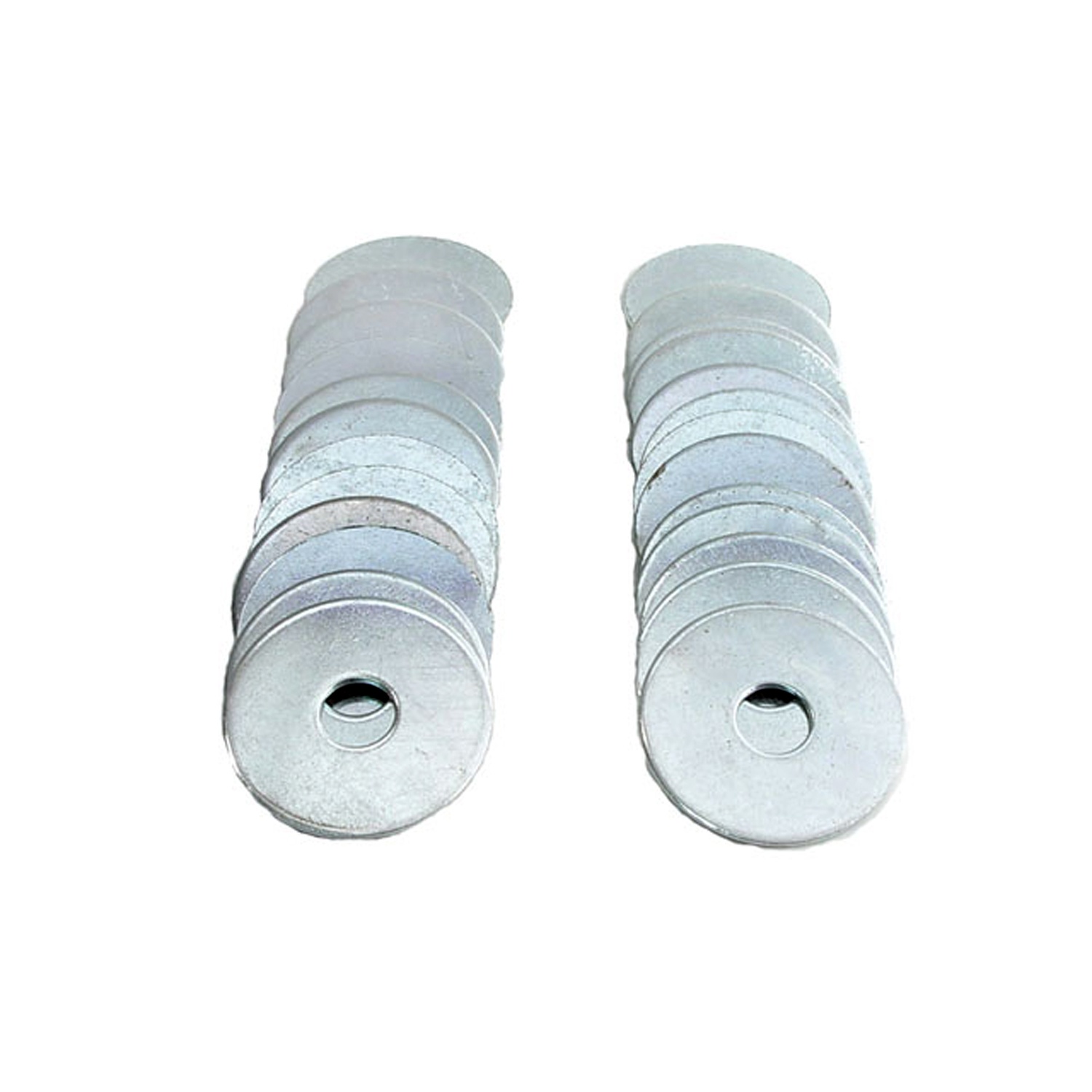 1953 Chevrolet Truck Fender Bolt Washers. For use with Fender Bolts; WF 3000-WF 3001Fender Bolt Washers. For use with Fender Bolts; WF 3000. High quality, cadmium plated. 1-1/4" O.D., 3/8" I.D. Set of 25
 1953 Chevrolet Truck Front Vent Window Seals w/ Vertical Division Bars-WR 2000Front Vent Window Seals w/ Vertical Division Bars. Does not fit Sedan Delivery. '55 First Series only. 26-1/4" long, 13-3/4" long. Set of 4
Why Choose Metro?
For over 100 years, Metro Moulded Parts has been the pinnacle of quality in classic car restoration parts. Our commitment to precision and authenticity in every component ensures a perfect fit and an OEM-level appearance.
- Expert Craftsmanship & Quality: Each part is a testament to our dedication to reliability and perfection, crafted from original designs and thoroughly tested.
- Advanced Technology: We use cutting-edge techniques to create flawless, long-lasting parts that surpass others in performance.
- SuperSoft Sponge – The Ultimate Door Seal: Not only are our door seals 30% softer than competitors', but they're also guaranteed to never leak. They effectively reduce wind and road noise, enhancing your classic car's comfort and driving experience.
- Proudly American: Our parts are a product of American craftsmanship, made in the USA with a spirit of excellence and heritage.
- Unrivaled Warranty: We back our products with a 30-year industry-leading warranty, a testament to our confidence in their quality.
Join us in preserving the legacy of classic cars with parts that are crafted for perfection, not just made.