
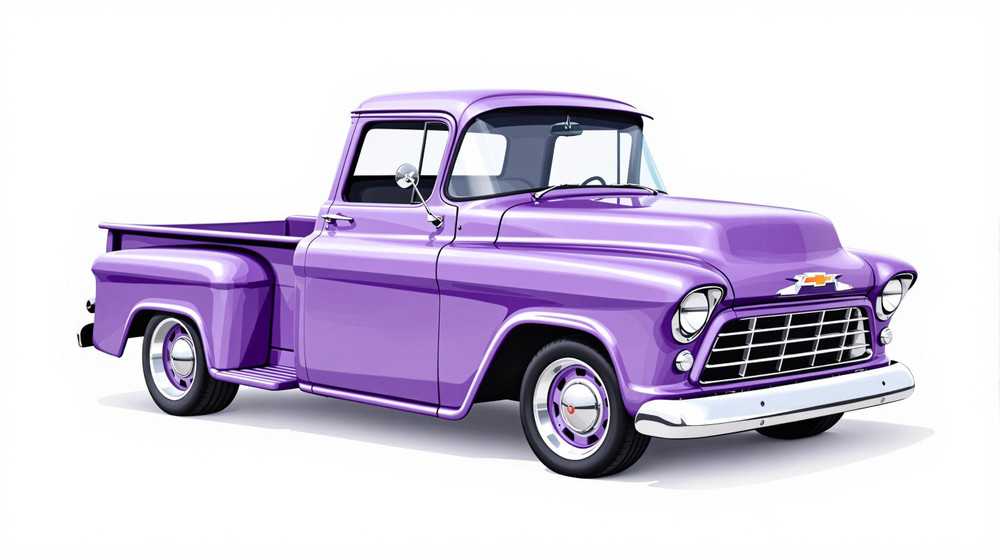
Image of 1956 Chevrolet Truck, Note: These illustrations use artistic license and may differ from actual historical models.
Performance Metrics
Fundamental Metrics
Emotional Appeal
MMP Rating
| Engine Specifications | |
|---|---|
| Engine Options: | 235.5 cubic inch inline 6, 265 cubic inch V8 |
| Displacement Range: | 235.5 - 265 cubic inches |
| Horsepower Range: | 123 - 162 hp |
| Torque: | 210 - 270 lb-ft |
| Compression Ratio: | 7.5:1 - 8.0:1 |
| Ignition System: | Points and condenser |
| Cooling System: | Liquid cooled |
| Performance Specifications | |
| 0-60 Time: | Estimated 10 - 15 seconds |
| 1/4 Mile Time: | Estimated 20 - 25 seconds |
| Top Speed: | 70 - 85 mph |
| Transmission and Drive | |
| Drive Type: | Rear wheel drive |
| Transmission Type: | 3-speed manual, 4-speed manual, 2-speed automatic |
| Fuel and Efficiency | |
| Fuel System Type: | Carburetor |
| MPG: | Estimated 10 - 15 mpg |
| Dimensions and Brakes | |
| Brakes: | Drum brakes |
| Wheelbase: | 114 inches for short wheelbase, 123.25 inches for long wheelbase |
| Weight: | 3,200 - 3,800 lbs |
Note: Specifications for classic cars are given to the best of our ability, considering the limited and variant data available.
1956 Chevrolet Truck: A Task Force Classic
The 1956 Chevrolet truck brought mid-century style and useful muscle together in a pickup that still looks ready to go to work. Built by Chevrolet as part of its 1955–1959 Task Force generation, it followed the company’s redesigned 1955 second-series trucks and carried that fresh, modern look into its second model year.
Its timing mattered. American buyers wanted trucks that could earn their keep during the week but feel comfortable and stylish enough for personal use. Chevrolet answered with a more carlike cab, a broader range of body styles, and an optional V8. One detail makes the 1956 model especially recognizable to collectors: it replaced the previous year’s divided windshield with a single-piece wraparound windshield.
Task Force Styling and Cab Details
The 1956 Chevrolet has a broad, upright stance, rounded front fenders, and a clean, wide grille that gives the nose a confident look without losing its work-truck character. Its curved windshield and generous glass area were striking features for the period. The hood and side panels are relatively uncluttered, while bright trim and Chevrolet badging add just enough decoration. Compared with many modern pickups, it is narrow and simple, but its proportions make it feel substantial.
Inside, the cab is practical rather than luxurious. The dashboard is painted metal, with clear, straightforward gauges and controls that are easy to understand. A wide bench seat was standard, typically covered in durable materials suited to everyday use. Buyers could add comfort and convenience items such as a heater, radio, and upgraded trim, but even a well-equipped example remains a fundamentally simple truck. Expect a close, upright seating position, large steering wheel, and a very direct connection to the mechanical parts beneath the cab.
Factory paint choices varied, and Chevrolet offered both solid colors and two-tone combinations. The two-tone look is especially popular today, often pairing a body color with a contrasting accent on the cab or trim area. Restored trucks are also frequently seen in red and white, blue and white, and other period-inspired combinations. A truck’s original paint and trim details can differ by series and configuration, so buyers interested in originality should check the body tag and period documentation.
Pickup, Panel, and Work-Truck Options
The familiar half-ton pickup is the best-known 1956 Chevrolet truck, especially the short-bed 3100. Chevrolet also offered longer-wheelbase and heavier-duty versions, including the 3200, 3600, and 3800 series, along with larger commercial models. The lineup extended beyond pickups to include panel trucks, Suburban Carryalls, and other commercial or specialty bodies. Exact availability depended on the series and intended use.
The short-bed 3100 is often considered the most iconic configuration because its proportions suit the Task Force design so well. Long-bed pickups and heavier models are less common in collector circles, while panel trucks and Suburbans appeal to buyers looking for something beyond the standard pickup. As with any vintage commercial vehicle, surviving numbers depend heavily on how it was used: many working trucks were driven hard, modified, or scrapped after their useful service life.
Why the 1956 Chevy Mattered
The 1956 model sits within a major transition in Chevrolet truck design. The Task Force generation moved away from the more rounded Advance Design trucks of the late 1940s and early 1950s toward a sleeker, more contemporary look. The wider glass, more integrated cab, and stronger emphasis on comfort helped establish the pickup as more than a bare-bones tool.
Chevrolet’s available small-block V8 was another important step. Introduced for trucks in the mid-1950s, it gave buyers an alternative to the proven inline-six and reflected a broader shift toward more powerful, versatile light trucks. The 1956 Chevrolet was not a radical engineering experiment, but it helped normalize the idea that a pickup could offer modern styling, useful power, and everyday usability in one package. That balance remains central to the appeal of classic American trucks.
One useful point for shoppers: “Apache” is often used casually in modern listings for 1950s Chevrolet pickups, but the name is most closely associated with later Task Force trucks. The 1956 model is best identified by its year, series, and body style rather than relying on an Apache label.
Engine, Speed, and Road Manners
The most common engine was Chevrolet’s 235-cubic-inch inline-six, valued for its straightforward design and dependable low-speed pulling power. A 265-cubic-inch small-block V8 was also available. Output figures vary with engine specification and how period ratings are reported, but the six-cylinder was generally in the neighborhood of 120 to 140 gross horsepower, while V8 versions commonly fall around 145 to 170 gross horsepower. These are period-style gross figures, not directly comparable with modern net horsepower ratings.
There is no single reliable factory 0-to-60 mph figure for every 1956 truck configuration. As a practical estimate, a six-cylinder half-ton might take roughly 20 to 25 seconds, while a V8 truck could be closer to 15 to 19 seconds, depending on gearing, condition, load, and transmission. A lightly loaded truck may reach approximately 70 to 80 mph, but gearing and mechanical condition make a substantial difference. These were working vehicles, not performance pickups, and sustained high-speed driving is not their natural habitat.
On the road, the truck feels unmistakably vintage. The engine produces a steady mechanical rumble, and the manual steering, clutch, and gear changes demand more effort and attention than a modern vehicle. The suspension is designed to carry a load, so an empty truck can feel firm over potholes and broken pavement. On winding roads, its tall stance, solid rear axle, and older tires call for measured inputs rather than quick changes of direction. The payoff is an engaging, hands-on drive that makes even an ordinary errand feel like an occasion.
Living With a 1956 Chevrolet Truck
Owners use these trucks as weekend drivers, show vehicles, restoration projects, and, in some cases, light-duty haulers. A carefully maintained example can handle local trips and relaxed cruising, but most are not ideal substitutes for a modern daily driver. They lack contemporary crash protection, braking performance, climate control, and highway refinement.
Mechanical simplicity is a major ownership advantage. The inline-six and small-block V8 are familiar designs, and many routine repairs are manageable for an owner with basic tools and a service manual. Parts availability is generally good for popular 3100 pickups, including replacement panels, trim, brake components, and engine parts. Rust is often the bigger challenge. Check the cab corners, floor, rocker panels, inner and outer fenders, bed supports, and frame carefully. A shiny restoration can hide expensive structural repairs, so inspect the underside and look for evidence of quality metalwork.
1956 Chevrolet Truck Facts and Collector Notes
The one-piece windshield is the quickest visual clue that separates a 1956 truck from the 1955 second-series model. It also gives the cab a cleaner appearance and is a detail many enthusiasts specifically seek. Another appealing fact is how broad the original lineup was: the same basic design could serve as a personal pickup, a delivery vehicle, or a heavier commercial truck.
Chevrolet produced roughly a million trucks across its 1956 lineup, though totals vary by source and include multiple series and body types. That does not mean a particular configuration is easy to find. The common half-ton pickup is regularly available, while solid, original examples of less common body styles or heavy-duty series can take considerably longer to locate. No single production estimate captures how many trucks survive today.
Common criticisms are part of the ownership picture: the ride can be stiff when unloaded, steering and brakes require more effort than modern systems, and rust repairs can quickly exceed a buyer’s budget. The truck also offers little in the way of modern safety equipment. On the other hand, its mechanical simplicity, parts support, and recognizable styling make it one of the more approachable 1950s pickups to restore.
1956 Chevy Truck Values and Market Trends
Prices vary widely with series, originality, rust, mechanical condition, and restoration quality. As a broad U.S. market estimate, a project truck may sell for about $5,000 to $15,000. A usable driver often falls around $15,000 to $30,000, while a nicely restored 3100 commonly brings roughly $35,000 to $70,000. Exceptional restorations, rare body styles, and unusual heavy-duty examples can sell for more, while incomplete or poorly repaired trucks may fall below those ranges.
Values have generally strengthened over the long term as interest in classic pickups has grown, but the market is selective. Well-documented, properly restored trucks tend to attract the strongest bids. Prices can soften for vehicles with hidden rust, incorrect parts, or rushed modifications. The 1956’s popularity supports demand, though the standard 3100 is not rare enough to guarantee appreciation. For buyers, condition and sound restoration work matter more than optimistic asking prices.
A Classic Built for Work and the Weekend
The 1956 Chevrolet truck combines a distinctive one-piece windshield, handsome Task Force styling, simple cabin design, and a choice of dependable six-cylinder power or optional V8 performance. It helped make the pickup more comfortable and appealing without losing its practical roots. That blend explains why the short-bed 3100 remains a favorite today: it is not just a display piece, but a vivid reminder of the moment the American pickup began to become a vehicle people wanted as much as one they needed.
1956 Chevrolet Truck Catalog of Parts
 1956 Chevrolet Truck Bolt-on Accelerator Pad. High-quality reproduction-AP 33Bolt-on Accelerator Pad. High-quality reproduction. 2-3/4" X 10-3/4". Each
 1956 Chevrolet Truck Body mounting cushion pad-BC 51Body mounting cushion pad, '51-'64 Various GM car and truck models, each. Replace OEM #'s 3748937, 530855 & 560958.
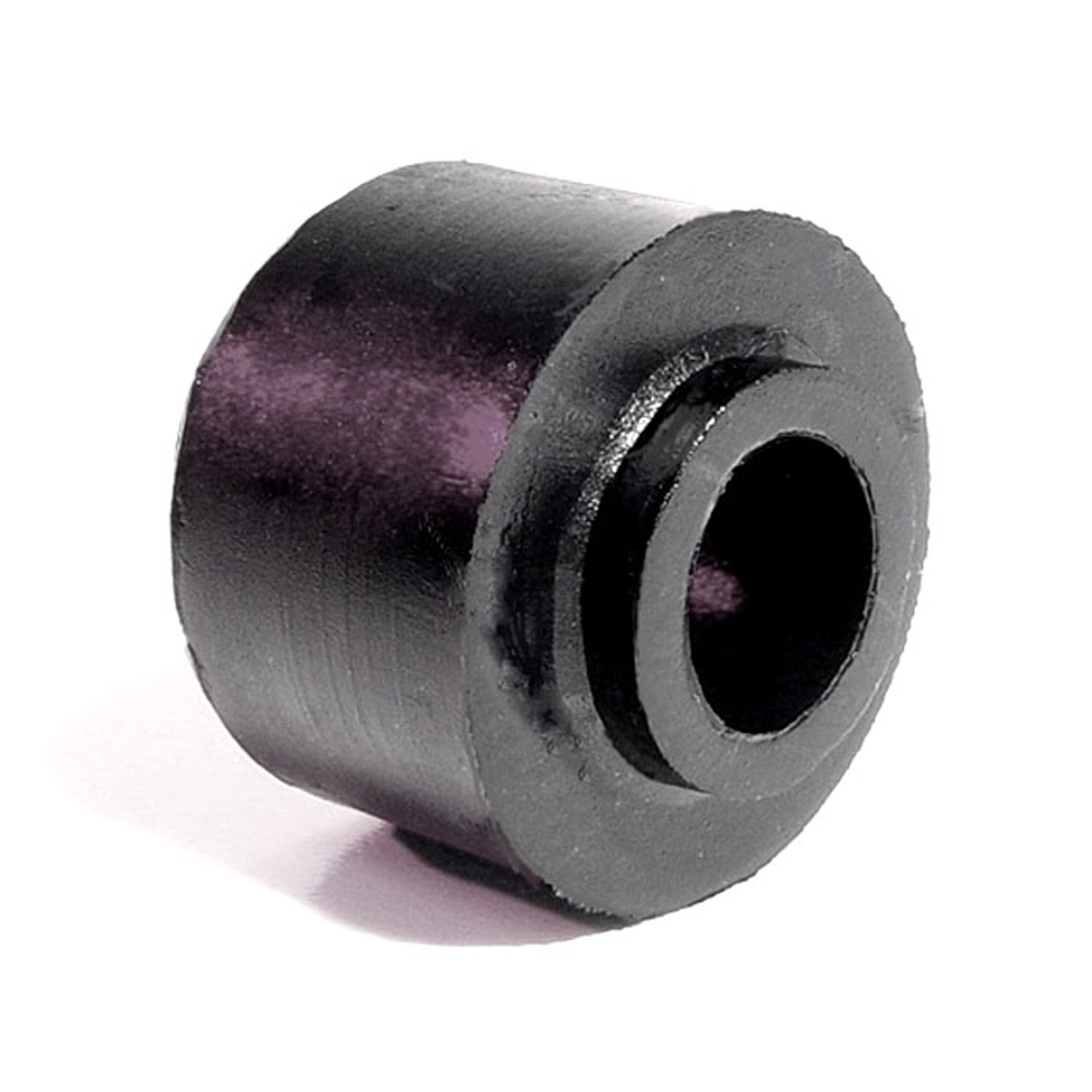 1956 Chevrolet Truck Shock Absorber Grommet. 1" bottom O.D., 3/4" high-BN 1Shock Absorber Grommet. 1" bottom O.D., 3/4" high., with 7/16" I.D. Each
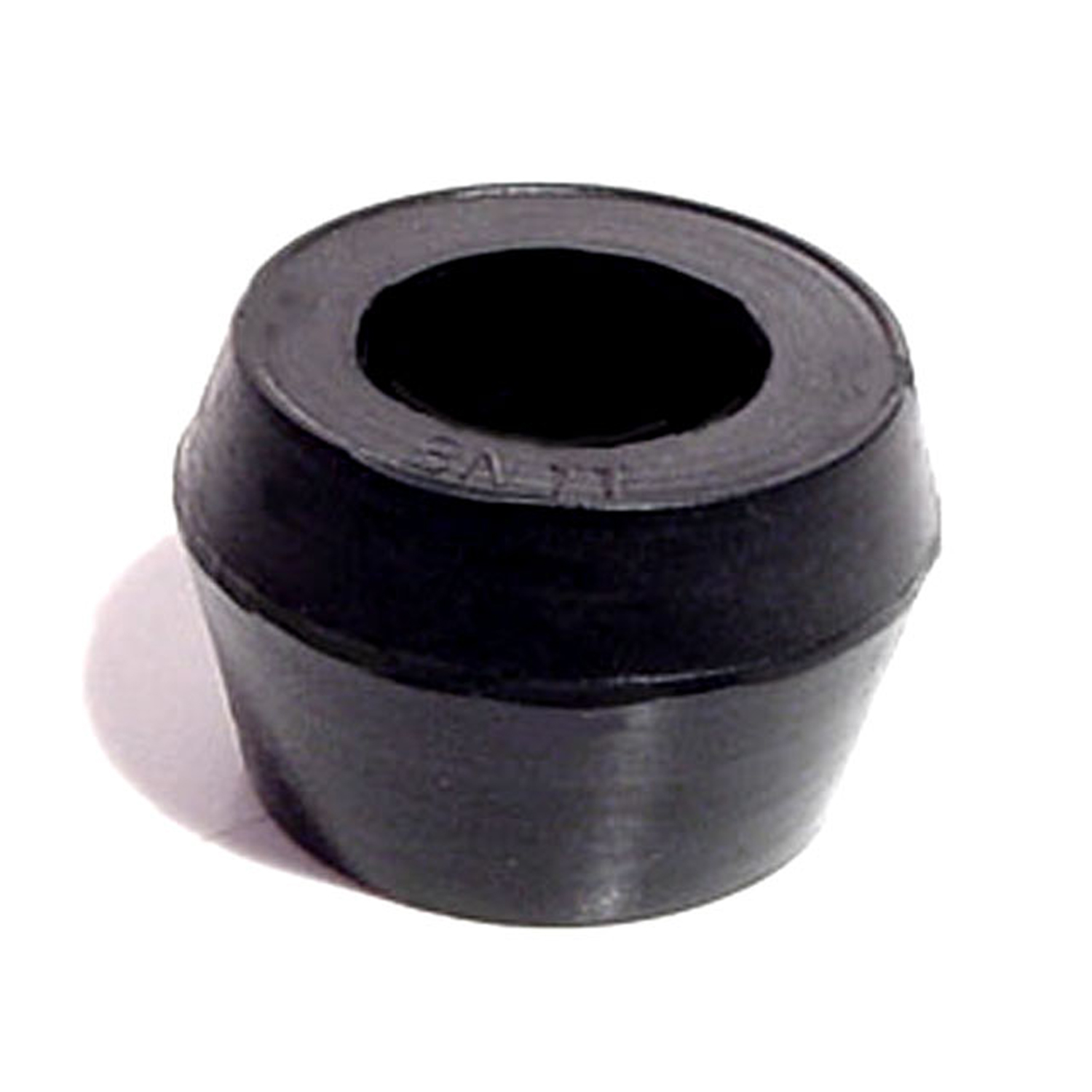 1956 Chevrolet Truck Shock Absorber Grommet. 1" bottom O.D-BN 11Shock Absorber Grommet. 1" bottom O.D., 3/4" high, with 5/8" I.D. Each
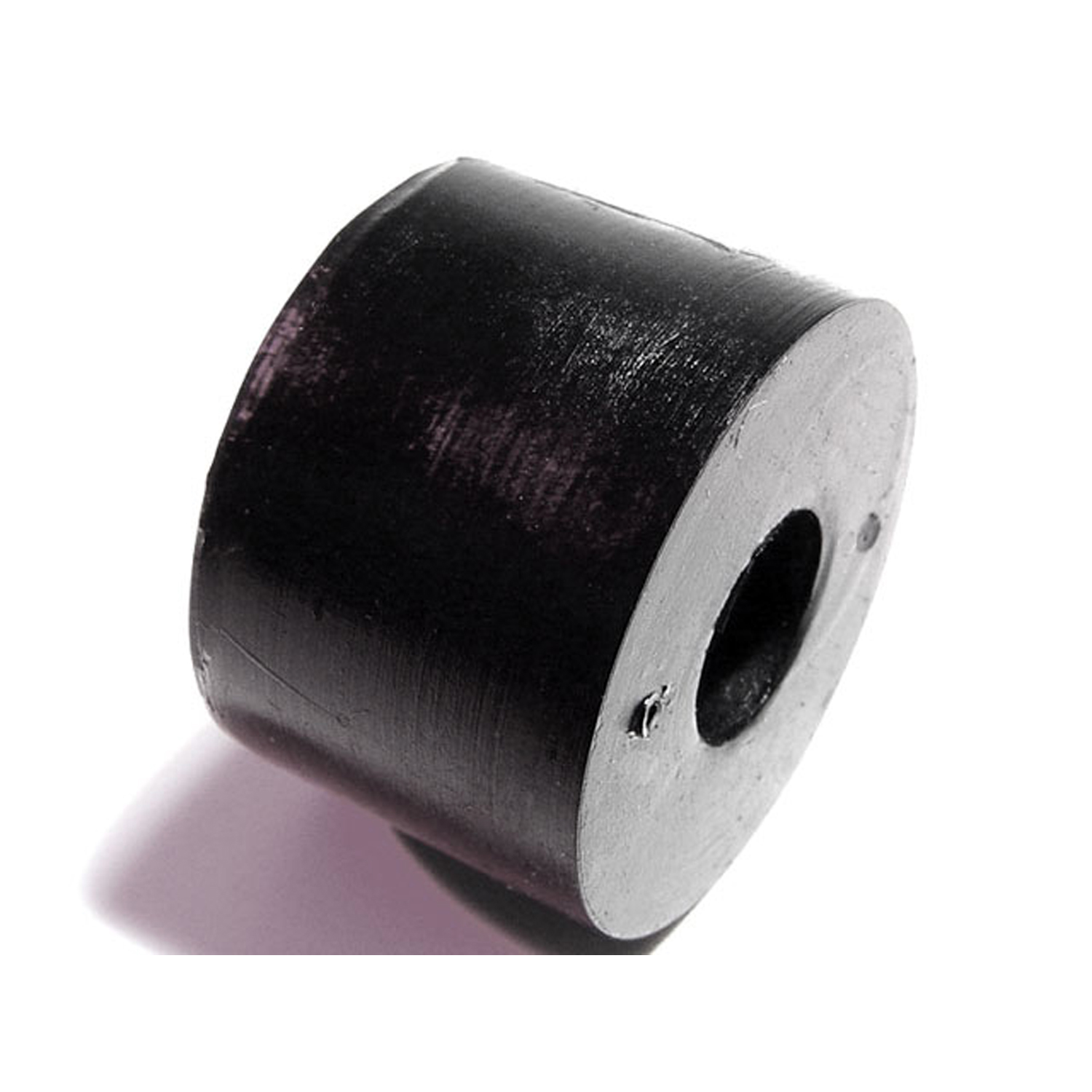 1956 Chevrolet Truck Shock Absorber Grommet. 1" bottom O.D., 5/8" high-BN 13Shock Absorber Grommet. 1" bottom O.D., 5/8" high., with 3/8" I.D. Each
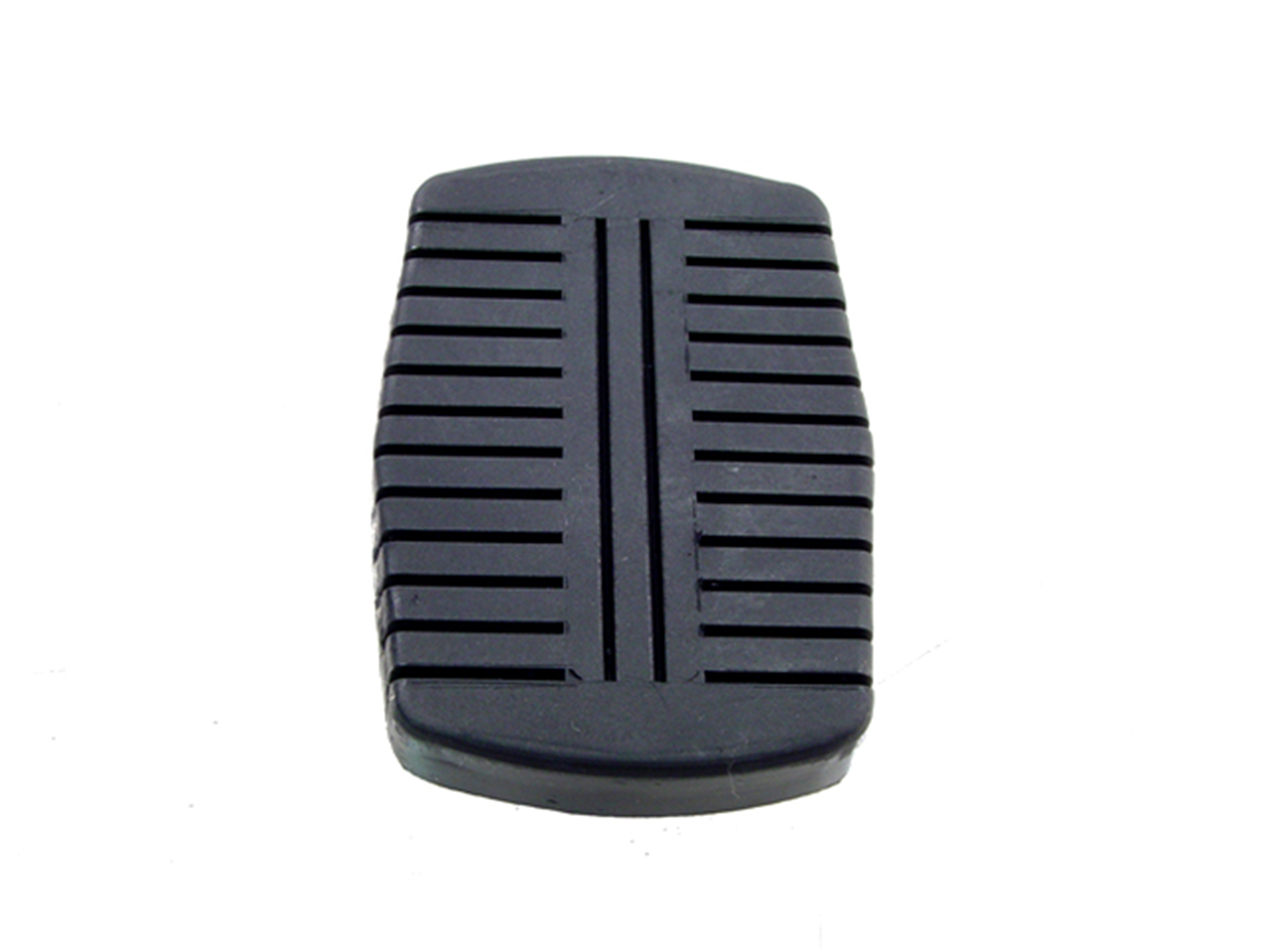 1956 Chevrolet Truck Clutch and Brake Pedal Pad. Perfect-CB 100-EACHClutch and Brake Pedal Pad. Perfect. 2-5/8" wide X 3-3/4" long. Each
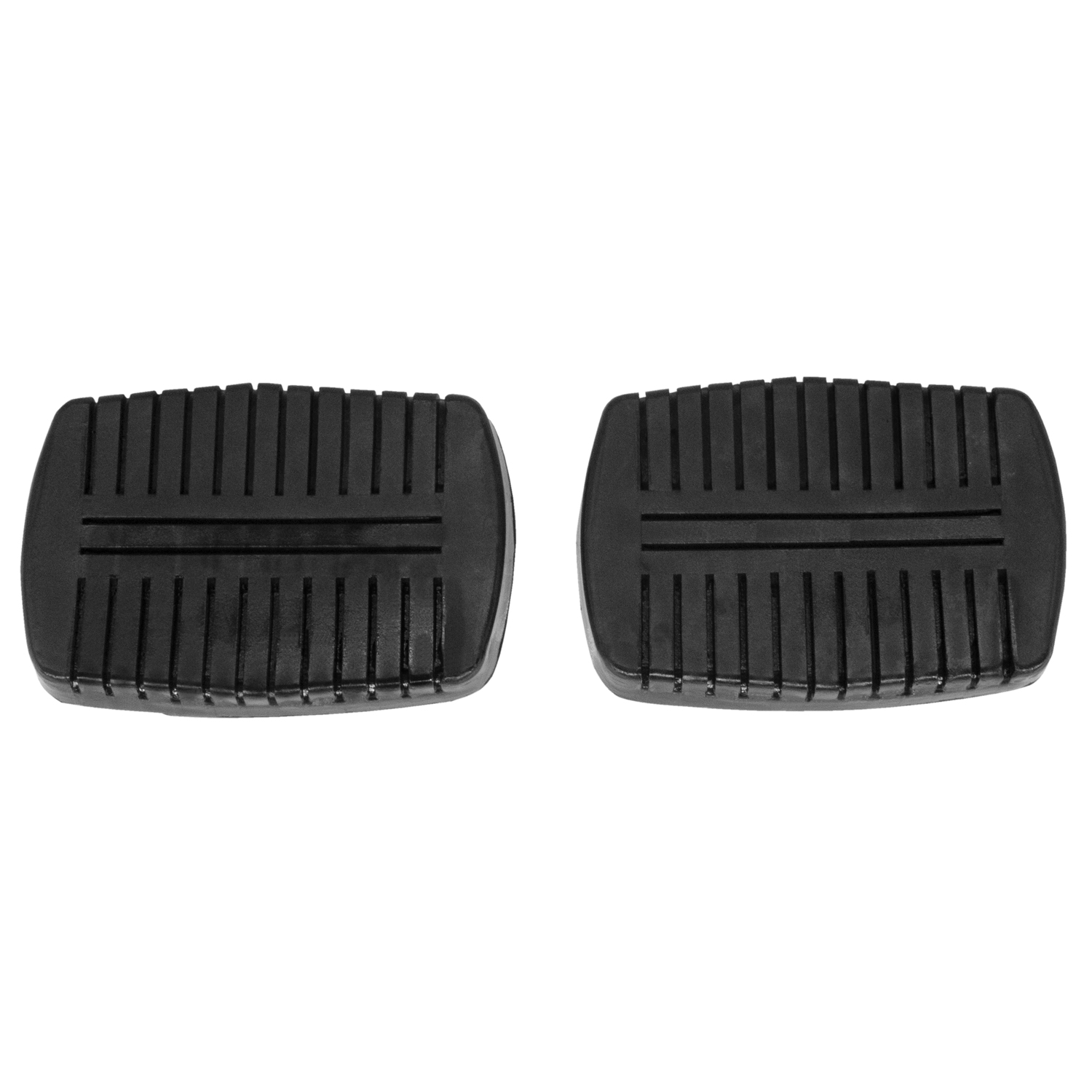 1956 Chevrolet Truck Clutch and Brake Pedal Pads. Perfect-CB 100-PAIRClutch and Brake Pedal Pads. Perfect. 2-5/8" wide X 3-3/4" long. Pair
 1956 Chevrolet Truck Molded Door Seals. For Second Series. 171-1/4" long each-LM 13-DMolded Door Seals. For Second Series. 171-1/4" long each. Pair R&L
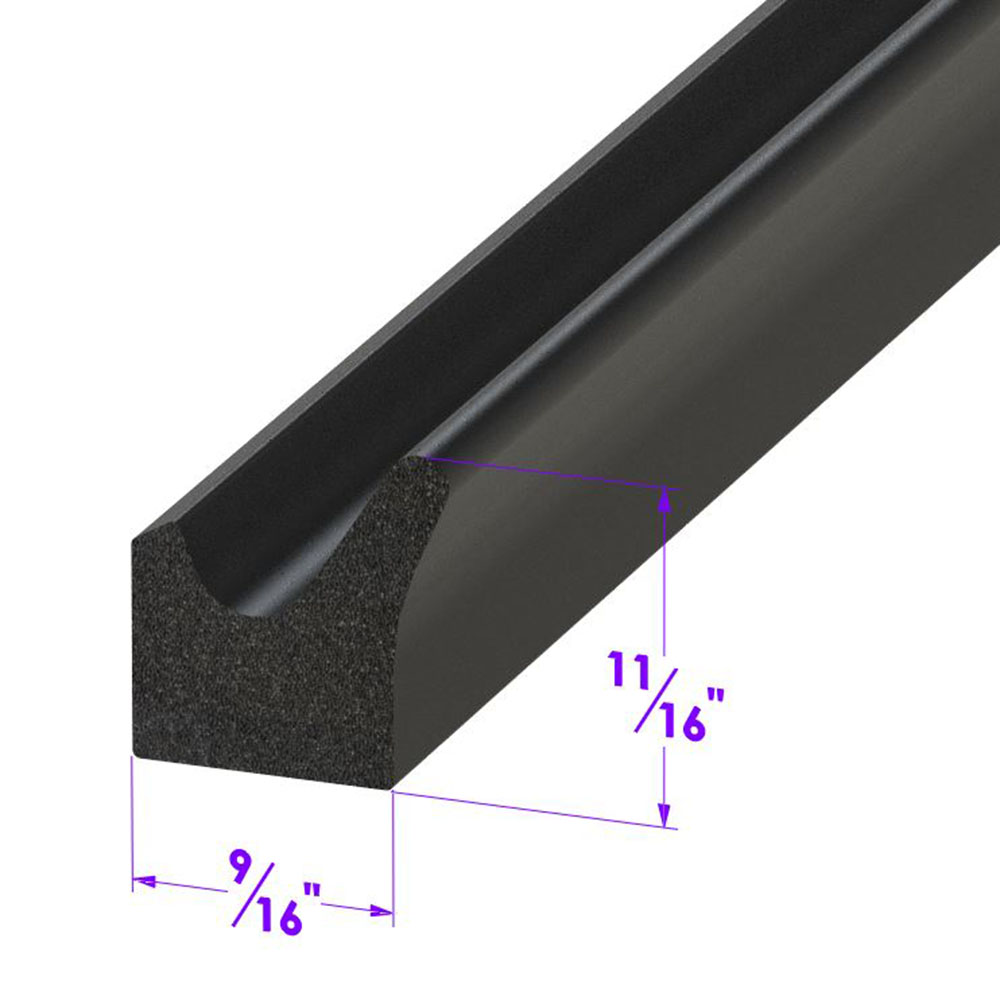 1956 Chevrolet Truck Door side seal. Same as LP 40-A, but for a heavier seal-LP 40Door side seal. Same as LP 40-A, but for a heavier seal. Fits many domestic passenger cars and trucks. Used in Cobra kit cars as trunk weatherstrip. Per foot.
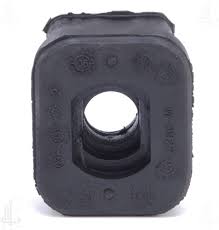 1956 Chevrolet Truck Rear Lower Motor Mount. Two used per vehicle-MM 20-ARear Lower Motor Mount. Two used per vehicle. Replaces OEM #3789949. Each
 1956 Chevrolet Truck Small Front Cushion. Four used per vehicle-MM 7Small Front Cushion. Four used per vehicle. Replaces OEM #3714358. 1-1/2" O.D., 1/2" I.D. Each
 1956 Chevrolet Truck Large Front Cushion. Four used per vehicle-MM 7-ALarge Front Cushion. Four used per vehicle. Replaces OEM #3714357. 2" O.D., 7/16" I.D. Each
 1956 Chevrolet Truck Starter Solenoid Boot-RP 1-WStarter Solenoid Boot. Solenoid plunger starter switch at starter. Each
 1956 Chevrolet Truck Side Window Bumper-SB 98Side Window Bumper. For side window glass in vent frame at top of window. Made with steel core like original. Replaces OEM #4180904-5. Pair R&L
 1956 Chevrolet Truck Windshield gasket. One-piece vulcanized seal-VWS 7312Windshield gasket. One-piece vulcanized seal. Fits '55-'57 Chevrolet 1/2-ton pickup trucks with chrome garnish on top and sides that fit into mating slots in gasket. First Series used p/n DP 17 center division bar seal. Second Series has no division bar. Each.
 1956 Chevrolet Truck Rear Window Seal '42-'66 GM Full Size Trucks With Small Window-VWS 7313-URear Window Seal '42-'66 GM Full Size Trucks With Small Window, Includes Lockstrip, Set of 2.
 1956 Chevrolet Truck Rear Window Seal '55-'66 GM Full Size Truck w/ black lockstrip-VWS 7313-VRear Window Seal '55-'66 GM Full Size Truck, Second Series With Large Window. Includes Lockstrip, Set of 2.
 1956 Chevrolet Truck Rear Window Seal, 55-66 GM Full Size Truck w/ Chrome Lockstrip-VWS 7313-WRear Window Seal, 55-66 GM Full Size Truck, Second Series With Large Window. Chrome Lockstrip Included, Set Of 2.
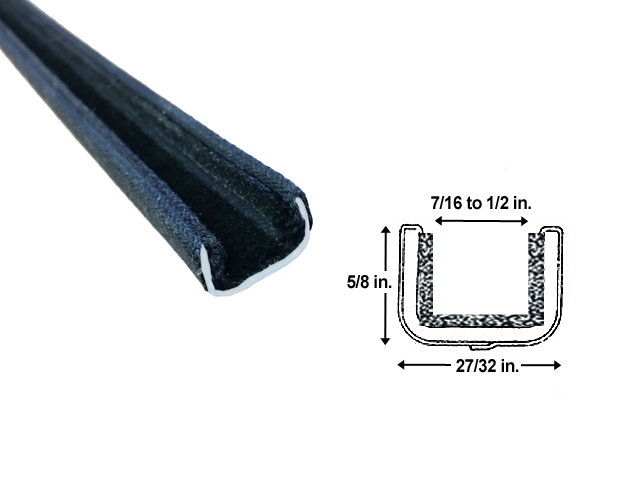 1956 Chevrolet Truck Flexible window channel-WC 18-60Flexible window channel. Fits '50-'63 Chevrolet and GMC full-size pick-up trucks. 60 in. long. Each.
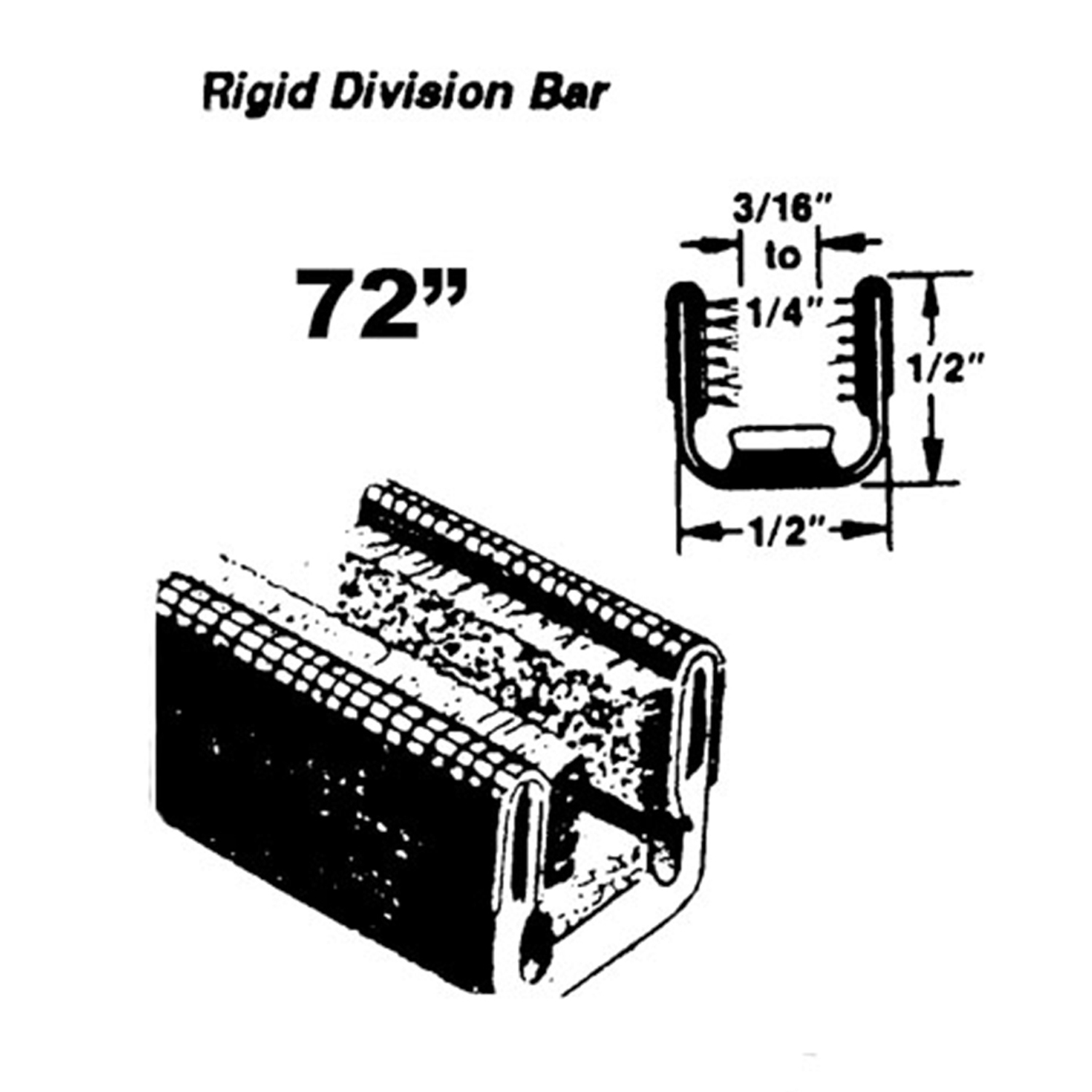 1956 Chevrolet Truck Upper and lower rigid division-bar channel-WC 25-72Upper and lower rigid division-bar channel. Unbeaded, pile-lined. 72 in. long. Each. NOTE: $20 special shipping charge applies for domestic orders. Call or email for overseas shipping costs. Part can be sectioned into two equal lengths to reduce overseas shipping costs.
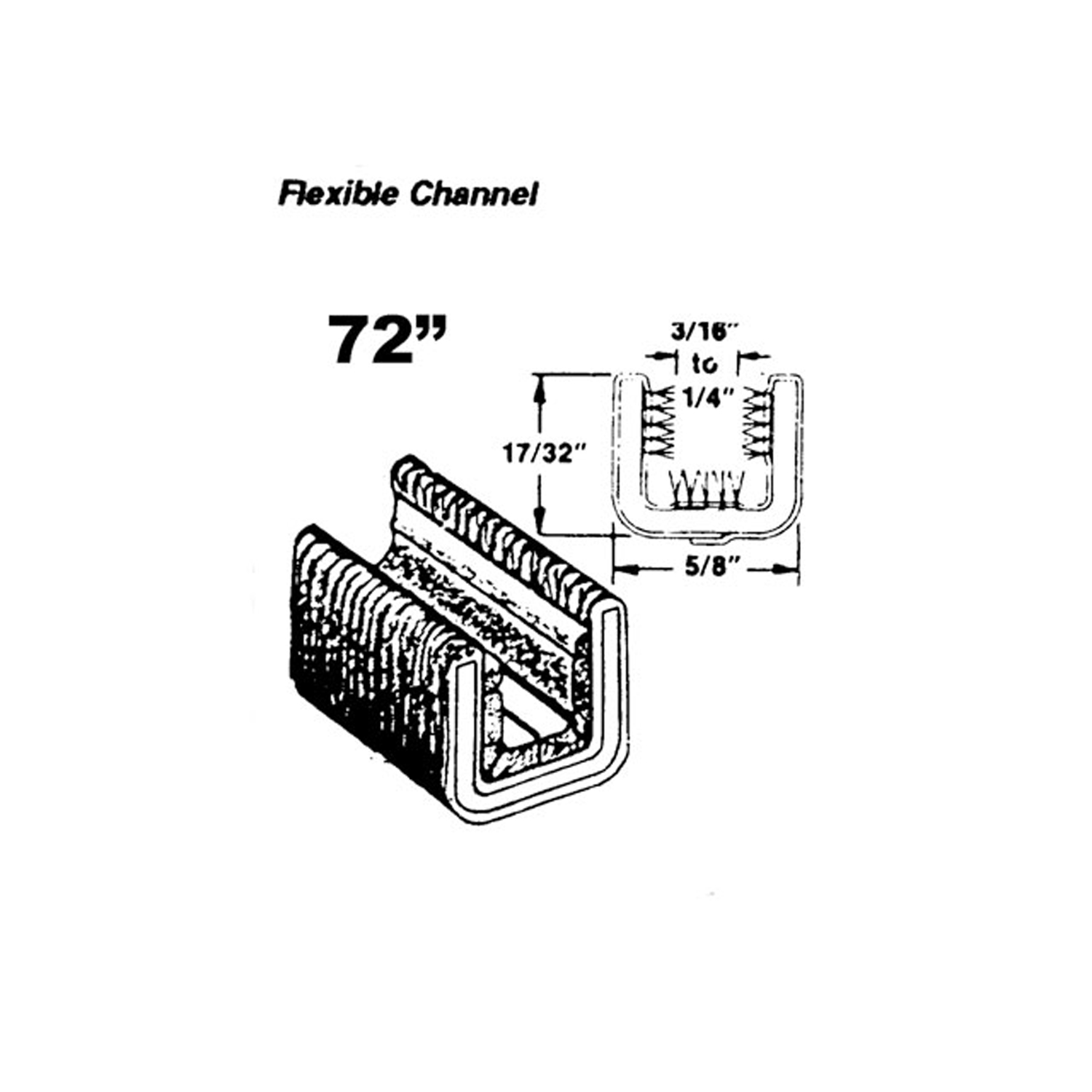 1956 Chevrolet Truck Flexible glass-run channel-WC 26-72Flexible glass-run channel. For models without framed side glass. Unbeaded, pile-lined. 72 in. long. Each. NOTE: $20 special shipping charge applies for domestic orders. Call or email for overseas shipping costs. Part can be sectioned into two equal lengths to reduce overseas shipping costs. 1956 Chevrolet Truck Window Sweeper Kit. Inner and Outer Sweepers. 4-Piece Kit-WC 5900-11Window Sweeper Kit. Inner and Outer Sweepers. 4-Piece Kit
 1956 Chevrolet Truck Control Rod to Shift Shaft Grommet. 3/4" O.D., 1/4" I.D-WF 33-BControl Rod to Shift Shaft Grommet. 3/4" O.D., 1/4" I.D. Each
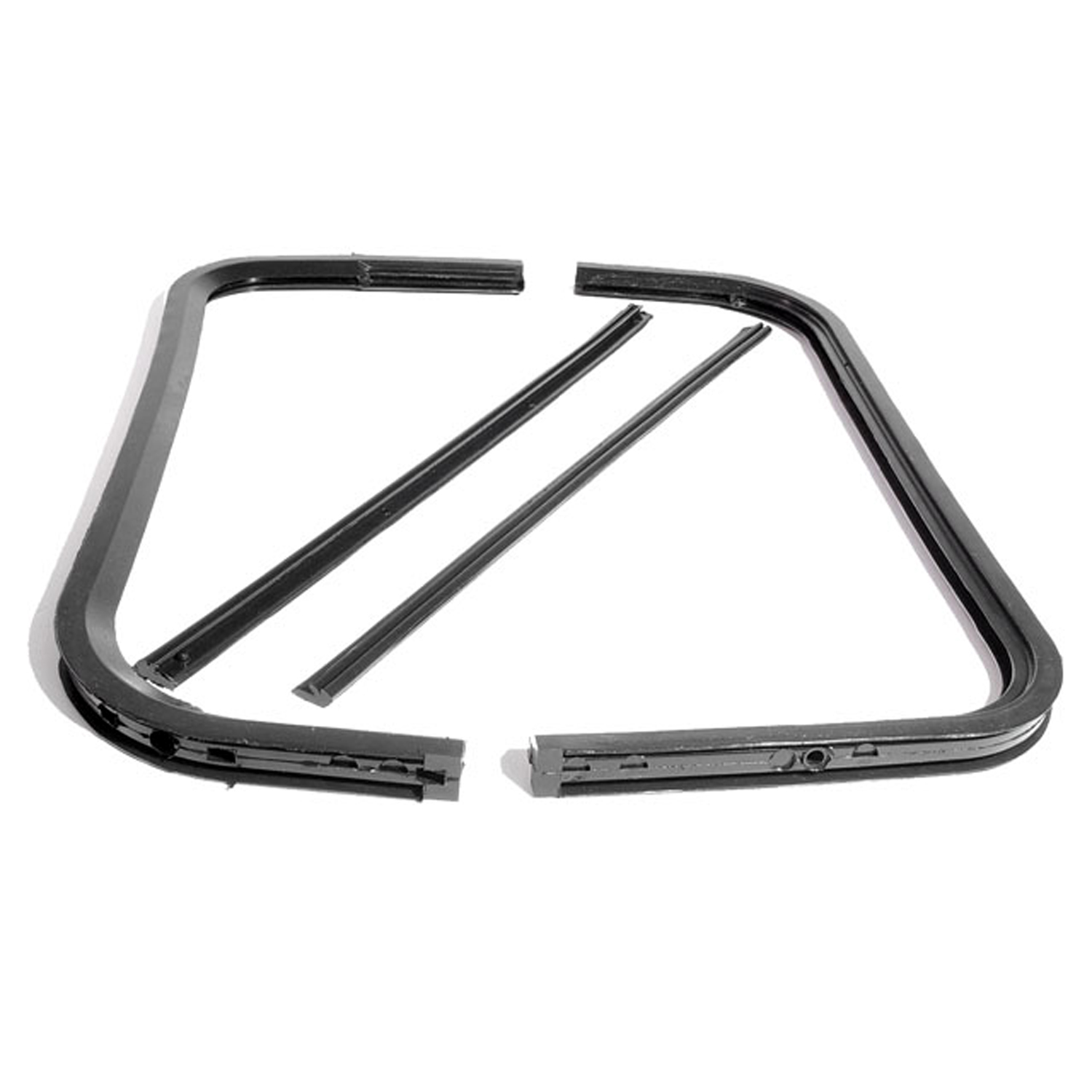 1956 Chevrolet Truck Front Vent Window Seals w/ Vertical Division Bar-WR 2007Front Vent Window Seals w/ Vertical Division Bar. 27", 15-3/4". For 2nd series. Pair R&L
Why Choose Metro?
For over 100 years, Metro Moulded Parts has been the pinnacle of quality in classic car restoration parts. Our commitment to precision and authenticity in every component ensures a perfect fit and an OEM-level appearance.
- Expert Craftsmanship & Quality: Each part is a testament to our dedication to reliability and perfection, crafted from original designs and thoroughly tested.
- Advanced Technology: We use cutting-edge techniques to create flawless, long-lasting parts that surpass others in performance.
- SuperSoft Sponge – The Ultimate Door Seal: Not only are our door seals 30% softer than competitors', but they're also guaranteed to never leak. They effectively reduce wind and road noise, enhancing your classic car's comfort and driving experience.
- Proudly American: Our parts are a product of American craftsmanship, made in the USA with a spirit of excellence and heritage.
- Unrivaled Warranty: We back our products with a 30-year industry-leading warranty, a testament to our confidence in their quality.
Join us in preserving the legacy of classic cars with parts that are crafted for perfection, not just made.