

Image of 1963 Chevrolet C10 Panel, Note: These illustrations use artistic license and may differ from actual historical models.
Performance Metrics
Fundamental Metrics
Emotional Appeal
MMP Rating
| Engine Specifications | |
|---|---|
| Engine: | 230 Inline 6, 283 V8 |
| Displacement: | 230-283 cu in |
| Horsepower: | 140-195 hp |
| Torque: | 220-285 lb-ft |
| Compression Ratio: | 8.5:1 for the 230 Inline 6, 8.5:1 for the 283 V8 |
| Ignition System: | Conventional breaker point ignition system |
| Cooling System: | Liquid cooled |
| Performance Specifications | |
| 0-60 Time: | Estimated 10-12 seconds |
| 1/4 Mile Time: | Estimated 17-19 seconds |
| Top Speed: | 90-100 mph |
| Transmission and Drive | |
| Drive Type: | Rear wheel drive |
| Transmission Type: | 3-speed manual, 4-speed manual, 2-speed Powerglide automatic |
| Fuel and Efficiency | |
| Fuel System Type: | Carburetor |
| MPG: | Estimated 10-15 mpg |
| Dimensions and Brakes | |
| Brakes: | Drum brakes |
| Wheelbase: | 115 inches |
| Weight: | 3,500-3,800 lbs |
Note: Specifications for classic cars are given to the best of our ability, considering the limited and variant data available.
1963 Chevrolet C10 Panel: A Rare Working-Class Classic
The 1963 Chevrolet C10 Panel is a practical-looking classic with an uncommon twist: it combines the handsome lines of Chevrolet’s early C/K trucks with a fully enclosed cargo body. Built by Chevrolet, it belongs to the first generation of the C/K series, introduced for 1960 as a thoroughly modern replacement for the company’s older light-duty trucks. The “C” identifies a two-wheel-drive model, while “10” denotes the half-ton class.
Chevrolet’s new truck range arrived as American businesses were demanding vehicles that could handle work without feeling quite so crude on the road. The C/K’s updated cab, independent front suspension on two-wheel-drive models, and range of configurations helped answer that demand. A panel-bodied C10 took the same basic idea in a specialized direction, carrying tools, parcels, or equipment out of the weather and out of sight.
One intriguing detail is that “1963 C10 Panel” does not always point to a single, standardized body configuration. Panel trucks were far less common than pickups, and individual examples may have been produced in limited numbers or fitted with specialized bodies. As a result, surviving trucks can differ in door layout, interior fittings, and equipment. That rarity is part of their appeal, but it also makes careful identification important.
1963 C10 Styling and Cabin
The first-generation C10 has a clean, purposeful shape: a broad hood, rounded front fenders, a simple grille, and a cab with a wide windshield that gives the truck a more open feel than many older work vehicles. The 1963 model carries the straightforward, slightly softened look of the early C/K trucks. On a panel truck, the cab flows into a tall, enclosed cargo compartment, replacing the pickup bed with long, nearly uninterrupted side panels and rear cargo doors.
That boxy rear body was designed for access and utility rather than decoration. Depending on the truck’s original specification, it may have had side doors, rear double doors, or other commercial fittings. The result is a vehicle that looks especially distinctive today: part delivery van, part classic Chevrolet truck. Its plain sides also make it an appealing canvas for period business lettering or a carefully chosen restoration color.
The cabin was functional and durable. The dashboard and much of the interior were painted metal, with straightforward gauges and simple controls. A bench seat was typical, often trimmed in practical vinyl or similar hard-wearing material. Buyers could equip a truck with useful extras such as a heater, radio, or upgraded trim, but the C10 was not built to compete with a luxury car. Expect a work-focused interior, not plush carpeting or elaborate trim.
Chevrolet offered a range of factory exterior colors across the 1963 truck line. Exact availability depended on model and specification, but period colors included familiar choices such as white, red, blue, and green shades, along with other solid finishes. White and red are especially convincing on a commercial panel truck, while pale blue and green give the body a more distinctive vintage character. A truck’s original paint code is the best guide when authenticity matters.
The C/K range included pickups, chassis-cab models, and enclosed commercial bodies, as well as Chevrolet’s related Suburban offerings. In the pickup range, fleetside and stepside beds were familiar choices. The panel body is the standout here, though it was much less common than either pickup-bed style. Buyers considering a particular truck should verify its body and chassis details rather than assuming every vehicle described as a “C10 Panel” left the factory in exactly the same form.
What Made the First-Generation C/K Different?
The C10 helped move Chevrolet’s light trucks toward a more comfortable, road-friendly design without abandoning their basic job as working vehicles. Its cab-forward proportions made the truck feel modern for its time, while the independent front suspension on two-wheel-drive C10 models improved the front-end layout compared with a traditional solid front axle. For 1963, Chevrolet changed the C-series front suspension to a coil-spring independent design, replacing the torsion-bar setup used on earlier 1960 to 1962 models.
That suspension change matters to collectors and restorers because it marks a useful dividing line within the first-generation trucks. More broadly, the C/K formula showed how a light-duty truck could combine a sturdy frame and useful payload capacity with better everyday road manners. The panel version extended that versatility to businesses that needed secure, weather-protected cargo space.
The C10 did not invent the pickup or the commercial van, but it helped establish a durable template: a strong ladder-style frame, a useful cab, adaptable chassis, and a broad range of body and equipment choices. Its influence is visible in the way later American pickups became both work tools and personal vehicles. The panel model represents the more specialized, business-first side of that story.
Engine, Speed, and Road Manners
Engine choices for 1963 C10s included Chevrolet’s 230-cubic-inch and 292-cubic-inch inline-six engines, as well as a 283-cubic-inch small-block V8. Published horsepower figures varied with configuration and rating method; period gross ratings were commonly listed around 140 horsepower for the 230 six, 165 for the 292 six, and roughly 175 for a common 283 V8 version. Equipment, carburetion, and the truck’s original specification can affect the exact figure. These are old-fashioned, low-revving engines, built to deliver useful torque rather than high-rpm excitement.
Three-speed and four-speed manual transmissions were among the available choices, with equipment varying by configuration. The engine, transmission, axle ratio, tire size, and the additional weight of the enclosed body all influence performance. Chevrolet did not publish a standard 0-to-60 mph figure or a single top-speed number for every C10 Panel, so modern estimates should be treated as approximate. A sound, lightly loaded example might take roughly 15 to 20 seconds to reach 60 mph, while a realistic top speed is in the neighborhood of 80 to 90 mph. Most owners will find its comfortable cruising pace well below that maximum.
On the road, a C10 Panel feels substantial and mechanical. The steering is not as light or precise as a modern truck’s, and the tall body can catch crosswinds, especially when empty. The coil-spring independent front suspension gives the 1963 C10 a more composed front end than many older work trucks, but potholes and sharp bumps still make themselves known through the chassis. A panel body may also produce more body movement or noise than a pickup, depending on its condition and how it was built.
The engine note is a big part of the experience. The inline-six delivers a steady, purposeful rumble, while the small-block V8 adds a deeper burble and stronger acceleration. A manual transmission keeps the driver involved, with deliberate shifts and a more direct connection to the truck’s pace. This is not a sports truck. It is a relaxed, characterful machine that rewards smooth driving and leaves plenty of room for the sounds and sensations that newer vehicles filter out.
Living With a 1963 C10 Panel
Today, these trucks are used as show vehicles, weekend cruisers, mobile business displays, and occasional haulers. Their enclosed cargo area can also be adapted for camping, a workshop, or event transport, although modern safety and comfort upgrades may be needed for regular use. Because a panel truck is less common than a pickup, many owners preserve it as a conversation piece rather than putting it through daily commercial duty.
Mechanical maintenance is generally approachable for an owner with basic skills. The engines are conventional, parts support for common Chevrolet sixes and small-block V8s is strong, and many service procedures are well documented. Brakes, steering components, suspension parts, wiring, and fuel-system pieces are also familiar territory for classic-truck specialists. The main challenge is often not the engine but the body: finding sound, correctly shaped panel sections, doors, glass, and trim can be difficult and expensive.
Before buying, inspect the frame and suspension mounting points, cab corners, floor, rocker areas, and the lower edges of the cargo body. Pay close attention to the rear doors and their alignment, since worn hinges or decades of body movement can make them hard to close. Also check whether the truck’s engine, transmission, and body match its documented history. A solid, complete example is usually a better starting point than a heavily modified project with missing commercial-specific parts.
Panel-Truck Trivia and Common Criticisms
The panel body’s rarity is its most notable distinction. Chevrolet produced vastly more pickups than panel trucks, and surviving examples have often been altered, worked hard, or converted over the decades. There is no reliable, widely cited production total for the 1963 C10 Panel alone. A cautious estimate would place original examples in the hundreds to perhaps the low thousands, but that is an informed guess, not a verified factory figure.
There is no widely recognized speed, endurance, or sales record associated specifically with the 1963 C10 Panel, and celebrity ownership claims are not a defining part of its history. Its story is more closely tied to everyday commerce: local deliveries, service work, and small businesses that needed a sturdy vehicle with secure cargo space. Period lettering and old fleet markings can sometimes offer clues to a truck’s working life.
Common criticisms are predictable for a vehicle of this age. The cabin is basic, the brakes and steering feel dated by modern standards, and the tall enclosed body can be noisy and vulnerable to crosswinds. Rust and hard-to-source body pieces are often bigger concerns than routine engine repairs. Those drawbacks are balanced by the truck’s simplicity, visual character, and the practical charm of a classic commercial vehicle.
Collector Value and Availability
Values depend heavily on condition, originality, body configuration, and the quality of any restoration. As a broad U.S. market estimate for 2026, a rough project might sell for around $8,000 to $18,000. A running, presentable driver could fall in the $20,000 to $35,000 range, while a well-restored or unusually original example may bring roughly $35,000 to $60,000 or more. Exceptional trucks with documented history, rare equipment, or a high-quality restoration can exceed that range, but asking prices are not the same as completed sale prices.
Compared with a standard 1963 C10 pickup, the panel truck is considerably harder to find. It may take time to locate the right example, and buyers should expect differences in body construction and equipment from one truck to another. Because there is no dependable production count, claims that a particular truck is one of a precise number should be supported by credible documentation.
Well-presented classic trucks have generally attracted strong enthusiast interest, and rare panel bodies can command a premium over ordinary pickups. Values are not guaranteed to rise, however. Restoration costs, originality, market conditions, and the availability of parts all affect what a buyer will pay. In most cases, a sound and correctly identified truck is a safer collector purchase than an expensive restoration with questionable bodywork.
A Working Truck With Unusual Appeal
The 1963 Chevrolet C10 Panel brings together the first-generation C/K’s modern-for-its-time chassis, straightforward mechanicals, and an uncommon enclosed body. Its independent front suspension, durable engine choices, and practical commercial design made it a useful tool when new. Today, its rarity and unmistakable shape give it a presence that a standard pickup cannot quite match.
It may not offer modern speed, quietness, or convenience, but that is part of its appeal. Restored as a period delivery vehicle or kept as a distinctive driver, the C10 Panel is a reminder that some of Chevrolet’s most memorable trucks were built not just to carry a load, but to tell a story about the work they did.
1963 Chevrolet C10 Panel Catalog of Parts
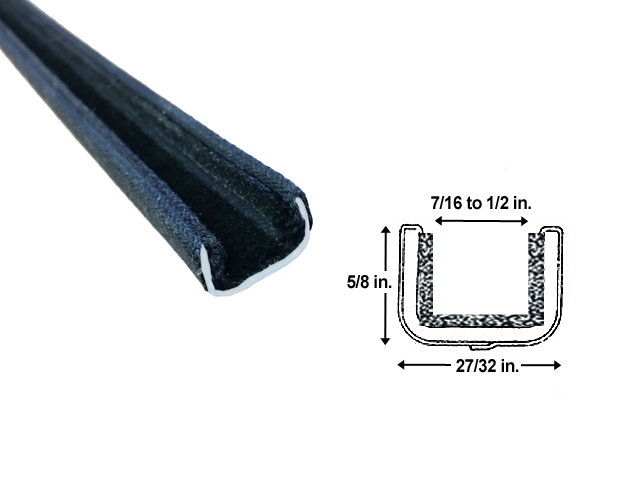 1963 Chevrolet C10 Panel Flexible window channel-WC 18-60Flexible window channel. Fits '50-'63 Chevrolet and GMC full-size pick-up trucks. 60 in. long. Each.
Why Choose Metro?
For over 100 years, Metro Moulded Parts has been the pinnacle of quality in classic car restoration parts. Our commitment to precision and authenticity in every component ensures a perfect fit and an OEM-level appearance.
- Expert Craftsmanship & Quality: Each part is a testament to our dedication to reliability and perfection, crafted from original designs and thoroughly tested.
- Advanced Technology: We use cutting-edge techniques to create flawless, long-lasting parts that surpass others in performance.
- SuperSoft Sponge – The Ultimate Door Seal: Not only are our door seals 30% softer than competitors', but they're also guaranteed to never leak. They effectively reduce wind and road noise, enhancing your classic car's comfort and driving experience.
- Proudly American: Our parts are a product of American craftsmanship, made in the USA with a spirit of excellence and heritage.
- Unrivaled Warranty: We back our products with a 30-year industry-leading warranty, a testament to our confidence in their quality.
Join us in preserving the legacy of classic cars with parts that are crafted for perfection, not just made.