
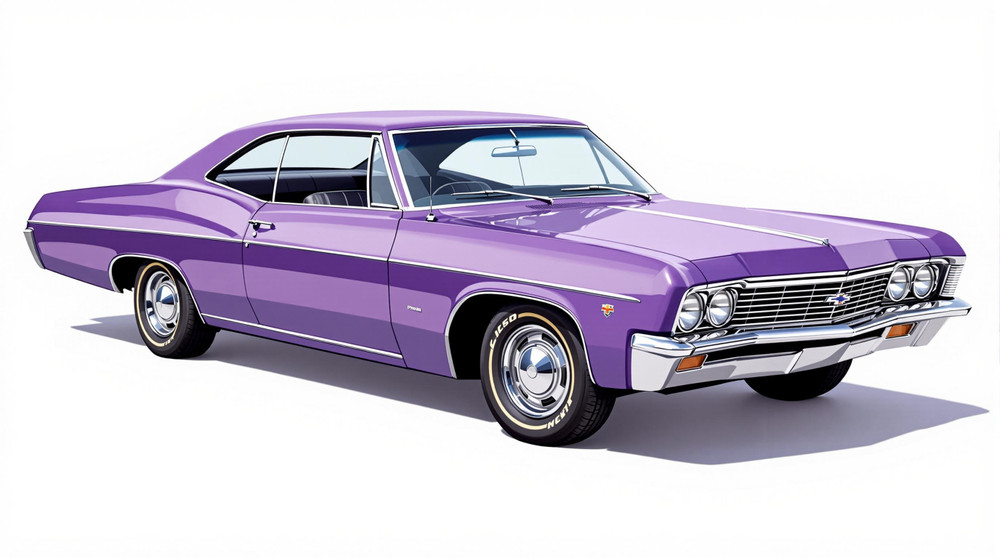
Image of 1966 Chevrolet Impala, Note: These illustrations use artistic license and may differ from actual historical models.
Performance Metrics
Fundamental Metrics
Emotional Appeal
MMP Rating
| Engine Specifications | |
|---|---|
| Engine: | 283 cu in (4.6 L) V8, 327 cu in (5.4 L) V8, 396 cu in (6.5 L) V8, 427 cu in (7.0 L) V8 |
| Displacement: | 283-427 cu in |
| Horsepower: | 195-425 hp |
| Torque: | 285-460 lb-ft |
| Compression Ratio: | 9.25:1 - 11.0:1 |
| Ignition System: | Conventional breaker-point ignition system |
| Cooling System: | Liquid-cooled |
| Performance Specifications | |
| 0-60 Time: | 7-8 seconds |
| 1/4 Mile Time: | 15-16 seconds |
| Top Speed: | 120-130 mph |
| Transmission and Drive | |
| Drive Type: | Rear-wheel drive |
| Transmission Type: | 3-speed manual, 4-speed manual, 2-speed Powerglide automatic, 3-speed Turbo-Hydramatic automatic |
| Fuel and Efficiency | |
| Fuel System Type: | Carburetor |
| MPG: | 10-15 mpg |
| Dimensions and Brakes | |
| Brakes: | Drum brakes, front and rear |
| Wheelbase: | 119 inches |
| Weight: | 3,500-3,900 lbs |
Note: Specifications for classic cars are given to the best of our ability, considering the limited and variant data available.
1966 Chevrolet Impala: Big-Car Style at Its Peak
The 1966 Chevrolet Impala brought full-size American motoring into sharp focus: long, low-looking bodywork, generous comfort, and the option of serious big-block power. Built by Chevrolet, a division of General Motors, the Impala had debuted in 1958 as a sporty, upscale trim level. By 1966 it was an established model in its own right, available in everything from family-friendly sedans to a muscular Super Sport.
The mid-1960s were a golden age for large American cars. Buyers wanted room, smooth cruising, bold styling, and increasingly, engines that could deliver strong acceleration. The 1966 Impala answered all four demands. Its most talked-about performance option was the new 427-cubic-inch Turbo-Jet V8, which brought big-block muscle to Chevrolet’s full-size lineup. That engine also makes the year a particularly interesting one for collectors: 1966 marked the arrival of the 427 in the Impala, replacing the familiar 409 in Chevrolet’s top-tier full-size performance story.
Long Lines, Triple Taillights, and Super Sport Style
Chevrolet gave the 1966 Impala a substantial restyle, with a broad, rectangular grille, a crisp horizontal body line, and a more squared-off overall appearance than the rounded cars of the late 1950s. The long hood and expansive rear quarters gave it the confident stance expected of a full-size Chevrolet, while bright trim emphasized its length without overwhelming the body. At the rear, the three-part taillights on each side remained one of the Impala’s most recognizable signatures.
The Super Sport, or SS, added a more purposeful look. Depending on configuration, it could feature bucket seats, a center console, special trim, and SS identification. It was a stylish performance package rather than a separate lightweight muscle car: the Impala remained a substantial, comfortable automobile even in its sportiest form.
Inside, the Impala offered a wide bench seat in many models, with bucket-seat arrangements available on selected sportier versions. Materials and finishes varied by trim and equipment, but the cabin was designed to feel roomy and well-appointed. Vinyl and cloth upholstery, bright accents, a broad instrument panel, and generous passenger space made it a relaxed place for long trips. Options such as power steering, power brakes, air conditioning, power windows, and a radio could make the car feel impressively luxurious for its era.
Buyers could choose among several body styles, including a two-door Sport Coupe, a two-door convertible, four-door hardtop and sedan models, and station wagons. The pillarless Sport Coupe, with its clean roofline and open side glass, is among the most iconic today. The SS Sport Coupe and SS convertible are especially sought after, while the convertible remains an eye-catching choice for collectors who want the full open-air experience.
Chevrolet offered the Impala in a range of factory colors, from restrained whites and blacks to vivid blues, greens, and metallic shades. Marina Blue and other strong blue tones suit the car’s mid-sixties character particularly well, while Tuxedo Black and Ermine White give it a more formal look. Original paint codes are important for restoration work, since color availability could vary by body style and production details.
Engines, Equipment, and 1966 Innovation
The 1966 Impala’s engine lineup ranged from an economical six-cylinder to powerful V8s. Depending on the model and configuration, buyers could choose a 250-cubic-inch six, small-block V8s such as the 283 and 327, or big-block engines including the 396 and 427. Output figures varied with the specific engine and equipment. The headline 427 versions were rated at 390 or 425 horsepower, with the latter aimed squarely at buyers seeking serious straight-line performance.
Transmission choices included manual gearboxes and automatic options such as Powerglide, with availability depending on the engine. The car’s body-on-frame construction, coil-spring suspension, and independent front suspension reflected established American full-size engineering. These features were not exotic innovations, but they helped deliver the quiet, compliant ride that buyers expected from a large Chevrolet. Optional conveniences such as air conditioning and power accessories made the Impala a capable long-distance cruiser as well as a stylish family car.
Why the Impala Mattered
The 1966 Impala illustrates how American automakers combined comfort, style, and performance in a single mainstream model. A buyer could order a practical sedan, a roomy wagon, a glamorous hardtop, or an SS with a powerful V8, all within the same broad model family. That range helped the Impala appeal to a wide audience and cemented its place as one of Chevrolet’s most important nameplates.
It was not alone in the full-size field. Ford’s Galaxie and other domestic rivals offered similar combinations of space and power. What distinguished the Impala was the breadth of its lineup, its recognizable styling, and the availability of engines that gave a substantial family car genuine performance credentials. The formula influenced generations of American cars: provide everyday comfort, then let buyers choose how much style and power they want.
How a 1966 Impala Drives
Performance depends heavily on the engine, transmission, axle ratio, and condition of the individual car. A six-cylinder or modest V8 Impala is best understood as a relaxed cruiser, while a well-equipped 427 car can be startlingly quick for something this large. Period figures and modern measurements vary, but a strong 427 example may reach 60 mph in roughly six to seven seconds. Less powerful versions can take considerably longer, commonly landing in the 10-to-12-second range depending on setup. Top speed also varies; a healthy high-performance car may be capable of around 120 mph or more, though age, gearing, tires, and safety considerations make that a poor target for a road test today.
On the road, the Impala’s coil springs and long wheelbase help it glide over ordinary bumps. It feels most at home cruising on open highways, where its broad seats and smooth power delivery come into their own. On winding roads, the car’s size, soft suspension, and period tires are impossible to ignore. Expect noticeable body lean and a slower, more deliberate response than you would get from a modern sedan. Power steering and power brakes, if fitted and correctly maintained, make low-speed driving easier, but the Impala still asks for more space and attention than a contemporary car.
With a big-block V8 under the hood, the experience is as much about sound and sensation as speed. The engine produces a deep, unmistakable rumble, and the car gathers momentum with an easy surge. The steering is comparatively slow, the dashboard is broad, and the driver sits behind a long hood. It feels like a different era of motoring: less insulated from the car’s size and mechanical character, but wonderfully composed when allowed to settle into a steady cruise.
Living With a Classic Impala
Today, a 1966 Impala may serve as a weekend cruiser, a show car, a restoration project, or an occasional-use driver. The more powerful SS models attract enthusiasts interested in performance, while sedans and wagons can make appealing alternatives for owners who value space and period character. Regular commuting is possible, but fuel economy, parking, modern traffic, and the availability of up-to-date safety equipment are practical considerations.
Many mechanical parts are relatively accessible because Chevrolet built the cars in large numbers and shared components across its full-size lineup. The simple, familiar V8 architecture is approachable for experienced home mechanics, and replacement parts remain widely available. That said, age brings its own challenges. Rust in the frame, floors, body mounts, and lower panels can turn a seemingly straightforward project into an expensive one. Electrical faults, worn suspension parts, tired brakes, and neglected cooling systems also deserve careful inspection.
Before buying, check the car’s identity and documentation, inspect the frame and body thoroughly, and confirm that a claimed SS or 427 has the correct supporting evidence. Trim can be added, and engines may have been changed over the decades. A professional pre-purchase inspection is money well spent, especially for a car advertised as an original high-performance example.
1966 Impala Facts Worth Knowing
The 427-powered Impala is the standout performance story of the model year. Chevrolet offered the big-block in different output levels, including a 425-horsepower version. Cars equipped with the most desirable engine and SS trim are much scarcer than ordinary six-cylinder and small-block examples, although exact production totals for particular combinations can be difficult to establish.
The Impala’s long-running cultural presence sometimes creates a model-year mix-up. The famous black car from the television series Supernatural is a 1967 Impala, not a 1966. The two years are closely related in spirit, but their styling details are distinct. It is a useful reminder to check the year-specific grille, trim, and body features when identifying one.
Common criticisms are familiar to anyone who has driven a large 1960s car: the Impala is thirsty, takes up plenty of road and parking space, and does not handle like a modern sport sedan. Its size can also make restoration costly if rust has spread through structural areas. For fans, those drawbacks are part of the bargain for the car’s room, smooth ride, big-car presence, and unmistakable V8 character.
Collector Values and Market Outlook
Production estimates for the 1966 Impala vary depending on which body styles and series are counted, but roughly 800,000 Impalas across the range is a reasonable broad estimate. That high volume means ordinary examples are not exceptionally rare. Clean, original cars are less common than the headline production figure suggests, and documented SS, convertible, and 427-powered cars occupy a more selective part of the market.
As a general U.S. market guide, a project car may sell for about $5,000 to $12,000. A usable driver in decent condition might fall around $15,000 to $30,000, while a well-restored standard model could bring roughly $30,000 to $55,000. Desirable SS cars and convertibles can range from about $50,000 to $90,000 or more, depending on condition, originality, and documentation. Exceptional, verified 427 examples, particularly in desirable SS or convertible configurations, can exceed $100,000. These are broad estimates, not guaranteed sale prices; regional demand and restoration quality make a substantial difference.
Values have generally favored the best-preserved and most desirable versions. Top-tier SS and big-block cars have stronger collector appeal, while ordinary examples tend to remain more accessible. The market can shift with broader classic-car trends, but a documented, correctly restored car is usually a safer bet than an over-restored vehicle with uncertain history.
A Full-Size Chevrolet With Lasting Appeal
The 1966 Chevrolet Impala combines handsome hardtop styling, a spacious and comfortable cabin, a broad range of body styles, and the option of serious 427 power. It represents the confidence of mid-sixties American design without losing sight of everyday usability. Whether admired as a cruiser, restored as an SS, or enjoyed as a family-sized classic, the Impala remains a memorable example of Chevrolet at full stride.
More than a big car with a famous name, the 1966 Impala captures an era when comfort and performance could share the same long hood. Its scale, sound, and style still make an impression, and that is why this Chevrolet continues to draw people in wherever it appears.
1966 Chevrolet Impala Catalog of Parts
 1966 Chevrolet Impala Rear Quarter Window Door Lock Pillar Seal (upper)-ALP 5052Rear Quarter Window Door Lock Pillar Seal (upper). Made with steel cores. Pair R&L
 1966 Chevrolet Impala Accelerator Pedal Pad with flange-AP 31-AAccelerator Pedal Pad with flange, made of rubber with steel core. Also
 1966 Chevrolet Impala Accelerator Pedal Pad without flange-AP 31-BAccelerator Pedal Pad without flange, made of rubber with steel core. Also
 1966 Chevrolet Impala Body Mount Cushion-BC 50-ABody Mount Cushion. Made with hollow back to accommodate steel sleeve. 2"O.D., 3/8" I.D., 3/8" Thick. Up to four used per car. Each
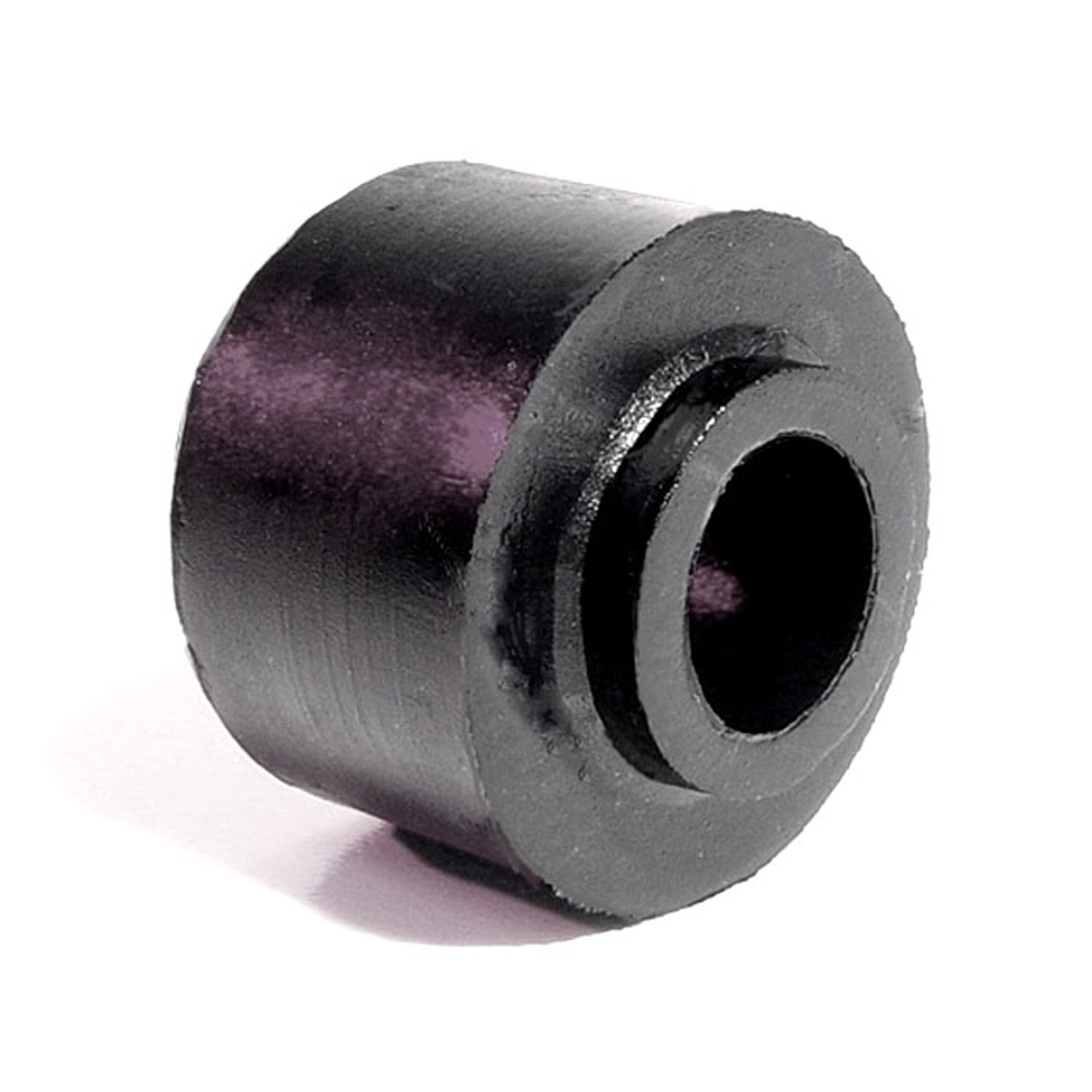 1966 Chevrolet Impala Shock Absorber Grommet. 1" bottom O.D., 3/4" high-BN 1Shock Absorber Grommet. 1" bottom O.D., 3/4" high., with 7/16" I.D. Each
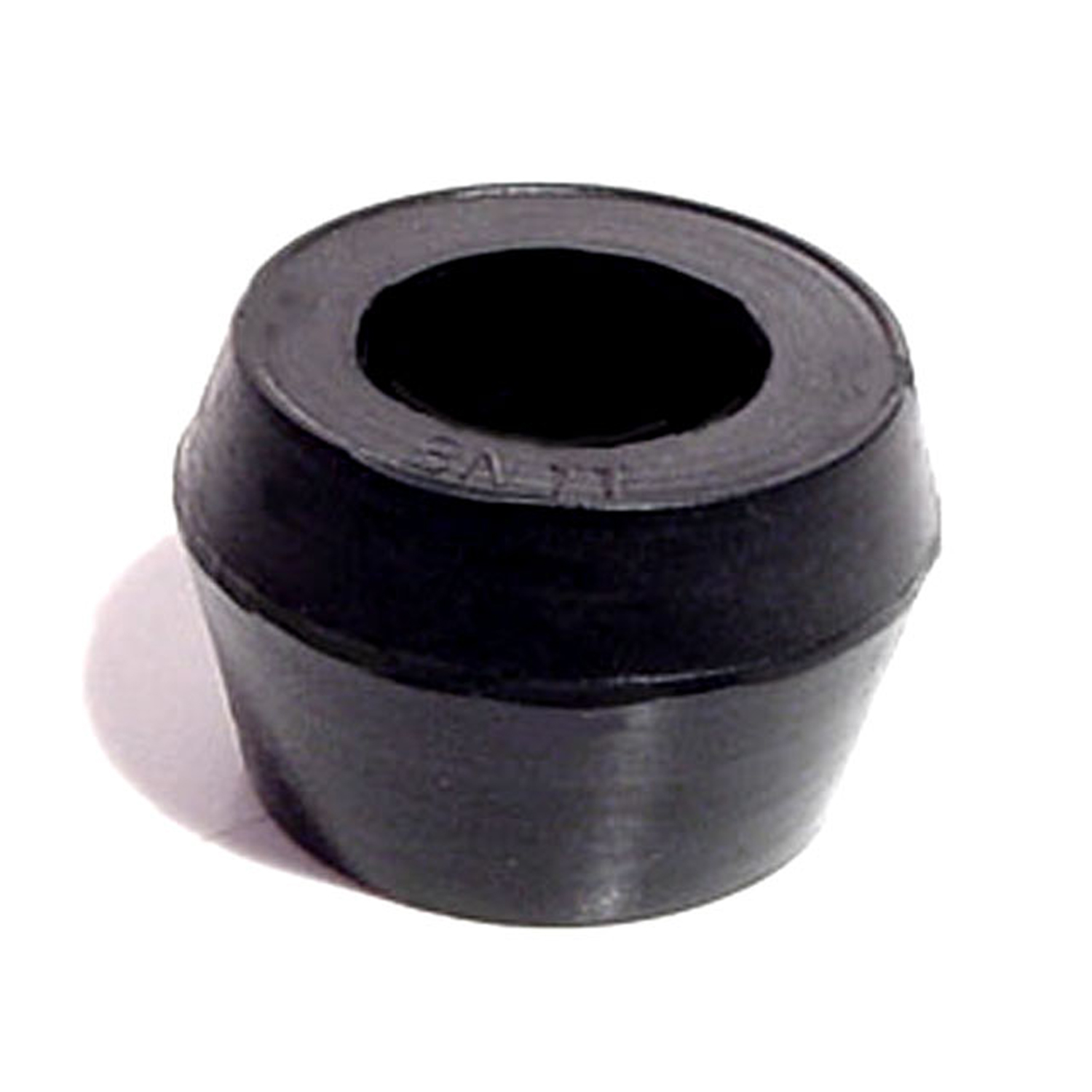 1966 Chevrolet Impala Shock Absorber Grommet. 1" bottom O.D-BN 11Shock Absorber Grommet. 1" bottom O.D., 3/4" high, with 5/8" I.D. Each
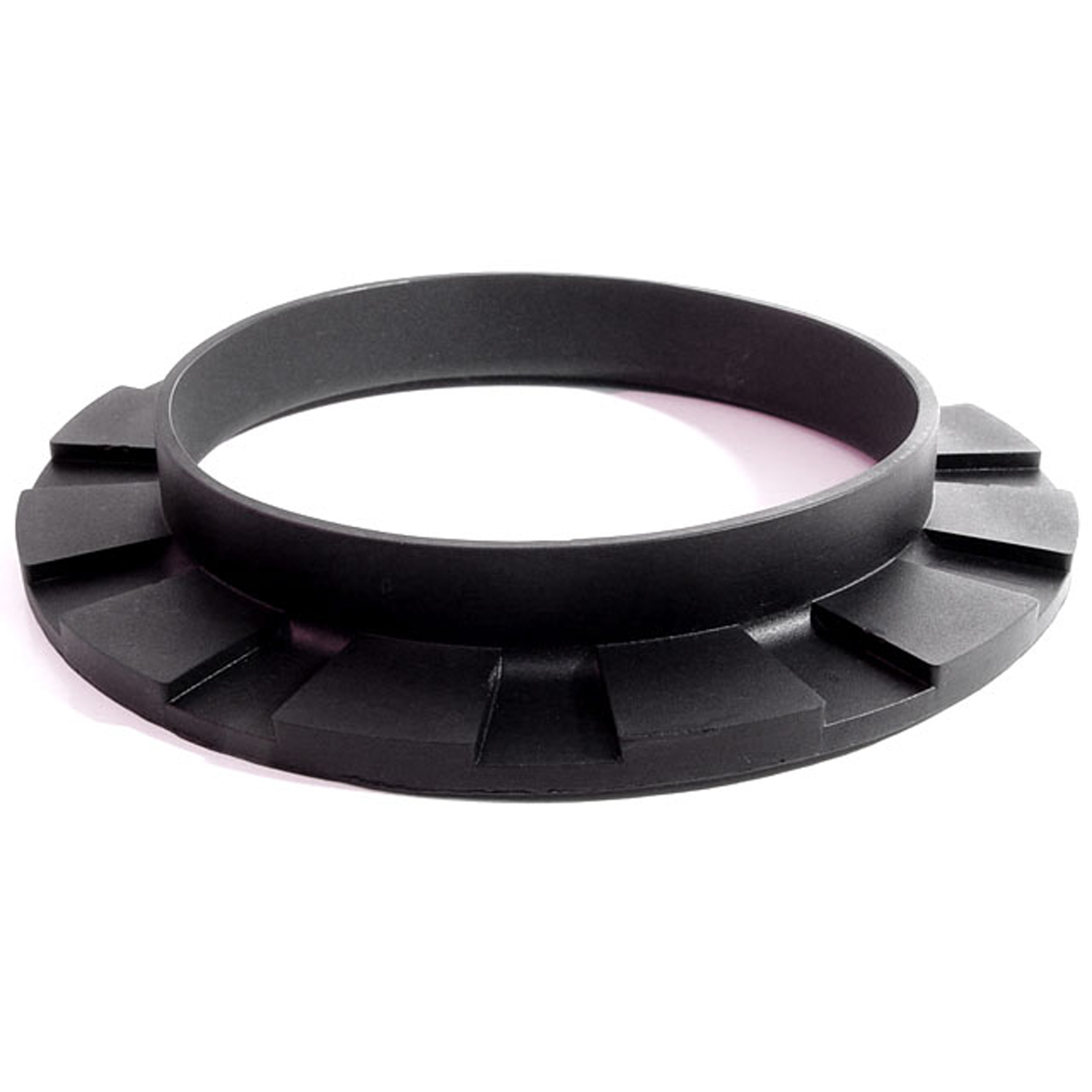 1966 Chevrolet Impala Front coil-spring insulator-BN 110Front coil-spring insulator. Fits '41-'60 Oldsmobile and '50-'83 GM passenger models. 5-3/8 in. OD x 3-3/4 in. ID x 3/4 in. high with 13/16 in. wide bottom flange 1/4" thick, 12 flutes. Each.
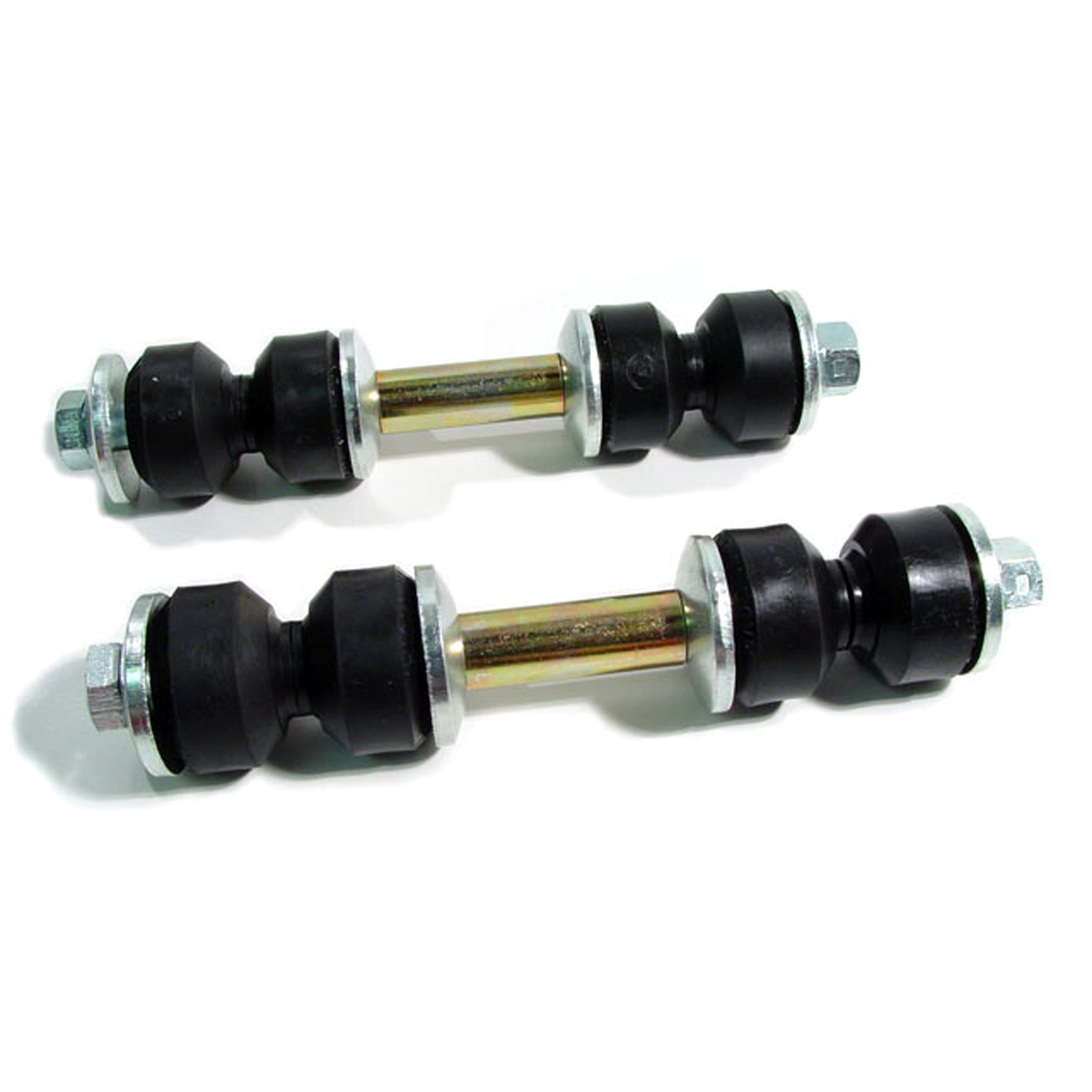 1966 Chevrolet Impala Front Stabilizer End Repair Kit-BNK 22Front Stabilizer End Repair Kit. 22-piece set for two stabilizer bars. Contains all rubber bushings, washers, bolts and nuts, enough for one front end. Set
 1966 Chevrolet Impala Butyl Glass Setting Tape-BT 1Butyl Glass Setting Tape. Used to install windshields and backlights. Superior sealing properties. 5/16" wide X 15' long. Each
 1966 Chevrolet Impala Convertible Top Windshield Header Seal-C/LP 40-GConvertible Top Windshield Header Seal. Clips installed every 3-5/8". Made of soft, black, skin-covered sponge. Sold by the foot.
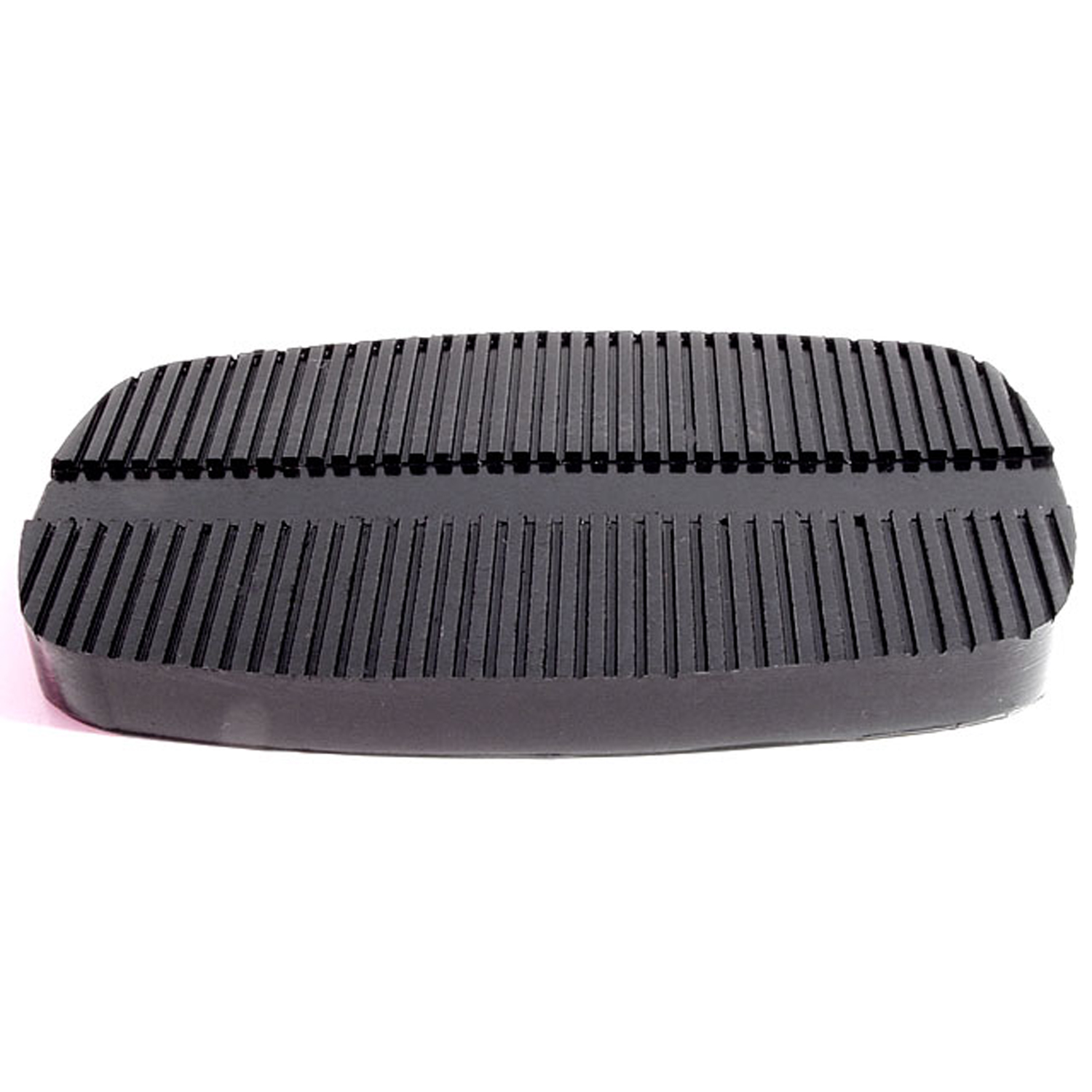 1966 Chevrolet Impala Brake Pedal Pad-CB 101-ABrake Pedal Pad. For power brakes or automatic transmissions. 4-3/4" wide X 2-3/4' long. Each
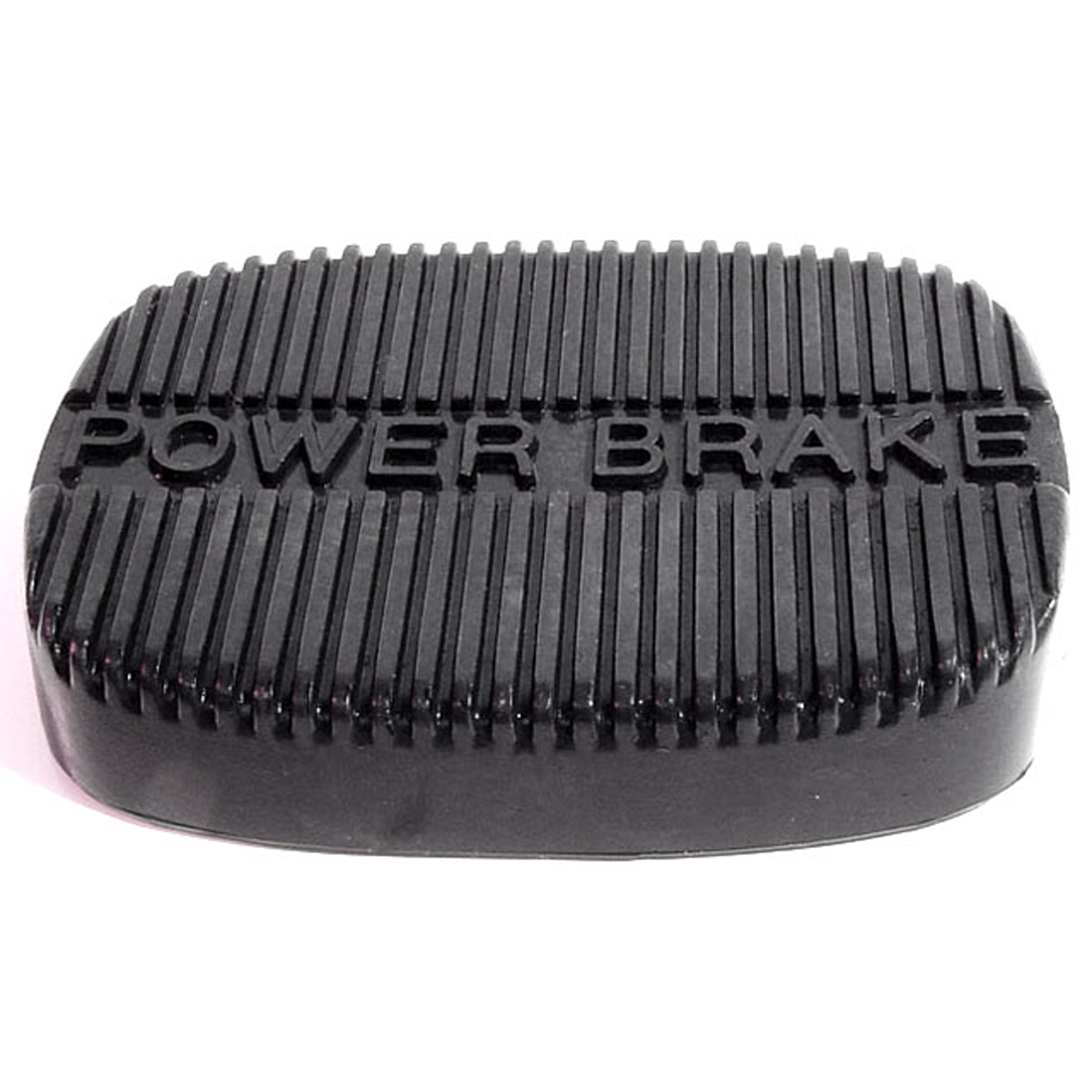 1966 Chevrolet Impala Power Brake Pedal Pad. For cars with manual transmission-CB 101-CPower Brake Pedal Pad. For cars with manual transmission. Nice reproduction. 3-5/8" wide X 2-5/8" long. Each
 1966 Chevrolet Impala Park Brake Pedal Pad. 2-9/16" wide. Each-CB 99-APark Brake Pedal Pad. 2-9/16" wide. Each
 1966 Chevrolet Impala Auto Brake Pedal Pad. 5-7/8" wide. Each-CB 99-BAuto Brake Pedal Pad. 5-7/8" wide. Each
 1966 Chevrolet Impala Cowl and Hood Seal. 64-1/2" long. Each-CS 6-ACowl and Hood Seal. 64-1/2" long. Each
 1966 Chevrolet Impala Pillar Post Seals, 66-68 GM B & C Body Convertibles, Pair-CZ 8100-APillar Post Seals, 66-68 GM B & C Body Convertibles. Replaces OEM #'s 7602728 & 7602729. Also known as hinge pillar weatherstrips, this part can be found between the A-pillar post and the front door on convertible models. Our part has embedded cores surrounding the main mounting holes for extra strength when installing with original hardware.
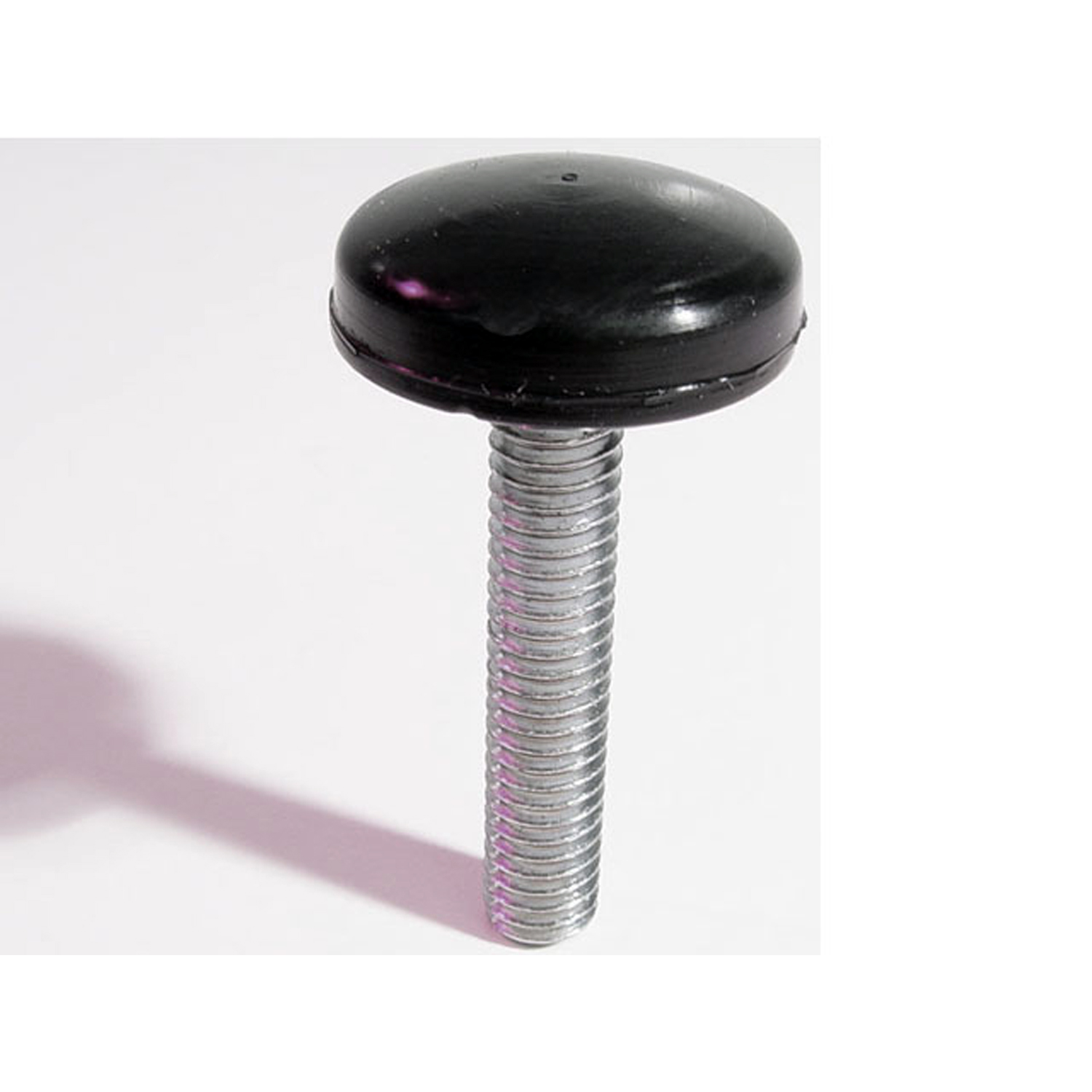 1966 Chevrolet Impala Hood Adjustment Bolt and Bumper. 1" diameter rubber head-HA 2Hood Adjustment Bolt and Bumper. 1" diameter rubber head. 5/16" thick X 18 threads/inch X 1-3/4" long bolt. Each
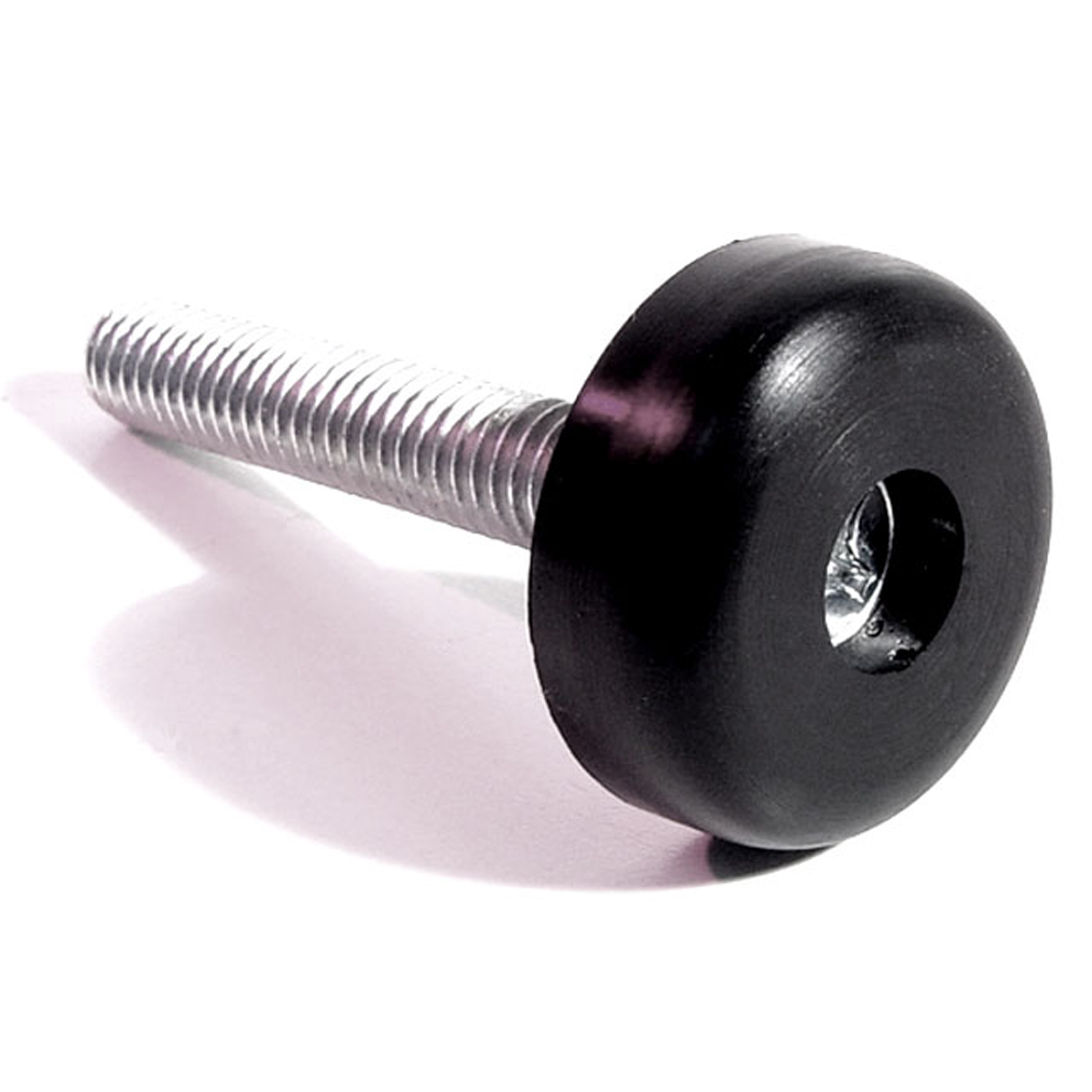 1966 Chevrolet Impala Hood Adjustment Bolt and Bumper-HA 3Hood Adjustment Bolt and Bumper. 1-1/8" diameter rubber head. 5/16" thick X 18 threads/inch X 2-1/8" long bolt. Each
 1966 Chevrolet Impala Header Seal for Convertibles-HD 727Header Seal for Convertibles (fits '65-early '66 GM "B" body). Each
 1966 Chevrolet Impala Top Bow to Header Seal (fits late '66-'70 GM "B" body-HD 731Top Bow to Header Seal (fits late '66-'70 GM "B" body, '65-'70 GM "C" body). Made of smooth, skin-covered sponge, with steel core and molded ends, like original. 56-1/2" Long. Each
 1966 Chevrolet Impala Hood Side Bumper. Each-HF 38Hood Side Bumper. Each
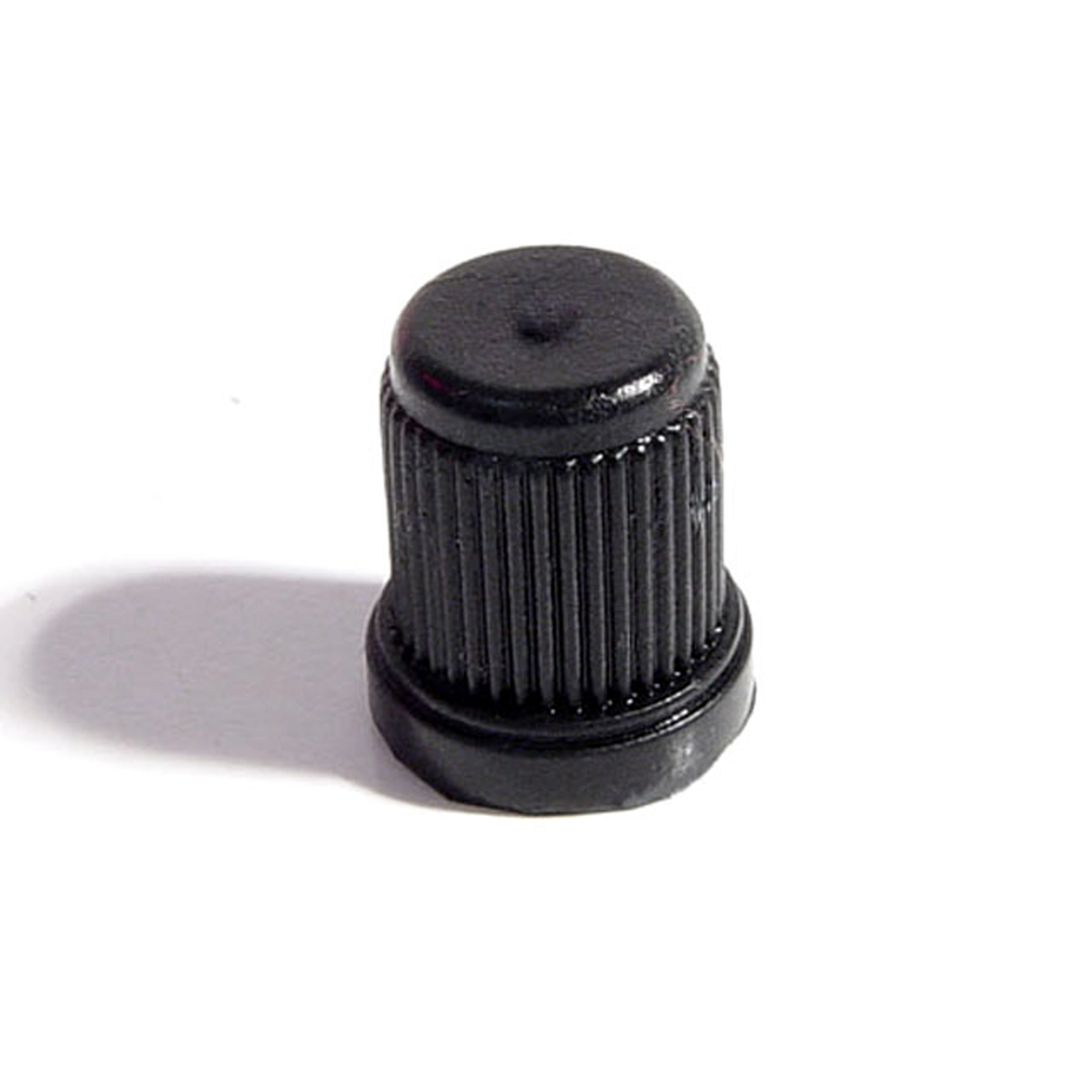 1966 Chevrolet Impala Trip Meter Reset Knob. Made of black rubber-KN 10Trip Meter Reset Knob. Made of black rubber. Compare to measurements: 1/8" I.D., 7/16" O.D. X 1/2" tall. Each
 1966 Chevrolet Impala Door Seals, with Clips and Molded Ends-LM 20Door Seals, with Clips and Molded Ends. For 2-Door Hardtops and Convertibles. Replaces OEM #4456006/7. Pair R&L
 1966 Chevrolet Impala Front Molded Door Seals with Clips-LM 21-DFront Molded Door Seals with Clips. For 4-Door Sedan and Wagon. Pair R&L
 1966 Chevrolet Impala Rear Molded Door Seals with Clips. For 4-Door Sedan-LM 21-D/RRear Molded Door Seals with Clips. For 4-Door Sedan. Pair R&L
 1966 Chevrolet Impala Rear Molded Door Seals with Clips. For 4-Door Wagon-LM 21-D/WRear Molded Door Seals with Clips. For 4-Door Wagon. Pair R&L
 1966 Chevrolet Impala Front door seals-LM 21-JFront door seals. Fits '65-'66 GM B- and C-body 4-door hardtop (also called 'Sports Sedan') models. Replaces OEM#'s 4455994/5. Pair. R&L.
 1966 Chevrolet Impala Rear door seals-LM 21-KRear door seals. Fits '65-'66 Chevrolet and Pontiac B-body 4-door hardtop (also called 'Sports Sedan') models. Replaces OEM#'s 4455976/7. Pair. R&L.
 1966 Chevrolet Impala Mounting Pad for Tachometer. 1-1/8" X 2". Each-MP 5Mounting Pad for Tachometer. 1-1/8" X 2". Each
 1966 Chevrolet Impala Mirror pad. For mirrors with remote control. 1-1/4 in-MP 547-HMirror pad. For mirrors with remote control. 1-1/4 in. W x 5-1/2 in. L. Each.
 1966 Chevrolet Impala Door Handle Pads. 2-5/8" long & 1-1/8" long. Set R&L-MP 989-DDoor Handle Pads. 2-5/8" long & 1-1/8" long. Set R&L
 1966 Chevrolet Impala Basic Kit, for Convertibles-RKB 2007-109/ABasic Kit, for Convertibles. Door (LM 20) Roof Rail (RR 1811-B) Trunk (TK 46-18), Seals.
 1966 Chevrolet Impala Basic Kit, for 2-Door Hardtop-RKB 2009-108Basic Kit, for 2-Door Hardtop. Door (LM 20) Roof Rail (RR 5016) Trunk (TK 46-18), Seals.
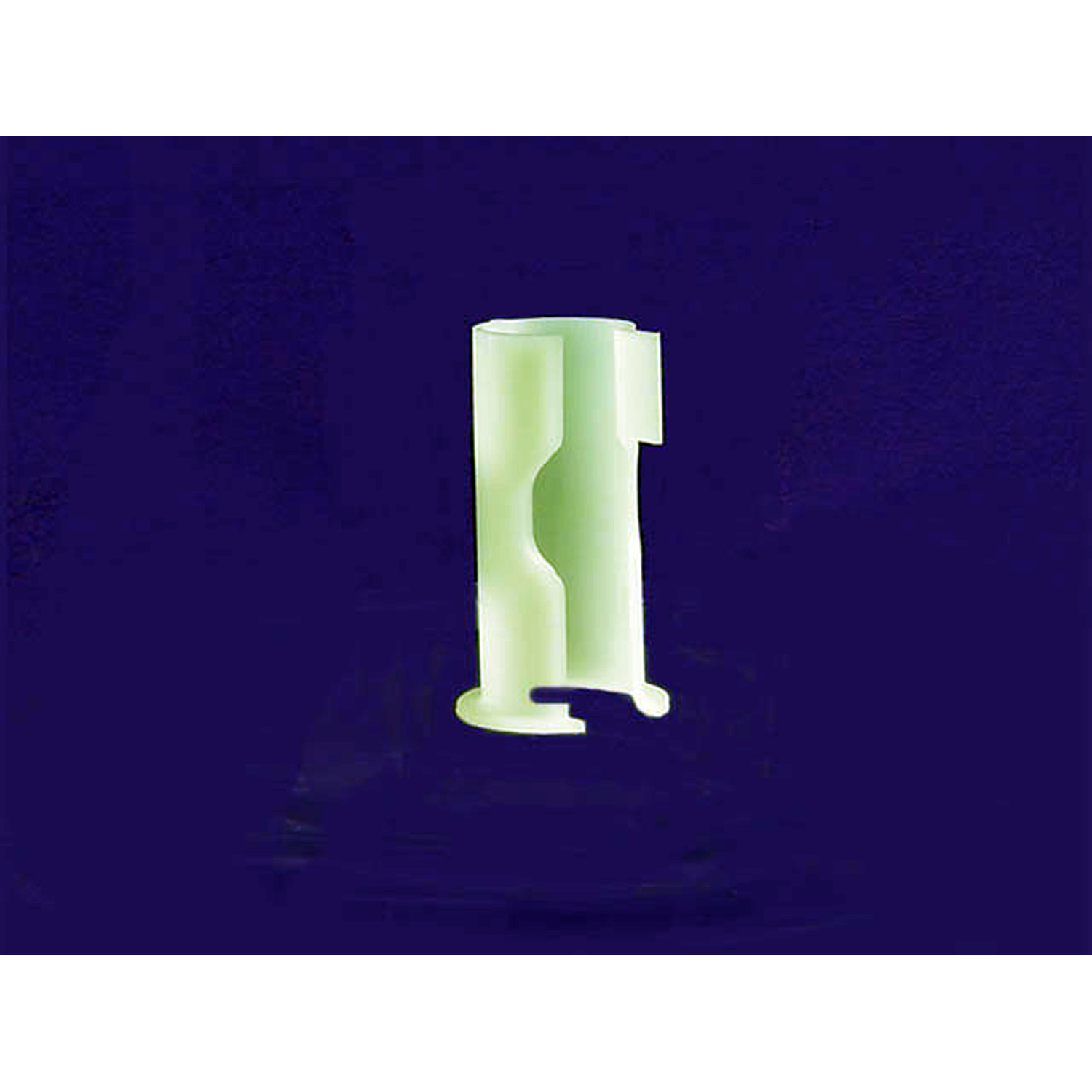 1966 Chevrolet Impala Sun Visor Support Sleeve. Clear plastic. Each-RP 303-ASun Visor Support Sleeve. Clear plastic. Each
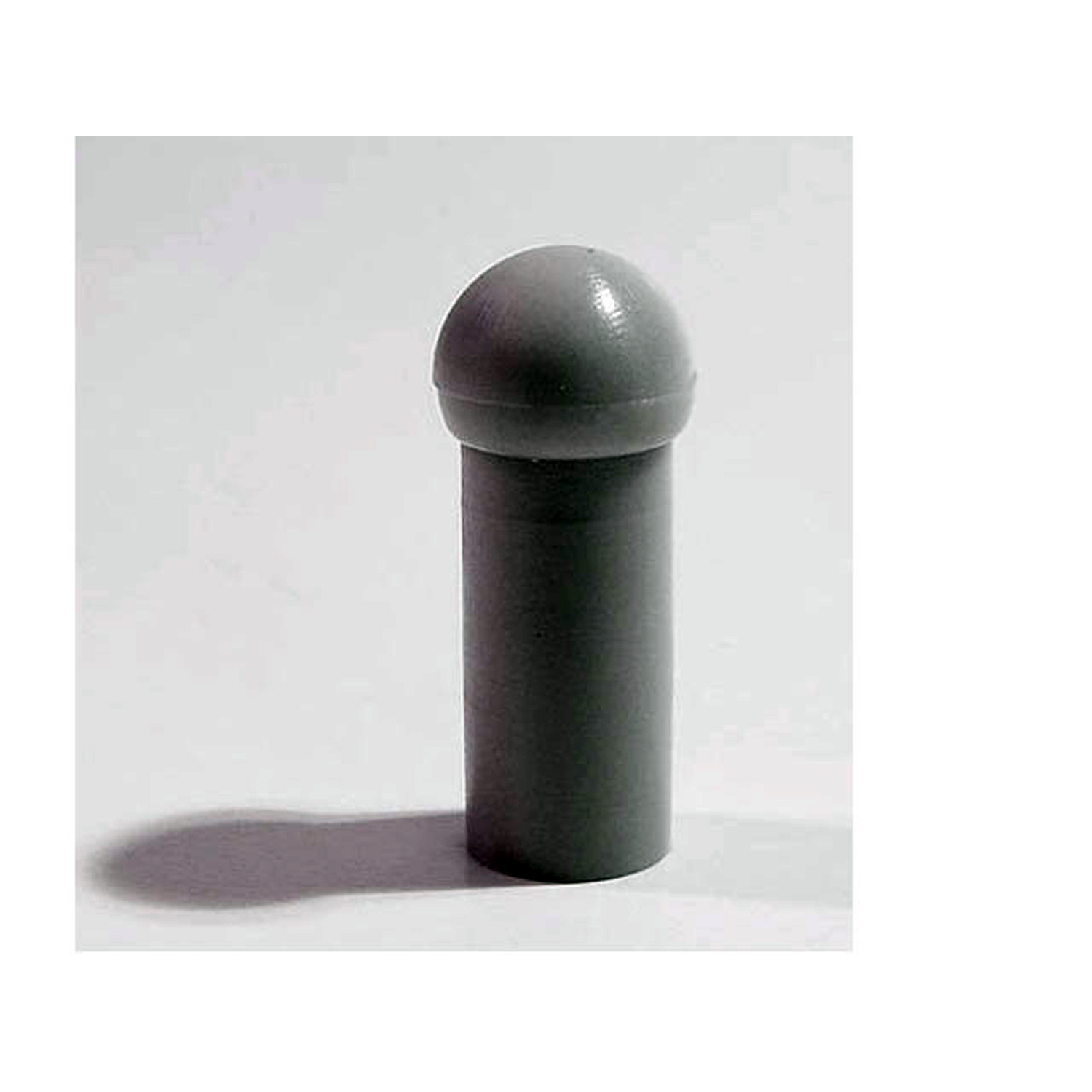 1966 Chevrolet Impala Sun Visor Rod Rubber Grommet. 3/4" long. Gray. Each-RP 303-CSun Visor Rod Rubber Grommet. 3/4" long. Gray. Each
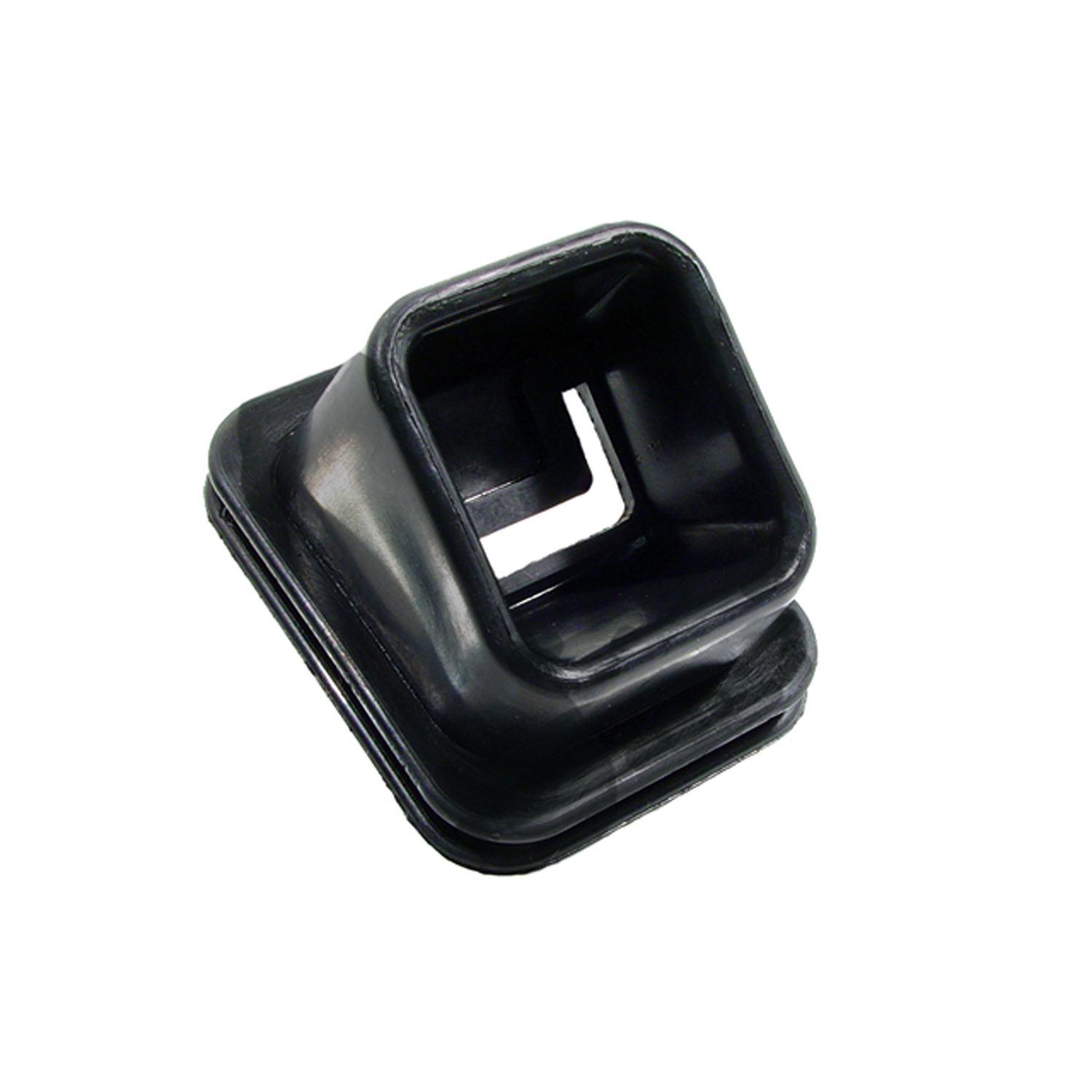 1966 Chevrolet Impala Clutch Arm Fork Boot. Fits on bell housing to keep dirt out-RP 31-DClutch Arm Fork Boot. Fits on bell housing to keep dirt out. Each
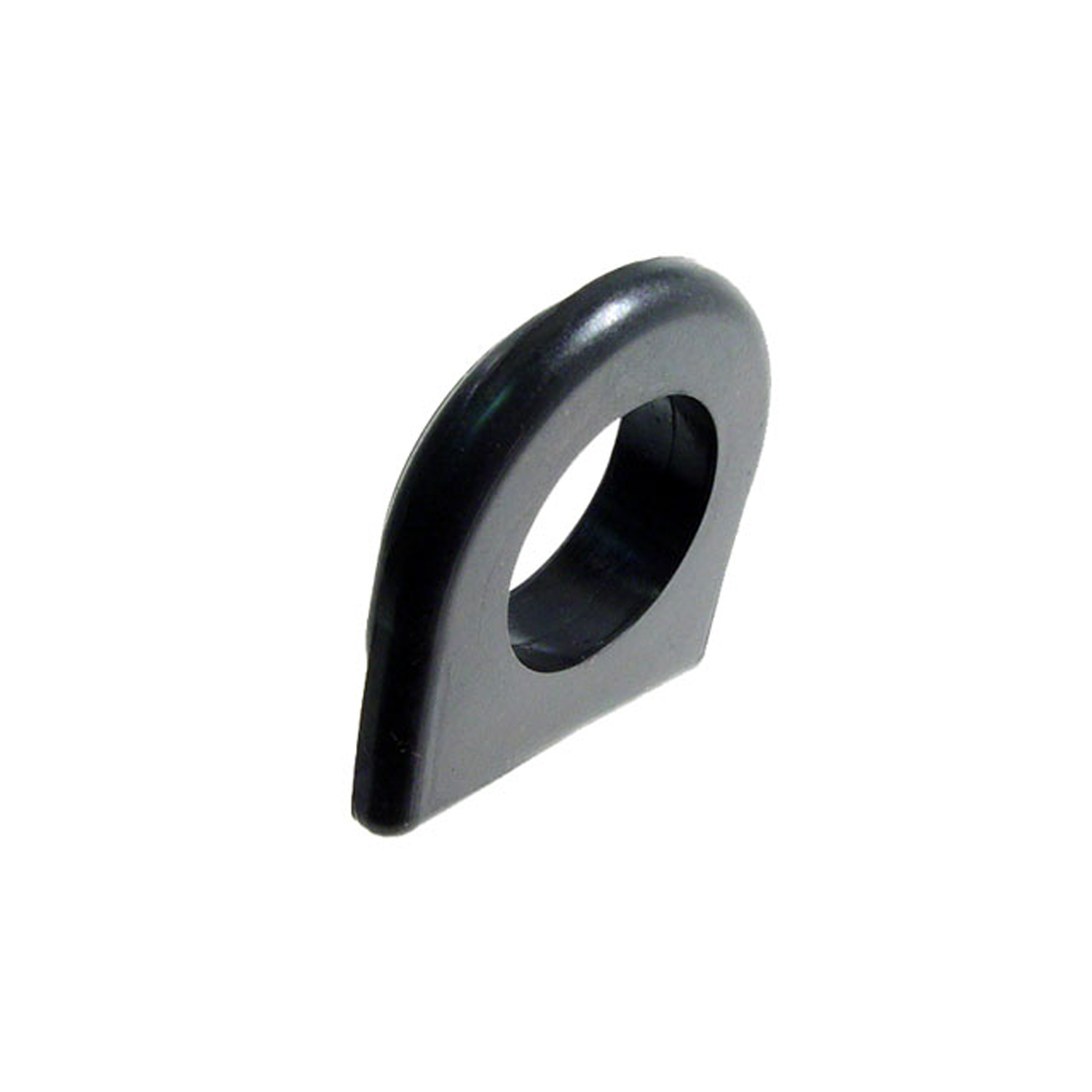 1966 Chevrolet Impala Positive Crankcase Ventilation Grommet-RP 9Positive Crankcase Ventilation Grommet. 11/16" wide X 1-5/8" long, with 15/16" I.D. (Fits some models) Each
 1966 Chevrolet Impala Molded Roof Rail Seals, for Convertibles-RR 1811-BMolded Roof Rail Seals, for Convertibles. 6-Piece set, with steel cores (remove rear flaps for '69-'70 Chevrolet). For molded sponge header seal, order part #HD 731.
 1966 Chevrolet Impala Molded Roof Rail Seals. For 2-door hardtops. Pair R&L-RR 5016Molded Roof Rail Seals. For 2-door hardtops. Pair R&L
 1966 Chevrolet Impala Molded Roof Rail Seals. For 4-door hardtops. Pair R&L-RR 5016-AMolded Roof Rail Seals. For 4-door hardtops. Pair R&L
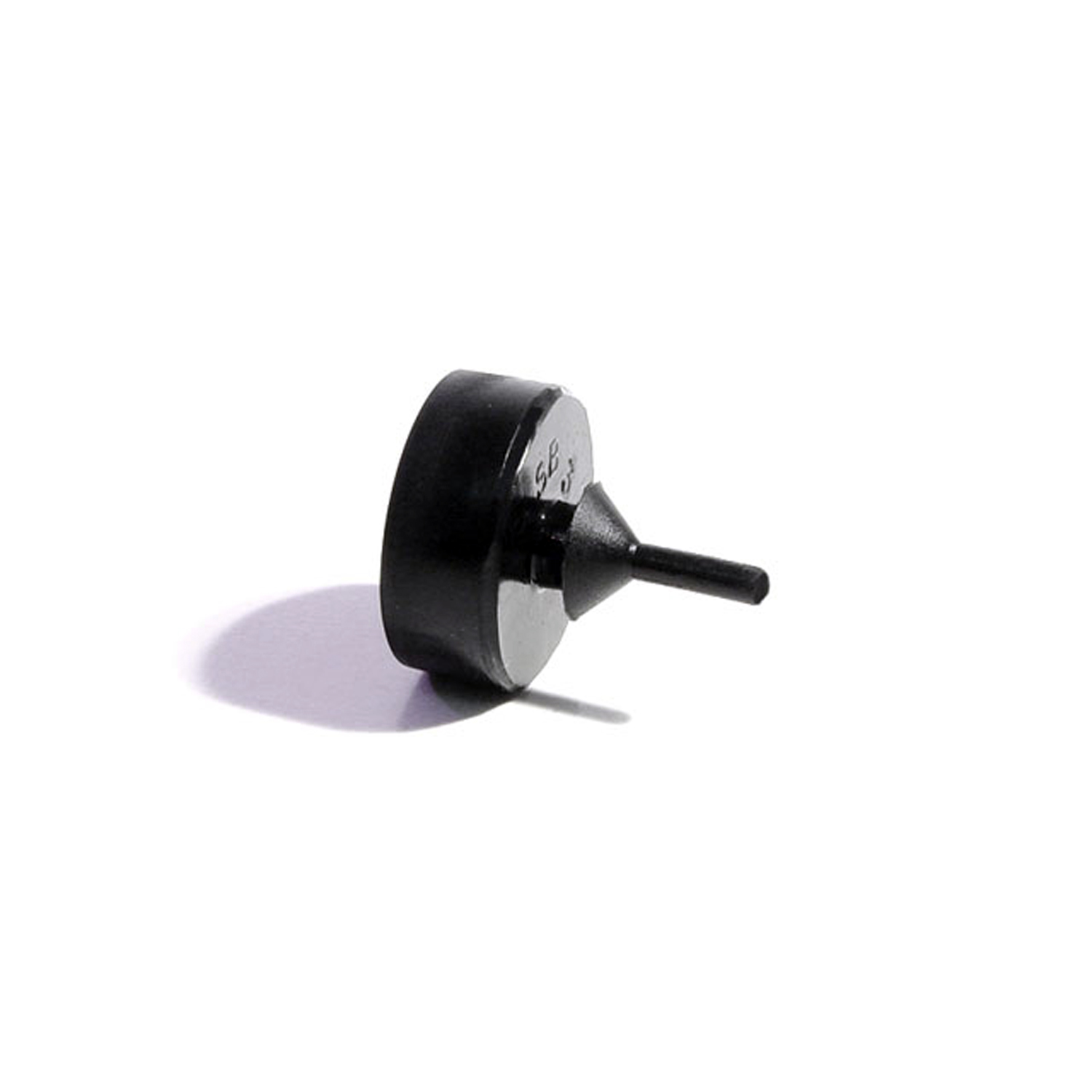 1966 Chevrolet Impala Trunk Bumper. Fits lower corner on decklid. 15/16" O.D-SB 34Trunk Bumper. Fits lower corner on decklid. 15/16" O.D., 11/16" high. Each
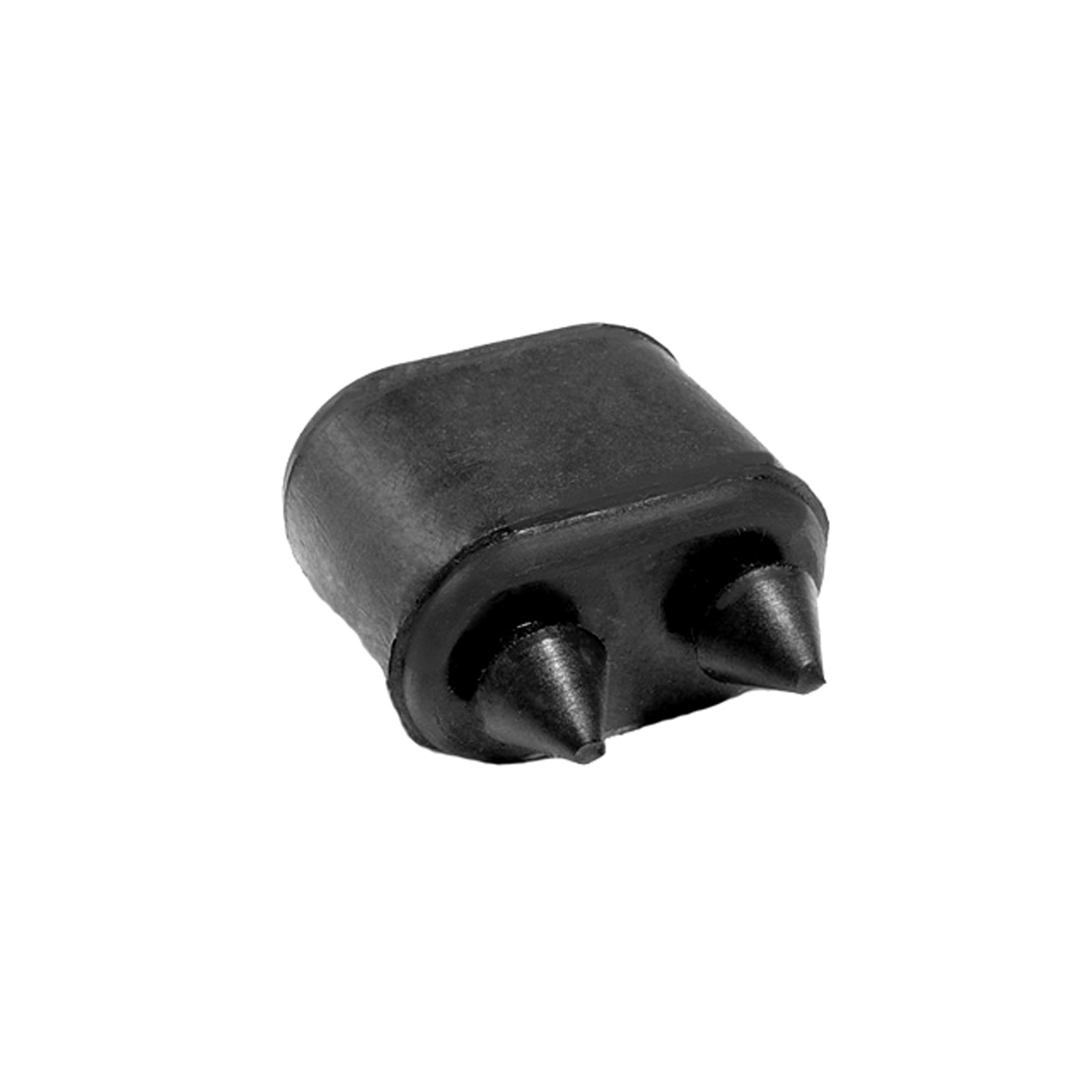 1966 Chevrolet Impala Door Bumper, 57-74 GM Cars, Made with Twin Retainers, Each-SB 35Door Bumper, 57-74 GM Cars, made with twin retainers, Each. Measure 1-1/16" high X 19/32" wide X 1-1/32" long.
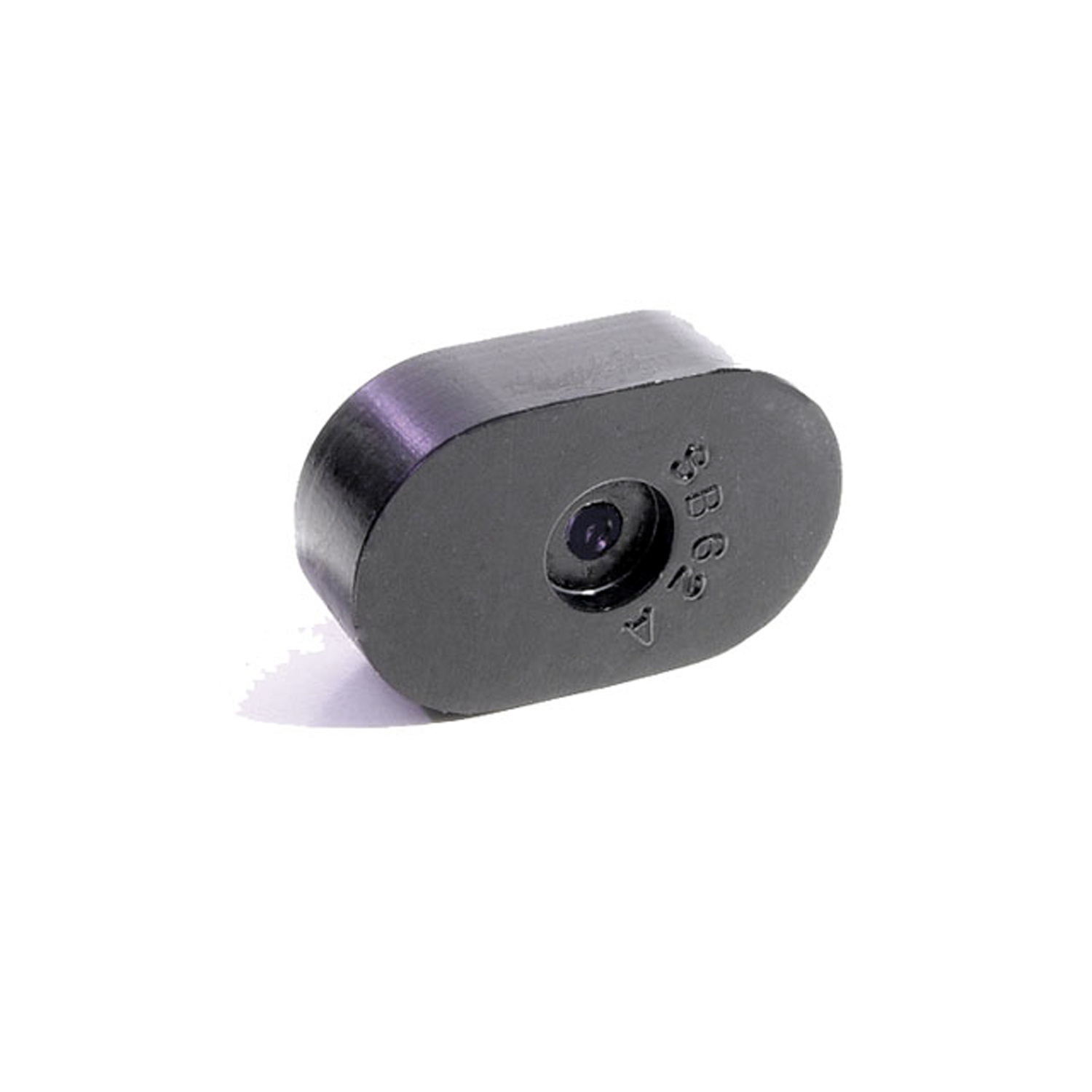 1966 Chevrolet Impala Seat Bumper. Made with steel core like original-SB 62-ASeat Bumper. Made with steel core like original. 1-1/2" long, 7/16" thick. Two used per car. Each
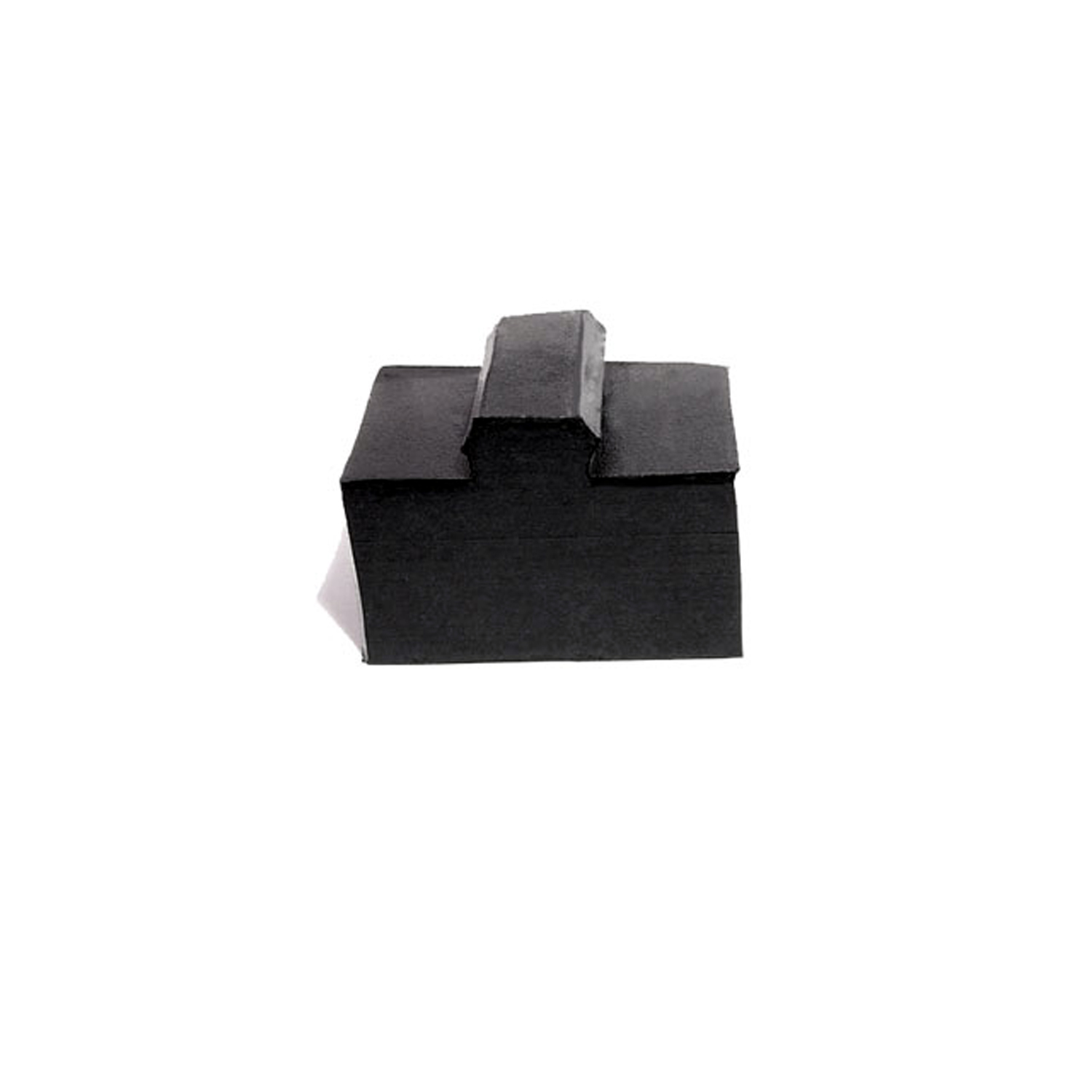 1966 Chevrolet Impala Clutch Pedal Return Bumper-SB 64Clutch Pedal Return Bumper. 1-13/16" long X 13/16" wide X 7/8" high (center). Each
 1966 Chevrolet Impala License Plate Bumper. Fits a 1/4" hole. Each-SB 75License Plate Bumper. Fits a 1/4" hole. Each
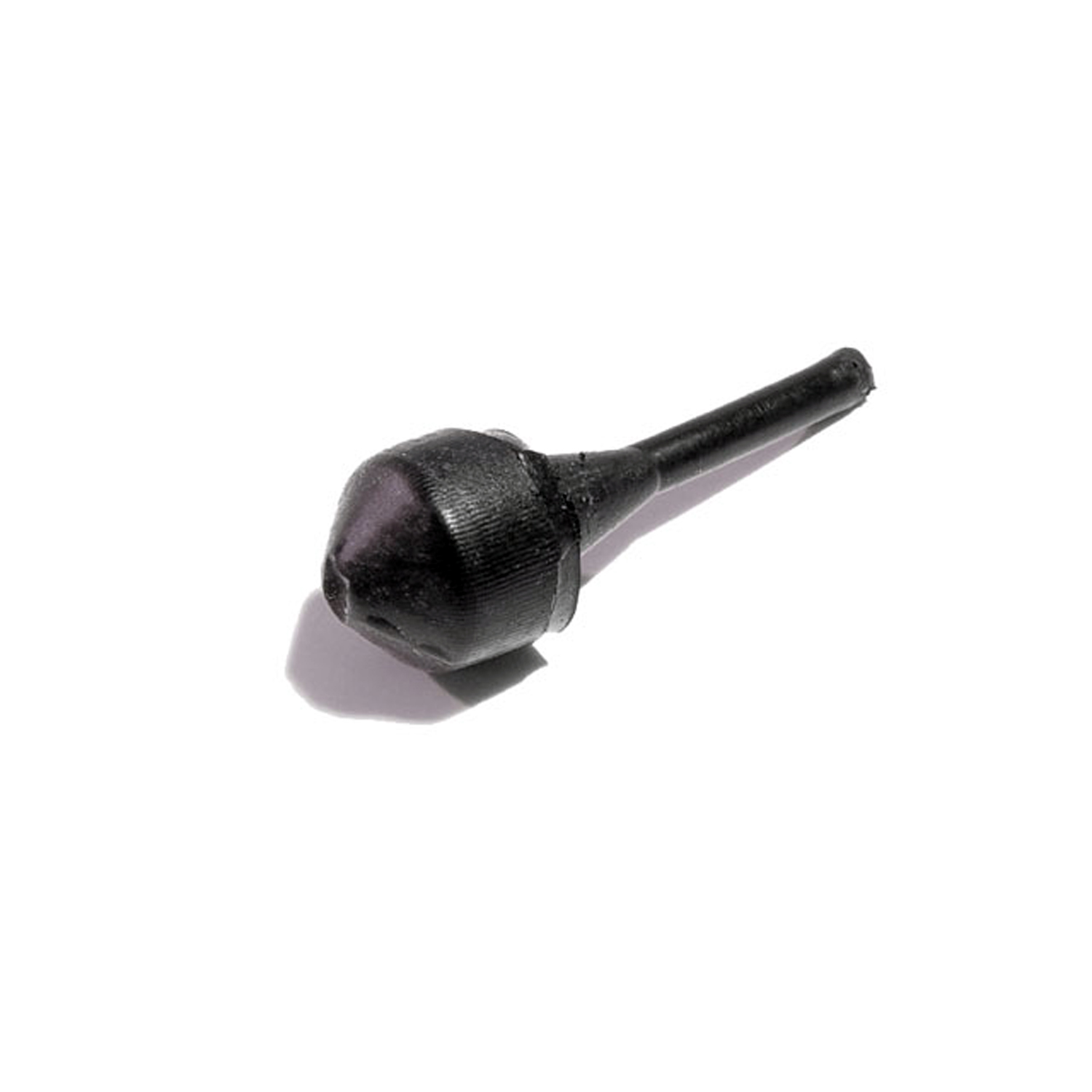 1966 Chevrolet Impala Glove Box and Fuel Door Bumper. Fits 3/16" hole. Each-SB 78Glove Box and Fuel Door Bumper. Fits 3/16" hole. Each
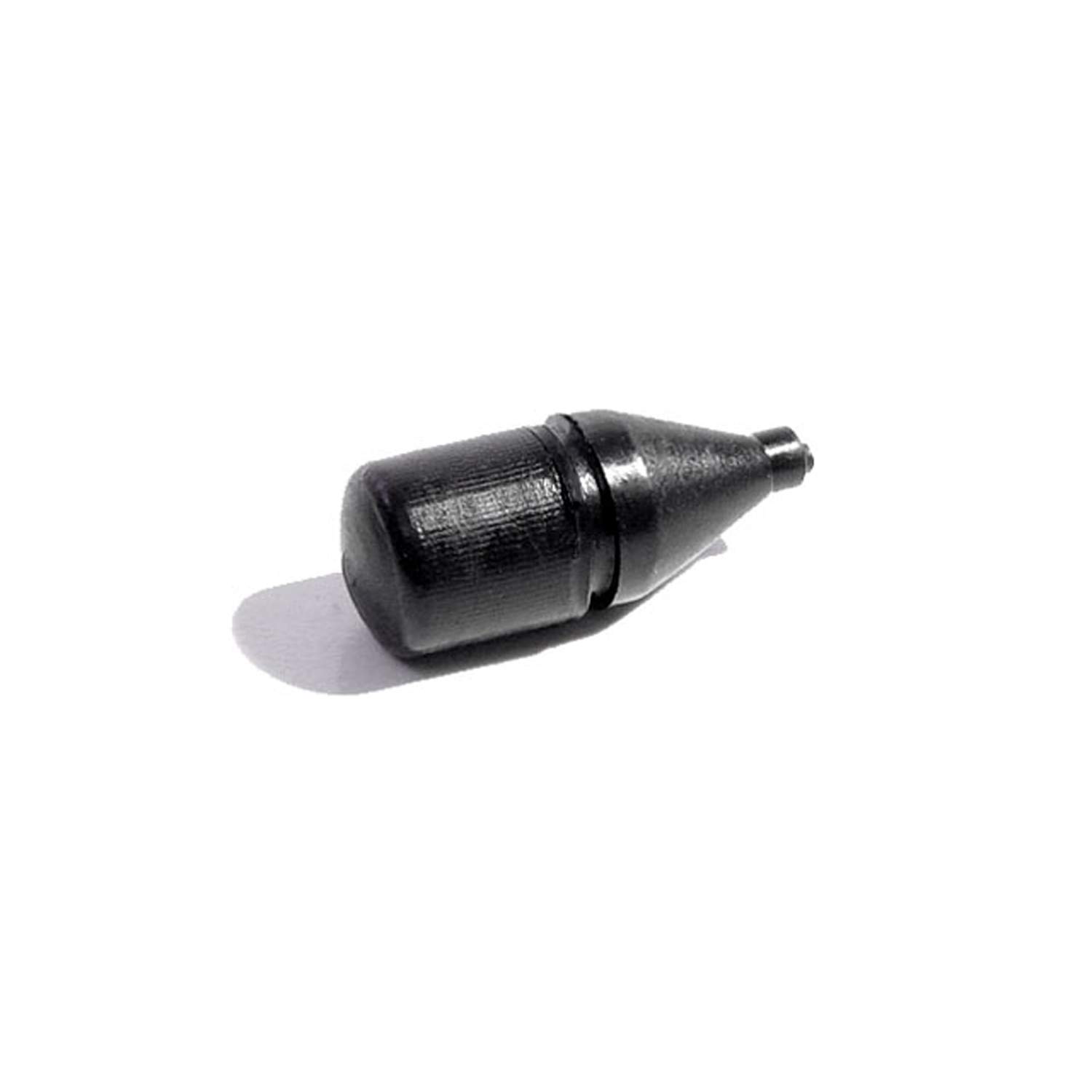 1966 Chevrolet Impala Fuel Door Bumper. 7/8" high, 5/16" O.D. Each-SB 81Fuel Door Bumper. 7/8" high, 5/16" O.D. Each
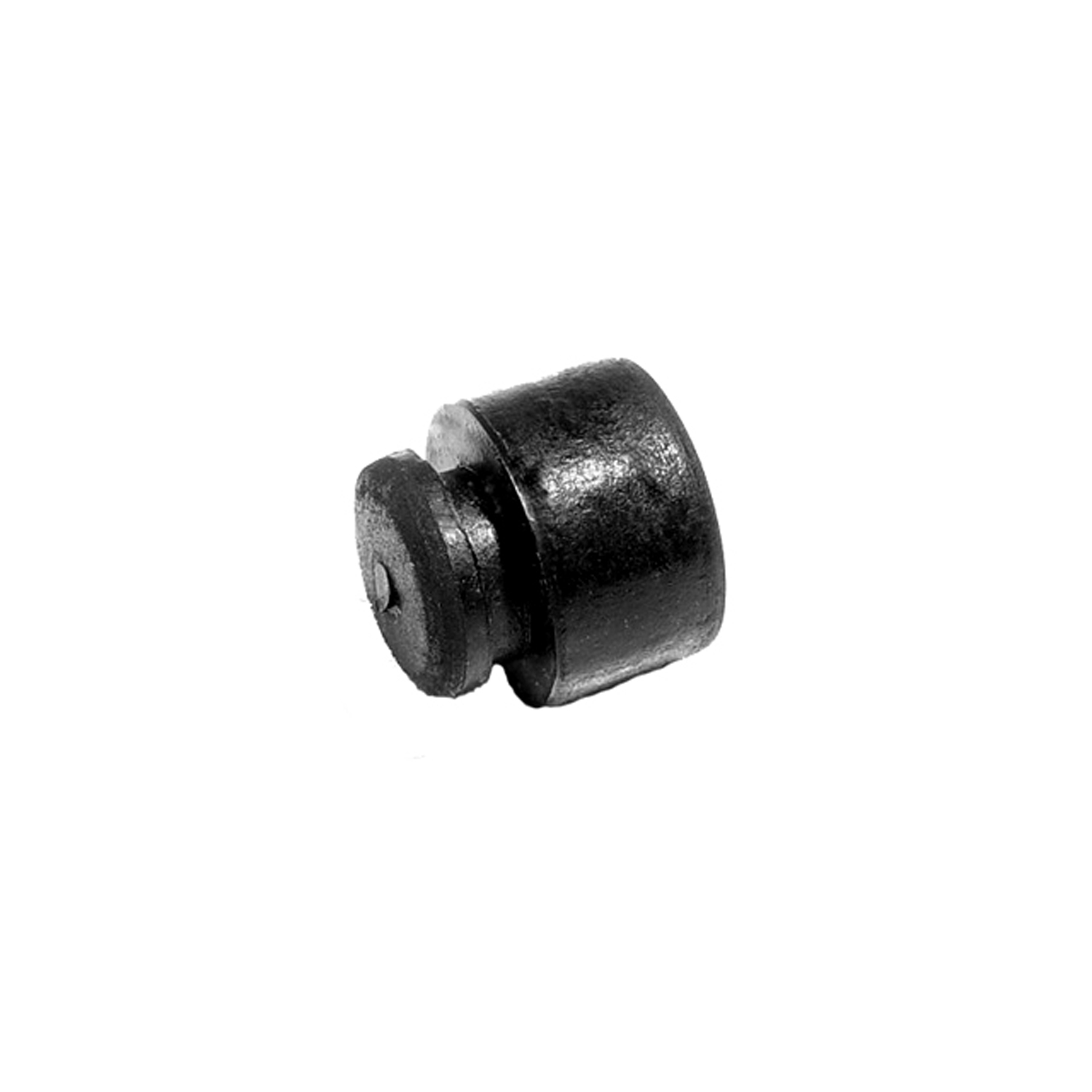 1966 Chevrolet Impala License Plate Bumper. Fits a 1/4" hole. Each-SB 82License Plate Bumper. Fits a 1/4" hole. Each
 1966 Chevrolet Impala Inner Splash Flaps-SI 2004-211Inner Splash Flaps. Used as dust and mud shield to keep engine compartments clean. Made from stiff rubber that is identical to original in composition, texture and color. Pair
 1966 Chevrolet Impala Dash and Firewall Grommet. Two hole type. Each-SM 101-ADash and Firewall Grommet. Two hole type. Each
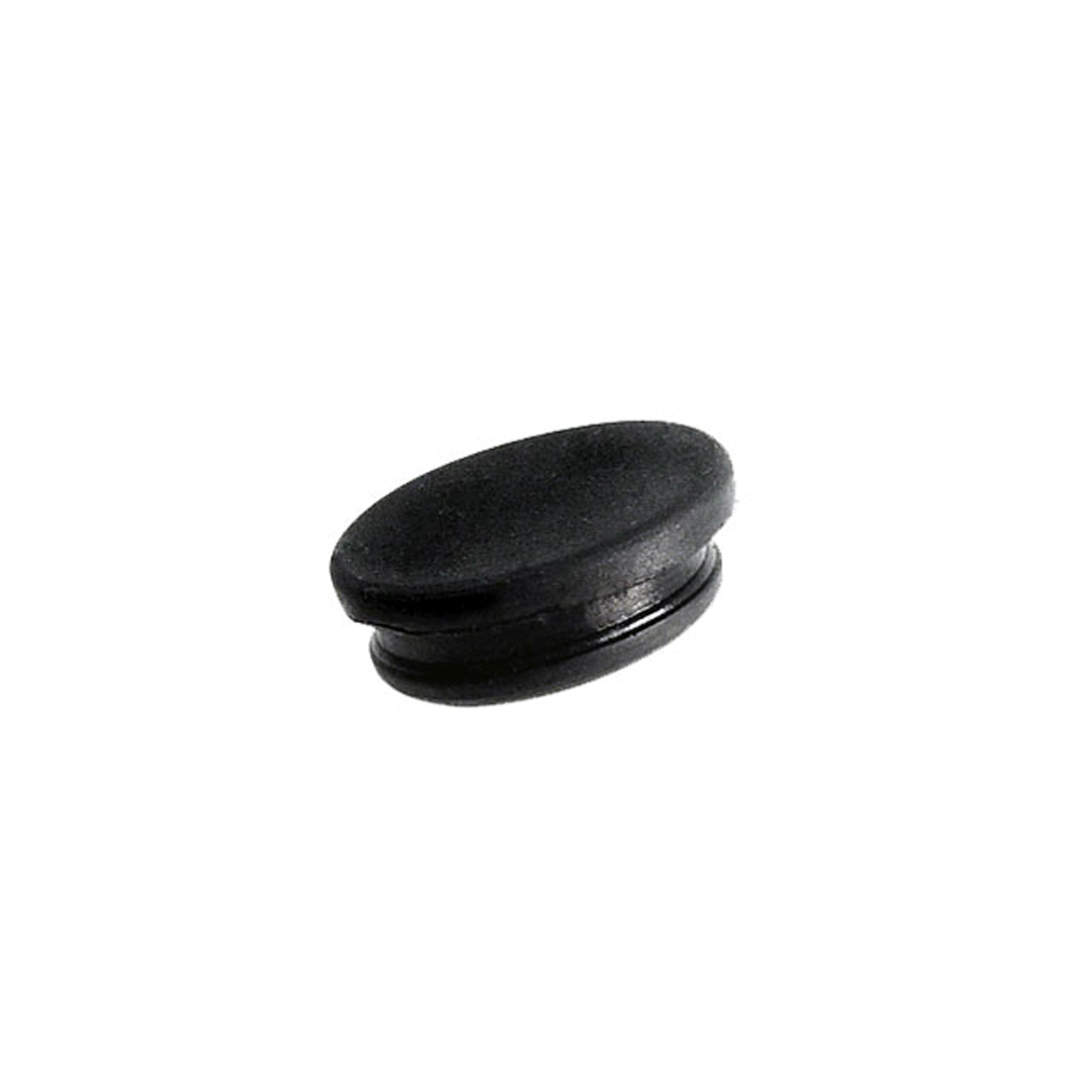 1966 Chevrolet Impala Rocker Arm Cover. Neoprene plug. Fits 1" hole. Each-SM 66Rocker Arm Cover. Neoprene plug. Fits 1" hole. Each
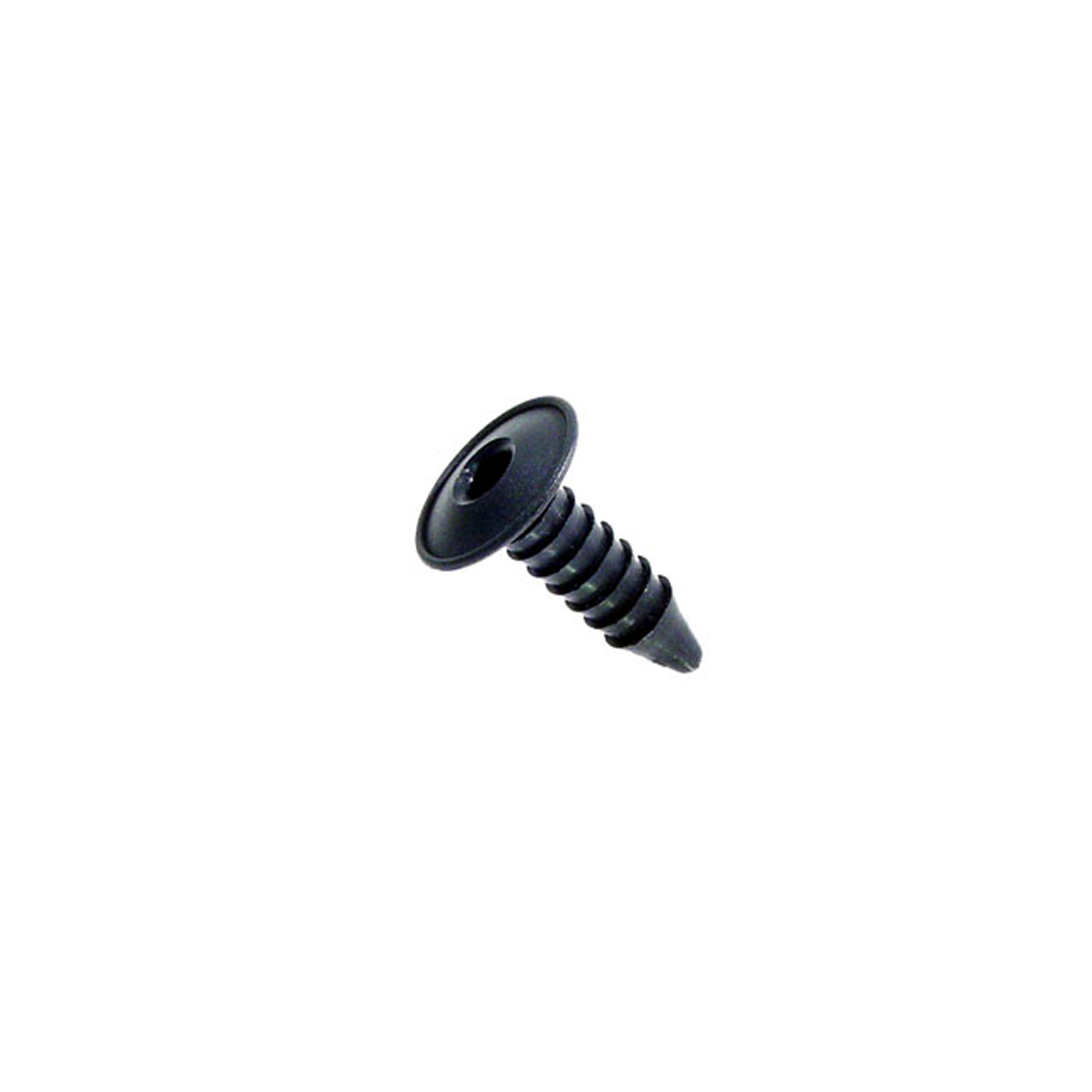 1966 Chevrolet Impala Firewall insulation fastener. 1 in. dia. W head. 1-1/2 in. L-SM 80-AFirewall insulation fastener. 1 in. dia. W head. 1-1/2 in. L. Replaces OEM#'s (GM) 7642589 and (AMC) 4001934. Black. Each.
 1966 Chevrolet Impala Trunk Seal. 18 feet long. Each-TK 46-18Trunk Seal. 18 feet long. Each
 1966 Chevrolet Impala Trunk Mat, for Hardtops-TM 2005Trunk Mat, for Hardtops. High quality reproduction, made specific for vehicle. Green houndstooth print on rubber. Each
 1966 Chevrolet Impala Trunk Mat, for Convertibles-TM 2005-ATrunk Mat, for Convertibles. High quality reproduction, made specific for vehicle. Made of rubber. Each
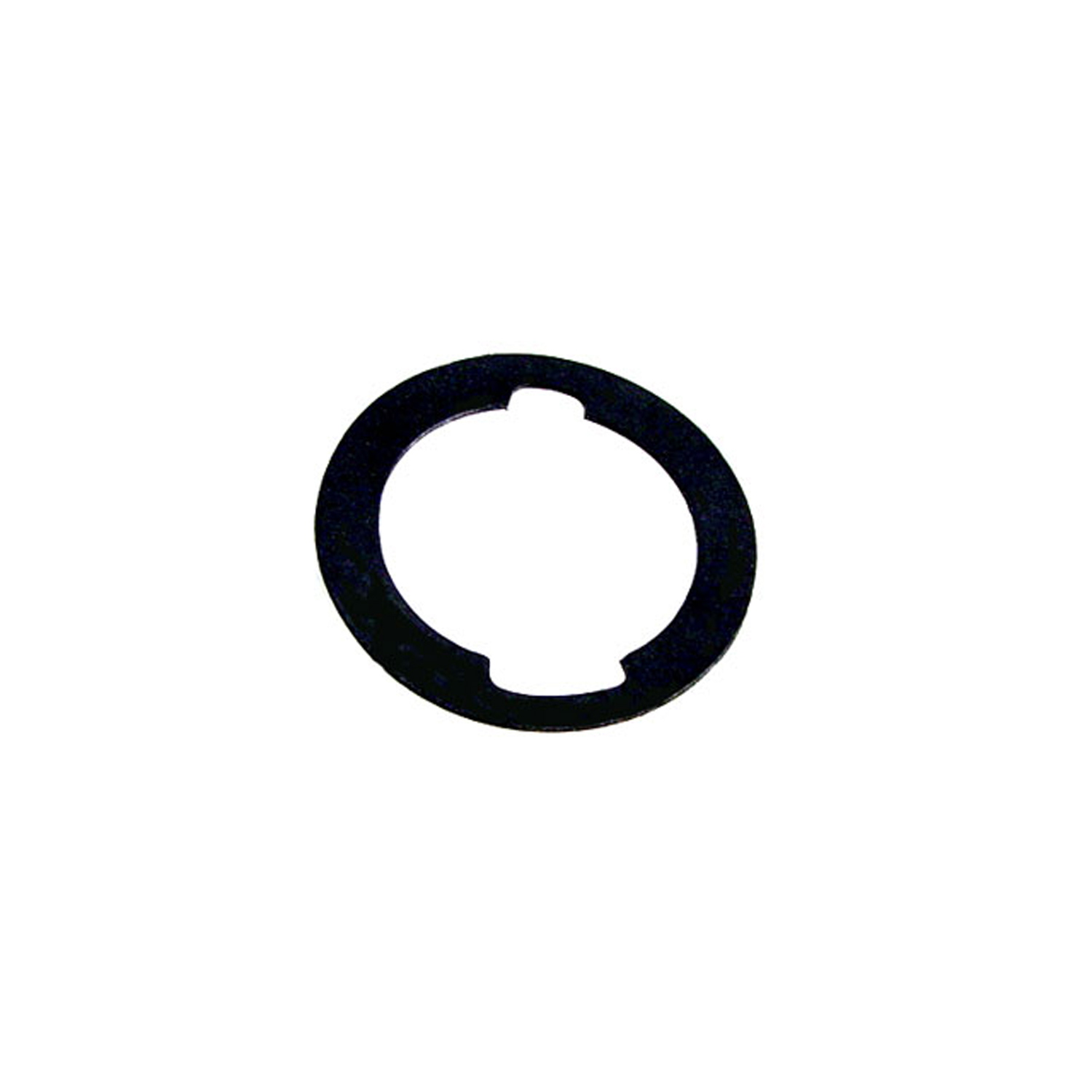 1966 Chevrolet Impala Unbeaded Door and Trunk Lock Gasket. 1-3/16" O.D., 7/8" I.D-UM 1600-100Unbeaded Door and Trunk Lock Gasket. 1-3/16" O.D., 7/8" I.D. Each
 1966 Chevrolet Impala Unbeaded Door Handle Mounting Pads. 4-Piece Set-UM 2005-100Unbeaded Door Handle Mounting Pads. 4-Piece Set
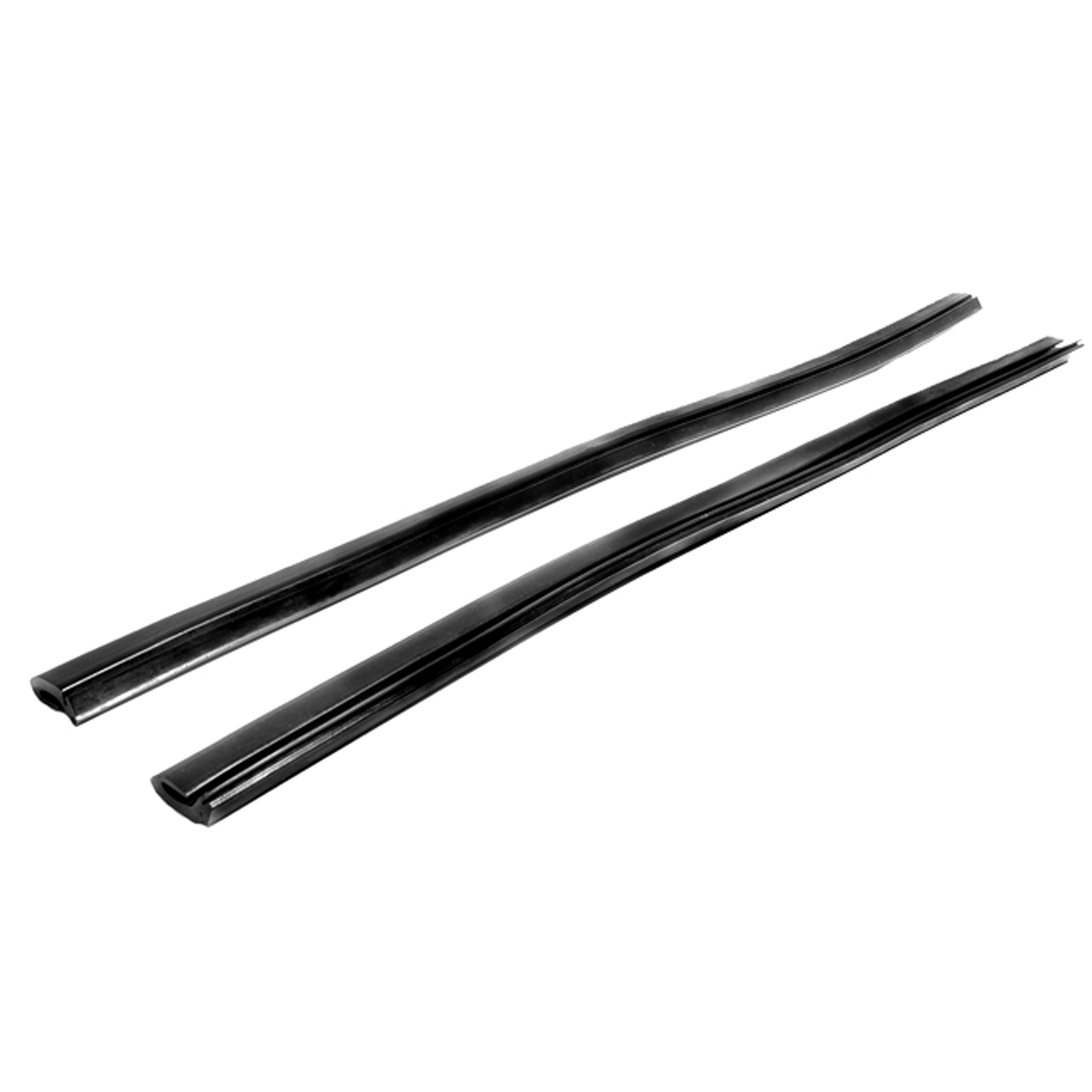 1966 Chevrolet Impala Rear Side Roll-Up Window Seal, for Hardtops and Convertibles-VS 3Rear Side Roll-Up Window Seal, for Hardtops and Convertibles. Two 20" sections slide into metal track. No steel insert. Pair
 1966 Chevrolet Impala Rear Roll-up Quarter Window Seals, for 2-Door Hardtops-VS 3-GRear Roll-up Quarter Window Seals, for 2-Door Hardtops. For leading edge of rear roll-up quarter window. Made with steel cores. 16-3/4" long. Pair R&L
 1966 Chevrolet Impala Window Sweeper Set, 66 Chevrolet Impala 2 Door Hardtop, 8 Piece Set-WC 7200-73Window Sweeper Set, 66 Chevrolet Impala 2 Door Hardtop, 8 Piece Set.
 1966 Chevrolet Impala Window Sweeper Set, 66 Chevrolet Impala Convertible, 8 Piece Set-WC 7200-74Window Sweeper Set, 66 Chevrolet Impala Convertible, 8 Piece Set
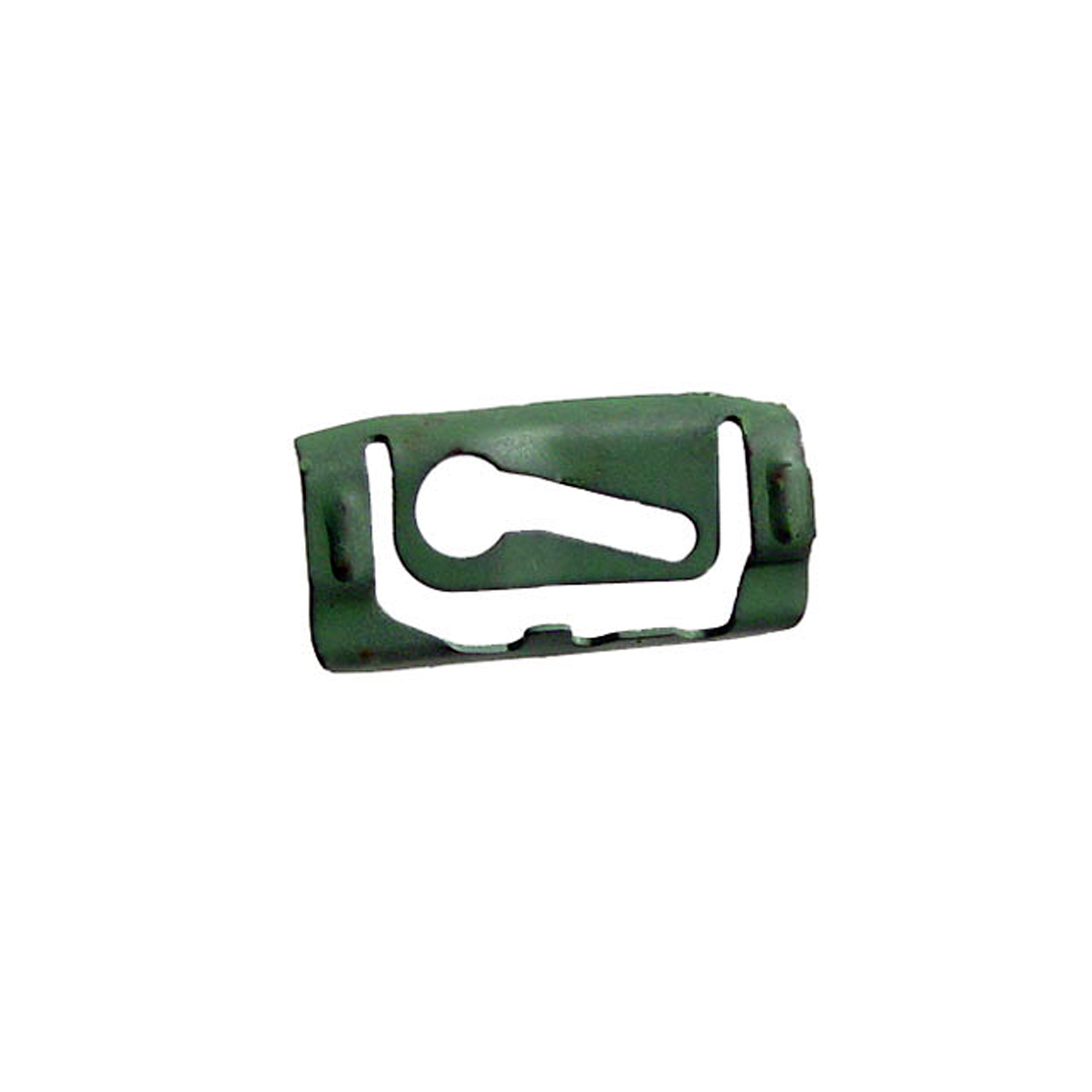 1966 Chevrolet Impala Quarter Window Reveal Molding Clip. Made of Steel-WF 205Quarter Window Reveal Molding Clip. Made of Steel. 1-3/8" X 11/16". Each
 1966 Chevrolet Impala Rear Window Reveal Molding Clip. For Station Wagons-WF 208Rear Window Reveal Molding Clip. For Station Wagons. Made of steel. 5/8" x 3/4". Each
 1966 Chevrolet Impala Vent window and rear division channel seals-WR 2002-EVent window and rear division channel seals. Fits '65-'68 GM B-body and C-body 2-door and 4-door hardtops and convertibles. Top quality EPDM dense rubber. 4-piece set. R&L.
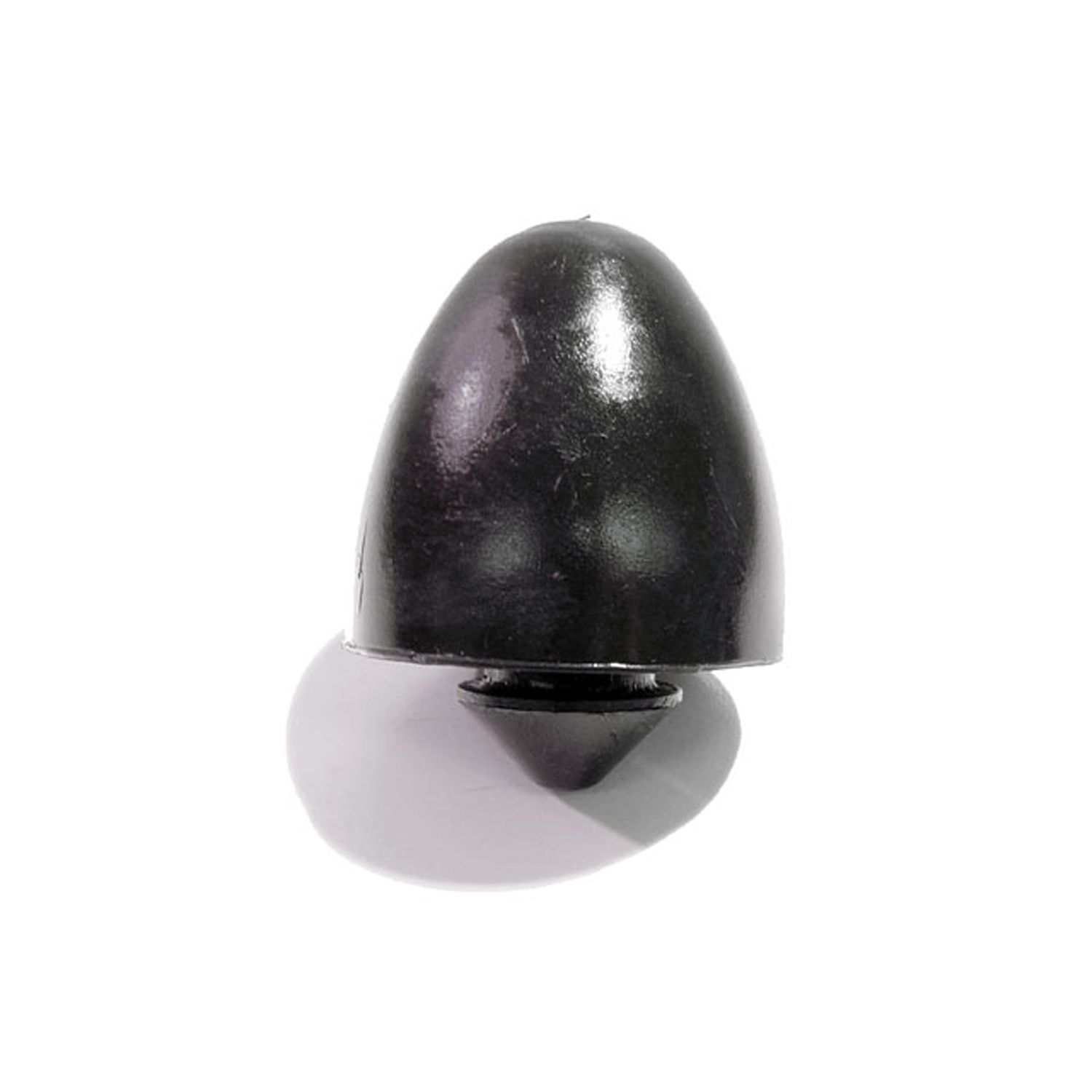 1966 Chevrolet Impala Front Suspension Bumper. For steering knuckle support-XB 20Front Suspension Bumper. For steering knuckle support. 1-3/8" high. Each
Why Choose Metro?
For over 100 years, Metro Moulded Parts has been the pinnacle of quality in classic car restoration parts. Our commitment to precision and authenticity in every component ensures a perfect fit and an OEM-level appearance.
- Expert Craftsmanship & Quality: Each part is a testament to our dedication to reliability and perfection, crafted from original designs and thoroughly tested.
- Advanced Technology: We use cutting-edge techniques to create flawless, long-lasting parts that surpass others in performance.
- SuperSoft Sponge – The Ultimate Door Seal: Not only are our door seals 30% softer than competitors', but they're also guaranteed to never leak. They effectively reduce wind and road noise, enhancing your classic car's comfort and driving experience.
- Proudly American: Our parts are a product of American craftsmanship, made in the USA with a spirit of excellence and heritage.
- Unrivaled Warranty: We back our products with a 30-year industry-leading warranty, a testament to our confidence in their quality.
Join us in preserving the legacy of classic cars with parts that are crafted for perfection, not just made.