
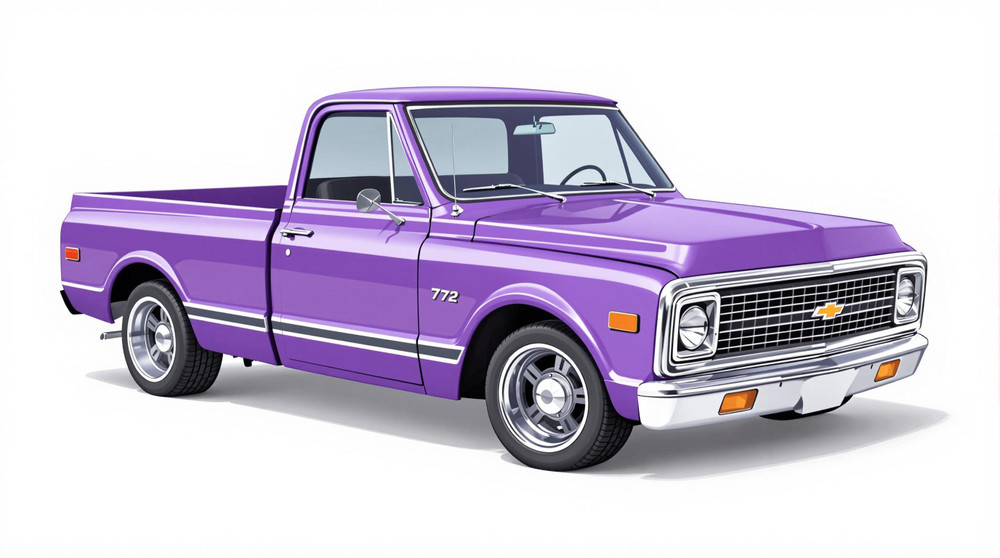
Image of 1972 Chevrolet C10 Pickup, Note: These illustrations use artistic license and may differ from actual historical models.
Performance Metrics
Fundamental Metrics
Emotional Appeal
MMP Rating
| Engine Specifications | |
|---|---|
| Engine Options: | 250 I6, 307 V8, 350 V8 |
| Displacement Range: | 250-350 cu in (4.1-5.7 L) |
| Horsepower Range: | 100-255 hp |
| Torque: | 185-365 lb-ft |
| Compression Ratio: | 8.5:1 - 10.25:1 |
| Ignition System: | Conventional breaker point ignition system |
| Cooling System: | Liquid-cooled |
| Performance Specifications | |
| 0-60 Time: | 8-10 seconds |
| 1/4 Mile Time: | 16-18 seconds |
| Top Speed: | 100-120 mph |
| Transmission and Drive | |
| Drive Type: | Rear-wheel drive |
| Transmission Type: | 3-speed manual, 4-speed manual, 3-speed automatic |
| Fuel and Efficiency | |
| Fuel System Type: | Carburetor |
| MPG: | 10-15 mpg |
| Dimensions and Brakes | |
| Brakes: | Front disc and rear drum brakes |
| Wheelbase: | 115 inches (Short bed) / 127 inches (Long bed) |
| Weight: | 3,800-4,500 lbs |
Note: Specifications for classic cars are given to the best of our ability, considering the limited and variant data available.
1972 Chevrolet C10: The Last of the Action Line
The 1972 Chevrolet C10 is a classic pickup with one foot in the work-truck world and the other in the emerging era of comfortable personal trucks. Built by Chevrolet, a division of General Motors, it belongs to the 1967-1972 C/K generation, often called the “Action Line” by enthusiasts. Its combination of clean styling, useful capability, and a surprisingly refined ride has made it one of the most admired American pickups of its era.
There is a special significance to the 1972 model year: it was the final year for this generation before Chevrolet introduced the longer-running, more squared-off 1973 design. That makes the ’72 a natural bookend for the Action Line trucks. It is also a useful reminder that the pickup was already changing from a strictly utilitarian tool into a vehicle people could comfortably drive every day.
Clean Lines, Useful Choices
The C10 has a broad, upright face, a simple horizontal grille, and a long hood that gives it a confident stance without unnecessary ornament. The 1972 grille is a distinctive visual marker of the final-year trucks. Its straight body sides and restrained trim look especially at home on a short-bed pickup, though the long-bed versions have the practical proportions many owners still prefer.
Chevrolet offered the C10 in several configurations. Buyers could choose a short or long wheelbase, and a Fleetside bed with flat outer panels or a Stepside bed with separate rear fenders and a narrower cargo box. The short-bed Fleetside is now one of the most recognizable and sought-after combinations, while Stepsides have a more traditional, work-truck look. Cab and trim choices varied, with the CST package adding a more upscale appearance and equipment.
The cabin is straightforward and durable rather than luxurious by modern standards. Painted metal, vinyl, and hard-wearing upholstery were typical, with trim and equipment depending on the series and options ordered. Higher-spec trucks could bring dressier details, additional instrumentation, and more comfortable seating. The dash layout is simple to understand, and the large glass area gives the driver a commanding view of the road and truck’s corners.
Available paint colors changed with ordering and trim combinations. Period choices included a range of whites, reds, blues, greens, golds, and other earthy or brighter shades. White and red remain popular restorations, while factory-correct greens and golds can give a truck a distinctive period feel. Two-tone treatments and contrasting trim can add visual interest, but original paint codes and trim details are worth checking when judging a truck’s authenticity.
Technology for a Working Pickup
By 1972 standards, the C10 offered a notably car-like driving setup. Two-wheel-drive C10s used independent front suspension, which helped deliver a more controlled ride than the solid-front-axle arrangements still common on some trucks. Power steering and power brakes were available, along with automatic transmission options, making the pickup easier to handle in town and on longer trips.
Engine and transmission availability depended on configuration and order. Common engines included the 250-cubic-inch inline-six and small-block V8s such as the 307 and 350. A larger 402-cubic-inch V8 was also available in certain configurations. Manual transmissions were offered, as were automatics. As with any vintage truck, the equipment on a specific example should be verified from its identification numbers, paperwork, and surviving components rather than assumed from badges alone.
Why the 1972 C10 Still Matters
The C10 helped make a more comfortable pickup appealing to buyers who did not need a truck solely for farm, trade, or industrial work. Its independent front suspension, available V8 power, and increasingly accommodating cabin reflected a broader shift in American truck design. Chevrolet did not invent the personal pickup, but trucks like the C10 helped establish the idea that a pickup could be useful during the week and enjoyable to drive the rest of the time.
Against its contemporaries, the C10 stood out for its balanced proportions and broad range of configurations. Buyers could order a basic work vehicle or a more generously equipped truck without changing the fundamental design. The 1972 model’s place as the final year of the generation adds another layer of appeal: it retains the earlier truck’s rounded, flowing shape just before the industry moved toward the more angular styles that followed.
Its influence is visible in the modern classic-truck scene. The C10 is a common foundation for restorations, lowered street trucks, and tasteful custom builds. Its simple mechanical layout and wide parts support have helped keep the platform active, while its recognizable shape gives it lasting appeal even among people who are not truck specialists.
Performance and Road Feel
Performance varies considerably with engine, transmission, axle ratio, tire size, and vehicle condition. A healthy 350-powered C10 with an automatic is often estimated to reach 60 mph in roughly 10 to 13 seconds. A six-cylinder truck or a heavily loaded long-bed model will generally be slower. Typical top speed is around 90 mph, give or take, but these figures are best treated as period-truck estimates rather than a guaranteed specification for every example.
The C10 feels solid and relaxed at ordinary road speeds. The independent front suspension helps it absorb everyday bumps, although worn shocks, tired bushings, or loose steering components can make an old truck wander or feel unsettled. On winding roads, it behaves like a vintage pickup, not a modern sports truck: expect noticeable body lean, slower steering response, and a need to plan braking early. Crosswinds and a light or empty bed can also affect stability.
From behind the wheel, the experience is part mechanical and part nostalgic. The V8 delivers a deep, unfiltered rumble, while the inline-six has a smoother, more modest working sound. The steering wheel is large, the controls are uncomplicated, and the driver sits high above traffic. Even a well-sorted example feels heavier and less precise than a modern pickup, but that slower, more deliberate character is part of its charm.
Living with a Classic C10
Owners use 1972 C10s as weekend cruisers, show trucks, light-duty haulers, and in some cases daily drivers. A sound truck can handle local errands and highway trips, especially when equipped with power steering, power brakes, and a V8. However, it is wise to remember that a half-century-old pickup lacks modern crash protection, fuel economy, braking performance, and convenience features.
Routine maintenance is approachable for an owner with basic mechanical skills. The carbureted engines, conventional transmissions, and straightforward electrical systems are familiar to many independent shops and home mechanics. Parts availability is generally strong for common mechanical and restoration items, though original trim, correct interior pieces, and unmodified examples can take more searching.
Rust is a major inspection priority. Check the cab corners, rocker panels, floor pans, windshield area, bed, and frame, especially around mounting points and areas that trap moisture. Also inspect the suspension, steering, brakes, and cooling system. A freshly painted truck may look excellent while hiding old repairs, so examine the underside and ask for documentation. Originality, quality of workmanship, and the condition of the frame can make a far greater difference than a shiny engine bay.
Little-Known C10 Details
The 1972 model is the last year of the 1967-1972 Action Line generation, giving it an easy-to-explain place in Chevrolet truck history. The short-bed Fleetside has become a particularly popular starting point for custom builds, but an unmodified truck with its original configuration can be more appealing to collectors who value preservation.
There is no widely recognized production speed or endurance record associated with the standard 1972 C10, and celebrity ownership stories should be treated cautiously unless supported by reliable documentation. The truck’s real claim to fame is its longevity as a cultural and enthusiast favorite. It has appeared in countless local shows, custom-truck gatherings, advertising campaigns, and films, though a specific screen or historical appearance should be verified before being attached to an individual vehicle.
Common criticisms are fair ones: these trucks are not especially fuel-efficient, their brakes and handling feel dated, and decades of repairs can leave some examples poorly assembled. Even a well-restored C10 requires ongoing attention to rubber components, seals, wiring, and other age-related parts. The upside is that the truck’s basic mechanical design is accessible, and its shortcomings are well understood by the restoration community.
Collector Values and Market Outlook
Exact 1972 C10 production figures are not consistently broken down by every engine, cab, bed, and trim combination in readily available public sources. A reasonable broad estimate is that Chevrolet built somewhere in the low hundreds of thousands of C10s for the model year, perhaps around 150,000 to 250,000, but that should be treated as an informed estimate rather than a definitive factory count. Surviving trucks are far fewer, and condition and configuration matter enormously.
As a broad U.S. market guide, a project truck may sell for roughly $5,000 to $12,000. A usable driver often falls around $15,000 to $30,000, while a high-quality restoration or tasteful custom can reach $30,000 to $55,000 or more. Exceptional, documented, highly original trucks and standout builds can exceed those ranges, while rust, incomplete paperwork, poor workmanship, or non-running condition can reduce value sharply. These are general estimates, not an appraisal, and local market conditions can vary.
Values rose strongly during the classic-truck boom of the 2010s and early 2020s, with especially clean short-bed Fleetsides attracting attention. The market has since become more selective. Well-executed, desirable examples continue to command solid prices, while average projects and hastily modified trucks may take longer to sell. Originality is not always more valuable than a high-quality custom, but buyers increasingly expect the work to be documented and finished properly.
A Classic Chevrolet with Everyday Appeal
The 1972 Chevrolet C10 brings together handsome final-year styling, practical engineering, straightforward mechanicals, and a strong enthusiast following. Its range of engines and bed styles made it adaptable when new, while its independent front suspension and comfortable road manners helped it feel more refined than a bare-bones work truck.
More than a half-century later, the C10 remains a truck people genuinely want to drive, restore, and personalize. Whether kept factory-correct or built into a custom cruiser, the 1972 model represents a pivotal chapter in Chevrolet truck history and a particularly memorable way to close the Action Line era.
1972 Chevrolet C10 Pickup Catalog of Parts
 1972 Chevrolet C10 Pickup Rear body cushion kit. '67-'72 Chevy pick-ups-BCK 103Rear body cushion kit. '67-'72 Chevy pick-ups. Component BC 103/CPA: 1-11/16 in. dia. top; 2-1/2 in. dia. bottom; 7/8 in. dia. thru-hole; 1-7/16 in. high. Component BC 103/CPB: 3-1/2 in. dia.; 13/16 in. dia. thru-hole; 1-3/8 in. dia. thru-hole flange; 1-3/8 in. thick main body. Replaces OEM# 3974348. 2-piece set. Uses two (2) sets per truck.
 1972 Chevrolet C10 Pickup Body Cushion Kit. 10 piece set.-BCK 203Body Cushion Kit, 67-72 Chevy trucks. 10 piece set.
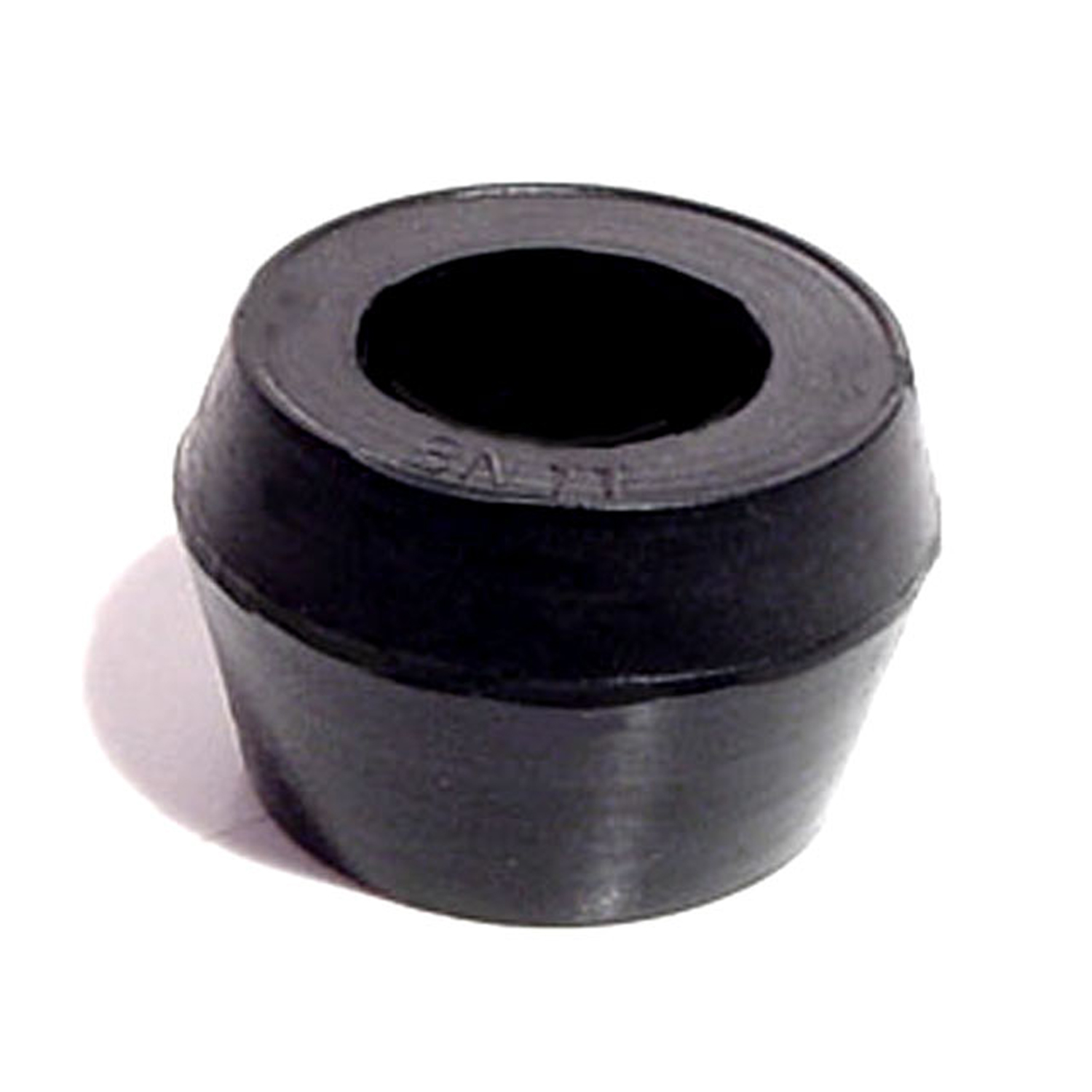 1972 Chevrolet C10 Pickup Shock Absorber Grommet. 1" bottom O.D-BN 11Shock Absorber Grommet. 1" bottom O.D., 3/4" high, with 5/8" I.D. Each
 1972 Chevrolet C10 Pickup Hood to Cowl Seal, 67-72 GM Full Size Trucks and SUV's, Each-CS 60-AThis seal mounts to the firewall and seals against the hood. Our product is made from the original specs and from high quality ozone resistant materials for a great fit and long life.
 1972 Chevrolet C10 Pickup Molded Door Seals with Mitered Corners. 166-1/2" long each-LM 13-HMolded Door Seals with Mitered Corners. 166-1/2" long each. Pair R&L
 1972 Chevrolet C10 Pickup Door Panel Insulation Kit-LPK 44-TDoor Panel Insulation Kit
 1972 Chevrolet C10 Pickup Back-up (Cargo) Light Gasket. 2-3/4" X 5-7/8" I.D-MB 2002Back-up (Cargo) Light Gasket. 2-3/4" X 5-7/8" I.D., 3-3/8" X 7" O.D.Each
 1972 Chevrolet C10 Pickup Door Handle Pads. 3-1/8" long & 1" long. Set-MP 547-JDoor Handle Pads. 3-1/8" long & 1" long. Set
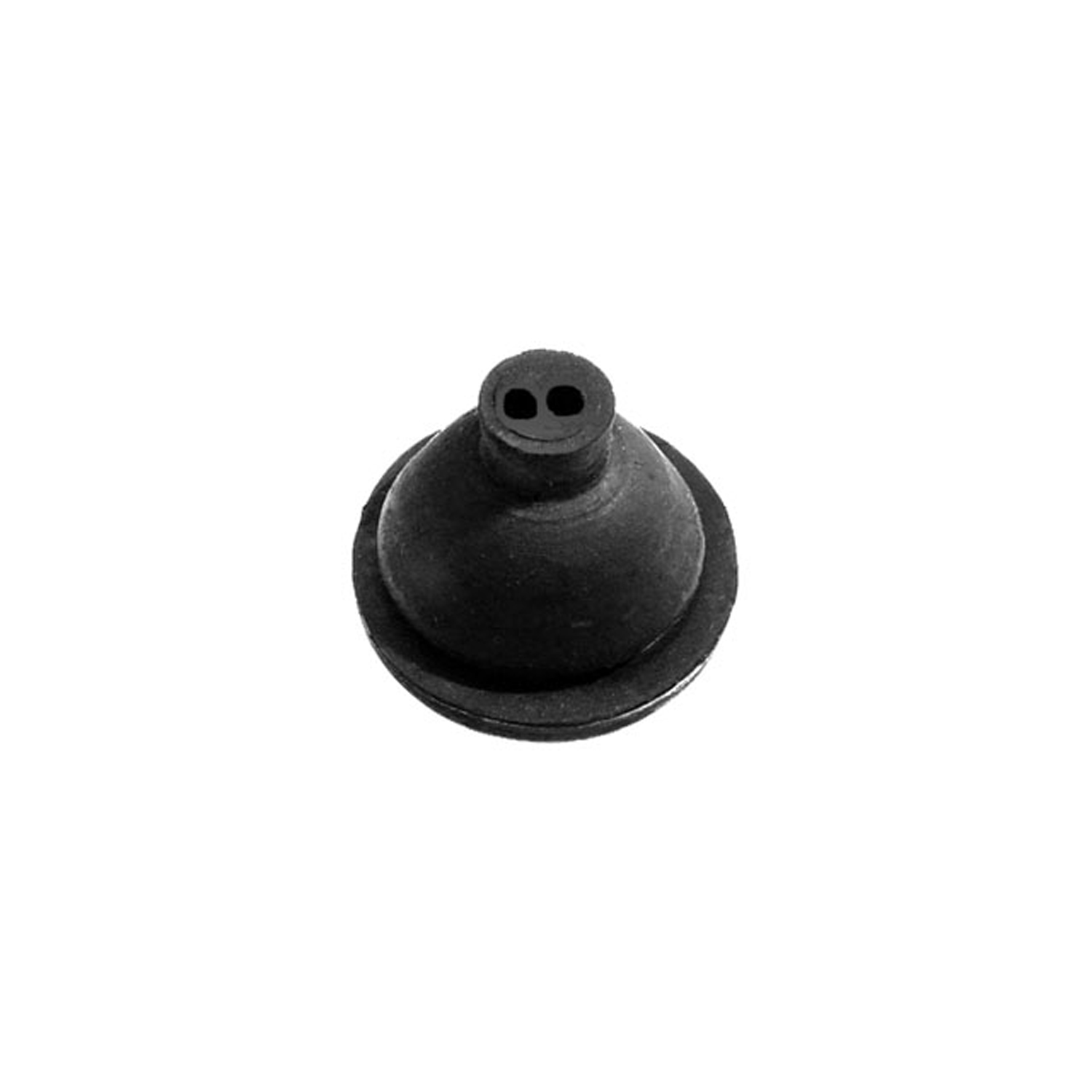 1972 Chevrolet C10 Pickup Dash & Firewall Grommet. Double-hole type for two wires-RP 1-GDash & Firewall Grommet. Double-hole type for two wires. For heater motor & accessory wires. 15/16" O.D., fits 5/8" sheet metal hole. Each
 1972 Chevrolet C10 Pickup Heater Box to firewall Gasket. 6-3/4" O.D., 4-3/4" I.D-RP 300-THeater Box to firewall Gasket. 6-3/4" O.D., 4-3/4" I.D. Each
 1972 Chevrolet C10 Pickup Clutch Pedal Bumper. 5/8" X 7/8" X 9/16" high. Each-RP 30-CClutch Pedal Bumper. 5/8" X 7/8" X 9/16" high. Each
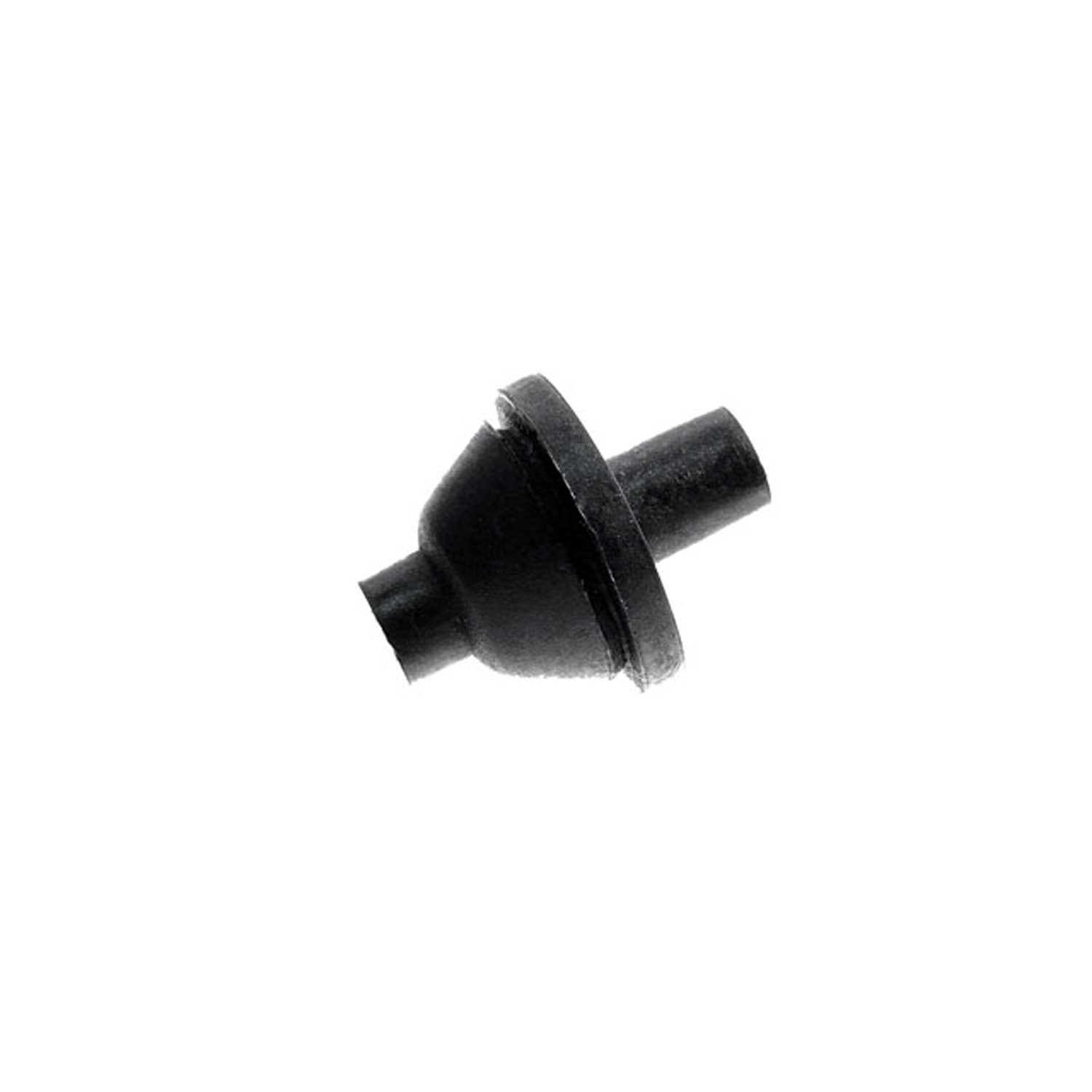 1972 Chevrolet C10 Pickup Dash and Firewall Grommet. Single-hole type is for one wire-SM 101Dash and Firewall Grommet. Single-hole type is for one wire. Each
 1972 Chevrolet C10 Pickup Windshield seal, '67-'72 Chevrolet & GMC C/K series, with trim groove-VWS 7313Windshield seal, '67-'72 Chevrolet & GMC C/K series truck/Suburban, '69-'70 Chevy Blazer, '70 GMC Jimmy, with groove to accept trim, each.
 1972 Chevrolet C10 Pickup Windshield seal, '67-'72 Chevrolet & GMC C/K series, no trim groove-VWS 7313-AWindshield seal, '67-'72 Chevrolet & GMC C/K series truck/Suburban, '69-'72 Chevy Blazer, '70-'72 GMC Jimmy, without trim groove, each. Replaces OEM part # 3968174.
 1972 Chevrolet C10 Pickup Rear window seal, '67-'72 Chevrolet & GMC C/K, large window, no trim groove-VWS 7313-SRear window seal, '67-'72 Chevrolet & GMC C/K series truck with large rear window without trim groove, each. Replaces OEM part # 3940758.
 1972 Chevrolet C10 Pickup Rear window seal, '67-'72 Chevrolet & GMC C/K, large window, trim groove-VWS 7313-TRear window seal, '67-'72 Chevrolet & GMC C/K series truck with large rear window with trim groove, each.
 1972 Chevrolet C10 Pickup Window Channel Run-Upper, 67-72 GM Full Size Truck and SUV, Each-WC 33-60Window Channel Run-Upper, 67-72 GM Full Size Truck and SUV, Each. Fits Either Left or Right Side. Replaces OEM # 3893719.
 1972 Chevrolet C10 Pickup Window Sweeper Kit. Inner and Outer Sweepers. 4-Piece Kit-WC 5900-10Window Sweeper Kit. Inner and Outer Sweepers. 4-Piece Kit
 1972 Chevrolet C10 Pickup Window Sweeper Kit, 67-72 GM Truck and SUV, With Chrome Bead, Set of 4-WC 5900-14Protect your vehicle’s interior from the outside elements and reduce noise level while driving simply by replacing your dried-out or cracked weatherstrip with a proven product that’s preferred in the industry. The seals mount with the pre-applied clips on the top inner and outer part of the door to squeegee the door glass. This is a great looking 4 piece chrome bead set for both driver and passenger doors. These beltlines are made from the OEM specs to ensure a great fit and an authentic appearance.
 1972 Chevrolet C10 Pickup Vent Window Seals. Replaces OEM part numbers 3925965/3925966-WR 2005-AVent Window Seals. Replaces OEM part numbers 3925965/3925966. Pair
Why Choose Metro?
For over 100 years, Metro Moulded Parts has been the pinnacle of quality in classic car restoration parts. Our commitment to precision and authenticity in every component ensures a perfect fit and an OEM-level appearance.
- Expert Craftsmanship & Quality: Each part is a testament to our dedication to reliability and perfection, crafted from original designs and thoroughly tested.
- Advanced Technology: We use cutting-edge techniques to create flawless, long-lasting parts that surpass others in performance.
- SuperSoft Sponge – The Ultimate Door Seal: Not only are our door seals 30% softer than competitors', but they're also guaranteed to never leak. They effectively reduce wind and road noise, enhancing your classic car's comfort and driving experience.
- Proudly American: Our parts are a product of American craftsmanship, made in the USA with a spirit of excellence and heritage.
- Unrivaled Warranty: We back our products with a 30-year industry-leading warranty, a testament to our confidence in their quality.
Join us in preserving the legacy of classic cars with parts that are crafted for perfection, not just made.