
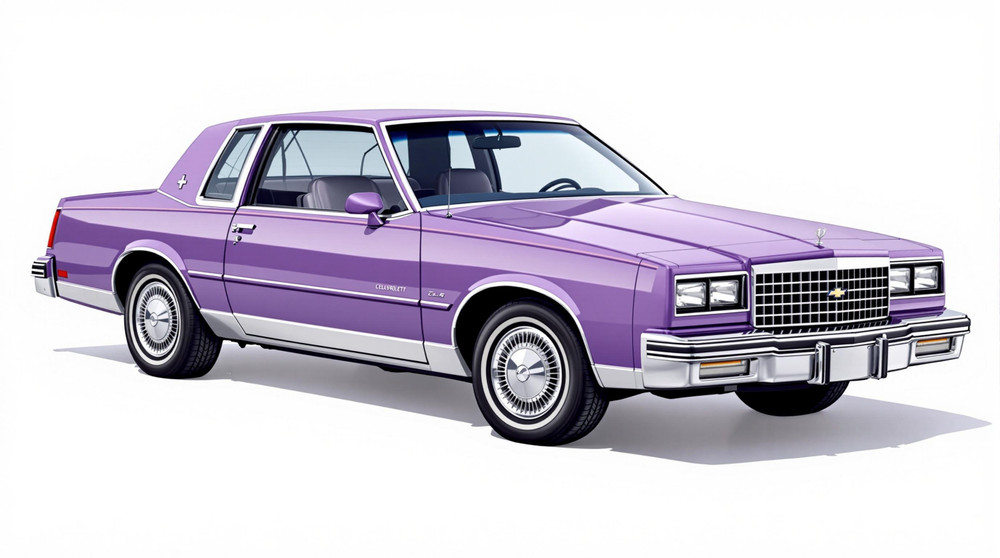
Image of 1986 Chevrolet Celebrity, Note: These illustrations use artistic license and may differ from actual historical models.
Performance Metrics
Fundamental Metrics
Emotional Appeal
MMP Rating
| Engine Specifications | |
|---|---|
| Engine: | 2.5L 4-cylinder, 2.8L V6 |
| Displacement: | 2.5L - 2.8L |
| Horsepower: | 92-130 hp |
| Torque: | 135-165 lb-ft |
| Compression Ratio: | 8.5:1 - 9.0:1 |
| Ignition System: | Electronic |
| Cooling System: | Liquid-cooled |
| Performance Specifications | |
| 0-60 Time: | 10-12 seconds |
| 1/4 Mile Time: | 17-19 seconds |
| Top Speed: | 105-110 mph |
| Transmission and Drive | |
| Drive Type: | FWD (Front Wheel Drive) |
| Transmission Type: | 3-speed automatic, 4-speed automatic, 5-speed manual |
| Fuel and Efficiency | |
| Fuel System Type: | Fuel Injection |
| MPG: | 20-25 mpg |
| Dimensions and Brakes | |
| Brakes: | Front disc, rear drum |
| Wheelbase: | 104.8 inches |
| Weight: | 2700-3000 lbs |
Note: Specifications for classic cars are given to the best of our ability, considering the limited and variant data available.
1986 Chevrolet Celebrity: The Family Car That Ruled the Road
In 1986, the Chevrolet Celebrity was not just another practical family sedan: it was America’s best-selling passenger car. Built by Chevrolet, a division of General Motors, the Celebrity paired front-wheel drive with roomy seating, a broad range of body styles, and the kind of everyday usefulness that made it a familiar sight from suburban driveways to highway rest stops.
The Celebrity arrived for the 1982 model year as part of GM’s move toward front-wheel-drive midsize cars. It shared its basic A-body architecture with the Buick Century, Oldsmobile Cutlass Ciera, and Pontiac 6000. The 1986 model hit a high point in the nameplate’s popularity, with sales commonly reported at around 400,000 cars. That success makes the Celebrity an interesting snapshot of what American buyers valued in the middle of the 1980s: space, comfort, efficiency, and an accessible price.
Boxy Style, Practical Details
The Celebrity wore the clean, squared-off proportions typical of the era. Its long hood, upright roofline, broad side panels, and squared wheel openings gave it a substantial look without making it seem oversized. A simple horizontal grille and rectangular lighting created a straightforward face, while the broad glass area helped visibility and gave the cabin an airy feel. It was designed to be approachable rather than flashy, though the sportier Eurosport trim added a sharper edge.
Inside, the Celebrity put everyday comfort ahead of luxury. Depending on trim and options, buyers could choose cloth or vinyl upholstery, a front bench seat or bucket seats, and a column- or floor-mounted shifter. The dashboard was broad and simple, with controls laid out for easy reach. Materials were appropriate to a mass-market family car: durable and easy to live with, but generally hard plastics and modest trim rather than the soft-touch finishes or plush detailing found in more expensive cars.
Equipment varied by trim and order sheet. Available conveniences included air conditioning, power windows and door locks, cruise control, upgraded audio systems, and cassette players. The Tech IV four-cylinder used electronic fuel injection and engine-management controls, bringing contemporary computer-controlled operation to the Celebrity’s mainstream powertrain. It was not a technology showcase, but its front-wheel-drive layout and fuel-injected engines reflected the industry’s direction in the 1980s.
Chevrolet offered the 1986 Celebrity as a two-door coupe, four-door sedan, and four-door station wagon. The sedan was the familiar all-rounder, while the wagon offered extra cargo room for families and road trips. The Eurosport was the most recognizable sporty version, with details such as dark exterior trim, distinctive badging, and a more performance-minded appearance. Factory paint choices varied by trim and production run; common period colors included white, silver, red, blue, black, and several shades of tan or gray. White and silver suited its crisp, angular design particularly well.
Why the Celebrity Mattered
The Celebrity’s significance came less from a single breakthrough than from how effectively it brought front-wheel drive to the heart of Chevrolet’s midsize lineup. Its transverse engine and front-drive packaging allowed a roomy passenger compartment without the traditional long driveshaft tunnel. That meant more usable interior space and predictable traction in rain or snow, qualities that mattered greatly to everyday drivers.
It also showed how important platform sharing had become for GM. The Celebrity and its A-body relatives used common engineering foundations while each brand gave its version a different look and character. For Chevrolet, the formula delivered a high-volume car that could serve as a commuter, family sedan, fleet vehicle, or wagon. Its 1986 sales milestone is a reminder that practical engineering and broad appeal can shape automotive history just as surely as exotic performance or groundbreaking styling.
Compared with rear-wheel-drive midsize cars, the Celebrity felt more space-efficient and secure in slippery conditions. Compared with smaller front-wheel-drive cars, it offered the size and comfort many American buyers still expected. Its influence was part of a wider industry shift toward front-drive family cars, although it did not single-handedly create that trend.
Engines, Speed, and Road Manners
The standard engine was Chevrolet’s 2.5-liter Tech IV four-cylinder, rated at roughly 98 horsepower in commonly cited specifications. Buyers seeking more power could select a 2.8-liter V6, generally rated around 125 horsepower. Transmission availability and equipment depended on configuration, but the three-speed automatic was a common choice. The four-cylinder emphasized economy and straightforward commuting; the V6 provided more relaxed acceleration, especially with passengers or luggage aboard.
Performance figures should be treated as period-style estimates rather than universal test results, since condition, gearing, transmission, and equipment all affect an older car’s performance. A four-cylinder Celebrity typically takes roughly 12 to 14 seconds to reach 60 mph, while a V6 car may manage the run in about 10 to 12 seconds. Top speed is broadly in the neighborhood of 100 to 110 mph, though these cars were built for comfortable travel, not sustained high-speed driving.
On the road, the Celebrity feels calm and easygoing. Its front-wheel-drive layout gives it reassuring traction on wet pavement and in light snow, while the suspension is tuned more for comfort than sharp cornering. It absorbs ordinary road imperfections well, though worn shocks, tired bushings, or aging tires can make bumps feel harsher than they did when the car was new. On winding roads, expect safe, predictable behavior rather than sports-sedan precision. The steering is light, and the car’s body leans more than a modern performance-oriented vehicle.
From behind the wheel, the four-cylinder produces a steady, workmanlike sound, while the V6 has a smoother, fuller note under acceleration. Neither engine turns the Celebrity into a fast car, but the V6 makes merging and passing less of an exercise in patience. The overall driving experience is relaxed: an upright seating position, good outward visibility, straightforward controls, and a suspension that prioritizes getting everyone to the destination comfortably.
Living With a 1986 Celebrity
Most Celebrity owners used their cars as daily transportation, family haulers, or commuter vehicles. The wagon made an especially useful companion for errands and vacations, while the sedan suited drivers who wanted conventional passenger-car practicality. Today, surviving examples are more likely to be enjoyed as nostalgia cars, modest show vehicles, or occasional drivers than as serious racing machines.
Routine repairs are generally approachable for a mechanically capable owner. The Celebrity’s conventional layout and large production numbers mean many service procedures are familiar to independent mechanics, and commonly used maintenance parts can still be found through automotive parts suppliers. Age is the bigger challenge. Buyers should inspect for rust, neglected cooling-system service, worn suspension components, transmission problems, electrical faults, and deteriorated interior trim. A thorough pre-purchase inspection matters more than a low odometer reading on a car nearly four decades old.
The Tech IV and V6 are not immune to age-related problems, and maintenance history is crucial. Look for evidence of regular oil changes, cooling-system care, and timely repairs. A well-kept Celebrity can remain usable, but a cheap example with deferred maintenance may quickly cost more than a better-preserved car.
Celebrity Trivia and Common Complaints
The headline fact is a big one: the Celebrity was the best-selling passenger car in the United States in 1986, with reported sales near 400,000. It is also a useful reminder that an ordinary family car can become historically notable simply by being the right product at the right moment. The Eurosport is the trim most likely to attract enthusiasts, while a clean wagon can be especially appealing because practical old wagons have become harder to find.
There is no widely recognized factory high-performance Celebrity edition for 1986, and claims of a celebrity-owned example should be supported by documentation rather than assumed from the model’s name. The car’s real claim to fame is its market success and its place in GM’s front-wheel-drive transition.
Common criticisms include modest acceleration with the four-cylinder, a soft and sometimes floaty ride when suspension parts are worn, and an interior that feels plainly built by modern standards. Enthusiasts may also find the steering and cornering less engaging than those of rear-wheel-drive classics. Those shortcomings are part of the car’s character: Chevrolet designed it to be comfortable, sensible transportation, not a sports sedan.
1986 Chevrolet Celebrity Values
The Celebrity is still an affordable classic, and condition makes a substantial difference. As a broad current-market estimate, a project or rough driver may sell for around $500 to $1,500. A usable, presentable example commonly falls in the $1,500 to $4,000 range, while a very clean, low-mileage car or desirable Eurosport or wagon could bring roughly $4,000 to $8,000 or more. Exceptional examples may exceed that range, but they are the exception rather than the rule.
Exact 1986 production totals by body style and trim are not consistently published in the sources enthusiasts commonly encounter. Given the model’s reported sales near 400,000 that year, a reasonable estimate is that roughly 350,000 to 410,000 1986 Celebrities were built or sold, with the precise production figure depending on how the records classify model-year output. Many have disappeared through ordinary wear, accidents, and scrappage, so surviving cars are much less common than their original sales numbers suggest.
Values have generally remained modest rather than following the steep appreciation seen in more prestigious collector cars. Clean examples may gain interest as 1980s nostalgia grows, especially wagons and well-preserved Eurosports, but most Celebrities are purchased for enjoyment and personal memories rather than investment potential. Their affordability is part of the appeal: they offer a tangible connection to an era when front-wheel drive was reshaping the American family car.
A Familiar Chevrolet With a Lasting Story
The 1986 Chevrolet Celebrity combined practical front-wheel-drive packaging, comfortable space, several useful body styles, and accessible powertrains. It was not quick or luxurious, but it was exceptionally well suited to the job Chevrolet gave it, and its sales success made it one of the defining family cars of its decade.
Today, a Celebrity is a reminder that automotive history is not made only by rare sports cars and expensive flagships. Sometimes it is made by the dependable car that millions of people chose, drove, and trusted every day.
1986 Chevrolet Celebrity Catalog of Parts
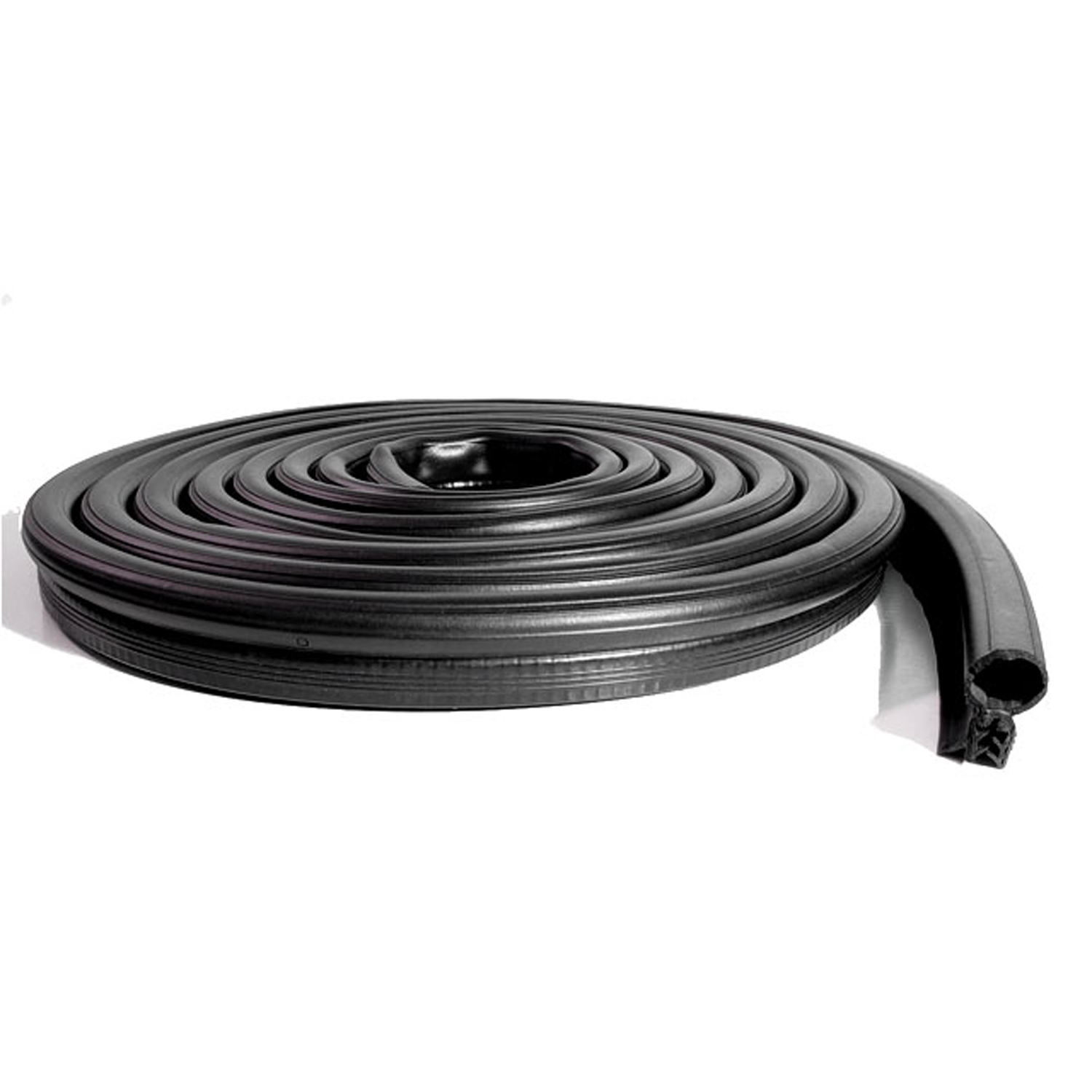 1986 Chevrolet Celebrity Trunk Seal (Imported). Made with steel cores-IS-MW00101Trunk Seal (Imported). Made with steel cores. 1-3/8" X 3/4" X 17'. Each
 1986 Chevrolet Celebrity Trunk Liner. Loose weave, jet black. 50" wide-M 30Trunk Liner. Loose weave, jet black. 50" wide. Sold by the foot
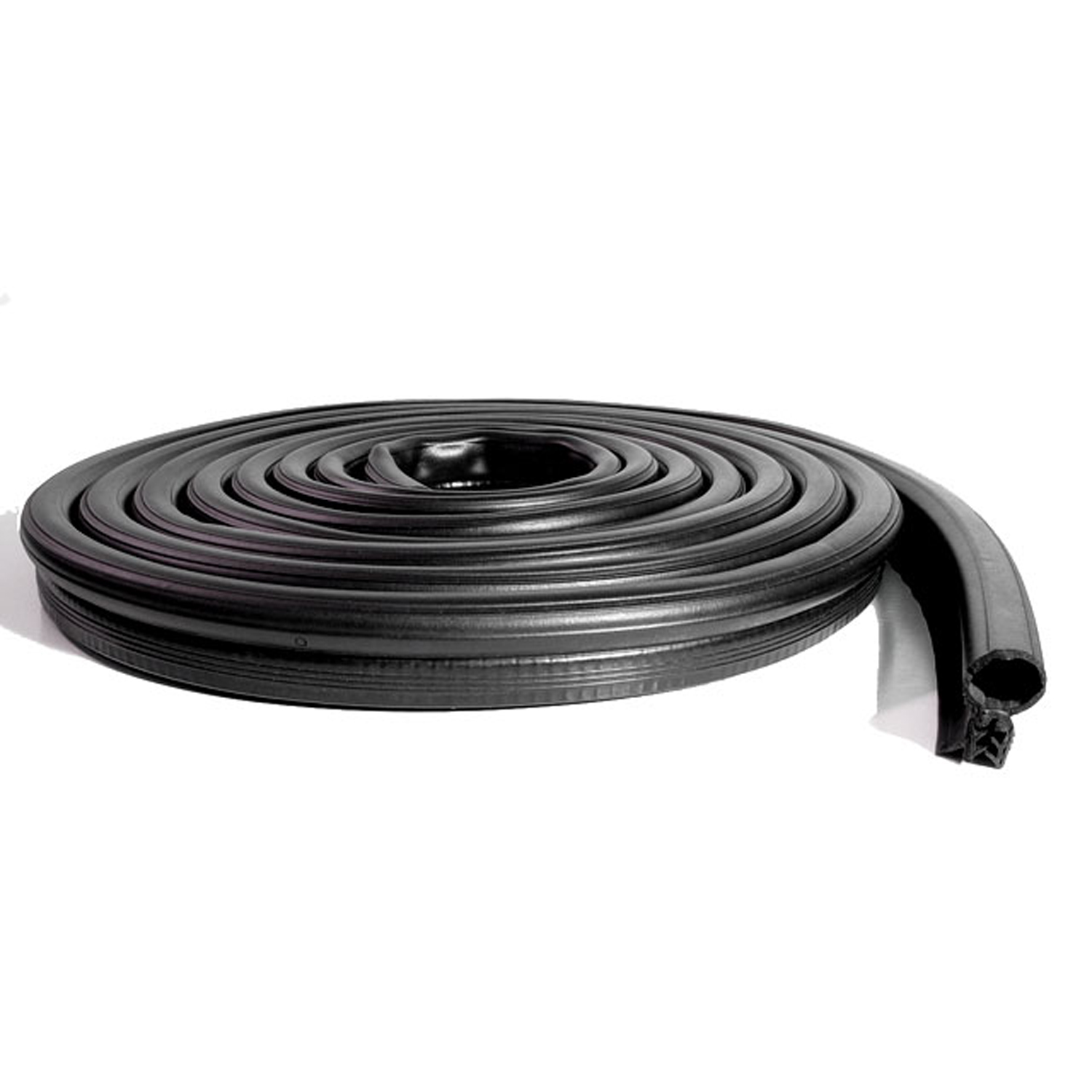 1986 Chevrolet Celebrity Trunk seal-MW00101Trunk seal. Also replaces '75-'79 Buick Skylark hatchback seal. Made with steel cores. 1-3/8 in. x 3/4 in. x 17 ft. L. Each.
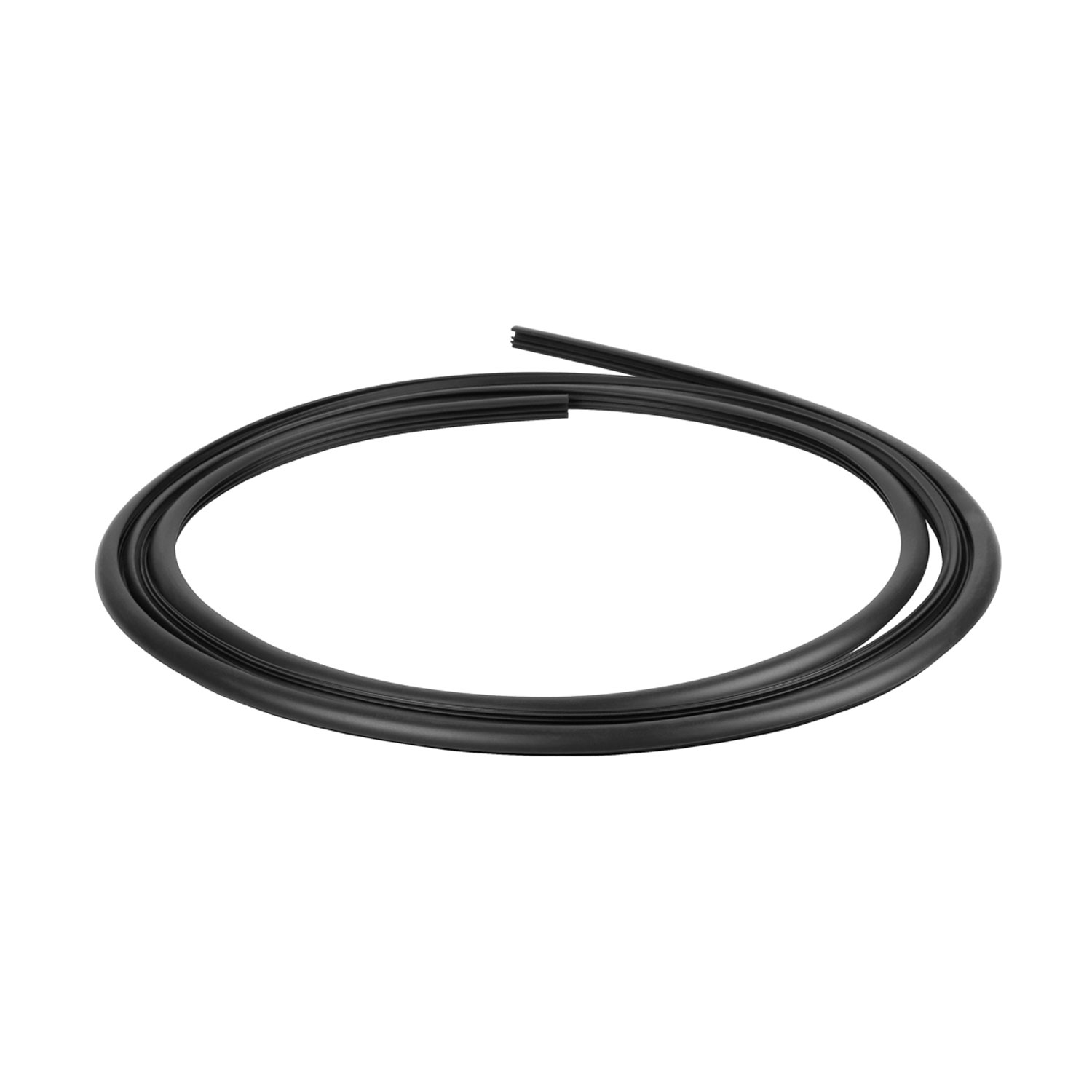 1986 Chevrolet Celebrity Windshield Reveal Molding, 82-92 GM F, 82-88 GM A, 82-89 GM J, 85-91 GM N Bodies-VWS 1967-LWindshield Reveal Molding, 82-92 GM F, 82-88 GM A, 82-89 GM J, 85-91 GM N Bodies, Each.
Why Choose Metro?
For over 100 years, Metro Moulded Parts has been the pinnacle of quality in classic car restoration parts. Our commitment to precision and authenticity in every component ensures a perfect fit and an OEM-level appearance.
- Expert Craftsmanship & Quality: Each part is a testament to our dedication to reliability and perfection, crafted from original designs and thoroughly tested.
- Advanced Technology: We use cutting-edge techniques to create flawless, long-lasting parts that surpass others in performance.
- SuperSoft Sponge – The Ultimate Door Seal: Not only are our door seals 30% softer than competitors', but they're also guaranteed to never leak. They effectively reduce wind and road noise, enhancing your classic car's comfort and driving experience.
- Proudly American: Our parts are a product of American craftsmanship, made in the USA with a spirit of excellence and heritage.
- Unrivaled Warranty: We back our products with a 30-year industry-leading warranty, a testament to our confidence in their quality.
Join us in preserving the legacy of classic cars with parts that are crafted for perfection, not just made.