
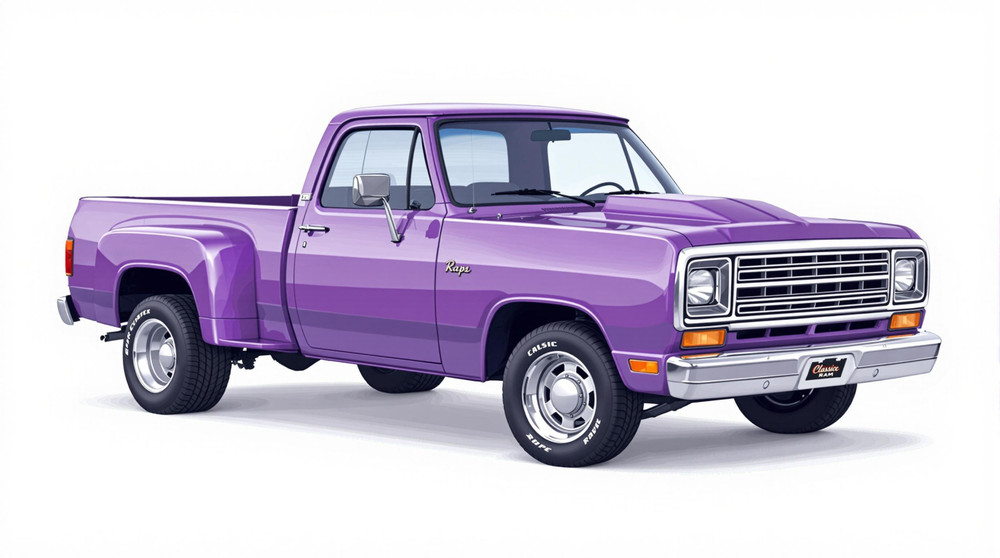
Image of 1984 Dodge Rampage, Note: These illustrations use artistic license and may differ from actual historical models.
Performance Metrics
Fundamental Metrics
Emotional Appeal
MMP Rating
| Engine Specifications | |
|---|---|
| Engine: | 2.2L I4 |
| Displacement: | 135 cu in (2,213 cc) |
| Horsepower: | 96 hp @ 5200 rpm |
| Torque: | 119 lb-ft @ 3200 rpm |
| Compression Ratio: | 9.0:1 |
| Ignition System: | Electronic |
| Cooling System: | Liquid-cooled |
| Performance Specifications | |
| 0-60 Time: | 11 seconds |
| 1/4 Mile Time: | 18 seconds |
| Top Speed: | 100 mph |
| Transmission and Drive | |
| Drive Type: | FWD (Front Wheel Drive) |
| Transmission Type: | 3-speed automatic or 5-speed manual |
| Fuel and Efficiency | |
| Fuel System Type: | Carburetor |
| MPG: | 20-25 mpg |
| Dimensions and Brakes | |
| Brakes: | Front Disc / Rear Drum |
| Wheelbase: | 109.1 in |
| Weight: | 2,400 lbs |
Note: Specifications for classic cars are given to the best of our ability, considering the limited and variant data available.
1984 Dodge Rampage: The Front-Wheel-Drive Pickup That Took the Road Less Traveled
The 1984 Dodge Rampage looks like a small pickup that wandered out of a car showroom, and that is exactly what makes it memorable. Built by Chrysler under the Dodge name, it combined the front-wheel-drive underpinnings of a compact passenger car with an open cargo bed, creating a practical little truck with an unusually road-friendly character.
The Rampage arrived for 1982, when American buyers were showing interest in compact pickups and fuel-conscious vehicles. Rather than build a conventional body-on-frame truck, Dodge adapted its L-body platform, shared with cars such as the Dodge Omni, into a two-seat pickup. The 1984 model was the Rampage’s final year. Its short life and distinctive formula have since made it an appealing oddball for fans of practical, unconventional vehicles.
One notable footnote: Dodge revisited the Rampage name with a pickup concept shown at the 2006 Chicago Auto Show. That modern concept never reached production, but it shows how strongly the original idea stayed associated with the name.
Car Roots, Pickup Attitude
From the front, the Rampage has the tidy, squared-off look of an early-1980s compact car. Its upright grille, rectangular headlamps, and simple, straight-edged bodywork give it an unmistakably period-correct appearance. Behind the two-seat cabin, the roof ends abruptly at a small rear window and a compact cargo bed, making the transition from passenger car to pickup part of the vehicle’s visual charm.
The Rampage was a single-cab, short-bed vehicle rather than a range of different cab and bed configurations. Its car-based proportions make it noticeably lower and less imposing than a conventional pickup of the era. A rear leaf-spring setup helped it handle cargo, while the front-drive layout kept the engine and transmission together over the front wheels.
Inside, the Rampage is straightforward and functional. Expect a compact dashboard, simple controls, and seating for two. Materials were in line with an affordable small car of the time, with hard-wearing plastics and cloth or vinyl trim depending on equipment and specification. Air conditioning, upgraded audio, and other comfort features could be ordered, though availability depended on the car’s original configuration. The cabin is not luxurious, but its compact layout feels familiar to anyone who has spent time in an Omni or another contemporary Chrysler L-body car.
Original paint choices varied by model year and equipment. Period shades included familiar choices such as red, white, blue, silver, and darker neutral colors. Bright red examples tend to make a particularly vivid impression today, while white and silver suit the Rampage’s clean, utilitarian lines. As with any classic vehicle, original paint and a well-documented color change can affect collector interest.
1984 Dodge Rampage Specs and Technology
Power came from Chrysler’s 2.2-liter four-cylinder engine, mounted transversely and driving the front wheels. Output for the 1984 model is generally listed at about 96 horsepower, with roughly 119 lb-ft of torque. Buyers could find the Rampage with a manual transmission or an optional three-speed automatic, with the exact combination depending on the car’s original equipment.
By today’s standards, the technology is simple, but the engineering was distinctive for a pickup. The Rampage used a front-wheel-drive unibody structure instead of a separate frame and rear-wheel-drive truck layout. That approach reduced weight and gave the vehicle the road manners and packaging advantages of a compact car. Its useful cargo bed was the practical payoff, although it was not intended to match the hauling capacity of a full-size work truck.
There was no broad lineup of body styles or factory performance editions. The 1984 Rampage came in the same basic two-seat, short-bed format. Dodge’s corporate sibling, the Plymouth Scamp, was offered briefly for 1983, but the Rampage remained the better-known version of the concept.
Why the Rampage Was Different
The Rampage stood apart from many pickups of its day because it approached truck utility from the passenger-car side. Traditional compact pickups, such as Japanese imports, typically used rear-wheel drive and a more conventional truck chassis. The Dodge offered a lighter, front-wheel-drive alternative that was easier to maneuver and more carlike in everyday driving.
That distinction was its strength and its limitation. The Rampage showed that a pickup could be small, efficient, and comfortable on paved roads without following the usual truck formula. At the same time, it lacked the four-wheel-drive capability, towing potential, and rugged image that helped conventional pickups appeal to buyers who needed a harder-working vehicle. Its influence was less about inspiring a direct line of successors and more about demonstrating the appeal of the compact car-based pickup.
The idea was not entirely new: vehicles such as the Volkswagen Rabbit Pickup and Subaru BRAT had also explored car-based utility. But the Rampage gave the concept an American-market interpretation and connected it to Chrysler’s popular compact-car family.
Performance and Driving Feel
The 2.2-liter engine was designed for economy and everyday use, not dramatic acceleration. Depending on transmission, vehicle condition, load, and test method, a 0-to-60-mph time in the low- to mid-12-second range is a reasonable period-style estimate. Top speed is generally estimated at around 95 mph, though an original 40-year-old truck may perform differently after decades of wear, repairs, or modifications.
On the road, the Rampage feels more like a compact car than a traditional pickup. Its front-wheel-drive layout gives it predictable behavior in ordinary conditions, and its modest size makes it easy to place in traffic or a tight parking space. The suspension is tuned to carry some cargo, so an empty bed can feel firm over sharp bumps. Add weight in the bed and the ride can settle down, though owners should stay within the vehicle’s rated capacity.
On winding roads, the Rampage is best enjoyed at a relaxed pace. It is light and manageable, but its age, basic tires, and modest power do not make it a sports truck. The engine produces the familiar mechanical hum of a small carbureted four-cylinder, while the cabin transmits more road and engine noise than a modern vehicle. The driving experience is direct and uncomplicated: you steer, shift, and feel the machinery working rather than being insulated from it.
Living With a Rampage
Owners use the Rampage in a variety of ways. A sound example can serve for local errands, light hauling, or occasional commuting, while especially clean trucks often appear at car shows as conversation starters. It is not a natural choice for serious towing, off-roading, or regular heavy loads. Its appeal is in handling small jobs with a lighter footprint and a lot more personality than an ordinary compact car.
Routine maintenance is generally approachable for a competent home mechanic. The 2.2-liter engine and many mechanical components are related to other Chrysler L-body vehicles, which can help with repair knowledge and parts sourcing. However, age creates its own challenges. Finding model-specific body panels, trim, bed components, weather seals, or an unmodified interior may take more patience than servicing common engine items.
When inspecting one, pay close attention to rust, previous collision repairs, and the condition of the bed and cab. Check the front suspension, steering, brakes, and transmission, then look for signs of improvised repairs or hard use. A well-maintained Rampage is a much better buy than a cheap project with missing trim, because some of the distinctive parts can be difficult to replace.
Rampage Facts and Common Complaints
The Rampage’s short production run is part of its appeal. Dodge built the model from 1982 through 1984, with total production commonly estimated at about 37,000 trucks. That makes the Rampage uncommon, but not so scarce that a determined buyer will never find one. The exact number of surviving 1984 examples is much harder to establish.
There is no widely recognized factory high-performance edition of the 1984 Rampage, and no major speed or endurance record defines its history. Its most unusual achievement is the concept itself: an American-brand, front-wheel-drive pickup adapted from a compact passenger car. The 2006 Rampage concept is another memorable chapter, though it was a modern show vehicle rather than a revival for sale.
Common criticisms are easy to understand. The engine is modest, the bed is small, and the front-wheel-drive layout does not offer the traction advantages of a four-wheel-drive pickup. Some buyers also found the Rampage too carlike to replace a conventional truck. For owners who need heavy-duty capability, those are real drawbacks. For enthusiasts who value efficient packaging and unusual design, they are part of the truck’s character.
1984 Dodge Rampage Values and Collectibility
Rampage prices depend heavily on rust, mechanical condition, originality, and the quality of any restoration. As a broad current-market estimate, a running but rough project might sell for roughly $1,500 to $4,000. A usable driver in decent condition could land around $4,000 to $9,000, while a very clean, well-preserved, or professionally restored example might reach approximately $10,000 to $16,000 or more. Exceptional cars can exceed those ranges, but they are not the norm.
The Rampage is best described as an uncommon enthusiast vehicle rather than a blue-chip collectible. Interest has grown as buyers look beyond familiar muscle cars and conventional pickups, and clean examples are harder to find than their original production total might suggest. Values appear to be firming gradually, especially for original, rust-free trucks, but the market remains selective. Expect condition and provenance to matter more than rarity alone.
A Small Truck With a Big Personality
The 1984 Dodge Rampage combined compact-car engineering, front-wheel drive, and a practical cargo bed in a package that still feels unusual today. It was not the strongest pickup, the most capable off-roader, or the most refined vehicle of its time. Instead, it offered a different answer to a simple question: what if a small car could do some truck jobs, too?
That idea gave the Rampage a character all its own. More than four decades later, it remains a distinctive piece of Chrysler history and a reminder that automotive innovation does not always come in a large, powerful package.
1984 Dodge Rampage Catalog of Parts
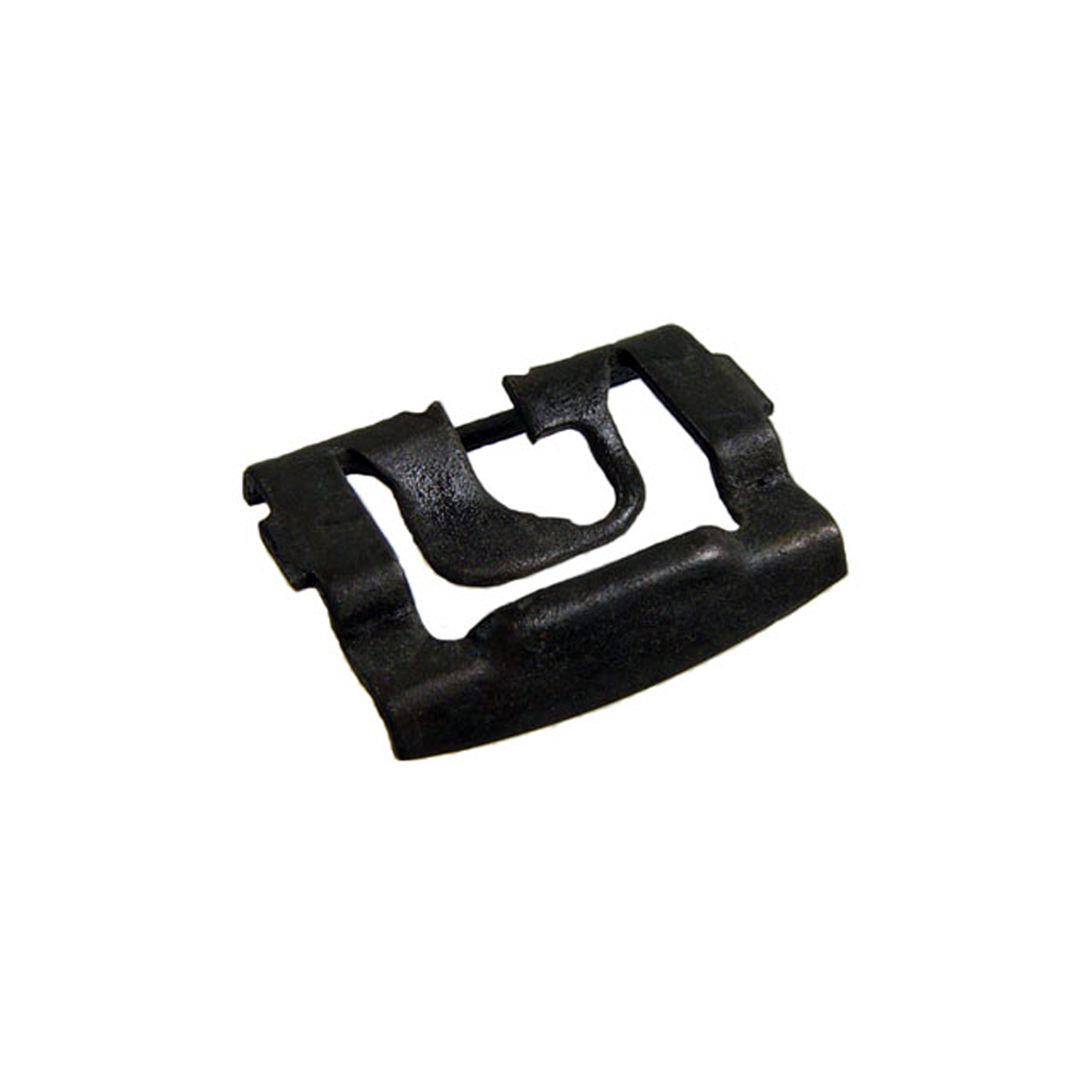 1984 Dodge Rampage Windshield and Rear Windshield Molding Clip. Made of steel-WF 216Windshield and Rear Windshield Molding Clip. Made of steel. 1-1/8" X 5/8". Each
Why Choose Metro?
For over 100 years, Metro Moulded Parts has been the pinnacle of quality in classic car restoration parts. Our commitment to precision and authenticity in every component ensures a perfect fit and an OEM-level appearance.
- Expert Craftsmanship & Quality: Each part is a testament to our dedication to reliability and perfection, crafted from original designs and thoroughly tested.
- Advanced Technology: We use cutting-edge techniques to create flawless, long-lasting parts that surpass others in performance.
- SuperSoft Sponge – The Ultimate Door Seal: Not only are our door seals 30% softer than competitors', but they're also guaranteed to never leak. They effectively reduce wind and road noise, enhancing your classic car's comfort and driving experience.
- Proudly American: Our parts are a product of American craftsmanship, made in the USA with a spirit of excellence and heritage.
- Unrivaled Warranty: We back our products with a 30-year industry-leading warranty, a testament to our confidence in their quality.
Join us in preserving the legacy of classic cars with parts that are crafted for perfection, not just made.