
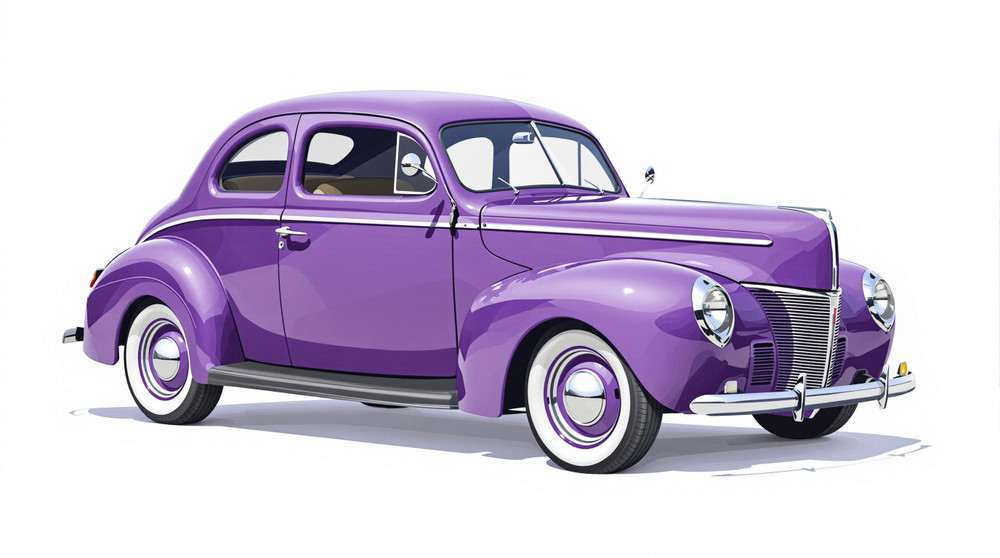
Image of 1940 Ford Deluxe, Note: These illustrations use artistic license and may differ from actual historical models.
Performance Metrics
Fundamental Metrics
Emotional Appeal
MMP Rating
| Engine Specifications | |
|---|---|
| Engine: | Flathead V8 |
| Displacement: | 221 cubic inches |
| Horsepower: | Estimated 85-100 hp |
| Torque: | 155 lb-ft |
| Compression Ratio: | Estimated 6.15:1 |
| Ignition System: | Distributor and coil |
| Cooling System: | Water-cooled |
| Performance Specifications | |
| 0-60 Time: | Estimated 20 seconds |
| 1/4 Mile Time: | Not available |
| Top Speed: | 75-80 mph |
| Transmission and Drive | |
| Drive Type: | Rear-wheel drive |
| Transmission Type: | 3-speed manual |
| Fuel and Efficiency | |
| Fuel System Type: | Carburetor |
| MPG: | Estimated 15-20 mpg |
| Dimensions and Brakes | |
| Brakes: | Hydraulic drum brakes |
| Wheelbase: | 112 inches |
| Weight: | Estimated 2,970 lbs |
Note: Specifications for classic cars are given to the best of our ability, considering the limited and variant data available.
1940 Ford Deluxe: The Shape of a Classic
The 1940 Ford Deluxe looks ready to roll even while standing still: broad, flowing fenders frame a tall chrome grille, and its rounded bodywork captures the confident style of American motoring just before World War II. Built by the Ford Motor Company, the Deluxe was the more richly appointed version of Ford’s popular passenger-car line, offering period glamour without moving into luxury-car territory.
Its timing gives the car particular historical resonance. The 1940 model year came near the end of the prewar era, before America’s auto industry shifted much of its attention to wartime production. A memorable detail is that 1940 Fords were among the first American cars to use sealed-beam headlamps as standard equipment, a practical advance that improved nighttime visibility and soon became an industry-wide requirement.
Art Deco Style and Deluxe Trim
The Deluxe’s front end is its calling card. A tall, carefully shaped grille with closely spaced vertical bars sits between sweeping front fenders, while the headlights are integrated into the fender contours rather than perched separately. The hood stretches back toward a broad windshield, and the rounded roof and rear body give the car a smooth, streamlined profile. Chrome accents add sparkle without overwhelming the design.
Inside, the Deluxe offered a more polished cabin than the standard Ford. Upholstery typically used durable cloth, with richer materials and trim depending on the body style; open models could feature more upscale finishes. The dashboard brought together clear instrumentation and a tidy, symmetrical layout. The overall impression is sturdy and welcoming rather than lavish. These were cars meant to be used, and their controls and cabin materials reflect that purpose.
Ford offered a range of factory paint colors, with choices varying by body style and production details. Black, dark blue, maroon, green, and gray tones are among the colors associated with the era. Dark, glossy finishes remain popular with collectors because they emphasize the car’s curves and brightwork, though lighter colors can make the distinctive fenders and grille stand out.
Body styles included two-door and four-door sedans, coupes, convertibles, and station wagons, with availability depending on the exact model and market. The Tudor sedan and coupe are especially familiar sights today. Convertibles are among the most eye-catching and valuable, while the wood-bodied station wagon is a standout for collectors. Ford also offered commercial versions such as a sedan delivery, though these are less commonly encountered.
Engineering in the 1940 Model Year
The Deluxe paired its graceful styling with engineering that was practical for its time. Sealed-beam headlights made it easier to replace and maintain the lighting system, while hydraulic brakes, introduced on Ford cars shortly before this model year, gave drivers more consistent stopping power than older mechanical systems. The three-speed manual transmission was typically operated by a column-mounted shifter, the familiar “three-on-the-tree” arrangement that freed up floor space.
That combination helped make the Ford feel modern without making it complicated. The company’s broad dealer and service network also meant owners could find parts and repairs more readily than they could for many low-volume marques. The 1940 Ford Deluxe was not a technical revolution, but it brought useful improvements and contemporary design to a car that remained accessible to a wide audience.
Why the 1940 Ford Still Matters
The 1940 Ford Deluxe represents a high point in the evolution of Ford’s prewar styling. Its integrated headlights, flowing fenders, and carefully balanced grille helped move American car design away from the more upright forms of earlier years. It looked streamlined and substantial, but remained recognizable as a Ford rather than trying to imitate a luxury import.
Its influence continued well beyond the showroom. The car’s strong frame, straightforward mechanical layout, and plentiful parts made it a favorite among postwar hot rodders. A 1940 Ford could be restored to factory specification or transformed with a modified engine and suspension. That adaptability helped cement the model’s place in American car culture and ensured that the “’40 Ford” became a familiar name in hot-rod history.
Flathead V8 Performance and Road Manners
The best-known engine was Ford’s 221-cubic-inch (3.6-liter) flathead V8, rated at about 85 horsepower. Some configurations and markets could have different engine offerings, so an individual car’s specifications should be confirmed by its engine number and original documentation. Power went through a three-speed manual gearbox to the rear wheels.
Performance figures depend on body style, gearing, condition, and the accuracy of period testing. As a broad guide, a healthy 85-horsepower car might reach 0 to 60 mph in roughly 20 to 25 seconds, with a top speed in the neighborhood of 75 to 80 mph. Those are estimates, not guarantees, and an original car is far more comfortable cruising at moderate speeds than being pushed to its limit.
On the road, the flathead V8 delivers a distinctive, even burble, with power building in a relaxed rather than urgent way. The steering is not as precise or light as a modern car’s, and the manual brakes require more anticipation. The suspension absorbs ordinary bumps with a soft, period-style motion, but a worn example can wander or feel unsettled on uneven pavement and windy roads. In good condition, the Deluxe is best enjoyed at an unhurried pace, where its smooth engine note and generous view over the long hood become part of the experience.
Living With a 1940 Ford Deluxe
Today, most examples serve as weekend cruisers, show cars, or carefully maintained collection pieces. Some remain in regular use, while others have been modified into hot rods. An original, numbers-matching car appeals to restoration-minded collectors; a modified car is often judged by the quality and safety of its build rather than its factory originality.
The Ford’s mechanical simplicity is a major ownership advantage. A knowledgeable home mechanic can handle many routine jobs, and the flathead V8 has a deep supply of specialist knowledge and reproduction parts. Still, age matters. Cooling systems, wiring, brakes, fuel components, and rubber parts should all be inspected carefully. Replacement parts are available, but correct trim and body-specific components can take more searching. Before buying, pay particular attention to rust in the floors, frame, lower body panels, and wood structure of a station wagon.
1940 Ford Facts and Common Criticisms
The 1940 Ford has a split personality in the collector world: it is admired as an elegant prewar classic and celebrated as a hot-rod platform. That popularity means not every surviving car is original. Engines, paint, interiors, and chassis parts may have been changed over the decades, so a careful inspection and documentation check are worthwhile.
One of its most important practical milestones was the adoption of sealed-beam headlights, which simplified replacement and helped establish a new standard for American cars. The model also belongs to the final stretch of prewar Ford production. As the United States entered World War II, automakers redirected factories toward military needs, and civilian car production was eventually suspended.
Common criticisms are typical of cars from its era: modest acceleration by modern standards, limited safety equipment, heavier steering, and braking that demands more planning than a contemporary driver may expect. The cabin is also less quiet and climate-controlled than a modern one. These drawbacks are part of the period experience, but they make safe maintenance and realistic expectations essential.
Collector Values and Availability
Ford built roughly 500,000 to 550,000 passenger cars for the 1940 model year across its range, depending on how production figures are counted. The exact Deluxe total is harder to isolate, but it likely accounts for several hundred thousand cars. That broad production makes the 1940 Ford relatively attainable compared with many luxury classics, although survival rates vary sharply by body style.
As a general 2025-26 U.S. market estimate, a project car may sell for about $10,000 to $25,000, while a usable driver or decent restoration can fall around $25,000 to $50,000. Well-restored coupes and sedans can reach roughly $40,000 to $70,000. Convertibles, rare body styles, and exceptionally correct examples may bring $60,000 to well over $100,000. Wood-bodied station wagons can command considerably more when their woodwork and restoration are outstanding. These are broad ranges; originality, condition, provenance, and regional demand make a substantial difference.
Values have generally remained firm for attractive, well-documented cars, with the strongest interest focused on convertibles, wagons, and high-quality restorations. The market is not immune to shifts in collector tastes, and modified cars can be harder to price because build quality and buyer preference vary widely. For a potential purchase, recent comparable sales are more useful than asking prices alone.
A Prewar Ford With Lasting Appeal
The 1940 Ford Deluxe brings together handsome Art Deco-influenced styling, practical engineering, and the unmistakable character of a flathead V8. It was a well-equipped family car in its day, a hot-rod favorite in the years that followed, and a rewarding classic for today’s enthusiast who appreciates mechanical simplicity and unhurried driving.
Nearly a century later, its appeal is easy to understand: the ’40 Ford is not just a snapshot of prewar America, but a car whose shape, sound, and adaptability have kept it moving through generations of automotive history.
1940 Ford Deluxe Catalog of Parts
 1940 Ford Deluxe Frame to Running Board Bracket Cushion-BC 27Frame to Running Board Bracket Cushion. 3-3/16" Long, 2" Wide, 3/8" Hole. Each
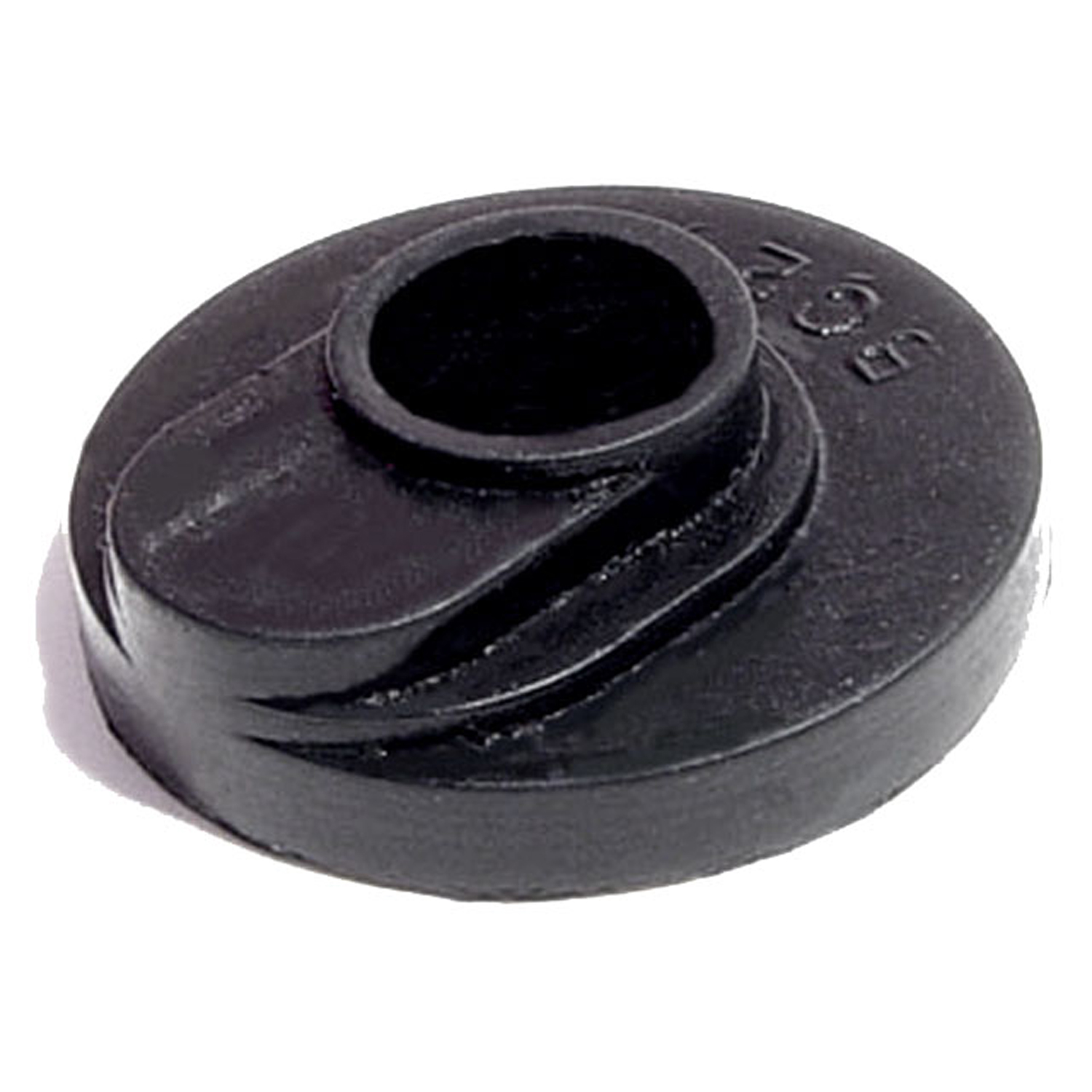 1940 Ford Deluxe Fender Grommet. 1-1/8" O.D., 3/8" I.D. Each-BC 28Fender Grommet. 1-1/8" O.D., 3/8" I.D. Each
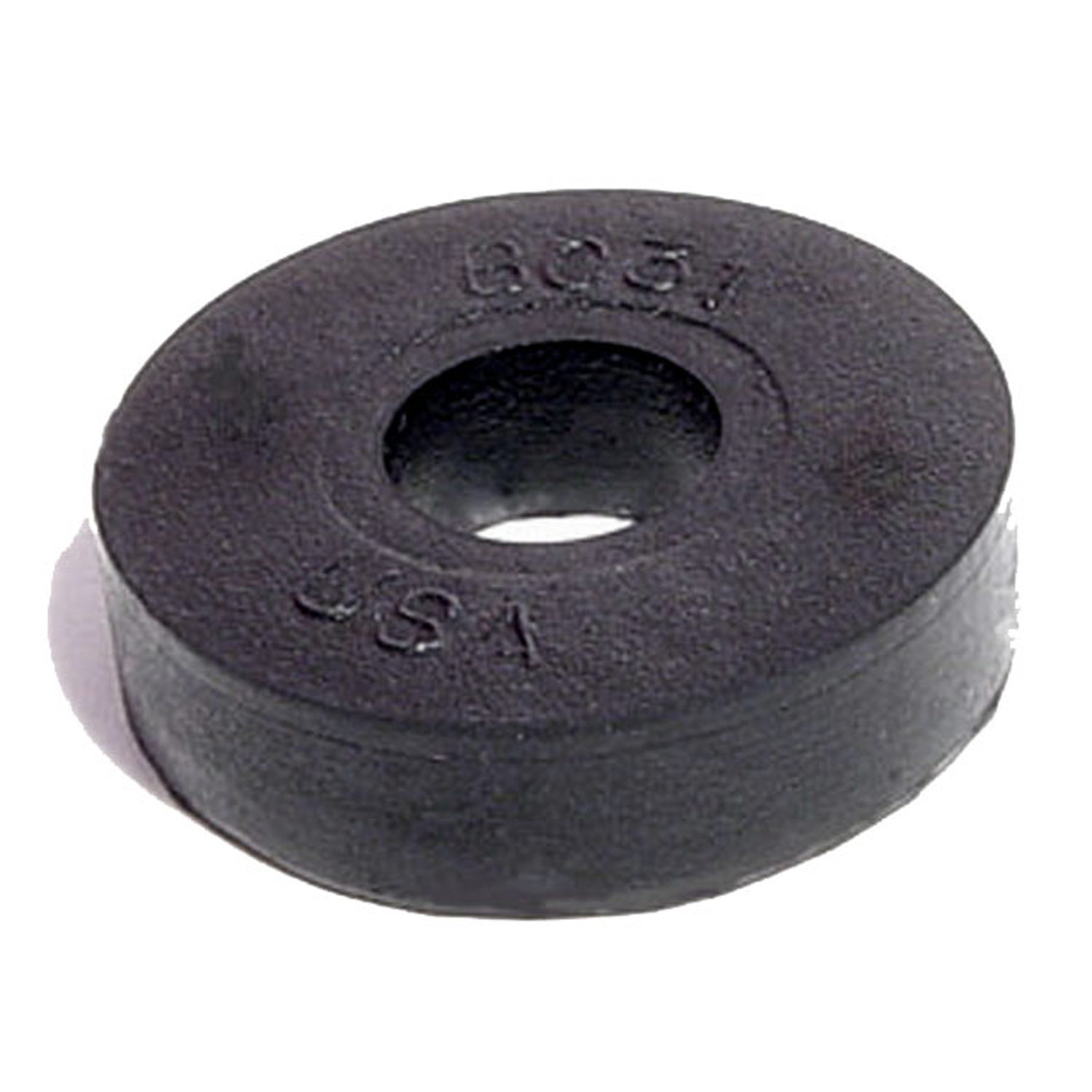 1940 Ford Deluxe Fender Washer Cushion. 1" O.D., 3/8" I.D. Each-BC 31Fender Washer Cushion. 1" O.D., 3/8" I.D. Each
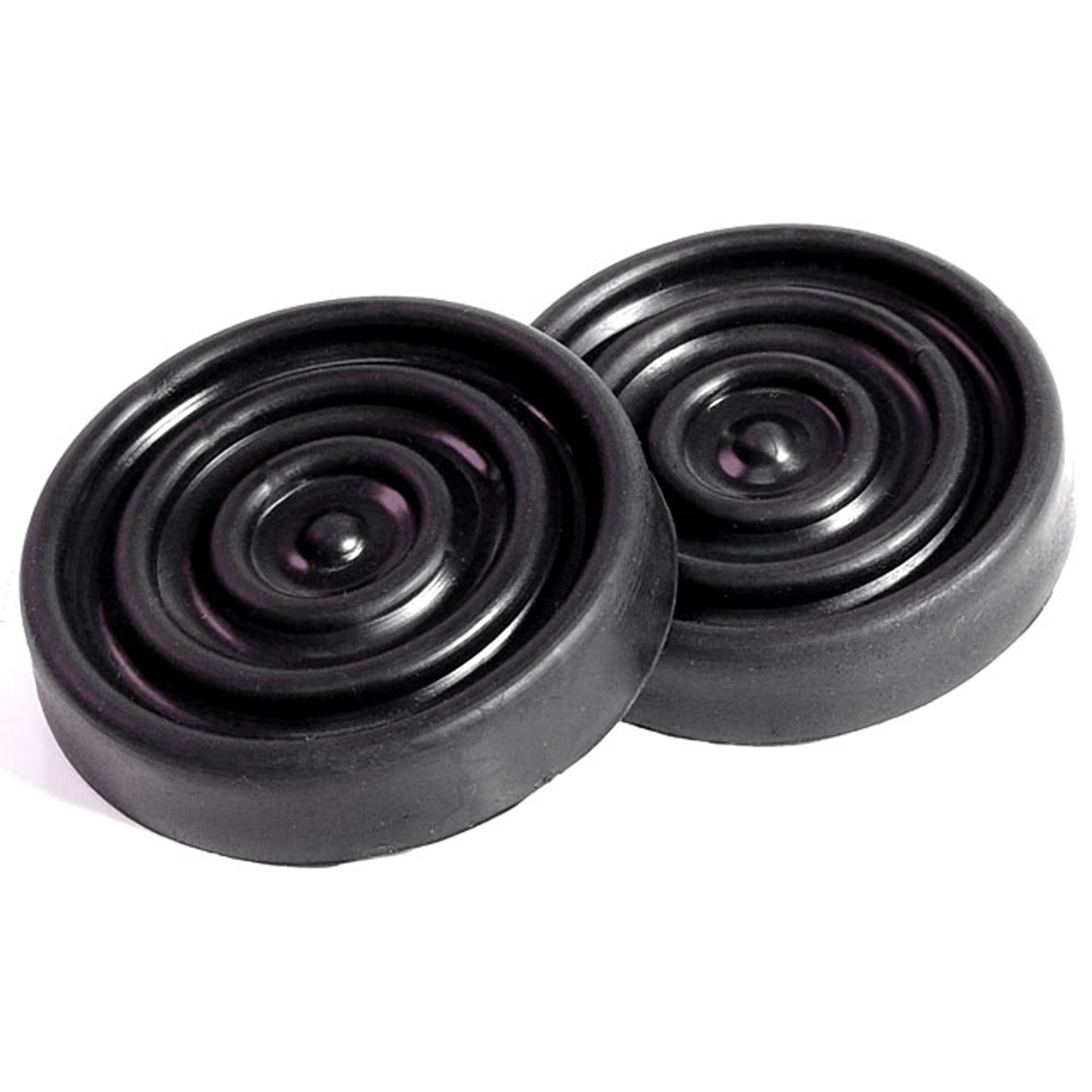 1940 Ford Deluxe Clutch and Brake Pedal Pads-CB 106Clutch and Brake Pedal Pads. Made with molded steel core and threaded stud. 3" diameter. Pair
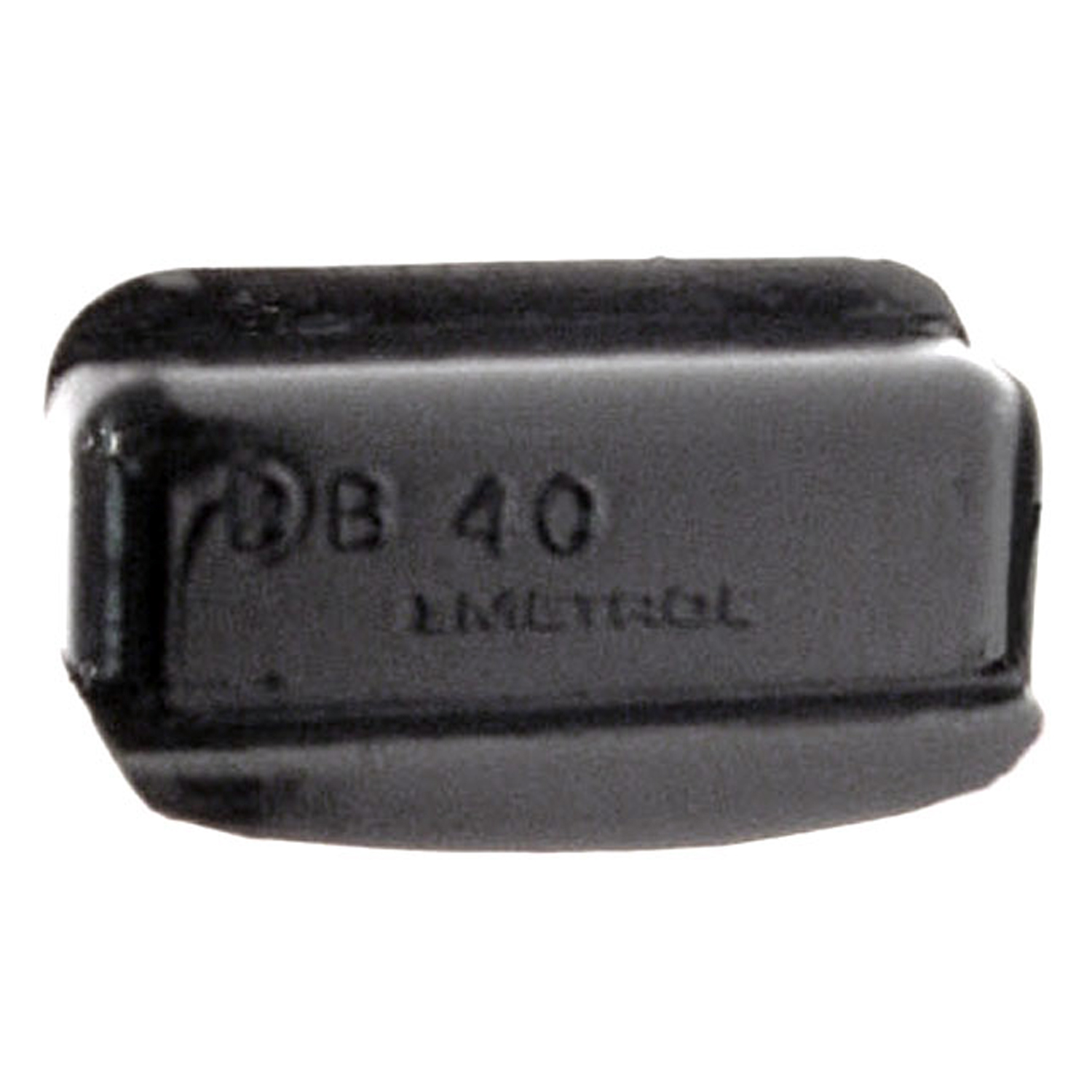 1940 Ford Deluxe Door Bumper. 3/4" high X 1-7/16" wide X 9/16" thick. Each-DB 40Door Bumper. 3/4" high X 1-7/16" wide X 9/16" thick. Each
 1940 Ford Deluxe Gas Filler Grommet. 2-3/8" I.D., 3-1/4" O.D. Each-GF 15Gas Filler Grommet. 2-3/8" I.D., 3-1/4" O.D. Each
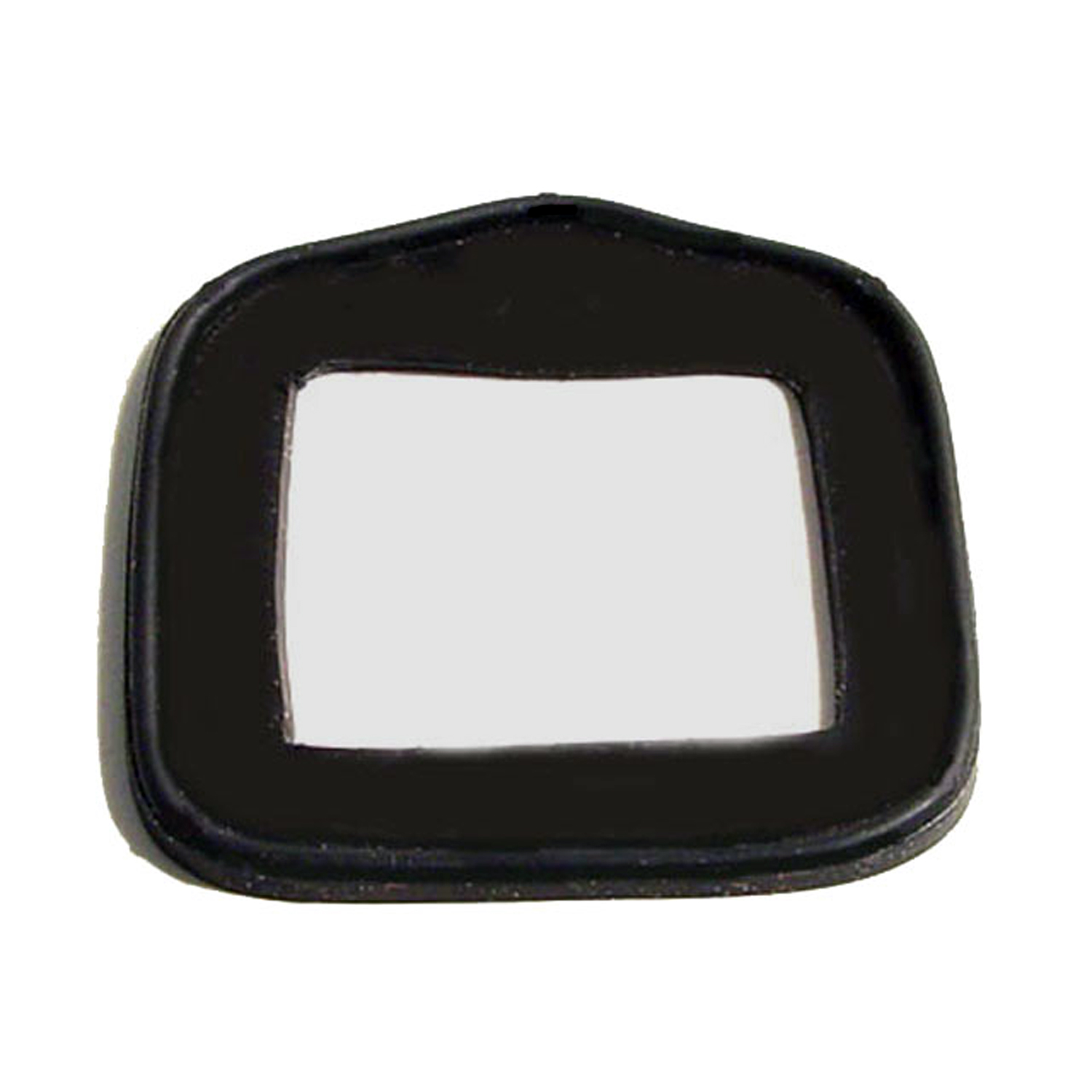 1940 Ford Deluxe Windshield Wiper Transmission Pad. 2" wide X 2" long-MP 688Windshield Wiper Transmission Pad. 2" wide X 2" long. Each
 1940 Ford Deluxe Trunk Lock Pad. 1-3/8" O.D. Each-MP 693Trunk Lock Pad. 1-3/8" O.D. Each
 1940 Ford Deluxe Antenna Pad. 1-1/2" wide X 2-5/8" long. Each-MP 694Antenna Pad. 1-1/2" wide X 2-5/8" long. Each
 1940 Ford Deluxe Door Handle Pads. 1-3/8" wide X 2-1/2" long. Pair-MP 694-BDoor Handle Pads. 1-3/8" wide X 2-1/2" long. Pair
 1940 Ford Deluxe Tail-light Pads. 5-1/8" wide X 5-1/8" long. Pair-MP 711Tail-light Pads. 5-1/8" wide X 5-1/8" long. Pair
 1940 Ford Deluxe Tail-light Bracket Pads. 3" wide X 2-1/8" long. Pair-MP 720-ATail-light Bracket Pads. 3" wide X 2-1/8" long. Pair
 1940 Ford Deluxe License Light Pad. 2-7/8" wide X 4-1/2" long. Each-MP 770License Light Pad. 2-7/8" wide X 4-1/2" long. Each
 1940 Ford Deluxe Cowl Vent Seal. Made of molded sponge. High quality-RP 100-SCowl Vent Seal. Made of molded sponge. High quality. 3-1/2" wide X 16-1/2" long. Each
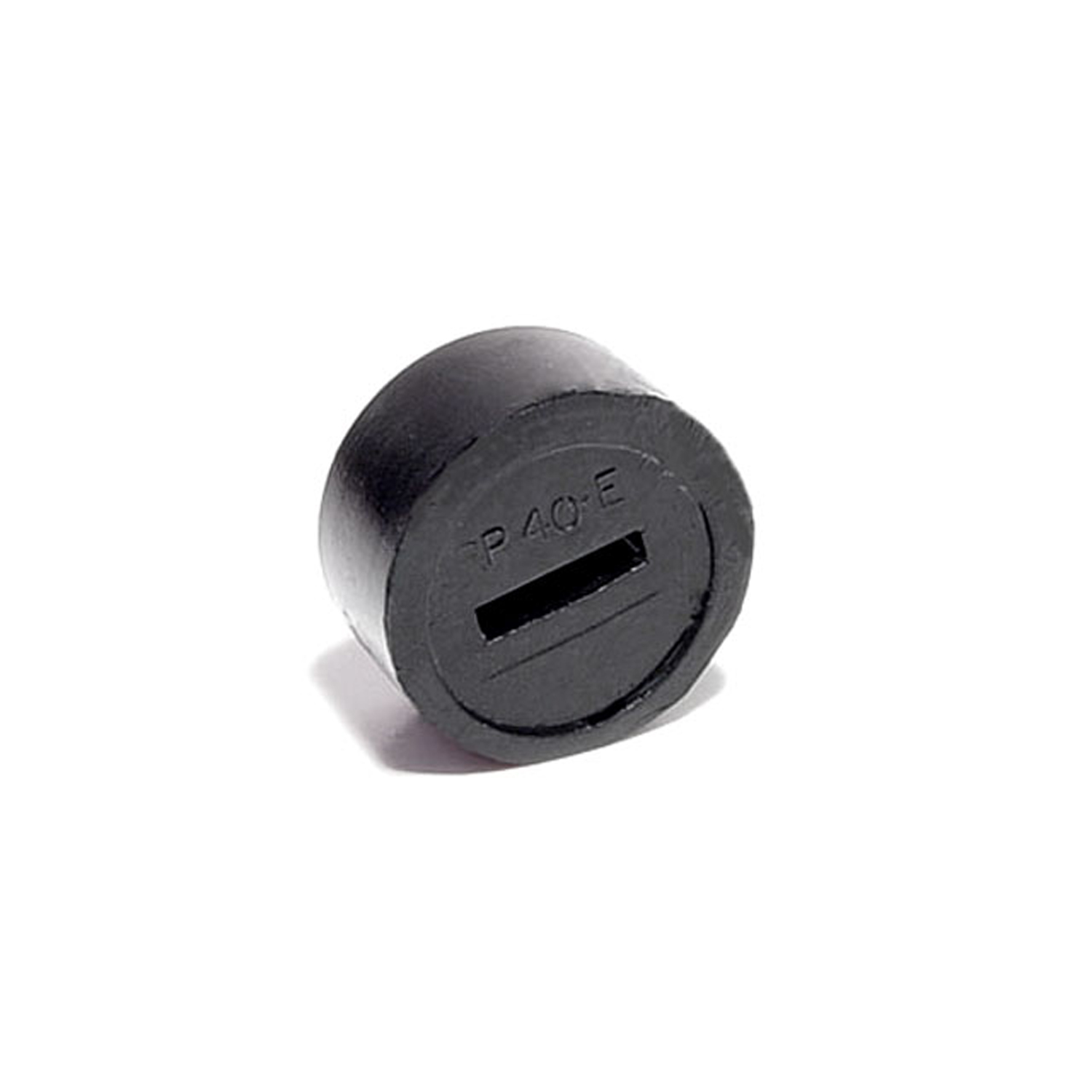 1940 Ford Deluxe Door Check Rubber Cushion. 1-1/16" O.D., 1/2" Slot. Each-RP 40-EDoor Check Rubber Cushion. 1-1/16" O.D., 1/2" Slot. Each
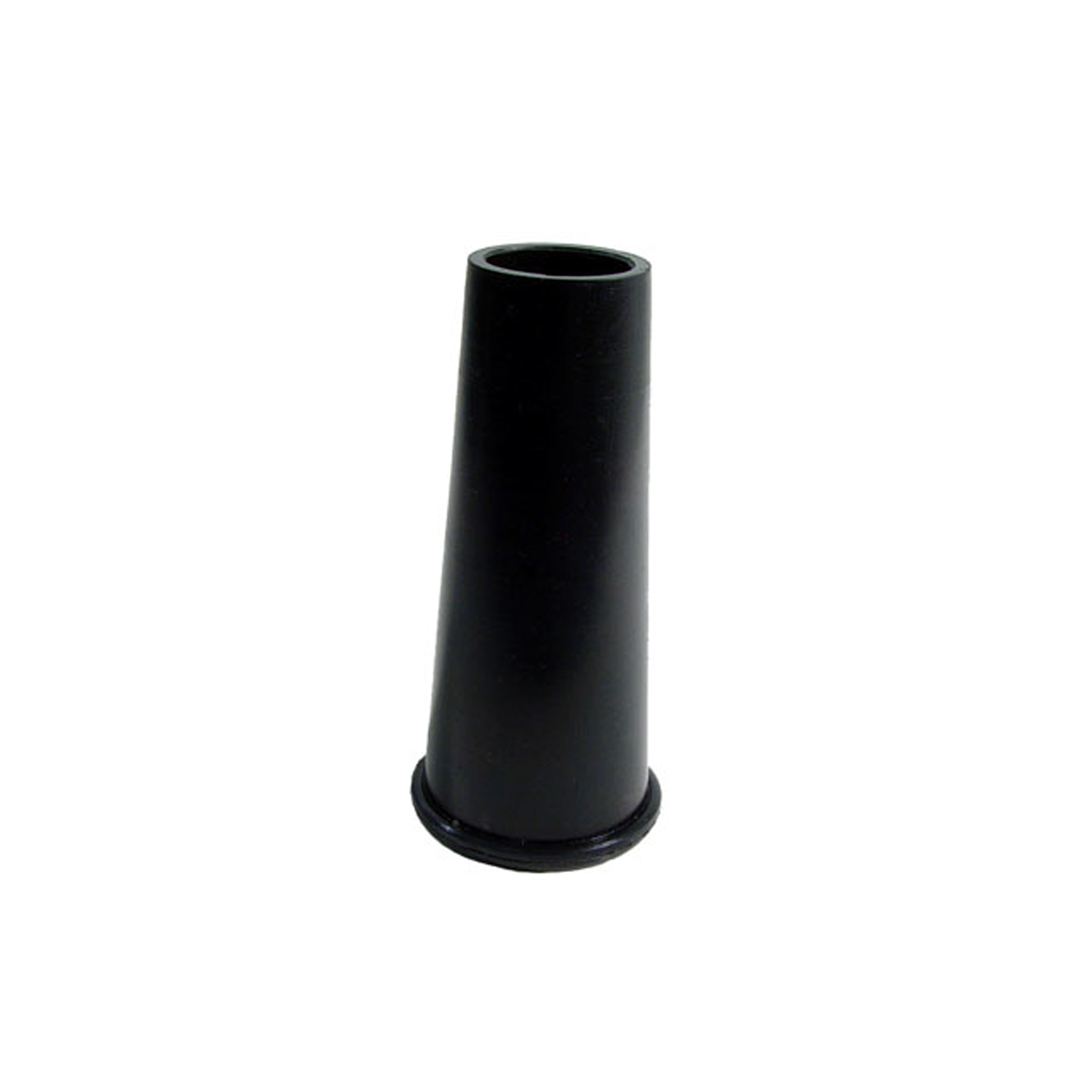 1940 Ford Deluxe Distributor Ignition Boot. 3-1/8", 1-1/4" O.D., 3/4" I.D-SM 65-DDistributor Ignition Boot. 3-1/8", 1-1/4" O.D., 3/4" I.D. Each
 1940 Ford Deluxe Choke and Throttle Cable Grommet. Fits a 9/16" hole-SM 83Choke and Throttle Cable Grommet. Fits a 9/16" hole. Angled hole in part. Each
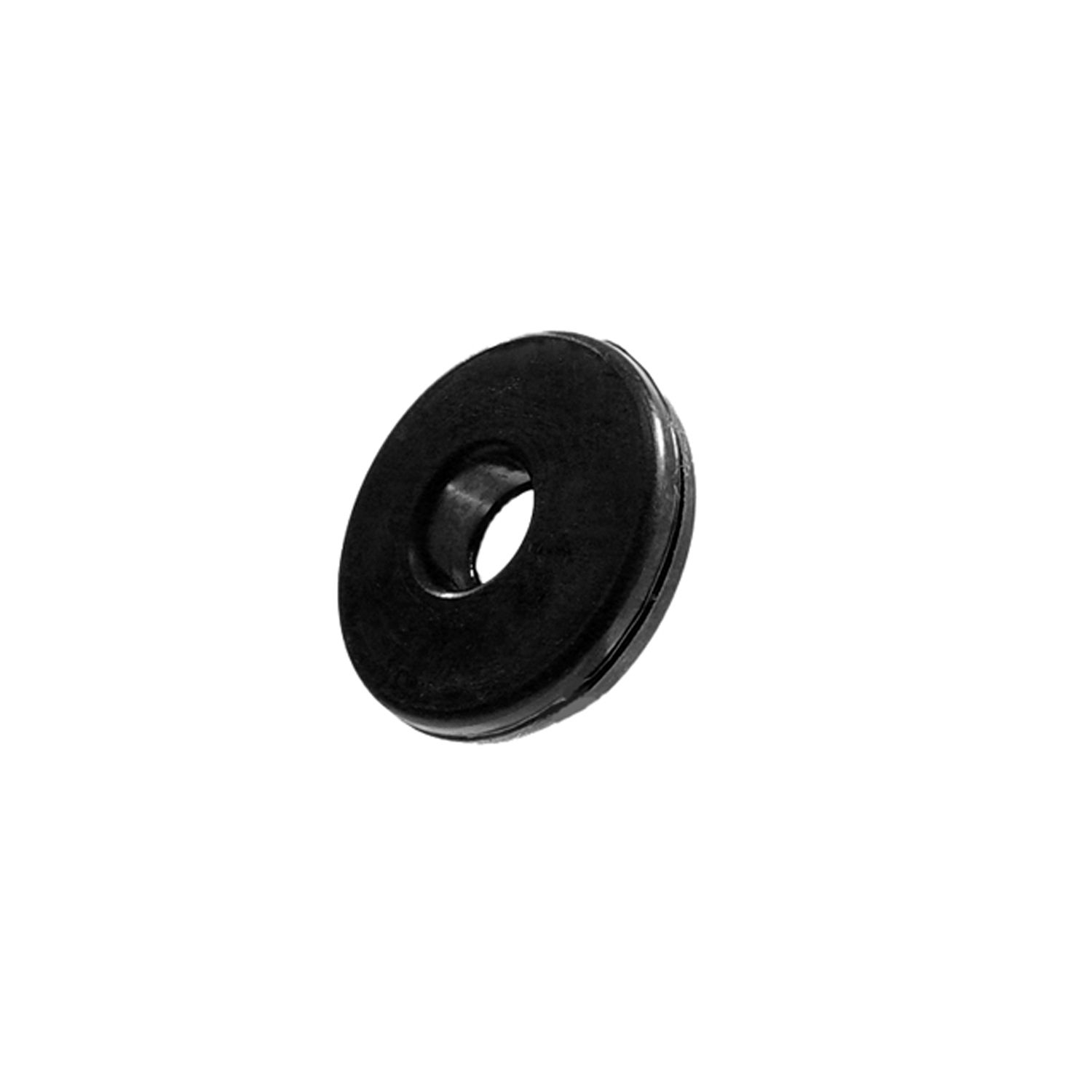 1940 Ford Deluxe Headlight Wires through Inner Splash Pan, Front Fenders-SM 96Headlight Wires through Inner Splash Pan, Front Fenders. Two used per car. 3/8" I.D., 1-5/16" O.D. Each
 1940 Ford Deluxe Rear Vent Window Seals-WR 3320-RRear Vent Window Seals. For 4-door sedans with large, swing-out rear quarter windows. Pair R&L
Why Choose Metro?
For over 100 years, Metro Moulded Parts has been the pinnacle of quality in classic car restoration parts. Our commitment to precision and authenticity in every component ensures a perfect fit and an OEM-level appearance.
- Expert Craftsmanship & Quality: Each part is a testament to our dedication to reliability and perfection, crafted from original designs and thoroughly tested.
- Advanced Technology: We use cutting-edge techniques to create flawless, long-lasting parts that surpass others in performance.
- SuperSoft Sponge – The Ultimate Door Seal: Not only are our door seals 30% softer than competitors', but they're also guaranteed to never leak. They effectively reduce wind and road noise, enhancing your classic car's comfort and driving experience.
- Proudly American: Our parts are a product of American craftsmanship, made in the USA with a spirit of excellence and heritage.
- Unrivaled Warranty: We back our products with a 30-year industry-leading warranty, a testament to our confidence in their quality.
Join us in preserving the legacy of classic cars with parts that are crafted for perfection, not just made.