

Image of 1949 Ford F1, Note: These illustrations use artistic license and may differ from actual historical models.
Performance Metrics
Fundamental Metrics
Emotional Appeal
MMP Rating
| Engine Specifications | |
|---|---|
| Engine: | 226 CID Inline 6, 239 CID Flathead V8 |
| Displacement: | 226-239 CID |
| Horsepower: | 95-100 hp |
| Torque: | 180 lb-ft |
| Compression Ratio: | 6.8:1 |
| Ignition System: | Distributor and coil |
| Cooling System: | Liquid-cooled |
| Performance Specifications | |
| 0-60 Time: | Estimated 20-25 seconds |
| 1/4 Mile Time: | Not available |
| Top Speed: | 70-75 mph |
| Transmission and Drive | |
| Drive Type: | Rear-wheel drive |
| Transmission Type: | 3-speed manual |
| Fuel and Efficiency | |
| Fuel System Type: | Carburetor |
| MPG: | Estimated 10-15 mpg |
| Dimensions and Brakes | |
| Brakes: | Drum brakes |
| Wheelbase: | 114 inches |
| Weight: | 3,200 lbs |
Note: Specifications for classic cars are given to the best of our ability, considering the limited and variant data available.
1949 Ford F-1: The Truck That Launched a Legend
The 1949 Ford F-1 looks ready to go to work, even standing still: rounded fenders frame a broad hood, a bold horizontal-bar grille fills the nose, and a roomy cab gives it the unmistakable stance of a postwar American pickup. It belongs to Ford’s first F-Series, introduced in 1948 and marketed as the “Bonus Built” line. The F-1 was the half-ton model, aimed at farmers, tradespeople, small businesses, and families who needed a practical truck that could also serve as everyday transport.
The 1949 model was not the first F-Series, but it was part of the new generation that established the F-1 name and the basic formula Ford would refine for decades. One intriguing bit of period marketing: Ford called the new cab the “Million-Dollar Cab,” a reference to its added width, improved visibility, and more generous interior space. The name was promotional, but the improvement was real. Compared with many prewar and immediate postwar trucks, this was a more comfortable place to spend a long day.
Bold Fenders and a Roomier Cab
The F-1’s styling balances work-truck practicality with a distinctly rounded, late-1940s look. Its front fenders flow into the body sides, while the tall hood and upright grille give the truck a sturdy, upright profile. A wide windshield and large side windows help brighten the cabin and improve outward visibility. Details vary with equipment and restoration, but the original design is clean and purposeful rather than decorative.
Inside, the F-1 is straightforward. A broad bench seat, painted metal dashboard, large, legible gauges, and simple controls make up the cabin. Materials were chosen for durability, not luxury: metal surfaces, practical trim, and work-ready upholstery were appropriate for a truck expected to haul people and cargo in all kinds of weather. The bench could accommodate a driver and passengers, though modern occupants may find the seating position and lack of adjustment limited.
Ford offered the F-1 in a range of factory colors, with availability dependent on model year, equipment, and production choices. Black, red, green, and blue shades are commonly associated with period F-1s. Many trucks seen today wear attractive two-tone paint or customized combinations, but buyers restoring one should consult period paint references and the truck’s original paint code when authenticity matters.
The familiar pickup box is the most recognizable F-1 body style, but Ford’s truck range also included chassis-cab and other commercial configurations. Across the broader F-Series, buyers could choose trucks suited to different payloads and vocational needs. The half-ton F-1 pickup remains the most iconic version, prized for its useful bed, balanced proportions, and strong connection to the classic American work truck.
Why the First F-Series Mattered
Ford’s postwar F-Series gave buyers a purpose-built truck range rather than a single basic commercial vehicle. The F-1 sat at the light-duty end, while larger F-Series models served progressively heavier jobs. This clear model structure helped customers choose a truck around its intended workload and gave Ford a platform it could develop across many years.
The new cab was a significant part of the appeal. It was wider and more accommodating than many earlier truck cabins, with improved visibility and a more comfortable layout. The F-1 did not introduce every feature associated with modern pickups, but it helped shift expectations: a truck could remain rugged and useful while becoming more livable for the person behind the wheel. That blend of work capability and everyday usability is still central to the pickup market.
Its lasting influence is easy to spot in the F-Series name itself. Ford’s modern F-150 is a direct descendant of the line that began with the F-1, even though today’s trucks are vastly more powerful, comfortable, and technologically complex. The 1949 model represents an early chapter in one of the longest-running and most successful truck families in automotive history.
Flathead Power and Period Pace
Engine choices typically included Ford’s 226-cubic-inch flathead inline-six, rated at about 95 horsepower, and a 239-cubic-inch flathead V8, rated at roughly 100 horsepower. Exact specifications can vary by configuration and source. Power went through a manual transmission, with a three-speed commonly fitted and other transmission options available depending on equipment. The F-1 also used conventional rear-wheel drive, hydraulic drum brakes, and a ladder-style frame built for truck work.
There is no single dependable factory 0-to-60 mph figure for every 1949 F-1, and period testing is not directly comparable with modern performance measurements. As a broad estimate, a sound, lightly loaded truck might take roughly 25 to 35 seconds to reach 60 mph, depending on engine, gearing, condition, and road surface. A top speed in the neighborhood of 65 to 70 mph is plausible for a well-maintained example, but the F-1 was designed to carry a load reliably, not cruise at sustained highway speeds.
On the road, the flathead six delivers its power in an unhurried, steady way. The V8 adds a deeper exhaust note and a little more urgency, but neither engine makes the truck feel quick by modern standards. Expect engine noise, mechanical feedback, and a firm connection to the road rather than quiet refinement. The manual gearbox asks for deliberate shifts, while the large steering wheel and unassisted steering require more effort at low speeds.
The suspension is built for carrying cargo, so an empty F-1 can feel stiff over potholes and broken pavement. Add a load and the ride generally settles down. On winding roads, its high seating position, period tires, solid-axle layout, and drum brakes call for measured driving. The truck can handle ordinary roads confidently when maintained, but it rewards smooth inputs and generous stopping distance rather than fast cornering or abrupt maneuvers.
Living With a 1949 Ford F-1
Today, owners use the F-1 in several ways. Some preserve a largely stock truck for shows and historic displays, while others drive theirs to local events, use them for light hauling, or build custom and restomod projects. A carefully maintained original can be enjoyable on relaxed local drives, though busy modern highways may expose its limitations in speed, braking, noise, and traffic visibility.
Mechanical simplicity is one of the F-1’s ownership advantages. Its basic systems are understandable to a capable home mechanic, and many routine jobs do not require modern diagnostic equipment. Parts support is strong for popular restoration items, although finding correct original trim, an unmodified cab, or specific period components can take time. As with any nearly 80-year-old vehicle, condition matters more than reputation: inspect the frame, cab corners, floor, bed, and fenders for rust, and check the engine, transmission, brakes, wiring, and cooling system carefully.
Reliability depends heavily on maintenance and restoration quality. Flathead engines can serve well when their cooling and lubrication systems are in good order, but overheating, worn internals, neglected ignition parts, and old electrical components can turn a promising truck into a project. Original drum brakes and vintage tires also need attention before regular road use. A proper inspection and sorting-out period are sensible even when a truck appears to run well.
F-1 Facts and Common Complaints
The “Million-Dollar Cab” nickname is among the best-known details from the launch of the first F-Series. Another important distinction is that 1949 is an early F-Series model year, not the debut year: Ford introduced the line in 1948. The F-1 also belongs to a family that eventually became one of the most recognizable truck nameplates in the world.
There is no widely recognized speed, sales, or endurance record specifically associated with the 1949 F-1. Its significance is broader: it helped establish Ford’s modern, clearly tiered truck range and became a familiar tool in postwar American life. The model appeared in the era of rapid growth in agriculture, construction, and small business, though it is better known today as a classic vehicle than as a participant in one specific historical event.
Common criticisms are practical ones. The cabin is basic by modern standards, the ride can be harsh when the bed is empty, and the steering and brakes require more effort than contemporary drivers expect. Original trucks also lack modern safety equipment such as airbags, anti-lock braking, and modern crash protection. Those limitations are part of the period experience, but they matter when deciding how and where to drive one.
Collector Values and Market Outlook
Values vary widely with originality, rust, mechanical condition, documentation, and the quality of any restoration. As a broad U.S. market estimate, a project or rough-running truck may sell for around $10,000 to $20,000. A usable driver or solid older restoration might fall in the $20,000 to $40,000 range, while a high-quality, correctly restored example can reach approximately $40,000 to $65,000 or more. Exceptional trucks and professionally built customs can exceed those figures, but modifications do not automatically increase value for buyers seeking originality.
Exact production totals for the 1949 F-1 are difficult to pin down from commonly available model-level records. A reasonable estimate is that Ford built somewhere in the broad range of 100,000 to 150,000 F-1 pickups for the model year, but that should be treated as an approximation rather than an official count. The truck is not rare in the sense of a limited-production performance car, yet clean, unmodified survivors are far less common than the number of trucks originally built might suggest.
Over the long term, classic F-1s have benefited from steady interest in vintage pickups, but prices can move unevenly. Well-restored examples and desirable original trucks tend to attract the strongest demand, while rough projects face higher restoration costs. The market is best described as healthy but condition-sensitive: buyers pay for quality, and a careful inspection is essential before treating any asking price as proof of value.
A Classic Built to Keep Working
The 1949 Ford F-1 combines a distinctive postwar design, simple flathead power, and the practical character of a genuine working truck. Its roomier cab helped make pickups more comfortable, while the first F-Series established a model structure that Ford would build on for generations. It is not fast, quiet, or especially gentle over rough roads, but that is not the point. The F-1’s appeal lies in its honest engineering, unmistakable shape, and place at the beginning of a legendary truck line.
For collectors, restorers, and anyone who appreciates machinery with a clear purpose, the 1949 F-1 is more than a handsome old pickup. It is a rolling piece of Ford history, and every turn of its flathead engine recalls the era when a dependable truck was expected to earn its keep.
1949 Ford F1 Catalog of Parts
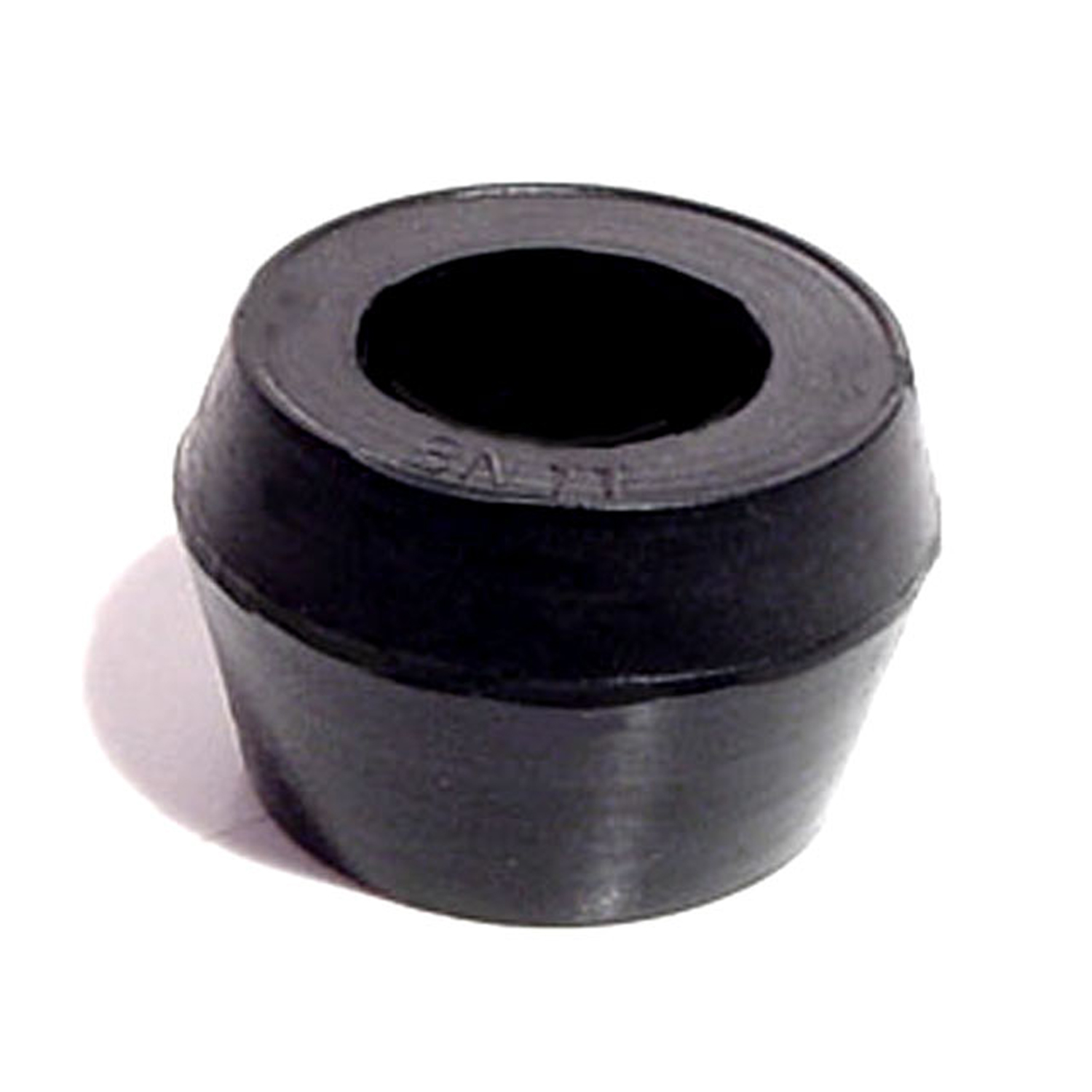 1949 Ford F1 Shock Absorber Grommet. 1" bottom O.D-BN 11Shock Absorber Grommet. 1" bottom O.D., 3/4" high, with 5/8" I.D. Each
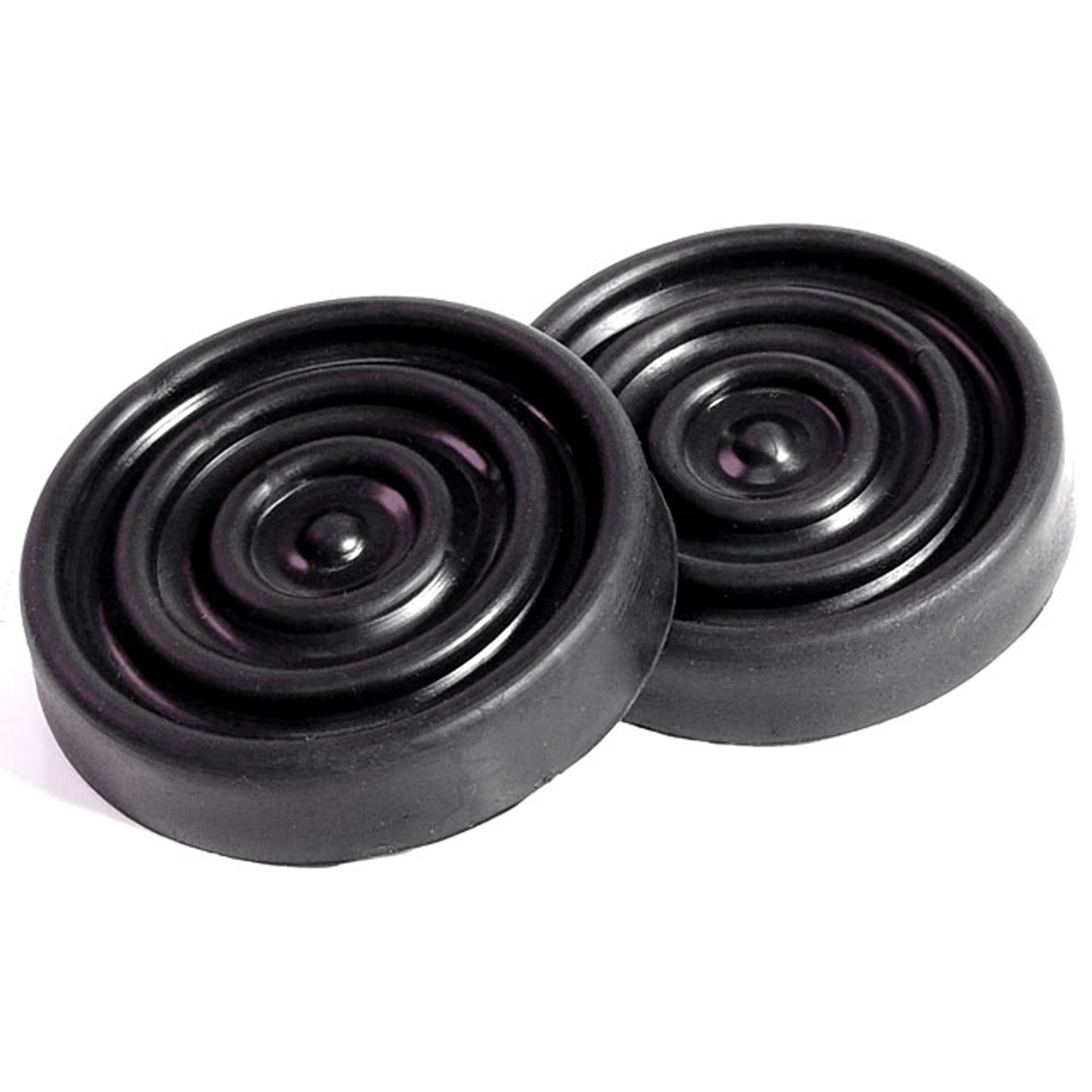 1949 Ford F1 Clutch and Brake Pedal Pads-CB 106Clutch and Brake Pedal Pads. Made with molded steel core and threaded stud. 3" diameter. Pair
 1949 Ford F1 Headlight Assembly Housing Gasket. 8-5/8" O.D., 8" I.D-HR 11Headlight Assembly Housing Gasket. 8-5/8" O.D., 8" I.D. Pair
 1949 Ford F1 Door Weatherstrip Set Fits 48-52 Ford Trucks-LM 48This Door Weatherstrip Set is designed from the original parts for superior fitment and seal. These primary door weatherstrips mount (glue-on) directly to the left and right doors sealing the full perimeter of the doors against the vehicle body when the door is closed. Made of high quality EPDM sponge rubber to ensure a durable positive seal. Fitment Note Note: This set does both doors - Front, Top and Back. The lower door weatherstrip is included.
 1949 Ford F1 Clutch and Brake Arm Bumpers. Top quality reproduction-RP 31-KClutch and Brake Arm Bumpers. Top quality reproduction. Pair
 1949 Ford F1 Wiper Motor Control Wire Grommet. Each-SB 107Wiper Motor Control Wire Grommet. Each
 1949 Ford F1 Hood Bumpers. 3/8" O.D., 3/4" Long. Set of four-SB 900Hood Bumpers. 3/8" O.D., 3/4" Long. Set of four
 1949 Ford F1 Special Purpose Grommet. Main wiring loom. 1-9/16" O.D-SM 78Special Purpose Grommet. Main wiring loom. 1-9/16" O.D., 1/2" hole. Each
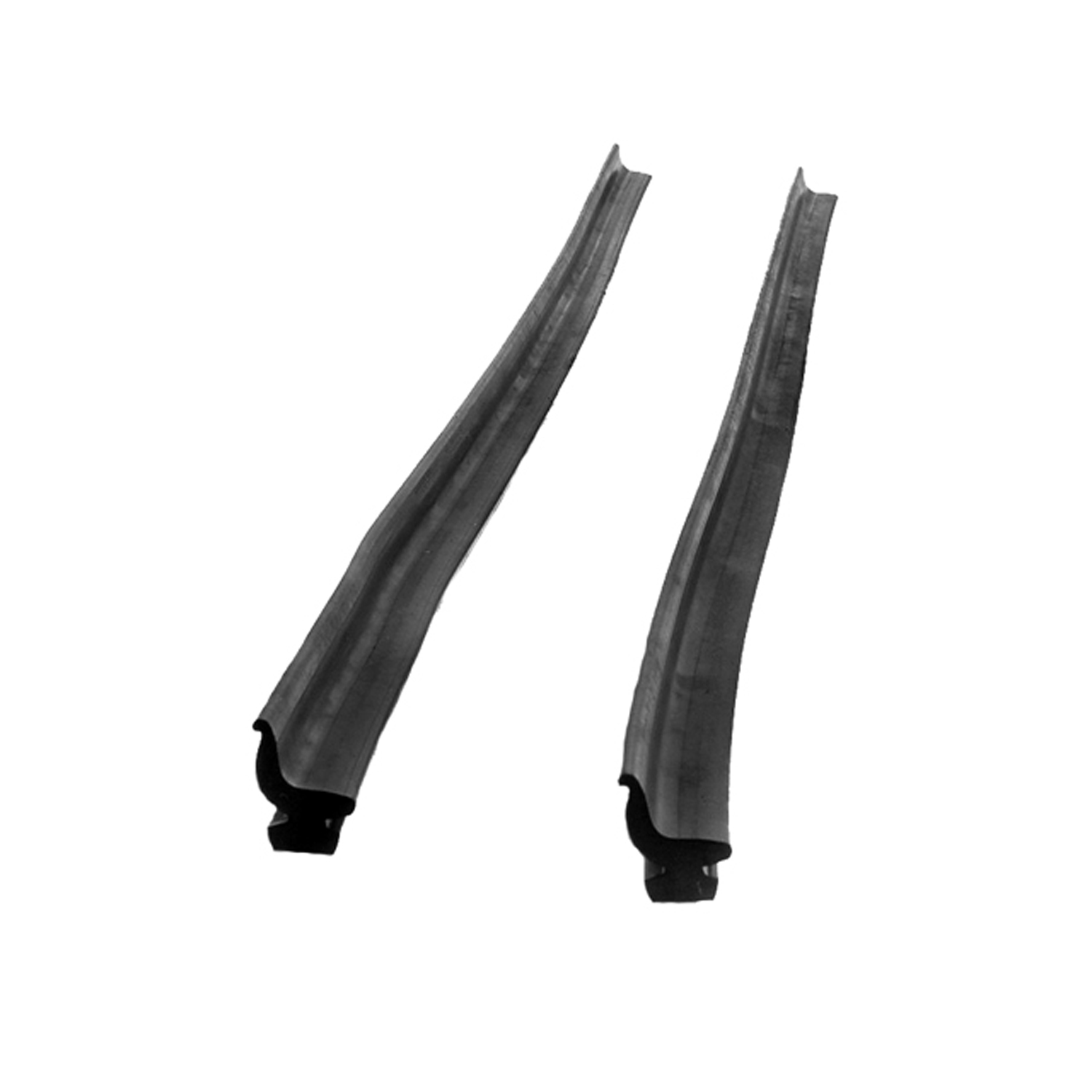 1949 Ford F1 Rear roll-up Seal. Two 18" sections sliced into metal track-VS 4Rear roll-up Seal. Two 18" sections sliced into metal track. this foot with no steel insert. Pair
Why Choose Metro?
For over 100 years, Metro Moulded Parts has been the pinnacle of quality in classic car restoration parts. Our commitment to precision and authenticity in every component ensures a perfect fit and an OEM-level appearance.
- Expert Craftsmanship & Quality: Each part is a testament to our dedication to reliability and perfection, crafted from original designs and thoroughly tested.
- Advanced Technology: We use cutting-edge techniques to create flawless, long-lasting parts that surpass others in performance.
- SuperSoft Sponge – The Ultimate Door Seal: Not only are our door seals 30% softer than competitors', but they're also guaranteed to never leak. They effectively reduce wind and road noise, enhancing your classic car's comfort and driving experience.
- Proudly American: Our parts are a product of American craftsmanship, made in the USA with a spirit of excellence and heritage.
- Unrivaled Warranty: We back our products with a 30-year industry-leading warranty, a testament to our confidence in their quality.
Join us in preserving the legacy of classic cars with parts that are crafted for perfection, not just made.