
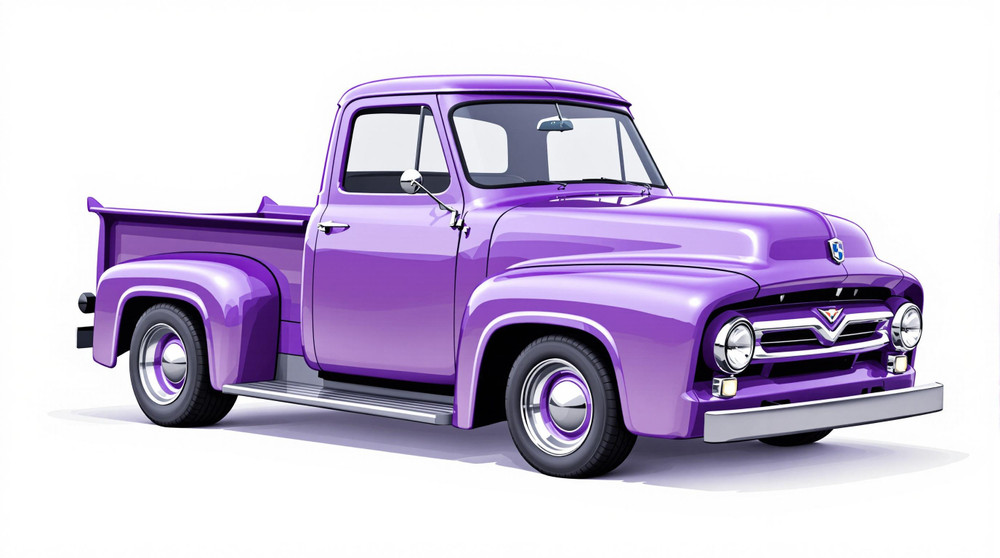
Image of 1953 Ford F-100, Note: These illustrations use artistic license and may differ from actual historical models.
Performance Metrics
Fundamental Metrics
Emotional Appeal
MMP Rating
| Engine Specifications | |
|---|---|
| Engine Options: | 215 CID (3.5L) Inline 6, 239 CID (3.9L) V8 |
| Displacement Range: | 215-239 CID |
| Horsepower Range: | 101-110 hp |
| Torque: | 180-190 lb-ft |
| Compression Ratio: | 7.2:1 |
| Ignition System: | Distributor and coil |
| Cooling System: | Liquid cooled |
| Performance Specifications | |
| 0-60 Time: | Estimated 20-25 seconds |
| 1/4 Mile Time: | Estimated 20-22 seconds |
| Top Speed: | 75-80 mph |
| Transmission and Drive | |
| Drive Type: | Rear wheel drive |
| Transmission Type: | 3-speed manual |
| Fuel and Efficiency | |
| Fuel System Type: | Carburetor |
| MPG: | Estimated 10-15 mpg |
| Dimensions and Brakes | |
| Brakes: | Drum brakes |
| Wheelbase: | 110 inches |
| Weight: | 3,200-3,400 lbs |
Note: Specifications for classic cars are given to the best of our ability, considering the limited and variant data available.
1953 Ford F-100: The Year the F-Series Turned 50
The 1953 Ford F-100 brought a new name, a more accommodating cab, and a dose of birthday-year significance to Ford’s hardworking pickup line. It belonged to the second generation of Ford’s F-Series, first introduced in 1948, and was built by the Ford Motor Company in the United States. For 1953, Ford replaced the familiar F-1 designation with F-100, a name that would become one of the most recognizable in pickup history.
The timing was notable: 1953 marked Ford’s 50th anniversary, and the company promoted its trucks as “50 Years Forward.” The F-100 was more than a commemorative model, though. It reflected Ford’s effort to make a work truck more comfortable and easier to live with, while keeping the sturdy construction buyers expected. One quick clue to its age is under the hood: unlike the later, more powerful overhead-valve Y-block V8, a 1953 F-100 V8 used Ford’s long-running flathead design.
Rounded Fenders and a More Comfortable Cab
The 1953 F-100 has the unmistakable shape of a postwar American pickup: a tall, upright grille, rounded front fenders, broad hood, and separate rear fenders framing a conventional pickup box. Its styling is friendlier and softer than the sharp-edged trucks that followed, but the proportions still look purposeful. The wide windshield gives the cab a brighter, more open feel, while the simple front-end design keeps the truck’s face instantly recognizable.
Inside, the F-100 favors utility over decoration. The metal dashboard is straightforward, with clear, easy-to-read gauges and simple controls. The bench seat and trim were designed for practical service rather than luxury, so materials are generally durable and plain. Compared with a modern truck, the cab is basic, but its generous-for-the-era space and improved driver ergonomics helped make long days behind the wheel less tiring. Ford’s “Driverized” marketing captured this push toward comfort and usability.
Ford offered the F-100 in a range of factory paint colors, with availability depending on paint codes, equipment, and fleet orders. Period examples can be found in shades such as red, green, blue, black, and tan. Bright red and classic dark blue are especially eye-catching today, while black and subdued green give the truck a more restrained, original-work-truck appearance. Buyers could also choose practical equipment and trim to suit personal or commercial use.
The pickup is the body style most closely associated with the F-100. Ford also sold F-Series trucks in other configurations, including chassis-cab and platform applications, with body and equipment choices varying by model and intended job. The standard pickup with its separate-fender box remains the iconic version among collectors.
Why the 1953 F-100 Matters
The F-100 helped establish a naming system that made Ford’s truck range easier to understand. The old F-1 became the F-100, while heavier-duty models received higher-numbered designations such as F-250 and F-350. That simple change tied the trucks more clearly to their capacity classes and set the pattern for a naming convention that continues in Ford’s lineup.
Its broader contribution was to show that a pickup could be both a tool and a comfortable everyday vehicle. The roomier cab, improved visibility, and more driver-focused presentation helped move the pickup beyond strictly commercial duty. The 1953 model was not a radical mechanical leap, but it strengthened the formula that would shape generations of American trucks: useful payload, straightforward engineering, and a cab designed around the person doing the work.
Against contemporaries such as Chevrolet’s Advance-Design pickups, the Ford stood out with its distinctive rounded styling and its newly organized F-Series identity. Its influence is visible less in a single groundbreaking feature than in the long-lasting appeal of the F-100 name and the idea of a pickup that could be both dependable work transport and personal vehicle.
Flathead Power and Road Manners
Two engines were commonly available in the 1953 F-100: a 215-cubic-inch inline-six rated at about 101 horsepower and a 239-cubic-inch flathead V8 rated at about 106 horsepower. Exact published figures can vary with the source and rating method. A manual transmission was standard, with three-speed and optional four-speed arrangements offered depending on configuration. The truck used conventional body-on-frame construction, a solid front axle, leaf springs, manual steering, and drum brakes.
Performance was modest by modern standards. A healthy, lightly loaded example may reach roughly 65 to 75 mph, while 0-to-60 mph acceleration is generally in the neighborhood of 20 to 30 seconds. These are practical estimates, not guaranteed factory test figures: engine condition, axle ratio, transmission, tire size, load, and tune all make a substantial difference. The six-cylinder is steady and economical for its era; the flathead V8 delivers a deeper, more characterful exhaust note rather than modern V8 urgency.
On the road, the F-100 feels mechanical and direct. The steering is unassisted, so parking and low-speed maneuvering take real effort, especially with wide tires or a heavy load. Its leaf springs and solid axle handle work use well, but an unloaded truck can feel firm over sharp bumps and may bounce on uneven pavement. On winding roads, the high seating position, vintage tires, and slower steering encourage a relaxed pace. Crosswinds and passing traffic can also make the tall, light pickup feel less settled than a modern truck.
Driving one is an experience of sound and sensation: the flathead’s measured rumble, the feel of the gear lever, and the need to plan braking and cornering well ahead. It rewards smooth inputs and attentive driving. That is part of its charm, but it is also a reminder that vintage trucks require more driver involvement than today’s vehicles.
Living With a Vintage Ford Pickup
Today, a 1953 F-100 might serve as a weekend cruiser, a show truck, a restored farm pickup, or the basis for a custom build. Some owners preserve the original engine and running gear; others install a later V8, modern brakes, power steering, or updated suspension. A stock truck best suits someone who values period character, while modifications can make regular driving easier but may affect originality and collector appeal.
Basic mechanical work is relatively approachable for an owner with tools and patience. The flathead engine and simple electrical and chassis systems are well understood, and replacement parts and specialist knowledge remain available. The main challenges are often age-related rather than complicated: rust in the cab, floors, cab corners, and bed; worn steering and suspension parts; tired brakes; and incomplete or poorly executed past repairs. Originality also matters, so check engine and transmission details, body panels, and identification information before buying.
Reliability depends heavily on maintenance and restoration quality. A well-sorted F-100 can be a dependable local-use vehicle, but it is not a modern commuter with contemporary crash protection, high-speed braking, or weather sealing. For regular road use, careful inspection of the brakes, tires, steering, lights, and cooling system is essential.
F-100 Facts Collectors Enjoy
The 1953 F-100 sits at a useful crossroads in Ford history: it carries the new three-digit F-Series identity, yet retains the flathead V8 that had powered Ford vehicles for decades. The following year brought a major engine change, including the arrival of the overhead-valve Y-block V8 in Ford’s light trucks. That makes 1953 a particularly appealing choice for buyers who want the classic flathead character in the later F-Series body style.
There is no widely recognized 1953 F-100 land-speed or endurance record, and the model is not defined by a famous celebrity ownership story. Its distinction is its place in the evolution of a mass-produced truck line. Ford produced F-Series trucks in substantial numbers in 1953, but a dependable, commonly cited production total for the F-100 alone is difficult to pin down because published figures may combine different F-Series models and configurations. A reasonable broad estimate for F-100 production is roughly 100,000 to 130,000 trucks, but that should be treated as an estimate rather than a verified model-specific count.
Common criticisms are part of the ownership picture: the ride can be stiff when unloaded, the steering and brakes need more effort than modern systems, and rust can turn an apparently simple project into a major restoration. On the positive side, the truck’s straightforward engineering and strong parts support make it easier to maintain than many more complex classics.
1953 Ford F-100 Values and Availability
Values vary widely with condition, originality, location, and the quality of any restoration. As a broad current-market guide, a rusty or incomplete project might sell for about $5,000 to $12,000. A usable driver commonly falls around $15,000 to $30,000, while a well-restored truck may bring $35,000 to $60,000. Exceptional restorations, rare configurations, or highly finished customs can exceed $60,000 and may approach $90,000 or more, though asking prices are not the same as completed sale prices.
The F-100 is not exceptionally rare, but clean, original trucks are much less common than modified examples or projects. Values have generally benefited from continued interest in classic pickups and the popularity of the F-Series name. Well-restored and genuinely original trucks have the strongest prospects for holding value, while rough projects can be expensive once bodywork, mechanical repairs, and parts are added up. As with any classic, condition and documentation matter more than optimistic seller claims.
A Classic That Put the Driver First
The 1953 Ford F-100 combined familiar flathead power and rugged truck construction with a more comfortable cab and a newly enduring model name. It was not fast or refined by modern standards, but it helped make the pickup a more versatile vehicle and gave Ford’s F-Series a foundation that still resonates with truck fans.
Whether preserved as a period workhorse or built into a personalized cruiser, the 1953 F-100 offers a tangible link to the moment when the American pickup began to become more than a tool. Its rounded fenders, flathead rumble, and landmark F-100 badge make it a classic with a story built right into its shape.
1953 Ford F-100 Catalog of Parts
 1953 Ford F-100 Running Board Cushion-ARB 1Running Board Cushion. Includes: rubber spacer, carriage bolt, nut and lock washer. Pair
 1953 Ford F-100 Lower Mount Cushion for cab frame. Base: 1-5/8" W X 1/4" H-BC 23Lower Mount Cushion for cab frame. Base: 1-5/8" W X 1/4" H. Hole: 11/16" O.D., 1/2" I.D., 1/4" High. Each
 1953 Ford F-100 Upper Mount Cushion for front of cab frame-BC 24Upper Mount Cushion for front of cab frame. Base: 2-3/4" W X 5/16" H. Hole: 2-5/16" O.D., 1" I.D., 3/8" High. Each
 1953 Ford F-100 Spring and Shackle Insulators-BC 25Spring and Shackle Insulators. Rear cab to frame suspension bumpers. Pair
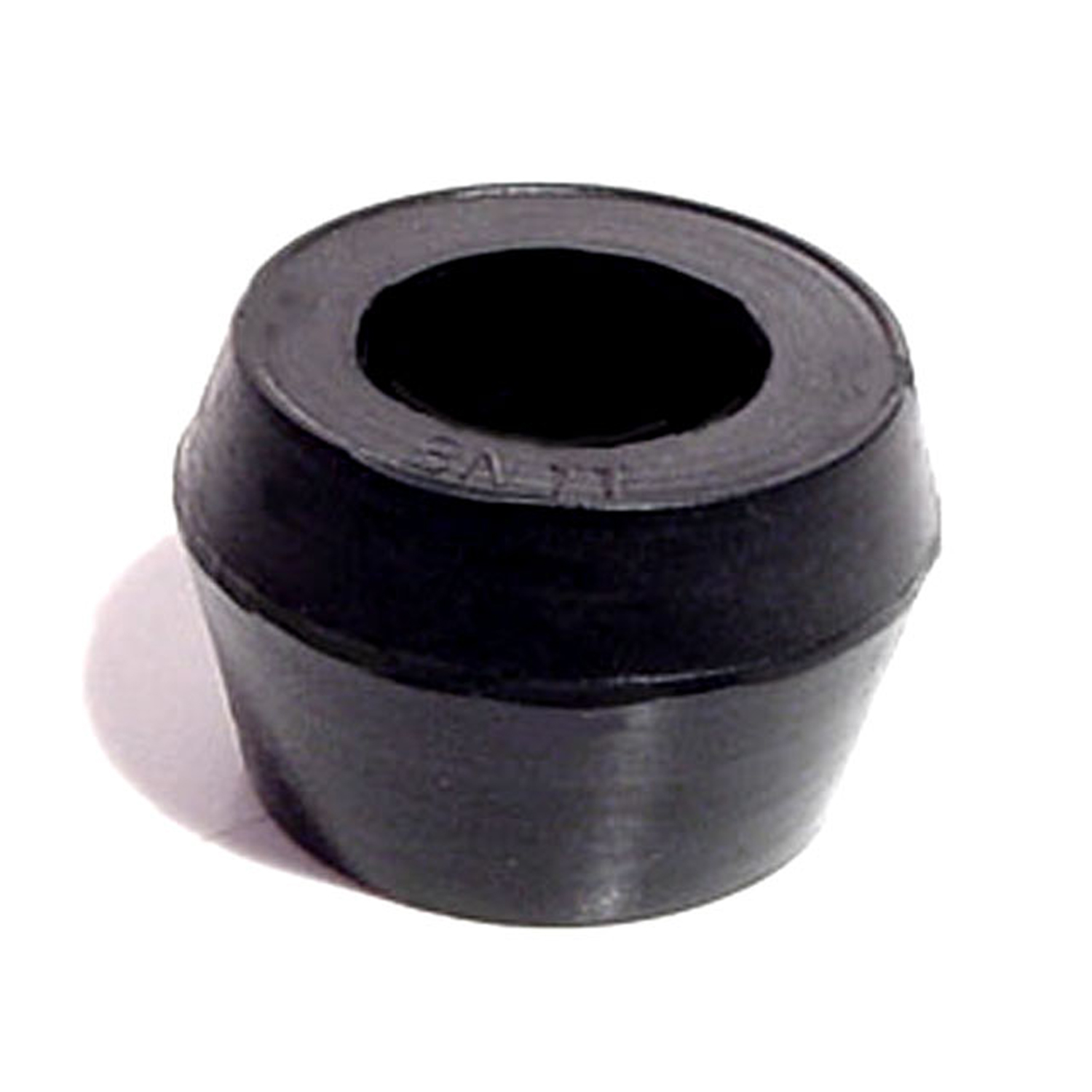 1953 Ford F-100 Shock Absorber Grommet. 1" bottom O.D-BN 11Shock Absorber Grommet. 1" bottom O.D., 3/4" high, with 5/8" I.D. Each
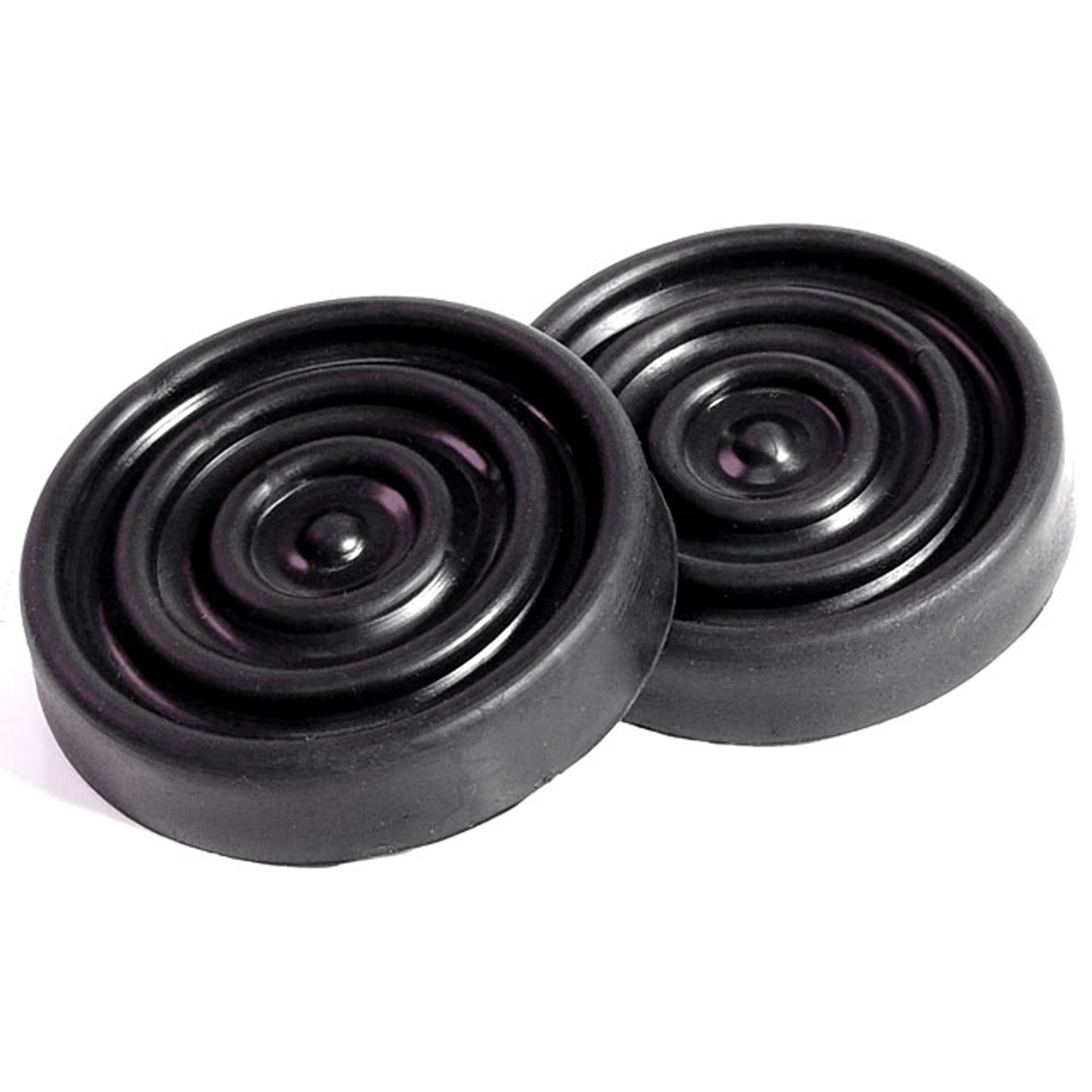 1953 Ford F-100 Clutch and Brake Pedal Pads-CB 106Clutch and Brake Pedal Pads. Made with molded steel core and threaded stud. 3" diameter. Pair
 1953 Ford F-100 Radiator to Hood Seal. 2-5/8" wide X 33" long. Each-CS 109-GRadiator to Hood Seal. 2-5/8" wide X 33" long. Each
 1953 Ford F-100 Hood to Fender Bumper. Top Notch Reproduction. Each-HF 33Hood to Fender Bumper. Top Notch Reproduction. Each
 1953 Ford F-100 Headlight Assembly Housing Gasket. 8-5/8" O.D., 8" I.D-HR 11Headlight Assembly Housing Gasket. 8-5/8" O.D., 8" I.D. Pair
 1953 Ford F-100 Door Seals, 53-55 Ford F-Series Truck, On Body, Pair-LM 110-XDoor Seals, 53-55 Ford F-Series Truck, On Body, Pair. Protect your vehicle’s interior from the outside elements by replacing your dried-out door weatherstrips with this proven product. These seals have been hollowed out so the doors can close correctly. Mounts on the doors with weatherstrip adhesive (not included).
 1953 Ford F-100 Top of Radiator Hood Seal. 2-3/4" wide. Sold by the foot-LP 109-G/FTTop of Radiator Hood Seal. 2-3/4" wide. Sold by the foot
 1953 Ford F-100 Cab to Running Board Seal. Sold by the Foot.-LP 98-BCab to Running Board Seal. Sold by the Foot.
 1953 Ford F-100 Cab to Running Board Seal. Pair of two 8 foot pieces.-LPK 98-BCab to Running Board Seal, 53-55 Ford Truck. Pair of two 8 foot pieces.
 1953 Ford F-100 Door Lock Pads. 1-1/4" wide X 1-3/4" long-MP 716-ADoor Lock Pads. 1-1/4" wide X 1-3/4" long. Pair (Mercury trunk with trimming)
 1953 Ford F-100 Cowl Vent Seal. Perfect reproduction-RP 100-TCowl Vent Seal. Perfect reproduction. Instructions included for installation. 13-1/2" diameter rubber ring. Each
 1953 Ford F-100 Battery Splash Shield. 10" X 1-5/8". Each-RP 1-DBattery Splash Shield. 10" X 1-5/8". Each
 1953 Ford F-100 Clutch and Brake Arm Bumpers. Top quality reproduction-RP 31-KClutch and Brake Arm Bumpers. Top quality reproduction. Pair
 1953 Ford F-100 Clutch and Brake Pedal to Floor Board Seals. Pair-RP 31-LClutch and Brake Pedal to Floor Board Seals. Pair
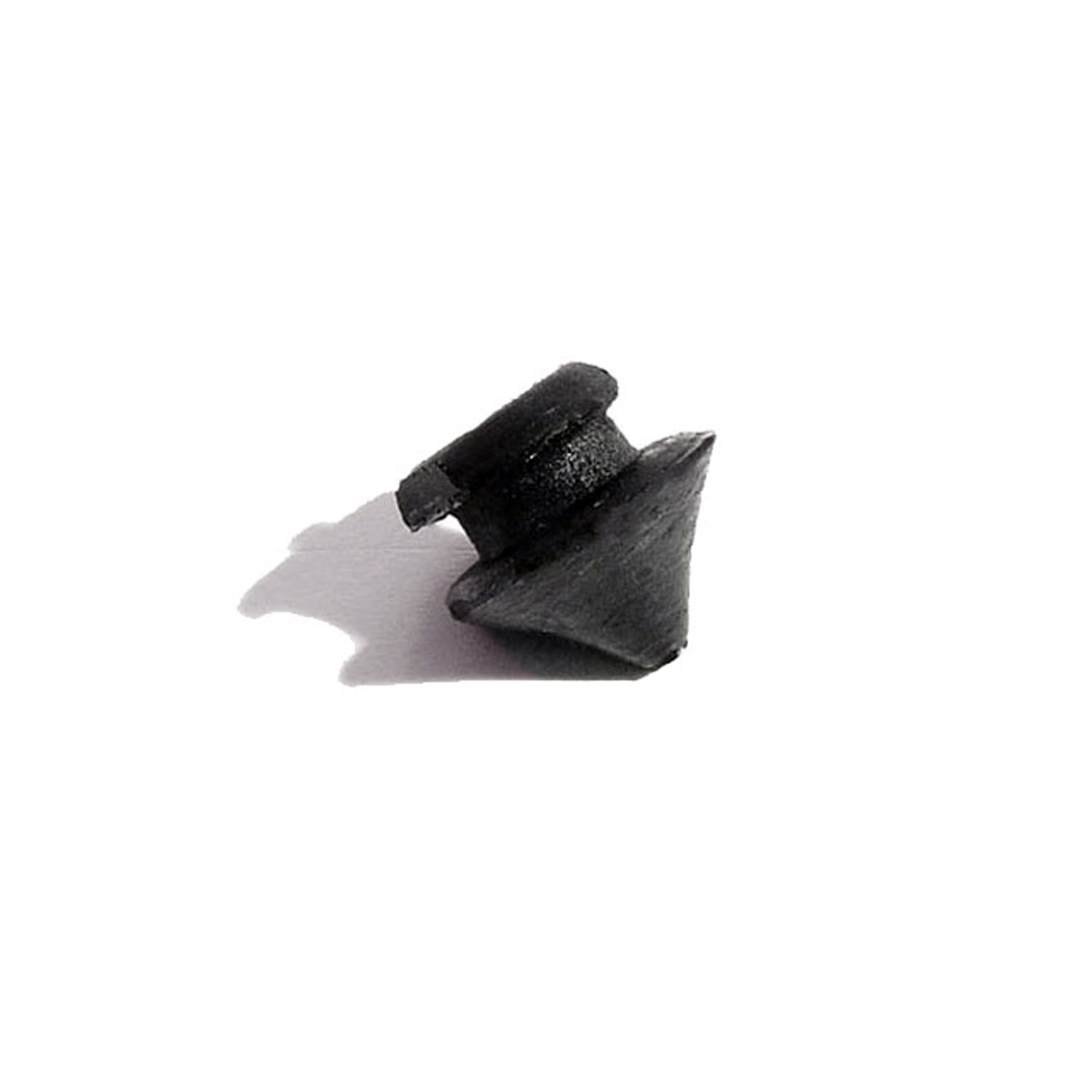 1953 Ford F-100 Glove Box Bumper. Two used per truck. Each-SB 100Glove Box Bumper. Two used per truck. Each
 1953 Ford F-100 Wiper Motor Control Wire Grommet. Each-SB 107Wiper Motor Control Wire Grommet. Each
 1953 Ford F-100 Tailgate Bumper. Each-SB 84Tailgate Bumper. Each
 1953 Ford F-100 Firewall Steering Post and Shift Rod Gasket-SC 25Firewall Steering Post and Shift Rod Gasket. For 3-speed models. Each
 1953 Ford F-100 Firewall Steering Post Gasket. For 4-speed models. Each-SC 25-AFirewall Steering Post Gasket. For 4-speed models. Each
 1953 Ford F-100 Steering Column Post Bracket Cushion-SC 26Steering Column Post Bracket Cushion. Top notch reproduction. 5" x 1-1/4". Each
 1953 Ford F-100 Gas Gauge Wire through Frame. For sending unit. 1" O.D-SM 71Gas Gauge Wire through Frame. For sending unit. 1" O.D. Each
 1953 Ford F-100 Floor Plug Grommet. Used on each side of seat-SM 74Floor Plug Grommet. Used on each side of seat. fits 3/4" hole size. Each
 1953 Ford F-100 Universal Special Purpose Grommet. 1" I.D., 2-1/2" O.D-SM 76Universal Special Purpose Grommet. 1" I.D., 2-1/2" O.D., 3/4" High. Pair
 1953 Ford F-100 Mirror Hole Plug-SM 77Mirror Hole Plug. For panel trucks and trucks without side mirrors. Fits a 1/2" wide X 1-5/8" long hole. Each
 1953 Ford F-100 Special Purpose Grommet. Main wiring loom. 1-9/16" O.D-SM 78Special Purpose Grommet. Main wiring loom. 1-9/16" O.D., 1/2" hole. Each
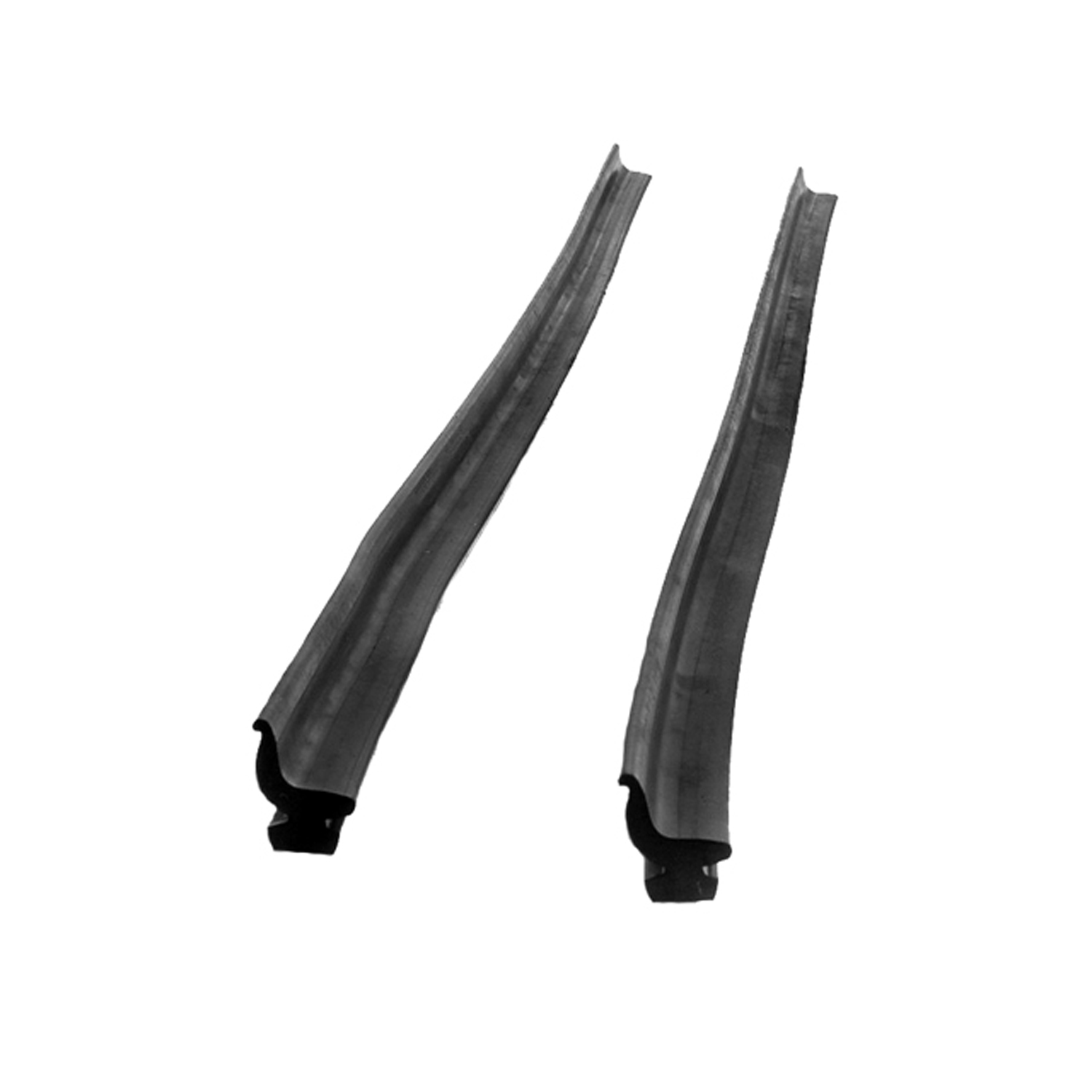 1953 Ford F-100 Rear roll-up Seal. Two 18" sections sliced into metal track-VS 4Rear roll-up Seal. Two 18" sections sliced into metal track. this foot with no steel insert. Pair 1953 Ford F-100 Vulcanized Windshield Seal. Each-VWS 3302Vulcanized Windshield Seal. Each
 1953 Ford F-100 Vulcanized Rear Windshield Seal-VWS 3302-RVulcanized Rear Windshield Seal. For trucks without wrap-around rear window. Each
 1953 Ford F-100 Rigid division-bar channel-WC 29-72Rigid division-bar channel. Made with stainless steel bead, pile lining and heavy steel core. 72 in. long. Each. NOTE: $20 special shipping charge applies for domestic orders. Call or email for overseas shipping costs. Part can be sectioned into two equal lengths to reduce overseas shipping costs.
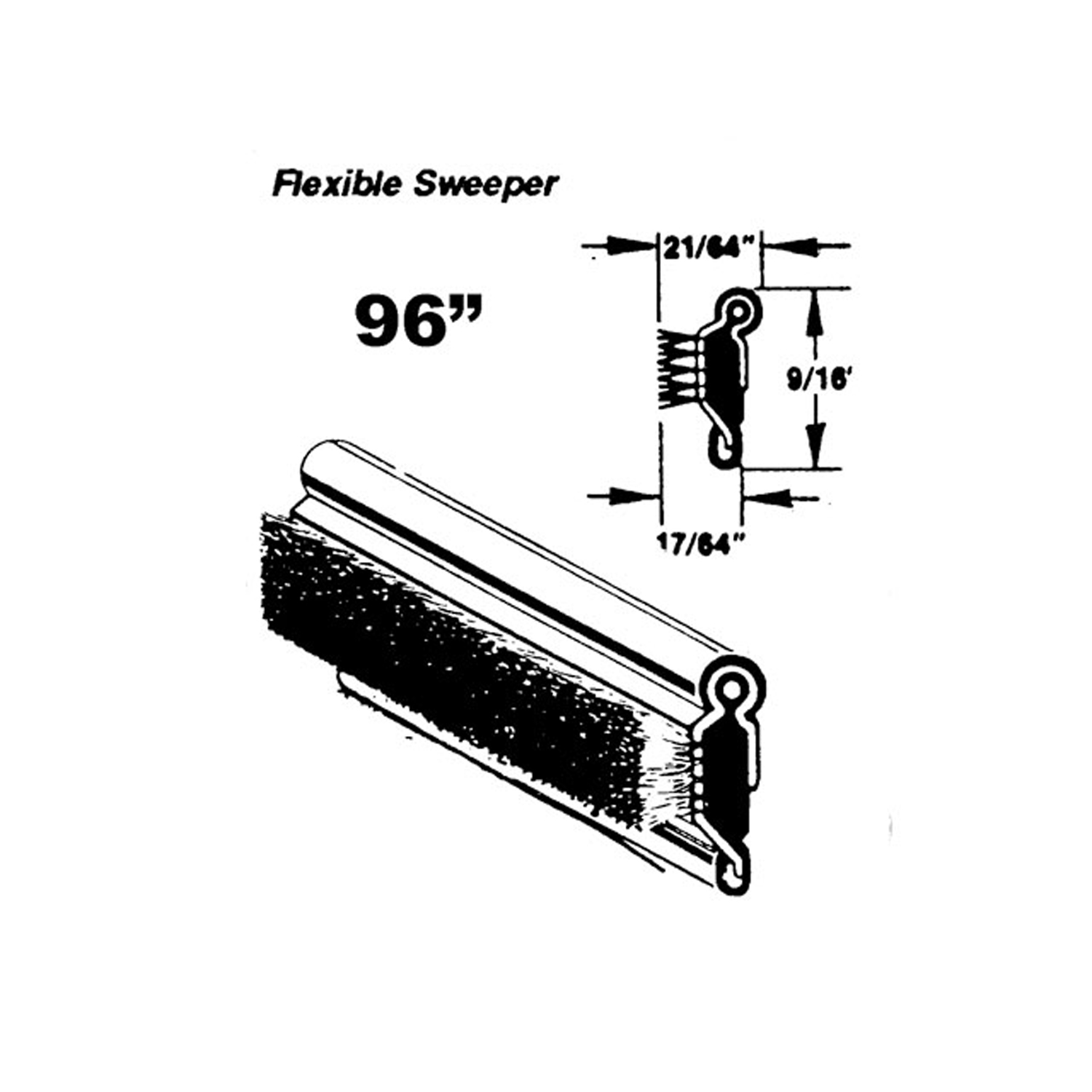 1953 Ford F-100 Flexible window sweeper. Made with stainless steel bead-WC 7-96Flexible window sweeper. Made with stainless steel bead. 96 in. long. Each. NOTE: $20 special shipping charge applies for domestic orders. Call or email for overseas shipping costs. Part can be sectioned in two or three equal lengths to reduce overseas shipping costs. 1953 Ford F-100 Vent Window Seals. Pair R&L-WR 3310Vent Window Seals. Pair R&L
Why Choose Metro?
For over 100 years, Metro Moulded Parts has been the pinnacle of quality in classic car restoration parts. Our commitment to precision and authenticity in every component ensures a perfect fit and an OEM-level appearance.
- Expert Craftsmanship & Quality: Each part is a testament to our dedication to reliability and perfection, crafted from original designs and thoroughly tested.
- Advanced Technology: We use cutting-edge techniques to create flawless, long-lasting parts that surpass others in performance.
- SuperSoft Sponge – The Ultimate Door Seal: Not only are our door seals 30% softer than competitors', but they're also guaranteed to never leak. They effectively reduce wind and road noise, enhancing your classic car's comfort and driving experience.
- Proudly American: Our parts are a product of American craftsmanship, made in the USA with a spirit of excellence and heritage.
- Unrivaled Warranty: We back our products with a 30-year industry-leading warranty, a testament to our confidence in their quality.
Join us in preserving the legacy of classic cars with parts that are crafted for perfection, not just made.