
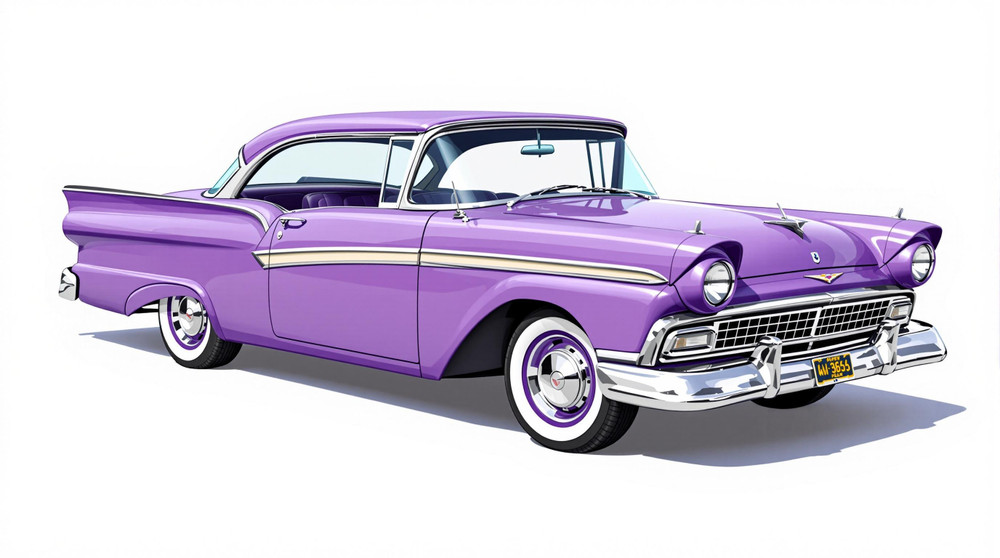
Image of 1957 Ford Fairlane, Note: These illustrations use artistic license and may differ from actual historical models.
Performance Metrics
Fundamental Metrics
Emotional Appeal
MMP Rating
| Engine Specifications | |
|---|---|
| Engine: | 223 CID (3.7L) OHV I6, 272 CID (4.5L) Y-block V8, 292 CID (4.8L) Y-block V8, 312 CID (5.1L) Y-block V8 |
| Displacement: | 223-312 CID (3.7-5.1L) |
| Horsepower: | 145-245 hp |
| Torque: | 212-324 lb-ft |
| Compression Ratio: | 8.0:1 - 8.4:1 |
| Ignition System: | Conventional points ignition system |
| Cooling System: | Liquid cooled |
| Performance Specifications | |
| 0-60 Time: | 10-12 seconds |
| 1/4 Mile Time: | 17-19 seconds |
| Top Speed: | 105-115 mph |
| Transmission and Drive | |
| Drive Type: | Rear wheel drive |
| Transmission Type: | 3-speed manual, 3-speed Ford-O-Matic automatic |
| Fuel and Efficiency | |
| Fuel System Type: | Carburetor |
| MPG: | 10-15 mpg |
| Dimensions and Brakes | |
| Brakes: | Drum brakes |
| Wheelbase: | 118 inches |
| Weight: | 3,200-3,600 lbs |
Note: Specifications for classic cars are given to the best of our ability, considering the limited and variant data available.
1957 Ford Fairlane: The Year Ford Went Bold
The 1957 Ford Fairlane turned the family car into a rolling statement of style, with sweeping fins, a broad chrome grille and one of the most ambitious roof designs of the decade. Built by the Ford Motor Company in the United States, the Fairlane sat near the top of Ford’s passenger-car range and helped make 1957 a landmark year for the brand.
Ford was locked in a fierce sales and styling contest with Chevrolet. For 1957, it introduced a completely redesigned lineup with a lower profile and fresh bodywork that looked strikingly modern beside the outgoing models. The gamble paid off: Ford sold more cars than Chevrolet in the United States that year, a memorable win in the era’s highly publicized “car wars.”
The most eye-catching Fairlane was the Fairlane 500 Skyliner. Its steel hardtop folded electrically into the trunk, transforming the car from a closed coupe into an open-top cruiser at the touch of a switch. It was a clever feat of engineering, and a reminder that Ford’s 1957 Fairlane was more than a pretty face.
Tailfins, Chrome and 1950s Color
The 1957 Fairlane’s styling was long, low and unmistakably of its time. Its front end wore a wide grille and prominent bumper, while the sides swept rearward into sharply defined tailfins. Chrome trim emphasized the body’s length, and the rear lamps were integrated into the fins, giving the car a clean, dramatic finish. Ford’s lower roofline and smaller 14-inch wheels also helped create a more contemporary stance.
Inside, the Fairlane offered a broad dashboard, a large steering wheel and generous bench seating. Materials and trim varied by model, but buyers could expect patterned cloth, vinyl or a combination of both, with more elaborate upholstery and brightwork in upscale versions. The cabin was spacious by contemporary standards, although its broad bench seats and large controls feel distinctly different from the bucket-seat layouts and compact dashboards of many modern cars.
Ford offered a lively palette of solid and two-tone paint schemes. Popular choices included classic whites, reds, blues and pastels, often paired with a contrasting roof or side panel. Two-tone combinations suited the car’s long body especially well, drawing attention to its sweeping side trim. Exact colors and combinations depended on the model and factory options.
Fairlane Models and Body Styles
The 1957 Ford range included several trim levels, from practical Custom and Custom 300 models to the better-equipped Fairlane and Fairlane 500. The Fairlane 500 sat at the top of the regular full-size lineup and is often the model enthusiasts picture when they think of a highly trimmed 1957 Ford.
Body styles included two- and four-door sedans, hardtops, station wagons and convertibles. The Fairlane 500 Sunliner was the conventional convertible, while the Skyliner was the retractable-hardtop version. The Skyliner is arguably the most iconic 1957 Fairlane because its roof mechanism made it instantly recognizable, though the simpler Fairlane 500 hardtops and Sunliners are also highly sought-after classics.
Engineering That Made Headlines
The Skyliner’s retractable roof was the Fairlane’s standout technological feature. With the car stationary, the driver operated a switch and a network of electric motors, relays and switches moved the roof panels and rear deck through a carefully sequenced operation. The roof stowed in the trunk, so the mechanism demanded space that would otherwise have been available for luggage. It was complex, but it brought a futuristic idea to production at a time when power accessories were becoming an important selling point.
Ford also offered a wide range of engines, from a 223-cubic-inch inline-six to several V8 choices, including 272-, 292- and 312-cubic-inch engines. Output varied by configuration and equipment. At the top of the range, a supercharged 312 V8 was advertised at 300 horsepower. Buyers could pair engines with manual transmissions or Ford’s automatic transmission, depending on model and specification.
The car also reflected growing interest in safety. Ford’s Lifeguard Design initiative included features such as a dished steering wheel and options intended to reduce injury risk, including seat belts. These measures were part of an early industry effort to make safety a selling point, although equipment and availability varied across models.
Why the 1957 Fairlane Still Matters
The Fairlane helped define the late-1950s American full-size car: big, colorful, powerful and styled to make an impression. Its low silhouette and dramatic fins showed how rapidly automotive design was changing, while the Skyliner demonstrated that a complex power-operated roof could be offered in a production car. Ford’s success in 1957 also strengthened the company’s position during one of the most competitive periods in U.S. automotive history.
What set the Fairlane apart was the combination of choice and spectacle. A buyer could order a straightforward six-cylinder sedan, a V8 family hardtop or a retractable-roof showpiece under the same broad model umbrella. The Skyliner’s engineering was not the most practical solution to open-air motoring, but it remains one of the decade’s most memorable demonstrations of automotive ambition.
V8 Performance and Road Manners
Performance depends heavily on the engine, transmission, rear axle ratio and vehicle condition. A six-cylinder Fairlane was built for relaxed transportation rather than hard acceleration. A healthy V8 car offered stronger passing power, and the high-output 312 versions could be genuinely quick for a full-size car of the period. Period-style estimates put many V8 Fairlanes in the roughly 9-to-12-second range for 0-to-60 mph, with high-performance versions potentially quicker. Top speed also varied, but a well-equipped V8 car could reach around 100 mph or more. These are approximate figures, not a guarantee for an individual survivor.
On the road, the Fairlane feels substantial. Its soft suspension smooths ordinary bumps and broken pavement, while the long wheelbase helps it settle into a steady highway rhythm. It is not a modern sports sedan: body roll is noticeable in corners, steering requires more effort and precision, and the car’s size becomes obvious on narrow roads or in tight parking lots. Crosswinds can push a tall, broad-bodied car around, especially at speed.
The driving experience is part of the appeal. A V8 produces a deep, unhurried rumble at low speeds and a fuller growl under acceleration. The bench seat, large steering wheel and smooth ride encourage relaxed cruising rather than aggressive driving. A healthy automatic transmission makes the car easy to enjoy, while a manual-equipped example offers a more hands-on connection to the period.
Living With a 1957 Ford Fairlane
Today, most Fairlanes are used as weekend cruisers, show cars or occasional parade vehicles. Some owners drive them regularly, but a 1957 car generally needs more care and attention than a modern daily driver. Weather exposure, old wiring, tired brakes and worn suspension components can turn a casual outing into a repair session if the car has not been properly restored.
Many mechanical parts are straightforward by current standards, and the Ford V8 family is well known among classic-car shops and enthusiasts. Routine maintenance, such as ignition service, carburetor adjustment, brake work and cooling-system repairs, is familiar territory for an experienced hobbyist. However, restoration can become expensive. Rust repair, trim replacement, interior work and a full engine rebuild require skill, time and access to parts.
The Skyliner deserves special attention. Its roof system is ingenious, but a fault in one motor, switch, relay or alignment point can interrupt the entire sequence. Buyers should test the mechanism carefully and inspect the trunk and body for evidence of water intrusion or past repairs. A working roof is a major attraction; a stalled one can become a substantial project.
Fairlane Trivia and Common Complaints
The Skyliner’s roof was a mechanical ballet involving numerous electrical components. It had to move in a precise order, making careful adjustment and maintenance essential. The trade-off was trunk space: with the roof stowed, luggage capacity was limited. That compromise is one of the most common criticisms of the car, alongside its size, fuel consumption and the complexity of repairing an old retractable mechanism.
Ford’s 1957 sales success is another notable part of the story. The redesigned lineup helped Ford outsell Chevrolet in the U.S. market for the year, a significant achievement in the rivalry between the two companies. The Fairlane itself did not set a famous land-speed record, but the Skyliner’s production roof mechanism remains a standout engineering talking point among postwar American cars.
Skyliner production is commonly reported at about 20,766 cars for the 1957 model year. Ford produced roughly 1.5 million passenger cars across its full 1957 lineup, while Fairlane totals varied by trim and body style. Exact counts for individual combinations can be difficult to pin down, so buyers should treat model-specific production claims with care.
1957 Ford Fairlane Values
Collector values depend on body style, originality, restoration quality, engine, documentation and regional demand. As a broad U.S. market estimate for 2026, a Fairlane project or rough driver might sell for roughly $10,000 to $25,000. A solid, presentable car could fall around $25,000 to $50,000, while a high-quality restoration or particularly desirable configuration may reach $50,000 to $80,000 or more.
Skyliners usually command a premium. A project car may still bring roughly $20,000 to $40,000, while a well-sorted example can land in the $45,000 to $90,000 range. Exceptional, correctly restored cars can exceed that range, especially when the roof operates properly and the car has strong documentation. These figures are estimates, not fixed appraisals, and auction results can vary considerably.
The 1957 Fairlane remains widely recognized, but the best examples are not easy to find. Ordinary sedans are generally more available than convertibles and retractable hardtops. In recent years, collector interest has remained strongest for unusual body styles and well-restored cars. Values have generally held up better for desirable, documented examples than for average project cars, whose restoration costs can exceed the finished vehicle’s market value.
A Ford Classic With a Roof-Raising Story
The 1957 Ford Fairlane brought together bold styling, a broad choice of engines and a landmark piece of automotive engineering. It helped Ford make a major sales statement, while the Skyliner gave the model an unforgettable claim to fame. Whether admired as a stylish V8 cruiser or as a complicated retractable-roof marvel, the Fairlane captures the confidence and creativity of 1950s American motoring.
More than six decades later, its fins still turn heads, its V8 still sets the mood, and its folding roof still makes people stop and watch. The 1957 Fairlane is not simply a classic Ford. It is a snapshot of an era when the future was chrome-trimmed, electrically operated and ready for the open road.
1957 Ford Fairlane Catalog of Parts
 1957 Ford Fairlane Shock Absorber Grommet. 1-1/4" bottom O.D., 1" high-BN 12Shock Absorber Grommet. 1-1/4" bottom O.D., 1" high., with 3/4" I.D. Each
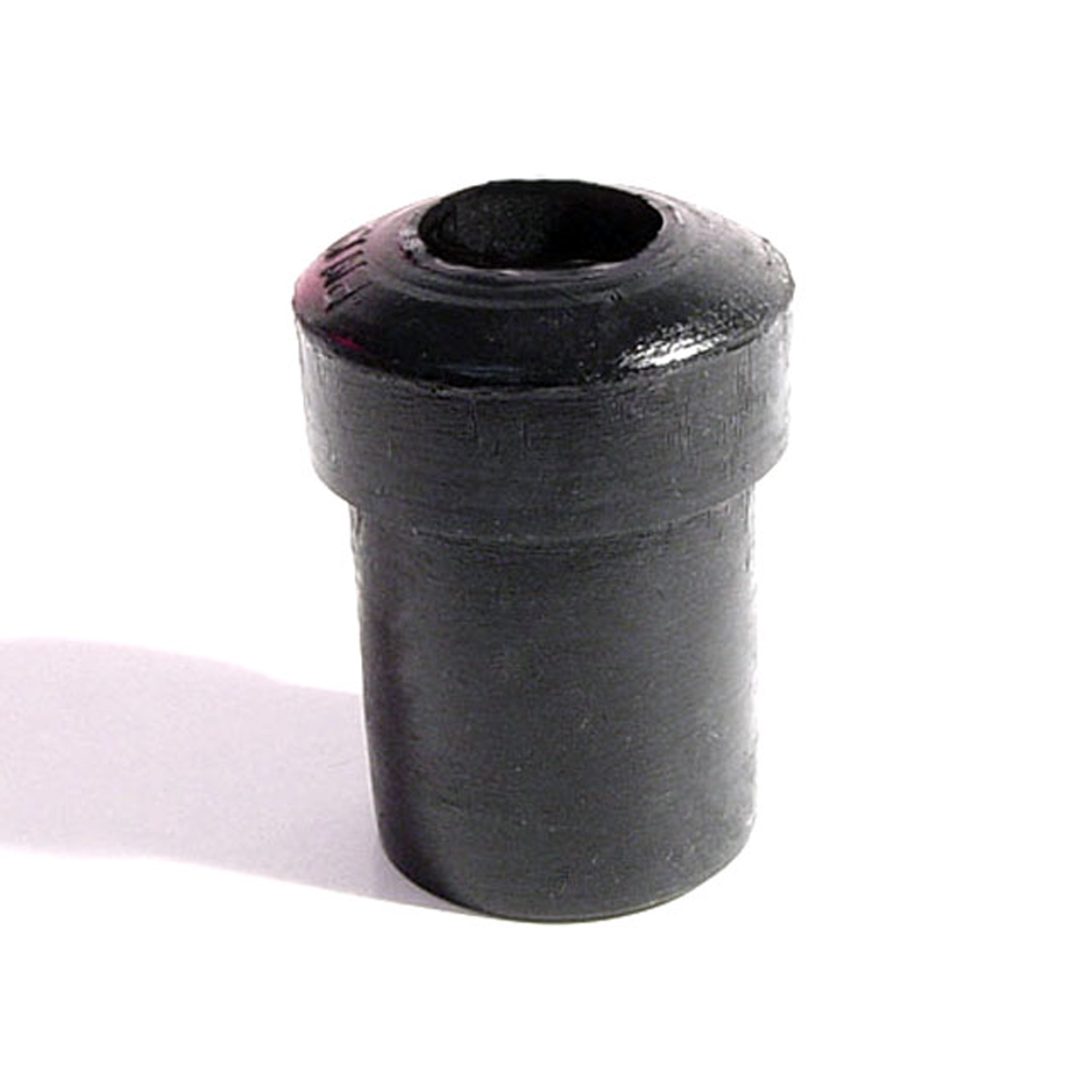 1957 Ford Fairlane Spring and Shackle Bushing. 7/8" bottom O.D-BN 19Spring and Shackle Bushing. 7/8" bottom O.D. X 1-1/4" high, with 1/2" I.D. Each
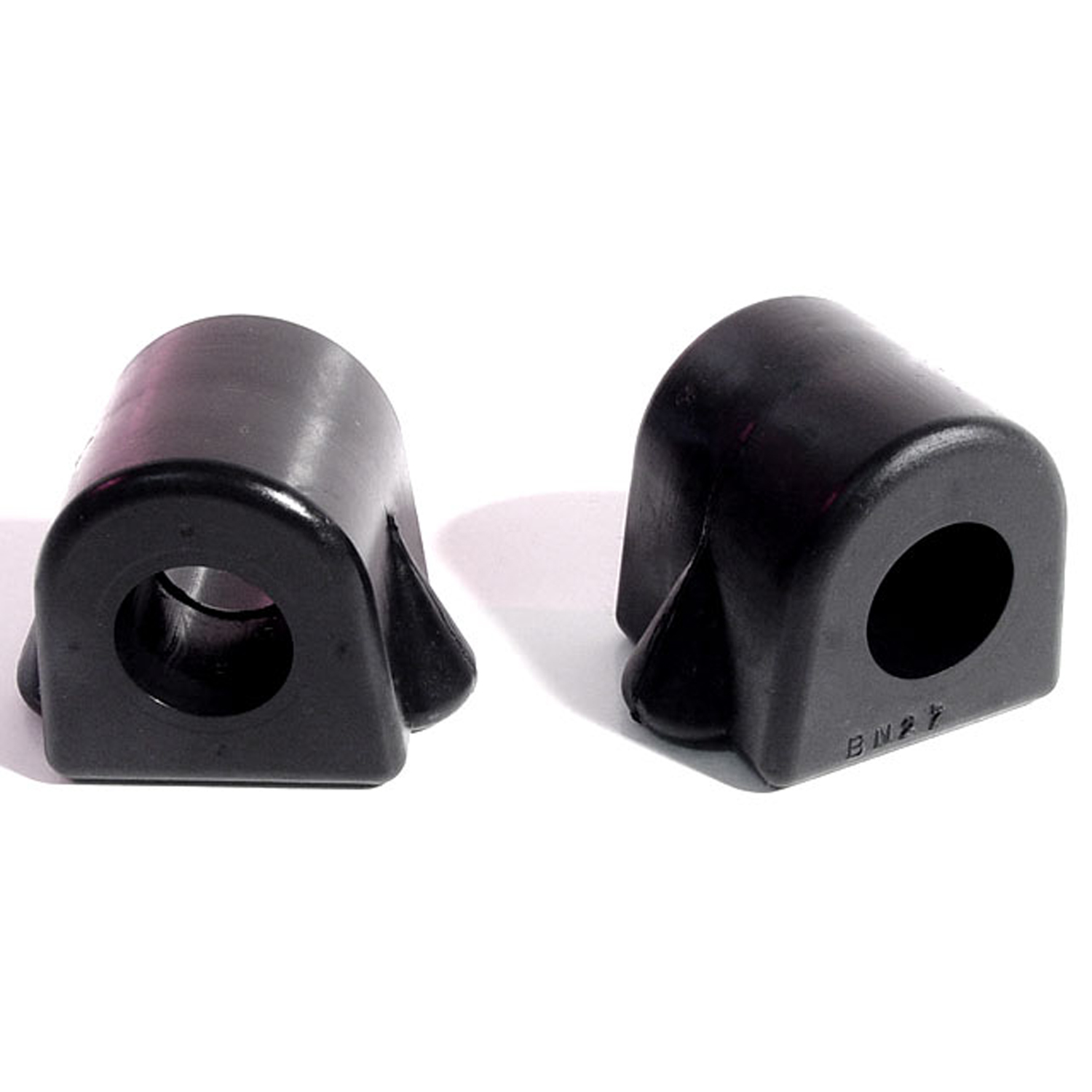 1957 Ford Fairlane Stabilizer Bar Bushing. 1-1/2" high, 3/4" I.D. Pair-BN 27Stabilizer Bar Bushing. 1-1/2" high, 3/4" I.D. Pair
 1957 Ford Fairlane Front Stabilizer Bar Bushings. Four used per car-BN 32Front Stabilizer Bar Bushings. Four used per car. 1-3/4" long X 1-5/16" wide X 1-9/16" high, with 5/8" hole. Pair
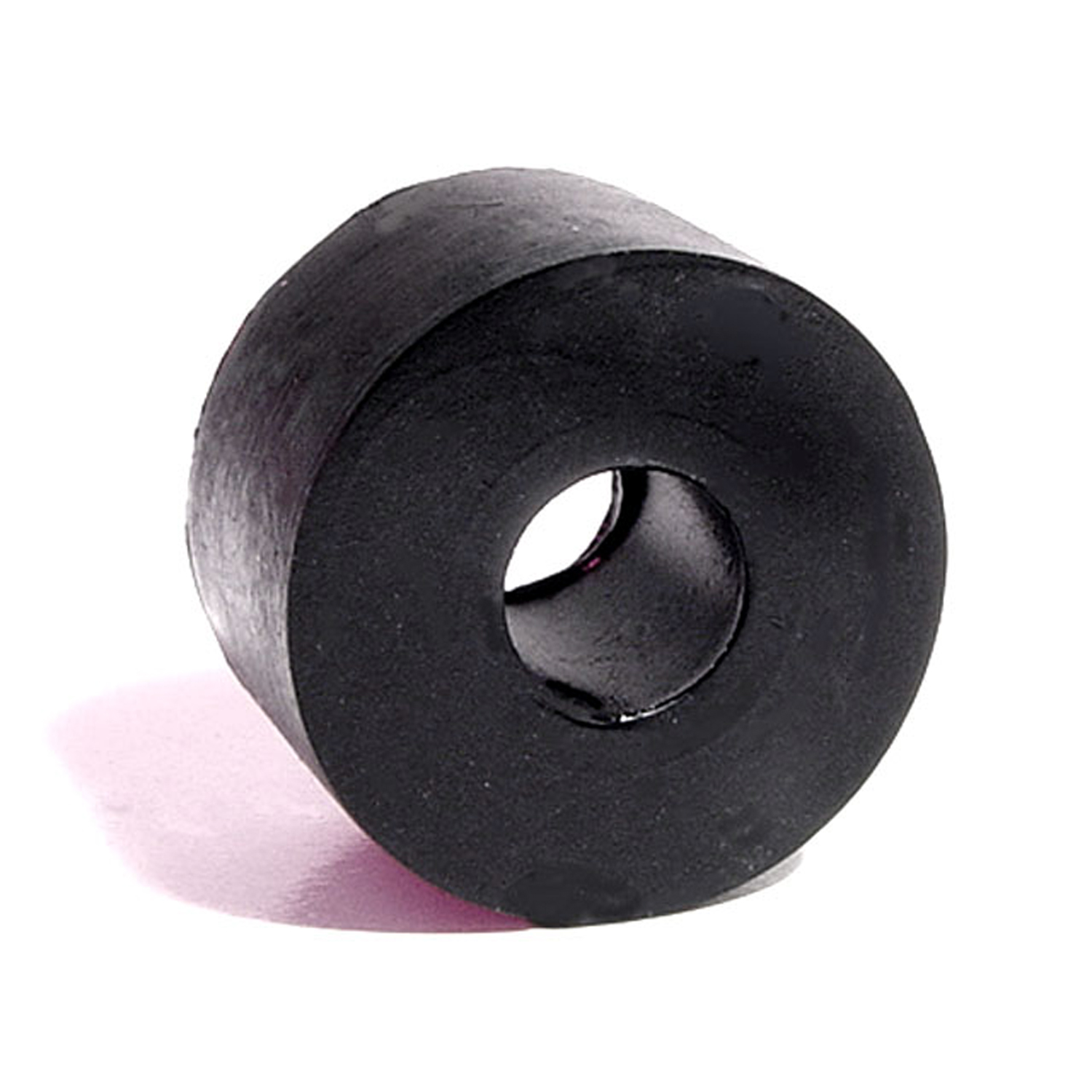 1957 Ford Fairlane Shock Absorber Grommet. 1" bottom O.D-BN 6Shock Absorber Grommet. 1" bottom O.D. X 1/2" high, with 3/8" I.D. Each
 1957 Ford Fairlane Door, Hood and Trunk Bumper Cap for adjustment bolt-HA 6Door, Hood and Trunk Bumper Cap for adjustment bolt. 1-1/16" O.D. X 1/2" I.D. X 7/16" thick. Each
 1957 Ford Fairlane Hood Bumper. Each-HF 1Hood Bumper. Each
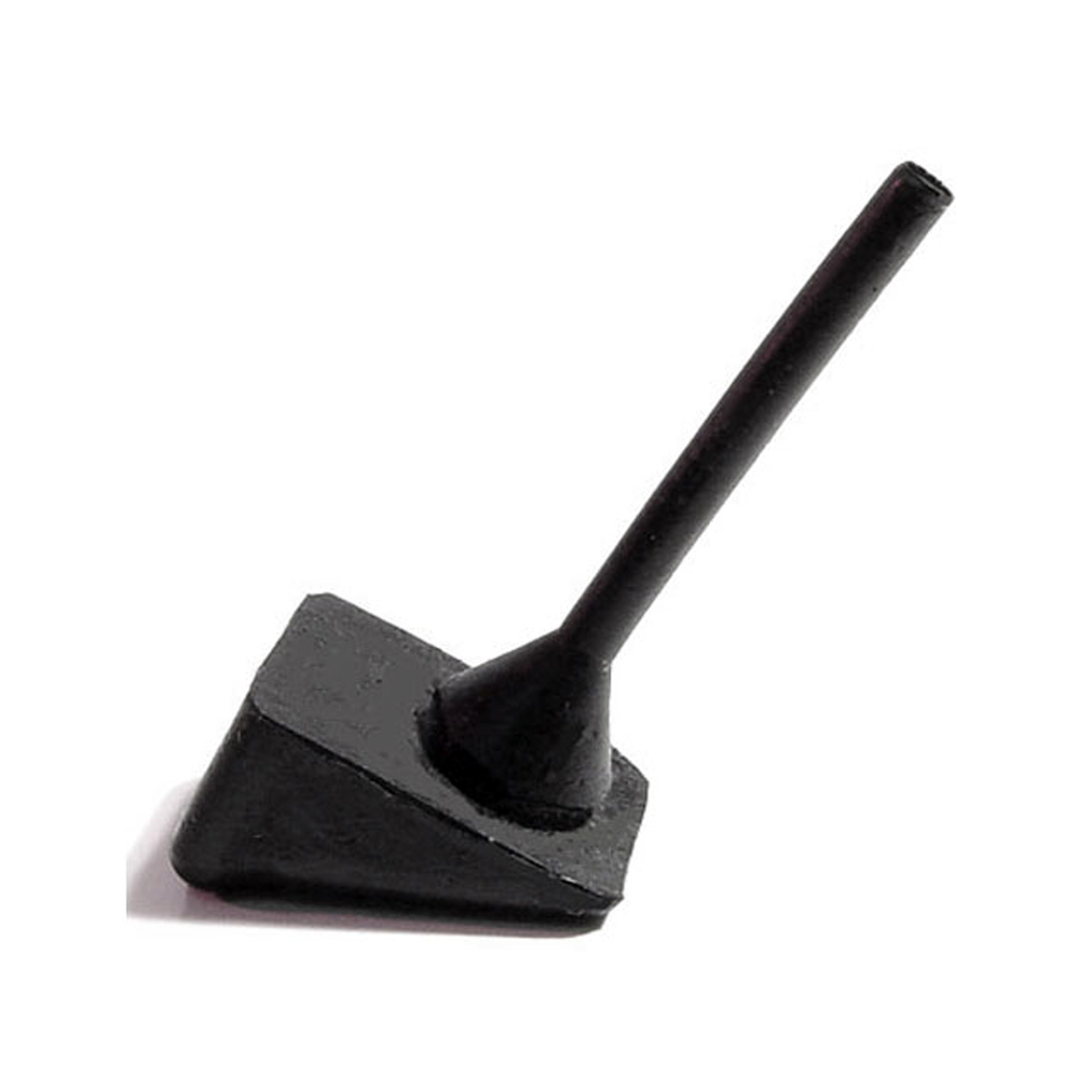 1957 Ford Fairlane Hood Bumper. Each-HF 8Hood Bumper. Each
 1957 Ford Fairlane Mirror Pad. 1-1/4" wide X 5-3/8" long. Each-MP 706-DMirror Pad. 1-1/4" wide X 5-3/8" long. Each
 1957 Ford Fairlane Door Handle Pads. 2-3/4" long & 1-5/8" long. Set R&L-MP 739Door Handle Pads. 2-3/4" long & 1-5/8" long. Set R&L
 1957 Ford Fairlane Antenna Base Pad. 1-1/2" wide X 3-1/2" long. Each-MP 800-DAntenna Base Pad. 1-1/2" wide X 3-1/2" long. Each
 1957 Ford Fairlane Rear Mount Antenna Base Pad. 1-5/8" wide X 6-3/8" long-MP 800-ERear Mount Antenna Base Pad. 1-5/8" wide X 6-3/8" long. Each
 1957 Ford Fairlane Mirror Pad. 1-1/2" wide X 7-5/8" long. Each-MP 996-EMirror Pad. 1-1/2" wide X 7-5/8" long. Each
 1957 Ford Fairlane Auxiliary Door Seals. Pair-RP 202Auxiliary Door Seals. Pair
 1957 Ford Fairlane Front Fender Lower Rear Plug and Door Vent Adjustment Plug-SB 58-AFront Fender Lower Rear Plug and Door Vent Adjustment Plug. Fits 1-5/16" hole. Each
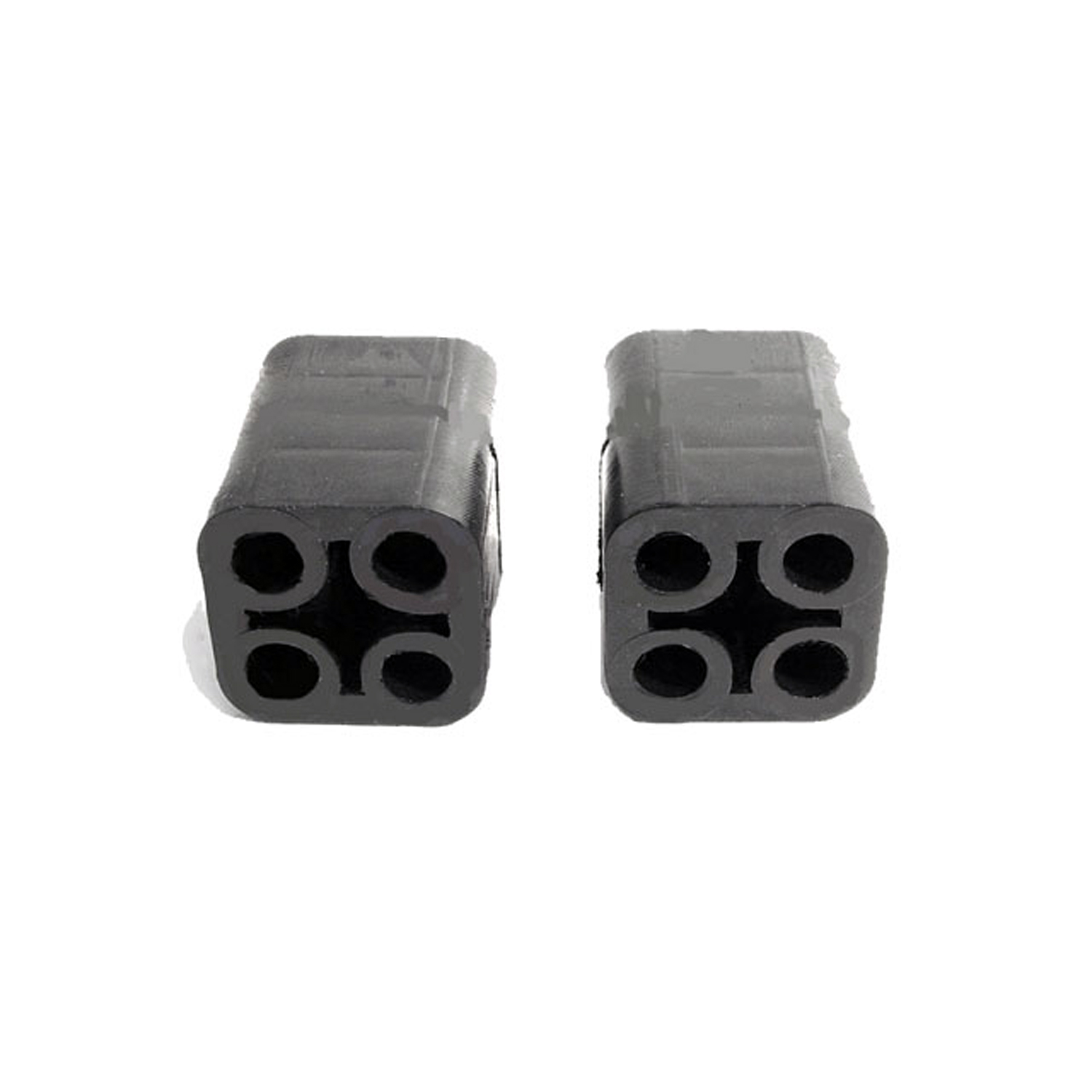 1957 Ford Fairlane Spark Plug Wire Retainer Grommet. Each-SM 30-BSpark Plug Wire Retainer Grommet. Each
 1957 Ford Fairlane Trunk Seal. Each-TK 42-18Trunk Seal. Each
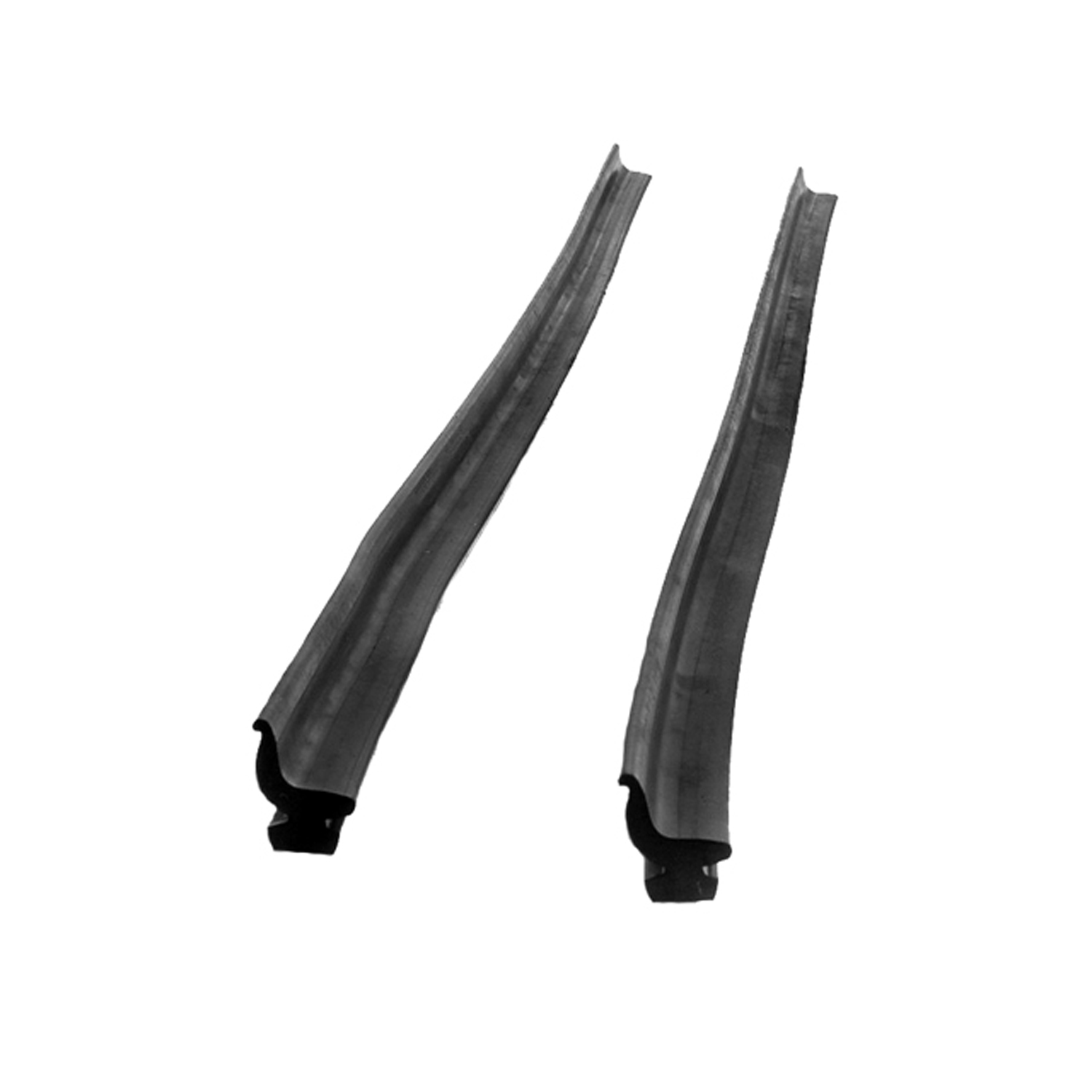 1957 Ford Fairlane Rear roll-up Seal. Two 18" sections sliced into metal track-VS 4Rear roll-up Seal. Two 18" sections sliced into metal track. this foot with no steel insert. Pair
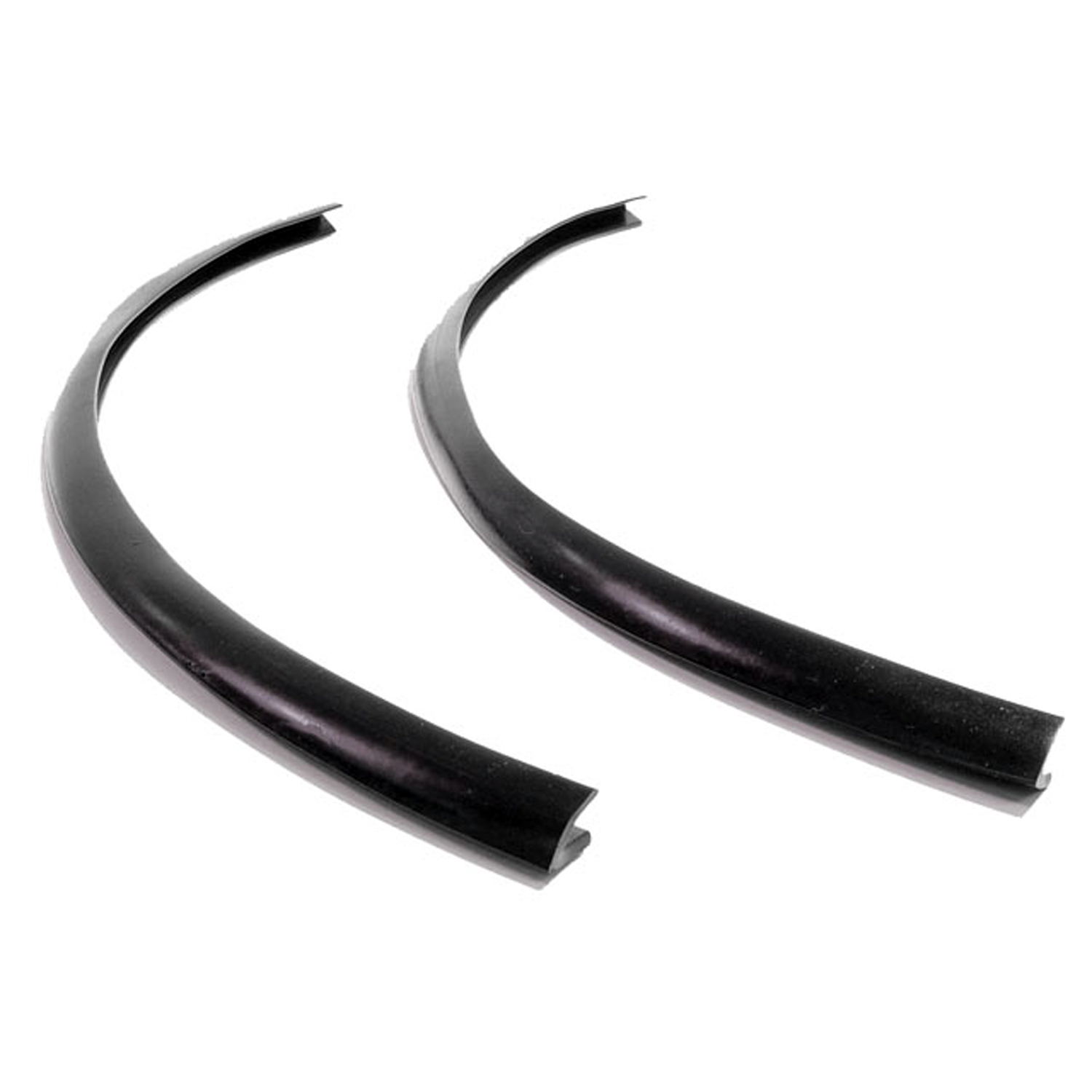 1957 Ford Fairlane Vertical Seals for Vent Window. Each piece is 17" long-VS 6Vertical Seals for Vent Window. Each piece is 17" long. Pair
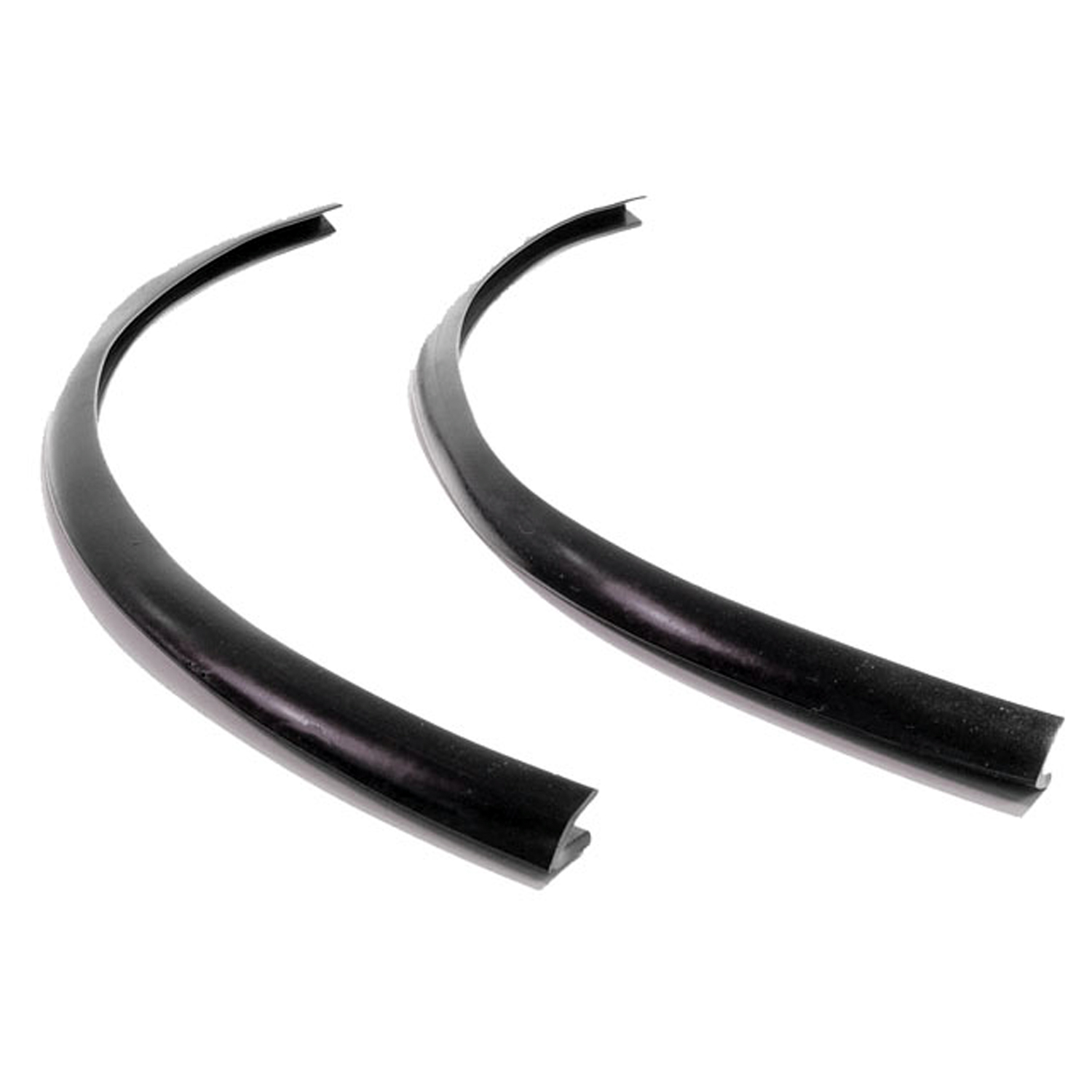 1957 Ford Fairlane Vertical Seal for Vent Window. Sold by the foot.-VS 6/FTVertical Seal for Vent Window. Sold by the foot.
 1957 Ford Fairlane Rigid division-bar channel-WC 28-96Rigid division-bar channel. Made with stainless steel bead, heavy steel core and pile lining. 96 in. long. Each. NOTE: $20 special shipping charge applies for domestic orders. Call or email for overseas shipping costs. Part can be sectioned in two or three equal lengths to reduce overseas shipping costs.
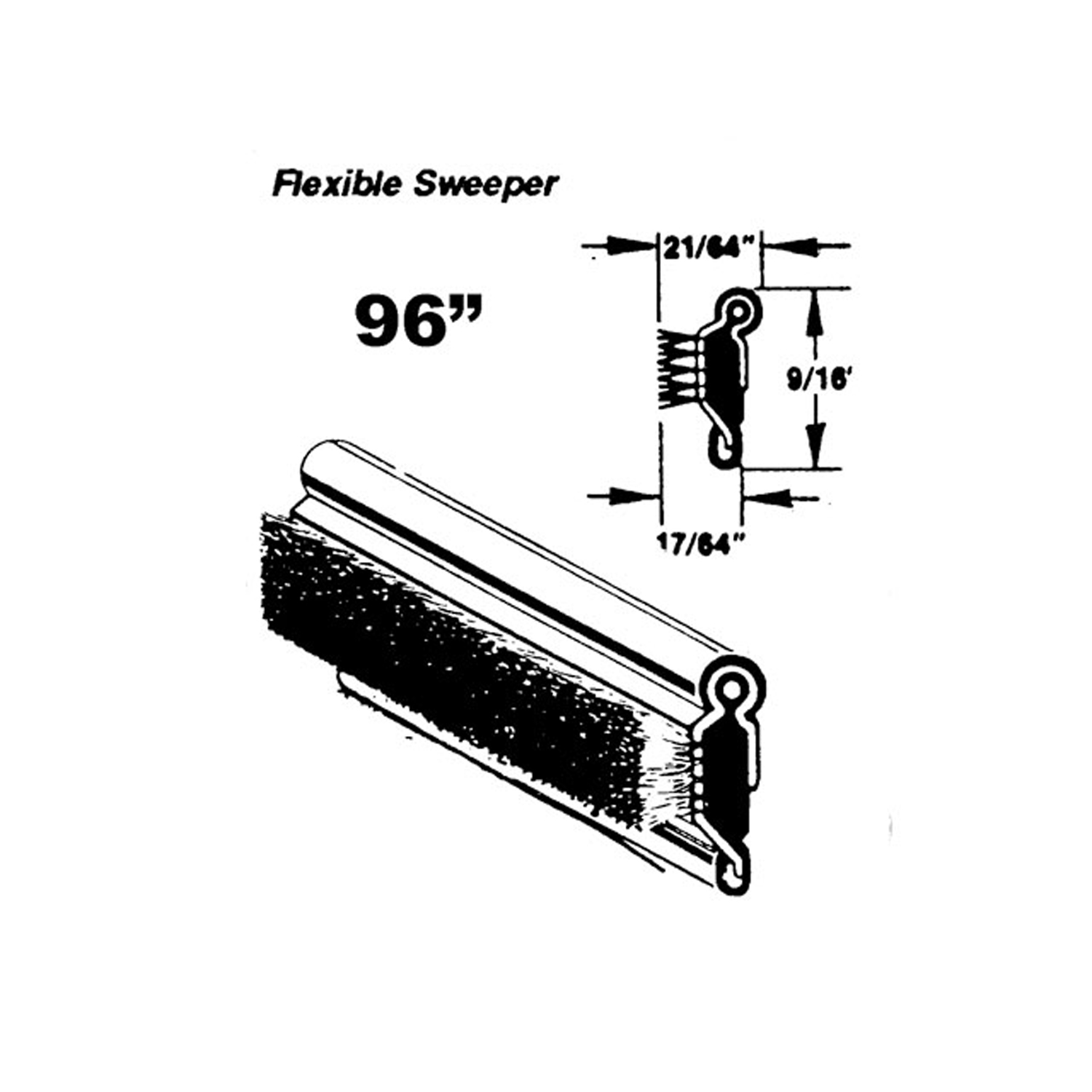 1957 Ford Fairlane Flexible window sweeper. Made with stainless steel bead-WC 7-96Flexible window sweeper. Made with stainless steel bead. 96 in. long. Each. NOTE: $20 special shipping charge applies for domestic orders. Call or email for overseas shipping costs. Part can be sectioned in two or three equal lengths to reduce overseas shipping costs.
Why Choose Metro?
For over 100 years, Metro Moulded Parts has been the pinnacle of quality in classic car restoration parts. Our commitment to precision and authenticity in every component ensures a perfect fit and an OEM-level appearance.
- Expert Craftsmanship & Quality: Each part is a testament to our dedication to reliability and perfection, crafted from original designs and thoroughly tested.
- Advanced Technology: We use cutting-edge techniques to create flawless, long-lasting parts that surpass others in performance.
- SuperSoft Sponge – The Ultimate Door Seal: Not only are our door seals 30% softer than competitors', but they're also guaranteed to never leak. They effectively reduce wind and road noise, enhancing your classic car's comfort and driving experience.
- Proudly American: Our parts are a product of American craftsmanship, made in the USA with a spirit of excellence and heritage.
- Unrivaled Warranty: We back our products with a 30-year industry-leading warranty, a testament to our confidence in their quality.
Join us in preserving the legacy of classic cars with parts that are crafted for perfection, not just made.