
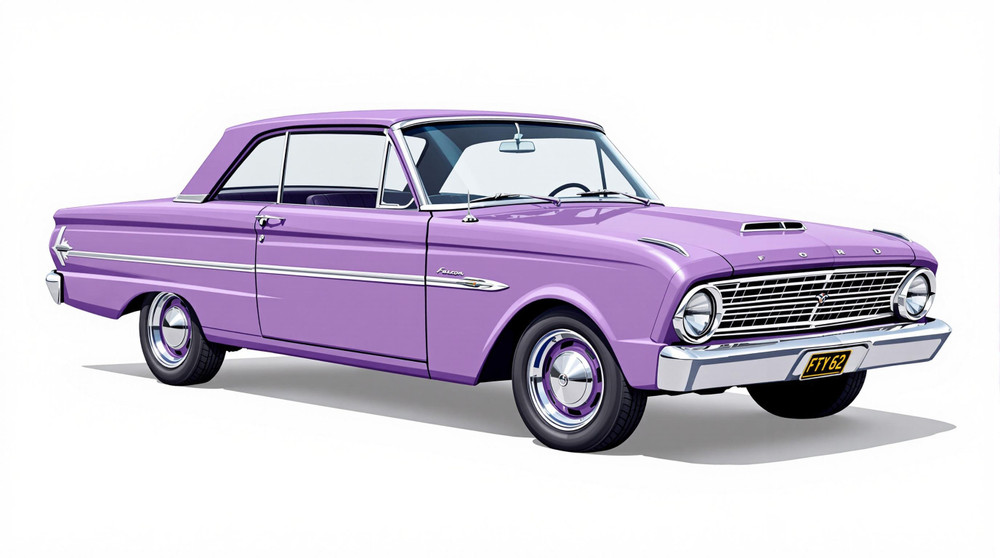
Image of 1962 Ford Falcon, Note: These illustrations use artistic license and may differ from actual historical models.
Performance Metrics
Fundamental Metrics
Emotional Appeal
MMP Rating
| Engine Specifications | |
|---|---|
| Engine: | Inline 6, V8 |
| Displacement: | 144-260 cu in |
| Horsepower: | 85-164 hp |
| Torque: | 138-258 lb-ft |
| Compression Ratio: | 8.7:1 - 8.8:1 |
| Ignition System: | Conventional, distributor |
| Cooling System: | Water-cooled |
| Performance Specifications | |
| 0-60 Time: | 10-12 seconds |
| 1/4 Mile Time: | 17-19 seconds |
| Top Speed: | 90-100 mph |
| Transmission and Drive | |
| Drive Type: | Rear-wheel drive |
| Transmission Type: | 2-speed automatic, 3-speed manual |
| Fuel and Efficiency | |
| Fuel System Type: | Carburetor |
| MPG: | 20-25 mpg |
| Dimensions and Brakes | |
| Brakes: | Drum brakes |
| Wheelbase: | 109.5 in |
| Weight: | 2400-2600 lbs |
Note: Specifications for classic cars are given to the best of our ability, considering the limited and variant data available.
1962 Ford Falcon: The Compact That Changed Ford
The 1962 Ford Falcon proved that a small, practical car could be a serious American success without pretending to be a miniature luxury sedan. Built by Ford Motor Company, it was designed for drivers who wanted sensible size, useful space, and economical running costs at a time when many domestic cars were growing larger and heavier.
The Falcon debuted for 1960 as Ford’s answer to rising interest in compact cars, including imports such as the Volkswagen Beetle. By 1962, it was an established member of Ford’s lineup, offering a range of body styles and a straightforward engineering package. Its most consequential legacy arrived a few years later: the Falcon’s basic platform and many of its components helped form the foundation for the original Ford Mustang.
One memorable Falcon claim was its economy. Ford promoted the model’s ability to deliver up to 30 miles per gallon under favorable driving conditions, a striking selling point in an era when fuel economy was rarely the headline feature of a domestic car.
1962 Falcon Styling and Cabin
The Falcon’s styling was clean and restrained, with a relatively upright profile, slim pillars, and simple body lines. Its modest grille and tidy proportions gave it a distinctly practical character rather than the dramatic fins and chrome-heavy ornamentation found on many full-size cars of the period. The 1962 model received detail updates within the first-generation design, but kept the straightforward shape that made it easy to park and maneuver.
Inside, the Falcon favored function over flash. The dashboard was uncluttered and easy to read, with large, plainly arranged controls. Materials were typical of an affordable early-1960s car: painted metal, durable vinyl, and cloth upholstery, with more decorative trim on upscale versions. The Futura added a sportier touch, including bucket seats and distinctive interior trim, while other models used a simpler bench-seat layout. A buyer looking for modern luxury would have found the cabin basic, but the controls were uncomplicated and the space was sensibly used.
Ford offered the Falcon in a broad range of paint colors, including period favorites in red, blue, green, white, and pale metallic or pastel shades. Exact names and availability depended on the paint chart and trim combination. Bright red and turquoise tones suit the car’s cheerful early-1960s personality, while white and light blue remain popular choices with restorers.
Body styles included two-door and four-door sedans, station wagons, the sporty Futura hardtop, and the Falcon Ranchero pickup-style utility model. The Ranchero combined passenger-car manners with an open cargo bed, giving it an unusual mix of everyday comfort and workday usefulness. The Futura hardtop is one of the most recognizable Falcon versions today, while the wagons and Ranchero appeal to buyers seeking extra practicality or a less common shape.
Why the Falcon Mattered
The Falcon was important because it brought compact-car thinking into the center of Ford’s American lineup. Rather than simply shrinking a full-size car, Ford gave the Falcon a purpose-built compact package: lighter construction, a smaller footprint, six-cylinder power, and room for a family. It offered a convincing alternative to both large domestic cars and imported economy models.
Its influence reached beyond its own sales success. The first Mustang borrowed heavily from the Falcon’s basic engineering, including its platform architecture and many mechanical components. That shared foundation helped Ford develop the Mustang quickly and keep its starting price accessible. The Falcon was therefore not just a practical compact; it was also an important stepping-stone in the creation of one of America’s most famous cars.
The Falcon also stood apart from contemporaries by offering multiple roles within one model family. A buyer could choose a straightforward commuter sedan, a family wagon, a sportier Futura, or a Ranchero utility vehicle. That flexibility helped Ford appeal to customers with very different needs without abandoning the Falcon’s economical roots.
Six-Cylinder Performance and Road Manners
Most 1962 Falcons were powered by an inline six-cylinder engine. The standard 144-cubic-inch unit produced about 85 horsepower, while the optional 170-cubic-inch six was rated at roughly 101 horsepower. A three-speed manual transmission was common, and an optional two-speed Fordomatic automatic made the car easier to drive in traffic. Exact equipment and published output can vary by configuration and source.
Performance was modest by modern standards. A 144-equipped Falcon typically needed roughly 19 to 22 seconds to reach 60 mph, while a 170 model could manage the sprint in around 16 to 19 seconds, depending on transmission, condition, and test method. A reasonable top-speed estimate is about 80 to 90 mph, though the car was much happier cruising at more moderate speeds. These are period-style estimates, not guarantees for an individual car today.
The Falcon’s light weight helped it feel nimble around town. Its compact dimensions made tight streets and parking spaces less intimidating than they were in a full-size Ford. The suspension was tuned for everyday use, so it absorbed ordinary road imperfections reasonably well, but a short-wheelbase compact with period tires and suspension will feel busy over sharp bumps. On winding roads, the car is easy to place, though its steering and cornering grip are not comparable to a modern performance car. Strong crosswinds and rough pavement can also make a light, older vehicle feel less settled.
From behind the wheel, the experience is pleasantly mechanical. The six produces a soft, steady rumble rather than a performance-car roar, and the three-speed manual gives the driver a direct connection to the car’s modest power. The seating position is upright, the sightlines are good, and the controls are simple. It feels less isolated than a modern car, which is part of its charm, but also a reminder that it lacks contemporary braking, crash protection, and refinement.
Living With a 1962 Falcon
Today, Falcons are used as weekend cruisers, show cars, restoration projects, and, in some cases, dependable local drivers. A well-maintained example can handle relaxed trips and local errands, but regular highway use calls for realistic expectations about acceleration, braking, noise, and safety equipment. Many owners improve usability with discreet upgrades such as electronic ignition, modern tires, or improved brakes, while keeping the original appearance.
The Falcon’s simple six-cylinder layout makes routine mechanical work approachable for a capable home mechanic. Tune-ups, basic engine repairs, and many service tasks are less complicated than on a modern car, and replacement parts for common mechanical components remain reasonably available. Specific body trim, wagon pieces, and some Futura or Ranchero parts can be more difficult to find, so completeness matters when shopping.
Rust deserves close inspection. Check the floor pans, rocker panels, cowl area, suspension mounting points, and structural sections of the unibody, including the front frame rails and rear spring mounting areas. A shiny exterior can hide expensive corrosion underneath. Also inspect the transmission, cooling system, brakes, and electrical connections, especially on cars that have sat unused or undergone incomplete restoration.
Falcon Facts and Popular Myths
The Falcon Ranchero is a particularly distinctive member of the family because it blended car-like comfort with an open cargo bed. The Falcon Squire wagon, with its woodgrain-style exterior trim, offered a dressier take on the practical station wagon. These versions show how broadly Ford used the Falcon name and platform.
Falcons also became popular candidates for modification and grassroots competition. Their light weight and straightforward mechanical layout made them appealing to hot rodders and drag racers, although the 1962 model was not the high-performance Falcon Sprint that Ford introduced for 1963. The 1962 car’s main purpose was economy and versatility, not outright speed.
There is no single universally accepted production figure for every 1962 Falcon body style and derivative. A useful estimate is around 400,000 Falcons for the model year, with totals depending on how related versions such as the Ranchero are counted. That makes the Falcon a successful mass-market car, not an exceptionally rare one overall. Individual body styles, well-preserved examples, and unusual factory combinations can still be scarce.
A common criticism is that the Falcon is plain. Its modest power, basic cabin, and restrained styling may disappoint someone expecting muscle-car drama. But those same qualities explain its original appeal: it was affordable, economical, and easy to understand. Its historical importance is greater than its performance figures suggest.
Collector Values and Availability
As of 2026, asking prices and completed sales vary widely by condition, body style, originality, and location. A rough project may fall around $3,000 to $8,000, while a usable driver often lands near $8,000 to $18,000. Clean, well-restored examples commonly range from about $20,000 to $35,000. Exceptional cars, especially desirable Rancheros, Futuras, or wagons, can reach roughly $30,000 to $50,000 or more when condition and presentation justify it. These are broad market estimates, not appraisals.
Standard sedans are generally easier to find than specific wagons, Rancheros, or highly original examples. Mechanical parts are usually more accessible than body and trim pieces, so buyers should consider the cost of completing a car before committing to a restoration. In recent years, the Falcon market has been relatively steady, with strong examples gaining interest as affordable classics. Values are generally more selective than those of iconic muscle cars: quality, originality, and rare body styles matter more than horsepower.
The Compact Ford With a Lasting Legacy
The 1962 Ford Falcon combined economical six-cylinder power, useful body styles, uncomplicated engineering, and a size suited to everyday life. It was not built to be the fastest or most luxurious car on the road. Instead, it helped redefine what an American family car could be, influenced the engineering of the first Mustang, and gave Ford a compact platform flexible enough to serve commuters, families, and businesses alike.
More than six decades later, the Falcon remains an appealing classic because it is honest about what it is: practical, approachable, and quietly significant. Under its modest styling sits a car that helped steer Ford’s future.
1962 Ford Falcon Catalog of Parts
 1962 Ford Falcon Suspension Ball Joint Dust Seal. 3/4" top I.D-BN 101-BSuspension Ball Joint Dust Seal. 3/4" top I.D., 1-11/16" bottom O.D., 3/4" high. For some rare models. Check dimensions against original. Each
 1962 Ford Falcon Power Steering Stop Insulator. Die stamped. 1-7/16" O.D-BN 107-APower Steering Stop Insulator. Die stamped. 1-7/16" O.D., 1-1/16" I.D., .808 thick. Each
 1962 Ford Falcon Shock Absorber Grommet. 1-1/4" bottom O.D., 1" high-BN 12Shock Absorber Grommet. 1-1/4" bottom O.D., 1" high., with 3/4" I.D. Each
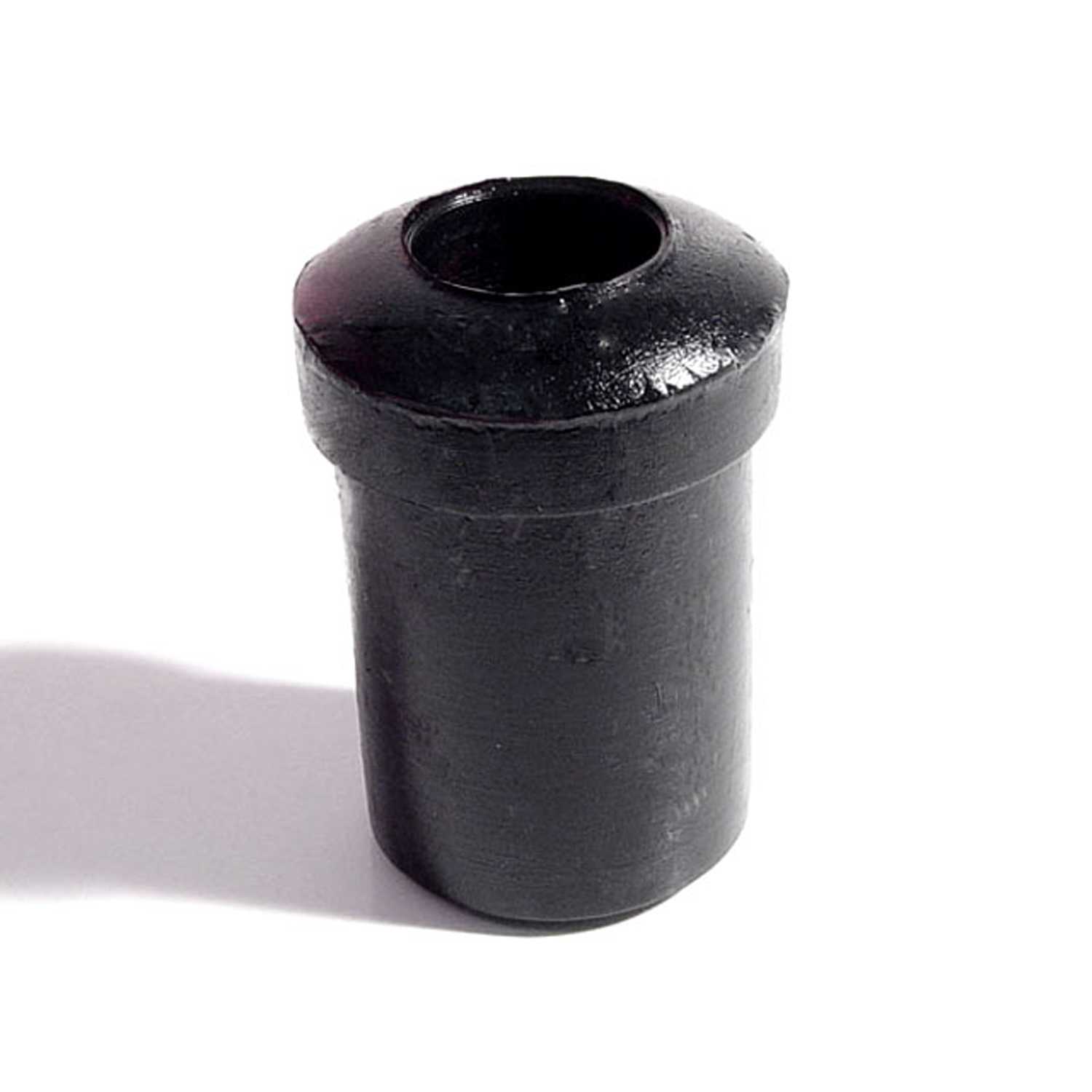 1962 Ford Falcon Spring and Shackle Bushing. 1" bottom O.D-BN 20Spring and Shackle Bushing. 1" bottom O.D. X 1-5/8" high, with 9/16" I.D. Each
 1962 Ford Falcon Front Stabilizer Bar Bushings. Made of hard rubber-BN 32-BFront Stabilizer Bar Bushings. Made of hard rubber. 1-5/8" long X 1-7/8" wide X 1-5/8" high. Pair
 1962 Ford Falcon Stabilizer Bar Bushings-BN 32-DStabilizer Bar Bushings. 1-9/16" long X 1-1/2" wide X 1-5/8" high, 15/16" I.D. Pair
 1962 Ford Falcon Front stabilizer bar to frame bushings-BN 32-FFront stabilizer bar to frame bushings, '59-'66 Ford and Mercury passenger car, station wagon and sedan delivery models, pair. Replaces OEM # B9A-5493-B.
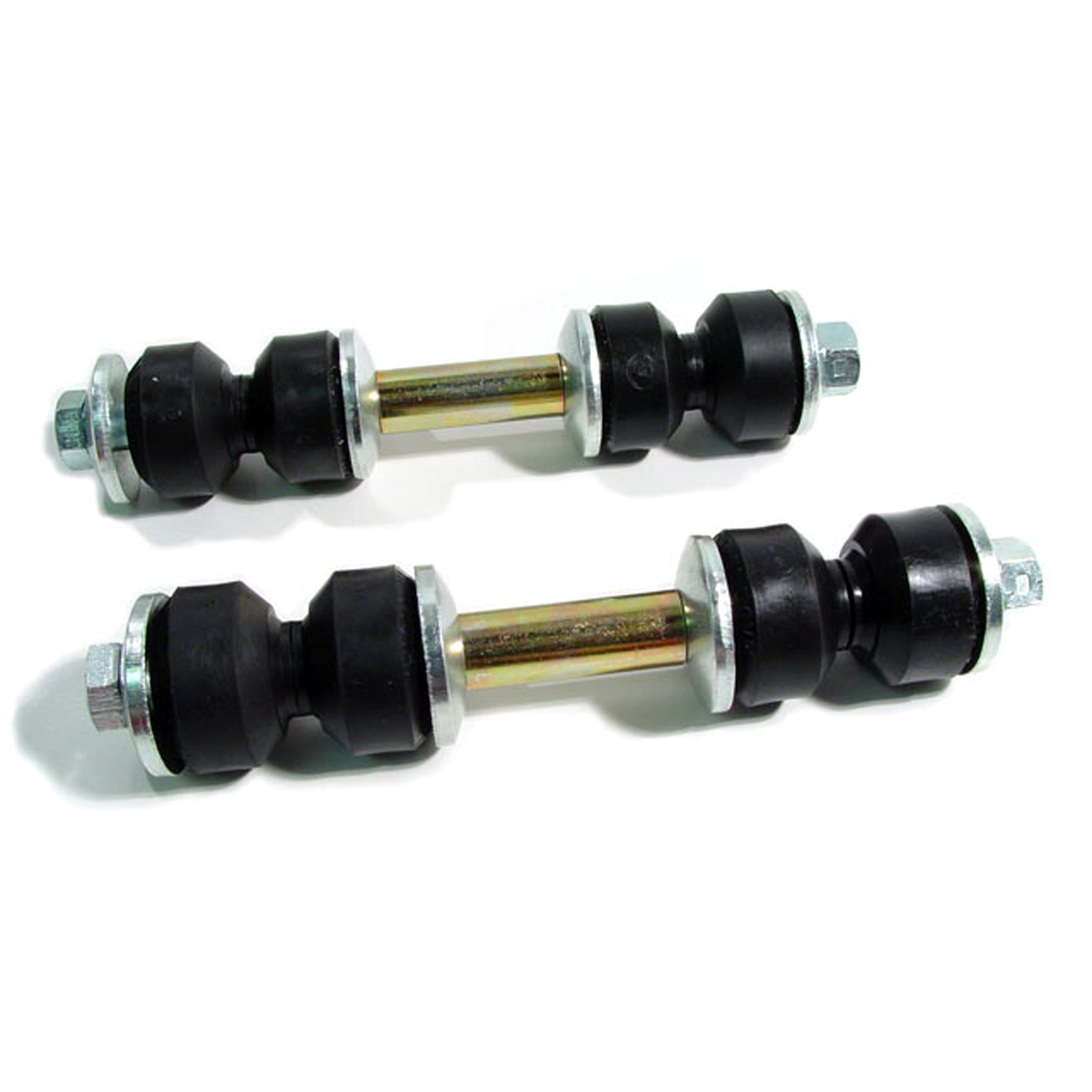 1962 Ford Falcon Front Stabilizer End Repair Kit-BNK 22Front Stabilizer End Repair Kit. 22-piece set for two stabilizer bars. Contains all rubber bushings, washers, bolts and nuts, enough for one front end. Set
 1962 Ford Falcon Hood Bumper. Made with steel core. Held by screw. Each-HF 40Hood Bumper. Made with steel core. Held by screw. Each
 1962 Ford Falcon Door Weatherstrip Seal Kit fits 1960-1965 Ford Falcon & Ranchero 2 Door Sedan-LM 21-OThese door weatherstrips mount on the door with weatherstrip adhesive glue (not included). They fit the driver's and passenger door on the 2 door sedan/wagon models. It's made from high quality ozone resistant EPDM rubber.
 1962 Ford Falcon Antenna Base Mounting Pads 1-3/16" I.D., 1-11/16" O.D. Each-MB 800Antenna Base Mounting Pads 1-3/16" I.D., 1-11/16" O.D. Each
 1962 Ford Falcon Antenna Base Pad. 1-5/8" wide X 2-1/8" long. Each-MP 800-GAntenna Base Pad. 1-5/8" wide X 2-1/8" long. Each
 1962 Ford Falcon Generator Boot. Replaces OEM #C1AZ10170B-RP 2-FGenerator Boot. Replaces OEM #C1AZ10170B. Note: Notch may have to be cut by purchaser. Each
 1962 Ford Falcon Inlet Box Bellows. Fresh air duct to heater-RP 300-HInlet Box Bellows. Fresh air duct to heater. Made of PVC with lower steel core and wire clamp. 7" wide X 9-1/4" long. Each
 1962 Ford Falcon Door Lock Knob. Black Rubber. Each-RP 306Door Lock Knob. Black Rubber. Each
 1962 Ford Falcon Door Lock Knob. 1-1/2" high. Made of red rubber. Each-RP 306-ADoor Lock Knob. 1-1/2" high. Made of red rubber. Each
 1962 Ford Falcon Door Lock Knob. 1-1/2" high. Made of blue rubber. Each-RP 306-BDoor Lock Knob. 1-1/2" high. Made of blue rubber. Each
 1962 Ford Falcon Door Lock Knob. 1-1/2" high. Made of turquoise rubber-RP 306-CDoor Lock Knob. 1-1/2" high. Made of turquoise rubber. Each
 1962 Ford Falcon Door Lock Knob. 1-1/2" high. Made of beige rubber. Each-RP 306-DDoor Lock Knob. 1-1/2" high. Made of beige rubber. Each
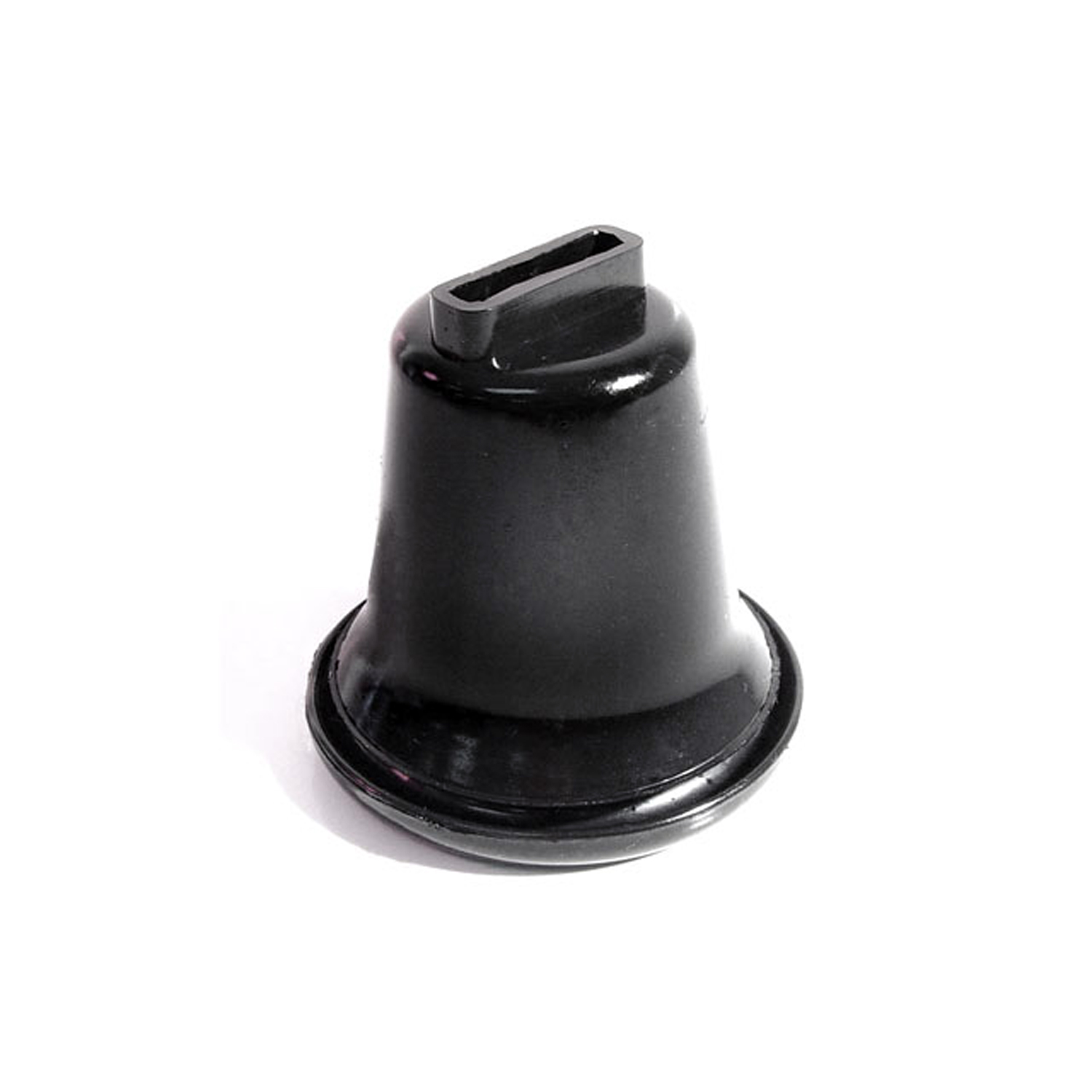 1962 Ford Falcon Brake Booster Boot. Each-RP 32-AABrake Booster Boot. Each
 1962 Ford Falcon Hood Bumper. Snap-in wire base like original. Each-SB 89-AHood Bumper. Snap-in wire base like original. Each
 1962 Ford Falcon Rocker Panel Drain Plug Valve. Two used per car. Each-SM 64Rocker Panel Drain Plug Valve. Two used per car. Each
 1962 Ford Falcon Trunk Seal. 18 feet long. Each-TK 51-18Trunk Seal. 18 feet long. Each
 1962 Ford Falcon Trunk Seal, 14'1" long. Fits all models except Fastback-TK 51-A/14Trunk Seal, 14'1" long. Fits all models except Fastback. Each
 1962 Ford Falcon Trunk Seal. Each-TK 51-F/14Trunk Seal. Each
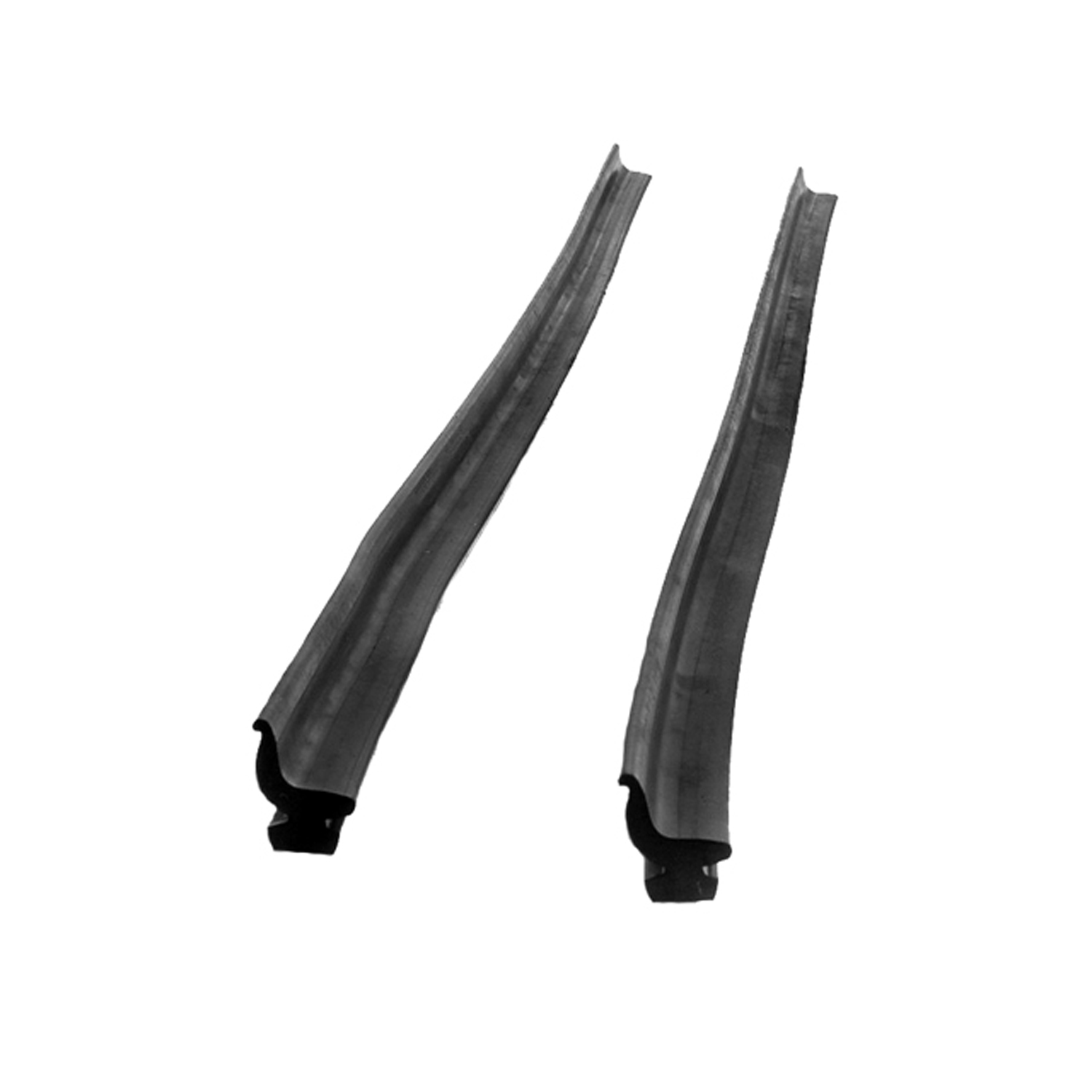 1962 Ford Falcon Rear roll-up Seal. Two 18" sections sliced into metal track-VS 4Rear roll-up Seal. Two 18" sections sliced into metal track. this foot with no steel insert. Pair
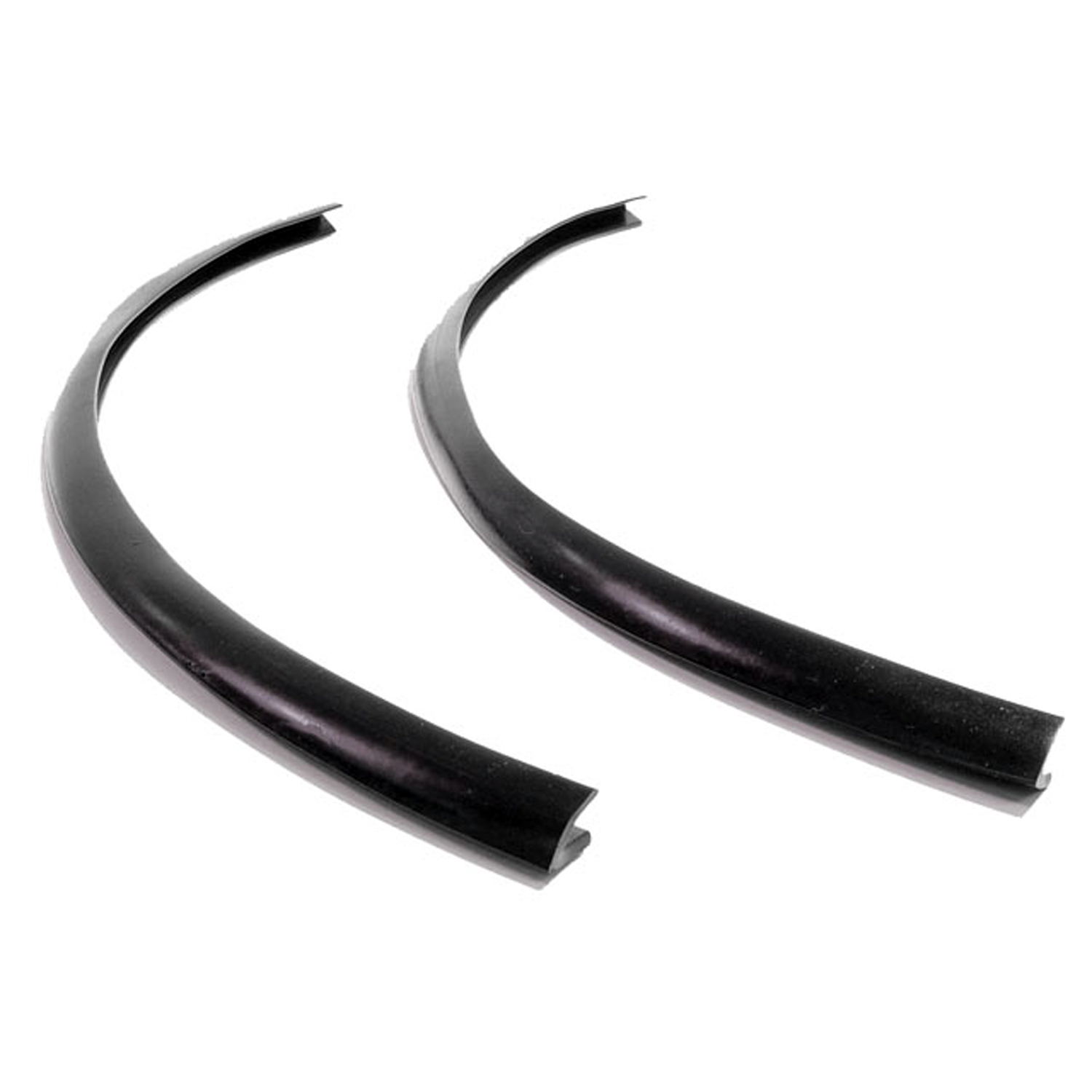 1962 Ford Falcon Vertical Seals for Vent Window. Each piece is 17" long-VS 6Vertical Seals for Vent Window. Each piece is 17" long. Pair
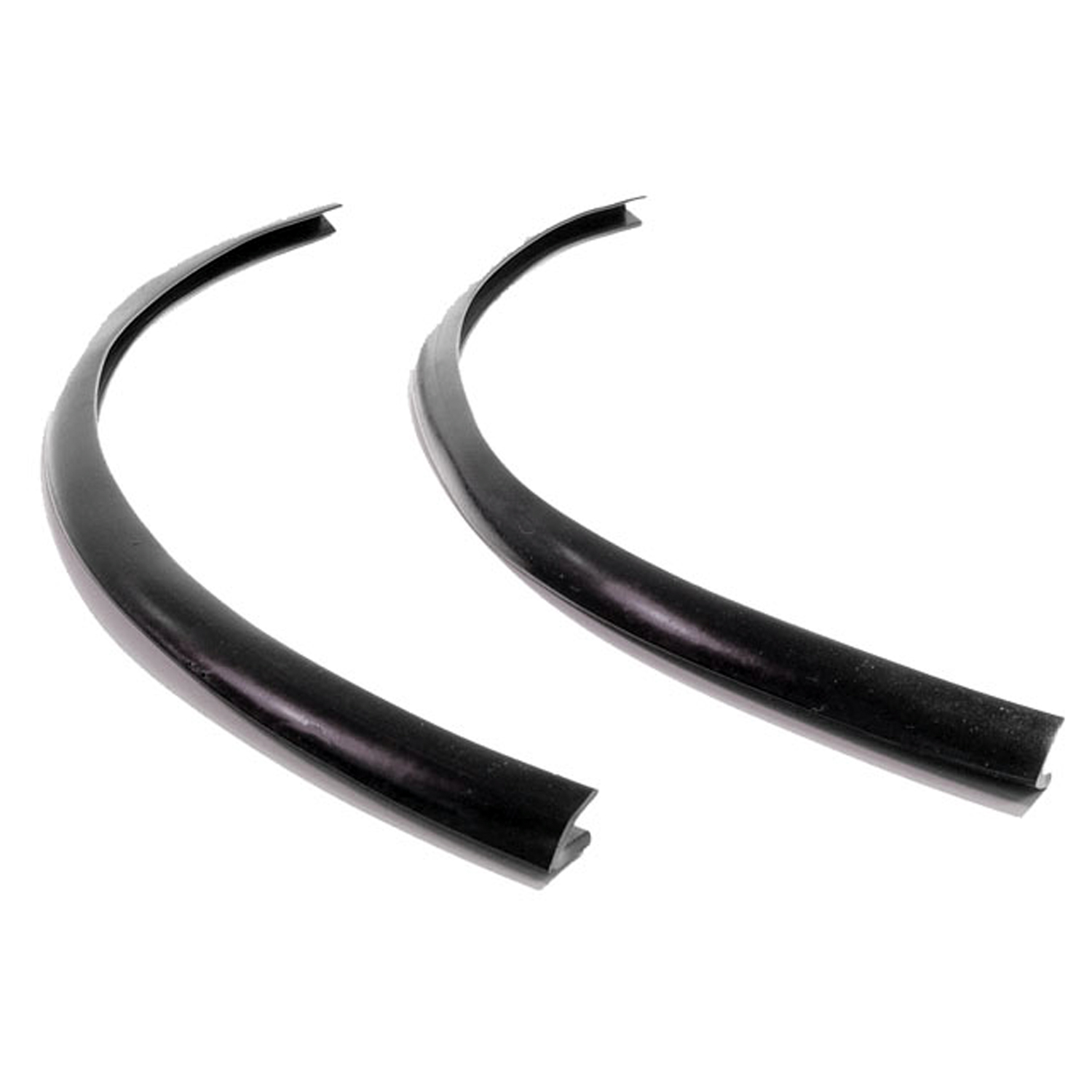 1962 Ford Falcon Vertical Seal for Vent Window. Sold by the foot.-VS 6/FTVertical Seal for Vent Window. Sold by the foot.
 1962 Ford Falcon Flexible Sweeper. Made of rubber-WC 23-/FTFlexible Sweeper. Made of rubber. Seal for outside of side window. Sold by the foot
 1962 Ford Falcon Flexible Sweeper. Made of rubber-WC 23-48Flexible Sweeper. Made of rubber. Seal for outside of side window. 48" Piece. Each
 1962 Ford Falcon Flexible Sweeper. Made of rubber-WC 23-96Flexible Sweeper. Made of rubber. Seal for outside of side window. 96" Piece. each
 1962 Ford Falcon Rigid division-bar channel-WC 28-96Rigid division-bar channel. Made with stainless steel bead, heavy steel core and pile lining. 96 in. long. Each. NOTE: $20 special shipping charge applies for domestic orders. Call or email for overseas shipping costs. Part can be sectioned in two or three equal lengths to reduce overseas shipping costs.
Why Choose Metro?
For over 100 years, Metro Moulded Parts has been the pinnacle of quality in classic car restoration parts. Our commitment to precision and authenticity in every component ensures a perfect fit and an OEM-level appearance.
- Expert Craftsmanship & Quality: Each part is a testament to our dedication to reliability and perfection, crafted from original designs and thoroughly tested.
- Advanced Technology: We use cutting-edge techniques to create flawless, long-lasting parts that surpass others in performance.
- SuperSoft Sponge – The Ultimate Door Seal: Not only are our door seals 30% softer than competitors', but they're also guaranteed to never leak. They effectively reduce wind and road noise, enhancing your classic car's comfort and driving experience.
- Proudly American: Our parts are a product of American craftsmanship, made in the USA with a spirit of excellence and heritage.
- Unrivaled Warranty: We back our products with a 30-year industry-leading warranty, a testament to our confidence in their quality.
Join us in preserving the legacy of classic cars with parts that are crafted for perfection, not just made.