

Image of 1964 Ford Fairlane, Note: These illustrations use artistic license and may differ from actual historical models.
Performance Metrics
Fundamental Metrics
Emotional Appeal
MMP Rating
| Engine Specifications | |
|---|---|
| Engine: | 260 cu in (4.3 L) Windsor V8, 289 cu in (4.7 L) Windsor V8, 427 cu in (7.0 L) FE V8 |
| Displacement: | 260-427 cu in |
| Horsepower: | 164-425 hp |
| Torque: | 258-480 lb-ft |
| Compression Ratio: | 8.7:1 - 11.6:1 |
| Ignition System: | Conventional breaker-point ignition system |
| Cooling System: | Liquid-cooled |
| Performance Specifications | |
| 0-60 Time: | 7.0 - 8.0 seconds |
| 1/4 Mile Time: | 15.0 - 16.0 seconds |
| Top Speed: | 115-130 mph |
| Transmission and Drive | |
| Drive Type: | Rear-wheel drive |
| Transmission Type: | 3-speed manual, 4-speed manual, 3-speed automatic |
| Fuel and Efficiency | |
| Fuel System Type: | Carburetor |
| MPG: | 10-15 mpg |
| Dimensions and Brakes | |
| Brakes: | Drum brakes |
| Wheelbase: | 115.5 inches |
| Weight: | 3000-3500 lbs |
Note: Specifications for classic cars are given to the best of our ability, considering the limited and variant data available.
1964 Ford Fairlane: The Mid-Size Ford With a Racing Streak
The 1964 Ford Fairlane was a family-sized Ford with a surprisingly quick path from suburban driveways to the drag strip. Built by the Ford Motor Company, it sat between the compact Falcon and full-size Galaxie, giving buyers roomier proportions than a small car without the bulk of a large sedan.
The Fairlane name had debuted in 1955, inspired by Henry Ford’s Fair Lane estate. By 1964, the model had settled into the intermediate class, a fast-growing segment where American manufacturers were competing for buyers who wanted practical dimensions and V8 performance. Ford refreshed the Fairlane’s styling for the 1964 model year, then used its compact, relatively light body as the foundation for one of the era’s most memorable factory-built drag racers: the Fairlane Thunderbolt.
That racing connection is the Fairlane’s headline fact. Ford built roughly 100 Thunderbolts for NHRA Super Stock competition, pairing a lightweight Fairlane body with a powerful 427-cubic-inch V8. The road-going Fairlane range was much broader, though, and included economical six-cylinder models, stylish hardtops, wagons, and V8-powered cruisers.
1964 Fairlane Styling and Interior
The 1964 Fairlane wore crisp, squared-off styling without looking as imposing as Ford’s full-size cars. Its long hood, restrained side sculpting, clean rooflines, and broad grille gave it a purposeful stance. Subtle character lines ran along the body, while bright trim and distinctive badging varied by model. The result was more formal than a Falcon but less ornate than a Galaxie.
Trim levels added their own personality. Fairlane 500 models brought extra brightwork, while the upscale 500XL featured bucket seats, a center console on many configurations, and sportier trim. The 500XL hardtop and convertible are especially appealing today because they combine the Fairlane’s tidy proportions with a more upscale, open-air character.
Inside, buyers found a straightforward and functional cabin rather than lavish luxury. Depending on trim, the seats were upholstered in durable vinyl or combinations of vinyl and cloth, with patterned materials and brighter trim in better-equipped models. The dashboard was cleanly laid out, with large, readable instruments and controls that were easy to reach. An XL’s bucket seats and console made the cabin feel more like a personal sport coupe than a basic family car.
Available paint colors included period favorites such as Wimbledon White, Rangoon Red, Skylight Blue, Pagoda Green, and Raven Black, among other choices. Exact colors and interior combinations depended on trim and production details. Red, white, and blue shades suit the car’s early-1960s character particularly well, while darker colors give the XL models a more formal look.
Fairlane Body Styles and Models
Ford offered the 1964 Fairlane in a wide range of body styles. The lineup included two-door and four-door sedans, two-door hardtops, convertibles, and station wagons. The Fairlane 500 and 500XL supplied the most recognizable upscale versions, while the wagon appealed to buyers who needed extra cargo space.
For many enthusiasts, the two-door hardtop is the classic Fairlane shape: a fixed-roof coupe with a clean profile and no center pillar between the side windows. The 500XL hardtop is a particularly desirable blend of style and comfort. The convertible offers a different kind of appeal, while the Thunderbolt’s unassuming two-door sedan body is iconic for an entirely different reason: it was a purpose-built drag car disguised as a plain production model.
Why the 1964 Fairlane Matters
The Fairlane helped establish the intermediate Ford as a flexible platform. It was large enough to serve as everyday family transportation, yet compact and light enough to accept increasingly powerful engines. That combination became central to the American muscle-car formula: a relatively manageable body, a strong V8, and a practical price compared with an exotic sports car.
The 1964 Thunderbolt made that formula especially clear. Ford engineers and racers installed a 427 V8 in a Fairlane 500 two-door sedan, then made extensive changes to prepare it for competition. The result was not a comfortable grand tourer or a subtle performance package. It was a factory-backed drag machine built to win in NHRA Super Stock. Its success helped demonstrate that a mid-size platform could be a serious weapon in organized drag racing.
In the broader market, the Fairlane competed with other intermediate cars, including Chevrolet’s Chevelle and Plymouth’s mid-size offerings. Its lasting influence lies less in one luxury feature or styling flourish than in the way it bridged everyday usability and performance. Later muscle cars would refine that idea, but the Fairlane helped prove its potential.
Engines, Speed, and Road Manners
The standard Fairlane range offered six-cylinder and V8 engines, with exact availability depending on body style and trim. Six-cylinder buyers could choose economical engines such as the 170- or 200-cubic-inch units. V8 options included 260- and 289-cubic-inch engines, with the 289 available in more powerful configurations. At the extreme end sat the 427-powered Thunderbolt, which was built for racing rather than normal commuting.
Performance varied substantially with engine, transmission, axle ratio, vehicle condition, and testing method. A healthy 289-equipped Fairlane could reach 60 mph in roughly 8 to 10 seconds, with a top speed in the neighborhood of 110 to 120 mph in suitable gearing. A six-cylinder model was notably slower but more economical. The Thunderbolt’s acceleration belonged to another category altogether, and its competition setup was aimed at quarter-mile performance rather than relaxed highway use.
Most Fairlanes came with a three-speed manual transmission, while buyers could choose an automatic or, on suitable V8 models, a four-speed manual. The car’s front coil springs and independent front suspension provided a familiar, comfortable ride for the period, while rear leaf springs kept the design straightforward. On ordinary roads, a standard Fairlane feels composed and easygoing, though bumps can produce the body movement typical of a 1960s car. Narrow original-style tires and a relatively soft suspension mean it is not as precise on winding roads as a modern performance car.
Behind the wheel, the experience is direct and mechanical. A six-cylinder Fairlane sounds restrained; a V8 adds the burble and rising growl that many enthusiasts come to the car for. Steering can feel heavy at low speeds without power assistance, and the drum brakes common to the period require a longer, firmer stop than modern disc systems. On a smooth road, the Fairlane is a relaxed cruiser. Push a V8 car harder, and its size, sound, and simple controls make the driving feel engaging rather than insulated.
Living With a 1964 Ford Fairlane
Today, Fairlanes serve as weekend cruisers, local show cars, family heirlooms, and, in modified form, drag or street machines. A well-maintained example can handle occasional errands and highway trips, but most owners treat an original car as a hobby vehicle rather than a year-round daily driver.
Routine maintenance is generally approachable for an owner with basic mechanical skills. The carbureted engines, conventional automatic and manual transmissions, and uncomplicated suspension are familiar to many classic Ford specialists. Parts support remains strong for common service items and popular restoration components, though trim, body panels, and model-specific details can take more searching. As with any 60-year-old car, inspect carefully for rust, previous collision repairs, worn suspension parts, and signs of poor-quality restoration.
Original drum brakes, aging rubber, and period electrical systems deserve special attention before regular road use. Many owners upgrade to front disc brakes, modern tires, improved charging systems, or electronic ignition. Such changes can make the car easier to drive, but they may reduce originality and matter to collectors seeking a factory-correct example.
Thunderbolt Trivia and Common Criticisms
The Thunderbolt was built in very limited numbers, with estimates commonly placed at about 100 cars for 1964. Its 427 V8 was rated at 425 horsepower, and the car received extensive competition-focused modifications. These included a distinctive lightweight fiberglass hood and changes to reduce weight and improve performance. It was offered with a four-speed manual or an automatic transmission, depending on the car.
The Thunderbolt was not simply a Fairlane with a big engine. Its stripped-down, race-oriented character made it a specialized machine, and that is part of its legend. It also represents an important moment in the horsepower race, when automakers were increasingly using factory-built cars to compete for attention and trophies at drag strips around the country.
Common criticisms of ordinary 1964 Fairlanes are familiar to owners of many cars from the era: drum brakes can fade under repeated hard use, steering may feel slow, fuel economy is modest with a V8, and cabin noise and safety equipment fall short of modern expectations. Rust and age-related wear are bigger concerns than any single design flaw. Thunderbolts add their own compromise: they are rare, valuable, and often too specialized or costly to use like an ordinary Fairlane.
1964 Fairlane Collector Values
Fairlane production for 1964 is generally estimated at around 300,000 cars across the range, though totals vary by source and by how models are counted. That makes an ordinary Fairlane far more attainable than a Thunderbolt, but condition, body style, originality, and engine choice have a major effect on value.
As a broad 2026 U.S. market guide, a project car may sell for roughly $5,000 to $12,000. A usable driver in decent condition might fall around $12,000 to $25,000, while a well-restored or highly original standard model can bring approximately $25,000 to $45,000. Desirable 500XL hardtops and convertibles can reach $35,000 to $70,000 or more when exceptionally presented. These are general estimates, not guaranteed sale prices; rust, documentation, and restoration quality can shift the value considerably.
Genuine Thunderbolts occupy a separate collector market. Their tiny production run, factory racing history, and high demand can put documented examples into the hundreds of thousands of dollars, with exceptional cars potentially worth considerably more. Authentication is essential because the value difference between a real Thunderbolt and a tribute or clone is enormous.
Ordinary Fairlanes have generally appreciated gradually as clean, usable examples become harder to find, though they do not always rise as quickly as the rarest muscle cars. Well-preserved cars with desirable trim and authentic equipment tend to attract the strongest interest. Buyers should compare recent sales, verify identification details, and budget for inspection rather than relying on a paint job or seller’s description.
A Ford Fairlane With Two Sides
The 1964 Ford Fairlane succeeds because it can be both an approachable classic and a landmark performance platform. In standard form, it is a handsome, practical mid-size Ford with simple mechanicals and period charm. In Thunderbolt form, it became one of the most focused factory drag racers of its generation. Few cars capture the transition from sensible family transportation to the muscle-car era quite so clearly, and that contrast is what keeps the Fairlane memorable today.
1964 Ford Fairlane Catalog of Parts
 1964 Ford Fairlane Suspension Ball Joint Dust Seal. 3/4" top I.D-BN 101-BSuspension Ball Joint Dust Seal. 3/4" top I.D., 1-11/16" bottom O.D., 3/4" high. For some rare models. Check dimensions against original. Each
 1964 Ford Fairlane Rear Spring and Front Hanger Shackle Bushing. 2" bottom O.D-BN 108Rear Spring and Front Hanger Shackle Bushing. 2" bottom O.D., 1-5/8" high, with 3/4" I.D. Each
 1964 Ford Fairlane Shock Absorber Grommet. 1-1/4" bottom O.D., 1" high-BN 12Shock Absorber Grommet. 1-1/4" bottom O.D., 1" high., with 3/4" I.D. Each
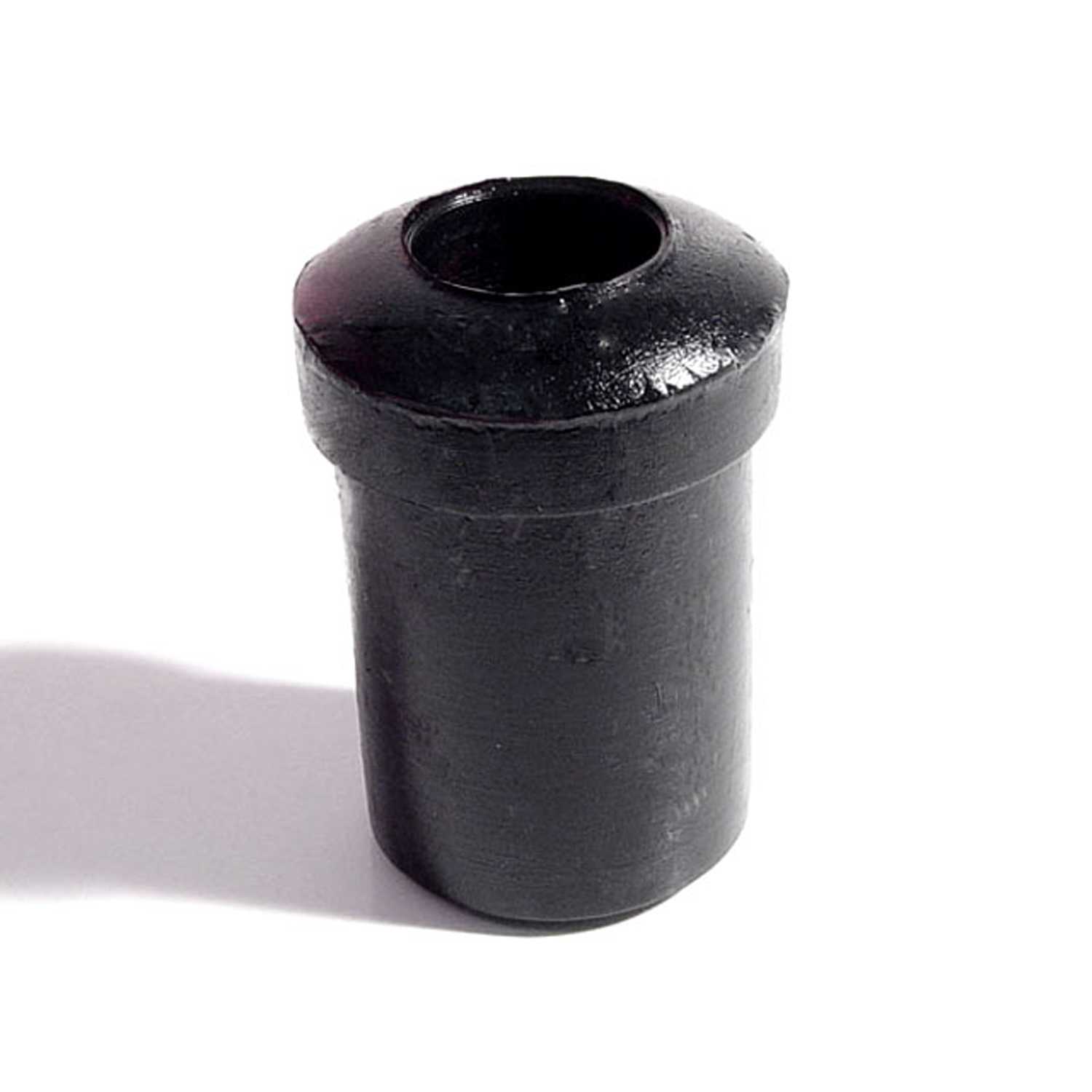 1964 Ford Fairlane Spring and Shackle Bushing. 1" bottom O.D-BN 20Spring and Shackle Bushing. 1" bottom O.D. X 1-5/8" high, with 9/16" I.D. Each
 1964 Ford Fairlane Stabilizer Bar Bushings-BN 32-DStabilizer Bar Bushings. 1-9/16" long X 1-1/2" wide X 1-5/8" high, 15/16" I.D. Pair
 1964 Ford Fairlane Front stabilizer bar to frame bushings-BN 32-FFront stabilizer bar to frame bushings, '59-'66 Ford and Mercury passenger car, station wagon and sedan delivery models, pair. Replaces OEM # B9A-5493-B.
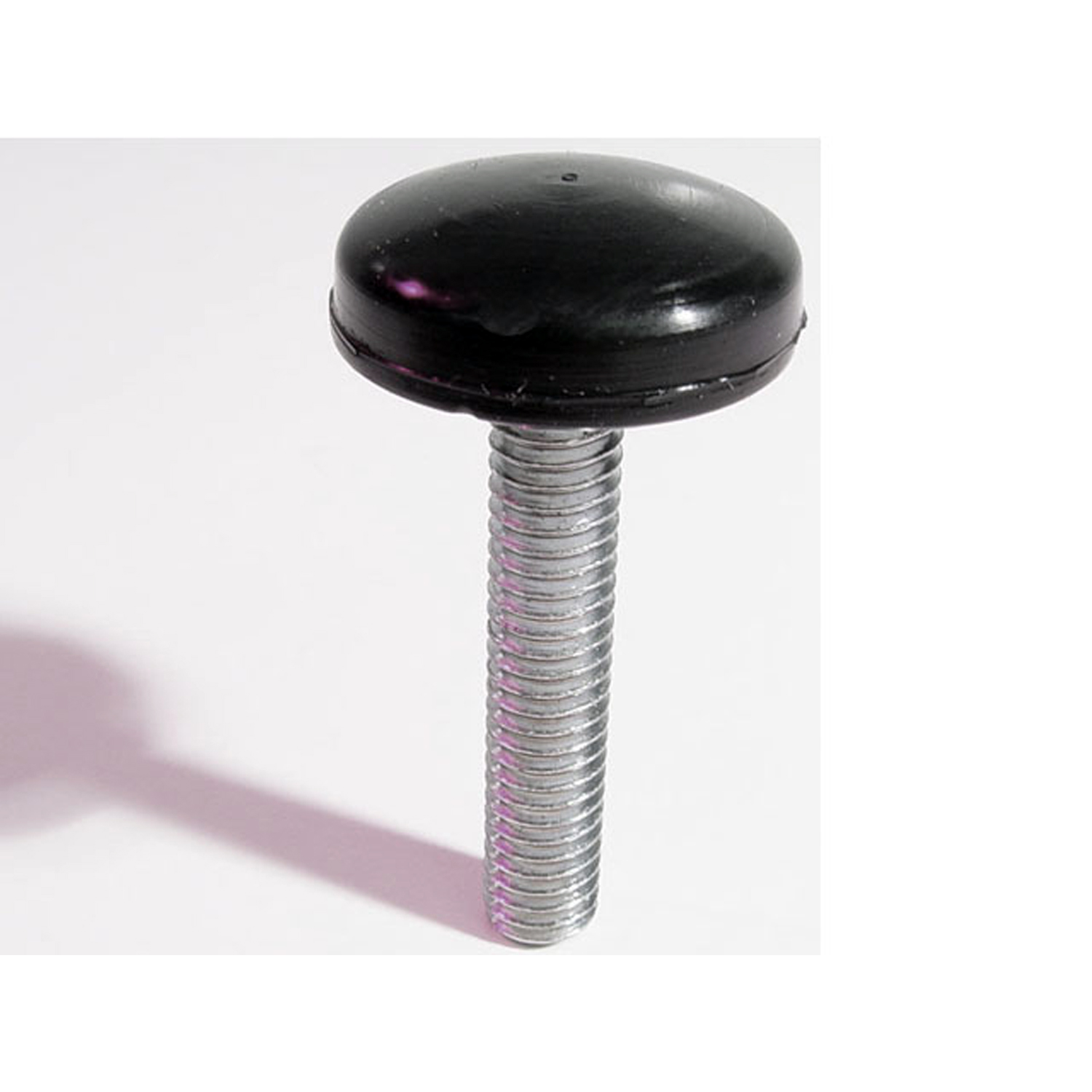 1964 Ford Fairlane Hood Adjustment Bolt and Bumper. 1" diameter rubber head-HA 2Hood Adjustment Bolt and Bumper. 1" diameter rubber head. 5/16" thick X 18 threads/inch X 1-3/4" long bolt. Each
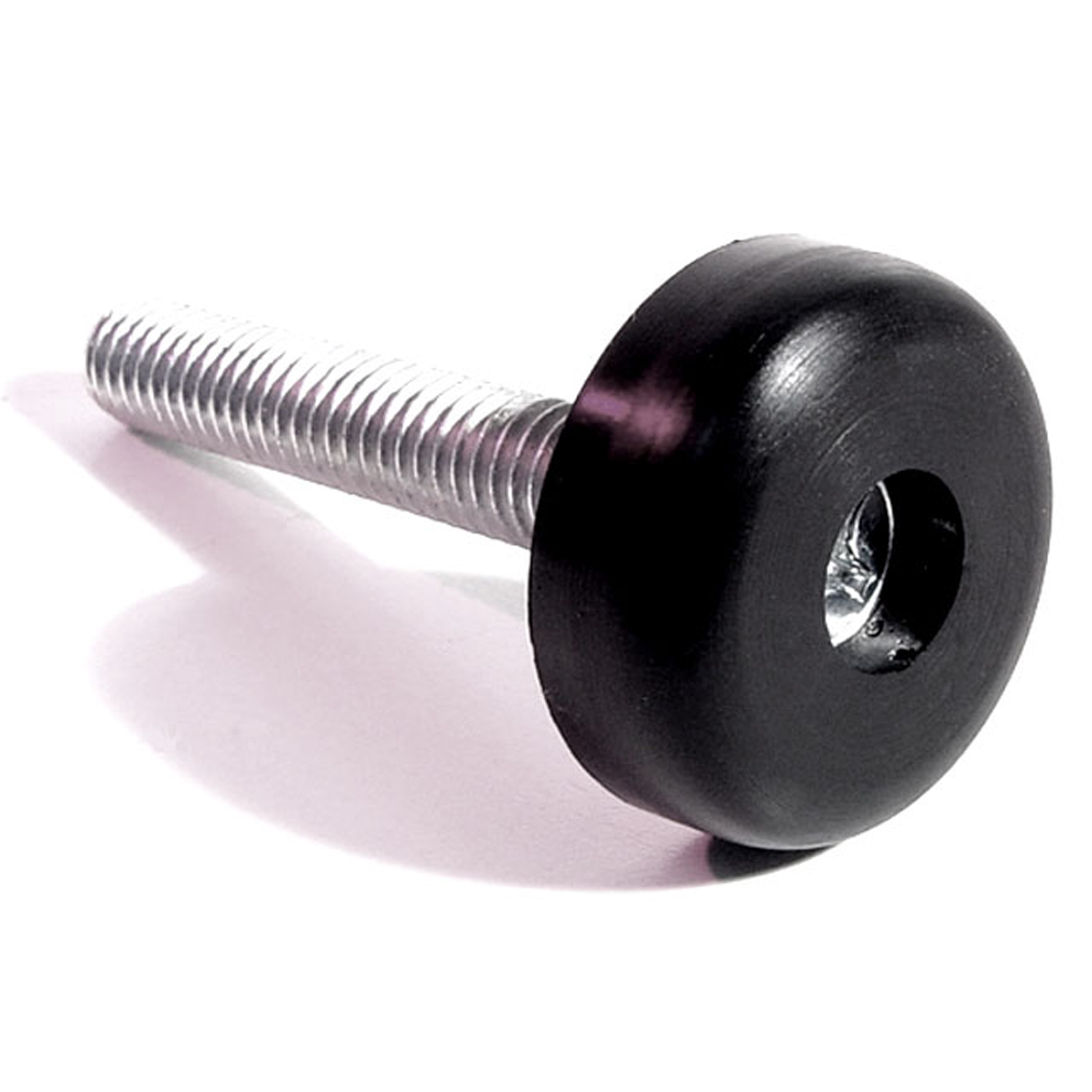 1964 Ford Fairlane Hood Adjustment Bolt and Bumper-HA 3Hood Adjustment Bolt and Bumper. 1-1/8" diameter rubber head. 5/16" thick X 18 threads/inch X 2-1/8" long bolt. Each
 1964 Ford Fairlane Door, Hood and Trunk Bumper Cap for adjustment bolt-HA 6Door, Hood and Trunk Bumper Cap for adjustment bolt. 1-1/16" O.D. X 1/2" I.D. X 7/16" thick. Each
 1964 Ford Fairlane Hood Bumper. Made with steel core. Held by screw. Each-HF 40Hood Bumper. Made with steel core. Held by screw. Each
 1964 Ford Fairlane Hood Bumper. OEM C3AZ16758 A. Each-HF 53Hood Bumper. OEM C3AZ16758 A. Each
 1964 Ford Fairlane Antenna Base Pad. 1-5/8" wide X 2-1/8" long. Each-MP 800-GAntenna Base Pad. 1-5/8" wide X 2-1/8" long. Each
 1964 Ford Fairlane Door Handle Pads. Replaces OEM #C34Z6222428A-9A-MP 800-HDoor Handle Pads. Replaces OEM #C34Z6222428A-9A. 2-5/8" long & 1" long. Set R&L
 1964 Ford Fairlane Tail-light Assembly to Body Pads. 9" O.D-MP 800-ITail-light Assembly to Body Pads. 9" O.D. Replaces OEM #C4AZ13520-A. Pair
 1964 Ford Fairlane Generator Boot. Replaces OEM #C1AZ10170B-RP 2-FGenerator Boot. Replaces OEM #C1AZ10170B. Note: Notch may have to be cut by purchaser. Each
 1964 Ford Fairlane Inlet Box Bellows. Fresh air duct to heater-RP 300-HInlet Box Bellows. Fresh air duct to heater. Made of PVC with lower steel core and wire clamp. 7" wide X 9-1/4" long. Each
 1964 Ford Fairlane Door Lock Knob. Black Rubber. Each-RP 306Door Lock Knob. Black Rubber. Each
 1964 Ford Fairlane Door Lock Knob. 1-1/2" high. Made of red rubber. Each-RP 306-ADoor Lock Knob. 1-1/2" high. Made of red rubber. Each
 1964 Ford Fairlane Door Lock Knob. 1-1/2" high. Made of blue rubber. Each-RP 306-BDoor Lock Knob. 1-1/2" high. Made of blue rubber. Each
 1964 Ford Fairlane Door Lock Knob. 1-1/2" high. Made of turquoise rubber-RP 306-CDoor Lock Knob. 1-1/2" high. Made of turquoise rubber. Each
 1964 Ford Fairlane Door Lock Knob. 1-1/2" high. Made of beige rubber. Each-RP 306-DDoor Lock Knob. 1-1/2" high. Made of beige rubber. Each
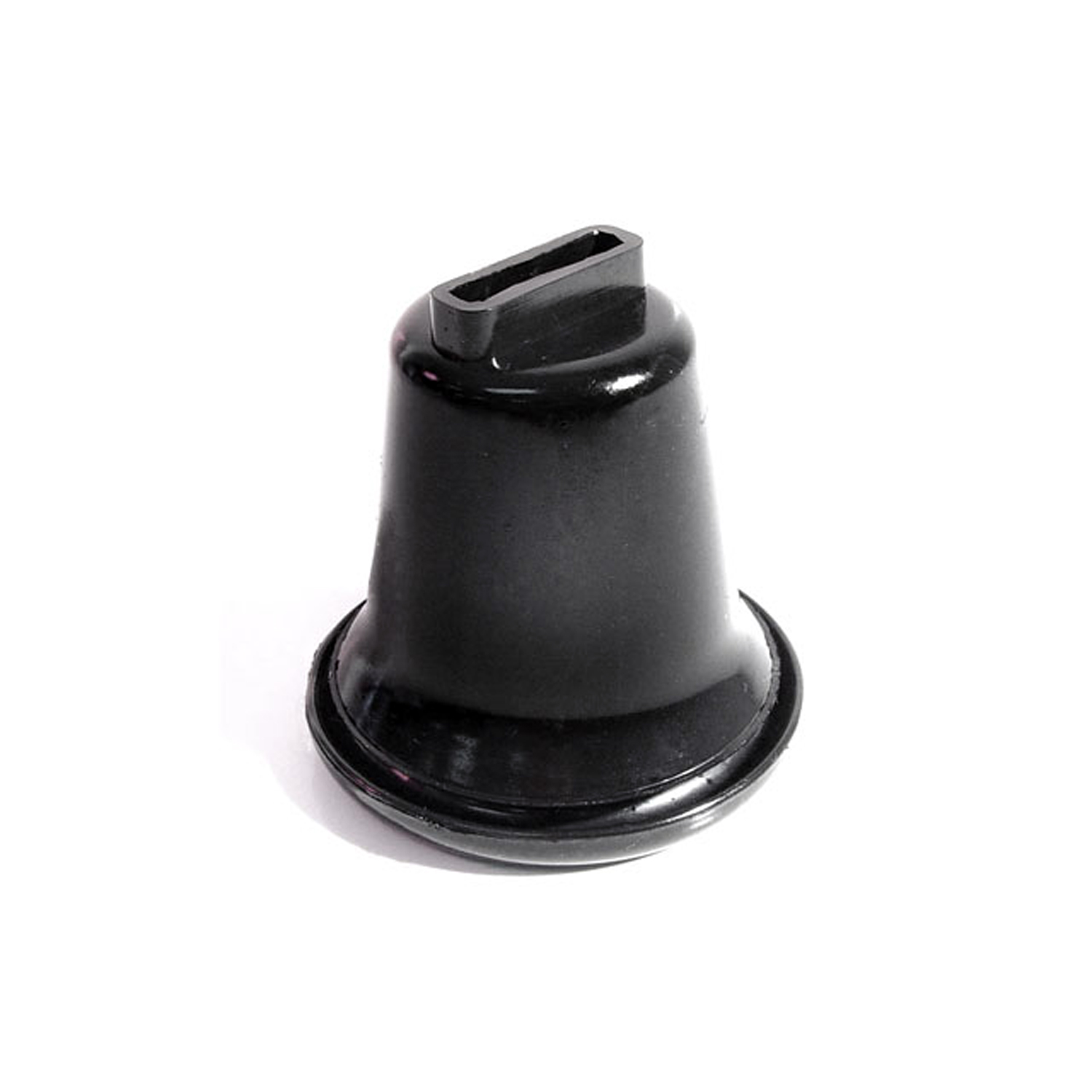 1964 Ford Fairlane Brake Booster Boot. Each-RP 32-AABrake Booster Boot. Each
 1964 Ford Fairlane Deck Lid Bumper. Replaces OEM #C20Z-6243634A. Each-SB 30-BDeck Lid Bumper. Replaces OEM #C20Z-6243634A. Each
 1964 Ford Fairlane Hood Bumper. Snap-in wire base like original. Each-SB 89-AHood Bumper. Snap-in wire base like original. Each
 1964 Ford Fairlane Rocker Panel Drain Plug Valve. Two used per car. Each-SM 64Rocker Panel Drain Plug Valve. Two used per car. Each
 1964 Ford Fairlane Door & Tailgate Bottom Drain Seal-SM 64-ADoor & Tailgate Bottom Drain Seal. Uses up to 10 per car or 12 per station wagon. Replaces OEM #C3AZ6220700B. 3" Long. Each
 1964 Ford Fairlane Trunk Seal. 18 feet long. Each-TK 51-18Trunk Seal. 18 feet long. Each
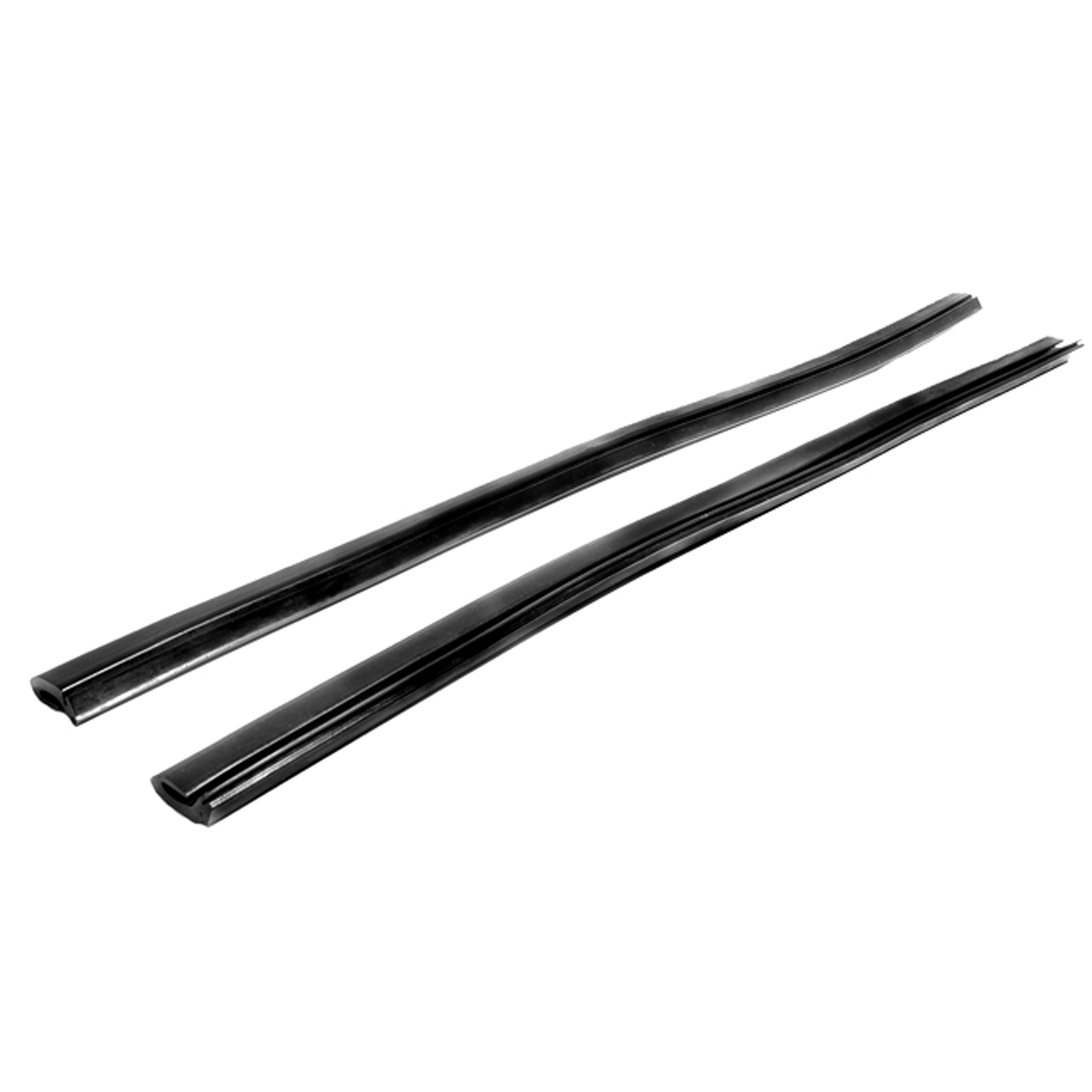 1964 Ford Fairlane Rear Side Roll-Up Window Seal, for Hardtops and Convertibles-VS 3Rear Side Roll-Up Window Seal, for Hardtops and Convertibles. Two 20" sections slide into metal track. No steel insert. Pair
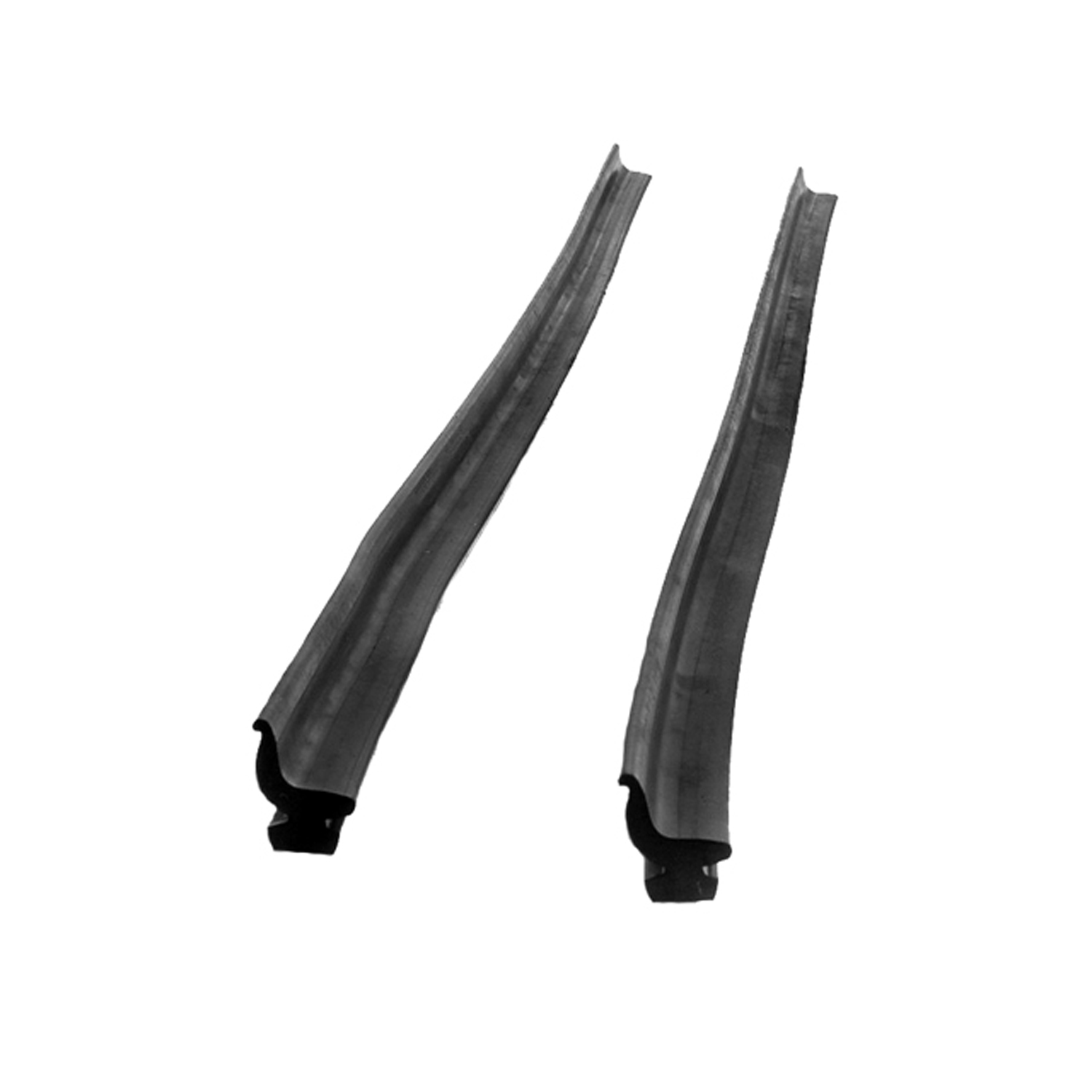 1964 Ford Fairlane Rear roll-up Seal. Two 18" sections sliced into metal track-VS 4Rear roll-up Seal. Two 18" sections sliced into metal track. this foot with no steel insert. Pair
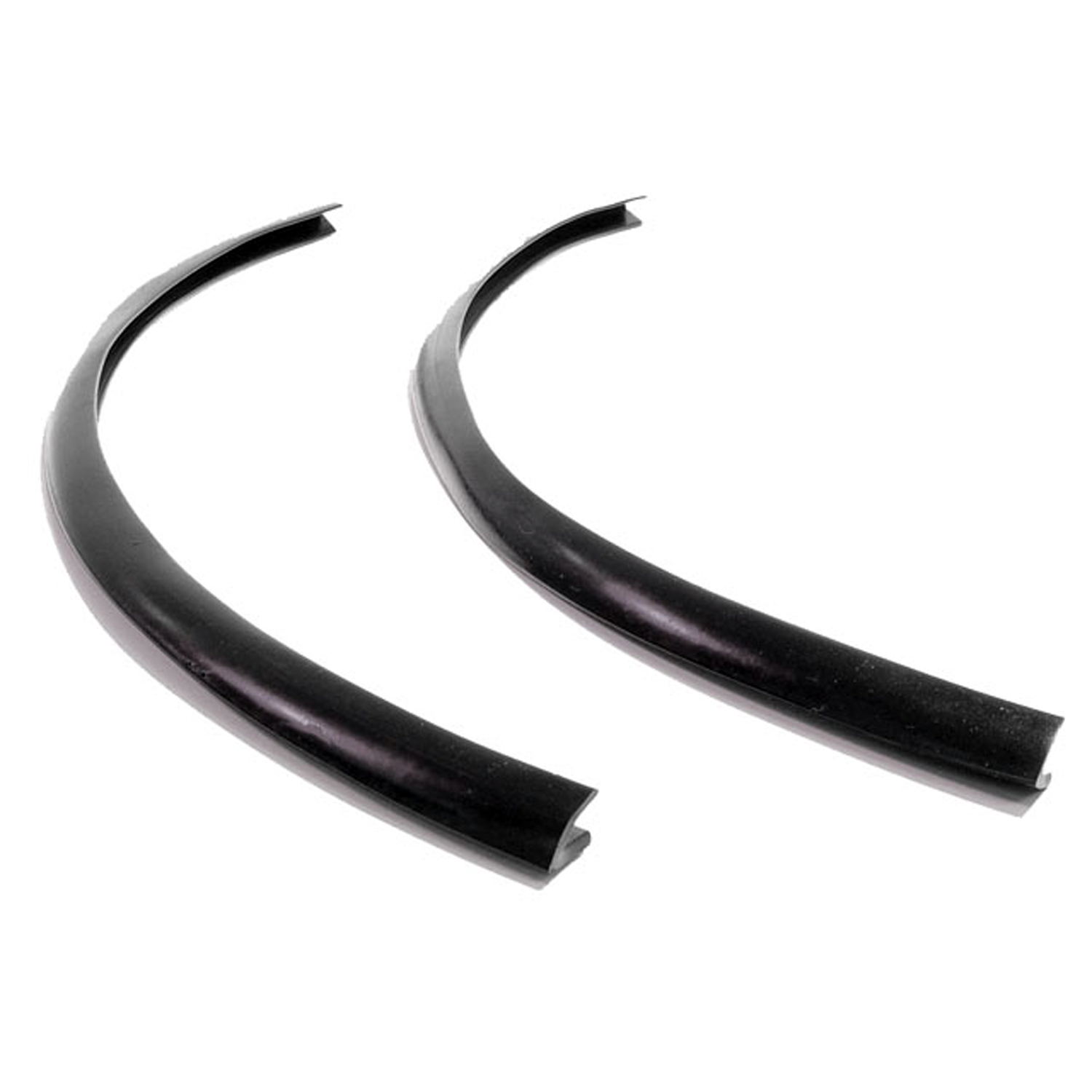 1964 Ford Fairlane Vertical Seals for Vent Window. Each piece is 17" long-VS 6Vertical Seals for Vent Window. Each piece is 17" long. Pair
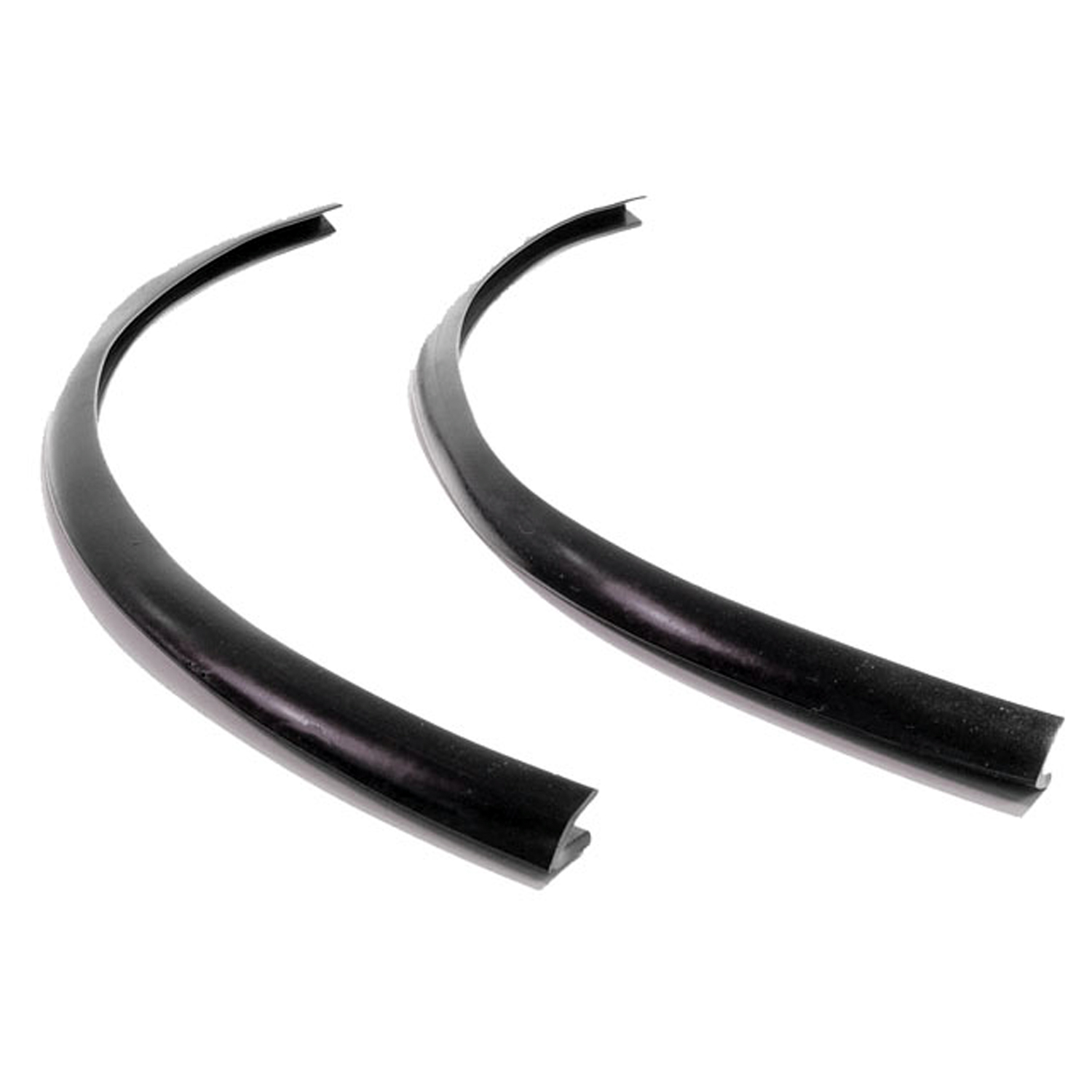 1964 Ford Fairlane Vertical Seal for Vent Window. Sold by the foot.-VS 6/FTVertical Seal for Vent Window. Sold by the foot.
 1964 Ford Fairlane Windshield Seal Fits 62-65 Fairlane 2&4 Door Sedan And Wagon-VWS 0619This windshield seal fits all styles except for the 2 door hardtops. This gasket works with chrome trim.
 1964 Ford Fairlane Window sweeper kit. Fits 63-65 Fairlane 2-door sedan-WC 1400-20Window sweeper kit. Fits 2-door sedan. 8-piece set includes two front inner and two front outer sweeps, two rear inner and two rear outer sweeps.
 1964 Ford Fairlane Flexible Sweeper. Made of rubber-WC 23-/FTFlexible Sweeper. Made of rubber. Seal for outside of side window. Sold by the foot
 1964 Ford Fairlane Flexible Sweeper. Made of rubber-WC 23-48Flexible Sweeper. Made of rubber. Seal for outside of side window. 48" Piece. Each
 1964 Ford Fairlane Flexible Sweeper. Made of rubber-WC 23-96Flexible Sweeper. Made of rubber. Seal for outside of side window. 96" Piece. each
 1964 Ford Fairlane Rigid division-bar channel-WC 28-96Rigid division-bar channel. Made with stainless steel bead, heavy steel core and pile lining. 96 in. long. Each. NOTE: $20 special shipping charge applies for domestic orders. Call or email for overseas shipping costs. Part can be sectioned in two or three equal lengths to reduce overseas shipping costs.
Why Choose Metro?
For over 100 years, Metro Moulded Parts has been the pinnacle of quality in classic car restoration parts. Our commitment to precision and authenticity in every component ensures a perfect fit and an OEM-level appearance.
- Expert Craftsmanship & Quality: Each part is a testament to our dedication to reliability and perfection, crafted from original designs and thoroughly tested.
- Advanced Technology: We use cutting-edge techniques to create flawless, long-lasting parts that surpass others in performance.
- SuperSoft Sponge – The Ultimate Door Seal: Not only are our door seals 30% softer than competitors', but they're also guaranteed to never leak. They effectively reduce wind and road noise, enhancing your classic car's comfort and driving experience.
- Proudly American: Our parts are a product of American craftsmanship, made in the USA with a spirit of excellence and heritage.
- Unrivaled Warranty: We back our products with a 30-year industry-leading warranty, a testament to our confidence in their quality.
Join us in preserving the legacy of classic cars with parts that are crafted for perfection, not just made.