
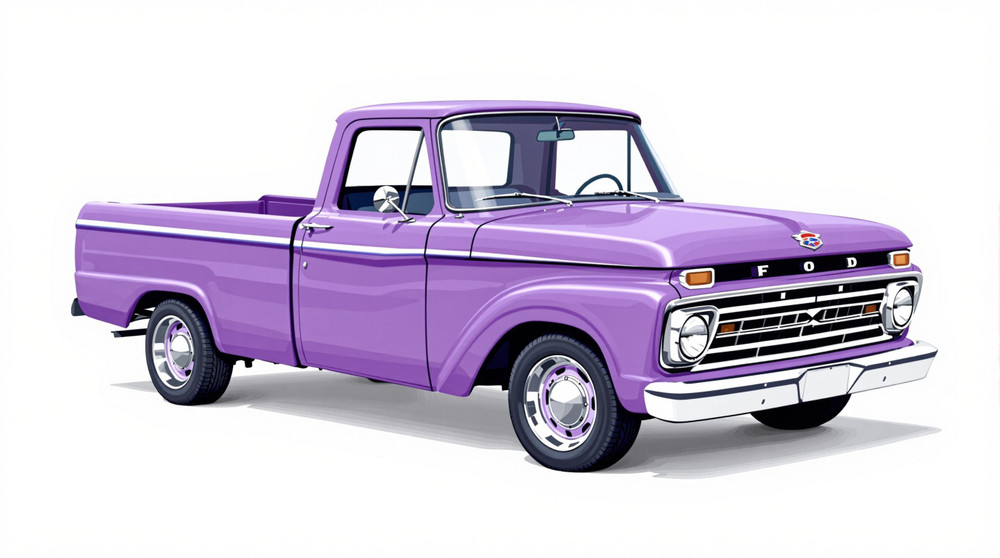
Image of 1966 Ford F-100, Note: These illustrations use artistic license and may differ from actual historical models.
Performance Metrics
Fundamental Metrics
Emotional Appeal
MMP Rating
| Engine Specifications | |
|---|---|
| Engine: | 240 CID I6, 300 CID I6, 352 CID V8 |
| Displacement: | 240 - 352 cubic inches |
| Horsepower: | 150 - 208 hp |
| Torque: | 235 - 310 lb-ft |
| Compression Ratio: | 8.0:1 - 8.9:1 |
| Ignition System: | Conventional breaker point ignition system |
| Cooling System: | Liquid-cooled |
| Performance Specifications | |
| 0-60 Time: | Estimated 10 - 12 seconds |
| 1/4 Mile Time: | Estimated 17 - 19 seconds |
| Top Speed: | 90 - 100 mph |
| Transmission and Drive | |
| Drive Type: | Rear-wheel drive |
| Transmission Type: | 3-speed manual, 4-speed manual |
| Fuel and Efficiency | |
| Fuel System Type: | Carburetor |
| MPG: | Estimated 10 - 12 mpg |
| Dimensions and Brakes | |
| Brakes: | Drum brakes |
| Wheelbase: | 115 - 129 inches |
| Weight: | 3,200 - 3,600 lbs |
Note: Specifications for classic cars are given to the best of our ability, considering the limited and variant data available.
1966 Ford F-100: A Classic Half-Ton Built to Work
The 1966 Ford F-100 is the kind of pickup that makes old-fashioned simplicity feel like a feature. With its square-shouldered cab, broad hood, and straightforward mechanicals, Ford’s half-ton truck was designed for hard work, but it has since become a favorite among classic-truck fans. It was the final model year of the F-100’s 1961–1966 generation, giving it a satisfying blend of familiar early-’60s style and useful engineering updates.
Ford introduced the F-100 name in 1953, replacing the F-1 designation as part of a new naming system for its trucks. By 1966, the F-Series had become a familiar sight on farms, job sites, and American roads. One notable development arrived the year before: Ford introduced Twin I-Beam front suspension on two-wheel-drive F-100s for 1965, and the system carried into 1966. It was an unusual, durable design that helped give the truck a more compliant ride than a traditional solid front axle.
1966 F-100 Styling and Cab Options
The F-100’s styling is purposeful rather than ornate. Its tall, nearly flat hood leads to a broad grille, flanked by round headlamps. Straight body lines, a pronounced front fender, and a simple, upright cab give the truck a sturdy, balanced look. Small differences in grille details and trim distinguish the 1966 model from earlier trucks, but the overall design remains unmistakably mid-century Ford.
Buyers could choose between Styleside and Flareside beds. Styleside models had slab-sided beds that flowed visually from the cab and offered a wider, more practical load area. Flareside trucks used separate rear fenders and a narrower bed, giving them a more traditional pickup silhouette. Styleside was the sensible, widely seen choice; Flareside is often the more eye-catching option at a show or cruise night.
The truck was available in two-wheel drive and four-wheel drive, with configurations and wheelbases suited to different jobs. Inside, the emphasis was on utility. A painted-metal dashboard, simple gauges, a broad bench seat, and a durable rubber floor mat were typical features. Upholstery and interior trim varied with the equipment ordered, while Ford’s optional Custom Cab package added a more finished look and extra comfort. This was still a work truck, not a luxury vehicle, but its controls were easy to understand and its cabin had plenty of straightforward, period character.
Factory paint choices varied by year and equipment, with colors ranging from understated whites and earth tones to brighter reds, blues, and greens. White and other practical, traditional shades suit the truck’s work-ready image, while vivid colors can make a restored F-100 stand out. Original paint codes and trim details are worth checking when authenticity matters to a buyer.
Engines, Gearboxes, and Useful Innovation
Engine availability depended on configuration and ordering choices. Common choices included the 240-cubic-inch inline-six, the larger 300-cubic-inch inline-six, and a 352-cubic-inch V8. The six-cylinder engines were valued for durability and low-speed pulling power, especially the 300. The V8 offered stronger acceleration and a deeper exhaust note. Exact output figures varied by engine and specification, so a truck’s original equipment should be confirmed by its documentation and engine identification.
Transmission choices included manual gearboxes, with automatic availability on suitable configurations. The result was a truck that could be ordered as a basic, hard-working rig or with equipment that made regular driving more convenient. The standout engineering feature was Twin I-Beam suspension on two-wheel-drive models. Rather than using a conventional solid front axle, it used two long beams that pivoted independently. Ford promoted the design for a smoother ride, while its rugged construction made it appropriate for a truck.
Why the 1966 F-100 Matters
The F-100 did not reinvent the pickup, but it helped shape what buyers expected from a modern American work truck: a sturdy frame, a choice of useful powertrains, multiple bed styles, and equipment that could be tailored to the job. Twin I-Beam suspension was a particularly distinctive contribution. Its combination of independent movement and heavy-duty construction set Ford’s two-wheel-drive trucks apart from many contemporaries.
The 1966 model also marks the end of this generation. Ford redesigned the F-Series for 1967, making the ’66 a natural bookend for collectors who like the cleaner, more rounded look of the early- and mid-1960s trucks. Its lasting appeal comes from that mix of recognizable styling and mechanical simplicity. Parts support is strong, and the basic layout is familiar to many classic-truck mechanics.
How a 1966 Ford F-100 Drives
A 1966 F-100 is not quick by modern standards, and there was no single performance figure for every engine, axle ratio, transmission, and body configuration. As a broad real-world estimate, a six-cylinder truck may take roughly 18 to 22 seconds to reach 60 mph, while a V8 example may do it in approximately 13 to 17 seconds. Top speed can fall in the neighborhood of 80 to 90 mph, but these are estimates, not guaranteed factory figures. Condition, gearing, tires, load, and engine choice make a substantial difference.
On the road, the steering feels deliberate and the controls demand more effort than those in a modern pickup. Twin I-Beam suspension can make a two-wheel-drive truck feel more settled over uneven pavement than its work-truck appearance suggests. Still, an unloaded F-100 can bounce over sharp bumps, and its tall stance and older steering and braking systems call for a relaxed driving style. On winding roads, expect body lean and slower responses rather than sports-truck precision. Four-wheel-drive versions have different front suspension, so their ride and handling characteristics are not the same as those of a two-wheel-drive Twin I-Beam truck.
The inline-six produces a steady, purposeful sound, while a V8 adds a fuller rumble under acceleration. The driving experience is hands-on: the driver sits high, looks out over the long hood, and feels the truck’s weight and mechanical character. A well-maintained example can be enjoyable on back roads and at weekend events, but it benefits from sensible speeds and modern expectations about following distance and stopping.
Living With a Classic F-100
Owners use these trucks as weekend cruisers, show vehicles, farm and property trucks, and occasional daily drivers. A restored or carefully maintained F-100 can be practical for light hauling, though many owners prefer not to expose valuable paint and trim to regular work. The Styleside bed is especially useful; a Flareside often wins on visual appeal.
Routine service is relatively approachable for an owner with basic mechanical skills. The engine bay is accessible, and many common maintenance tasks do not require specialized tools. Replacement and reproduction parts are widely available, although original trim, correct interior pieces, and components specific to certain configurations can take more searching. Before buying, inspect the frame, cab mounts, floor pans, bed, and lower body panels for rust. Also check steering and suspension wear, brake condition, cooling-system health, and signs of poorly executed repairs. On Twin I-Beam trucks, worn components or incorrect alignment can contribute to uneven tire wear.
F-100 Trivia and Common Complaints
The 1966 F-100’s most useful bit of trivia is also a major part of its appeal: it was the last year of the 1961–1966 body generation, while retaining the Twin I-Beam front suspension introduced for two-wheel-drive models in 1965. That combination makes it a distinct point between Ford’s earlier rounded trucks and the redesigned 1967 generation.
There is no widely recognized speed or endurance record that defines the 1966 F-100. Its story is one of everyday work rather than competition. Nor is there a single famous celebrity connection that makes the model notable. Its historical presence is more ordinary and, in a way, more meaningful: trucks like it served farms, tradespeople, small businesses, and families across the country.
Common criticisms are straightforward. The cabin is noisy by modern standards, the ride can be choppy when the truck is empty, and the brakes, steering, and safety equipment reflect the era. Fuel economy is modest, especially with a V8, and rust can turn an inexpensive project into a costly restoration. These are important considerations, but they are part of the ownership picture rather than unusual flaws in the model.
Collector Values and Availability
Ford did not publish a commonly used, easy-to-verify production total for every 1966 F-100 body and equipment combination. A reasonable broad estimate is that production was in the six figures, perhaps around 150,000 to 200,000 F-100s, but that should be treated as an informed estimate, not a confirmed model-specific count. The trucks are not rare in the same way as a limited-production sports car, and examples still appear regularly in the classic market. Condition, originality, drivetrain, body style, and rust history are more important than a headline production number.
As an approximate current-market guide, a project truck may sell for about $5,000 to $12,000. A usable driver or solid older restoration can fall around $15,000 to $30,000, while a high-quality restoration may bring roughly $35,000 to $60,000 or more. Exceptional builds, rare configurations, and well-documented trucks can exceed those ranges. Prices vary by region and change with condition and market demand.
Interest in classic pickups has generally supported values, particularly for clean, stock-looking examples and attractive short-bed trucks. Prices do not rise evenly, though: restoration costs can exceed a finished truck’s resale value, and heavily modified examples appeal to a narrower pool of buyers. The best long-term prospects are usually trucks with sound structure, documented work, and either strong originality or professional-quality restoration.
The Lasting Appeal of the 1966 Ford F-100
The 1966 Ford F-100 combines recognizable mid-century styling with practical choices in engines, beds, and drivetrains. It closes out a memorable generation, carries Ford’s distinctive Twin I-Beam engineering on two-wheel-drive models, and remains approachable to maintain compared with many more complex classics. It may not offer modern speed or comfort, but its honest design and unmistakable presence are exactly why it still earns attention. More than a vintage pickup, the ’66 F-100 is a rolling reminder of when trucks were built first to work and became icons along the way.
1966 Ford F-100 Catalog of Parts
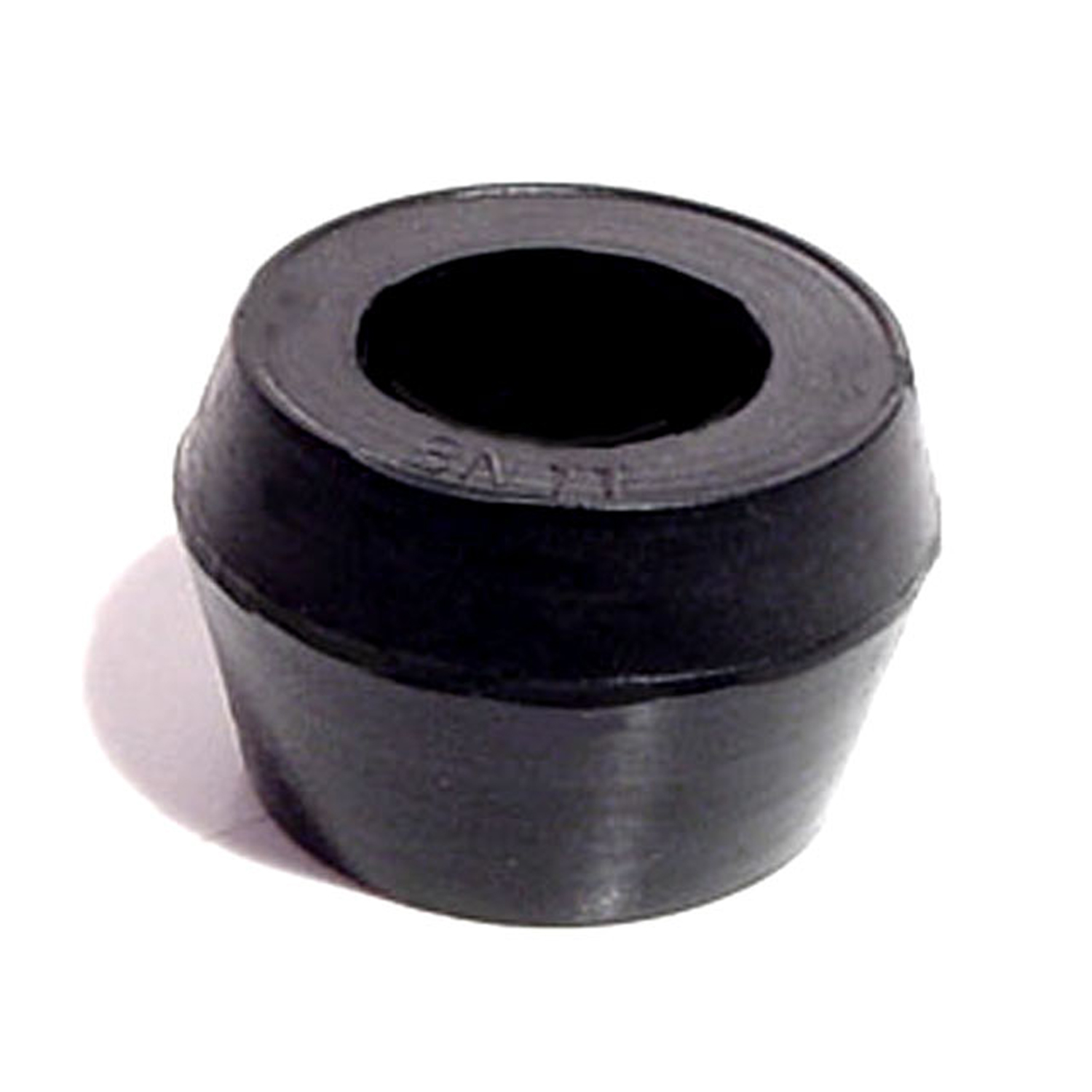 1966 Ford F-100 Shock Absorber Grommet. 1" bottom O.D-BN 11Shock Absorber Grommet. 1" bottom O.D., 3/4" high, with 5/8" I.D. Each
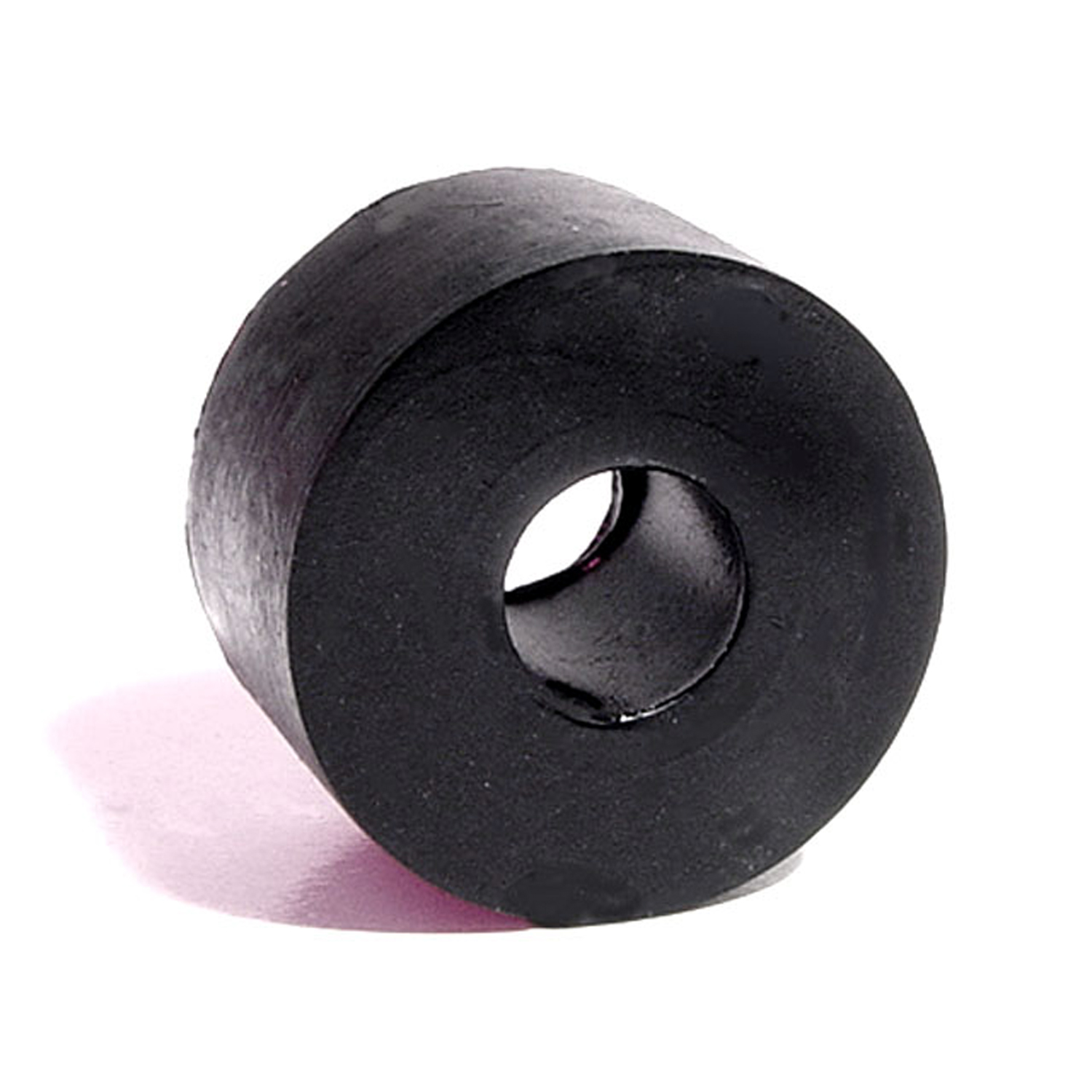 1966 Ford F-100 Shock Absorber Grommet. 1" bottom O.D-BN 6Shock Absorber Grommet. 1" bottom O.D. X 1/2" high, with 3/8" I.D. Each
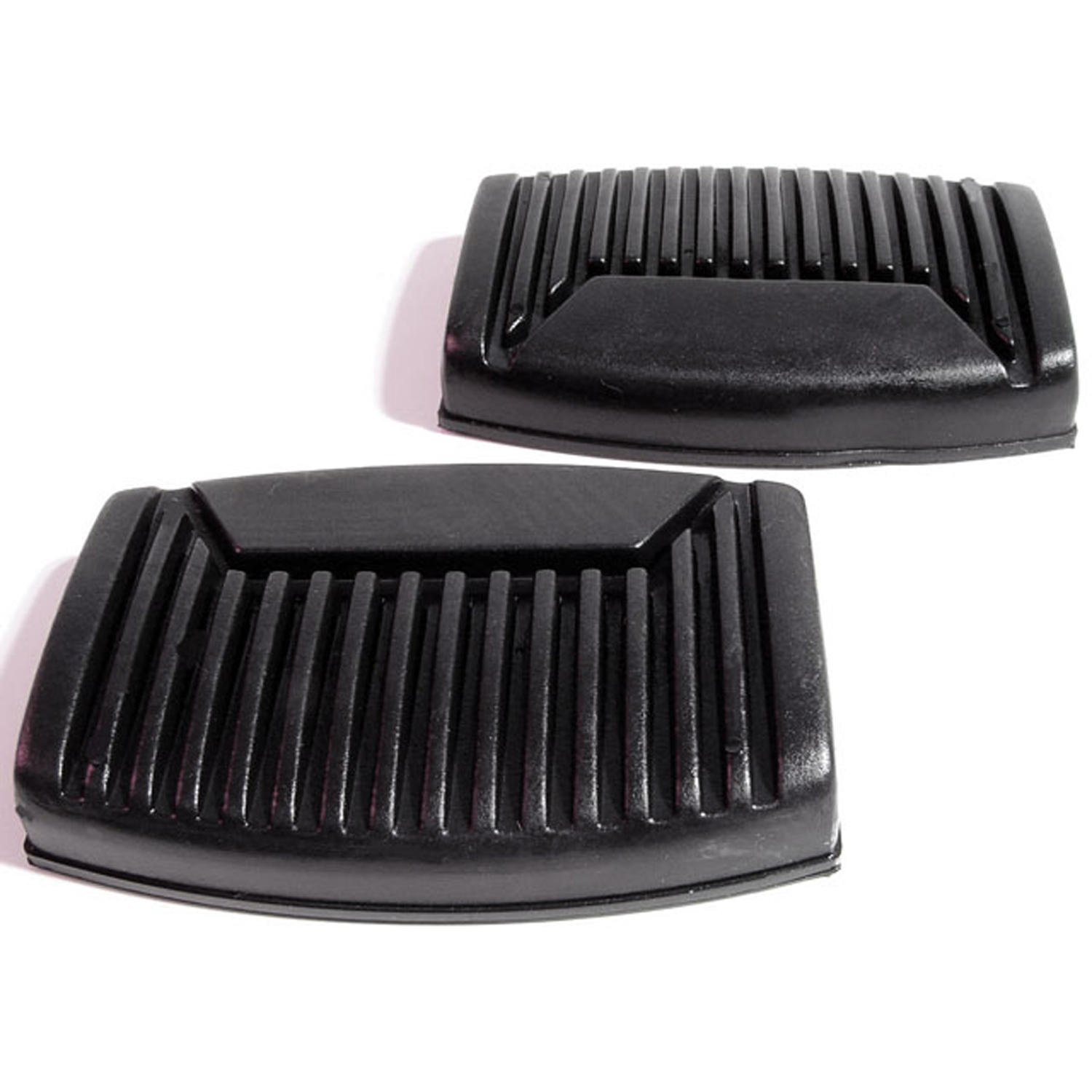 1966 Ford F-100 Clutch and Brake Pedal Pads. 3-1/4" wide X 2-1/4" long-CB 111Clutch and Brake Pedal Pads. 3-1/4" wide X 2-1/4" long. Pair
 1966 Ford F-100 Door Seal, 61-66 Ford Full Size Pickup Trucks, On Body, Pair-LM 110-CDoor Seal, 61-66 Ford Full Size Pickup Trucks, On Body, Pair
 1966 Ford F-100 Door Handle Scratch Guard Pads-MP 739-DDoor Handle Scratch Guard Pads. Replaces OEM #C3TB122418 & 19-A. 3-3/4" wide X 8-3/4" long. Pair
 1966 Ford F-100 Antenna Base Pad. 1-5/8" wide X 2-1/8" long. Each-MP 800-GAntenna Base Pad. 1-5/8" wide X 2-1/8" long. Each
 1966 Ford F-100 Ford Truck Instrument Cluster Housing Dash Seal-RP 50This is a high quality instrument cluster seal for 1961-1966 Ford F-Series trucks. Simple push on design installs in seconds. Comes as a 56" long piece.
 1966 Ford F-100 Windshield Seal, 61-66 Ford Full Size Pickup, Without Trim Groove, Each-VWS 3304-BWindshield Seal, 61-66 Ford Full Size Pickup, Without Trim Groove, Each
 1966 Ford F-100 Rigid division-bar channel-WC 28-96Rigid division-bar channel. Made with stainless steel bead, heavy steel core and pile lining. 96 in. long. Each. NOTE: $20 special shipping charge applies for domestic orders. Call or email for overseas shipping costs. Part can be sectioned in two or three equal lengths to reduce overseas shipping costs.
Why Choose Metro?
For over 100 years, Metro Moulded Parts has been the pinnacle of quality in classic car restoration parts. Our commitment to precision and authenticity in every component ensures a perfect fit and an OEM-level appearance.
- Expert Craftsmanship & Quality: Each part is a testament to our dedication to reliability and perfection, crafted from original designs and thoroughly tested.
- Advanced Technology: We use cutting-edge techniques to create flawless, long-lasting parts that surpass others in performance.
- SuperSoft Sponge – The Ultimate Door Seal: Not only are our door seals 30% softer than competitors', but they're also guaranteed to never leak. They effectively reduce wind and road noise, enhancing your classic car's comfort and driving experience.
- Proudly American: Our parts are a product of American craftsmanship, made in the USA with a spirit of excellence and heritage.
- Unrivaled Warranty: We back our products with a 30-year industry-leading warranty, a testament to our confidence in their quality.
Join us in preserving the legacy of classic cars with parts that are crafted for perfection, not just made.