

Image of 1966 Ford Thunderbird, Note: These illustrations use artistic license and may differ from actual historical models.
Performance Metrics
Fundamental Metrics
Emotional Appeal
MMP Rating
| Engine Specifications | |
|---|---|
| Engine: | 390 cu in (6.4 L) FE V8, 428 cu in (7.0 L) FE V8 |
| Displacement: | 390-428 cu in |
| Horsepower: | 315-345 hp |
| Torque: | 427-462 lb-ft |
| Compression Ratio: | 10.5:1 |
| Ignition System: | Conventional breaker-point ignition system |
| Cooling System: | Liquid-cooled |
| Performance Specifications | |
| 0-60 Time: | 9 seconds |
| 1/4 Mile Time: | 16 seconds |
| Top Speed: | 120 mph |
| Transmission and Drive | |
| Drive Type: | Rear-wheel drive |
| Transmission Type: | 3-speed automatic, 4-speed manual |
| Fuel and Efficiency | |
| Fuel System Type: | Carburetor |
| MPG: | 10-12 mpg |
| Dimensions and Brakes | |
| Brakes: | Front disc brakes and rear drum brakes |
| Wheelbase: | 113.2 inches |
| Weight: | 4,400 lbs |
Note: Specifications for classic cars are given to the best of our ability, considering the limited and variant data available.
1966 Ford Thunderbird: The Personal-Luxury Coupe Comes of Age
The 1966 Ford Thunderbird paired big-block V8 power with the comfort of a private lounge and the dramatic lines of a jet-age cruiser. Built by Ford Motor Company in the United States, it was the final model year of the Thunderbird’s fourth generation, a period when the nameplate had evolved from a sporty two-seat car into a sophisticated personal-luxury automobile.
That shift reflected a changing market. Buyers wanted the style and presence of a large American car, but with more emphasis on comfort, performance, and individual expression than a conventional family sedan. The Thunderbird helped define that formula, competing for attention with cars such as the Buick Riviera and Oldsmobile Toronado. A notable detail for 1966 was the available 428-cubic-inch V8, which gave the elegant T-Bird the sort of displacement usually associated with full-size performance cars.
Thunderbird Styling and Body Styles
The 1966 Thunderbird looks long, low, and poised, with a broad front end, sculpted flanks, and a distinctive rear treatment. Its grille and concealed headlamps give the nose a clean, formal appearance when the lights are off. At the back, three-section taillights bring a touch of theatricality to the wide rear panel. The overall effect is less sports car than personal grand tourer: imposing, but carefully tailored.
Ford offered the Thunderbird in several configurations, including two-door hardtop and Landau models, a four-door hardtop, and a convertible. The four-door stands out for its rear-hinged rear doors, often called “suicide doors,” which made access to the back seat unusually dramatic. The two-door Landau, with its formal roof treatment and distinctive roof trim, is one of the most recognizable versions. The convertible is especially desirable today because it combines the car’s spacious character with open-air cruising.
Paint choices included period favorites such as Wimbledon White, Raven Black, and Rangoon Red, alongside more subdued metallic and pastel shades. Bright colors suit the car’s bold proportions, while darker finishes emphasize its formal, almost limousine-like character. Availability and exact color names varied by trim and production details, so original paint records are useful when assessing a particular car.
Cabin Comfort and 1960s Technology
Inside, the Thunderbird was designed to feel more like a comfortable private cabin than a basic automobile interior. Buyers could choose richly upholstered seating, coordinated door panels, and trim that gave the dashboard and console a polished appearance. Depending on specification, upholstery could include vinyl, cloth, or combinations of materials. The broad instrument panel, deep carpeting, and generous use of padding helped create an upscale atmosphere.
Front bucket seats and a center console gave two-door models a cockpit-like layout, while the four-door version offered easier access to the rear bench. Power accessories were a major part of the Thunderbird experience: power windows, power seats, air conditioning, and other convenience equipment were available, though equipment varies from car to car. The swing-away steering wheel, a signature Thunderbird feature introduced earlier in the model’s history, could move aside to make entry and exit easier on equipped examples.
Ford’s sequential rear turn signals were another memorable touch. Rather than lighting all at once, the individual sections illuminated in sequence to show the direction of a turn. The effect was unmistakably space-age and remains one of the details that enthusiasts notice immediately.
Why the 1966 Thunderbird Mattered
The Thunderbird helped establish the personal-luxury category by showing that a car could be stylish and powerful without being a purpose-built sports car. By 1966, that idea had matured into a comfortable, well-equipped machine with substantial V8 power, extensive convenience options, and a look all its own. Its combination of coupe-like style and near full-size comfort influenced how American manufacturers approached premium cars.
The 1966 model also marked the end of the fourth-generation design, making it a useful snapshot of Ford’s mid-1960s thinking. Its hidden headlamps, long body, elaborate roof treatments, and sequential signals set it apart from more conventional sedans. The Thunderbird did not need a racing pedigree to make its point: its appeal lay in effortless road presence and relaxed, high-speed travel.
V8 Performance and Road Manners
The standard engine was a 390-cubic-inch FE V8 rated at about 315 gross horsepower under the period’s rating system. Buyers could also order a 428-cubic-inch V8 rated at approximately 345 gross horsepower. Both were paired with an automatic transmission, reflecting the Thunderbird’s grand-touring mission rather than a focus on manual shifting or track use.
Exact performance depends on engine, condition, gearing, and test method, but a healthy 390-equipped car is commonly estimated to reach 0 to 60 mph in roughly 9 to 10 seconds. The 428 can be quicker, with estimates around 8 seconds. Top speed is generally in the neighborhood of 115 to 120 mph, although these large, nearly six-thousand-pound-class cruisers are much happier covering distance at a relaxed pace than chasing a number.
On the road, the Thunderbird feels substantial. Its soft, comfort-oriented suspension smooths ordinary bumps and expansion joints, while the long wheelbase helps it settle into a steady highway rhythm. On a winding road, it is not as agile as a smaller performance car: body lean and the car’s weight make themselves known, and the steering is geared toward easy cruising. The FE V8 supplies a deep, measured rumble, and the automatic transmission favors smooth progress over sharp, frequent gear changes. The experience is one of quiet confidence, broad seats, and an engine that seems to have plenty in reserve.
Living With a 1966 T-Bird
Today, the 1966 Thunderbird is most often used as a weekend cruiser, show car, or occasional-use classic. A well-maintained example can handle local trips and highway drives, but modern traffic, fuel costs, and the car’s size make it less practical as everyday transportation. It was not built as a racing car, and modifying one for competition generally works against its original strengths.
Routine mechanical work is manageable for an owner with basic classic-car experience. The FE V8 family was used across several Ford vehicles, so many engine and service parts are available. The more challenging jobs often involve age-related systems and model-specific trim. Check the cooling system, brakes, steering, automatic transmission, and electrical accessories before regular use.
Rust is a major concern. Inspect the floors, trunk, lower quarters, rocker panels, and areas around the cowl and windshield. Hidden-headlamp mechanisms, sequential signals, power windows, and other electrical or vacuum-operated features can also require patient diagnosis. Mechanical parts are generally easier to source than original body trim, interior pieces, and specialty components, so a complete car is often a better starting point than a cheap but heavily dismantled project.
Trivia, Criticisms, and Production
The sequential taillights are among the Thunderbird’s most recognizable features, and the 1966 car carried on a system that had appeared on the model the previous year. The 1966 Thunderbird also closed out the fourth-generation run before a substantially different fifth-generation car arrived for 1967. Ford produced roughly 69,000 Thunderbirds for the 1966 model year, making the model available enough to find today, though well-preserved examples are much less common than tired or incomplete cars.
There is no widely celebrated 1966 Thunderbird land-speed or endurance record to rival the achievements of purpose-built competition cars. Its legacy is instead tied to design, comfort, and the personal-luxury market. Common criticisms are fair: the car is heavy, thirsty by modern standards, not especially nimble, and full of aging convenience equipment that can be expensive to restore. Those drawbacks are part of the tradeoff for its size, presence, and period-correct comfort.
Collector Values and Market Outlook
Values depend heavily on body style, originality, rust, mechanical condition, and restoration quality. As a broad U.S. market estimate, a project or rough driver may sell for about $5,000 to $12,000. A usable, presentable car often falls around $12,000 to $25,000, while a very good example can reach roughly $25,000 to $40,000. High-quality restorations and especially desirable convertibles can bring $40,000 to $70,000 or more, with exceptional cars sometimes exceeding that range.
The convertible is generally the most sought-after body style, while hardtops offer a wider range of prices and availability. Four-door models can provide a distinctive entry into Thunderbird ownership, though they often attract a smaller buyer pool. Values have tended to be condition-sensitive rather than uniformly fast-rising: strong examples hold appeal, but restoration costs can quickly exceed the value of an average car. Over time, well-documented, original, rust-free cars are likely to remain the safest collector choices.
The Final-Year Fourth-Generation Thunderbird
The 1966 Ford Thunderbird brought together big V8 power, distinctive styling, a plush cabin, and memorable details such as hidden headlamps and sequential taillights. Its multiple body styles gave buyers a choice between formal luxury, open-air motoring, and the unusual practicality of rear-hinged rear doors. It is not a sports car, and it makes no apology for its weight or appetite for fuel.
Instead, the 1966 Thunderbird delivers a particular kind of American motoring: comfortable, confident, and unmistakably dramatic. As the final chapter of its generation, it remains a compelling classic for anyone who wants a car that turns an ordinary drive into a small occasion.
1966 Ford Thunderbird Catalog of Parts
 1966 Ford Thunderbird Suspension Ball Joint Dust Seal. 3/4" top I.D-BN 101-BSuspension Ball Joint Dust Seal. 3/4" top I.D., 1-11/16" bottom O.D., 3/4" high. For some rare models. Check dimensions against original. Each
 1966 Ford Thunderbird Shock Absorber Grommet. 1-1/4" bottom O.D., 1" high-BN 12Shock Absorber Grommet. 1-1/4" bottom O.D., 1" high., with 3/4" I.D. Each
 1966 Ford Thunderbird Front stabilizer bar to frame bushings-BN 32-FFront stabilizer bar to frame bushings, '59-'66 Ford and Mercury passenger car, station wagon and sedan delivery models, pair. Replaces OEM # B9A-5493-B.
 1966 Ford Thunderbird Front Stabilizer End Repair Kit-BNK 23Front Stabilizer End Repair Kit. 22-piece set for two stabilizer bars. Contains all rubber bushings, washers, bolts and nuts, enough for one front end. Set
 1966 Ford Thunderbird Door Side Seal extrusion with proper installation clips-C/LP 40-FDoor Side Seal extrusion with proper installation clips. Clips installed 4" on center. Sold by the foot.
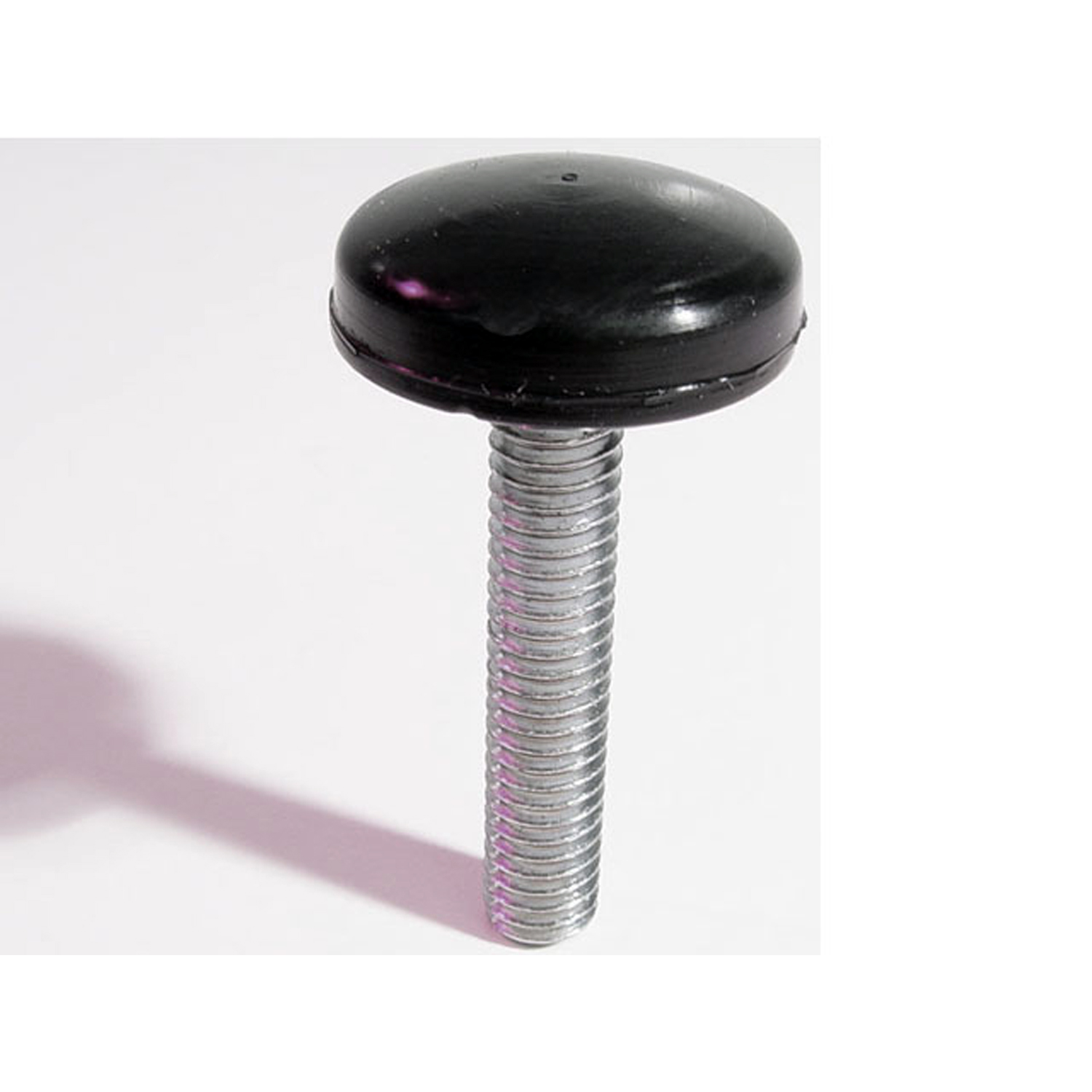 1966 Ford Thunderbird Hood Adjustment Bolt and Bumper. 1" diameter rubber head-HA 2Hood Adjustment Bolt and Bumper. 1" diameter rubber head. 5/16" thick X 18 threads/inch X 1-3/4" long bolt. Each
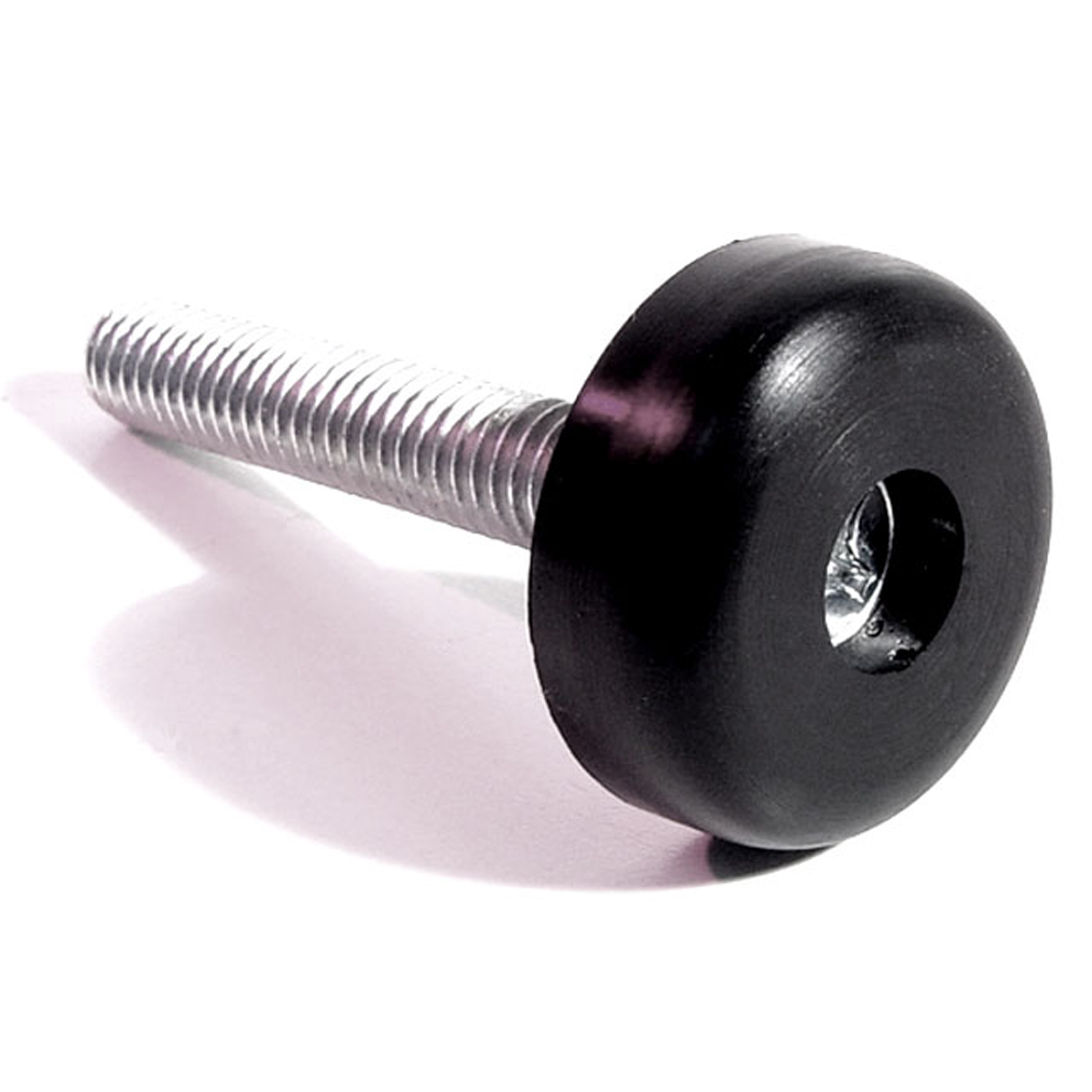 1966 Ford Thunderbird Hood Adjustment Bolt and Bumper-HA 3Hood Adjustment Bolt and Bumper. 1-1/8" diameter rubber head. 5/16" thick X 18 threads/inch X 2-1/8" long bolt. Each
 1966 Ford Thunderbird Top Bow to Header Seal for Convertibles. 56" long. Each-HD 305Top Bow to Header Seal for Convertibles. 56" long. Each
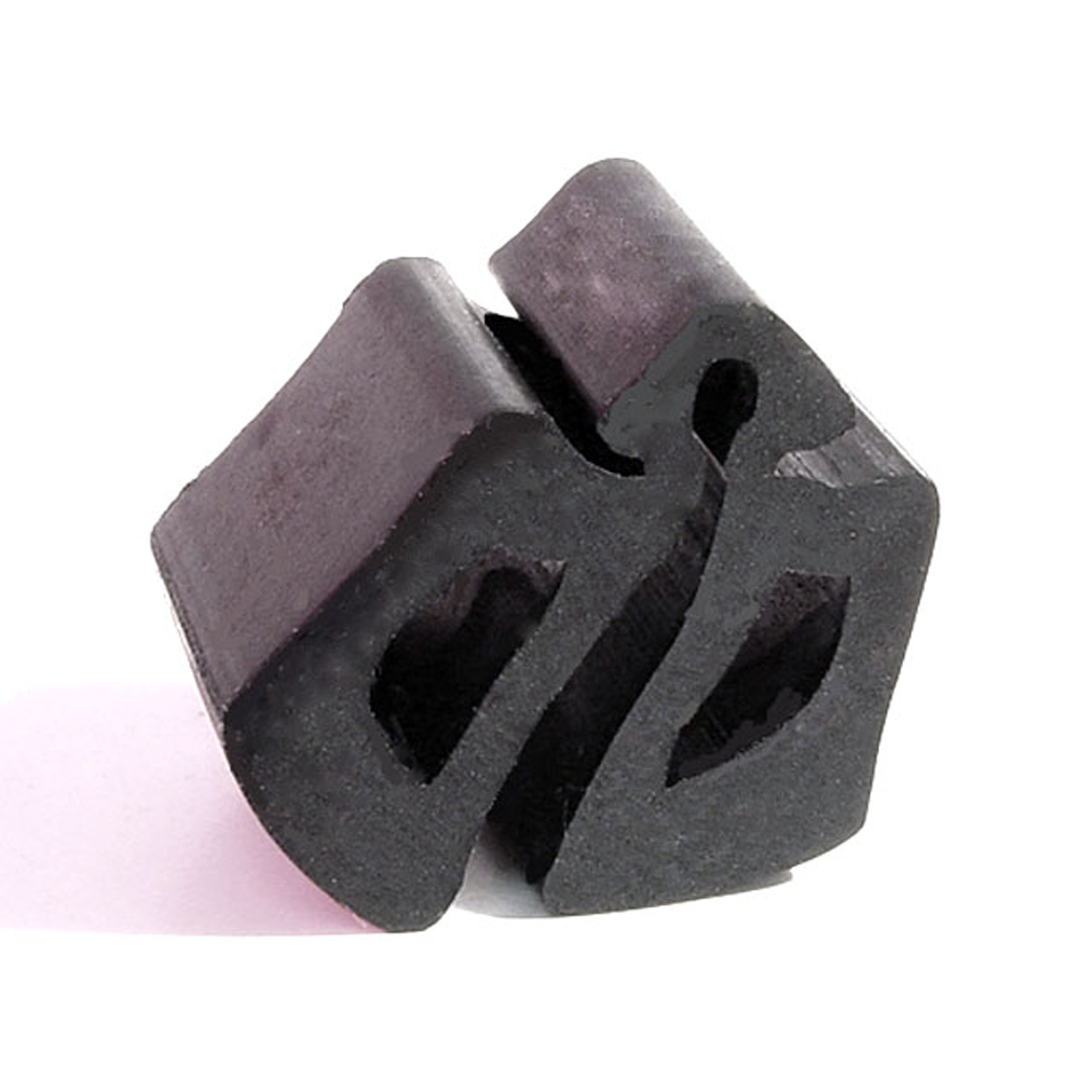 1966 Ford Thunderbird Hood Bumper. Each-HF 2Hood Bumper. Each
 1966 Ford Thunderbird Fender Skirt Seal. Sold by the foot-LP 111-EFender Skirt Seal. Sold by the foot
 1966 Ford Thunderbird Door Side Seal, Without Clips (for seal with clips-LP 40-FDoor Side Seal, Without Clips (for seal with clips, see C/LP 40-F). Sold by the foot
 1966 Ford Thunderbird Switch Grommet. 2-1/8" wide X 4-1/8" long. Each-MP 996-FSwitch Grommet. 2-1/8" wide X 4-1/8" long. Each
 1966 Ford Thunderbird Trunk Lock Pad. 1-5/8" wide X 1-7/8" long. Each-MP 996-GTrunk Lock Pad. 1-5/8" wide X 1-7/8" long. Each
 1966 Ford Thunderbird Window Switch Pad. 2-1/4" O.D. Each-MP 996-IWindow Switch Pad. 2-1/4" O.D. Each
 1966 Ford Thunderbird Trunk Lock Pad. 1-1/4" wide X 2-1/4" long. Each-MP 996-JTrunk Lock Pad. 1-1/4" wide X 2-1/4" long. Each
 1966 Ford Thunderbird Outside Mirror Base Pad, for Right or Left-MP 996-POutside Mirror Base Pad, for Right or Left. 3-15/16" long X 1-3/16" wide. Replaces OEM #C4SB17724C. Each
 1966 Ford Thunderbird Convertible Arm Boots. 9-3/4" X 2-3/4" Pair-RP 3Convertible Arm Boots. 9-3/4" X 2-3/4" Pair
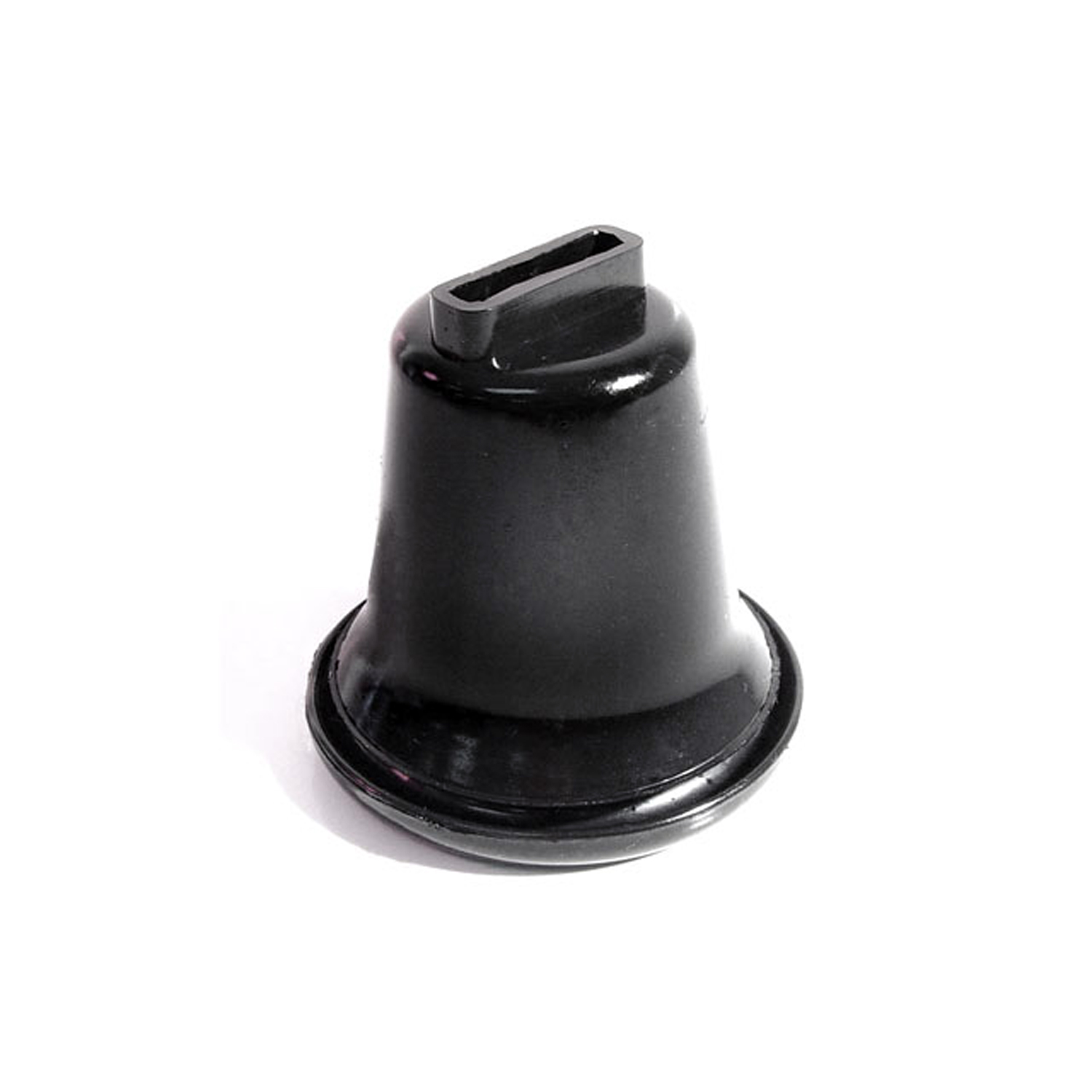 1966 Ford Thunderbird Brake Booster Boot. Each-RP 32-AABrake Booster Boot. Each
 1966 Ford Thunderbird Hood Bumper. Snap-in wire base like original. Each-SB 89-AHood Bumper. Snap-in wire base like original. Each
 1966 Ford Thunderbird Rocker Panel Drain Plug Valve. Two used per car. Each-SM 64Rocker Panel Drain Plug Valve. Two used per car. Each
 1966 Ford Thunderbird Trunk Seal, 64-66 Ford Thunderbird, Each-TK 108-BTrunk Seal, 64-66 Ford Thunderbird, 5 foot long, Each. Made to keep out the elements and ensure your trunk compartment stays dry.Trunk Seal, 64-66 Ford Thunderbird, EachTrunk Seal. 5' Long Piece. Each (Minimum Order 25 Each)
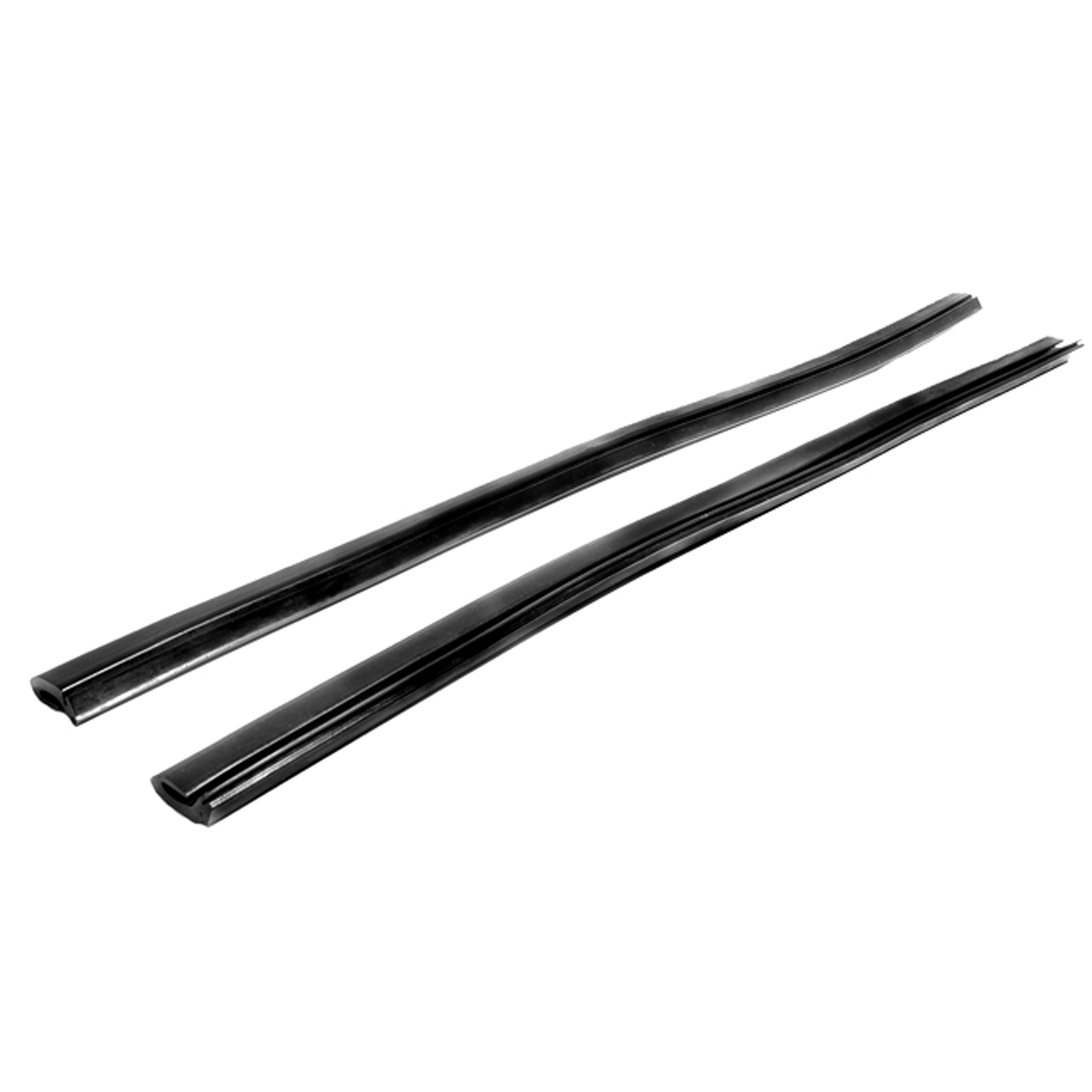 1966 Ford Thunderbird Rear Side Roll-Up Window Seal, for Hardtops and Convertibles-VS 3Rear Side Roll-Up Window Seal, for Hardtops and Convertibles. Two 20" sections slide into metal track. No steel insert. Pair
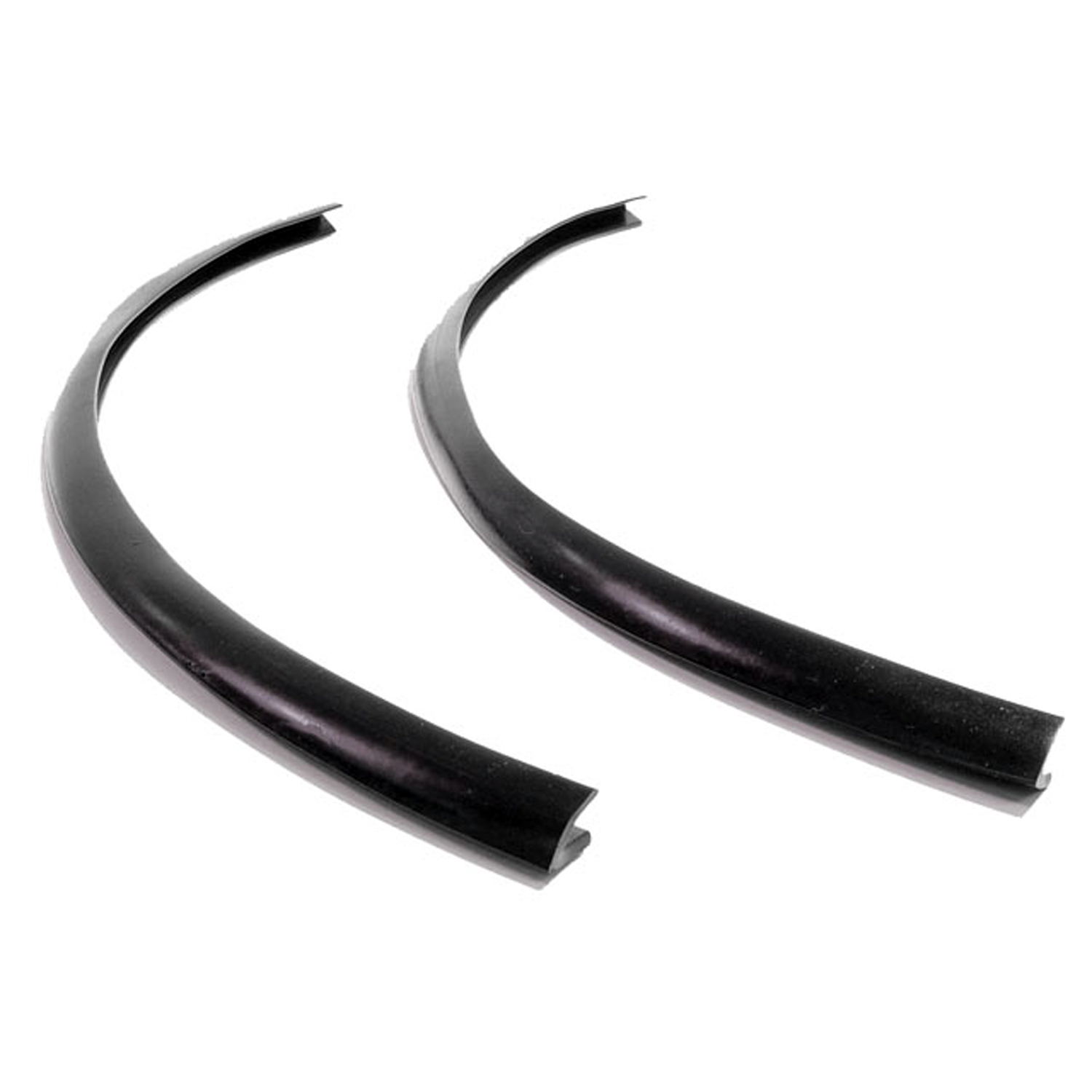 1966 Ford Thunderbird Vertical Seals for Vent Window. Each piece is 17" long-VS 6Vertical Seals for Vent Window. Each piece is 17" long. Pair
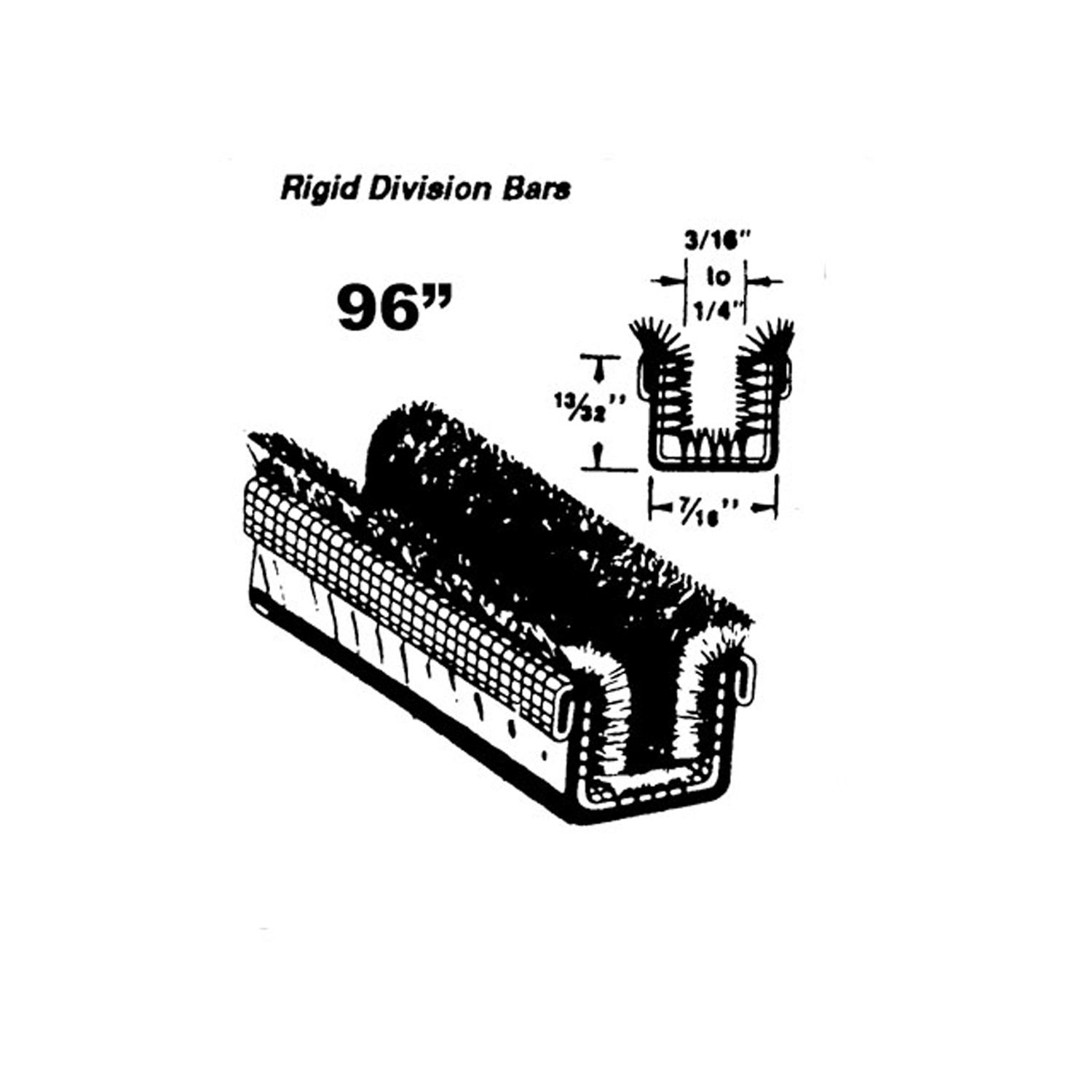 1966 Ford Thunderbird Rigid division-bar channel. Unbeaded. 96 in. long. Each-WC 41-96Rigid division-bar channel. Unbeaded. 96 in. long. Each. NOTE: $20 special shipping charge applies for domestic orders. Call or email for overseas shipping costs. Part can be sectioned in two or three equal lengths to reduce overseas shipping costs.
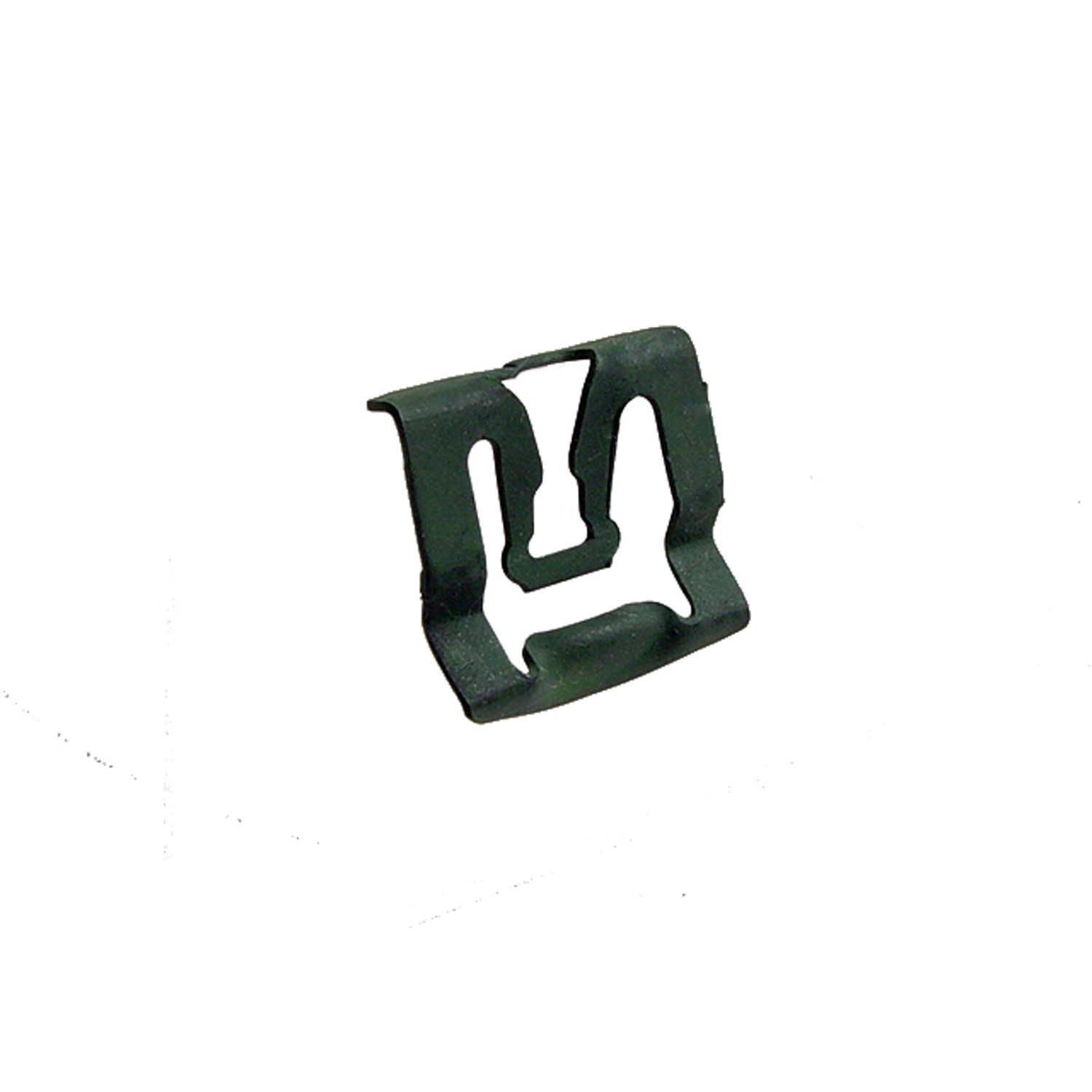 1966 Ford Thunderbird Windshield Reveal Molding Clip. Made of steel. Each-WF 228-AWindshield Reveal Molding Clip. Made of steel. Each
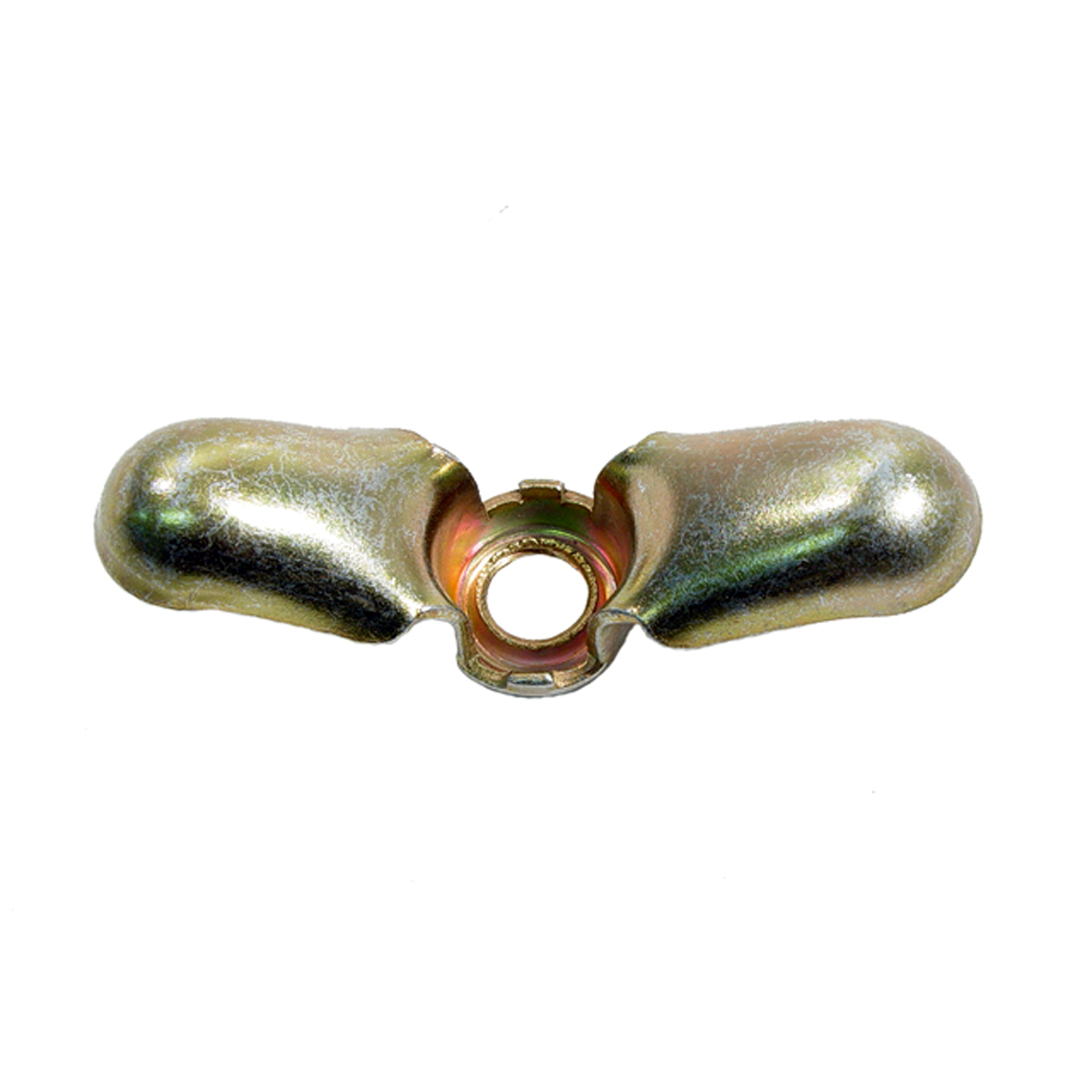 1966 Ford Thunderbird Spare Tire Hold Down Nut. 3/8- 16 thread size-WF 3504Spare Tire Hold Down Nut. 3/8- 16 thread size. Replaces OEM #B9AZ-1462-A. Each
Why Choose Metro?
For over 100 years, Metro Moulded Parts has been the pinnacle of quality in classic car restoration parts. Our commitment to precision and authenticity in every component ensures a perfect fit and an OEM-level appearance.
- Expert Craftsmanship & Quality: Each part is a testament to our dedication to reliability and perfection, crafted from original designs and thoroughly tested.
- Advanced Technology: We use cutting-edge techniques to create flawless, long-lasting parts that surpass others in performance.
- SuperSoft Sponge – The Ultimate Door Seal: Not only are our door seals 30% softer than competitors', but they're also guaranteed to never leak. They effectively reduce wind and road noise, enhancing your classic car's comfort and driving experience.
- Proudly American: Our parts are a product of American craftsmanship, made in the USA with a spirit of excellence and heritage.
- Unrivaled Warranty: We back our products with a 30-year industry-leading warranty, a testament to our confidence in their quality.
Join us in preserving the legacy of classic cars with parts that are crafted for perfection, not just made.