
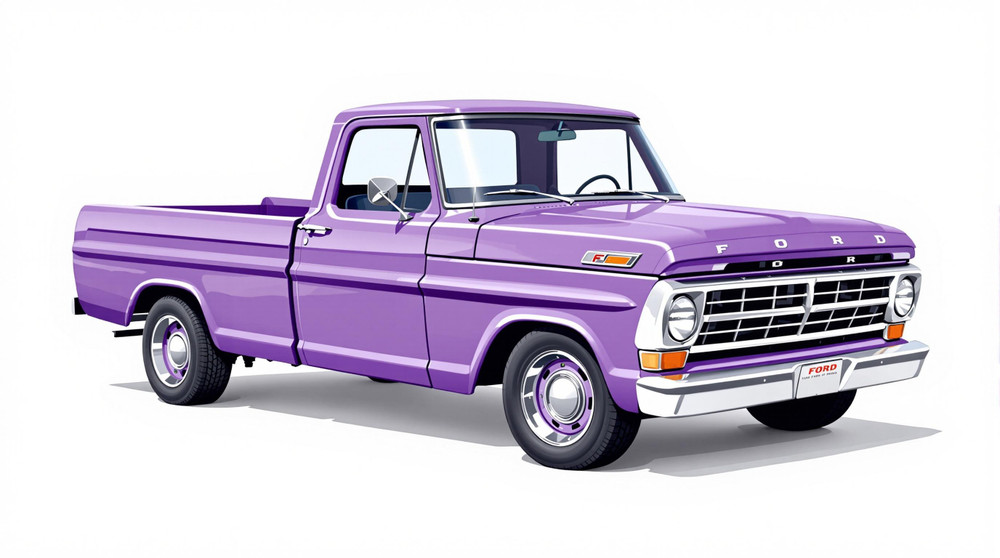
Image of 1967 Ford F-100, Note: These illustrations use artistic license and may differ from actual historical models.
Performance Metrics
Fundamental Metrics
Emotional Appeal
MMP Rating
| Engine Specifications | |
|---|---|
| Engine Options: | 240 CID I6, 300 CID I6, 352 CID V8 |
| Displacement Range: | 240-352 cubic inches |
| Horsepower Range: | 150-208 hp |
| Torque: | 235-310 lb-ft |
| Compression Ratio: | 8.0:1 - 8.9:1 |
| Ignition System: | Conventional breaker point ignition system |
| Cooling System: | Liquid cooled |
| Performance Specifications | |
| 0-60 Time: | Estimated 10-12 seconds |
| 1/4 Mile Time: | Estimated 17-19 seconds |
| Top Speed: | 90-100 mph |
| Transmission and Drive | |
| Drive Type: | Rear wheel drive |
| Transmission Type: | 3-speed manual, 4-speed manual, 3-speed automatic |
| Fuel and Efficiency | |
| Fuel System Type: | Carburetor |
| MPG: | Estimated 10-12 mpg |
| Dimensions and Brakes | |
| Brakes: | Drum brakes |
| Wheelbase: | 115 inches (Short Bed), 129 inches (Long Bed) |
| Weight: | 3,200-3,600 lbs |
Note: Specifications for classic cars are given to the best of our ability, considering the limited and variant data available.
1967 Ford F-100: The First Year of a New Generation
The 1967 Ford F-100 was built to work hard, but it also marked a turning point in the way a pickup could look and feel. It was the first model year of Ford’s fifth-generation F-Series, a design that would remain in production through 1972. With a roomier cab, clean-edged styling, and a range of engines and bed configurations, the F-100 balanced farm-truck practicality with the comfort expected of a personal vehicle.
Ford introduced the F-Series in 1948, and by 1967 its trucks had become a familiar sight on job sites, ranches, and American roads. The F-100 was the half-ton model, positioned below the heavier-duty F-250 and F-350. One detail that makes 1967 especially interesting to collectors is that it was the first year the upscale Ranger trim package appeared on the F-Series. The Ranger brought more passenger-car-style comfort to a pickup, an idea that would become central to the modern truck market.
1967 F-100 Styling, Cab, and Bed Options
The fifth-generation F-100 has a sturdy, straightforward shape: a broad hood, squared-off front fenders, a tall windshield, and a simple grille framed by round headlights. Its lines look purposeful rather than ornamental, though the bright trim and optional accessories could give a well-equipped truck a more polished appearance. The cab was roomier than the one it replaced, making the F-100 more appealing for long drives as well as work.
Buyers could choose between the smooth-sided Styleside bed and the more traditional Flareside bed, whose rear fenders stood proud of the body. Styleside was the practical favorite for hauling bulky loads, while Flareside appealed to buyers who preferred the classic pickup silhouette. Bed length and wheelbase depended on configuration, with short- and long-wheelbase versions available. The regular cab was the standard setup; trim and equipment packages, including the new Ranger, added different levels of finish and comfort.
Inside, the standard cabin was deliberately durable and uncomplicated, with painted metal surfaces, a broad bench seat, straightforward gauges, and practical controls. Higher trim could add upgraded upholstery, carpeting, more decorative door panels, and additional brightwork. The Ranger package is particularly sought after because it made the workaday interior feel more like a comfortable passenger-car cabin. Materials and equipment varied by truck, so surviving examples can range from bare-bones to surprisingly well-appointed.
Ford offered a changing palette of solid colors and two-tone combinations. White, red, blue, green, and darker shades were among the period’s familiar choices, though the exact colors depended on the paint code and production details. White and red trucks remain common sights, while unusual original colors and well-preserved two-tone paint can add appeal. For a restoration, the truck’s data plate and a reliable 1967 Ford paint reference are better guides than a modern color match by eye.
Engines and Period Technology
The 1967 F-100’s engine lineup centered on Ford’s durable inline-six engines and an optional V8. Depending on configuration and market, buyers could choose a 240-cubic-inch six, a 300-cubic-inch six, or a 352-cubic-inch V8. Period horsepower figures are typically quoted using the gross rating system, so they should not be compared directly with modern net-horsepower ratings. The 300 six became especially well regarded for its low-speed pulling power and reputation for long service.
Transmission choices included a manual gearbox, with equipment and availability varying by engine and build, as well as an automatic option. The F-100 also carried forward Ford’s Twin I-Beam front suspension on two-wheel-drive models, introduced earlier in the decade. It used a pair of long, pivoting beams rather than a conventional solid front axle, helping deliver a more carlike ride while retaining the toughness expected of a working truck. Four-wheel-drive versions had a different front-end layout.
Why the 1967 F-100 Mattered
The 1967 redesign arrived as American pickups were beginning to serve more than farms and businesses. A larger, more comfortable cab and the availability of upscale trim reflected a shift toward trucks used as everyday transportation. The Ranger package helped establish a path from utilitarian pickup to personal truck, a category that would grow substantially in the following decades.
The F-100 was not a radical technological showpiece, and that was part of its appeal. Its engineering favored proven components, easy-to-understand controls, and serviceability. The Twin I-Beam setup distinguished Ford from many competitors, while the broader model range let customers choose a simple work truck or a more comfortable, better-trimmed version without moving up to a heavier model. Its mix of useful engineering and approachable styling helped shape expectations for the half-ton pickup.
1967 Ford F-100 Performance and Road Manners
Ford did not publish one universal acceleration or top-speed figure for every F-100. Engine, transmission, axle ratio, tire size, cargo, and condition all make a significant difference. As a broad real-world estimate, a healthy six-cylinder truck may take roughly 16 to 20 seconds to reach 60 mph, while a V8 version can be quicker, often in the mid-teens. Depending on gearing and condition, top speed might fall around 85 to 95 mph, but these trucks are most comfortable at moderate highway speeds rather than being driven flat out.
On a smooth road, the F-100 feels solid and mechanical. The six-cylinder engines produce a steady, purposeful rumble, while the 352 V8 adds a deeper exhaust note and stronger passing response. Steering is slower and less precise than in a modern pickup, and the driver feels the truck’s weight through the wheel, pedals, and manual controls. That directness is part of the experience, but it also asks for more attention behind the wheel.
The Twin I-Beam suspension can soften the impact of rough pavement, but an unloaded truck may hop or feel busy over sharp bumps. On winding roads, the F-100 rewards smooth inputs rather than quick changes of direction. A taller truck can also feel more affected by crosswinds, especially when empty or carrying a high-sided load. Good tires, properly maintained suspension, and a correct alignment make a major difference to how confidently it drives.
Living With a 1967 Ford Pickup
Today, owners use the F-100 as a weekend cruiser, vintage work truck, show vehicle, restoration project, or occasional daily driver. A sound example can keep up with local traffic, but it does not offer modern crash protection, braking performance, fuel economy, or convenience features. Many owners preserve the original character; others add discreet upgrades such as front disc brakes, improved lighting, or modern steering components. Changes should be documented if originality matters to a future buyer.
Routine maintenance is generally approachable for an owner with basic mechanical skills. The engine bay is relatively accessible, and common service items are familiar: ignition tune-ups, carburetor adjustment, cooling-system care, brake work, and lubrication. Replacement parts and reproduction components are widely available, though trim pieces, correct Ranger details, and some original interior parts can take more searching. As with any nearly 60-year-old truck, condition matters more than reputation. A neglected cooling system, worn steering parts, or poor-quality past repairs can quickly turn an inexpensive purchase into a costly one.
Rust deserves careful inspection. Check the cab floors, cab mounts, lower doors, inner and outer cab corners, bed, wheel openings, and frame, paying close attention to areas where dirt and moisture collect. Also inspect the suspension and steering for wear. A clean, straight truck with sound metal is usually a better buy than a shiny example hiding extensive patchwork underneath.
F-100 Facts and Common Criticisms
The 1967 model year has a special place in F-Series history as the debut year for the Ranger trim package and the opening chapter of the long-running 1967–72 generation. It was not a production speed-record truck or a dedicated competition model. Its claim to fame is broader: it helped make comfort and style more important in a mainstream pickup.
There is no widely recognized celebrity ownership story or single historic event that defines the 1967 F-100. Its cultural presence comes from its everyday service and its familiar, unmistakably mid-century shape. Common criticisms include modest acceleration by modern standards, heavy steering, limited safety equipment, and a choppy ride when the bed is empty. Twin I-Beam trucks can also develop uneven tire wear if worn parts or alignment issues are ignored. Those drawbacks are manageable, but they are part of owning an old truck rather than flaws to overlook.
1967 Ford F-100 Collector Values
Values vary widely with rust, originality, engine, cab and bed configuration, trim, and restoration quality. As a broad North American guide for 2026, a project or rough driver might sell for about $3,000 to $10,000. A usable, presentable truck commonly falls in the $10,000 to $25,000 range. A high-quality restoration or exceptionally clean, well-documented example can bring roughly $25,000 to $45,000 or more. Rare configurations and outstanding original trucks may exceed that range, while modified examples are valued according to the quality and appeal of the work.
Exact production totals by 1967 F-100 engine, trim, and body combination are not easy to establish from commonly available public figures. A reasonable working estimate is that Ford built somewhere in the neighborhood of 150,000 to 200,000 F-100s for the model year, though that should be treated as an estimate rather than a verified factory total. The truck is not scarce in the broad sense: projects and drivers still appear on the market. However, rust-free examples, original Ranger trucks, and well-preserved Flaresides are less common and attract stronger interest.
Classic American pickups have enjoyed a long rise in popularity, and the F-100 has benefited from that collector demand. Prices for ordinary drivers appear more stable than the sharpest peaks of the classic-truck boom, while excellent restorations and especially desirable configurations continue to command premiums. As always, documented history, sound bodywork, and careful workmanship tend to matter more than an ambitious asking price.
Why the 1967 F-100 Still Earns Its Place
The 1967 Ford F-100 combines practical engineering, handsome work-truck styling, and the first-year appeal of a generation that lasted through 1972. Its roomy cab and Ranger trim showed that a pickup could be both useful and comfortable, while its straightforward mechanical layout keeps it approachable for today’s enthusiasts. It is not fast or refined by modern standards, but it offers something increasingly rare: a clear, hands-on connection between driver, machine, and road. That honest character is why the 1967 F-100 remains more than an old work truck.
1967 Ford F-100 Catalog of Parts
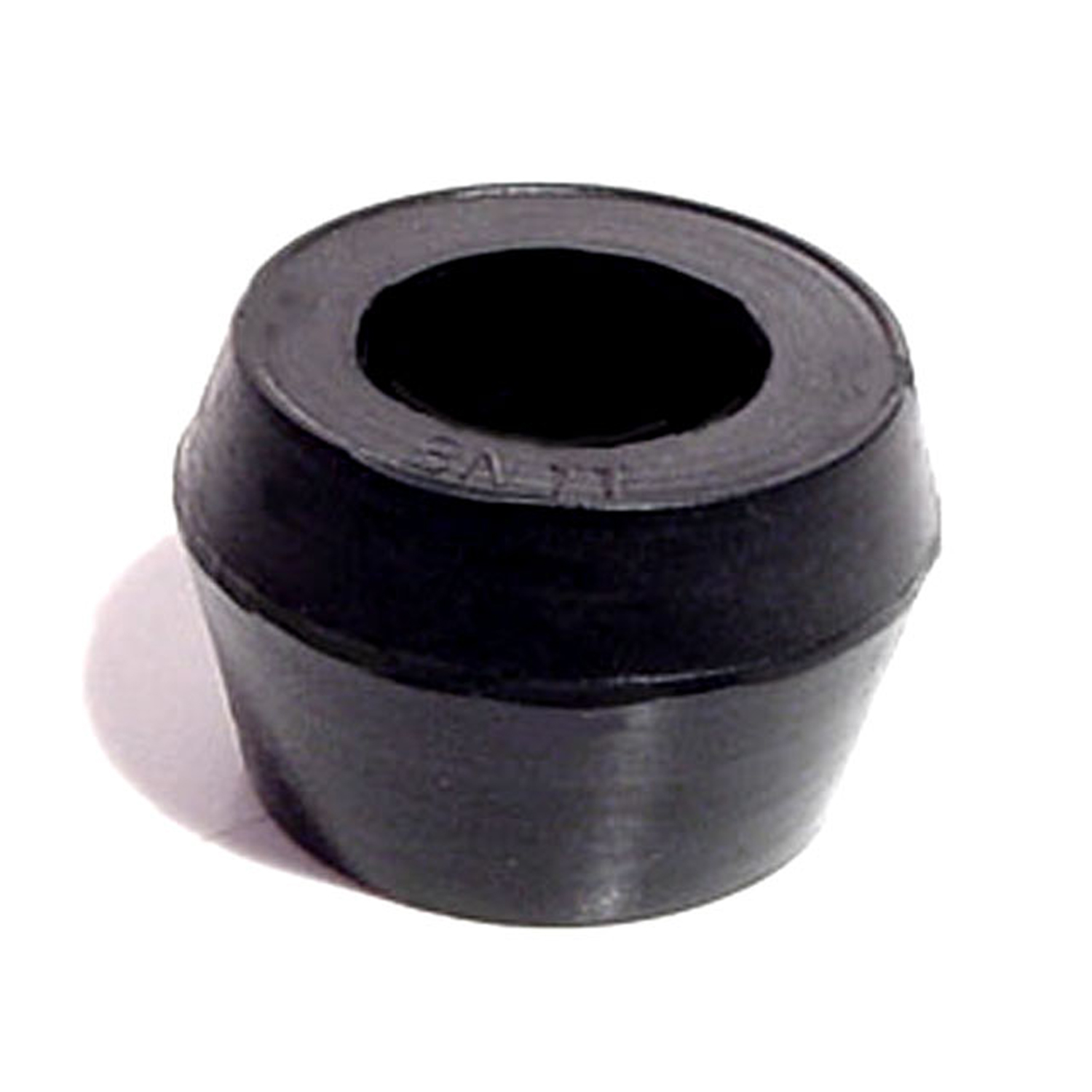 1967 Ford F-100 Shock Absorber Grommet. 1" bottom O.D-BN 11Shock Absorber Grommet. 1" bottom O.D., 3/4" high, with 5/8" I.D. Each
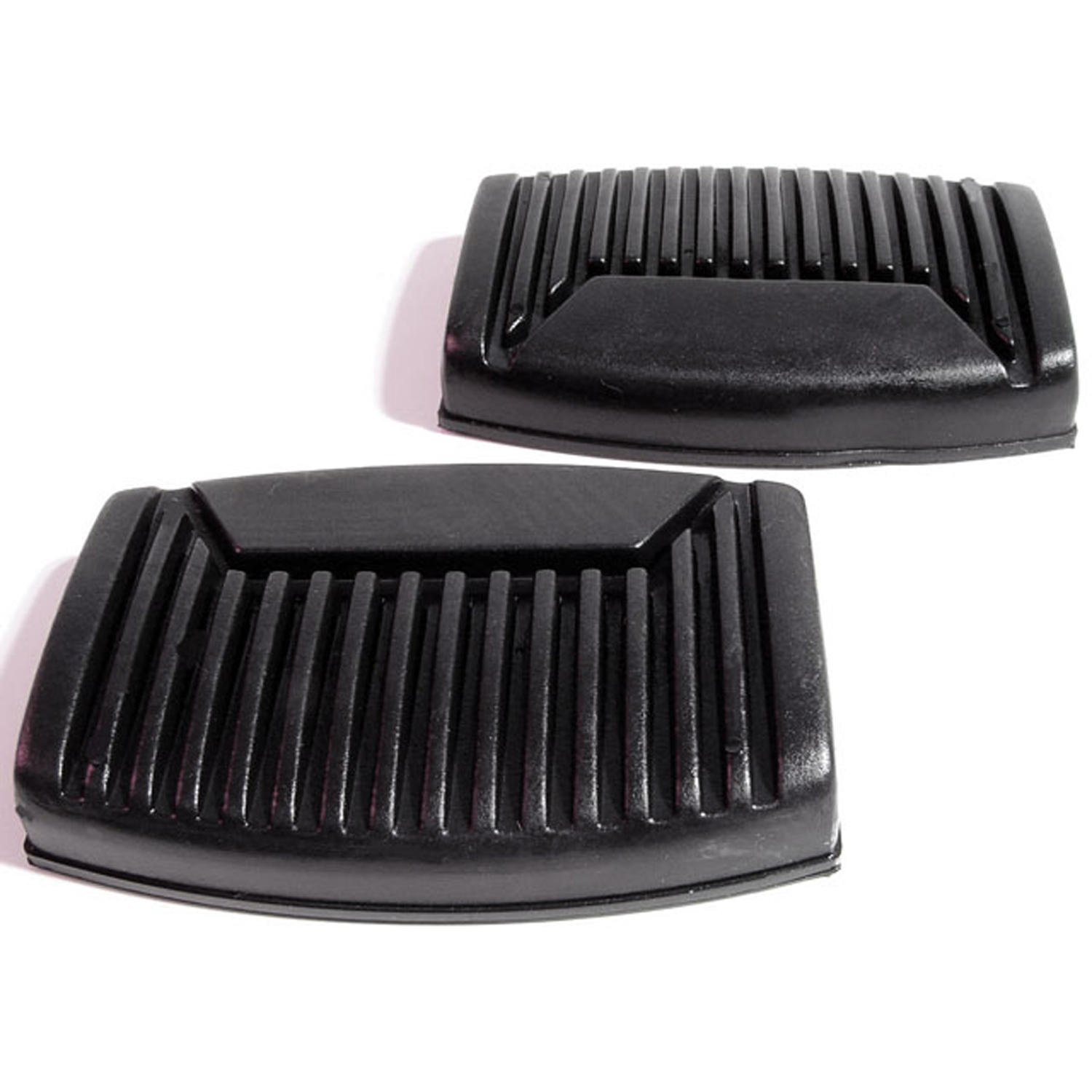 1967 Ford F-100 Clutch and Brake Pedal Pads. 3-1/4" wide X 2-1/4" long-CB 111Clutch and Brake Pedal Pads. 3-1/4" wide X 2-1/4" long. Pair
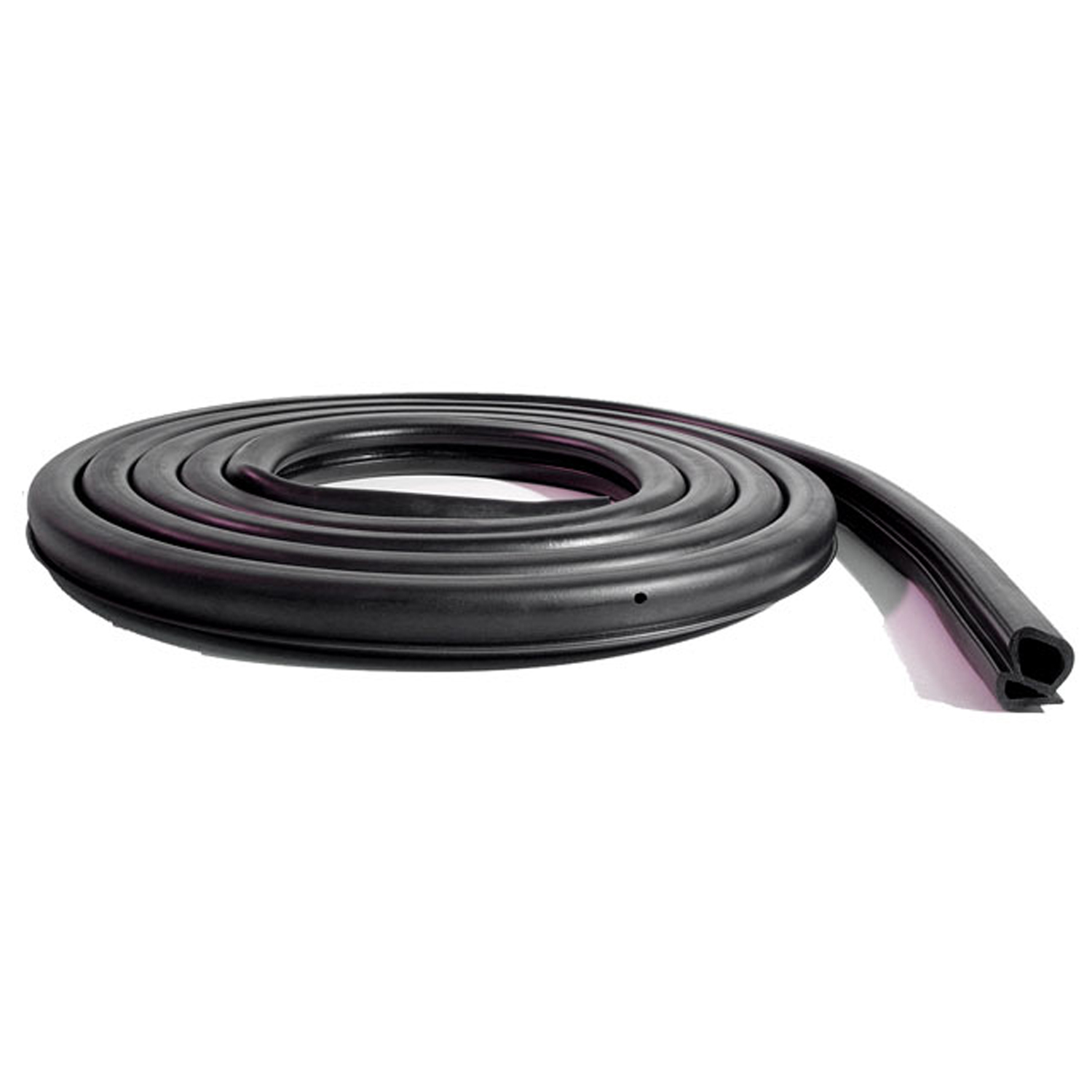 1967 Ford F-100 Door Seal. Fits either side. Each-LM 110-BDoor Seal. Fits either side. Each
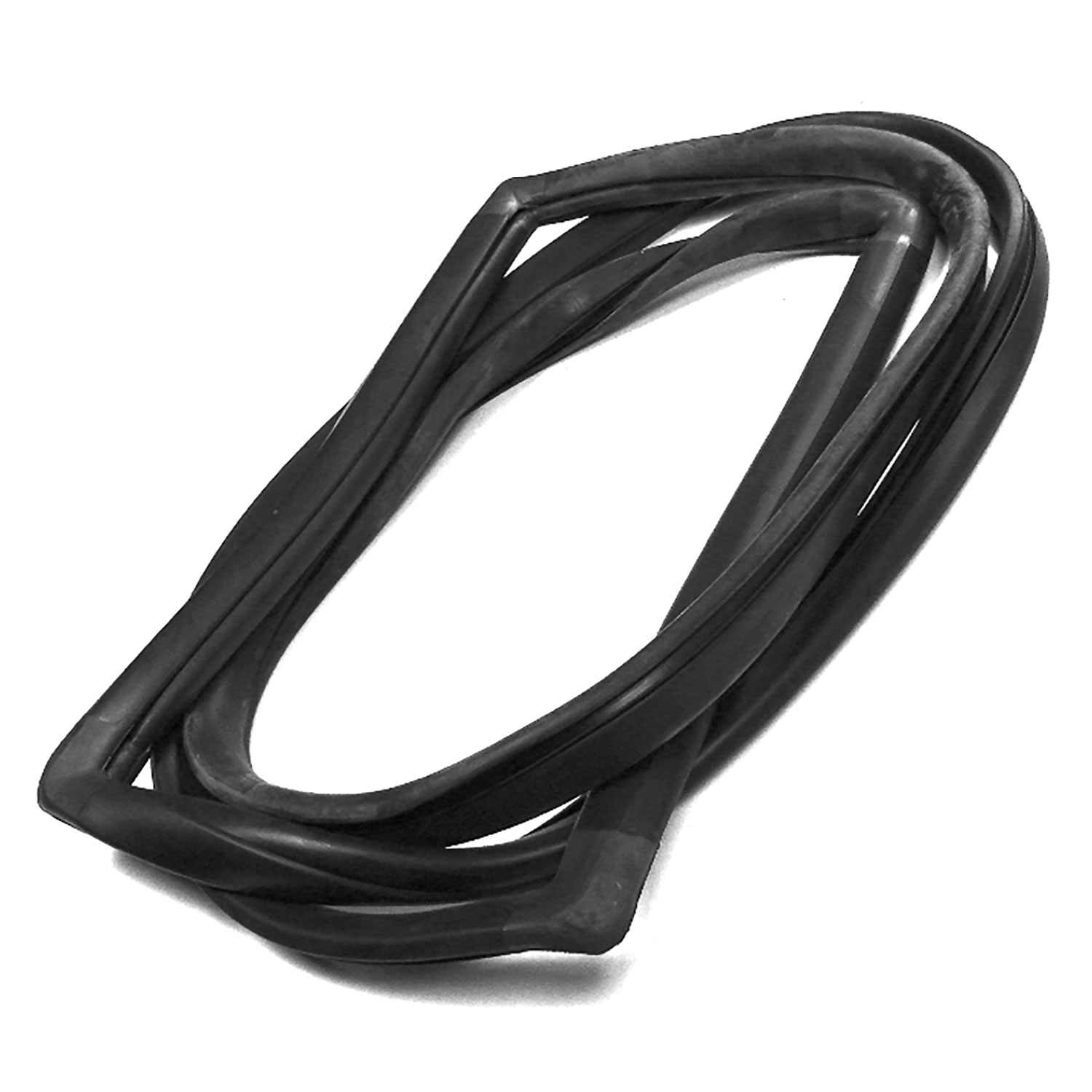 1967 Ford F-100 Windshield Seal, 67-79 Ford Full Size Truck, 78-79 Bronco, Without Trim Groove-VWS 3304-CThis windshield seal goes first on the glass and is installed using the rope-in method. This product is made from the original specs and with high quality ozone resistant EPDM rubber for a great fit and long life. This item is designed to be installed during glass replacement.
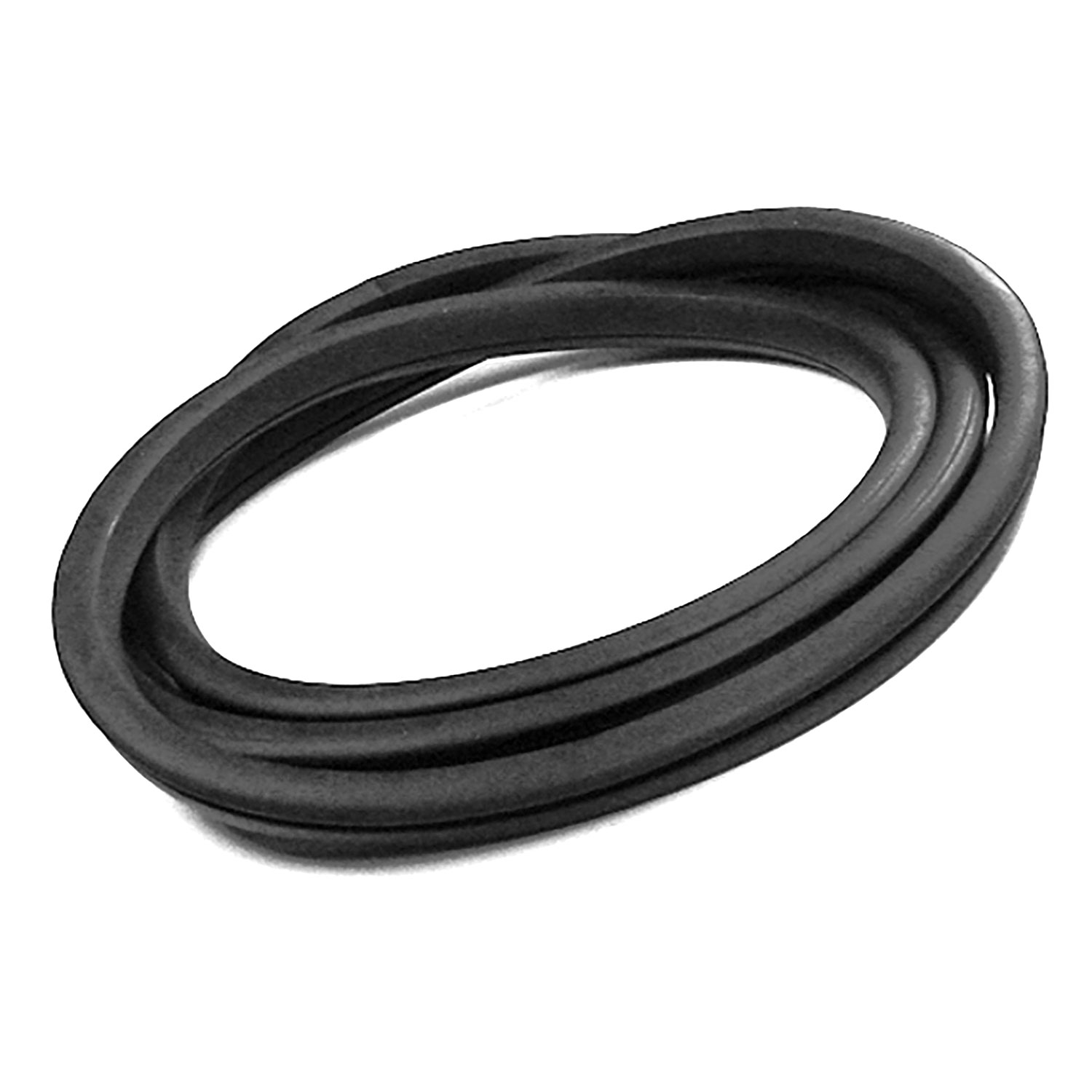 1967 Ford F-100 Rear Window Seal, 67-72 Ford Full Size Truck, Without Trim Groove, Each-VWS 3304-QThis rear window seal goes first on the body then the glass is placed in the opening. It is a standard black gasket without trim groove. This product is made from the original specs and with high quality ozone resistant materials for a great fit and long life. This item is designed to be installed during glass replacement.
 1967 Ford F-100 Rigid division-bar channel-WC 28-96Rigid division-bar channel. Made with stainless steel bead, heavy steel core and pile lining. 96 in. long. Each. NOTE: $20 special shipping charge applies for domestic orders. Call or email for overseas shipping costs. Part can be sectioned in two or three equal lengths to reduce overseas shipping costs.
Why Choose Metro?
For over 100 years, Metro Moulded Parts has been the pinnacle of quality in classic car restoration parts. Our commitment to precision and authenticity in every component ensures a perfect fit and an OEM-level appearance.
- Expert Craftsmanship & Quality: Each part is a testament to our dedication to reliability and perfection, crafted from original designs and thoroughly tested.
- Advanced Technology: We use cutting-edge techniques to create flawless, long-lasting parts that surpass others in performance.
- SuperSoft Sponge – The Ultimate Door Seal: Not only are our door seals 30% softer than competitors', but they're also guaranteed to never leak. They effectively reduce wind and road noise, enhancing your classic car's comfort and driving experience.
- Proudly American: Our parts are a product of American craftsmanship, made in the USA with a spirit of excellence and heritage.
- Unrivaled Warranty: We back our products with a 30-year industry-leading warranty, a testament to our confidence in their quality.
Join us in preserving the legacy of classic cars with parts that are crafted for perfection, not just made.