
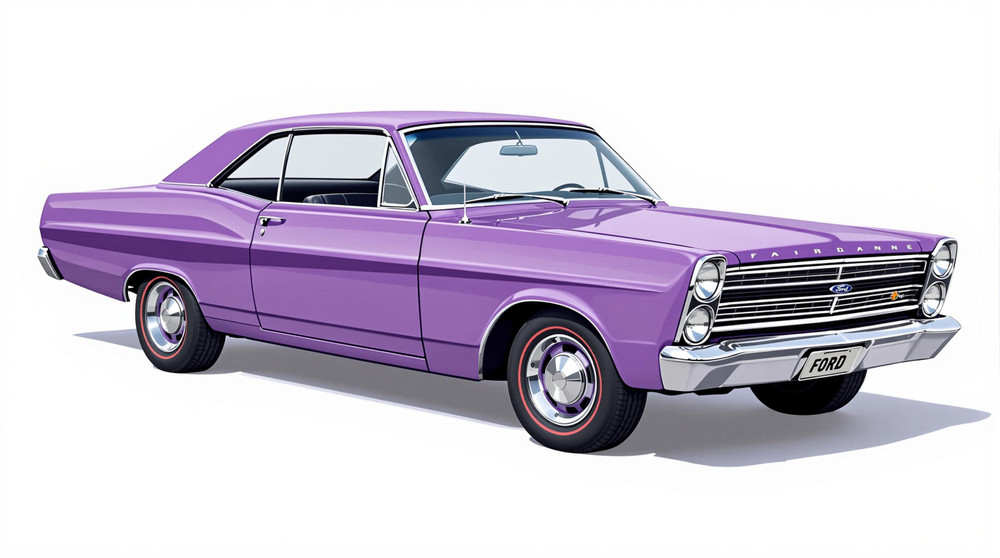
Image of 1967 Ford Fairlane, Note: These illustrations use artistic license and may differ from actual historical models.
Performance Metrics
Fundamental Metrics
Emotional Appeal
MMP Rating
| Engine Specifications | |
|---|---|
| Engine: | 200 CID I6, 289 CID V8, 390 CID V8, 427 CID V8 |
| Displacement: | 200-427 cubic inches |
| Horsepower: | 120-425 hp |
| Torque: | 190-480 lb-ft |
| Compression Ratio: | 8.7:1 - 11.6:1 |
| Ignition System: | Conventional breaker-point ignition system |
| Cooling System: | Liquid-cooled |
| Performance Specifications | |
| 0-60 Time: | 7.0 - 8.5 seconds |
| 1/4 Mile Time: | 15.0 - 16.5 seconds |
| Top Speed: | 120-130 mph |
| Transmission and Drive | |
| Drive Type: | Rear-wheel drive |
| Transmission Type: | 3-speed manual, 4-speed manual, 3-speed automatic |
| Fuel and Efficiency | |
| Fuel System Type: | Carburetor |
| MPG: | 10-15 mpg |
| Dimensions and Brakes | |
| Brakes: | Front disc and rear drum brakes |
| Wheelbase: | 116 inches |
| Weight: | 3,000-3,500 lbs |
Note: Specifications for classic cars are given to the best of our ability, considering the limited and variant data available.
1967 Ford Fairlane: The Intermediate That Could
The 1967 Ford Fairlane was a family-sized Ford with a serious performance streak, equally at home cruising Main Street or launching hard from a drag-strip start. Built by Ford Motor Company, it belonged to the Fairlane’s fifth generation, a nameplate that had evolved from a full-size car into a popular intermediate. In 1967, buyers could choose economical six-cylinder transportation, a well-equipped V8 cruiser, or a GT-badged model with genuine muscle-car credentials.
The Fairlane name came from Fair Lane, the estate of Ford founder Henry Ford. By the late 1960s, the intermediate class was becoming a hotbed of competition. The Fairlane faced rivals such as the Chevrolet Chevelle, Plymouth Belvedere, and Oldsmobile Cutlass, while giving Ford a useful platform for both family cars and high-performance machinery. One intriguing footnote: the Fairlane GT and GTA could be ordered with a 390-cubic-inch V8, while rare 427-powered Fairlanes brought big-block racing hardware into a relatively compact package.
1967 Fairlane Styling and Cabin
The Fairlane’s proportions gave it an unmistakably purposeful stance: a long hood, a short rear deck, and a broad body that looked substantial without feeling oversized. For 1967, Ford refreshed the design with a revised grille and trim, crisp body lines, and a more formal, squared-off look than the rounded shapes of some earlier intermediates. The GT added sporty details, including distinctive badging and performance-oriented exterior trim. Its broad front end and prominent grille made the car look ready for business even when parked.
Inside, the Fairlane was straightforward and roomy. Depending on trim, buyers found cloth-and-vinyl or all-vinyl upholstery, a simple but legible instrument panel, and wide bench seats. The 500XL and GT models offered a dressier, sportier atmosphere, with upgraded trim and bucket-seat options. This was not a hand-built luxury cabin, but the materials were durable and the controls were uncomplicated. A driver could settle in quickly and understand the car without studying a manual.
Ford offered a wide selection of factory paint colors, including shades such as Candyapple Red, Wimbledon White, Brittany Blue, and Lime Gold. Exact colors and combinations depended on body style and trim. Bright red and blue finishes remain popular with enthusiasts, while more subdued factory colors can make a restored Fairlane stand out at a show.
The 1967 range covered several body styles, including two- and four-door sedans, two-door hardtops, convertibles, and station wagons. The two-door hardtop is among the most recognizable enthusiast choices, particularly in GT or GTA trim. The convertible is another desirable style, while sedans and wagons offer a more understated take on the Fairlane. Ford also sold the Fairlane-based Ranchero as a separate model, blending car-like comfort with a pickup bed.
Engineering and Technology for Its Time
The Fairlane was conventional by modern standards, but its range of equipment made it adaptable. Buyers could select a manual transmission or an automatic, power steering, power brakes, air conditioning, and other comfort options. The GTA’s three-speed Cruise-O-Matic automatic gave buyers a performance model without requiring a manual gearbox. The GT was the more hands-on choice, typically paired with a manual transmission.
Underneath, the Fairlane used traditional body-on-frame construction and familiar front and rear suspension layouts. That meant sturdy, serviceable hardware rather than exotic engineering. Ford’s menu of engines also let the car serve very different roles, from economical transport to high-horsepower competition. The Fairlane’s significance was less about introducing a revolutionary technology than about making performance options available in a practical intermediate-sized car.
Why the Fairlane Mattered
By the mid-1960s, American buyers increasingly wanted cars that were smaller and easier to maneuver than full-size sedans but could still deliver V8 power and generous passenger space. The Fairlane sat squarely in that market. Its intermediate platform offered Ford a useful balance of size, price, and performance, helping establish the formula that would define many late-1960s muscle cars.
The GT and GTA made the Fairlane particularly distinctive. They paired a relatively sensible body with a big V8, sportier trim, and a choice of transmission. The rare 427 versions took that idea further, connecting the street car to Ford’s competition efforts. Compared with some rivals, the Fairlane could feel less flamboyant, but that understated character is part of its appeal today: it looks like a classic family car until the engine starts.
Engines, Speed, and Road Manners
Engine choices varied by model and configuration. The range included an inline-six, small-block V8s such as the 289, and larger V8s including the 390. A limited number of Fairlanes were built with the high-performance 427. Output depended on the exact engine, carburetion, transmission, and factory rating method, so advertised horsepower figures should be matched to the car’s original specifications rather than assumed from its badges.
A properly equipped 390-powered GT or GTA is the best-known performance combination. Period performance varied, but a healthy 390 Fairlane could reach 60 mph in roughly the seven-to-nine-second range, with top speed around 115 to 125 mph depending on gearing and setup. A 427 car could be substantially quicker, though surviving examples are rare and present-day results depend heavily on condition. These are estimates, not guarantees for every car.
On the road, the Fairlane feels solid and direct, with the familiar character of a 1960s American car. The suspension absorbs ordinary road imperfections reasonably well, though rough pavement can remind the driver of the car’s age and weight. A standard Fairlane is more comfortable than nimble on winding roads, while a GT with a healthy suspension and good tires feels more composed. High winds and quick direction changes call for a measured hand rather than modern sports-car expectations.
The driving experience is a big part of the Fairlane’s charm. A six-cylinder car is calm and easygoing; a V8 model adds a deeper exhaust note and a more forceful response when the throttle opens. The steering is less precise than that of a modern car, and braking performance depends on whether the vehicle has optional power assistance and front disc brakes. In a well-sorted example, the result is relaxed cruising with a satisfying surge of old-school V8 torque.
Living With a 1967 Fairlane
Fairlanes suit a range of uses. A sound sedan can serve as a weekend cruiser or occasional local driver, while a restored GT or GTA is more likely to be reserved for shows, club events, and sunny-day drives. Rare, documented 427 cars are generally treated as collectible investments rather than everyday transportation.
Routine maintenance is relatively approachable for an owner who is comfortable with older American cars. The engines and mechanical systems are familiar to many classic Ford shops, and replacement and reproduction parts are available for common service and restoration work. Regular attention to ignition tuning, cooling, brakes, suspension, and fluids is essential. As with any car of this age, rust, previous repairs, and incomplete or incorrect restorations can create far more work than ordinary mechanical servicing.
Before buying, inspect the frame and body structure, floor pans, trunk, lower doors, and wheel openings for corrosion. Check that the engine, transmission, rear axle, and trim match the seller’s claims. GT and GTA badges are easy to add, so documentation and factory identification information matter, especially when a car is advertised as a rare high-performance version.
Fairlane Facts and Common Criticisms
The Fairlane’s most memorable trivia is its range: one model line could be ordered as a practical six-cylinder sedan, a family wagon, a convertible, or a big-block performance car. The GT designation identified a sport-focused package, while GTA identified an automatic-transmission version. The rare 427 cars are especially sought after because they combine Ford’s high-performance engine with the Fairlane’s intermediate body.
There is no single top-speed or acceleration record that defines every 1967 Fairlane. Performance figures differed by engine and gearing, and competition cars should not be confused with street models. The Fairlane’s lasting motorsport connection comes from Ford’s broader campaign to put powerful V8s into intermediate cars, a strategy that helped make the late 1960s one of the most exciting periods in American performance-car history.
Common criticisms are familiar to anyone who drives a car from this era: fuel consumption is high by modern standards, safety equipment is limited, and handling and braking do not match contemporary vehicles. Rust can also be a serious concern. The trade-off is simple, durable mechanical design and a driving character that feels engagingly different from a modern car.
1967 Ford Fairlane Values and Rarity
Production figures vary by body style and trim, and published totals can differ depending on what is counted. A reasonable broad estimate is roughly 230,000 to 240,000 Fairlanes for the 1967 model year, including the main body and trim variations. That makes ordinary Fairlanes findable, although condition, originality, and specific equipment can make a particular example much harder to locate. GT and GTA models are less common, and authentic 427 cars are exceptionally rare.
As a broad U.S. market guide for 2026, a rough project car might sell for about $5,000 to $12,000. A usable driver or older restoration may fall around $15,000 to $30,000, while a well-restored standard model can reach approximately $30,000 to $50,000. Desirable GT, GTA, and convertible examples can bring roughly $35,000 to $75,000 or more, depending on originality and condition. Documented 427 cars occupy a different collector tier and can command well into six figures. These are estimates, not appraisals, and exceptional cars can sell outside these ranges.
Values tend to reward authenticity, quality restoration, and clear documentation more than flashy modifications. The market for classic muscle and intermediate cars has generally supported the best examples, but prices vary with condition and collector demand. A well-kept, correctly represented Fairlane is usually a stronger buy than a cheaper car with hidden rust or questionable claims about its engine and trim.
Why the 1967 Fairlane Still Appeals
The 1967 Ford Fairlane brought together practical space, straightforward engineering, multiple body styles, and a serious selection of V8 power. It was not the most exotic car of its era, and it does not pretend to offer modern handling or efficiency. Instead, it delivers the honest, mechanical character that makes classic Fords so enjoyable: a broad hood, a satisfying engine note, and a strong connection between driver and machine.
Whether it wears quiet sedan trim or GT badges, the Fairlane captures the moment when the American intermediate became more than sensible transportation. It could be a family car on Monday and a V8-powered grin on Sunday, and that dual personality is exactly why the 1967 Ford Fairlane still deserves a place in the classic-car conversation.
1967 Ford Fairlane Catalog of Parts
 1967 Ford Fairlane Suspension Ball Joint Dust Seal. 3/4" top I.D-BN 101-BSuspension Ball Joint Dust Seal. 3/4" top I.D., 1-11/16" bottom O.D., 3/4" high. For some rare models. Check dimensions against original. Each
 1967 Ford Fairlane Shock Absorber Grommet. 1-1/4" bottom O.D., 1" high-BN 12Shock Absorber Grommet. 1-1/4" bottom O.D., 1" high., with 3/4" I.D. Each
 1967 Ford Fairlane Door Side Seal extrusion with proper installation clips-C/LP 40-FDoor Side Seal extrusion with proper installation clips. Clips installed 4" on center. Sold by the foot.
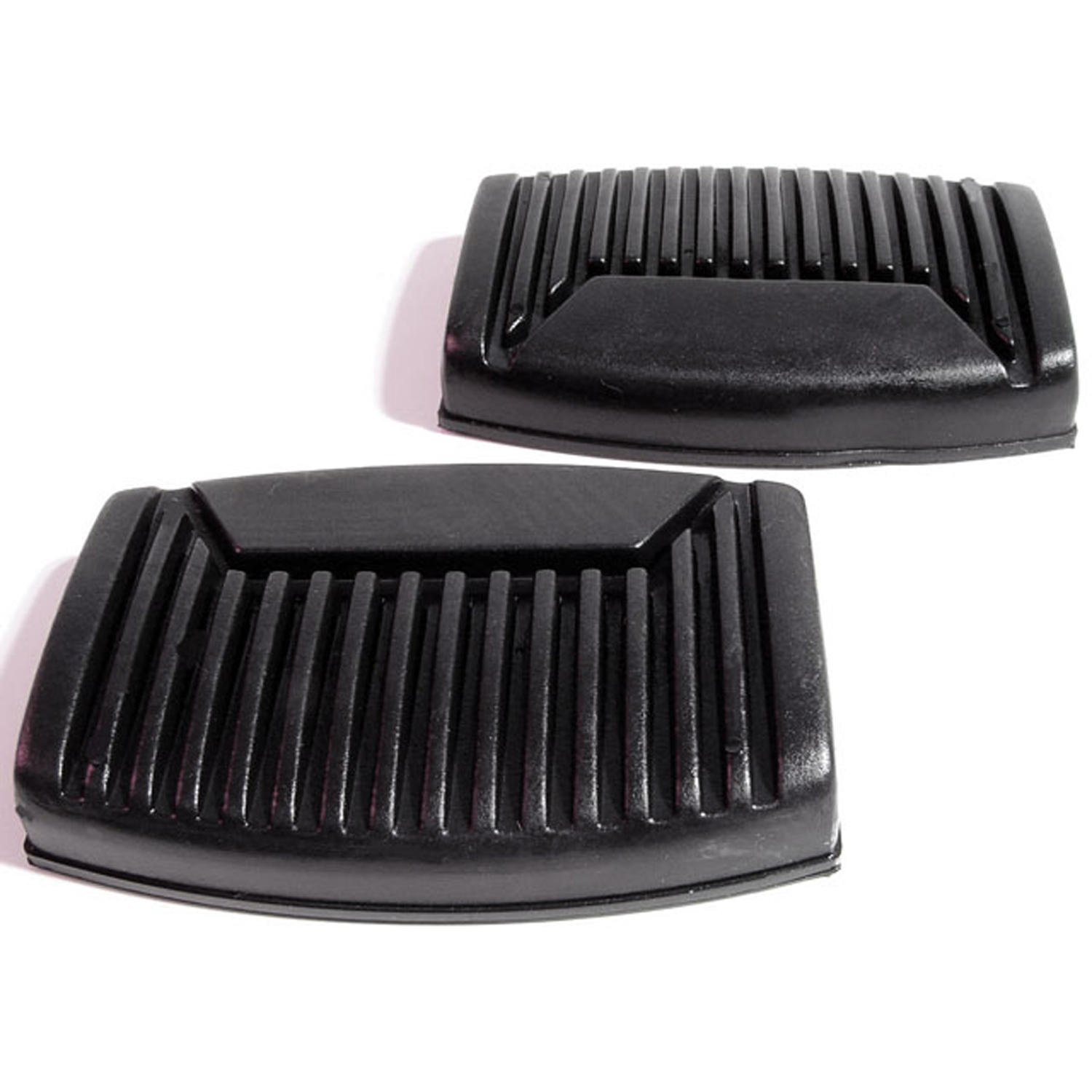 1967 Ford Fairlane Clutch and Brake Pedal Pads. 3-1/4" wide X 2-1/4" long-CB 111Clutch and Brake Pedal Pads. 3-1/4" wide X 2-1/4" long. Pair
 1967 Ford Fairlane Molded Door Seals for 2-Door Hardtops and Convertibles-LM 14-BMolded Door Seals for 2-Door Hardtops and Convertibles. Made with molded ends and clips. Nice reproduction. Pair R&L
 1967 Ford Fairlane Roof Rail Seal. Sold by the foot-LP 110-FARoof Rail Seal. Sold by the foot
 1967 Ford Fairlane Door Side Seal, Without Clips (for seal with clips-LP 40-FDoor Side Seal, Without Clips (for seal with clips, see C/LP 40-F). Sold by the foot
 1967 Ford Fairlane Tail-light seal. Thick base fits into aluminum bezel-MB 32Tail-light seal. Thick base fits into aluminum bezel. 4-1/2 in. W x 10 in. L. Replaces OEM# C-702-13520-A OD.
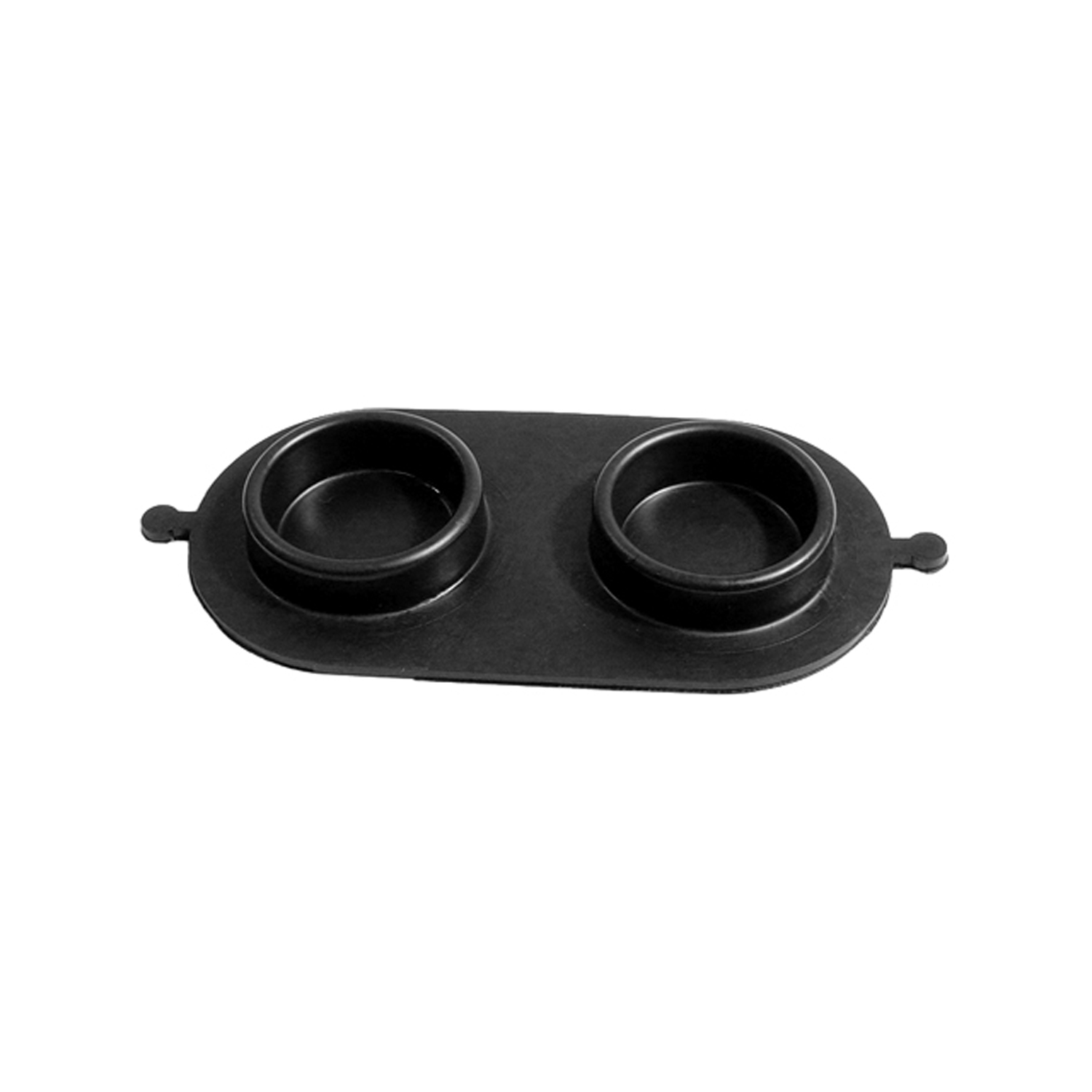 1967 Ford Fairlane Brake Master Cylinder Cover Seal. Replaces OEM #C7AZ2167-A-RP 2-BBrake Master Cylinder Cover Seal. Replaces OEM #C7AZ2167-A. Each
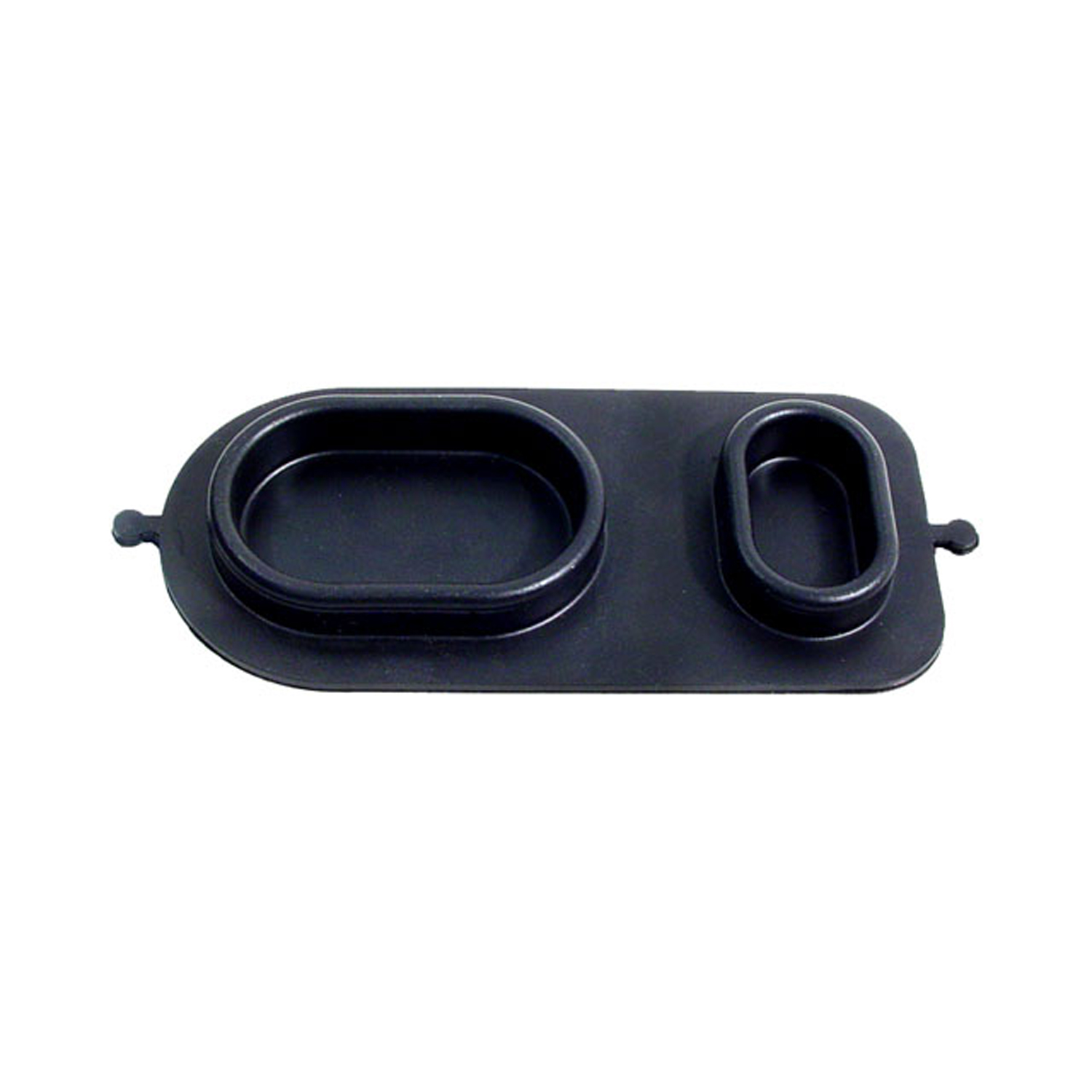 1967 Ford Fairlane Brake Master Cylinder Cover Seal. Replaces OEM #5470861-RP 2-CBrake Master Cylinder Cover Seal. Replaces OEM #5470861. 5-9/16" long, 2-5/8" wide. Each
 1967 Ford Fairlane Door Lock Button Grommet. Made of clear plastic. Each-RP 303-LDoor Lock Button Grommet. Made of clear plastic. Each
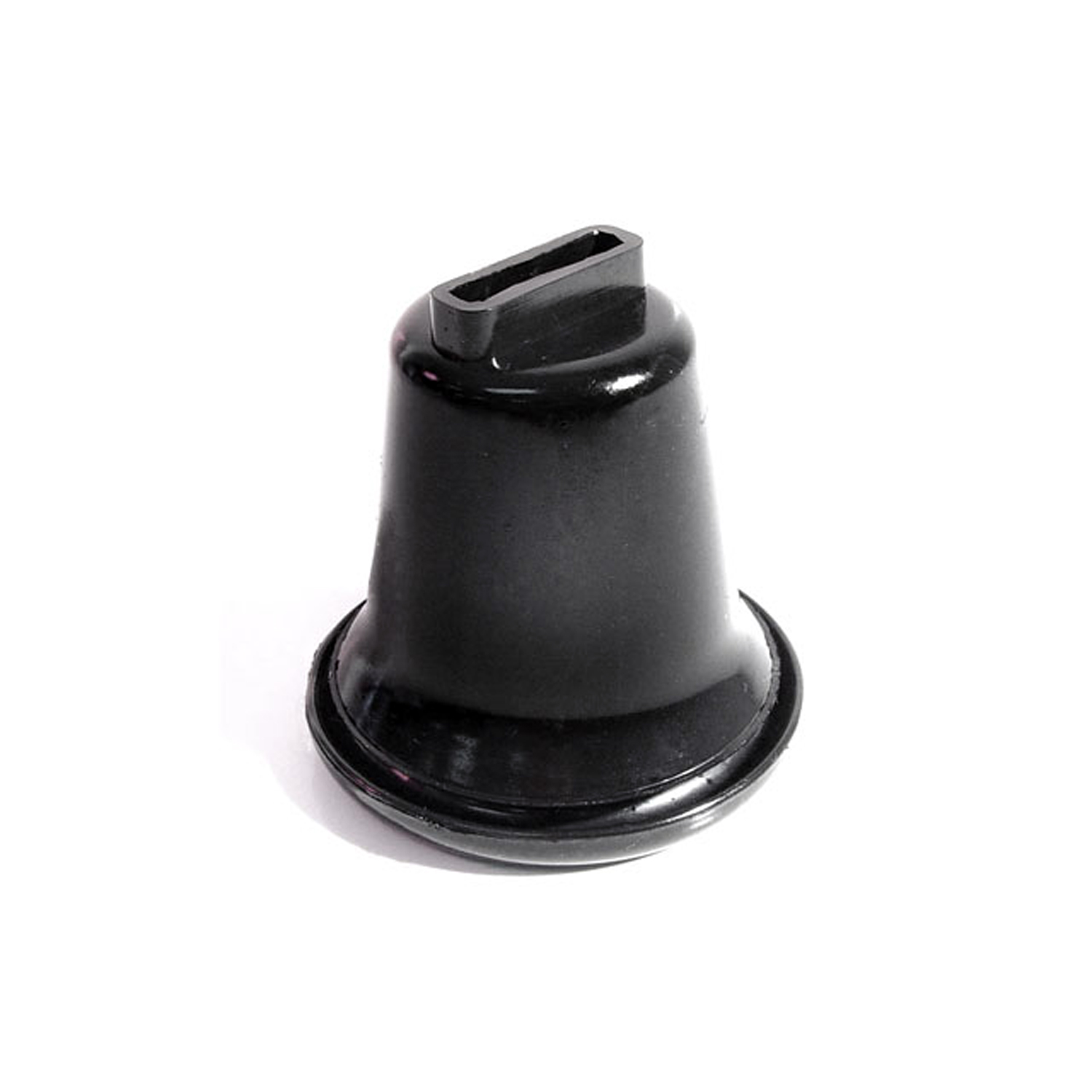 1967 Ford Fairlane Brake Booster Boot. Each-RP 32-AABrake Booster Boot. Each
 1967 Ford Fairlane Shift Boot. For 4-speed transmission. Each-RP 36-GShift Boot. For 4-speed transmission. Each
 1967 Ford Fairlane Molded Roof Rail Seals, for 2-Door Hardtop. Pair R&L-RR 6800Molded Roof Rail Seals, for 2-Door Hardtop. Pair R&L
 1967 Ford Fairlane Rocker Panel Drain Plug Valve. Two used per car. Each-SM 64Rocker Panel Drain Plug Valve. Two used per car. Each
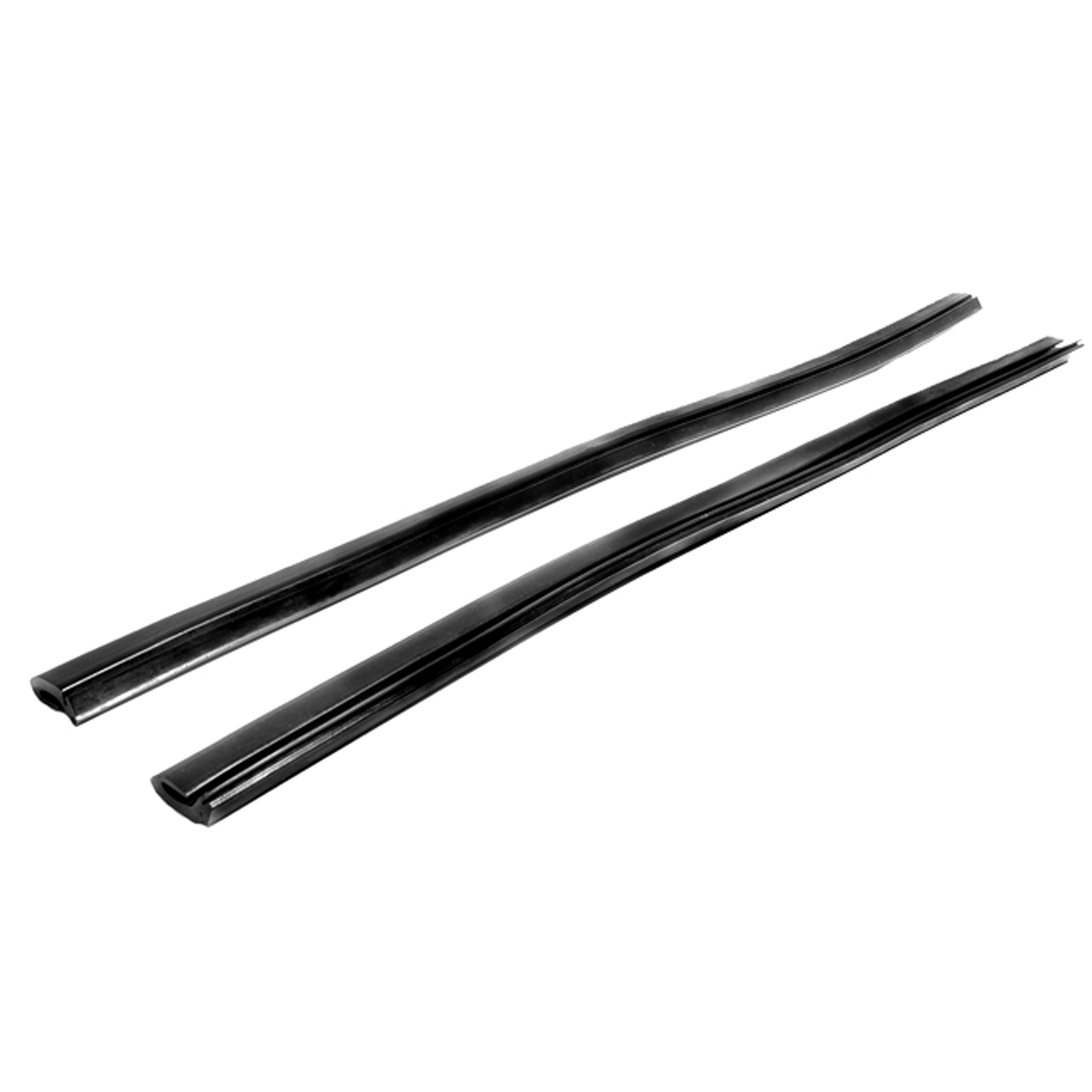 1967 Ford Fairlane Rear Side Roll-Up Window Seal, for Hardtops and Convertibles-VS 3Rear Side Roll-Up Window Seal, for Hardtops and Convertibles. Two 20" sections slide into metal track. No steel insert. Pair
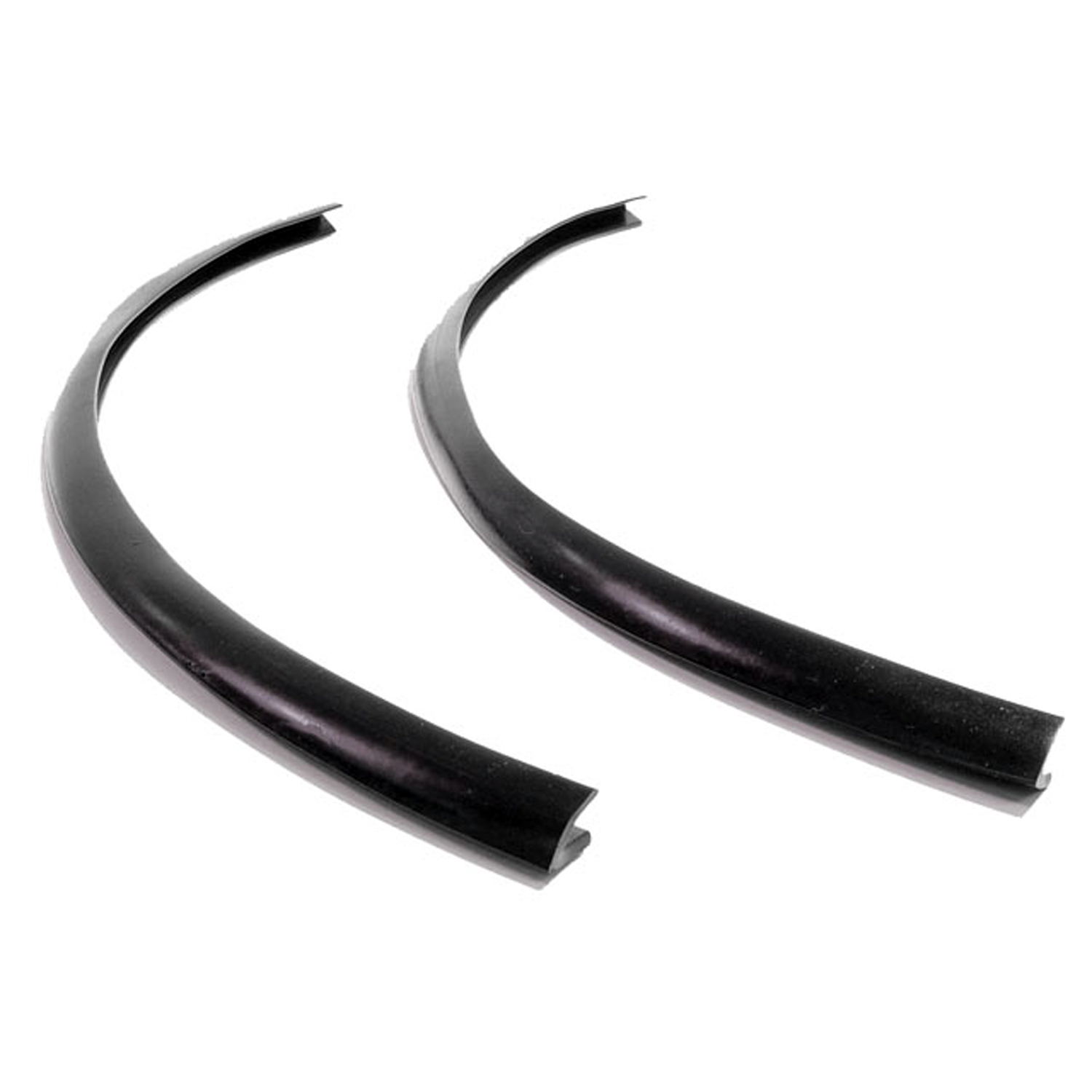 1967 Ford Fairlane Vertical Seals for Vent Window. Each piece is 17" long-VS 6Vertical Seals for Vent Window. Each piece is 17" long. Pair
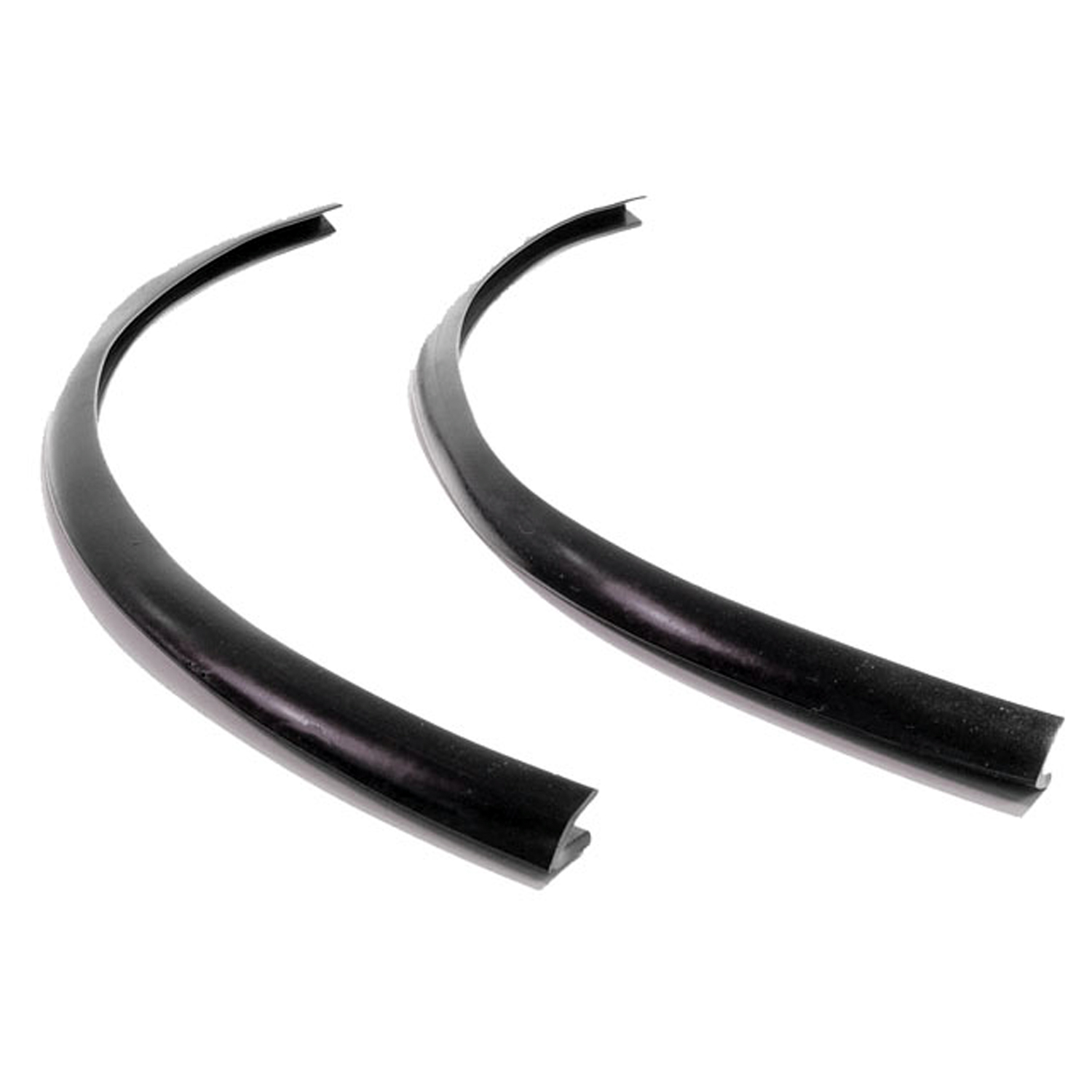 1967 Ford Fairlane Vertical Seal for Vent Window. Sold by the foot.-VS 6/FTVertical Seal for Vent Window. Sold by the foot.
 1967 Ford Fairlane Flocked Window Channel. 96" Piece. Each-WC 21-96Flocked Window Channel. 96" Piece. Each
 1967 Ford Fairlane Rigid division-bar channel-WC 28-96Rigid division-bar channel. Made with stainless steel bead, heavy steel core and pile lining. 96 in. long. Each. NOTE: $20 special shipping charge applies for domestic orders. Call or email for overseas shipping costs. Part can be sectioned in two or three equal lengths to reduce overseas shipping costs.
 1967 Ford Fairlane Rear Windshield Reveal Molding Clip. Made of steel. Each-WF 228Rear Windshield Reveal Molding Clip. Made of steel. Each
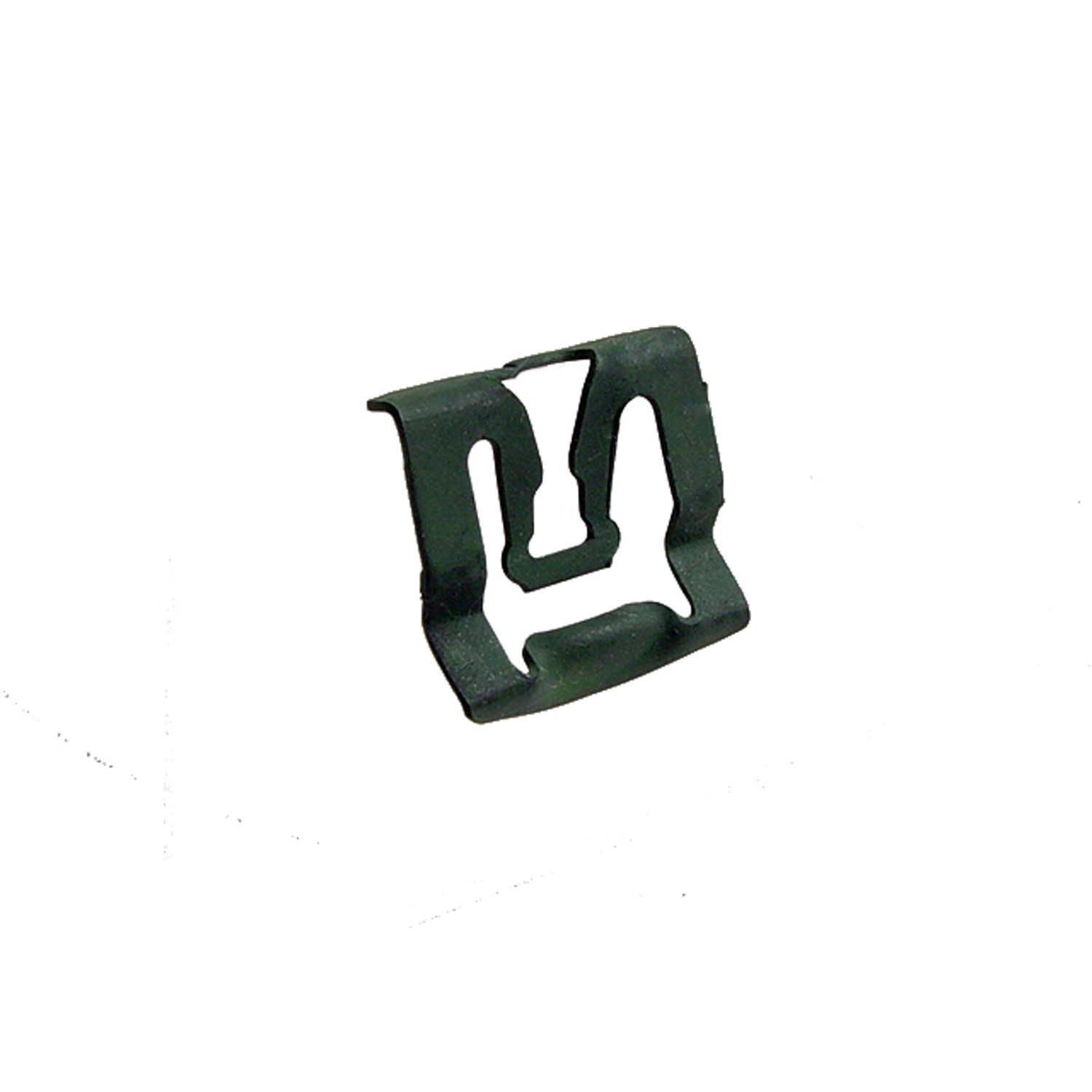 1967 Ford Fairlane Windshield Reveal Molding Clip. Made of steel. Each-WF 228-AWindshield Reveal Molding Clip. Made of steel. Each
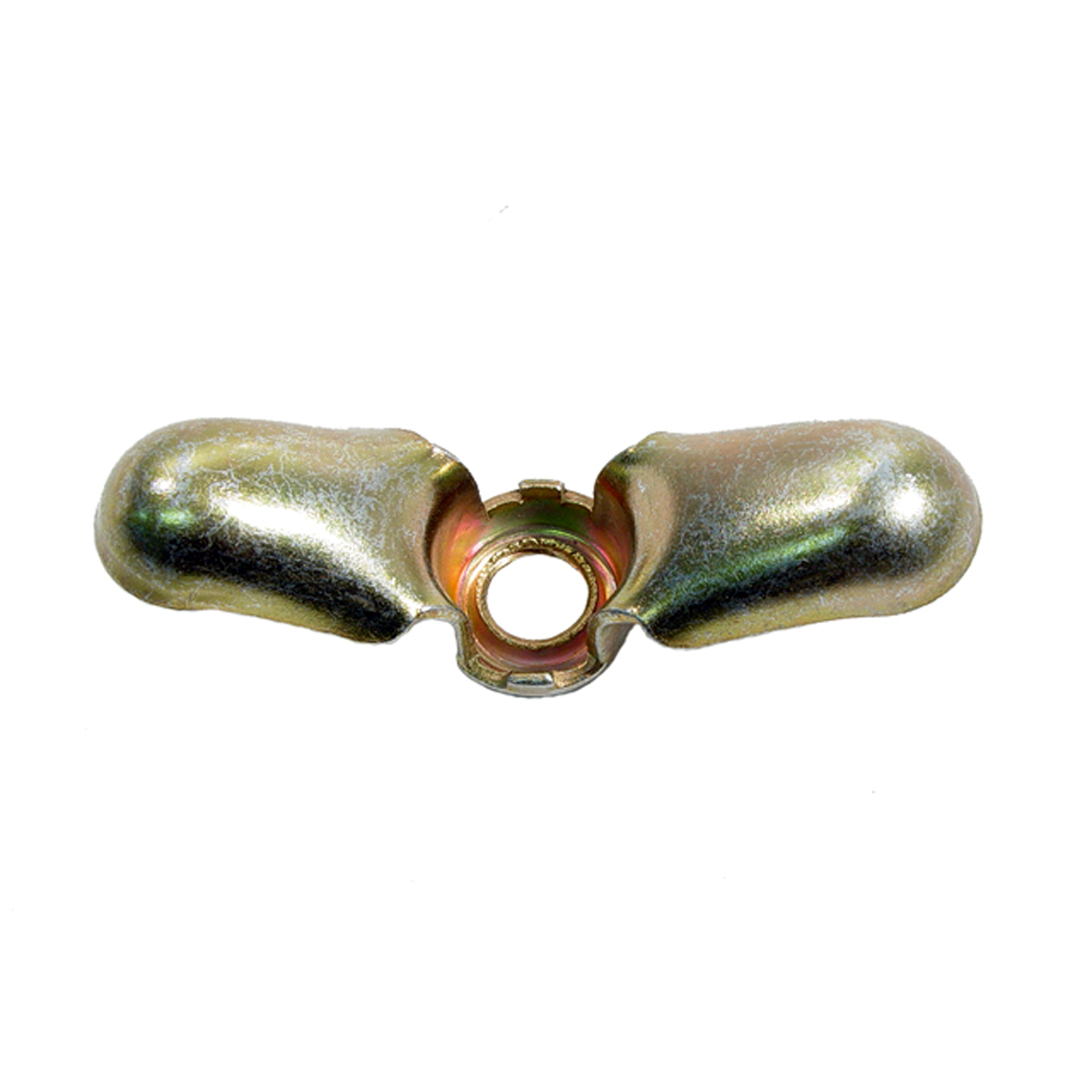 1967 Ford Fairlane Spare Tire Hold Down Nut. 3/8- 16 thread size-WF 3504Spare Tire Hold Down Nut. 3/8- 16 thread size. Replaces OEM #B9AZ-1462-A. Each
Why Choose Metro?
For over 100 years, Metro Moulded Parts has been the pinnacle of quality in classic car restoration parts. Our commitment to precision and authenticity in every component ensures a perfect fit and an OEM-level appearance.
- Expert Craftsmanship & Quality: Each part is a testament to our dedication to reliability and perfection, crafted from original designs and thoroughly tested.
- Advanced Technology: We use cutting-edge techniques to create flawless, long-lasting parts that surpass others in performance.
- SuperSoft Sponge – The Ultimate Door Seal: Not only are our door seals 30% softer than competitors', but they're also guaranteed to never leak. They effectively reduce wind and road noise, enhancing your classic car's comfort and driving experience.
- Proudly American: Our parts are a product of American craftsmanship, made in the USA with a spirit of excellence and heritage.
- Unrivaled Warranty: We back our products with a 30-year industry-leading warranty, a testament to our confidence in their quality.
Join us in preserving the legacy of classic cars with parts that are crafted for perfection, not just made.