

Image of 1972 Ford Gran Torino, Note: These illustrations use artistic license and may differ from actual historical models.
Performance Metrics
Fundamental Metrics
Emotional Appeal
MMP Rating
| Engine Specifications | |
|---|---|
| Engine: | 250 cu in (4.1 L) I6, 302 cu in (4.9 L) Windsor V8, 351 cu in (5.8 L) Windsor V8, 351 cu in (5.8 L) Cleveland V8, 400 cu in (6.6 L) V8, 429 cu in (7.0 L) 385 V8, 460 cu in (7.5 L) 385 V8 |
| Displacement: | 250-460 cu in (4.1-7.5 L) |
| Horsepower: | 98-375 hp |
| Torque: | 245-480 lb-ft |
| Compression Ratio: | 8.0:1 - 10.5:1 |
| Ignition System: | Conventional breaker-point ignition system |
| Cooling System: | Liquid-cooled |
| Performance Specifications | |
| 0-60 Time: | 6.6 - 8.0 seconds |
| 1/4 Mile Time: | 14.5 - 16.0 seconds |
| Top Speed: | 120-130 mph |
| Transmission and Drive | |
| Drive Type: | Rear-wheel drive |
| Transmission Type: | 3-speed manual, 4-speed manual, 3-speed automatic, 3-speed Cruise-O-Matic automatic |
| Fuel and Efficiency | |
| Fuel System Type: | Carburetor |
| MPG: | 10-15 mpg |
| Dimensions and Brakes | |
| Brakes: | Front disc and rear drum brakes |
| Wheelbase: | 114 inches |
| Weight: | 3,200-3,800 lbs |
Note: Specifications for classic cars are given to the best of our ability, considering the limited and variant data available.
1972 Ford Gran Torino: A Big, Bold American Cruiser
With its long hood, broad grille, and unmistakable road presence, the 1972 Ford Gran Torino arrived ready to make an impression. Built by Ford Motor Company as part of its intermediate Torino range, it combined the size and comfort of a traditional American car with the muscular styling that defined the early 1970s.
The Gran Torino was part of a substantially redesigned Torino lineup for 1972. Ford gave the cars a more substantial look and a new chassis, while buyers could choose from several body styles and engines. The model also has an unusual claim to fame: a green 1972 Gran Torino became the central car in Clint Eastwood’s 2008 film Gran Torino, introducing the classic to a new generation of viewers.
Torino Styling: Long, Low, and Broad
The 1972 Torino’s design was more rounded and imposing than the slimmer cars that came before it. A long hood and short rear deck gave it classic rear-wheel-drive proportions, while the wide front end and sculpted body sides made the car look substantial from nearly every angle. Depending on the trim and body style, details such as grille treatment, brightwork, wheel covers, and badging varied.
Inside, the Gran Torino offered a broad bench seat, a straightforward dashboard, and the roomy cabin expected of a family-friendly American car. Vinyl upholstery was common, with cloth-and-vinyl combinations and upgraded trim available depending on the model and options. The materials were generally durable rather than luxurious, though higher-spec versions could add more decorative trim and comfort features.
Technology was conventional for the era, but useful: buyers could order automatic transmissions, power steering, power brakes, air conditioning, and an AM radio. Front disc brakes were available, and equipment varied by configuration. The Gran Torino was not a gadget-heavy car. Its appeal was space, comfort, and choice.
Ford offered the Torino range in a broad period color palette, including vivid reds, yellows, blues, greens, and more restrained metallic shades. Exact colors depended on the model and production choices. Bright colors suit the car’s bold personality, while darker greens, blues, and browns give it a more understated period look.
Body styles included two-door hardtops, four-door sedans, and station wagons, with the fastback-style Gran Torino Sport among the most eye-catching versions. The Sport’s sloping roofline gave it a more performance-oriented profile, while the more formal hardtops and sedans emphasized passenger room and everyday usability.
Why the 1972 Gran Torino Matters
The Gran Torino arrived as the American performance-car market was changing. Rising insurance costs, new emissions requirements, and growing interest in comfort were reshaping what buyers expected from a V8-powered car. Ford’s 1972 redesign answered with a larger, roomier Torino that could still be ordered with substantial engine power, but also worked as a comfortable family or long-distance car.
It was not a technological revolution, and it did not introduce a landmark feature that transformed the whole industry. Its significance lies in how well it represents the era’s shift from lean, high-compression muscle cars toward heavier, more comfort-focused performance models. The Torino name also carried a motorsports legacy from earlier Ford racing efforts, including the aerodynamic Torino variants developed for NASCAR. The 1972 Gran Torino was less of a specialist racer and more of a versatile road car.
Its lasting influence is cultural as much as mechanical. The name became widely recognizable through the 2008 film, while the car’s proportions and V8 character continue to make it a popular choice for classic-car fans who want a large, distinctly 1970s Ford.
V8 Power and Road Manners
Engine availability depended on body style and equipment, but the Torino lineup could be ordered with a range that included a 250-cubic-inch inline-six and V8s such as the 302, 351, and 400. The 351 was offered in different configurations, and the exact engine and transmission combination made a significant difference to performance. A three-speed automatic was common, while manual transmissions were available in some configurations.
There is no single reliable 0-to-60 mph or top-speed figure for every 1972 Gran Torino. Engine choice, axle ratio, transmission, body style, and vehicle condition all matter. As a general period-performance estimate, a healthy V8 car could reach 60 mph in roughly 8 to 11 seconds, with less powerful versions taking longer. A well-running V8 example might reach approximately 105 to 120 mph, though that is an estimate rather than a universal factory specification. These cars are now decades old, so condition matters at least as much as the original numbers.
On the road, the Gran Torino feels large and relaxed. Its long wheelbase and substantial body help smooth out ordinary bumps, while its weight and soft suspension tuning favor cruising over quick direction changes. On winding roads, it feels less nimble than a smaller sports coupe, and crosswinds can make the car feel broad and heavy. Power steering, when fitted, makes low-speed maneuvering easier, though the steering is not as precise as modern rack-and-pinion systems.
The driving experience is part of the appeal. A V8 supplies a deep, familiar American rumble, while the automatic transmission and cushioned ride encourage an unhurried pace. The high hood, wide seats, and large exterior dimensions remind the driver that this is a full-size-feeling classic, even though the Torino sits in the intermediate class. It is a car for cruising, not carving corners.
Living With a Gran Torino
Today, Gran Torinos are most often used as weekend cruisers, show cars, or occasional drivers. Some owners restore them to factory appearance, while others personalize them with updated wheels, suspension components, or modern drivetrains. The Sport models tend to attract extra attention, but a clean sedan or wagon can make a distinctive and practical classic.
Mechanical repairs are generally approachable for an experienced home mechanic. Ford V8 parts and service knowledge remain widely available, and the car uses familiar systems rather than unusually complex technology. However, age brings its own challenges. Rust can affect floors, lower body panels, wheel arches, and structural areas. Buyers should also inspect the frame, suspension, brake lines, electrical system, and any signs of poor-quality repairs. A cheap purchase can become expensive if bodywork or a full restoration is needed.
Reliability depends heavily on maintenance and the quality of any restoration. A properly sorted car can be enjoyable to drive, but it should not be expected to behave like a modern daily driver. Fuel consumption is high by current standards, and replacement parts may require research when trim-specific pieces are missing.
Gran Torino Facts and Common Confusions
The 1972 Gran Torino’s best-known screen appearance is the title car in Clint Eastwood’s Gran Torino. It is easy to confuse it with the red-and-white car from the television series Starsky & Hutch, but that famous car was a 1974 Ford Gran Torino, not a 1972.
Ford’s Torino family had strong NASCAR associations, especially through its earlier racing-focused models. The 1972 Gran Torino itself is best remembered as a road-going cruiser rather than a record-setting production car. It did not hold a widely recognized production speed or endurance record.
Common criticisms are familiar to owners of many early-1970s American cars: fuel economy is poor, the car feels heavy, and handling is comfort-oriented rather than sporty. Rust and aging rubber or electrical components can also complicate ownership. On the other hand, its straightforward mechanical layout, roomy cabin, and unmistakable styling are major strengths.
Collector Value and Availability
Ford produced roughly 496,000 Torino-family cars for the 1972 model year, but published production totals do not always make it easy to separate every Gran Torino trim and body style. A reasonable broad estimate is that Gran Torino-badged models accounted for a substantial share of that total, perhaps around 200,000 to 300,000 cars. That is an estimate, not a definitive count for a single configuration. The more unusual body styles and well-optioned Sport versions are harder to find today than the production totals might suggest.
As a general 2026 collector-market guide, a project car or rough driver might sell for about $5,000 to $12,000. A sound, presentable example commonly falls around $15,000 to $30,000, while a high-quality restoration or especially desirable Sport can reach roughly $30,000 to $50,000 or more. Originality, rust condition, engine, body style, documentation, and restoration quality can move a car well outside those ranges.
Values have generally strengthened for clean, distinctive examples, particularly when interest in 1970s cars rises. The Gran Torino remains more attainable than many high-profile muscle cars, so it is not a guaranteed investment. A solid, correctly restored car is more likely to hold its appeal than a heavily modified example or a project with serious rust.
A Classic Built for the Open Road
The 1972 Ford Gran Torino brought together bold early-1970s styling, a roomy interior, a broad choice of engines, and the relaxed manners of a traditional American cruiser. It was not the quickest or most technologically advanced car of its time, but it captured a pivotal moment when muscle-car ambition met changing expectations for comfort and everyday use.
More than five decades later, the Gran Torino still makes a statement: part family car, part V8 cruiser, and a memorable piece of Ford history with a starring role on the big screen.
1972 Ford Gran Torino Catalog of Parts
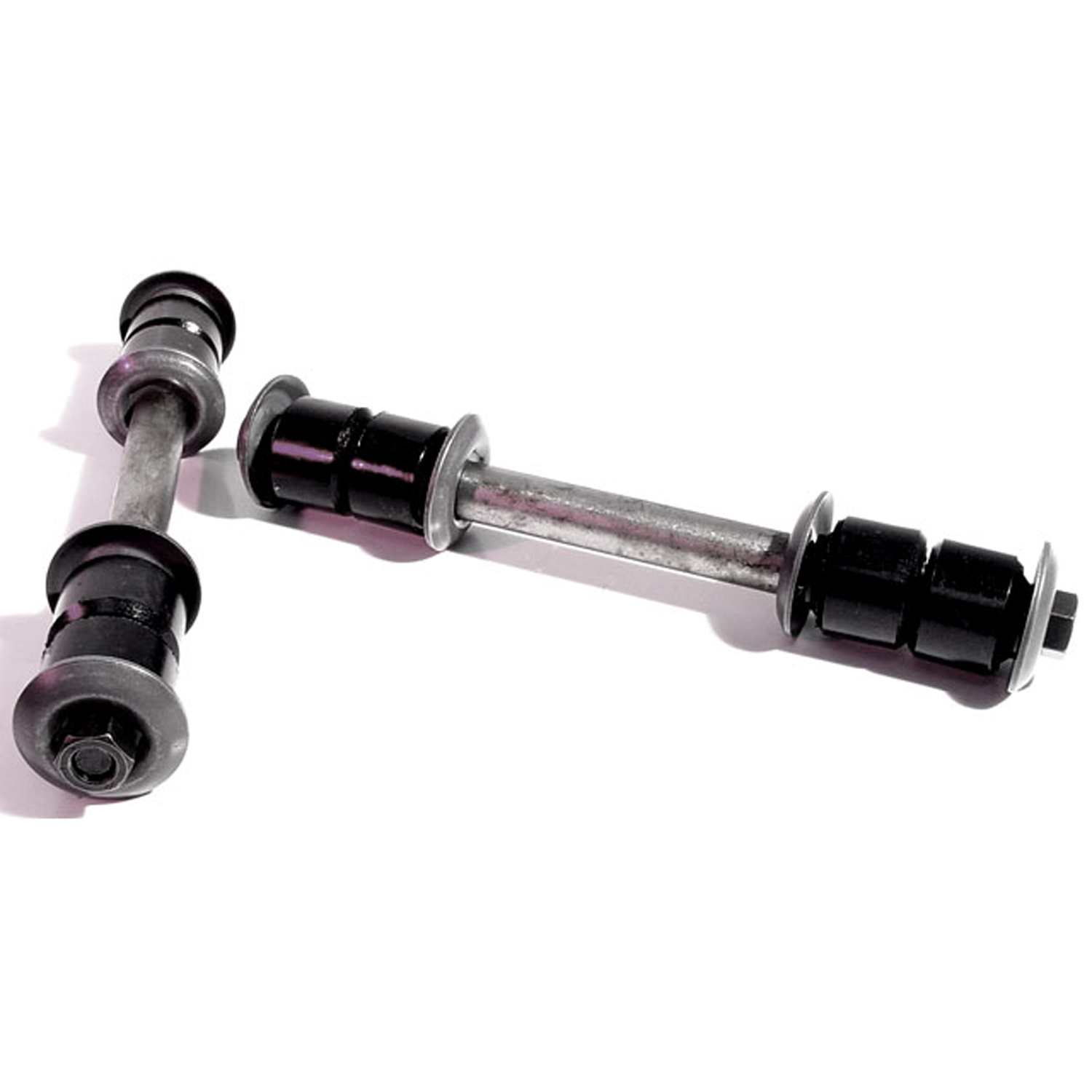 1972 Ford Gran Torino Front Stabilizer End Repair Kit-BNK 21Front Stabilizer End Repair Kit. 22-piece set for two stabilizer bars. Contains all rubber bushings, washers, bolts and nuts, enough for one front end. Set
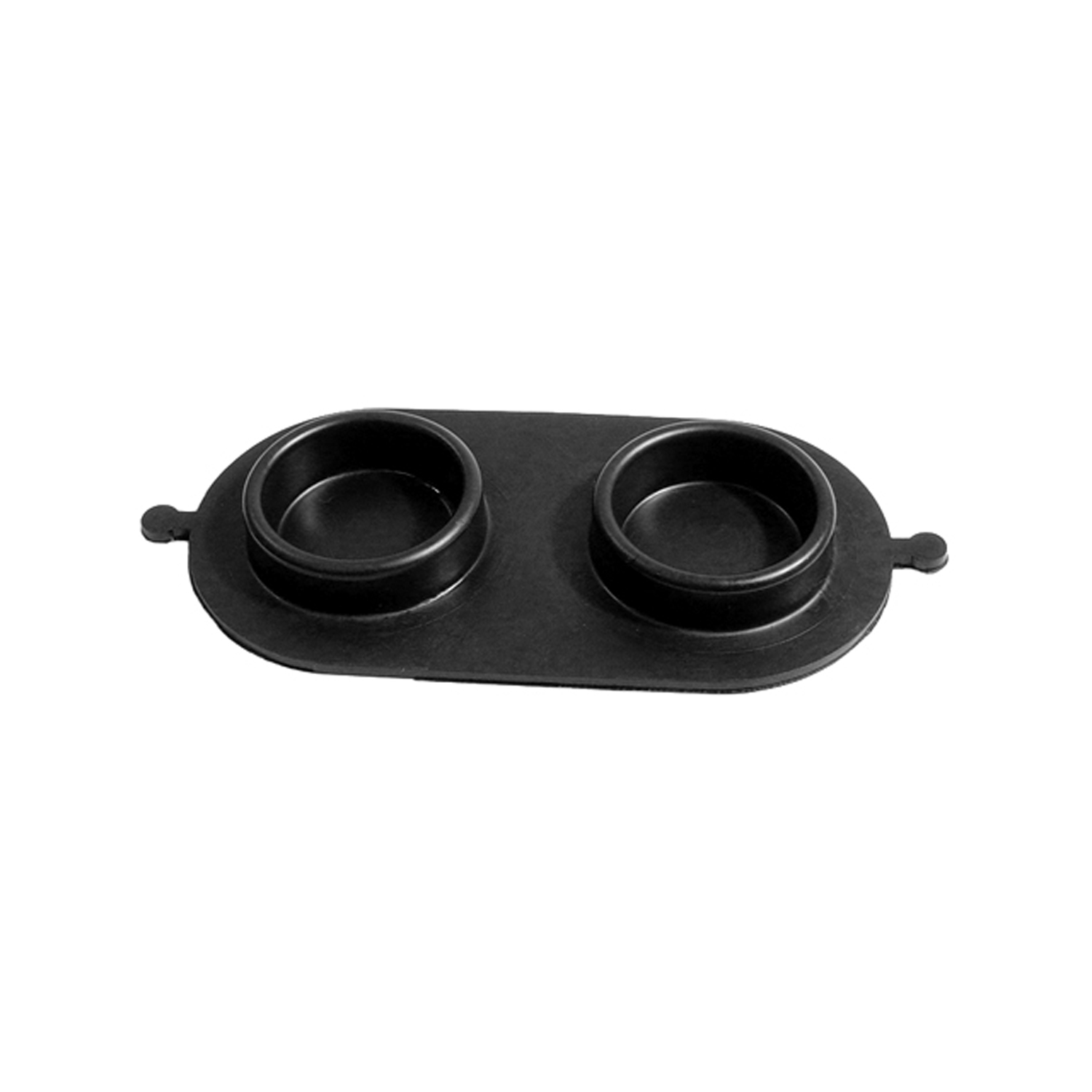 1972 Ford Gran Torino Brake Master Cylinder Cover Seal. Replaces OEM #C7AZ2167-A-RP 2-BBrake Master Cylinder Cover Seal. Replaces OEM #C7AZ2167-A. Each
Why Choose Metro?
For over 100 years, Metro Moulded Parts has been the pinnacle of quality in classic car restoration parts. Our commitment to precision and authenticity in every component ensures a perfect fit and an OEM-level appearance.
- Expert Craftsmanship & Quality: Each part is a testament to our dedication to reliability and perfection, crafted from original designs and thoroughly tested.
- Advanced Technology: We use cutting-edge techniques to create flawless, long-lasting parts that surpass others in performance.
- SuperSoft Sponge – The Ultimate Door Seal: Not only are our door seals 30% softer than competitors', but they're also guaranteed to never leak. They effectively reduce wind and road noise, enhancing your classic car's comfort and driving experience.
- Proudly American: Our parts are a product of American craftsmanship, made in the USA with a spirit of excellence and heritage.
- Unrivaled Warranty: We back our products with a 30-year industry-leading warranty, a testament to our confidence in their quality.
Join us in preserving the legacy of classic cars with parts that are crafted for perfection, not just made.