

Image of 1977 Ford Ranchero, Note: These illustrations use artistic license and may differ from actual historical models.
Performance Metrics
Fundamental Metrics
Emotional Appeal
MMP Rating
| Engine Specifications | |
|---|---|
| Engine: | 302 cu in (4.9 L) Windsor V8, 351 cu in (5.8 L) Windsor V8, 400 cu in (6.6 L) Cleveland V8 |
| Displacement: | 302-400 cu in |
| Horsepower: | 134-173 hp |
| Torque: | 247-315 lb-ft |
| Compression Ratio: | 8.4:1 - 8.5:1 |
| Ignition System: | Electronic Ignition |
| Cooling System: | Liquid-cooled |
| Performance Specifications | |
| 0-60 Time: | 10-12 seconds |
| 1/4 Mile Time: | 17-19 seconds |
| Top Speed: | 105-110 mph |
| Transmission and Drive | |
| Drive Type: | Rear-wheel drive |
| Transmission Type: | 3-speed automatic |
| Fuel and Efficiency | |
| Fuel System Type: | Carburetor |
| MPG: | 10-12 mpg |
| Dimensions and Brakes | |
| Brakes: | Front disc, rear drum |
| Wheelbase: | 118 inches |
| Weight: | 4,500 lbs |
Note: Specifications for classic cars are given to the best of our ability, considering the limited and variant data available.
1977 Ford Ranchero: A Car With a Truck’s Job
The 1977 Ford Ranchero could carry a sofa on Saturday and cruise like a full-size Ford on Sunday. That unusual mix was its whole appeal: a comfortable, front-engine, rear-wheel-drive coupe with an open cargo bed built into its body.
Ford introduced the Ranchero in 1957, creating a new kind of American vehicle that combined passenger-car styling with pickup usefulness. It arrived two years before Chevrolet’s El Camino and remained in production through 1979. The 1977 model belonged to the Ranchero’s final generation, which used the company’s intermediate-car underpinnings and shared much of its design language with Ford’s LTD II.
By the late 1970s, the Ranchero occupied a distinctive spot between a conventional pickup and a personal luxury car. It was easier to live with than many trucks, yet offered more hauling flexibility than a regular coupe. One especially appealing detail is that Ford continued to offer a sporty GT version even as fuel economy and emissions regulations were reshaping American performance cars.
Long Hood, Open Bed, Ford Style
The Ranchero’s shape is unmistakably late-1970s Ford. A long hood leads into a broad, squared-off grille, flanked by paired rectangular headlamps. The body has substantial fenders, a gently sloping roof, and a short, open cargo bed behind the two-seat passenger cabin. Its proportions make it look more like a car with a useful rear section than a pickup with a cab grafted on.
For 1977, the Ranchero shared its general styling era and platform family with the LTD II. The result was a substantial-looking vehicle with a wide stance and plenty of visual presence. Depending on trim and equipment, brightwork, wheel covers, sport wheels, and striping could give it anything from a more restrained touring-car appearance to a distinctly sporty look. The GT is the most recognizable enthusiast version, especially when equipped with bold exterior accents and period-correct wheels.
The Ranchero was offered as a two-door coupe utility, not as a range of cab and bed combinations like a conventional pickup. Buyers chose among trim levels and equipment packages instead. The lineup included a basic Ranchero, the better-appointed Ranchero 500, and the sport-oriented Ranchero GT. Availability and equipment could vary with engine choice and market.
A Comfortable Cabin for Two
Inside, the Ranchero feels more like a contemporary Ford passenger car than a work truck. The broad dashboard, generous seating area, carpeting, and available comfort features made it suited to commuting and longer trips. Depending on trim and options, buyers could choose vinyl or cloth upholstery, bench seating or sportier bucket seats, and details such as woodgrain-style trim or a center console.
Materials were typical of a mass-market American car of the period: durable vinyl and molded surfaces, with more decorative trim on better-equipped models. The cabin was not lavish by luxury-car standards, but it offered a more finished, carlike environment than many pickups. Options could include air conditioning, power steering, power brakes, an AM/FM radio, and cruise control. Exact equipment depended on the individual car’s order sheet.
Ford’s Duraspark electronic ignition was part of the technology story of the era, helping replace older ignition arrangements with a more modern system. The Ranchero also benefited from familiar, widely available Ford mechanical components, a practical advantage for owners maintaining one today.
Colors, Trims, and the GT Appeal
Ford offered the Ranchero in a broad palette of period colors, including solid and metallic finishes. Reds, blues, greens, browns, and neutral shades suited the decade’s tastes. Factory color names and availability varied, so a paint chart for the exact model year is the best reference when restoring a car. Today, vivid colors paired with contrasting stripes tend to draw attention at shows, while original, less common shades can be a point of interest for collectors.
Among the trims, the GT is often the enthusiast favorite. Its sportier presentation gave the Ranchero a more assertive personality without changing its basic dual-purpose formula. The 500 offered a middle ground for buyers who wanted more comfort and trim than the base model, while the standard Ranchero kept the focus on straightforward utility.
Why the Ranchero Mattered
The Ranchero helped establish the coupe utility as a credible alternative to a small pickup. Its basic idea was simple but influential: start with passenger-car comfort and road manners, then add an open cargo area for occasional hauling. That formula appealed to people who needed to carry tools, camping gear, garden supplies, or recreational equipment but did not want a full-size truck as their everyday vehicle.
By 1977, the concept was no longer new, and Chevrolet’s El Camino was its most familiar rival. The Ford stood out with its own styling, broad engine choices, and close relationship to Ford’s intermediate-car lineup. It was not intended to match a heavy-duty pickup’s payload or off-road ability. Instead, it offered a compromise that was comfortable, distinctive, and genuinely useful.
The Ranchero’s lasting influence is less about a specific mechanical breakthrough than about the appeal of the car-truck hybrid. It remains a memorable example of an era when American manufacturers were willing to build vehicles that did not fit neatly into one category. Ford ended Ranchero production after 1979, making the late models the final chapter of a nameplate that had started more than two decades earlier.
Engines, Speed, and Road Manners
Engine availability depended on trim, transmission, emissions requirements, and region. Common choices in this period included an inline-six and several V8s, with displacements generally ranging from the 250-cubic-inch six to V8 options such as the 302, 351M, and 400. Not every engine was available in every configuration. Many cars used an automatic transmission, which suited the Ranchero’s relaxed cruising character.
Performance varies considerably with engine, gearing, vehicle condition, and optional equipment. As a broad period-car estimate, a V8 Ranchero might reach 0 to 60 mph in roughly 9 to 13 seconds. A six-cylinder example would generally be slower. Top speed is also configuration-dependent, but approximately 105 to 115 mph is a reasonable estimate for a healthy V8 car. These are practical estimates rather than guaranteed factory figures, and a 1970s Ranchero was not designed as a high-speed sports car.
On the road, the Ranchero feels big, solid, and relaxed. Power steering, when fitted, makes parking and low-speed maneuvering easier. Its long wheelbase and car-based layout help it feel more composed on paved roads than many contemporary work pickups, while the rear suspension and open-bed design mean it can react differently when unloaded than when carrying cargo. Sharp bumps can still make themselves known, and a worn suspension can bring extra bounce or vague steering.
On a winding road, its size and weight are more apparent than in a compact coupe. It is best driven smoothly rather than hustled through corners. The V8’s low, familiar rumble and the automatic’s easy shifts are central to the experience. From the driver’s seat, the Ranchero feels like a comfortable old Ford with the added novelty of being able to load something bulky behind you.
Living With a 1977 Ranchero
Owners use Rancheros as weekend cruisers, show cars, light-duty haulers, and occasional daily drivers. They are well suited to local errands and relaxed road trips, and their open beds remain useful for projects that would be awkward in a conventional car. They are not substitutes for modern heavy-duty pickups, particularly when towing, payload, fuel economy, or safety technology matters.
Routine maintenance is straightforward for a mechanically capable owner. The engines and transmissions are from a period with abundant service knowledge, and many wear parts remain accessible through classic-Ford suppliers or general parts channels. Carburetor tuning, ignition service, brake work, and suspension repairs are familiar jobs to shops that handle older American cars.
Rust and trim condition deserve close attention before purchase. Inspect the bed and its seams, floors, lower body panels, wheel arches, frame, and areas around the windshield and rear window. Also check that doors close properly and that the bed structure has not suffered from years of heavy loads or poorly executed repairs. Mechanical parts are often easier to source than sound, model-specific body panels and interior pieces.
Ranchero Trivia and Common Complaints
The Ranchero beat the Chevrolet El Camino to market by two years, giving Ford an early lead in the American coupe-utility category. The 1977 model was not a record-setting performance machine; its appeal was versatility and style rather than speed or sales dominance. Production figures for individual Ranchero model years can vary among published references, but a reasonable estimate for 1977 is roughly 20,000 to 25,000 examples across trims. That makes it uncommon today without being an ultra-rare limited edition.
There is no widely recognized celebrity ownership story or major speed record that defines the 1977 model. Its claim to fame is more everyday and, in some ways, more charming: it offered an unusual blend of passenger-car comfort and open-bed practicality when that combination was still a distinctive choice.
Common criticisms include fuel consumption, the car’s considerable size, and the fact that its cargo capacity does not equal that of a conventional pickup. Like many vehicles from the period, it can also feel underpowered in some configurations, especially when emissions equipment, automatic transmission, and tall gearing are all in the mix. Rust, aging weather seals, and hard-to-find cosmetic pieces can be bigger ownership challenges than basic engine maintenance.
1977 Ford Ranchero Values and Collectibility
Values depend heavily on rust, originality, engine, trim, and workmanship. As a broad 2026 U.S. market estimate, a project Ranchero may sell for about $2,000 to $5,000. A running driver in fair-to-good condition might bring roughly $5,000 to $12,000. Clean, well-kept examples often fall around $12,000 to $22,000, while an excellent, highly original or professionally restored GT could reach approximately $25,000 to $35,000 or more in the right market.
These are general ranges, not appraisals. A rusty car with missing trim can be worth far less, while an exceptionally documented example may command a premium. The Ranchero is less common than many mass-produced Fords, but buyers can still find cars through classic-car listings, online auctions, and enthusiast groups. Condition and completeness matter more than chasing a particular engine badge.
Prices have generally benefited from growing interest in unusual 1970s vehicles, but the Ranchero remains a niche collectible rather than a blue-chip classic. The best examples have room to appreciate as clean survivors become harder to find. At the same time, restoration costs can exceed the value of an ordinary car, so a solid, complete example is usually the smarter purchase than a cheap but seriously rusty project.
The Lasting Appeal of the 1977 Ranchero
The 1977 Ford Ranchero is a distinctive piece of American automotive history: part coupe, part light hauler, and entirely comfortable being difficult to classify. Its late-1970s styling, V8 availability, passenger-car cabin, and practical open bed make it an appealing choice for collectors who want something different from the usual Mustang or pickup.
It will not replace a modern truck or outrun a modern sports car. Its charm lies in doing several ordinary jobs with unusual style. Park a clean Ranchero at a show and it is likely to prompt the same question it did in its day: “Is that a car or a truck?” The best answer is still both.
1977 Ford Ranchero Catalog of Parts
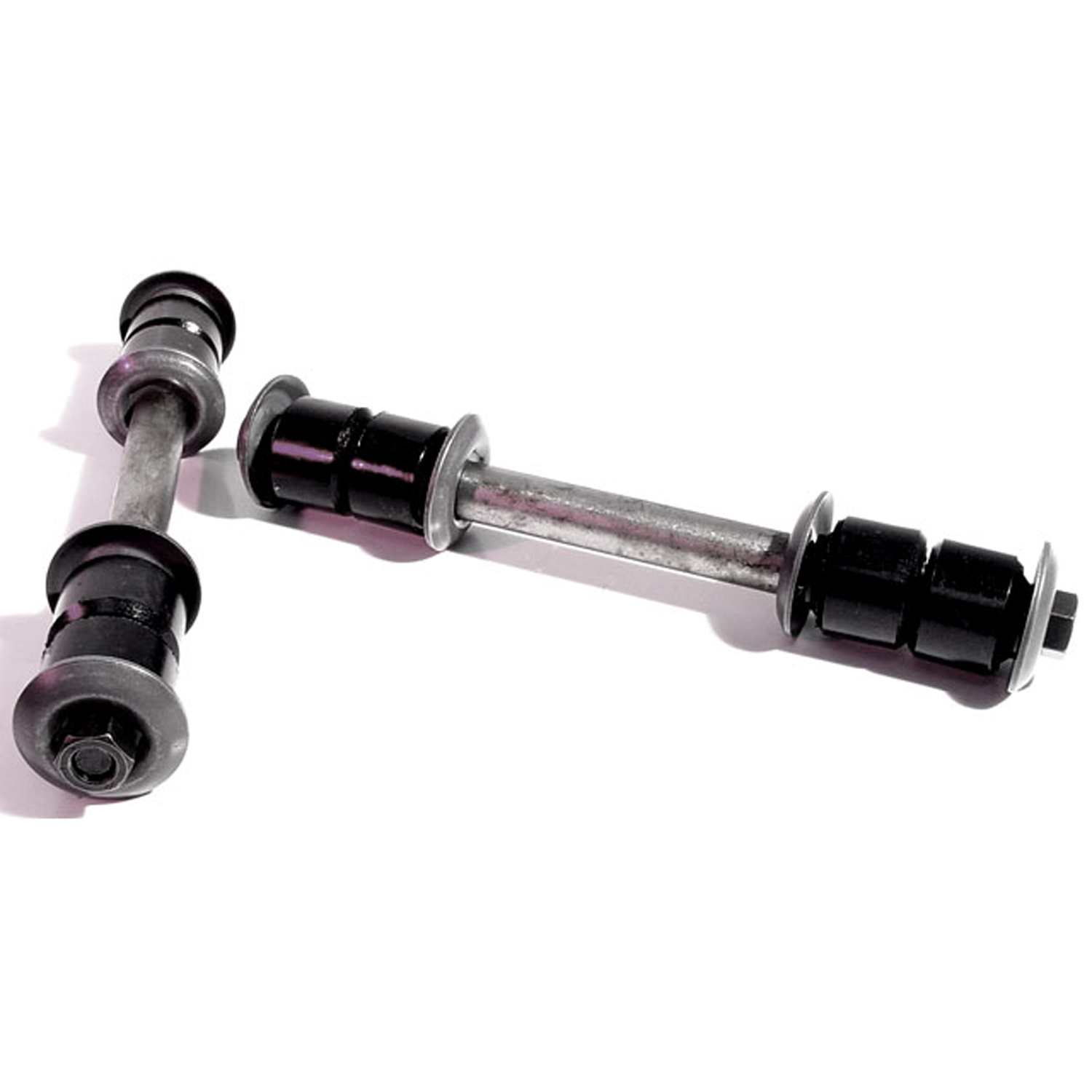 1977 Ford Ranchero Front Stabilizer End Repair Kit-BNK 21Front Stabilizer End Repair Kit. 22-piece set for two stabilizer bars. Contains all rubber bushings, washers, bolts and nuts, enough for one front end. Set
Why Choose Metro?
For over 100 years, Metro Moulded Parts has been the pinnacle of quality in classic car restoration parts. Our commitment to precision and authenticity in every component ensures a perfect fit and an OEM-level appearance.
- Expert Craftsmanship & Quality: Each part is a testament to our dedication to reliability and perfection, crafted from original designs and thoroughly tested.
- Advanced Technology: We use cutting-edge techniques to create flawless, long-lasting parts that surpass others in performance.
- SuperSoft Sponge – The Ultimate Door Seal: Not only are our door seals 30% softer than competitors', but they're also guaranteed to never leak. They effectively reduce wind and road noise, enhancing your classic car's comfort and driving experience.
- Proudly American: Our parts are a product of American craftsmanship, made in the USA with a spirit of excellence and heritage.
- Unrivaled Warranty: We back our products with a 30-year industry-leading warranty, a testament to our confidence in their quality.
Join us in preserving the legacy of classic cars with parts that are crafted for perfection, not just made.