
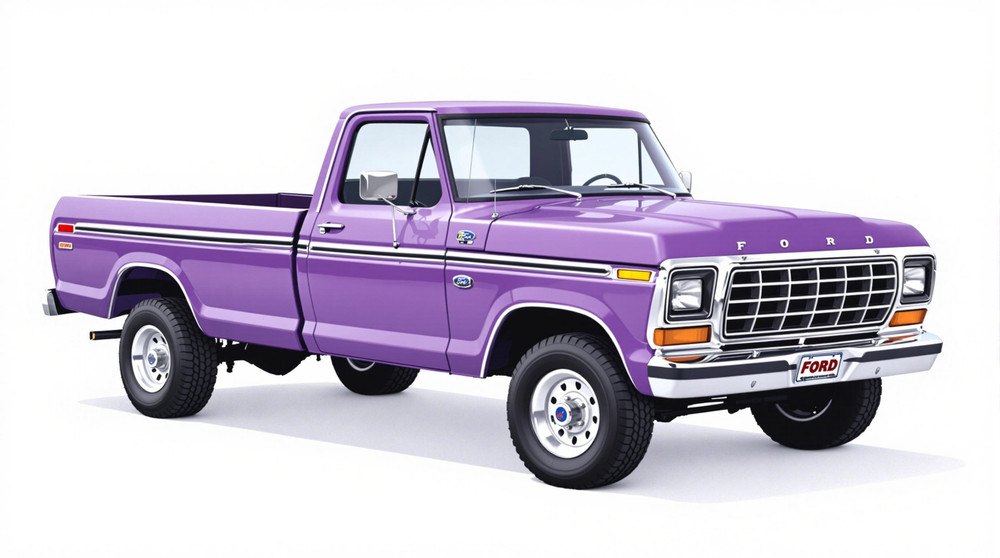
Image of 1979 Ford F-250, Note: These illustrations use artistic license and may differ from actual historical models.
Performance Metrics
Fundamental Metrics
Emotional Appeal
MMP Rating
| Engine Specifications | |
|---|---|
| Engine Options: | 4.9L 300 Cu. In. I6, 5.8L 351 Cu. In. V8, 6.6L 400 Cu. In. V8, 7.5L 460 Cu. In. V8 |
| Displacement Range: | 300-460 Cu. In. |
| Horsepower Range: | 114-225 HP |
| Torque: | 223-338 lb-ft |
| Compression Ratio: | 8.0:1 - 8.4:1 |
| Ignition System: | Conventional Distributor |
| Cooling System: | Liquid Cooled |
| Performance Specifications | |
| 0-60 Time: | Estimated 10-15 seconds |
| 1/4 Mile Time: | Estimated 18-22 seconds |
| Top Speed: | 85-95 mph |
| Transmission and Drive | |
| Drive Type: | Rear Wheel Drive (RWD) or Four Wheel Drive (4WD) |
| Transmission Type: | 3-Speed Automatic, 4-Speed Manual |
| Fuel and Efficiency | |
| Fuel System Type: | Carburetor |
| MPG: | Estimated 10-14 MPG |
| Dimensions and Brakes | |
| Brakes: | Front Disc / Rear Drum |
| Wheelbase: | 133 in (Regular Cab), 155 in (SuperCab) |
| Weight: | 4,500-5,500 lbs |
Note: Specifications for classic cars are given to the best of our ability, considering the limited and variant data available.
1979 Ford F-250: The Last of the Dentside Workhorses
The 1979 Ford F-250 is a full-size pickup with the stance of a work truck and the personality of a classic American road machine. Built by Ford Motor Company as part of the sixth-generation F-Series, it belongs to the family of pickups enthusiasts call “Dentsides,” a nickname inspired by the indented character line pressed into the body sides.
For 1979, the F-250 was in the final year of this generation, which had been introduced for 1973. It came from an era when trucks were expected to haul, tow, and work hard, but were increasingly being ordered with comfort and convenience features. One appealing twist in the model’s story is that this final-year truck sits at a transition point: it retains the old-school proportions and mechanical simplicity of the Dentside generation, just before Ford replaced it with a substantially redesigned F-Series for 1980.
Dentside Design and Cab Choices
The F-250 wears its size plainly. Its long hood, upright windshield, broad shoulders, and nearly vertical grille give it a purposeful, square-jawed look. The stamped side crease adds just enough shape to keep the large doors and fenders from appearing completely flat. Depending on trim and configuration, the front end could feature different grille and headlamp treatments, while brightwork, wheel designs, and badges helped distinguish more upscale versions from basic work trucks.
Buyers could choose a regular cab, an extended SuperCab, or a four-door Crew Cab, along with different bed and chassis configurations. Styleside beds, with conventional squared-off sides, are a familiar sight today. The more distinctive Flareside bed, with its separate rear fenders and narrower cargo box, has a particularly period-correct look. For many collectors, a four-wheel-drive SuperCab or regular-cab Styleside best captures the tough, practical character of the F-250.
The cabin was built for function rather than luxury. A wide bench seat, simple controls, durable vinyl upholstery, and a large, straightforward dashboard were common ingredients. Depending on equipment, buyers could add cloth trim, upgraded interior details, carpeting, air conditioning, power steering, and power brakes. Even a well-optioned example still feels unmistakably like a truck: the materials are robust, the switchgear is uncomplicated, and the driver sits high above the road.
Color choices varied by trim and order, with solid work-truck shades such as white, red, blue, and green joined by more decorative two-tone combinations. White and traditional Ford blues are especially recognizable, while bold reds and period two-tone paint tend to draw attention at shows. Exact availability depended on the paint code, trim package, and production order.
1979 Technology: Practical, Not Flashy
The F-250’s technology was aimed at making a heavy pickup usable. Two-wheel-drive models used Ford’s Twin I-Beam independent front suspension, a distinctive setup designed to provide a more controlled ride than a traditional solid front axle while retaining the durability expected of a truck. Four-wheel-drive versions used a solid front axle, a part-time four-wheel-drive system, and a transfer case suited to demanding work and rough terrain.
Engine and transmission choices varied by configuration, but the lineup included Ford’s 300-cubic-inch inline-six and several V8s, including 351M, 400, and 460-cubic-inch options. Availability depended on model, drivetrain, and equipment. Buyers could find manual transmissions, including heavy-duty four-speed units, as well as the C6 automatic. Power steering and power brakes were available, and front disc brakes were part of the truck’s braking equipment.
These were meaningful conveniences in a heavy pickup, but the F-250 was not packed with electronic systems. Its appeal today is partly the opposite: most of the important components are mechanical, understandable, and serviceable with familiar tools.
A Defining Heavy-Duty Ford
The F-250 occupied an important middle ground in Ford’s truck range. It was more substantial than a half-ton F-100 or F-150, with heavier-duty hardware intended for larger payloads and more demanding towing, yet it remained a conventional pickup rather than a specialized commercial truck. The model offered buyers a way to move from everyday pickup duty to serious work without stepping into a much larger vehicle.
The sixth-generation F-Series helped establish the visual language that many people still associate with classic Ford trucks: a broad grille, simple cab shape, strong horizontal lines, and a body that looked designed to be used. Its lasting influence is less about a single breakthrough feature and more about how effectively Ford balanced ruggedness, choice, and everyday usability. The F-Series would go on to become one of America’s most enduring truck nameplates, and the 1979 F-250 represents the end of one especially recognizable chapter.
It also differed from many contemporaries through the breadth of its configurations. A buyer could order a relatively plain work truck or a more comfortable, better-equipped pickup, then choose from multiple cab styles, beds, engines, and drivetrains. That flexibility helped make the F-Series useful to farmers, contractors, families, and recreational buyers alike.
Performance and Road Manners
Performance depends heavily on engine, axle ratio, transmission, cab, bed, and whether the truck is two- or four-wheel drive. The inline-six favors low-speed pulling and straightforward operation, while the larger V8s provide stronger acceleration and more relaxed performance under load. A 460-powered truck is the most forceful choice, but even that engine has to move a substantial vehicle.
There is no single reliable factory-style 0-to-60-mph figure that applies to every 1979 F-250. As a broad real-world estimate, a six-cylinder example may take around 20 seconds or more, while a V8 truck could fall roughly in the 14-to-20-second range depending on its setup and condition. A strong 460 with favorable gearing may be quicker, but a heavy four-wheel-drive truck with tall gearing can be slower. Top speed is similarly configuration-dependent; roughly 80 to 95 mph is a reasonable estimate for a healthy, unloaded example, though these trucks are much better suited to steady cruising than high-speed driving.
On the road, the F-250 feels substantial. The steering is slower and less precise than a modern pickup’s, and the tall body can lean in corners. Two-wheel-drive Twin I-Beam trucks have their own ride character, with suspension movement that can feel unusual on uneven pavement. Four-wheel-drive versions feel even more rugged, especially when unladen. Bumps, washboard roads, and broken pavement remind the driver that the suspension was designed with durability and load capacity in mind.
In crosswinds, the tall cab and broad body require attention, particularly with an empty bed. Add cargo or a trailer within the truck’s rated limits, and the chassis can feel more settled. From behind the wheel, the experience is tactile: a deep V8 rumble or steady six-cylinder growl, a large steering wheel, visible hood, and direct mechanical feedback. It is a truck to drive deliberately, not a modern crossover to pilot casually.
Living With a 1979 F-250
Today, F-250s serve as weekend drivers, tow rigs, farm and property trucks, restoration projects, and show vehicles. A clean original example can attract attention without needing a high-end custom build. Modified trucks are common too, especially examples with updated wheels, suspension, or a more modern engine and transmission.
Routine mechanical repairs are generally approachable for a capable home mechanic. The engines and transmissions are familiar, parts support remains strong, and the truck’s relatively simple systems are easier to diagnose than those in a modern vehicle. That does not mean every repair is easy: heavy-duty components can be physically demanding to handle, and decades of previous repairs may create surprises.
Rust is the major inspection priority. Check the cab corners, rocker panels, floorboards, bed, wheel arches, windshield area, and frame, paying close attention to repairs hidden beneath fresh paint or undercoating. Also inspect steering and suspension wear, brake condition, cooling-system health, electrical modifications, and four-wheel-drive operation. A solid, unmodified truck is often a better buy than a shiny example with structural corrosion underneath.
Fuel economy is a common complaint, particularly with the larger V8s, four-wheel drive, and low gearing. Ride quality, noise, and braking feel also fall short of modern standards. Those compromises are part of the truck’s character, but they matter if you plan to use one regularly in contemporary traffic.
F-250 Facts and Common Myths
“Dentside” is an enthusiast nickname, not an official Ford model designation. It refers to the body’s side indentation and is commonly used for the 1973-to-1979 generation. The 1979 model is especially appealing to collectors who want the final version of this body style, though it was not a separate limited-edition model simply because it was the last year.
Ford offered many combinations of engines, cabs, beds, and drivetrains, so surviving trucks can differ considerably from one another. Exact production totals for every F-250 configuration are not readily summarized in a single dependable public figure. A cautious order-of-magnitude estimate would put 1979 F-250 production in the tens of thousands to low hundreds of thousands, but that should be treated as a broad estimate, not an official count. The number of surviving examples in original, documented condition is much smaller.
The F-250 is not known for a specific land-speed record or a single endurance achievement. Its significance is more everyday: trucks like it became fixtures on farms, job sites, and highways across the country. Its most persistent criticisms are practical ones: thirsty engines, a firm ride when unloaded, dated handling, and the ever-present possibility of rust.
1979 Ford F-250 Values and Collectibility
Values vary widely with condition, originality, drivetrain, engine, cab style, and documentation. As a broad current-market guide, a project or rough-running truck might sell for about $5,000 to $12,000. A usable driver in decent condition may land around $12,000 to $25,000. A well-restored or unusually clean example can reach roughly $25,000 to $45,000, with exceptional, highly original, or especially desirable configurations occasionally exceeding that range.
These are estimates rather than guaranteed sale prices. A documented four-wheel-drive truck, a desirable V8, a Crew Cab, or a rare combination of factory options can command a premium, while structural rust or poor-quality modifications can sharply reduce value. Prices for classic pickups have generally strengthened over the long term, and the 1979 F-250 has benefited from renewed interest in vintage trucks. The best examples are appreciating assets in many markets, but ordinary drivers still trade according to condition and local demand.
Availability is fair: the F-Series was produced in large numbers, and 1979 trucks do appear in classifieds, auctions, and enthusiast groups. Finding one is easier than finding a rust-free, unmodified example with its original equipment and records. That distinction is what separates an inexpensive project from a sought-after collectible.
Why the 1979 F-250 Still Matters
The 1979 Ford F-250 combines classic Dentside styling, useful heavy-duty capability, and mechanical simplicity in a package that can still work for a living. Its range of engines and body styles made it adaptable in its day, while its final-year status gives it a special place among Ford truck enthusiasts.
It is not quick, quiet, or economical by modern standards. What it offers instead is presence, honest utility, and the satisfying sense that its parts were built to be understood and used. As the last of the Dentside F-250s, the 1979 model is more than an old pickup. It is a rolling piece of Ford truck history with enough grit left to earn its place on the road.
1979 Ford F-250 Catalog of Parts
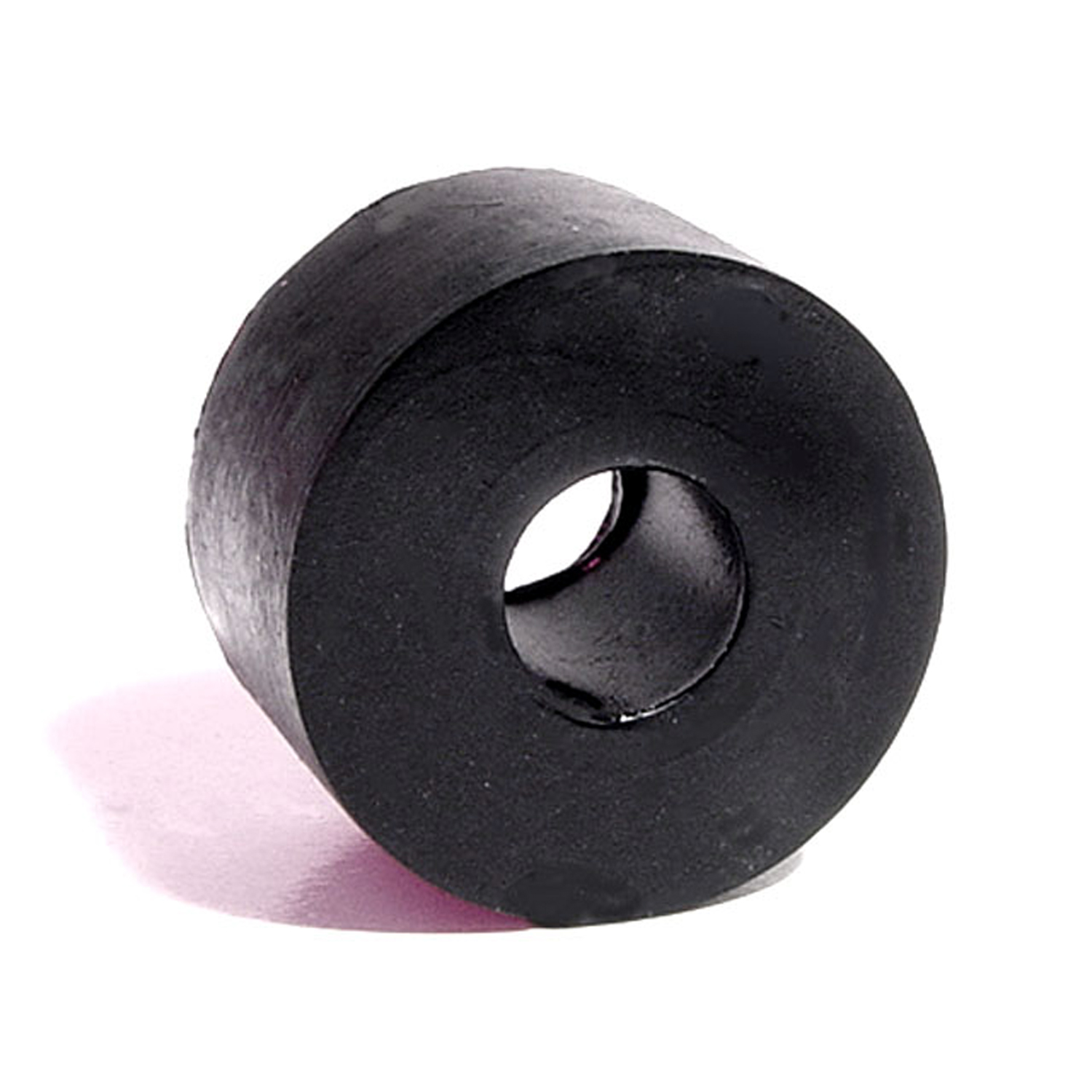 1979 Ford F-250 Shock Absorber Grommet. 1" bottom O.D-BN 6Shock Absorber Grommet. 1" bottom O.D. X 1/2" high, with 3/8" I.D. Each
 1979 Ford F-250 Brake Pedal Pad. 4-3/4" wide X 2-1/4" long-CB 111-NBrake Pedal Pad. 4-3/4" wide X 2-1/4" long. Replaces OEM #'s BC3Z2457B, D3TZ2457A, D3TZ2457B. Each
 1979 Ford F-250 Door seal. '73-'79 Ford F-Series trucks. '78-'79 Ford Bronco-LM 110-ADoor seal. '73-'79 Ford F-Series trucks. '78-'79 Ford Bronco. Fits on cab, either side. Each.
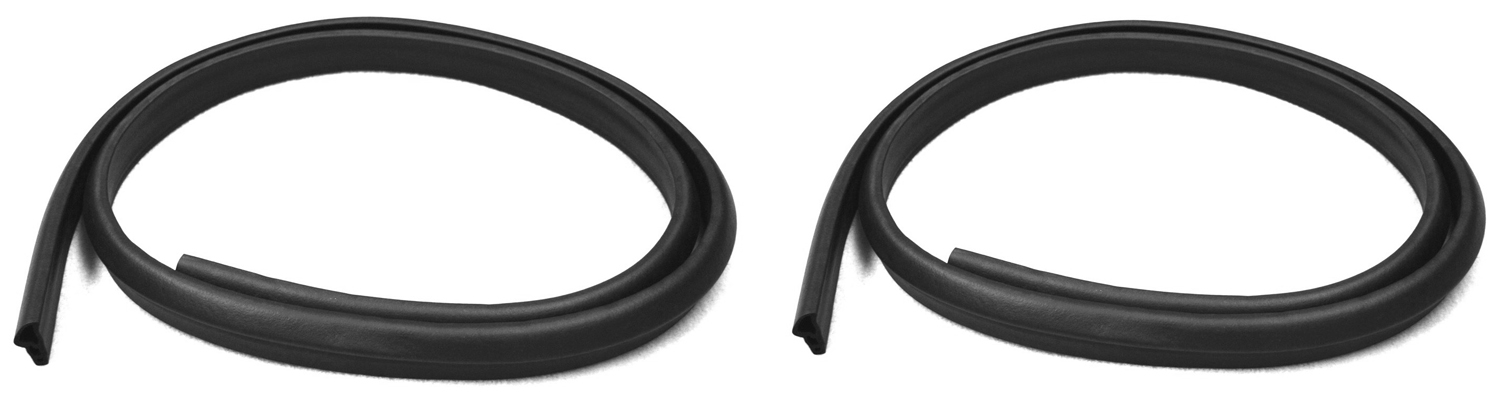 1979 Ford F-250 Upper Door Seal, 73-79 Ford Full Size Truck, 78-79 Ford Bronco, On Door, Pair-LM 110-AUThis auxiliary seal fits on the top portion of the door. It is primarily designed to reduce wind and road noise. It also provides added weatherseal protection and further cushions the door when it is shut closed. This part was stock on the 1978-1979 models but you can use them on any of the '73-'79 models specified.
 1979 Ford F-250 Windshield lockstrip seal, '77-'79 Ford F Series Truck / '78-'79 Ford Bronco-LS 1-AWindshield lockstrip seal, '77-'79 Ford F Series Truck / '78-'79 Ford Bronco, each.
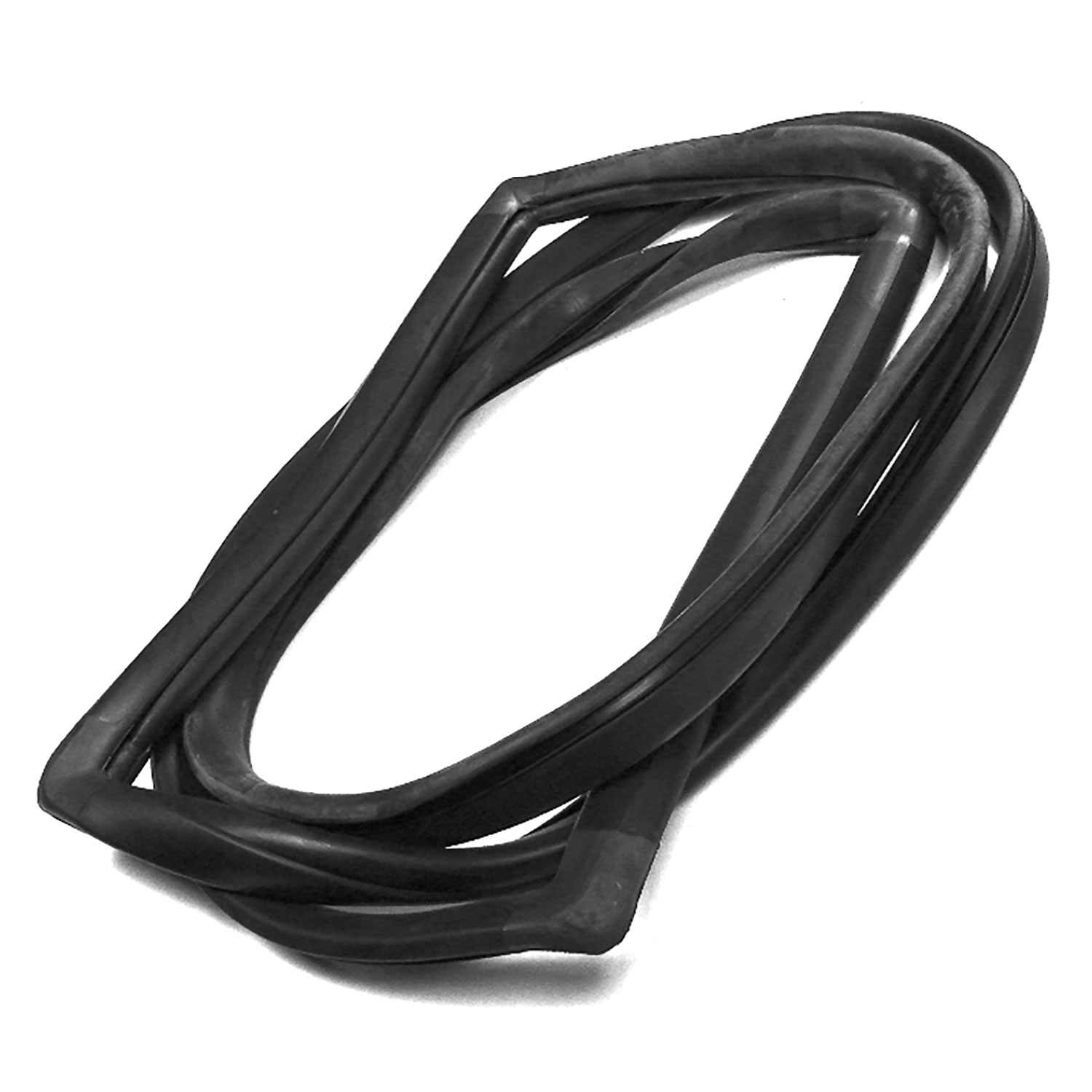 1979 Ford F-250 Windshield Seal, 67-79 Ford Full Size Truck, 78-79 Bronco, Without Trim Groove-VWS 3304-CThis windshield seal goes first on the glass and is installed using the rope-in method. This product is made from the original specs and with high quality ozone resistant EPDM rubber for a great fit and long life. This item is designed to be installed during glass replacement.
 1979 Ford F-250 Windshield seal, '77-'79 Ford F Series Truck / '78-'79 Ford Bronco-VWS 3304-FWindshield seal, '77-'79 Ford F Series Truck / '78-'79 Ford Bronco, with groove to accept trim, each.
 1979 Ford F-250 Rear window seal, '73-'79 Ford F Series Truck without trim groove-VWS 3304-RRear window seal, '73-'79 Ford F Series Truck without trim groove, each. Replaces OEM part # D3TZ-1042084-A.
Why Choose Metro?
For over 100 years, Metro Moulded Parts has been the pinnacle of quality in classic car restoration parts. Our commitment to precision and authenticity in every component ensures a perfect fit and an OEM-level appearance.
- Expert Craftsmanship & Quality: Each part is a testament to our dedication to reliability and perfection, crafted from original designs and thoroughly tested.
- Advanced Technology: We use cutting-edge techniques to create flawless, long-lasting parts that surpass others in performance.
- SuperSoft Sponge – The Ultimate Door Seal: Not only are our door seals 30% softer than competitors', but they're also guaranteed to never leak. They effectively reduce wind and road noise, enhancing your classic car's comfort and driving experience.
- Proudly American: Our parts are a product of American craftsmanship, made in the USA with a spirit of excellence and heritage.
- Unrivaled Warranty: We back our products with a 30-year industry-leading warranty, a testament to our confidence in their quality.
Join us in preserving the legacy of classic cars with parts that are crafted for perfection, not just made.