
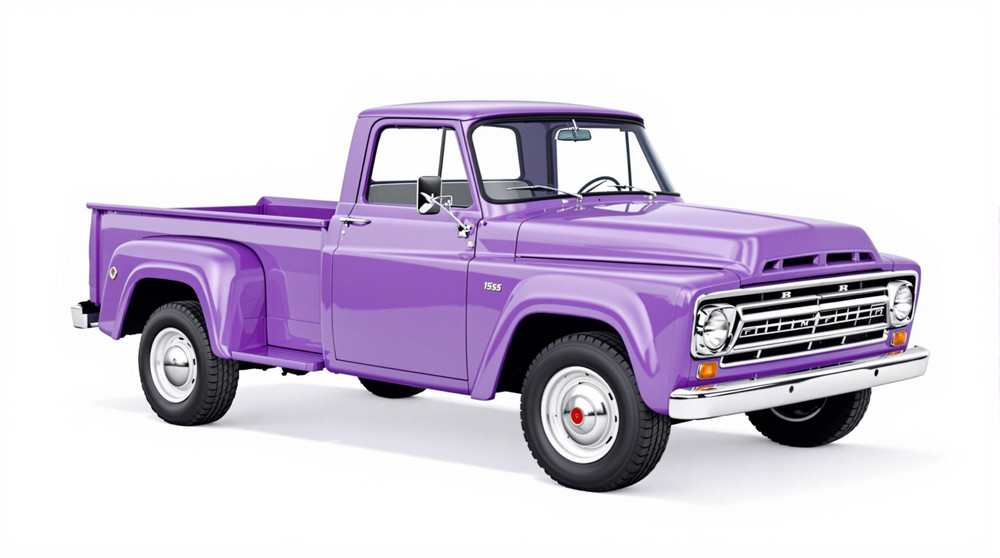
Image of 1969 International 1100d, Note: These illustrations use artistic license and may differ from actual historical models.
Performance Metrics
Fundamental Metrics
Emotional Appeal
MMP Rating
| Engine Specifications | |
|---|---|
| Engine: | International Harvester SV V8 |
| Displacement: | 304 cu in (5.0 L) |
| Horsepower: | 193 hp |
| Torque: | 283 lb-ft |
| Compression Ratio: | 8.5:1 |
| Ignition System: | Conventional breaker-point ignition system |
| Cooling System: | Liquid-cooled |
| Performance Specifications | |
| 0-60 Time: | Information not available |
| 1/4 Mile Time: | Information not available |
| Top Speed: | 85 mph |
| Transmission and Drive | |
| Drive Type: | Rear-wheel drive |
| Transmission Type: | 4-speed manual |
| Fuel and Efficiency | |
| Fuel System Type: | Carburetor |
| MPG: | 10-12 mpg |
| Dimensions and Brakes | |
| Brakes: | Drum brakes |
| Wheelbase: | 119 inches |
| Weight: | 4,500 lbs |
Note: Specifications for classic cars are given to the best of our ability, considering the limited and variant data available.
1969 International 1100D: A Hardworking Classic Pickup
The 1969 International 1100D looks ready for another day on the job, with a broad grille, upright cab, and the sturdy proportions of a truck built to earn its keep. It came from International Harvester, the American manufacturer whose roots ran through farm equipment, commercial vehicles, and trucks. The 1100D was a half-ton pickup in the company’s D-Series, a line that combined practical work-truck engineering with a distinctive alternative to the better-known pickups from Ford, Chevrolet, and Dodge.
The D-Series arrived for 1969 and remained in production through the mid-1970s. That timing placed the 1100D at the end of International’s long run as a major maker of light pickups. One intriguing piece of IH history sits just beyond this particular model: the company had introduced its Travelette crew-cab pickups years earlier, helping establish the factory-built four-door pickup as a useful format well before it became commonplace.
Distinctive D-Series Design
The 1100D wears a straightforward, upright design that favors visibility and utility over flashy ornament. Its wide front end, square-edged hood, simple horizontal grille, and prominent fenders give it a purposeful stance. Details vary by trim and equipment, but the overall look is unmistakably International: substantial, practical, and a little more industrial than the smoother-styled pickups of the era.
The cab is roomy by late-1960s work-truck standards, with a broad windshield and large windows that help the driver see the road and the truck’s corners. Inside, the emphasis is on function. Expect a durable painted-metal dashboard, straightforward gauges, a large steering wheel, and tough upholstery rather than luxury-car materials. Depending on how the truck was ordered, equipment could include a heater and defroster, radio, upgraded trim, and power steering or power brakes. The condition of those materials now depends heavily on decades of use, storage, and restoration.
International offered period colors in a range of practical and eye-catching shades, including whites, reds, blues, greens, and earthier tones. Exact names and availability depended on the model year and paint code. Red and white trucks are especially familiar sights today, but the more unusual factory colors can make a well-preserved example stand out at a show.
The 1100D name identifies the half-ton pickup series, not a single body style or trim package. Buyers could choose different bed lengths and equipment, while the broader D-Series family included other truck and passenger-vehicle configurations. Four-wheel drive was available on applicable pickups, though not every 1100D was equipped with it. When shopping, check the truck’s factory data and components rather than relying on badges alone, since decades of repairs and parts swaps are common.
Where the 1100D Fits in Truck History
The 1100D did not introduce a radical new pickup formula. Its significance is more grounded: it represents International Harvester’s effort to serve buyers who wanted a durable, adaptable truck from a company with deep experience in heavy equipment and agricultural machinery. While its competitors often had larger advertising budgets and broader dealer networks, IH built a loyal following among farmers, tradespeople, and fleet operators who valued straightforward construction and useful capability.
The D-Series also shows how varied the American pickup market was before the modern truck became a lifestyle vehicle. A pickup could be a farm tool, a daily work partner, or a family’s only vehicle. International’s long experience with specialized trucks, four-wheel-drive equipment, and configurations such as the Travelette helped give its light-truck range a distinctive identity. The 1100D remains a reminder that the industry’s history was not written by the Big Three alone.
Engine, Speed, and Road Manners
Engine and drivetrain combinations varied by year, market, and original order. Six-cylinder and V8 options were available across the D-Series range, with engine size and availability changing over the production run. Manual transmissions were common, and automatic transmissions were available on some configurations. For a specific truck, the engine tag, vehicle documentation, and physical inspection are more dependable than a generic model description.
Period factory performance figures for individual 1100D configurations are not consistently available, so modern speed and acceleration numbers should be treated as estimates, not official specifications. A typical stock truck might reach 0 to 60 mph in roughly 15 to 20 seconds, depending on its engine, gearing, transmission, load, and condition. A reasonable estimate for top speed is about 75 to 90 mph, although these trucks are far more comfortable cruising below that range. Tire condition, brakes, steering, and drivetrain health matter more than chasing a headline number.
On the road, the 1100D feels like a traditional body-on-frame pickup. Its suspension is built to carry a load, so an empty truck can bounce over sharp bumps and pavement joints. Add cargo and the ride often settles down, though the truck still feels firm compared with a modern pickup. On a winding road, expect slower steering response and more body movement than in a contemporary car. A four-wheel-drive version adds useful traction on loose or slippery surfaces, but it does not turn the truck into a modern off-road machine.
The driving experience is part of the appeal. The engine’s low, mechanical rumble comes through the cab, the steering wheel asks for more input than a modern power-assisted setup, and a manual gearbox keeps the driver involved. A healthy 1100D feels honest and uncomplicated. It is best enjoyed at a relaxed pace, with room to brake and time to appreciate the view over that long hood.
Living With an International Pickup
Today, 1100Ds serve as weekend drivers, farm and property trucks, restoration projects, and show vehicles. Some owners use them regularly, but many preserve them for local trips and events. Their simple mechanical layout can make routine work approachable for an owner with basic tools and experience, especially tasks such as tune-ups, fluid changes, and brake servicing.
Parts support is more specialized than it is for a comparable Ford or Chevrolet pickup. Wear items and general mechanical parts may be sourced through specialist suppliers, while model-specific trim, body panels, and interior pieces can take more patience to find. Before buying, inspect the frame, cab corners, floors, bed, suspension mounts, and areas around the windshield for rust or old repairs. Also check the brakes, steering, electrical system, and the availability of parts for the truck’s particular engine and transmission.
Reliability depends less on the badge than on maintenance and restoration quality. A carefully serviced truck can be dependable for hobby use, but age-related issues are inevitable. Electrical connections, cooling systems, fuel components, rubber parts, and brake lines deserve close attention. A truck that starts easily during a short test drive may still need substantial work before it is ready for regular use.
Facts, Myths, and Common Criticisms
The 1100D is not generally known for a special celebrity edition, a major speed record, or a single headline-making event. Its story is rooted in everyday work. International Harvester’s broader history includes the Travelette crew cab, a notable early factory four-door pickup design, but that feature should not be mistaken for a special 1100D package.
Exact production totals for the 1969 1100D are difficult to establish from commonly available model-specific records. A sensible estimate is that production ran into the thousands, with the full D-Series range built in much larger numbers over its several-year life. That is a broad estimate, not a verified factory count for one model year and configuration. The 1100D is uncommon compared with mass-market rivals, but it is not so scarce that a buyer will never find one.
Common criticisms are familiar to anyone considering an older work truck: the ride is firm, the cabin is noisy, fuel economy is modest, and specialty parts may be harder to locate than parts for a popular Chevrolet or Ford. Some drivers also find the steering and brakes heavy by modern standards. Those drawbacks are balanced by the truck’s character, practical layout, and relative mechanical simplicity.
Collector Values and Buying Outlook
Values vary widely with rust, originality, drivetrain, body style, and the quality of any restoration. As a broad current-market guide, a project truck might sell for about $4,000 to $8,000. A usable driver in decent condition may land around $10,000 to $20,000, while a very clean or well-restored example could bring roughly $25,000 to $45,000 or more. Exceptional, highly original, or particularly desirable four-wheel-drive trucks can exceed that range, especially when supported by documentation and a strong restoration.
The 1100D has benefited from growing interest in vintage pickups, but it remains less universally collected than its Chevrolet and Ford contemporaries. Prices have generally strengthened for clean, usable examples, while rough projects remain limited by restoration costs. The best long-term prospects belong to solid trucks with sound frames, correct components, and documented work. Paint and shiny accessories can be added; serious rust and missing model-specific parts are harder to fix.
Why the 1969 International 1100D Still Matters
The 1969 International 1100D is a straightforward half-ton pickup with a character all its own. Its practical design, work-focused engineering, and connection to International Harvester’s wider truck heritage make it more than an alternative badge on an old pickup. It may not offer modern comfort or easy parts sourcing, but that is not the point. For enthusiasts who value a distinctive classic truck with real working roots, the 1100D is a memorable piece of American automotive history.
1969 International 1100d Catalog of Parts
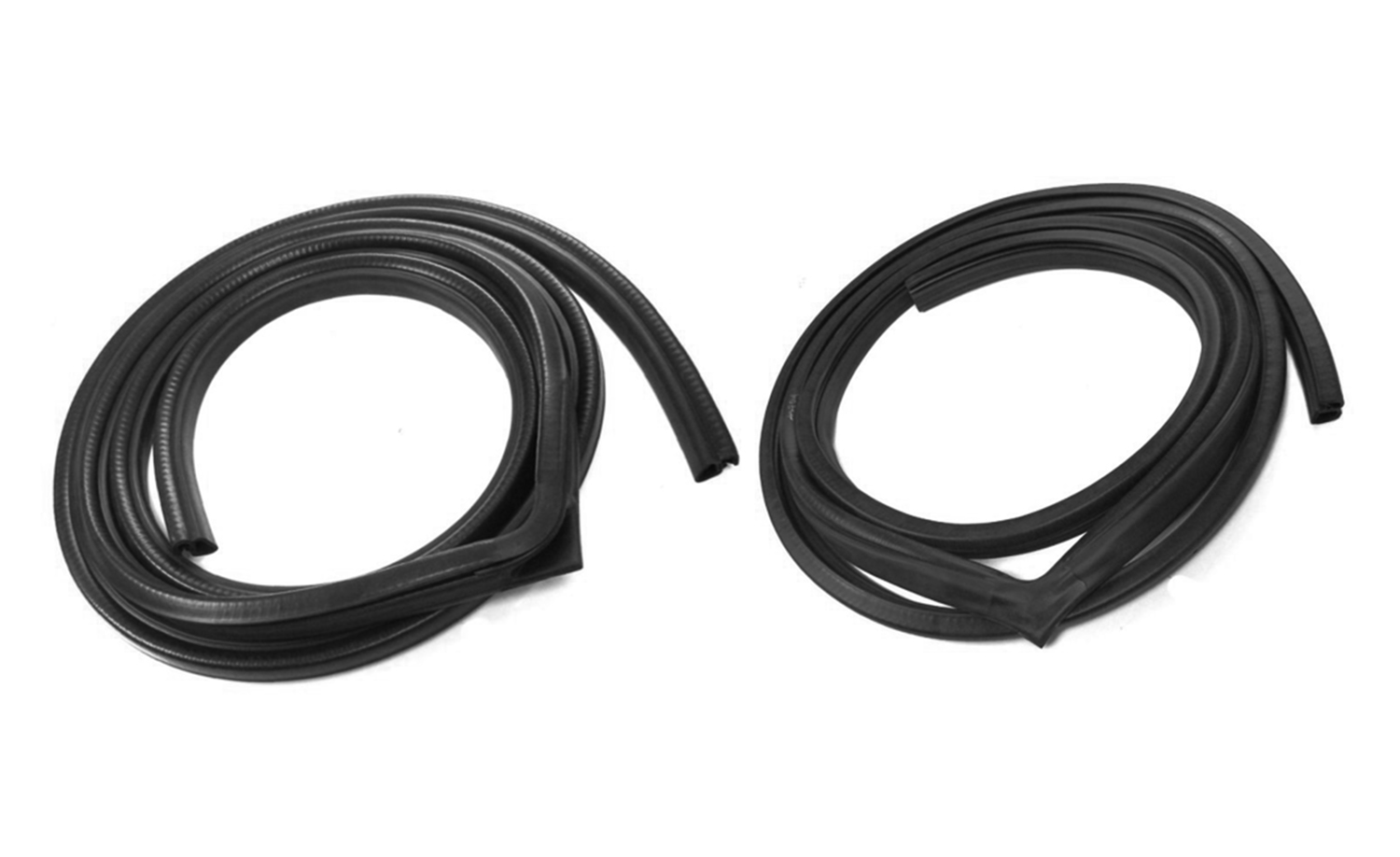 1969 International 1100D Door Seals, 69-75 IH Trucks, 75 Travelall, On Body, Pair-LM 98-TDoor Seals, 69-75 International Harvester Trucks, 75 International Harvester Travelall, On Body. Seals press on the pinchweld on the body. Pair fits both left and right hand sides.
Why Choose Metro?
For over 100 years, Metro Moulded Parts has been the pinnacle of quality in classic car restoration parts. Our commitment to precision and authenticity in every component ensures a perfect fit and an OEM-level appearance.
- Expert Craftsmanship & Quality: Each part is a testament to our dedication to reliability and perfection, crafted from original designs and thoroughly tested.
- Advanced Technology: We use cutting-edge techniques to create flawless, long-lasting parts that surpass others in performance.
- SuperSoft Sponge – The Ultimate Door Seal: Not only are our door seals 30% softer than competitors', but they're also guaranteed to never leak. They effectively reduce wind and road noise, enhancing your classic car's comfort and driving experience.
- Proudly American: Our parts are a product of American craftsmanship, made in the USA with a spirit of excellence and heritage.
- Unrivaled Warranty: We back our products with a 30-year industry-leading warranty, a testament to our confidence in their quality.
Join us in preserving the legacy of classic cars with parts that are crafted for perfection, not just made.