

Image of 1968 Mercedes-Benz 280se, Note: These illustrations use artistic license and may differ from actual historical models.
Performance Metrics
Fundamental Metrics
Emotional Appeal
MMP Rating
| Engine Specifications | |
|---|---|
| Engine: | Inline 6 |
| Displacement: | 2.8L |
| Horsepower: | 160 HP |
| Torque: | 180 lb-ft |
| Compression Ratio: | 9.5:1 |
| Ignition System: | Electronic Ignition |
| Cooling System: | Water-cooled |
| Performance Specifications | |
| 0-60 Time: | 10 seconds |
| 1/4 Mile Time: | 17 seconds |
| Top Speed: | 120 mph |
| Transmission and Drive | |
| Drive Type: | Rear Wheel Drive |
| Transmission Type: | 4-speed automatic or 4-speed manual |
| Fuel and Efficiency | |
| Fuel System Type: | Fuel Injection |
| MPG: | 15-20 MPG |
| Dimensions and Brakes | |
| Brakes: | Disc Brakes |
| Wheelbase: | 108.3 inches |
| Weight: | 3,400 lbs |
Note: Specifications for classic cars are given to the best of our ability, considering the limited and variant data available.
1968 Mercedes-Benz 280 SE: A Guide to the W108 Luxury Sedan
The 1968 Mercedes-Benz 280 SE made luxury feel less like a display of excess and more like a lesson in precision. Built by Daimler-Benz in Germany, it was part of the W108 generation, a line of full-size sedans designed to combine dignified styling with the durability and engineering Mercedes-Benz was known for. More than half a century later, the 280 SE remains a compelling classic: elegant without being fragile in appearance, and refined without losing its mechanical character.
The 280 SE arrived in 1967 as an update to the 250 SE, gaining a larger 2.8-liter engine. It occupied an appealing place in the Mercedes range: more powerful and better equipped than the six-cylinder 280 S, but distinct from the more expensive V8 models that followed. One useful point for shoppers is that “280 SE” can refer to more than one car. This guide focuses on the 1968 W108 four-door sedan. Mercedes also offered a 280 SE coupe and cabriolet on the related W111 chassis, which are different, much rarer, and generally far more expensive today.
W108 Styling and Cabin Craftsmanship
The W108 wears its authority quietly. Its long hood, upright grille, broad glasshouse, and balanced proportions make it unmistakably a Mercedes, while the restrained rear fenders avoid the prominent tailfins of some earlier models. The crisp body lines and substantial chrome bumpers lend the car formality, but the design never feels overloaded. The 280 SE looks at home outside a hotel, in a country driveway, or cruising a modern highway.
Inside, the emphasis is on comfort and longevity rather than fashion. The cabin is spacious, with generous seating and a wide dashboard laid out for clear, practical use. Depending on market and specification, upholstery could include durable MB-Tex, cloth, or leather. Polished wood trim, detailed switchgear, and well-finished fittings give the interior a warm, carefully assembled feel. A well-preserved example can still feel impressively solid, though cracked dash coverings, tired upholstery, and worn wood are common signs of age.
Mercedes offered the W108 in a broad range of paint colors that varied by year and market. Silver, white, black, dark blue, and subdued gray or brown shades are among the familiar choices seen today. Silver has a particularly strong association with the marque, while darker colors suit the car’s formal character. Original color matters to collectors, so a car repainted in a different shade may be less desirable than one retaining its factory finish.
Body Styles and Equipment
The 1968 W108 280 SE was a four-door sedan. Buyers could also choose a long-wheelbase 280 SEL, which offered extra rear-seat legroom, while the 280 S used a carbureted version of the six-cylinder engine and sat lower in the range. Automatic transmission was common, with a four-speed manual available in some markets. Equipment and trim varied, so buyers should check a specific car’s data card rather than assume every 280 SE left the factory identically equipped.
The 280 SE coupe and cabriolet deserve a separate mention. They shared the 2.8-liter name but were based on the W111, a related chassis with different bodywork and a more exclusive, hand-finished character. Their graceful pillarless rooflines and low production numbers make them icons in their own right. They are not simply two-door versions of the W108 sedan.
Engineering That Shaped the Mercedes Image
The W108 helped establish the template for the modern Mercedes-Benz luxury sedan: understated styling, a carefully engineered chassis, strong long-distance comfort, and a high priority on occupant protection. Mercedes-Benz safety engineer Béla Barényi had helped develop the company’s safety-cell and crumple-zone concepts, and the W108 belonged to the era when those ideas were becoming central to the brand’s identity. Its body structure was designed to manage crash forces, while its substantial construction contributed to the reassuring feel owners often describe.
The 280 SE also stood apart from many rivals through its combination of sophistication and restraint. Its fuel-injected engine, four-wheel disc brakes, and independent suspension brought serious engineering to a car intended for everyday road use. Mercedes did not rely on dramatic styling or a long list of novelty features to make its case. Instead, the W108 built its reputation on the impression that every component had been chosen to work well over many years.
That approach influenced the luxury-sedan formula that followed. Later Mercedes models became more powerful and electronically equipped, but the basic promise remained familiar: a comfortable, composed car designed to cover long distances with confidence.
280 SE Performance and Road Manners
Power comes from the M130, a 2,778 cc inline-six with Bosch mechanical fuel injection. Output is commonly quoted at about 160 horsepower, though published figures vary with market and rating standard. Torque is approximately 177 lb-ft. A four-speed automatic makes for relaxed progress, while manual examples offer a more involved connection to the engine.
Period figures and modern tests vary, but a healthy automatic sedan generally reaches 60 mph in roughly 10 to 11 seconds and can approach 115 to 120 mph under suitable conditions. Those numbers made the 280 SE brisk for a large luxury car of its time. Today, its appeal is less about outright speed and more about smooth, steady performance. The six-cylinder pulls with a measured growl, and the automatic transmission suits the car’s unhurried character.
On rough roads, the suspension filters out sharp impacts while keeping the body composed. The ride is supple, but the car is not a modern sports sedan: expect some body roll through tight corners and a relaxed response to quick steering inputs. On winding roads, a well-maintained example feels stable and predictable rather than nimble. At highway speed, it settles into a calm, substantial stride, with the engine turning over smoothly and the cabin designed for conversation.
Steering feel depends on specification and condition, but many cars have power steering that makes low-speed maneuvering easy. As with any nearly 60-year-old vehicle, worn suspension bushings, tired shocks, incorrect tires, or poor alignment can undermine the handling. A properly sorted 280 SE should feel composed, not loose or vague.
Living with a 1968 280 SE
Most owners use the 280 SE for weekend drives, classic-car events, and occasional longer trips. Some examples remain regular drivers, but using one daily requires a tolerance for vintage-car upkeep, fuel consumption, and the occasional parts hunt. It is a comfortable touring sedan, not a low-cost commuter.
Routine service is straightforward for a mechanic familiar with older Mercedes-Benz models. The fuel-injection system, however, is more complex than a carburetor and benefits from knowledgeable diagnosis. Before buying, inspect the injection equipment, cooling system, transmission behavior, brake hydraulics, electrical system, and suspension. Rust is a major concern. Check the floors, sills, wheel arches, trunk, and structural areas carefully, because skilled body repairs can cost far more than routine mechanical work.
Parts support is generally good for common service items, but trim, interior pieces, and model-specific details can be expensive or difficult to source. The average owner can manage basic maintenance, but a neglected car or a fuel-injection problem may call for a specialist. A detailed inspection before purchase is money well spent.
280 SE Facts and Misconceptions
The W108 280 SE is sometimes confused with the later 280 SE 3.5. The 3.5-liter V8 version arrived after the 1968 model year and is a distinct, more powerful variant. A 1968 280 SE sedan should have the 2.8-liter inline-six, unless the car has been modified or its identity needs closer verification.
The model is not chiefly remembered for a racing record or a headline-grabbing speed achievement. Its accomplishment was more everyday: it helped make Mercedes-Benz’s reputation for durable, long-distance luxury credible to owners around the world. W108 sedans served private buyers as well as business and official fleets, and their formal appearance made them a natural choice for professional use.
Common criticisms are predictable for a large 1960s luxury car. The 280 SE is thirsty by modern standards, heavy in tight spaces, and not especially quick by contemporary performance-car measures. Rust and deferred maintenance can turn an attractive bargain into an expensive restoration. The automatic transmission and soft suspension may also feel leisurely to drivers accustomed to newer cars.
Collector Values and Production
Production totals depend on exactly which body and engine version are being counted. A reasonable estimate for W108 280 SE sedans across the model’s full production run is roughly 90,000 cars, though that figure should not be mistaken for the number built in 1968 alone. Long-wheelbase models and later V8 versions are separate variants. The W111 280 SE coupe and cabriolet were made in much smaller numbers and belong to a different collector market.
As a broad U.S. market estimate for 2026, a W108 280 SE sedan needing substantial work might sell for about $8,000 to $20,000. A presentable driver commonly falls around $25,000 to $45,000, while an exceptionally restored or original example can reach approximately $50,000 to $75,000 or more. Condition, rust, originality, service history, and transmission all affect the price. W111 coupes and cabriolets can command far higher figures, so comparisons should be made carefully.
Values have generally strengthened for well-preserved classic Mercedes-Benz models, but the sedan market is less dramatic than the market for rare coupes and cabriolets. Exceptional cars are likely to remain desirable, while ordinary examples can fluctuate with restoration costs and broader collector-car demand. The best buying strategy is to choose the soundest, most complete car you can afford rather than paying a premium for a shiny exterior hiding structural or mechanical problems.
Why the 1968 280 SE Still Matters
The 1968 Mercedes-Benz 280 SE brings together the W108’s clean, formal design, a smooth fuel-injected six-cylinder engine, and the comfort of a true long-distance sedan. It was not built to chase racing trophies or turn every drive into a performance test. Its achievement was to make careful engineering, safety-minded construction, and understated luxury feel like parts of the same package.
For classic-car enthusiasts, that combination is the enduring appeal. A good 280 SE is a reminder that a luxury car can be both an elegant place to travel and a serious piece of engineering, built to make the miles feel effortless.
1968 Mercedes-Benz 280se Catalog of Parts
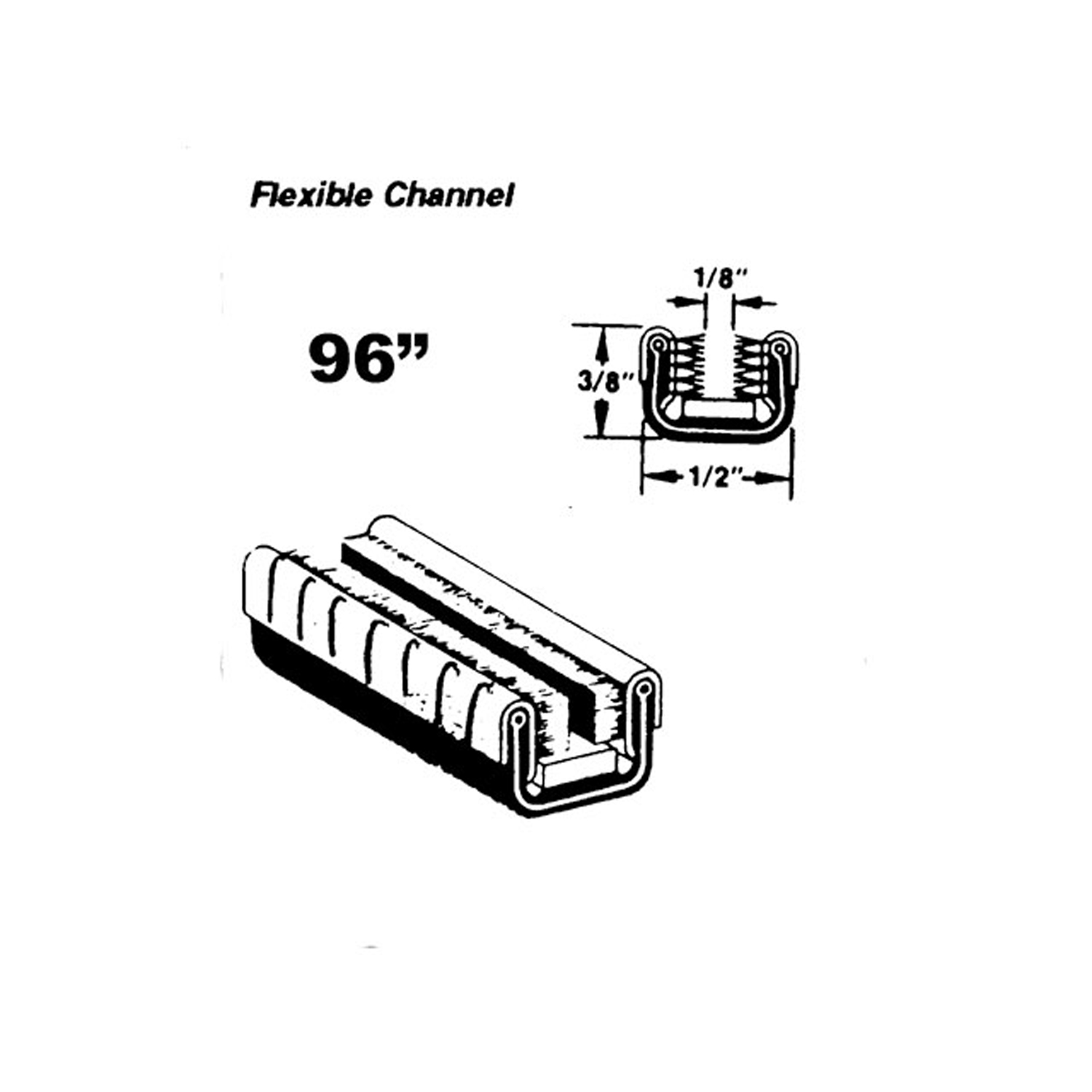 1968 Mercedes-Benz 280SE Flexible glass-run channel. Rubber covered and pile lined-WC 12-96Flexible glass-run channel. Rubber covered and pile lined. Unbeaded. 96 in. long. Each. NOTE: $20 special shipping charge applies for domestic orders. Call or email for overseas shipping costs. Part can be sectioned in two or three equal lengths to reduce overseas shipping costs.
Why Choose Metro?
For over 100 years, Metro Moulded Parts has been the pinnacle of quality in classic car restoration parts. Our commitment to precision and authenticity in every component ensures a perfect fit and an OEM-level appearance.
- Expert Craftsmanship & Quality: Each part is a testament to our dedication to reliability and perfection, crafted from original designs and thoroughly tested.
- Advanced Technology: We use cutting-edge techniques to create flawless, long-lasting parts that surpass others in performance.
- SuperSoft Sponge – The Ultimate Door Seal: Not only are our door seals 30% softer than competitors', but they're also guaranteed to never leak. They effectively reduce wind and road noise, enhancing your classic car's comfort and driving experience.
- Proudly American: Our parts are a product of American craftsmanship, made in the USA with a spirit of excellence and heritage.
- Unrivaled Warranty: We back our products with a 30-year industry-leading warranty, a testament to our confidence in their quality.
Join us in preserving the legacy of classic cars with parts that are crafted for perfection, not just made.