

Image of 1967 Pontiac Parisienne, Note: These illustrations use artistic license and may differ from actual historical models.
Performance Metrics
Fundamental Metrics
Emotional Appeal
MMP Rating
| Engine Specifications | |
|---|---|
| Engine Options: | 250 I6, 283 V8, 327 V8, 396 V8, 427 V8 |
| Displacement Range: | 250-427 cu in |
| Horsepower Range: | 155-385 hp |
| Torque: | 235-460 lb-ft |
| Compression Ratio: | 8.5:1 - 10.25:1 |
| Ignition System: | Conventional breaker-point ignition system |
| Cooling System: | Liquid-cooled |
| Performance Specifications | |
| 0-60 Time: | 8-10 seconds |
| 1/4 Mile Time: | 15-17 seconds |
| Top Speed: | 120-130 mph |
| Transmission and Drive | |
| Drive Type: | Rear-wheel drive |
| Transmission Type: | 3-speed manual, 4-speed manual, 2-speed automatic, 3-speed automatic |
| Fuel and Efficiency | |
| Fuel System Type: | Carburetor |
| MPG: | 10-15 mpg |
| Dimensions and Brakes | |
| Brakes: | Drum brakes |
| Wheelbase: | 119 inches |
| Weight: | 3,500-3,900 lbs |
Note: Specifications for classic cars are given to the best of our ability, considering the limited and variant data available.
1967 Pontiac Parisienne: Canada’s Full-Size Pontiac With a Chevrolet Heart
The 1967 Pontiac Parisienne paired bold Pontiac styling with the practical engineering of a Chevrolet, creating a full-size car that was distinctly Canadian in character. Built by General Motors of Canada, it offered the scale and comfort of an American-style cruiser, but used many Chevrolet components under the skin. That combination made the Parisienne both a compelling alternative to U.S.-market Pontiacs and a car that could be easier to service north of the border.
The Parisienne name had been part of Pontiac’s Canadian lineup since the late 1950s. By 1967, the model sat near the top of GM Canada’s full-size range, above more modest Canadian Pontiac offerings. Its Chevrolet-based mechanicals were not a compromise so much as a practical part of the Canadian auto industry, where sharing components helped manufacturers serve a smaller market efficiently. The result was a car with Pontiac presence and familiar Chevrolet hardware.
One detail that often surprises enthusiasts is that a Canadian-built Parisienne was not simply a U.S. Pontiac with a different badge. Its platform and many of its engines and driveline parts were closely related to full-size Chevrolets of the same year. That makes the 1967 Parisienne an especially interesting bridge between the two brands.
1967 Parisienne Styling and Body Styles
The Parisienne wore the confident, formal look that defined Pontiac’s full-size cars in the late 1960s. A divided grille gave the nose a strong Pontiac identity, while four headlamps, sculpted body sides and bright trim emphasized its width. The long hood and rear deck made the car look substantial even among other full-size American cars. Chrome was used generously, but the overall effect was more elegant than flashy.
Inside, the Parisienne was designed for comfortable long-distance travel. Depending on trim and equipment, buyers could get broad front and rear bench seats, patterned cloth or vinyl upholstery, carpeting, wood-tone accents and additional brightwork. The materials and finish varied by specification, but the cabin’s appeal was its space and relaxed layout rather than sports-car-style cockpit design. A front bench seat was common, while bucket seats and a floor console were available on sportier versions such as the Custom Sport.
GM Canada offered the Parisienne in several full-size body styles, including a two-door hardtop, four-door sedan, four-door hardtop, convertible and Safari station wagon. The two-door hardtop is among the most visually striking today, with its pillarless side profile and long, uninterrupted roofline. The convertible is another standout, though it is generally harder to find and can command a premium when well preserved.
Available paint colors varied by trim and production choices. Period palettes included shades such as white, black, red, blue, green and metallic finishes. Buyers often chose strong colors that suited the car’s expansive body, but exact names and availability depended on the paint chart and build. On today’s collector market, original color combinations can add appeal, particularly when paired with a well-preserved interior.
Features and Engineering for 1967
The Parisienne was built for comfort and everyday usability, not cutting-edge gadgetry. Its full-size chassis, coil-spring suspension and long wheelbase helped deliver a smooth ride. Depending on specification, buyers could add power steering, power brakes, air conditioning, a radio and other convenience equipment. Automatic transmission was a popular choice, while manual transmissions were available in some configurations.
Engine availability varied with body style, trim and Canadian-market specification. Common choices included Chevrolet-derived small-block V8s such as the 283 and 327 cubic-inch engines, with larger-displacement options available on certain versions. A buyer researching a specific car should verify its engine from the original documentation, engine stampings and Canadian production records rather than assuming it has the same powertrain as a U.S.-market Pontiac.
Safety equipment was also evolving quickly in the 1960s. The 1967 Parisienne benefited from period improvements such as an energy-absorbing steering column and a dual-circuit braking system, along with other equipment required or offered for the model year. Compared with modern cars, it remains a simple machine, but those updates show how quickly safety expectations were changing.
Why the Parisienne Mattered
The 1967 Parisienne illustrates how the Canadian auto industry adapted American designs to local production and demand. GM Canada could offer a Pontiac with distinctive styling while relying on Chevrolet-derived components and manufacturing commonality. For owners, that meant a recognizable Pontiac identity combined with mechanical parts shared across a wide range of GM vehicles.
That shared engineering is also part of the car’s lasting appeal. Restoration and repair can benefit from Chevrolet interchange, especially for driveline and chassis components, although body trim, interior pieces and Parisienne-specific details may be more difficult to source. The car’s identity is not just “a Chevrolet with Pontiac badges”: its styling, trim and Canadian-market history give it a character of its own.
Against rivals such as the Ford Galaxie and Chrysler’s full-size models, the Parisienne competed on room, ride comfort and V8 power. It was not a radical design or a technology leader, but it represented a successful balance of familiar engineering and brand-specific presentation. Today, its distinct Canadian heritage sets it apart from the more commonly recognized U.S. Pontiacs.
Performance, Ride and Road Manners
Performance depends heavily on the engine, transmission, axle ratio and vehicle condition. A 327-powered car with an automatic transmission would generally feel brisk enough for highway merging and relaxed cruising, while larger-engine versions could deliver stronger acceleration. As a broad period-style estimate, a healthy V8 Parisienne might run from 0 to 60 mph in roughly 8 to 11 seconds. Top speed could be in the neighborhood of 105 to 120 mph depending on specification, though these are estimates rather than a single official figure for every version.
The Parisienne’s long wheelbase and soft suspension are best appreciated on open roads. It glides over ordinary pavement imperfections, and the spacious cabin makes a long trip feel unhurried. On a winding road, however, its size and comfort-focused setup become obvious. Body lean is pronounced by modern standards, and steering response is less immediate than in a contemporary sports sedan. It rewards smooth inputs rather than quick direction changes.
Behind the wheel, the experience is classic full-size American motoring: a broad hood ahead, a generous bench seat, light steering if power-assisted and the steady rumble of a V8. The car feels substantial without needing to be driven aggressively. Owners should remember that period drum brakes, where fitted, and old tires do not provide modern stopping performance, so safe following distances matter.
Living With a 1967 Parisienne
Today, most Parisiennes are weekend cruisers, show cars or occasional-use classics. Some can still serve as regular drivers, particularly when they have been properly maintained and upgraded with sensible safety and reliability improvements. Their generous seating and trunk space make them natural road-trip cars, while the hardtop and convertible versions bring extra visual drama to local shows.
Routine mechanical work is usually approachable for an experienced home mechanic. Chevrolet-based engines and many drivetrain parts are familiar to classic GM specialists, and common service items are often easier to locate than Parisienne-specific trim. The harder jobs are frequently cosmetic: finding correct emblems, brightwork, interior pieces, glass or model-specific body details can take patience.
Rust is a major inspection concern. Check the floors, body mounts, trunk, lower fenders, rocker panels and frame, especially on cars that spent decades in a cold or wet climate. Also inspect the cooling system, steering and suspension components, brake lines and automatic transmission. A well-kept example can be dependable for occasional use, but age-related repairs should be expected.
Parisienne Trivia and Common Criticisms
The Parisienne’s most notable piece of trivia is its unusual brand combination: Pontiac styling with Chevrolet-based mechanicals. That arrangement was part of GM Canada’s broader approach to building cars for its market, and it can make the model especially appealing to enthusiasts who enjoy cross-brand GM history.
There is no widely recognized 1967 Parisienne speed or endurance record, and production figures broken down by every body style and engine are not consistently available in commonly cited sources. Nor is there a single famous celebrity-owned example that defines the model’s history. Its appeal rests more on its Canadian identity and elegant full-size presence than on a racing résumé or celebrity connection.
Common criticisms are straightforward. The car is large, heavy and thirsty by modern standards, and its handling and braking feel dated beside a contemporary vehicle. Fuel consumption can be substantial, especially with a big-block engine or frequent stop-and-go driving. Some owners also find that the car-specific trim and interior parts take more effort to source than shared mechanical components.
Collector Values and Rarity
The 1967 Parisienne is uncommon outside Canada, but it is not necessarily rare in the sense of being a limited-production special. Exact production totals by trim and body style are difficult to confirm from widely available records. As a cautious estimate, total 1967 Parisienne production was likely in the tens of thousands, perhaps roughly 20,000 to 40,000 cars across the range. That is a broad estimate, not a verified factory total, and individual body styles such as convertibles are considerably less common than sedans.
In the current collector market, condition, originality, body style and documentation have the biggest effect on price. As a general estimate in U.S. dollars, a project car may sell for around $5,000 to $12,000, a usable driver might fall in the $12,000 to $25,000 range, and a clean, well-restored example could bring approximately $25,000 to $45,000 or more. A particularly desirable convertible or exceptional show-quality car may exceed that range. Local market, currency and recent sales can shift these figures considerably.
Values have generally strengthened as interest in Canadian-market classics and less-common GM models has grown, but the Parisienne remains more affordable than many celebrated U.S. muscle cars. Its market is selective: an attractive, documented car can draw strong interest, while a rusty or incomplete example may be costly to restore. Originality and a clear record of Canadian-market provenance can help a car stand out.
Why the 1967 Pontiac Parisienne Still Stands Out
The 1967 Pontiac Parisienne combines graceful full-size styling, a comfortable interior and familiar Chevrolet-based mechanicals in a package with a genuinely Canadian story. It was not a race-bred icon or a technological revolution, but it captured an era when big cars were built to make distance feel easy and every drive feel substantial.
For collectors, the Parisienne offers something beyond chrome and V8 sound: a distinctive chapter in North American automotive history. Find a solid example, give it the care its age deserves, and this Canadian Pontiac can still turn an ordinary cruise into a memorable one.
1967 Pontiac Parisienne Catalog of Parts
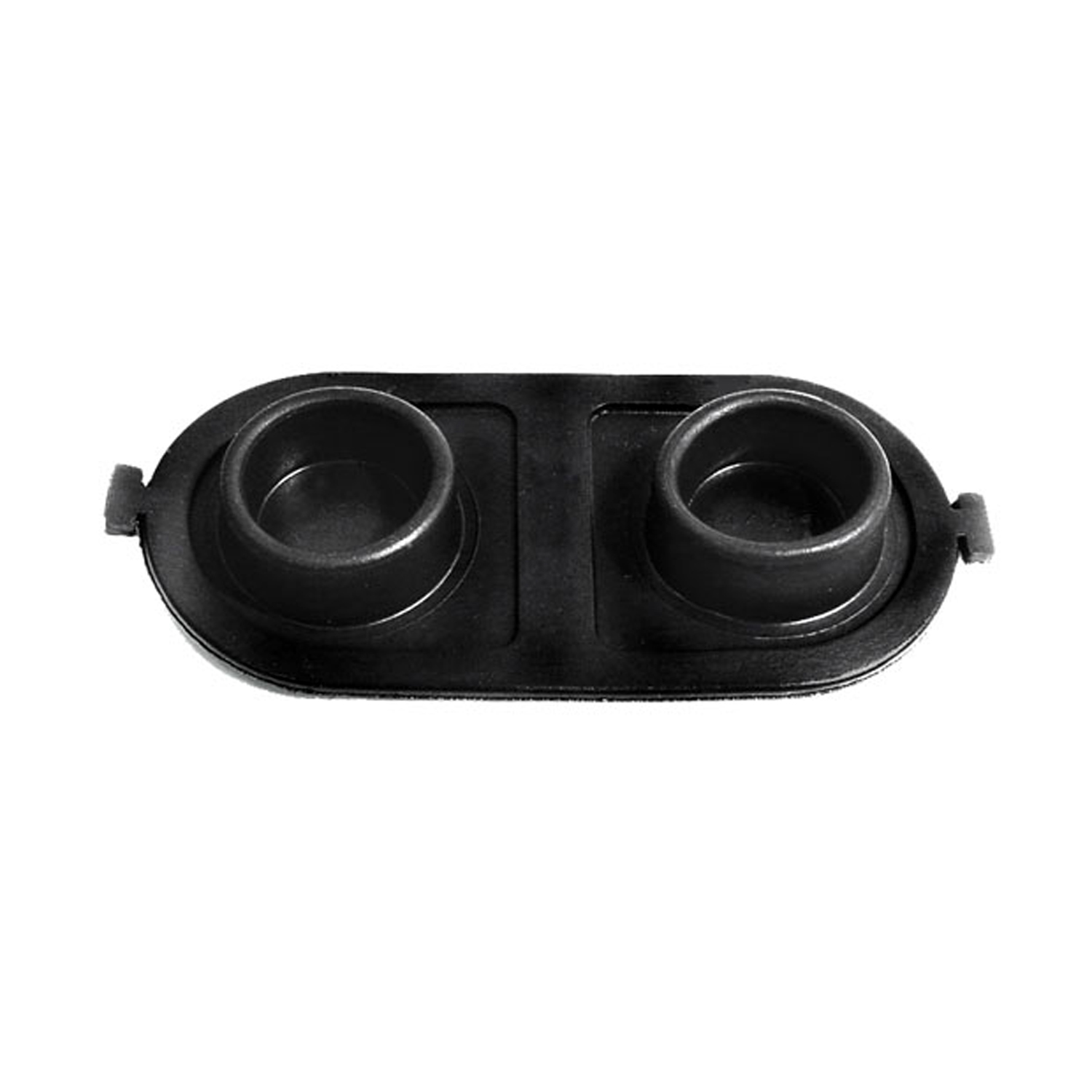 1967 Pontiac Parisienne Brake Master Cylinder Cover Seal. Replaces OEM #5470861-RP 2-EBrake Master Cylinder Cover Seal. Replaces OEM #5470861. 5" X 2-1/2". Each
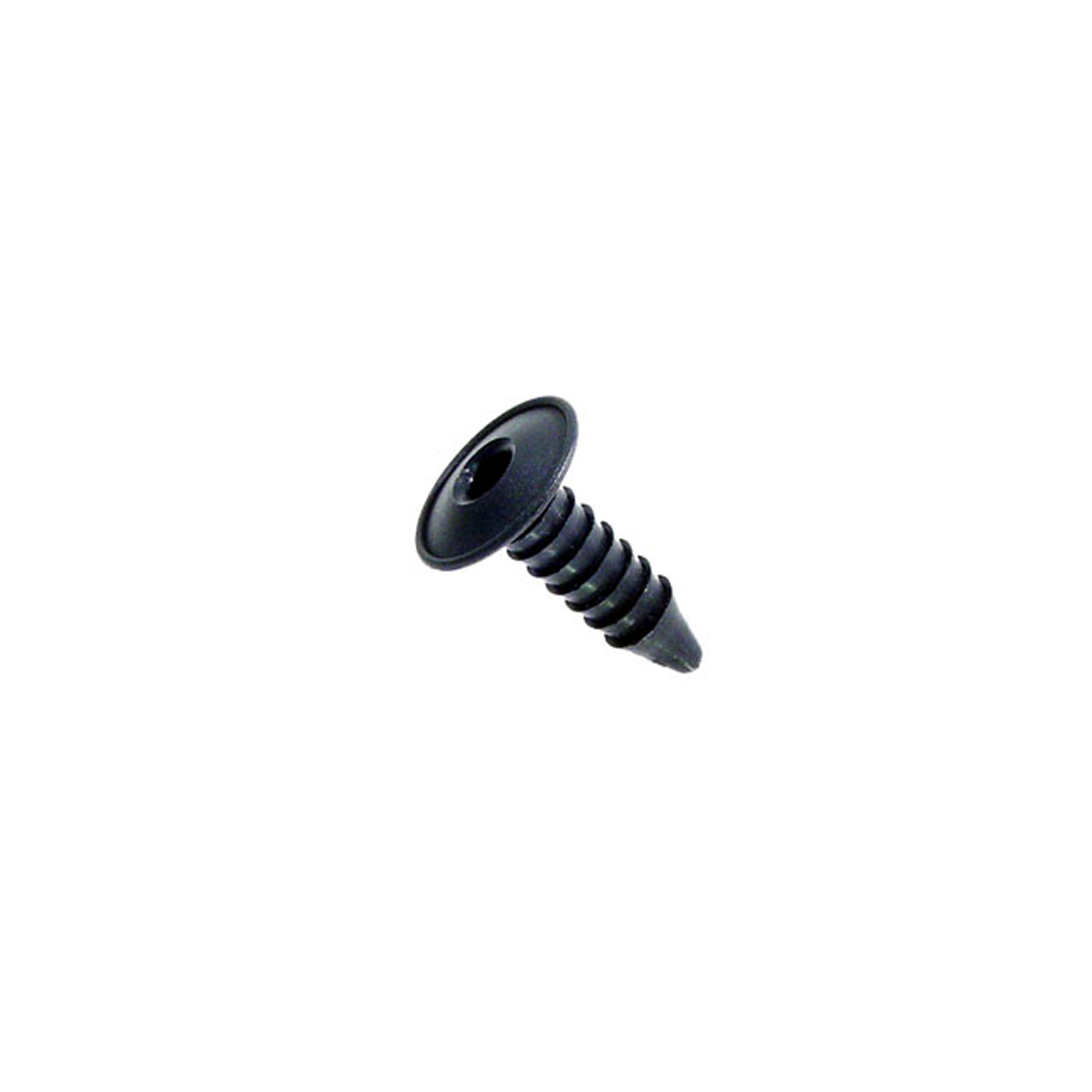 1967 Pontiac Parisienne Firewall insulation fastener. 1 in. dia. W head. 1-1/2 in. L-SM 80-AFirewall insulation fastener. 1 in. dia. W head. 1-1/2 in. L. Replaces OEM#'s (GM) 7642589 and (AMC) 4001934. Black. Each.
Why Choose Metro?
For over 100 years, Metro Moulded Parts has been the pinnacle of quality in classic car restoration parts. Our commitment to precision and authenticity in every component ensures a perfect fit and an OEM-level appearance.
- Expert Craftsmanship & Quality: Each part is a testament to our dedication to reliability and perfection, crafted from original designs and thoroughly tested.
- Advanced Technology: We use cutting-edge techniques to create flawless, long-lasting parts that surpass others in performance.
- SuperSoft Sponge – The Ultimate Door Seal: Not only are our door seals 30% softer than competitors', but they're also guaranteed to never leak. They effectively reduce wind and road noise, enhancing your classic car's comfort and driving experience.
- Proudly American: Our parts are a product of American craftsmanship, made in the USA with a spirit of excellence and heritage.
- Unrivaled Warranty: We back our products with a 30-year industry-leading warranty, a testament to our confidence in their quality.
Join us in preserving the legacy of classic cars with parts that are crafted for perfection, not just made.