
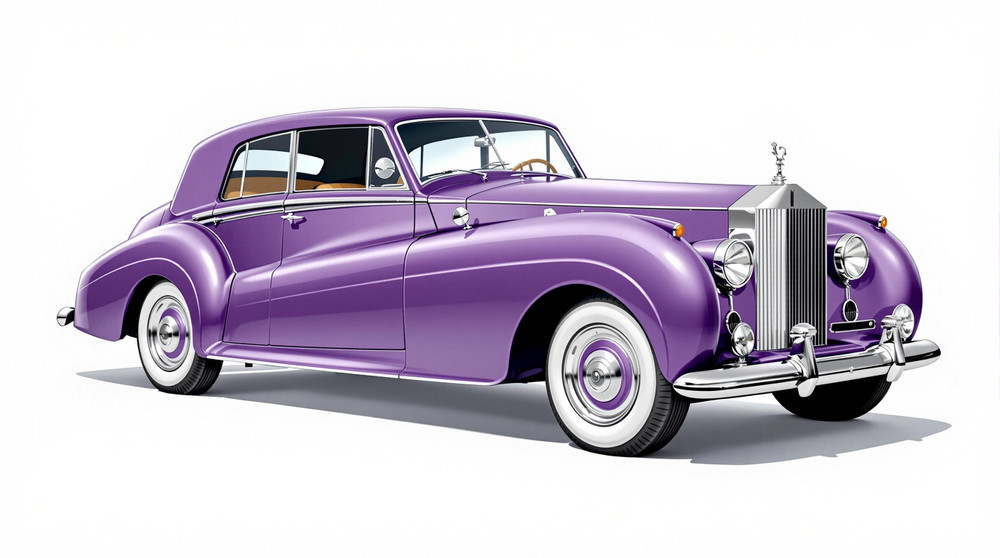
Image of 1953 Rolls-Royce Silver Wraith, Note: These illustrations use artistic license and may differ from actual historical models.
Performance Metrics
Fundamental Metrics
Emotional Appeal
MMP Rating
| Engine Specifications | |
|---|---|
| Engine: | Inline 6 |
| Displacement: | 4.6L - 4.9L |
| Horsepower: | Estimated 130 - 150 HP |
| Torque: | Not available |
| Compression Ratio: | Not available |
| Ignition System: | Coil ignition |
| Cooling System: | Water-cooled |
| Performance Specifications | |
| 0-60 Time: | Not available |
| 1/4 Mile Time: | Not available |
| Top Speed: | Estimated 100 mph |
| Transmission and Drive | |
| Drive Type: | Rear-wheel drive |
| Transmission Type: | 4-speed manual |
| Fuel and Efficiency | |
| Fuel System Type: | Carburetor |
| MPG: | Not available |
| Dimensions and Brakes | |
| Brakes: | Drum brakes |
| Wheelbase: | 127 in (3226 mm) for short wheelbase, 133 in (3378 mm) for long wheelbase |
| Weight: | 4300 lbs |
Note: Specifications for classic cars are given to the best of our ability, considering the limited and variant data available.
1953 Rolls-Royce Silver Wraith: A Hand-Built Postwar Icon
The 1953 Rolls-Royce Silver Wraith was less a finished car than a rolling invitation to commission one. Rolls-Royce supplied the carefully engineered chassis and drivetrain, then independent coachbuilders shaped the body to suit each buyer. The result could be a dignified limousine, a formal saloon or a more individual touring car, all carrying the same unmistakable Rolls-Royce presence.
Introduced in 1946, the Silver Wraith was Rolls-Royce’s first new postwar model. It served customers who wanted an exceptionally refined car but did not need the greater size and expense of the flagship Phantom IV. The name also carried a touch of ceremony: “Silver” recalled the celebrated Silver Ghost, while “Wraith” suggested something quiet and almost otherworldly.
One detail that makes the Silver Wraith especially interesting is that no two examples need be quite alike. Buyers selected a coachbuilder and could specify details of the body, cabin and finish. A 1953 Silver Wraith is therefore both a Rolls-Royce and a record of the personal taste of its first owner.
Formal Lines and Coachbuilt Craft
The Silver Wraith’s long bonnet, upright grille and prominent Spirit of Ecstasy ornament gave it the classic Rolls-Royce profile. Separate front wings flowed back toward running boards, while large, dignified headlamps and a tall glasshouse suited the formal coachwork commonly fitted to the chassis. Its proportions varied with the body, but the overall effect was stately rather than sporty.
Rolls-Royce sold the Silver Wraith as a chassis, not as a complete, factory-bodied car. Buyers could choose work from respected firms including H.J. Mulliner, Park Ward, Hooper, James Young and Freestone & Webb. Limousines and formal saloons were among the most familiar configurations, while touring limousines, landaulettes and other specialist bodies offered more specific combinations of privacy, passenger space and open-air motoring. Short- and long-wheelbase chassis were available, with the longer version particularly suited to chauffeur-driven cars.
Inside, the coachbuilder’s workmanship mattered as much as the mechanical specification. Cabins could feature thick Connolly leather, wool broadcloth, polished wood veneers, deep carpets and carefully fitted door trim. Rear compartments in limousine versions might include folding occasional seats, privacy glass and controls for the passengers. These were hand-finished interiors, not interchangeable trim packages.
Paint was generally a matter of individual order rather than a short mass-market color list. Dark formal shades such as black, deep blue, burgundy and green suited the car’s ceremonial character, while two-tone schemes could emphasize a coachbuilt body’s lines. The exact colors and materials depended on the commission, and original specification can add considerable interest for collectors.
Engineering for Quiet Confidence
A typical 1953 Silver Wraith used Rolls-Royce’s 4,566 cc inline-six engine, an enlarged development of the company’s postwar six-cylinder unit. It used an overhead-inlet, side-exhaust valve arrangement, often called an F-head design. Rolls-Royce did not promote the car with a conventional horsepower figure. Instead, the company’s famous description of its power as “adequate” captured its priorities: smoothness, flexibility and quiet progress mattered more than headline numbers.
A four-speed manual gearbox was standard on many cars, and an automatic transmission was available on later Silver Wraiths, depending on the individual chassis and market. The car also benefited from independent front suspension, a significant contributor to its composed ride. Its chassis was engineered to carry a substantial custom body, so the finished weight and character could differ noticeably from one example to another.
The Silver Wraith was not a technology showcase in the modern sense. Its innovation lay in the integration of careful engineering, precision construction and coachbuilt customization. The chassis gave coachbuilders a high-quality foundation, while Rolls-Royce’s emphasis on refinement made the car suitable for long journeys and chauffeur service.
Performance and the Driving Experience
Performance figures vary with body style, gearing, condition and the source of the estimate. A healthy 1953 Silver Wraith is generally credited with a top speed in the vicinity of 90 to 100 mph. A 0-to-60 mph time is commonly estimated at roughly 18 to 20 seconds, though a heavy limousine may be slower than a lighter saloon. These are period-luxury-car figures, not modern test results, and Rolls-Royce itself did not treat acceleration as the car’s selling point.
On the road, the engine’s character is one of quiet reserve. It delivers its power smoothly, encouraging the driver to build speed progressively rather than rush through the gears. The manual gearbox calls for deliberate shifts, and the car’s large dimensions reward anticipation, especially in traffic or tight spaces. With an automatic-equipped example, the experience is more relaxed still.
The suspension is at its best on open roads, where it absorbs many ordinary surface imperfections and keeps the car settled. Large bumps and broken pavement still remind occupants that they are riding in a heavy car on decades-old suspension technology. On winding roads, the Silver Wraith feels composed when driven smoothly, but its size and weight make it less agile than a sports car. The steering and brakes also require more attention than those of a modern vehicle, particularly at low speeds.
From the cabin, the most memorable impression is often how little the engine intrudes. The ride, the subdued mechanical sounds and the rich interior materials create a sense of occasion without requiring high speed. For the driver, that refinement comes with a responsibility to operate the car thoughtfully and leave room for its mass.
Why the Silver Wraith Matters
The Silver Wraith helped preserve the traditional coachbuilt Rolls-Royce at a time when postwar industry was moving toward more standardized production. Its separate chassis and bespoke bodywork allowed buyers to commission highly individual cars, while its engineering offered a stable, refined platform for those designs.
That approach distinguished it from many contemporary luxury cars. Rather than selling a single body style with a long list of factory options, Rolls-Royce left much of the visual character to specialist coachbuilders. The result linked the Silver Wraith to an older tradition of custom motorcar construction even as the broader industry moved toward integrated, mass-produced bodies.
Its lasting influence is less about a single mechanical breakthrough than about the idea that a luxury car could be tailored to its owner down to its body shape and cabin details. The Silver Wraith also bridged the prewar and postwar eras for the marque, keeping formal coachbuilt motoring alive while Rolls-Royce developed newer models for changing tastes.
Ownership, Maintenance and Reliability
Today, Silver Wraiths are most often enjoyed as show cars, touring cars and special-occasion vehicles. Some are still used for weddings or chauffeur service, but their age, size and value make daily driving less practical. A well-maintained example can cover longer distances, though careful preparation and realistic expectations are essential.
Reliability depends heavily on maintenance history. The engine and chassis were built for long service, but age affects every system: cooling, fuel delivery, electrical wiring, brakes, suspension, seals and upholstery. Coachbuilt bodies may require specialist attention, particularly where wood framing, complex trim or rare components are involved. Parts and expertise are available through marque specialists, but repairs are not usually simple or inexpensive.
This is not an ideal car for an average owner to maintain entirely at home. Routine checks and basic servicing are possible for an experienced enthusiast, but restoration, brake work and major mechanical repairs call for specialist knowledge. Before buying, a detailed inspection by a Rolls-Royce expert is money well spent. The cost of deferred maintenance can quickly outweigh the apparent bargain of a low purchase price.
Silver Wraith Facts and Common Misconceptions
The Silver Wraith’s production ran from 1946 to 1959, and total output is generally reported at about 1,883 chassis. That makes it scarce compared with mass-produced cars, though surviving examples appear on the market from time to time. Production totals are best treated as a guide because bodies were built by separate coachbuilders and records can be discussed in terms of chassis, completed cars or particular body styles.
It is sometimes assumed that every Silver Wraith was a limousine. In fact, the range of coachbuilt bodies was much broader, even if formal saloons and limousines are the images most people associate with the model. Another common misunderstanding is that Rolls-Royce advertised enormous horsepower. The company instead emphasized refinement and famously described its output as “adequate.”
The Silver Wraith was not built to set speed or racing records. Its achievement was to provide dignified, highly customizable transport for wealthy private owners, officials and institutions in the postwar years. Its association with formal and ceremonial use reflects the kind of work it was designed to do, but a specific car’s history should be verified through its chassis records and documented provenance.
Common criticisms are practical ones: the car is large, thirsty by modern standards, slow to maneuver in confined places and expensive to restore. Coachbuilt examples can also be harder to value because condition and craftsmanship vary. Those drawbacks are part of the ownership equation, not surprises to discover after purchase.
Collector Values and Market Outlook
As a broad 2026 guide in U.S. dollars, a Silver Wraith needing significant restoration might be offered or sold in the neighborhood of $20,000 to $45,000. A usable driver-quality car may fall around $45,000 to $100,000, while excellent, well-documented examples can reach roughly $100,000 to $250,000 or more. Rare coachwork, exceptional restoration, strong provenance and concours-level condition can push a car beyond that range. These are estimates, not fixed valuations, and individual sales can vary widely.
Availability is limited but not impossible: these cars do surface through specialist dealers, auctions and marque networks. The most desirable examples tend to have attractive coachwork, sound structure, complete history and a restoration that respects the original specification. A famous name on the coachbuilder’s badge is not enough by itself; condition and documentation matter enormously.
Values have generally been strongest for exceptional, historically significant cars, while average examples have faced the realities of high upkeep and a selective buyer pool. The Silver Wraith is best viewed as a long-term enthusiast purchase rather than a guaranteed short-term investment. Top examples may appreciate, but restoration bills can absorb any increase in market value.
A Rolls-Royce Built Around Its Owner
The 1953 Rolls-Royce Silver Wraith combined a refined six-cylinder engine and carefully engineered chassis with the freedom of independent coachbuilding. Its stately appearance, bespoke cabin and quiet road manners made it a fitting expression of postwar luxury, while its variety of bodies ensured that one Silver Wraith could be markedly different from the next.
More than a collectible badge, it is a reminder of an era when the shape and finish of a luxury car could be commissioned to suit one owner. That blend of engineering and individual craftsmanship is what keeps the Silver Wraith compelling today.
1953 Rolls-Royce Silver Wraith Catalog of Parts
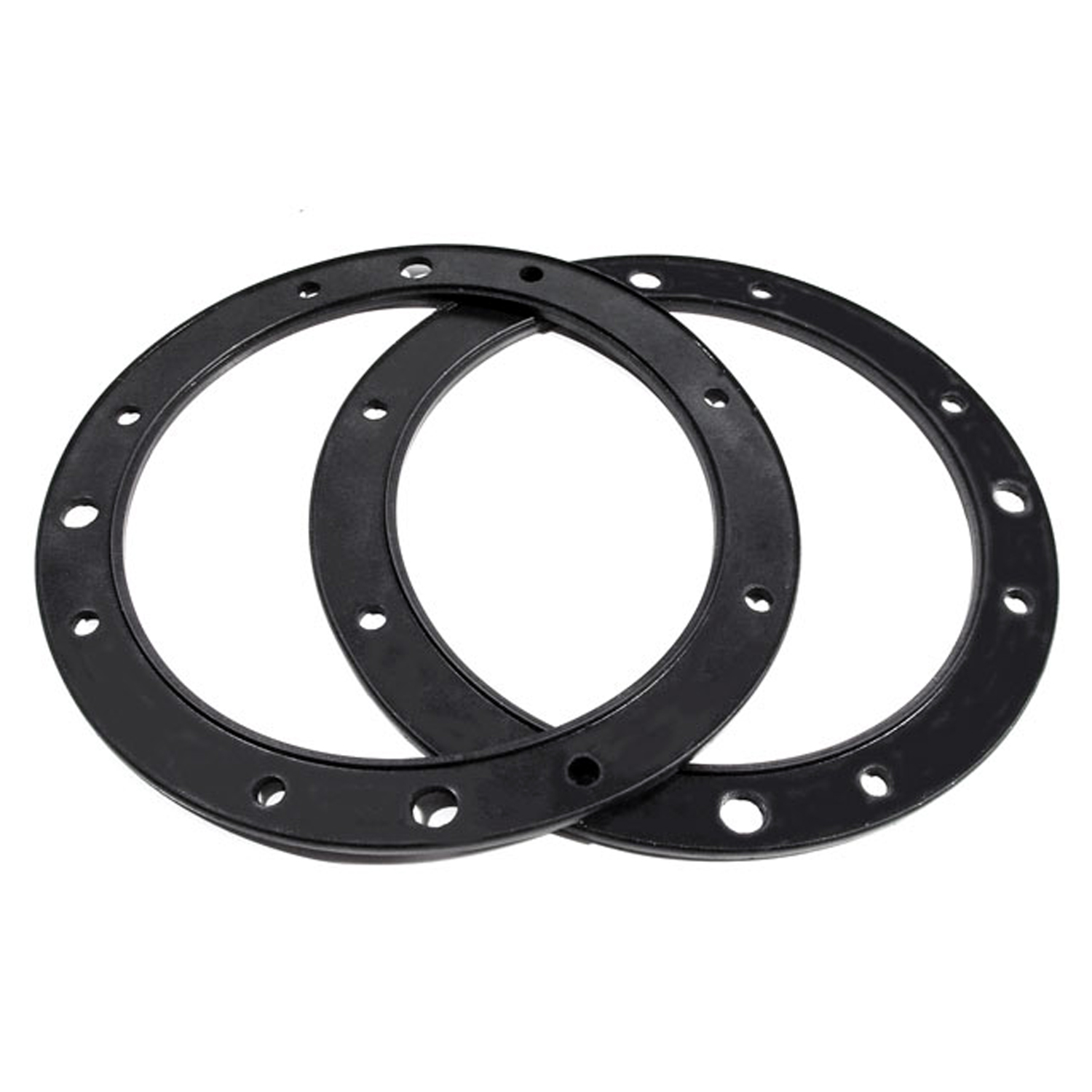 1953 Rolls-Royce Silver Wraith Headlight Ring Seal. 8-1/2" O.D., 6-5/8" I.D. Pair-HR 1Headlight Ring Seal. 8-1/2" O.D., 6-5/8" I.D. Pair
 1953 Rolls-Royce Silver Wraith Heel Pad. Initials "HJM"-RM 16Heel Pad. Initials "HJM". Made of high quality black rubber. 8" X 16". Each
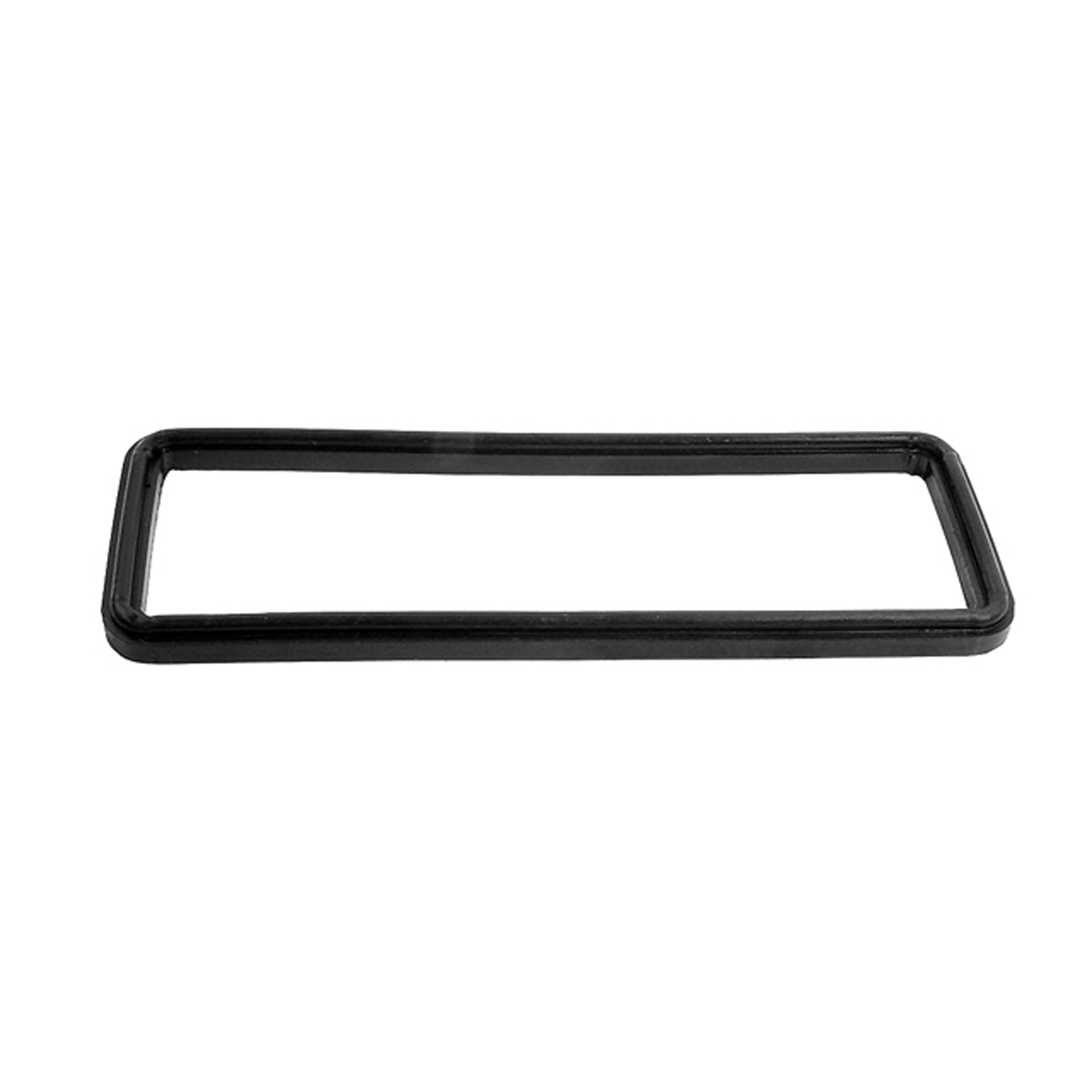 1953 Rolls-Royce Silver Wraith Side Vent Seal. Standard steel saloon-RP 100-FSide Vent Seal. Standard steel saloon. 3" wide X 8-1/2" long. Each
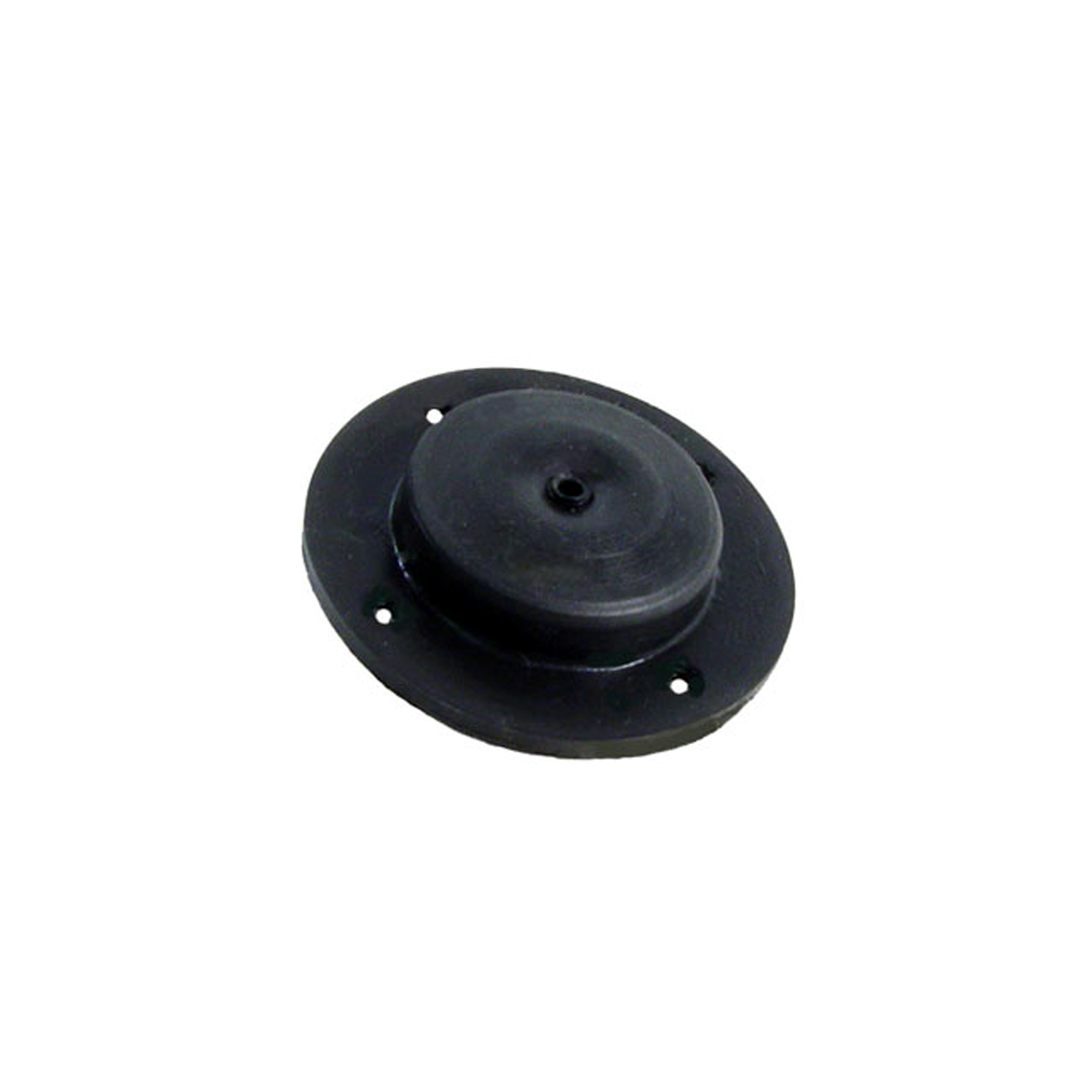 1953 Rolls-Royce Silver Wraith Thermo Tube through Dash Grommet. 2-3/8" O.D. Each-SM 70Thermo Tube through Dash Grommet. 2-3/8" O.D. Each
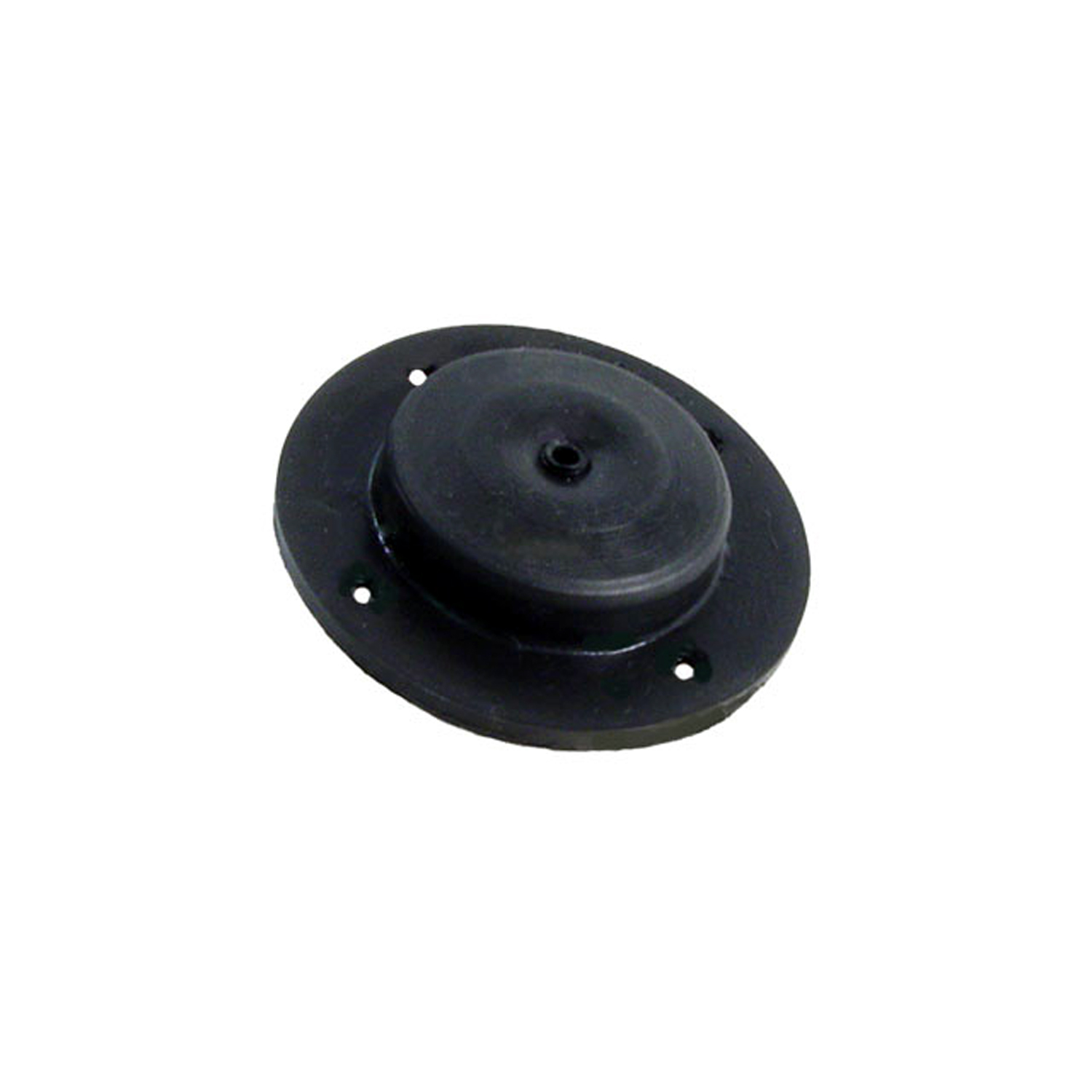 1953 Rolls-Royce Silver Wraith Speedometer Cable through Dash Grommet. 2-3/8" O.D. Each-SM 70-ASpeedometer Cable through Dash Grommet. 2-3/8" O.D. Each
Why Choose Metro?
For over 100 years, Metro Moulded Parts has been the pinnacle of quality in classic car restoration parts. Our commitment to precision and authenticity in every component ensures a perfect fit and an OEM-level appearance.
- Expert Craftsmanship & Quality: Each part is a testament to our dedication to reliability and perfection, crafted from original designs and thoroughly tested.
- Advanced Technology: We use cutting-edge techniques to create flawless, long-lasting parts that surpass others in performance.
- SuperSoft Sponge – The Ultimate Door Seal: Not only are our door seals 30% softer than competitors', but they're also guaranteed to never leak. They effectively reduce wind and road noise, enhancing your classic car's comfort and driving experience.
- Proudly American: Our parts are a product of American craftsmanship, made in the USA with a spirit of excellence and heritage.
- Unrivaled Warranty: We back our products with a 30-year industry-leading warranty, a testament to our confidence in their quality.
Join us in preserving the legacy of classic cars with parts that are crafted for perfection, not just made.