

Image of 1994 Chevrolet C1500, Note: These illustrations use artistic license and may differ from actual historical models.
Performance Metrics
Fundamental Metrics
Emotional Appeal
MMP Rating
| Engine Specifications | |
|---|---|
| Engine: | 4.3L V6, 5.0L V8, 5.7L V8, 6.5L V8 Diesel, 7.4L V8 |
| Displacement: | 262-454 cu in |
| Horsepower: | 160-230 hp |
| Torque: | 235-385 lb-ft |
| Compression Ratio: | 9.1:1 - 22.5:1 |
| Ignition System: | Electronic |
| Cooling System: | Liquid-cooled |
| Performance Specifications | |
| 0-60 Time: | 8.5 - 10 seconds |
| 1/4 Mile Time: | 16 - 18 seconds |
| Top Speed: | 105 - 110 mph |
| Transmission and Drive | |
| Drive Type: | Rear-wheel drive |
| Transmission Type: | 4-speed automatic, 5-speed manual |
| Fuel and Efficiency | |
| Fuel System Type: | Fuel injection |
| MPG: | 13-18 city / 17-22 highway |
| Dimensions and Brakes | |
| Brakes: | Front disc / rear drum |
| Wheelbase: | 117.5 in (Regular Cab), 141.5 in (Extended Cab) |
| Weight: | 4,000 - 5,000 lbs |
Note: Specifications for classic cars are given to the best of our ability, considering the limited and variant data available.
1994 Chevrolet C1500: The GMT400 Pickup That Became a Classic
The 1994 Chevrolet C1500 makes a strong case for the idea that a great truck does not need to be complicated. With its clean, rounded GMT400 body, hardworking V8 options, and broad mix of cab and bed configurations, it was built to handle real jobs while remaining comfortable enough for everyday driving.
Built by Chevrolet, a division of General Motors, the C1500 belonged to the fourth-generation Chevrolet C/K pickup family, commonly known by its platform code, GMT400. The generation arrived for 1988 and brought a more aerodynamic, refined look than the square-edged trucks it replaced. In the model name, “C” identified a two-wheel-drive truck, while “1500” marked the half-ton series. The related K1500 was the four-wheel-drive version.
By 1994, the GMT400 had matured into a familiar sight on farms, work sites, highways, and suburban streets. One detail that adds interest for enthusiasts: the famous 454SS performance pickup had already ended production after 1993. A 1994 C1500 could still be ordered with a strong V8, but it was not a factory 454SS.
GMT400 Styling and Cabin Design
The C1500’s exterior has a distinctive balance of muscle and restraint. Its broad hood slopes toward a low grille, while the squared-off wheel openings and gently rounded body sides soften the truck’s shape. The design looks substantial without the slab-sided bulk of some later pickups. On a clean example, the long, straight beltline and neatly integrated front bumper give the truck a purposeful, almost tailored appearance.
Buyers could choose a regular cab or an extended cab, with bed lengths and combinations varying by configuration. Chevrolet offered traditional Fleetside beds as well as the Sportside, the factory stepside-style option with separate rear fenders and a narrower cargo box. The regular-cab short-bed Fleetside is especially popular today, thanks to its compact proportions and strong custom-truck appeal. Long-bed work trucks remain common, while extended-cab models offer extra room for passengers or gear.
Inside, the C1500 was practical rather than luxurious by modern standards. The dashboard was broad and straightforward, with large controls that were easy to use while wearing work gloves. Depending on trim and equipment, the cabin could have durable vinyl or cloth upholstery, carpet, power windows and locks, air conditioning, cruise control, tilt steering, and an upgraded stereo. Hard plastics were common, but the overall layout was functional and generally well suited to years of use.
Paint choices varied by trim and equipment, but buyers could find classic truck colors such as white, black, red, blue, green, silver, and darker metallic shades. White and red were common fleet and everyday choices; black, dark green, and metallic finishes give surviving trucks a particularly sharp presence. Two-tone paint and contrasting trim were also available on some configurations, adding visual distinction without changing the truck’s basic, work-ready character.
Engines, Equipment, and Period Technology
Engine availability depended on configuration and market, but the 1994 C1500 lineup included a 4.3-liter V6 and gasoline V8 options such as the 5.0-liter and 5.7-liter small-block. Some configurations could also be ordered with a 6.5-liter diesel. The 5.7-liter V8 is a favorite among enthusiasts because it provides a satisfying blend of torque, familiar small-block character, and broad parts availability.
Many gasoline versions used throttle-body fuel injection, or TBI. It was not as sophisticated as today’s engine management, but it offered more consistent fueling and easier cold starts than a traditional carburetor. Depending on engine and drivetrain, trucks were paired with manual gearboxes or automatic transmissions, including GM’s electronically controlled 4L60E automatic in applicable configurations.
Features such as power steering, power brakes, air conditioning, cruise control, and antilock braking brought useful everyday convenience. The C1500 did not have today’s driver-assistance systems, touchscreens, or extensive electronic customization. Its appeal lies partly in that simplicity: the truck feels mechanical and understandable, while still offering the comforts expected of a modern full-size pickup in the 1990s.
Why the C1500 Mattered
The GMT400 helped move the full-size pickup toward a more refined role. Chevrolet kept the truck’s traditional body-on-frame construction and practical layout, but gave it more aerodynamic styling, a quieter cabin, and a more carlike driving position than many older pickups. The result was a truck that could work during the week and serve as family transportation on the weekend.
That dual-purpose character set the C1500 apart from more basic work trucks. It was still available in straightforward fleet configurations, but buyers could also order comfort and appearance upgrades that made it feel personal. The platform’s popularity also supported a large aftermarket, from suspension and wheel upgrades to engine parts and restoration components. Many modern custom-truck trends, especially the lowered regular-cab short-bed look, draw on the proportions of trucks like this one.
The C1500’s lasting influence is not tied to a single breakthrough feature. Instead, it represents a turning point in expectations: full-size pickups could remain useful work vehicles while becoming more comfortable, polished, and appealing as everyday transportation.
How a 1994 C1500 Drives
Performance varies with engine, transmission, axle ratio, cab, and load. As a general estimate, a 5.7-liter V8 C1500 in sound condition may reach 60 mph in roughly 8 to 10 seconds. A V6 version is typically slower, often closer to the 10-to-13-second range. A healthy, lightly loaded truck may have a top speed around 100 to 110 mph, although gearing, tires, condition, and any speed limiter can change that figure. These are broad estimates, not guaranteed factory test results for every configuration.
On the road, the two-wheel-drive C1500’s independent front suspension and rear leaf springs give it a comfortable ride for a traditional pickup. It can absorb ordinary pavement imperfections well, though a light, unladen rear end may hop or feel unsettled over sharp bumps. Add cargo in the bed and the rear suspension feels more planted. A short-bed regular cab is easier to place on winding roads than a long-bed truck, but the C1500 is still a full-size pickup, not a sports car. Strong crosswinds and quick lane changes make its height and body-on-frame character noticeable.
The V8 is a major part of the experience. It delivers a low, familiar rumble at idle and a deeper growl under acceleration, while the automatic transmission keeps the truck relaxed in traffic. The steering feels heavier and less precise than a modern vehicle, and the brakes and suspension communicate more directly through the chassis. That combination gives the C1500 a reassuring, old-school feel without making it difficult to drive in ordinary conditions.
Living With and Maintaining a C1500
A 1994 C1500 can serve as a daily driver, work truck, tow vehicle, restoration project, or custom show truck. Its broad parts supply and familiar mechanical layout make it approachable for home mechanics. Routine work such as brakes, suspension components, ignition service, and many engine repairs is generally straightforward for an owner with basic tools and a repair manual.
Age and previous use matter more than the model’s reputation. Buyers should inspect the frame and body for rust, especially around the cab corners, rocker panels, wheel openings, and lower body seams. Check for worn steering and suspension parts, transmission problems, cooling-system leaks, electrical faults, and signs of hard towing or neglected maintenance. TBI engines are generally uncomplicated, but fuel delivery and sensor issues can still create drivability problems. A pre-purchase inspection is money well spent, particularly on a modified truck.
Like any 30-plus-year-old vehicle, a C1500 may need ongoing attention even if it starts and drives well. Rubber hoses, seals, bushings, and weatherstripping age with time. Clean, largely original trucks are increasingly prized, so preserving factory details can be a better long-term choice than making irreversible modifications.
Notable Facts and Common Complaints
The C1500 name covers a wide range of trucks, not one fixed specification. A stripped regular-cab work truck and a well-equipped extended-cab Silverado can differ substantially in comfort, weight, and value. The Sportside bed is another point of interest: it gives the truck a classic stepside appearance, though its narrower cargo space is less practical than a full-width Fleetside bed.
The 1994 model year also sits at an interesting point in the GMT400 story. It came late enough in the generation for the platform to be well established, yet early enough to retain the simple, unmistakably 1990s character that collectors now seek. It is sometimes confused with the 454SS, but Chevrolet’s factory 454SS run ended with the 1993 model year. A 1994 C1500 with a large engine or performance modifications should not automatically be treated as a genuine 454SS.
There is no widely recognized production speed record or endurance title attached to the ordinary 1994 C1500. Its larger achievement was everyday usefulness and broad popularity. Common criticisms include modest fuel economy, a basic interior by current standards, a bouncy ride when the bed is empty, and age-related rust or mechanical wear. These are familiar trade-offs for an older, body-on-frame pickup rather than unique flaws in the model.
Collector Values and Market Outlook
Values depend heavily on condition, originality, engine, cab and bed combination, and the quality of any modifications. As a broad 2026 U.S. market guide, a rough or heavily used driver might sell for around $2,000 to $6,000. A solid, presentable truck commonly falls in the $6,000 to $14,000 range, while a clean, low-mileage, well-preserved example can bring roughly $15,000 to $25,000 or more. Exceptional restorations and highly desirable configurations may exceed that range, while heavily modified trucks can be harder to price because buyers’ tastes vary.
Clean regular-cab short-bed trucks attract particular attention from custom-truck enthusiasts, while original, well-equipped extended-cab models appeal to buyers seeking a usable classic. A genuine 1994 C1500 is not rare in the broad sense, and good examples still appear on the used market. However, rust-free, unmodified trucks with documented history are becoming less common.
Chevrolet did not publish a commonly available, verified production total specifically for every 1994 C1500 cab, bed, engine, and trim combination. As a rough estimate rather than a factory figure, several hundred thousand C1500s may have been produced for the 1994 model year, perhaps in the neighborhood of 250,000 to 350,000 across configurations. That estimate should not be read as an exact count.
Values for ordinary examples have generally risen from bargain-truck territory as nostalgia for 1990s pickups has grown. The strongest appreciation is concentrated in original, low-mileage trucks and especially appealing configurations. A basic work truck is unlikely to become a blue-chip collectible overnight, but a carefully maintained C1500 can hold its value better than many older everyday vehicles.
The 1994 C1500’s Lasting Appeal
The 1994 Chevrolet C1500 combines classic small-block character, practical GMT400 engineering, and a design that has aged remarkably well. It is comfortable enough to use, simple enough to maintain, and versatile enough to serve as a workhorse or a weekend project. Its appeal is not about being the fastest or most luxurious pickup of its era. It is about getting the fundamentals right, and doing so with a style that still looks at home on the road today.
1994 Chevrolet C1500 Catalog of Parts
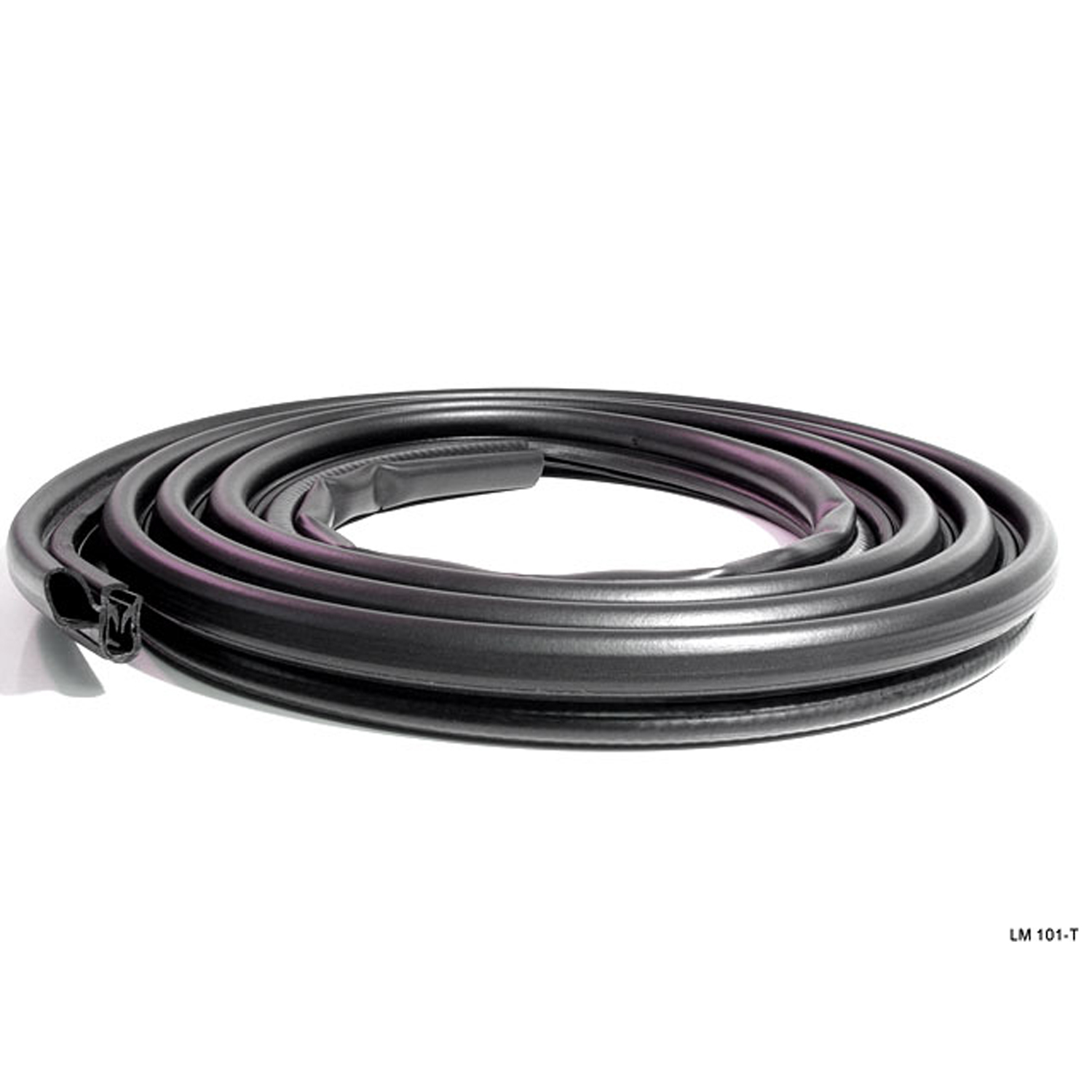 1994 Chevrolet C1500 Door seal. (Imported)-IS-LM 101-TDoor seal. (Imported). Replaces the front left- and right-side door seal (located on the body) for the old style '88-'02 Chevrolet and GMC C/K 1500/2500/3500 series standard, extended cab and quad (crew) cab pickup trucks except front right side on extended cab models with access door. Replaces front left- and right-side door seals (on body) for '92-'00 Chevrolet Blazer/Tahoe, GMC Yukon, Cadillac Escalade and '92-'99 Chevrolet Suburban ' except front right side on extended cab models with access door. Replaces OEM# 15758703. Each.
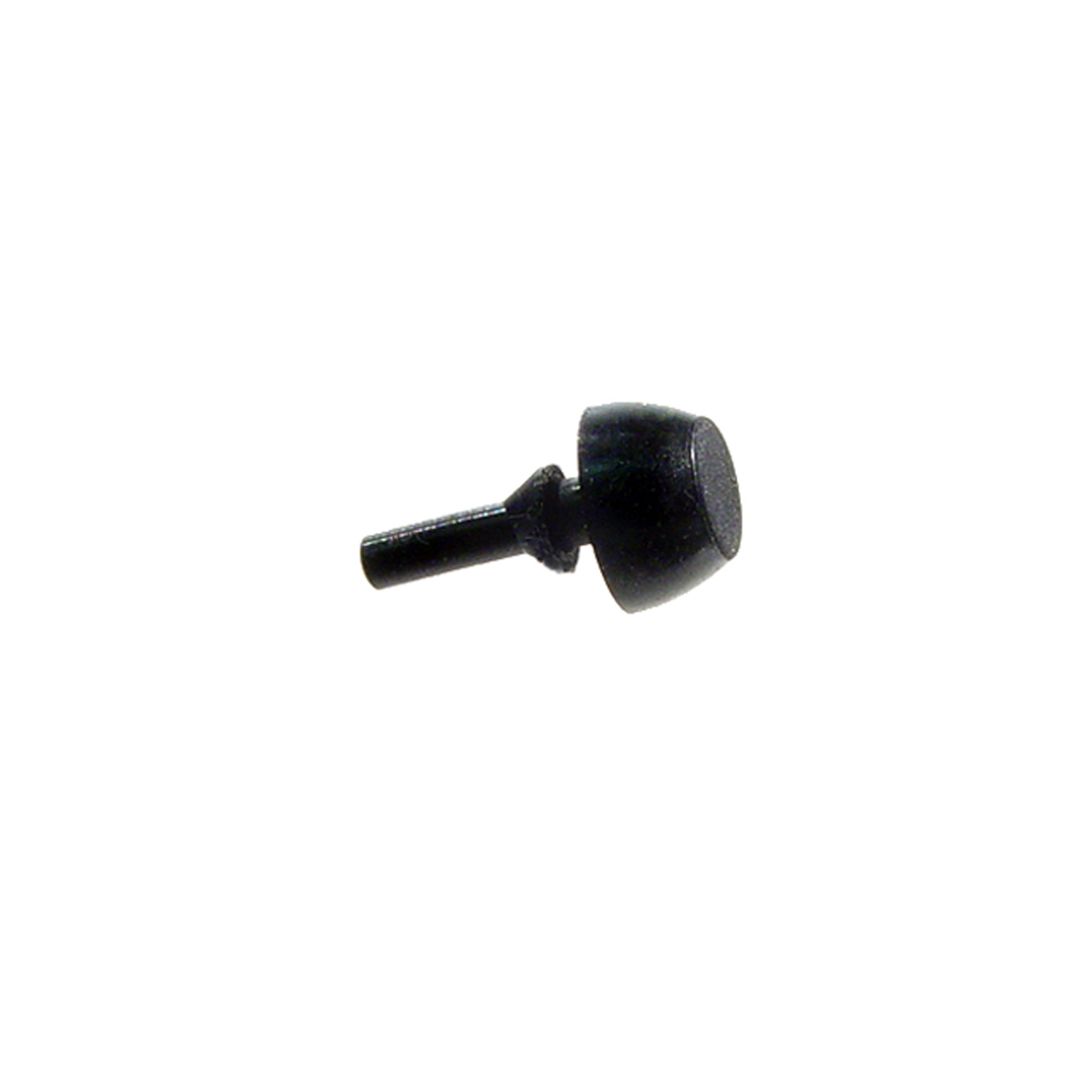 1994 Chevrolet C1500 Glove Box Bumper. Each-SB 78-AGlove Box Bumper. Each
Why Choose Metro?
For over 100 years, Metro Moulded Parts has been the pinnacle of quality in classic car restoration parts. Our commitment to precision and authenticity in every component ensures a perfect fit and an OEM-level appearance.
- Expert Craftsmanship & Quality: Each part is a testament to our dedication to reliability and perfection, crafted from original designs and thoroughly tested.
- Advanced Technology: We use cutting-edge techniques to create flawless, long-lasting parts that surpass others in performance.
- SuperSoft Sponge – The Ultimate Door Seal: Not only are our door seals 30% softer than competitors', but they're also guaranteed to never leak. They effectively reduce wind and road noise, enhancing your classic car's comfort and driving experience.
- Proudly American: Our parts are a product of American craftsmanship, made in the USA with a spirit of excellence and heritage.
- Unrivaled Warranty: We back our products with a 30-year industry-leading warranty, a testament to our confidence in their quality.
Join us in preserving the legacy of classic cars with parts that are crafted for perfection, not just made.