
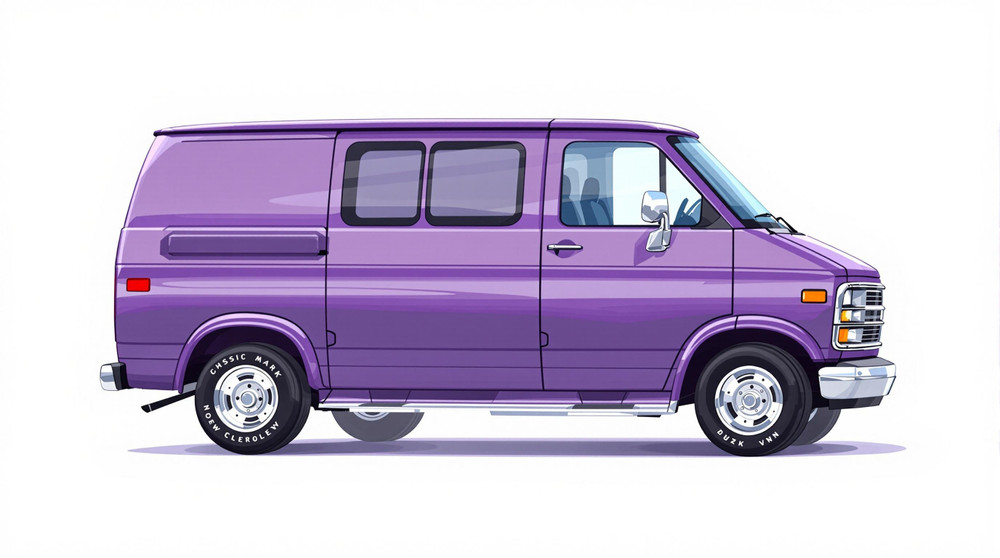
Image of 1995 Chevrolet G20, Note: These illustrations use artistic license and may differ from actual historical models.
Performance Metrics
Fundamental Metrics
Emotional Appeal
MMP Rating
| Engine Specifications | |
|---|---|
| Engine: | 4.3L V6, 5.0L V8, 5.7L V8, 6.5L V8 Diesel |
| Displacement: | 262-395 cu in. |
| Horsepower: | 165-190 hp |
| Torque: | 235-385 lb-ft |
| Compression Ratio: | 9.1:1 - 21.5:1 |
| Ignition System: | Electronic |
| Cooling System: | Liquid-cooled |
| Performance Specifications | |
| 0-60 Time: | 11-13 seconds |
| 1/4 Mile Time: | 18-20 seconds |
| Top Speed: | 100-105 mph |
| Transmission and Drive | |
| Drive Type: | Rear-wheel drive |
| Transmission Type: | 4-speed automatic |
| Fuel and Efficiency | |
| Fuel System Type: | Fuel injection |
| MPG: | 14-17 mpg |
| Dimensions and Brakes | |
| Brakes: | Front disc / rear drum |
| Wheelbase: | 125 inches |
| Weight: | 4,500-5,500 lbs |
Note: Specifications for classic cars are given to the best of our ability, considering the limited and variant data available.
1995 Chevrolet G20: The Last of the Classic Chevy Vans
With its blunt nose, broad shoulders, and V8 rumble, the 1995 Chevrolet G20 looks ready for a road trip, a work shift, or a custom conversion project. It belongs to the long-running Chevrolet G-series, a family of full-size vans introduced in 1964 and developed into a favorite of tradespeople, families, fleet operators, and van enthusiasts.
The G20 was the three-quarter-ton member of the lineup, positioned between the lighter G10 and heavier G30. Its body-on-frame construction and rear-wheel drive made it a practical, adaptable platform. The 1995 model year also marks the end of the traditional G-series design: Chevrolet replaced it with the Express for 1996, while GMC introduced the Savana.
One bit of movie trivia often gets mixed up: the famous black-and-gray A-Team van was a GMC Vandura, not a Chevrolet G20. The two shared much of their underlying design, which helps explain why they can look so similar.
Square-Jawed Styling and Practical Choices
The G20 wears the classic full-size van shape: a tall, nearly vertical front end, a broad grille, squared-off headlamps, and a long, slab-sided body. Its straightforward styling puts function first. Large windows on passenger versions improve visibility, while cargo models use less glass and offer a more enclosed load space. Depending on the configuration, buyers could get a side sliding door and rear doors that opened outward.
Chevrolet offered the G20 as a cargo van or as a passenger-oriented Sportvan. Passenger versions could be ordered with multiple rows of seating, while cargo models prioritized open floor space and useful access. Exact seating, door, and interior arrangements varied by equipment and conversion work. Aftermarket conversion companies transformed many vans with high-back captain’s chairs, sofas, carpeting, wood trim, upgraded sound systems, and sometimes raised roofs. These custom versions are among the most recognizable G20s today.
Inside, the standard cabin was durable rather than luxurious. Depending on the trim and intended use, owners might find vinyl flooring and hard-wearing upholstery, or more comfortable cloth seating and additional trim. The layout is simple and spacious, with the engine housed under a removable interior doghouse cover between the front seats. That arrangement makes the engine accessible, but it also brings some heat and mechanical noise into the cabin.
White was a common choice, particularly for work and fleet vans. Passenger and custom examples appeared in a wider range of colors, including reds, blues, greens, silvers, and two-tone combinations. Color availability depended on the specific order and trim, and conversion shops often added their own paint, graphics, or accent schemes.
Technology from the Final G-Series Year
The 1995 G20 was not a gadget-heavy vehicle, but it had useful contemporary engineering. Fuel-injected engines improved starting and drivability compared with older carbureted designs, while power steering and power brakes helped make a large van easier to manage. Anti-lock braking equipment was available, and automatic transmissions were common. Equipment varied by engine, payload, and order specification, so the vehicle’s original build sheet is the best guide to a particular van’s factory features.
Its most important innovation was versatility. Chevrolet offered a dependable platform that could be configured for commercial work, passenger transport, recreation, or conversion into a customized touring van. The G20’s appeal came less from cutting-edge electronics than from giving buyers a sturdy vehicle they could adapt to their own needs.
Why the G20 Mattered
The G20 represents a period when full-size vans served as flexible tools for both businesses and private owners. The same basic formula could carry equipment during the week, transport a family on the weekend, or provide the foundation for a custom camper or luxury-style conversion. That adaptability helped make the American van an enduring part of the country’s automotive landscape.
Compared with more car-like minivans, the G20 offered a truck-based chassis, generous interior volume, and the option of substantial V8 power. It was not especially nimble or fuel-efficient, but it could take on jobs that smaller vans were not designed to handle. Its basic, serviceable construction also suited fleet buyers who valued utility and repairability over refinement.
The 1995 model has a special place as the final year of the classic Chevrolet G-series. The successor Express brought a more modern shape and updated engineering, while the G20 remained an example of the boxy, highly customizable van style that had defined the previous generation.
Engines, Speed, and the Road Feel
Engine availability depended on configuration and market. G-series vans of this period were offered with gasoline engines that included a 4.3-liter V6 and small-block V8 options, as well as a 6.5-liter diesel in applicable configurations. The 5.7-liter V8 is a particularly appealing choice for drivers who want the familiar small-block sound and stronger performance under load. A specific van’s engine should always be confirmed from its VIN, emissions label, or service records rather than assumed from its trim badge.
Chevrolet did not advertise the G20 as a performance vehicle, and published acceleration figures are not consistent across engines, axle ratios, weights, and passenger or cargo configurations. As a broad real-world estimate, a gasoline V8 G20 might reach 60 mph in roughly 10 to 13 seconds when lightly loaded. A heavier van, a lower-powered engine, or a full load of passengers and gear can make it noticeably slower. Top speed is likewise configuration-dependent; around 90 to 100 mph is a reasonable estimate for many examples, but it is not a recommended cruising target for an old, tall van.
On the road, the G20 feels substantial. Its truck-based chassis and long body smooth out many ordinary pavement imperfections, although sharp bumps can make the rear feel busy, especially when the van is empty. A loaded van may ride more comfortably, but it needs extra room to stop and more attention in corners. The steering is geared for utility, not quick response, and a tall body can lean in bends or move around in strong crosswinds.
A V8-powered example delivers a familiar low-frequency growl, joined by the transmission’s steady shifts and the mild mechanical hum of the cabin. The driver sits high with a commanding view, but the broad body requires care in tight parking lots and narrow streets. The overall experience is relaxed and straightforward: the G20 rewards smooth inputs and sensible speeds rather than aggressive driving.
Living with a Chevrolet G20
Today, owners use G20s as weekend cruisers, work vans, camper projects, custom show vehicles, and occasional daily drivers. A clean, unmodified cargo van may suit a practical restoration, while a well-preserved conversion van can serve as a comfortable road-trip vehicle. The best use depends heavily on its condition, engine, interior layout, and the quality of any modifications.
Routine maintenance is familiar to most experienced home mechanics. The small-block Chevrolet V8 has broad parts support, and many repairs can be handled with common tools. The doghouse cover provides access to the engine from inside, although some jobs are still cramped. Older vans deserve a careful inspection for rust, cooling-system problems, worn suspension and steering components, leaking seals, electrical faults, and automatic-transmission wear.
Because many G20s spent their lives working, condition matters more than the odometer alone. Inspect the frame, floor pans, door sills, wheel arches, and areas around the windshield for corrosion. Conversion vans need extra scrutiny: check that added wiring, roof modifications, furniture, and appliances were installed safely and have not caused leaks or electrical trouble. A pre-purchase inspection by a mechanic familiar with older trucks and vans is money well spent.
G20 Trivia and Common Complaints
The G20 badge indicates the middle, three-quarter-ton position in Chevrolet’s traditional G-series range. It does not, by itself, tell you the exact payload capacity of a specific van. Actual carrying limits depend on the vehicle’s equipment, axle ratings, tires, and certification label.
There was no single factory G20 configuration that became a universal performance icon. Much of the model’s character came from how owners and conversion companies personalized it. That is why two 1995 G20s can feel like very different vehicles, even when they started with the same basic body and chassis.
Common criticisms are familiar: thirsty fuel consumption, bulky handling, limited modern safety equipment, and a cabin that can be noisy or hot around the engine cover. Age brings its own concerns, especially rust, tired suspension parts, and neglected transmissions. On the other hand, the simple layout, plentiful mechanical knowledge, and strong small-block parts supply make many repairs more approachable than on newer, electronics-heavy vehicles.
1995 G20 Values and Collectability
There is no readily available, widely cited production total for 1995 Chevrolet G20s alone. Chevrolet sold G-series vans in multiple weight classes, configurations, and fleet applications, so an exact model-year G20 count is difficult to establish from public figures. A reasonable, clearly approximate estimate is that production was likely in the tens of thousands, perhaps around 10,000 to 30,000 examples. Treat that as a broad estimate, not a factory-confirmed number.
The G20 is not generally rare in the same way as a limited-production sports car, but finding one that is rust-free, mechanically sound, and complete can take patience. Prices vary sharply by condition and build. As a rough current-market guide, project vans may sell for about $1,500 to $4,000; usable, driver-quality examples often fall around $4,000 to $10,000; and clean, well-maintained vans or desirable conversions can bring roughly $10,000 to $25,000 or more. Exceptional custom builds may exceed that range, though their added features do not always translate into equal resale value.
Values have generally strengthened for clean, distinctive vintage vans as interest in classic road-trip vehicles and custom conversions has grown. Still, condition and workmanship drive the market. A sound, original van usually has broader appeal than a poorly executed modification, and a professional restoration can cost more than the finished vehicle is worth. Check recent local sales and inspect comparable examples before setting a price.
A Classic Van with Room to Be Anything
The 1995 Chevrolet G20 combines straightforward truck engineering with the space and adaptability that made full-size vans so popular. It is not quick, economical, or especially easy to maneuver, but it offers a sturdy foundation, a memorable V8 character in the right configuration, and an unusually wide range of possible uses.
As the final-year representative of the classic G-series, the 1995 G20 captures the end of an era in Chevrolet’s full-size van history. Whether restored as a workhorse, preserved as a period conversion, or turned into a personal road-trip machine, it remains a reminder that sometimes the most lasting vehicle is the one that leaves room for its owner to make it their own.
1995 Chevrolet G20 Catalog of Parts
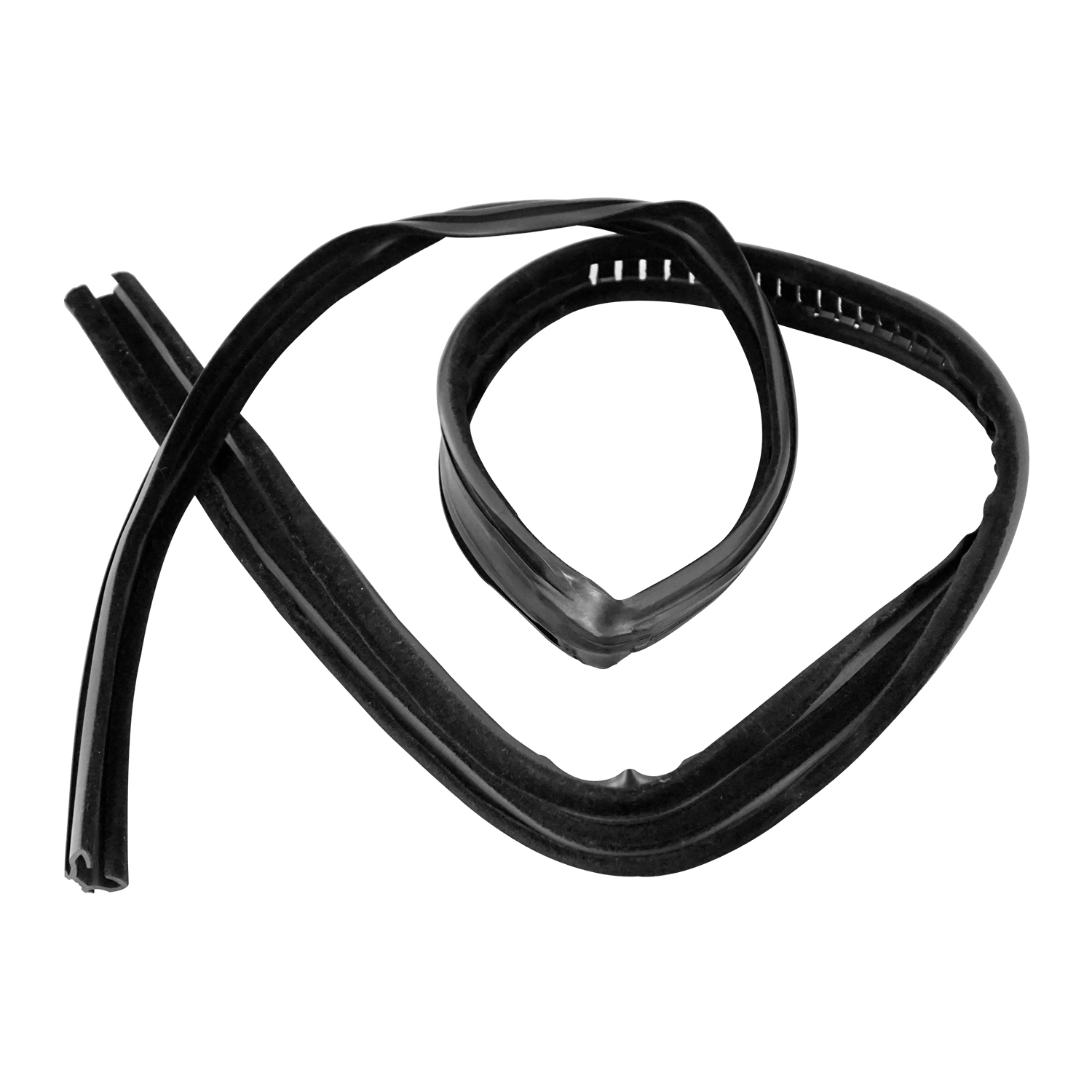 1995 Chevrolet G20 Window glass-run channel seal-IS-WC 5900-23Window glass-run channel seal. Fits left or right front door of '80-'96 Chevrolet/GMC full-size vans. EPDM rubber, flocked channels, snap-in installation with detailed corners. Replaces OEM# 15990050. Each.
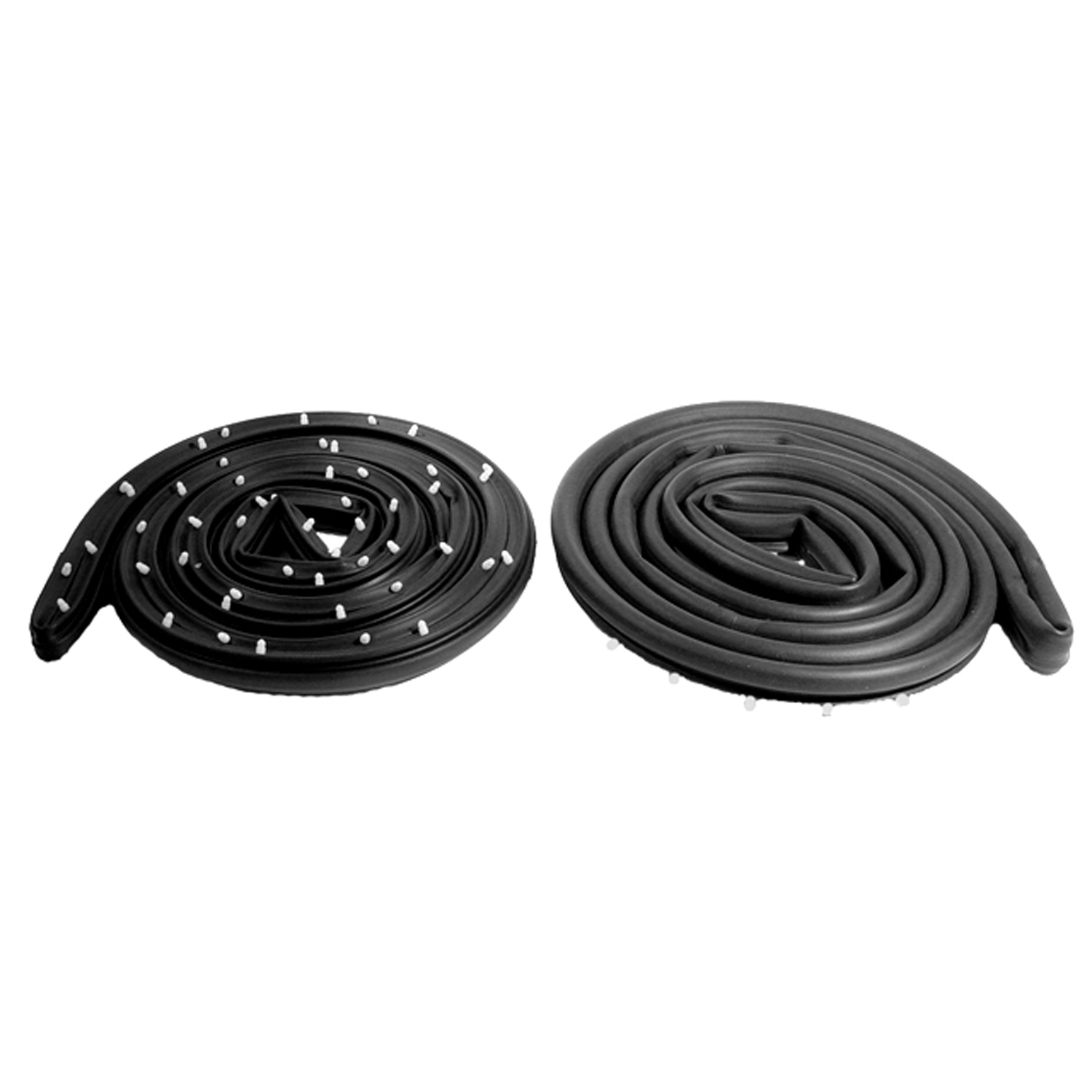 1995 Chevrolet G20 Front Molded Door Seals-LM 13-VFront Molded Door Seals. For full size models (1996 early design). 162" Long. Pair R&L
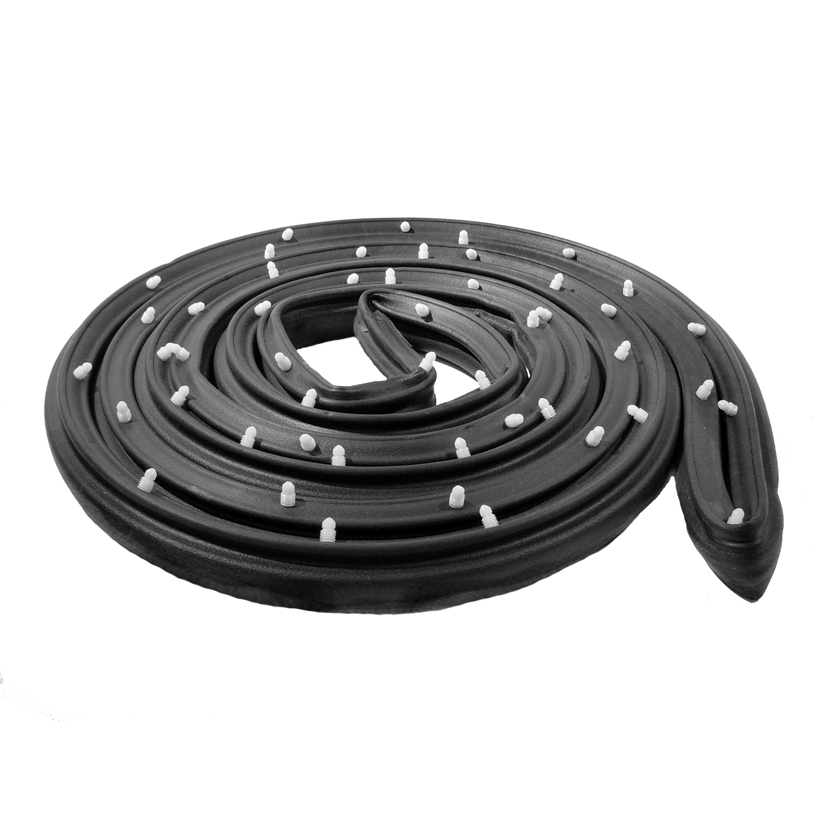 1995 Chevrolet G20 Front LH (driver's side) Molded Door Seal-LM 13-V/DSFront LH (driver's side) Molded Door Seal. For full-size vans (1996 early design). Each.
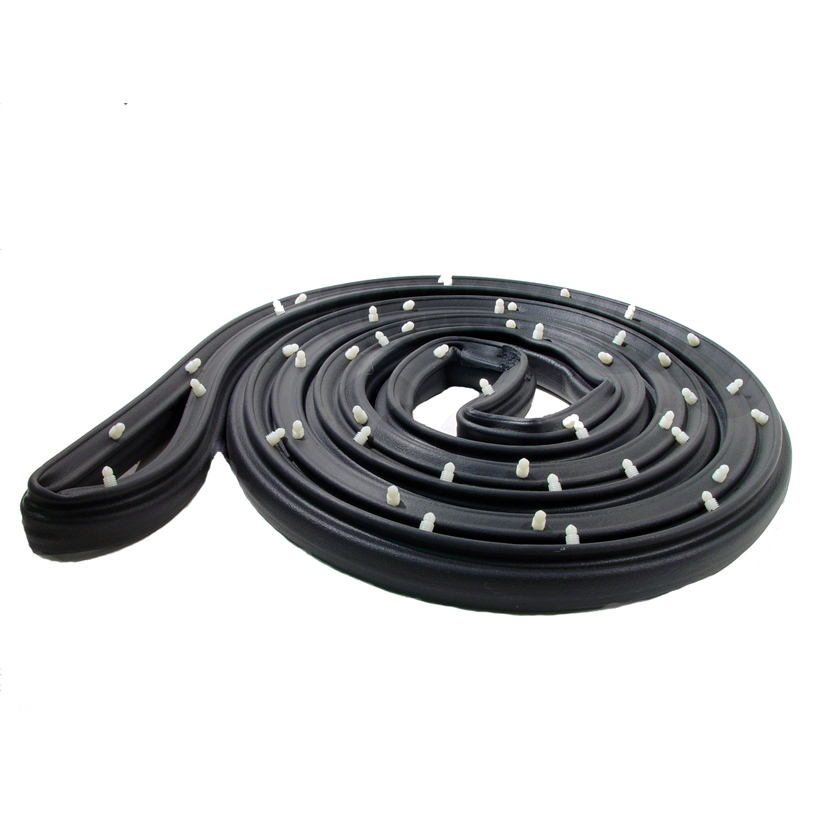 1995 Chevrolet G20 Front LH (passenger's side) Molded Door Seal-LM 13-V/PSFront LH (passenger's side) Molded Door Seal. For full-size vans (1996 early design). Each.
 1995 Chevrolet G20 Side Cargo Door Seals-LM 13-VCSide Cargo Door Seals. For full size models (1996 early design). Includes front and rear seals. Pair
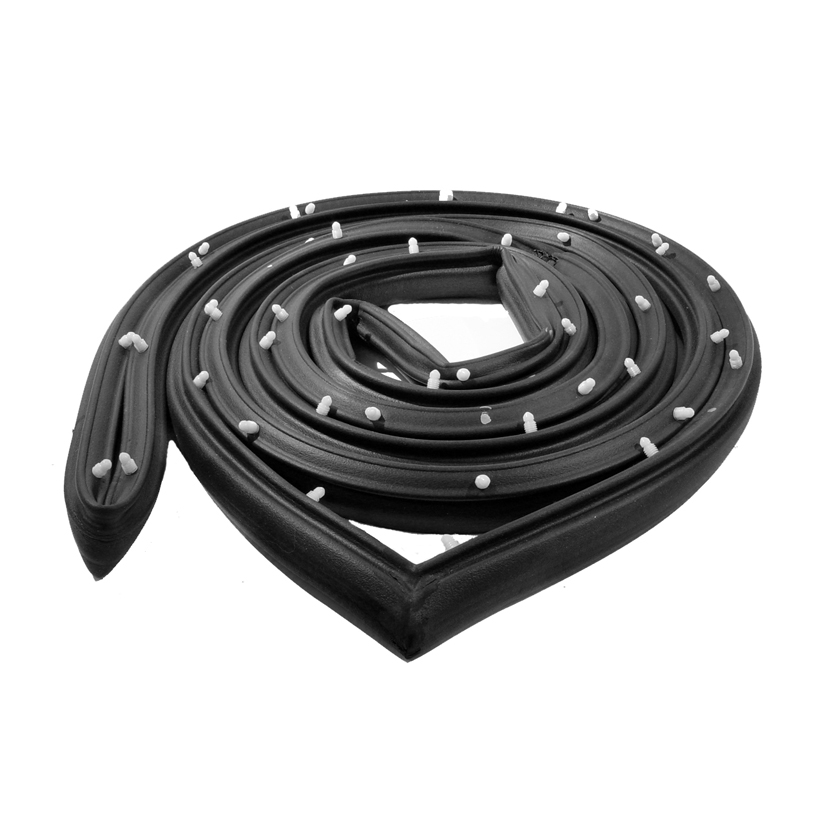 1995 Chevrolet G20 Side Cargo Door Seal. Front portion-LM 13-VCFSide Cargo Door Seal. Front portion. For full-size vans (1996 early design). Each.
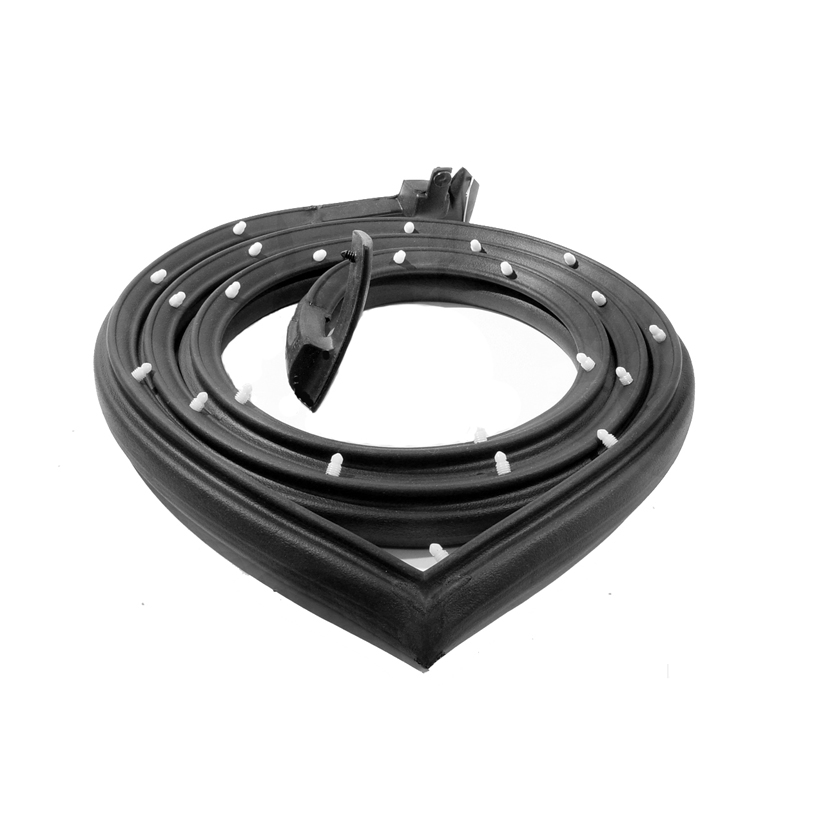 1995 Chevrolet G20 Side Cargo Door Seal. Rear portion-LM 13-VCRSide Cargo Door Seal. Rear portion. For full-size vans (1996 early design). Each.
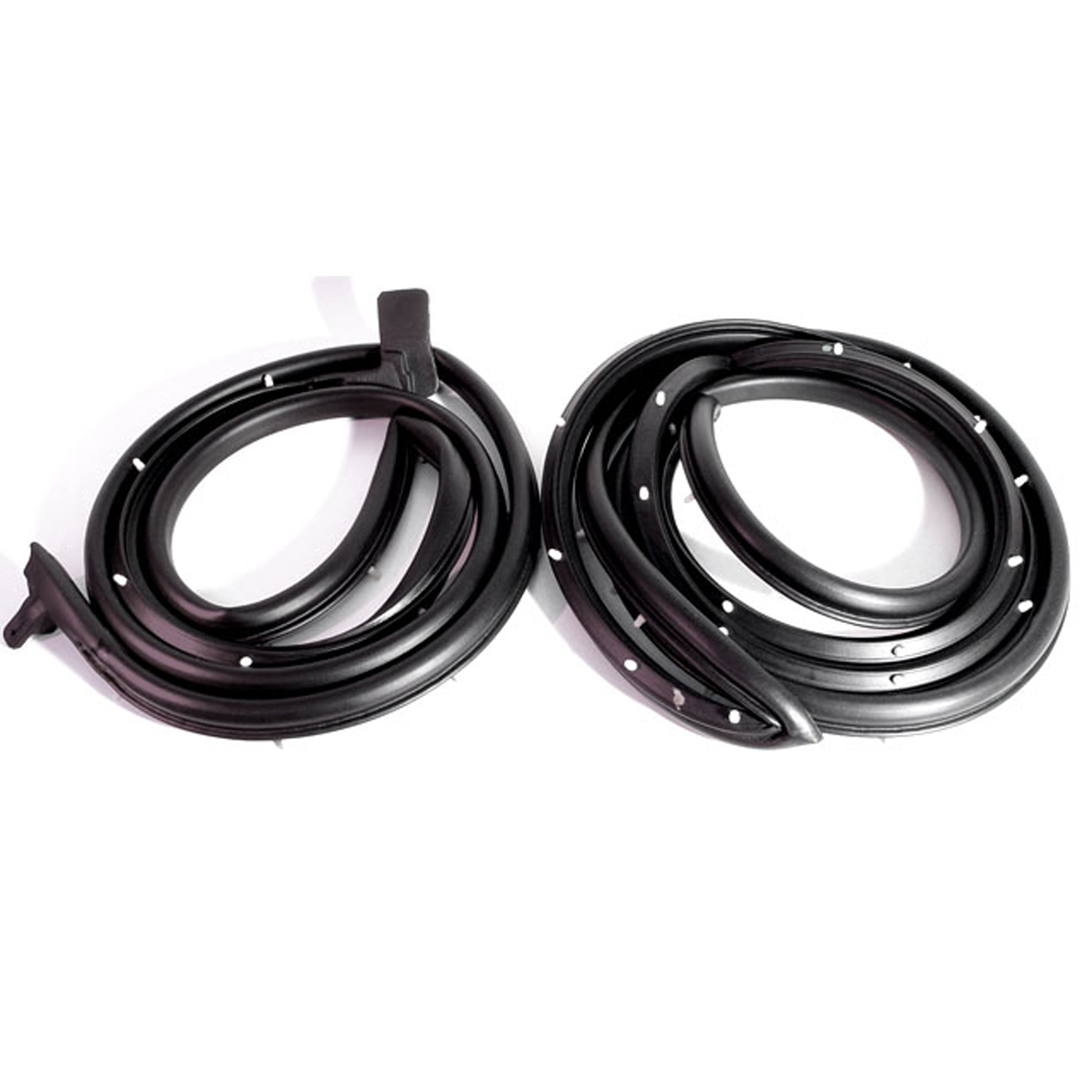 1995 Chevrolet G20 Rear Cargo Door Seals-LM 13-VRRear Cargo Door Seals. For full size models (1996 early design). Includes left and right seals. Pair
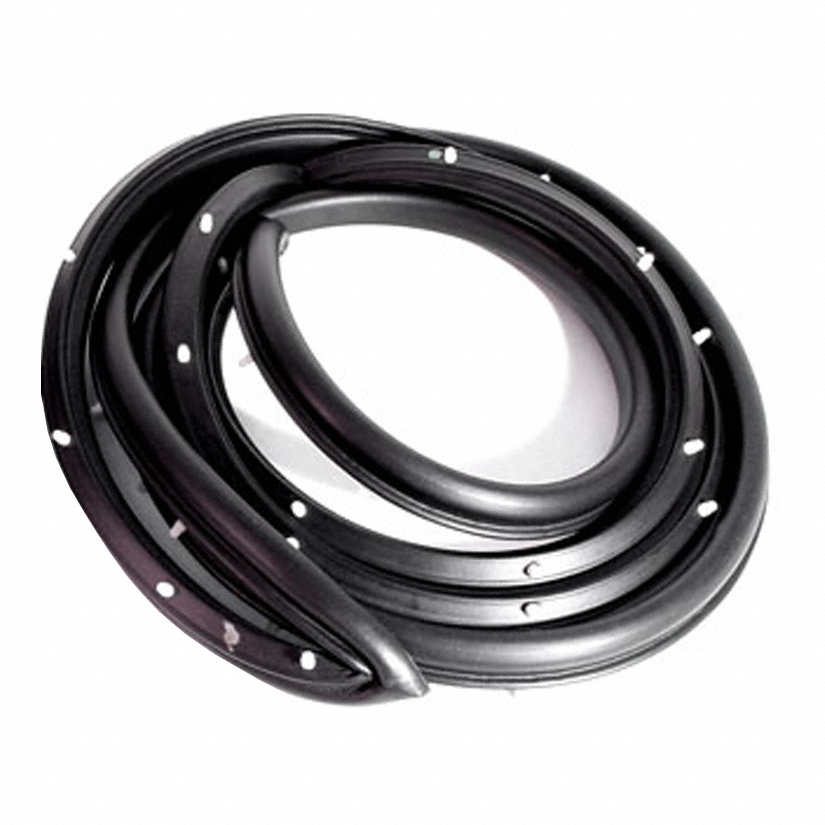 1995 Chevrolet G20 Rear Cargo Door Seal. LH portion (driver's side)-LM 13-VR/DSRear Cargo Door Seal. LH portion (driver's side). For full-size vans (1996 early design). Each.
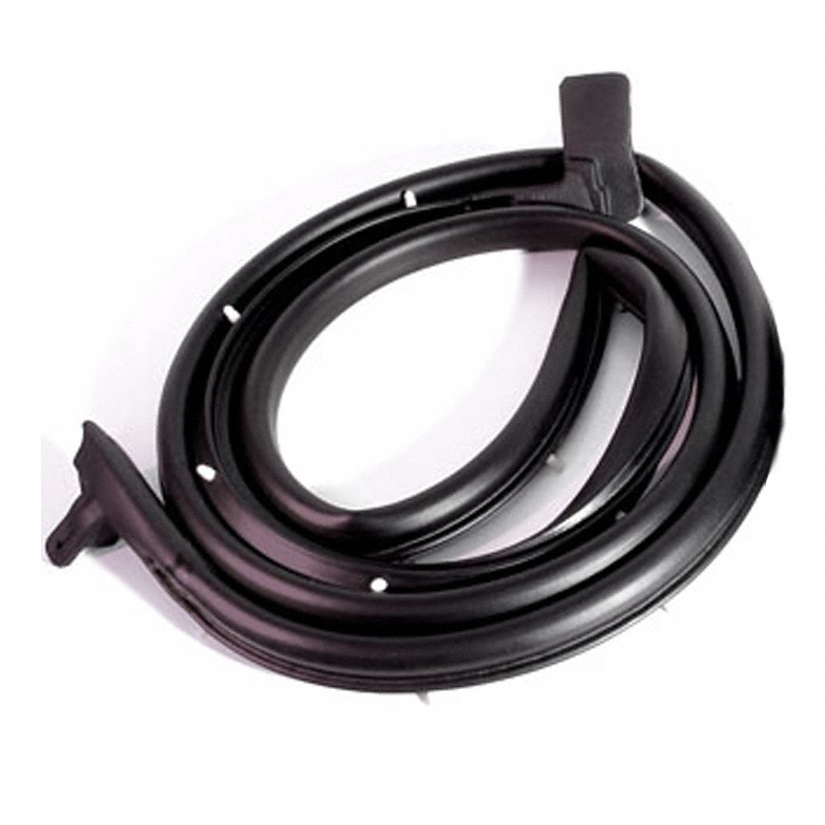 1995 Chevrolet G20 Rear Cargo Door Seal. RH (passenger's side)-LM 13-VR/PSRear Cargo Door Seal. RH (passenger's side). For full-size vans (1996 early design). Each.Rear Cargo Door Seal. RH (passenger's side). For full-size vans (1996 early design). Each.
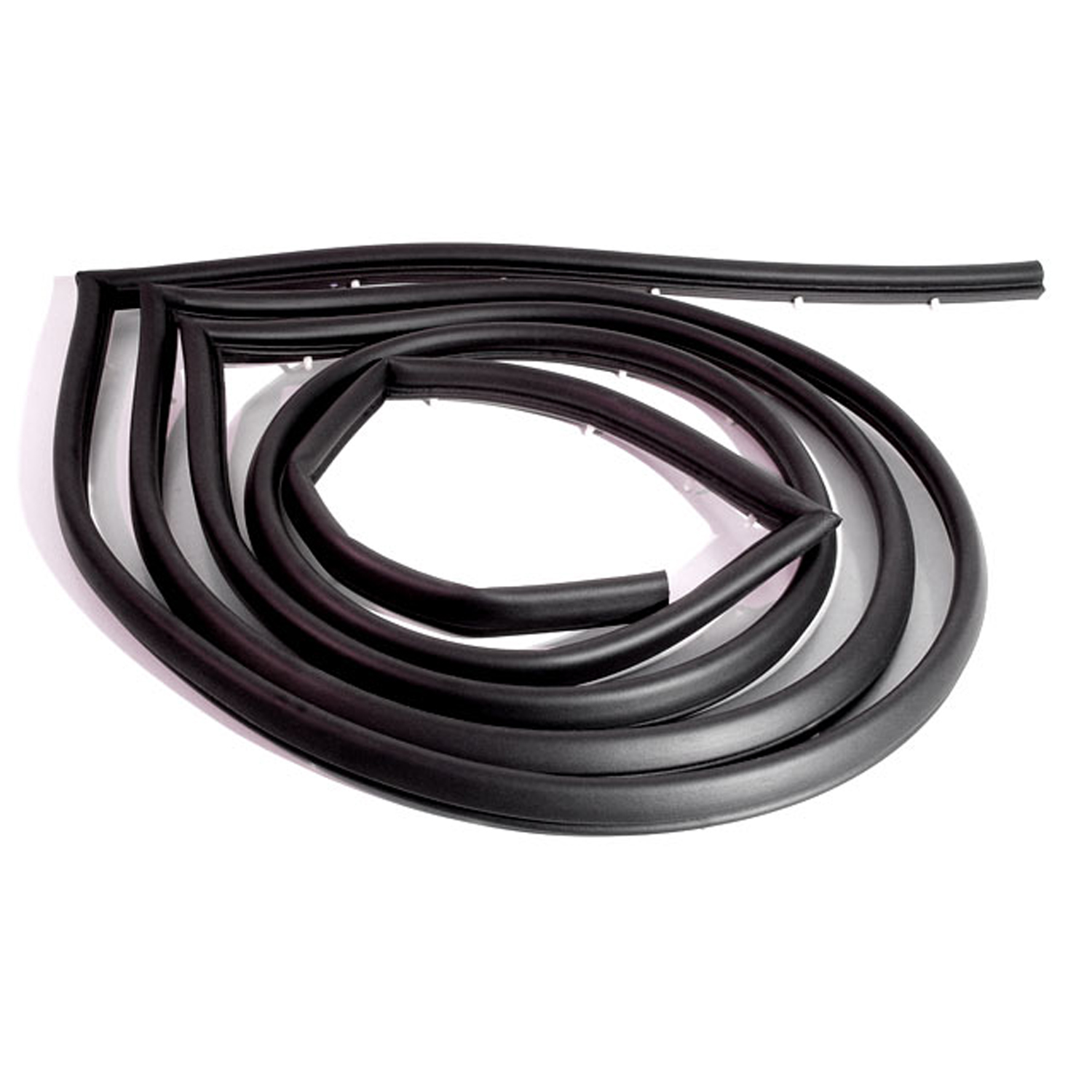 1995 Chevrolet G20 Side Sliding Door Seal-LM 13-VSSide Sliding Door Seal. For full size models (1996 early design). 213-1/4" Long. Each
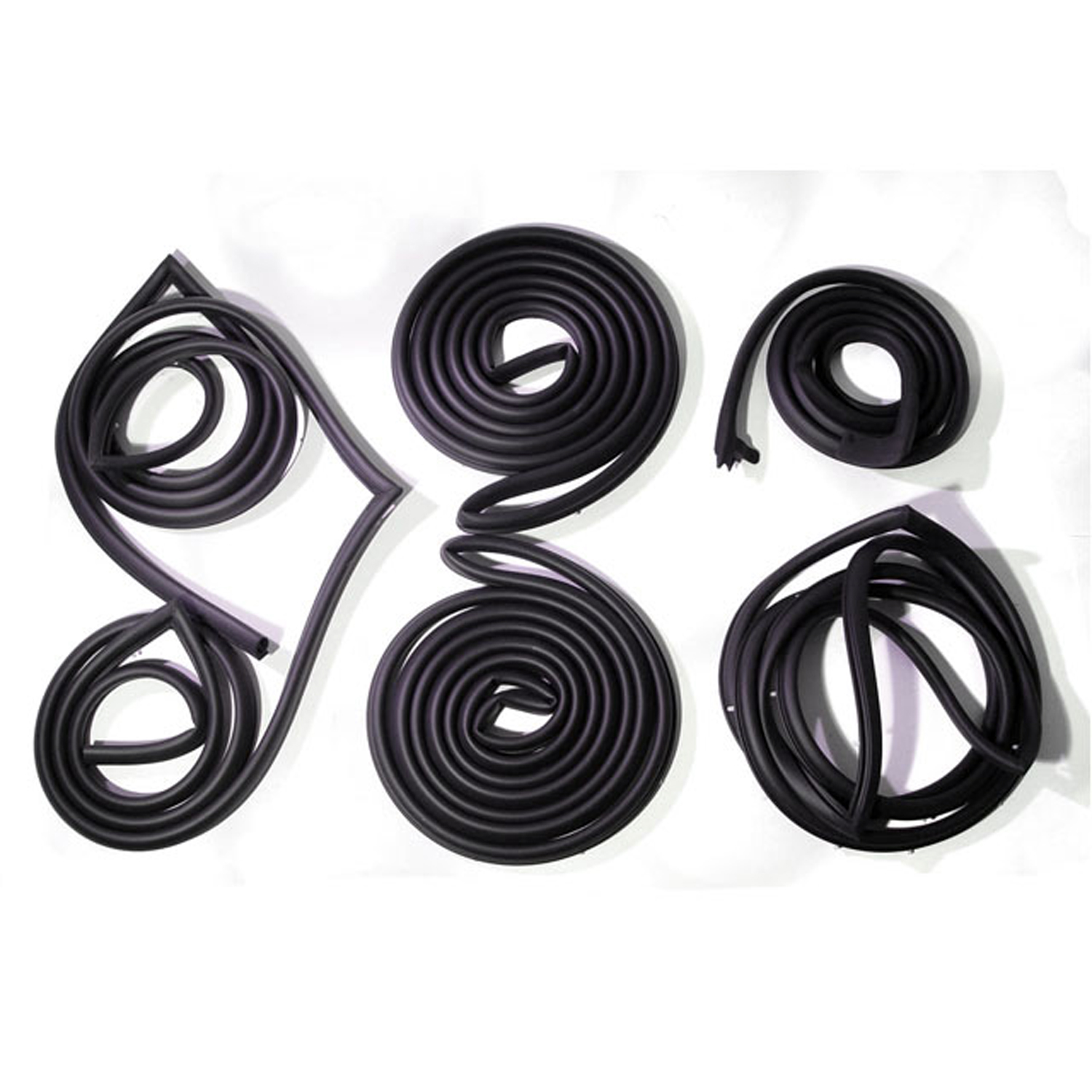 1995 Chevrolet G20 Basic Kit, for Models with Sliding Side Doors-RKB 1300-100Basic Kit, for Models with Sliding Side Doors. Front Door (LM 13-V) Rear Door (LM 13-VR) Side Slider (LM 13-VS), Seals.
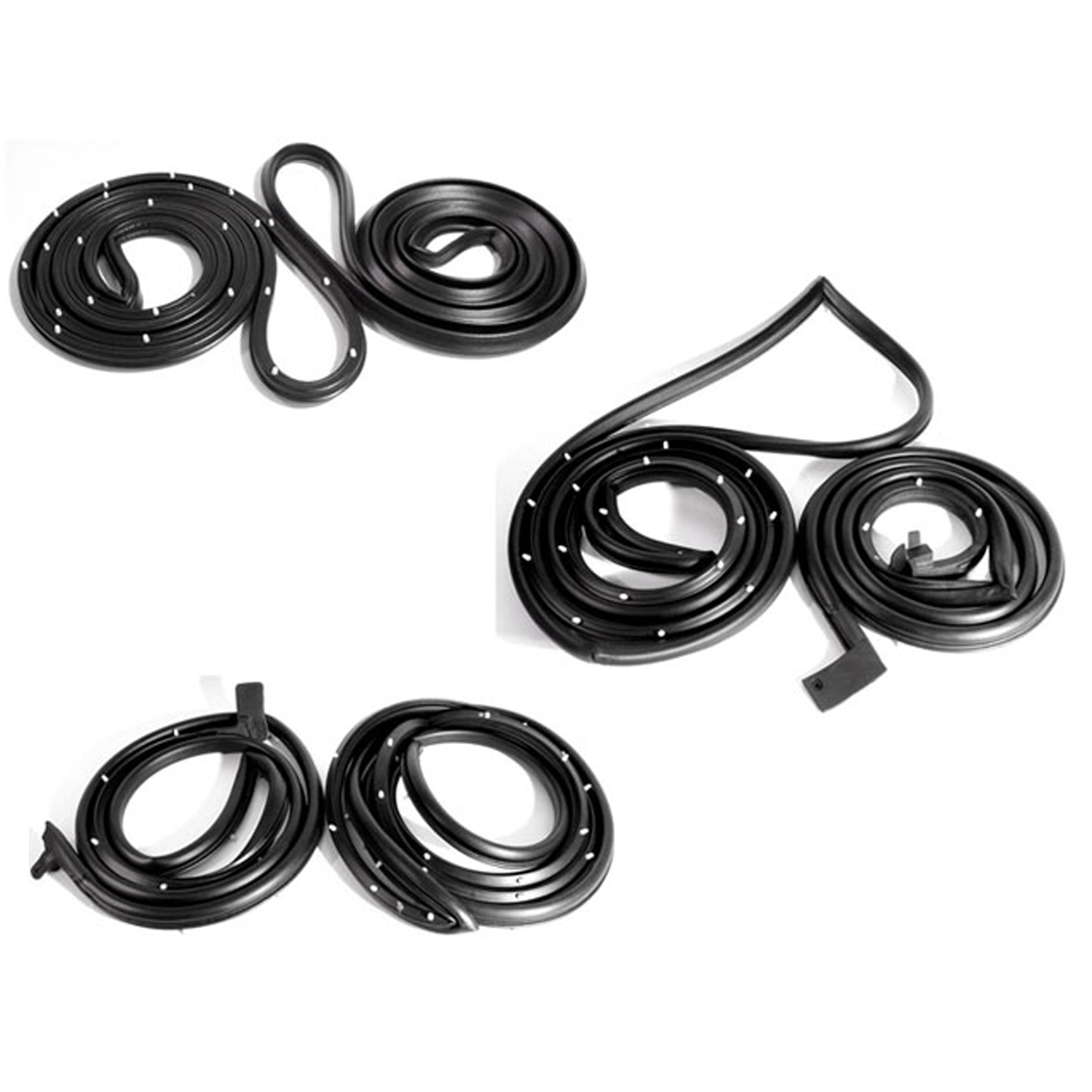 1995 Chevrolet G20 Basic Kit, for Models with Side Cargo Doors-RKB 1300-101Basic Kit, for Models with Side Cargo Doors. Front Door (LM 13-V) Rear Door (LM 13-VR) Side Cargo (LM 13-VC), Seals.
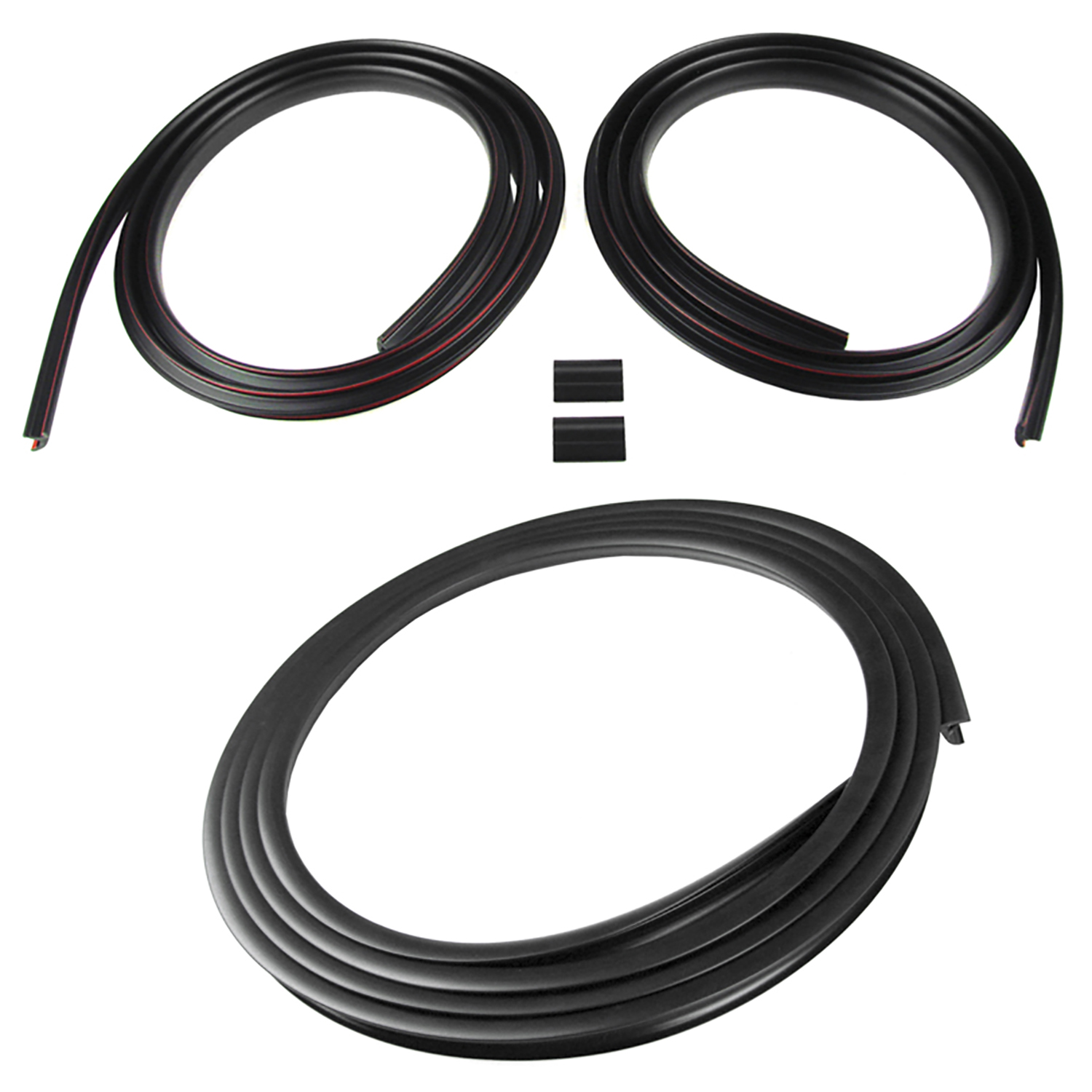 1995 Chevrolet G20 Windshield Seal Set, 81 95 GM G Series Van, 96 Chevy G30,GMC G3500 Van, Set of 5-VWS 7313-EIncludes two outer PVC pieces and clips. Also includes the EPDM sponge inner seal. This product is made from the original specs and with high quality ozone resistant materials for a great fit and long life. This item is designed to be installed during glass replacement.
Why Choose Metro?
For over 100 years, Metro Moulded Parts has been the pinnacle of quality in classic car restoration parts. Our commitment to precision and authenticity in every component ensures a perfect fit and an OEM-level appearance.
- Expert Craftsmanship & Quality: Each part is a testament to our dedication to reliability and perfection, crafted from original designs and thoroughly tested.
- Advanced Technology: We use cutting-edge techniques to create flawless, long-lasting parts that surpass others in performance.
- SuperSoft Sponge – The Ultimate Door Seal: Not only are our door seals 30% softer than competitors', but they're also guaranteed to never leak. They effectively reduce wind and road noise, enhancing your classic car's comfort and driving experience.
- Proudly American: Our parts are a product of American craftsmanship, made in the USA with a spirit of excellence and heritage.
- Unrivaled Warranty: We back our products with a 30-year industry-leading warranty, a testament to our confidence in their quality.
Join us in preserving the legacy of classic cars with parts that are crafted for perfection, not just made.