

Image of 1972 Jaguar Xj6, Note: These illustrations use artistic license and may differ from actual historical models.
Performance Metrics
Fundamental Metrics
Emotional Appeal
MMP Rating
| Engine Specifications | |
|---|---|
| Engine: | 4.2L XK I6 |
| Displacement: | 4.2L (4235 cc) |
| Horsepower: | 245 hp |
| Torque: | 283 lb-ft |
| Compression Ratio: | 8.0:1 |
| Ignition System: | Electronic ignition |
| Cooling System: | Liquid-cooled |
| Performance Specifications | |
| 0-60 Time: | 8.8 seconds |
| 1/4 Mile Time: | 16.2 seconds |
| Top Speed: | 124 mph |
| Transmission and Drive | |
| Drive Type: | Rear-wheel drive |
| Transmission Type: | 4-speed manual, 3-speed automatic |
| Fuel and Efficiency | |
| Fuel System Type: | Twin SU carburetors |
| MPG: | 15-18 mpg |
| Dimensions and Brakes | |
| Brakes: | Front and rear disc brakes |
| Wheelbase: | 112.8 inches |
| Weight: | 3,670 lbs |
Note: Specifications for classic cars are given to the best of our ability, considering the limited and variant data available.
1972 Jaguar XJ6: The British Luxury Saloon That Changed the Game
The 1972 Jaguar XJ6 could make a long journey feel like an occasion, with a smooth six-cylinder engine, supple ride and beautifully finished cabin wrapped in one of the most elegant saloon bodies of its era. Built by Jaguar Cars in Coventry, England, the XJ6 was the company’s flagship four-door car, created to combine the refinement of a luxury limousine with the pace and road manners of a sporting Jaguar.
The XJ6 had debuted in 1968, and by 1972 it was becoming the defining Jaguar saloon. It reflected the vision of company founder Sir William Lyons, who wanted a car that felt more refined and modern than Jaguar’s earlier models while retaining their graceful character. A notable development for 1972 was the arrival of a long-wheelbase version, giving rear passengers more room without changing the car’s essential proportions.
The XJ6 name covered more than one mechanical specification. Buyers could choose a 2.8-litre or 4.2-litre version of Jaguar’s famous XK inline-six, with equipment and powertrain details varying by market. The larger 4.2-litre car became the best-known choice, especially in export markets such as the United States.
Elegant Lines and a Crafted Cabin
The XJ6’s design is distinguished by its long bonnet, low roofline, slender pillars and gently tapering rear end. Four round headlamps sit within a neat grille, while chrome trim adds a bright accent rather than overwhelming the body. The car looks formal enough for a hotel entrance, yet its low stance and flowing flanks give it a distinctly sporting edge.
Inside, Jaguar aimed for the atmosphere of a traditional English club room. Depending on specification and market, the cabin paired leather upholstery with polished wood veneer, often walnut, along with deep carpeting and generously padded seats. The dashboard placed the major instruments and controls within easy reach, with a restrained design that emphasized quality over visual flash. A long-wheelbase XJ6 offered extra space for rear passengers, making it especially appealing to owners who were often driven as well as those who took the wheel themselves.
For the early 1970s, the XJ6 offered a notably sophisticated blend of comfort and engineering. Independent suspension at all four wheels helped deliver its supple ride, while four-wheel disc brakes provided strong stopping power. Power steering was available and common on many well-equipped cars. Depending on market and specification, buyers could also find features such as automatic transmission, air conditioning, electric windows and a manual gearbox.
Jaguar offered a range of paint colors that varied by market and year. Traditional shades such as British Racing Green, dark blue, red, silver and cream suited the car particularly well. Deep green and dark blue remain popular with enthusiasts, while lighter colors can highlight the XJ6’s elegant shape. The 1972 XJ6 was a four-door saloon, not a coupe or estate. The most iconic configuration is the standard-wheelbase 4.2-litre saloon, with the long-wheelbase model prized for its added rear-seat comfort.
Why the XJ6 Mattered
The XJ6 helped establish a new standard for the sporting luxury saloon. Its combination of quiet cruising, responsive handling and carefully finished interior made it a compelling alternative to larger, more formal luxury cars. Jaguar’s achievement was not simply building a fast car or a comfortable one. The XJ6 brought both qualities together in a package that felt cohesive and distinctly British.
Its independent suspension was central to that character. The carefully engineered rear suspension, with its inboard rear brakes, helped keep the wheels controlled over uneven roads while reducing unsprung weight. The result was a car that could glide over poor surfaces yet remain composed through bends. The XJ6’s influence continued through later generations of the XJ saloon, and its design language helped define Jaguar’s four-door cars for decades.
The XJ6 also helped Jaguar compete in a demanding luxury market at a time when European and American manufacturers were refining their own premium saloons. Its lasting appeal comes from the balance it achieved: elegant without being ostentatious, comfortable without feeling ponderous, and quick without losing its composure.
Six-Cylinder Performance and Road Manners
The 4.2-litre XK engine is the version most closely associated with the 1972 XJ6. Power ratings differed substantially depending on country, emissions equipment and whether figures were quoted using gross or net standards. In broad terms, the 4.2 delivered strong, flexible performance for a large saloon. Period performance estimates put a typical automatic 4.2-litre car’s 0-to-60-mph time at roughly 10 to 11 seconds, with a top speed in the neighborhood of 120 mph. Manual cars and individual specifications could vary.
The 2.8-litre version offered the same general character with less displacement and lower running costs, but it had to work harder to move the substantial saloon. For relaxed cruising or stronger acceleration, many buyers preferred the 4.2. A three-speed automatic was a popular pairing, while a four-speed manual was offered in some markets and appealed to drivers who wanted more direct control.
On the road, the XJ6 feels quieter and more insulated than its low-slung profile might suggest. The XK six produces a smooth, cultured growl that builds into a more purposeful note under acceleration. The steering is light, especially with power assistance, and the suspension takes the sting out of broken pavement. On a winding road, the car feels surprisingly agile for its size, though it is best driven with a flowing, measured style rather than hustled like a sports car.
At speed, the long bonnet and substantial cabin give the XJ6 a reassuring sense of calm. The ride is one of its strongest qualities, but worn suspension components can make an old example feel loose or unsettled. A well-maintained car should absorb bumps with composure and track confidently on the highway. An automatic 4.2 is particularly well suited to relaxed touring, while a manual example offers a more involved drive.
Owning a 1972 XJ6
Today, a 1972 XJ6 is most often enjoyed as a weekend cruiser, touring car or show vehicle. Some owners do use their cars regularly, but a classic XJ6 needs attentive upkeep to remain dependable. It is less suited to neglect than its polished appearance might suggest, and a cheap purchase price can quickly be outweighed by deferred repairs.
Rust is the first major concern. Inspect the sills, floorpan, wheel arches, lower doors, boot floor and areas around the windscreen and rear window. Corrosion in structural sections can be expensive to repair properly. Mechanical checks should include the engine’s oil pressure and cooling system, gearbox behavior, rear suspension, brakes and electrical equipment. Overheating can cause serious trouble, so the radiator, hoses, water pump and cooling fan deserve close attention.
The XK engine has a strong reputation and many specialists understand it well, but age and maintenance history matter more than reputation alone. The XJ6 is not necessarily easy for an average owner to repair in every respect. Routine servicing is manageable for a confident home mechanic, and parts support is generally good, but complex electrical faults, body repairs and work on the rear suspension may call for specialist knowledge. Fuel consumption is also substantial by modern standards, particularly in a large-engined automatic car.
Notable Details and Common Criticisms
The XJ6’s engineering gave it a reputation for combining limousine comfort with genuine pace, helping Jaguar build its image around the idea of the sporting luxury saloon. It was not designed as a competition car, and its achievement was measured in refinement and road behavior rather than race wins or speed records. The XJ name went on to become one of Jaguar’s longest-running and most important model lines.
There is no single universally accepted production figure for 1972 XJ6s alone, since totals are reported across different model years, engine types and markets. A useful broad estimate is that roughly 98,000 Series I XJ6 saloons were built across the generation’s 1968-to-1973 production run. The 1972 cars are therefore not exceptionally rare, but good, original examples are becoming harder to find, especially cars with sound bodywork and complete service histories.
Common complaints are familiar to anyone shopping for a British luxury car of this age: rust, electrical gremlins, cooling-system issues and high fuel use. The 2.8-litre version is sometimes criticized for feeling underpowered in such a large car. The 4.2-litre can be thirsty, and neglected examples may demand significant investment. These are not reasons to avoid the XJ6, but they are reasons to buy condition and maintenance history rather than simply choosing the lowest asking price.
Collector Values and Market Outlook
As a broad 2026 estimate in the United States, a running but tired 1972 XJ6 might sell for around $7,000 to $12,000. A solid, usable driver with good cosmetics could fall in the $15,000 to $28,000 range. Excellent, well-restored or unusually original cars may bring roughly $30,000 to $50,000 or more, depending on specification, provenance and the quality of the restoration. Exceptional examples can exceed that range, but they are the exception rather than the rule.
These figures are estimates, not a guarantee of value. Location, rust, originality, engine specification and documentation have a major effect on price. Long-wheelbase cars may appeal to buyers seeking extra comfort, while a well-preserved 4.2-litre car often has broad market appeal. A car with hidden corrosion or poor-quality restoration can be worth far less than its appearance initially suggests.
The XJ6 market is best described as selective rather than uniformly booming. Strong, well-documented cars have become more desirable as the model’s classic status has matured, while average examples remain relatively accessible. The best cars are likely to hold their appeal, but repair costs can easily exceed any short-term gain in market value. For many owners, the real return is the experience of driving one.
A Jaguar Built for the Long Road
The 1972 Jaguar XJ6 brought together graceful styling, a rich and comfortable cabin, advanced suspension and the smooth power of Jaguar’s XK six-cylinder engine. It was a landmark luxury saloon because it made comfort and sporting ability feel like natural partners, not competing priorities.
Choose a sound example, keep the cooling system and bodywork in good order, and the XJ6 rewards its owner with a uniquely composed kind of classic motoring. More than a handsome old Jaguar, it is the car that helped define what a sporting luxury saloon could be.
1972 Jaguar Xj6 Catalog of Parts
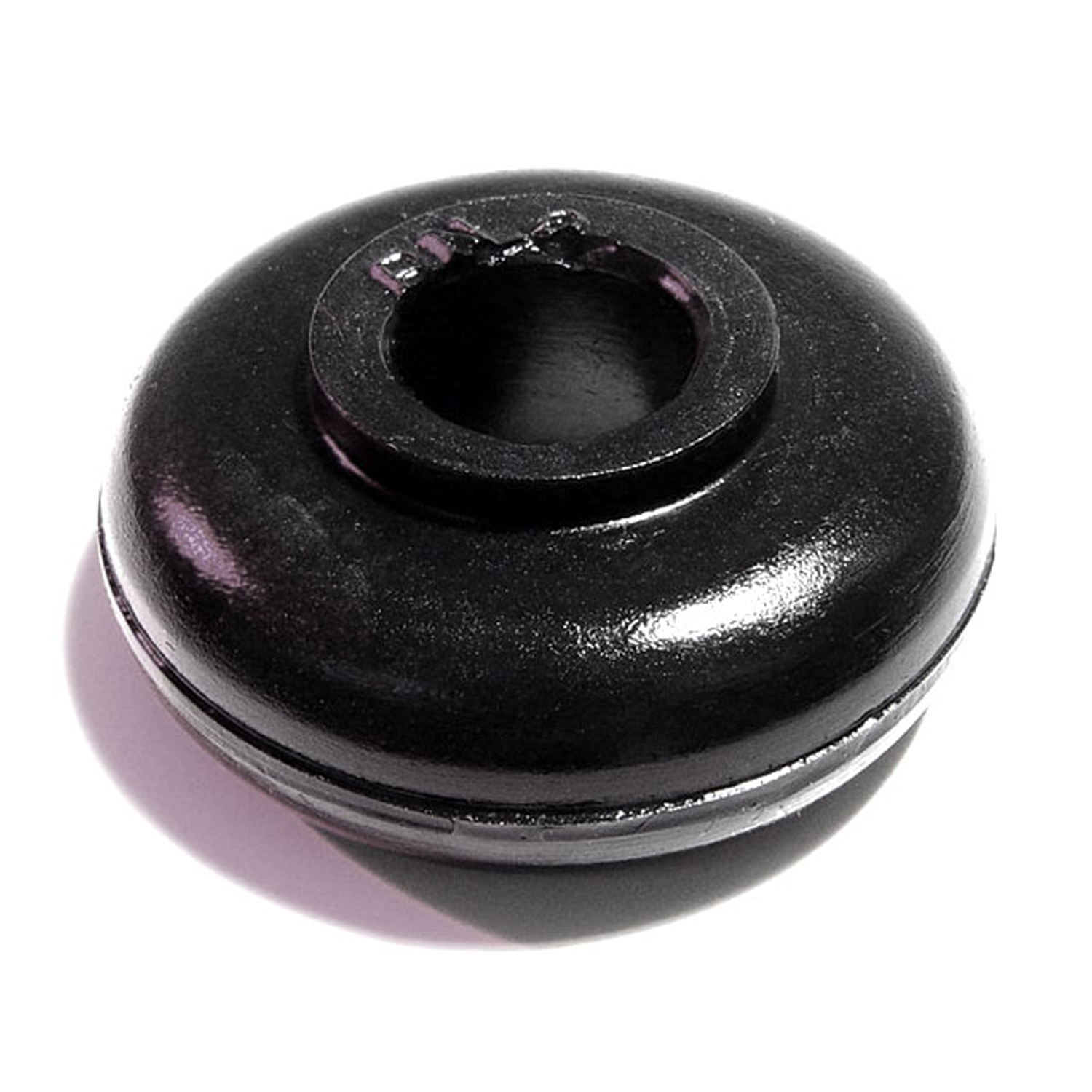 1972 Jaguar XJ6 Roll Bar Bushing. 1/2" high, with 1/2" hole. Each-BN 2Roll Bar Bushing. 1/2" high, with 1/2" hole. Each
 1972 Jaguar XJ6 Dash Board Mounting Pads, for 4-Door Sedans-MB 34Dash Board Mounting Pads, for 4-Door Sedans. For ends to "A" post. Replaces OEM #BD 33772-3. Pair R&L
 1972 Jaguar XJ6 Marker Light Mounting Pad. Double lip like original-MP 799-ACMarker Light Mounting Pad. Double lip like original. Detailed reproduction. 2-1/2" wide X 5-3/4" long. Each
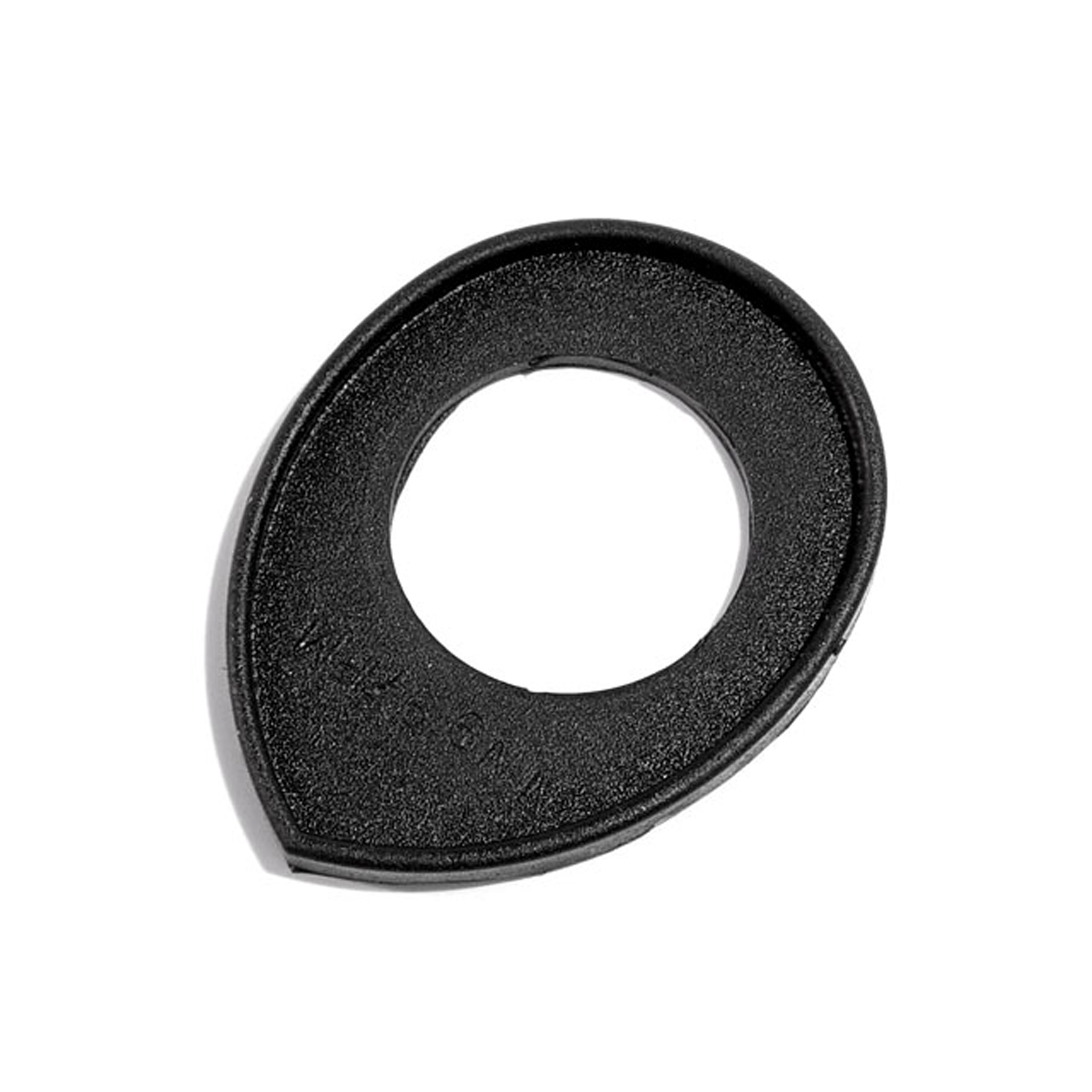 1972 Jaguar XJ6 ANTENA BASE PAD, JAGUAR XJ SERIES I & II ALSO E SERIES III-MP 799-NNANTENA BASE PAD, JAGUAR XJ SERIES I & II ALSO E SERIES III
 1972 Jaguar XJ6 Spark plug wire boot. Exclusive Metro part-RP 1-KSpark plug wire boot. Exclusive Metro part. Fits on the distributor cap end. Note: looks similar to coil boot, but is physically smaller. Replaces OEM# CO 2609. Each.
 1972 Jaguar XJ6 Brake Reservoir Cap Seal. Made of neoprene. 2-5/8" I.D-RP 2-GBrake Reservoir Cap Seal. Made of neoprene. 2-5/8" I.D. X 3" O.D. X 1/8" thick. Each
 1972 Jaguar XJ6 Front Vent Window Seals. For 4-door sedan-WR 3021Front Vent Window Seals. For 4-door sedan. Accurate reproduction. Replaces OEM #BD-31789. Pair R&L
Why Choose Metro?
For over 100 years, Metro Moulded Parts has been the pinnacle of quality in classic car restoration parts. Our commitment to precision and authenticity in every component ensures a perfect fit and an OEM-level appearance.
- Expert Craftsmanship & Quality: Each part is a testament to our dedication to reliability and perfection, crafted from original designs and thoroughly tested.
- Advanced Technology: We use cutting-edge techniques to create flawless, long-lasting parts that surpass others in performance.
- SuperSoft Sponge – The Ultimate Door Seal: Not only are our door seals 30% softer than competitors', but they're also guaranteed to never leak. They effectively reduce wind and road noise, enhancing your classic car's comfort and driving experience.
- Proudly American: Our parts are a product of American craftsmanship, made in the USA with a spirit of excellence and heritage.
- Unrivaled Warranty: We back our products with a 30-year industry-leading warranty, a testament to our confidence in their quality.
Join us in preserving the legacy of classic cars with parts that are crafted for perfection, not just made.