
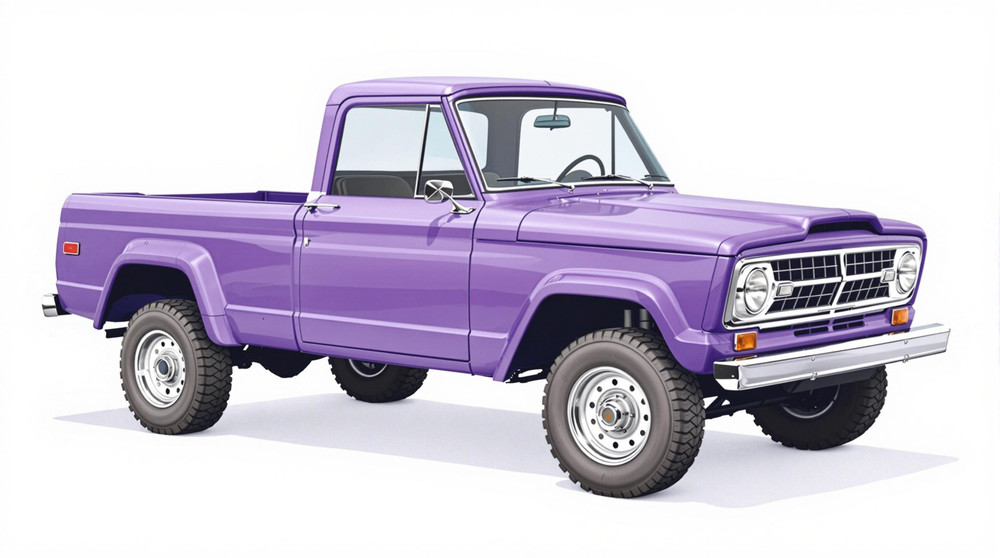
Image of 1968 Jeep J-2500, Note: These illustrations use artistic license and may differ from actual historical models.
Performance Metrics
Fundamental Metrics
Emotional Appeal
MMP Rating
| Engine Specifications | |
|---|---|
| Engine: | AMC 327 V8 |
| Displacement: | 327 cu in (5.4 L) |
| Horsepower: | 250-270 hp |
| Torque: | 340-365 lb-ft |
| Compression Ratio: | 8.7:1 |
| Ignition System: | Conventional, distributor |
| Cooling System: | Liquid-cooled |
| Performance Specifications | |
| 0-60 Time: | Estimated 10-12 seconds |
| 1/4 Mile Time: | Estimated 17-19 seconds |
| Top Speed: | 100 mph |
| Transmission and Drive | |
| Drive Type: | 4WD |
| Transmission Type: | 3-speed manual, 4-speed manual, 3-speed automatic |
| Fuel and Efficiency | |
| Fuel System Type: | Carburetor |
| MPG: | Estimated 10-12 mpg |
| Dimensions and Brakes | |
| Brakes: | Front disc, rear drum |
| Wheelbase: | 119 in (3,023 mm) |
| Weight: | 4,200 lbs (1,905 kg) |
Note: Specifications for classic cars are given to the best of our ability, considering the limited and variant data available.
1968 Jeep J-2500: A Heavy-Duty Gladiator With a Distinctive Purpose
The 1968 Jeep J-2500 was built for work first, but it had a character that made it more than a bare-bones farm truck. Produced by Kaiser Jeep Corporation in Toledo, Ohio, it belonged to the Gladiator family of full-size pickups, introduced in 1962 for the 1963 model year. The J-2500 was the three-quarter-ton member of the lineup, positioned for buyers who needed serious load-carrying ability and available four-wheel drive.
Its roots were shared with the Jeep Wagoneer. That meant the J-2500 came from a purpose-designed full-size platform rather than a small Jeep adapted into a pickup. One notable detail: early Gladiators helped bring comparatively advanced engineering to the truck market, including an available independent front suspension on certain configurations. The name “Gladiator” appeared in Jeep’s marketing, while J-2500 identified the truck’s series and capacity.
Gladiator Styling and J-2500 Body Choices
The J-2500 had a sturdy, upright profile, with a broad hood, squared-off cab, and a simple front end that looked ready for a day’s work. Its grille and headlamp treatment gave it a recognizable Jeep face without making the truck resemble a CJ. Chrome trim and brightwork could dress up the exterior, but the overall design remained practical: tall glass offered good visibility, and the straight body panels were easier to repair than elaborate sculpted ones.
Buyers could choose between pickup bed styles commonly referred to as Townside and Thriftside. Townside was the smooth-sided, wider-looking bed; Thriftside had exterior rear fenders and a narrower, stepside appearance. Cab-and-chassis configurations and different wheelbase and equipment combinations were also available across the J-series range. Exact availability depended on configuration and market, so surviving trucks can differ considerably.
Paint choices varied with model year and trim. Period Jeep trucks appeared in practical solid colors as well as brighter shades, with white, red, blue, green, and earthier tones all fitting the era. Fleet buyers often favored straightforward colors, while a well-preserved truck in a vivid factory shade can be especially eye-catching today. Original paint codes and trim details are worth checking against the vehicle’s documentation because repainting and decades of repairs are common.
A Work-Ready Cabin and Period Technology
The J-2500’s cabin was straightforward and durable rather than luxurious. A broad dashboard, simple gauges, large controls, and a relatively upright seating position made it feel like a working vehicle. Vinyl upholstery was a natural choice for a truck expected to see mud, tools, and wet clothing. Equipment and trim varied, and buyers could add comfort and convenience options such as a heater, radio, upgraded interior trim, and power steering.
By modern standards, the technology was basic. There were no electronic driver aids or modern crash systems, and the driver did much of the work through the steering wheel, pedals, and gear lever. The available four-wheel-drive hardware, low-range gearing, and heavy-duty chassis were the important technologies here. On a well-equipped example, an automatic transmission or power steering could make everyday use less demanding, but the J-2500 still feels firmly rooted in its era.
Engines, Four-Wheel Drive, and Road Manners
Engine and drivetrain details vary by truck, and surviving examples may have been modified over the years. The J-series lineup offered inline-six and V8 powerplants during this period, with availability depending on the specific model year and configuration. A 1968 J-2500 may be found with a six-cylinder engine or a V8, including engines associated with Jeep’s contemporary Gladiator range. Check the vehicle identification information and engine stamping rather than relying on badges or seller descriptions alone.
Manual transmissions were common, with other transmission choices available depending on equipment. Four-wheel-drive trucks used a selectable transfer case, giving the driver low-range gearing for slow, difficult terrain. Axles, gearing, and suspension setup varied, so there is no single performance figure that accurately describes every J-2500.
As a broad estimate, a healthy, original truck might reach roughly 80 to 90 mph, although gearing, tires, engine condition, and load can change that considerably. A 0-to-60-mph run was not a strong point: expect something in the neighborhood of 15 to 20 seconds for many period configurations. These are estimates rather than guaranteed factory test figures. The J-2500 was built to haul and pull, not to win stoplight contests.
On the road, the truck feels substantial. Its steering is slower and less precise than a modern pickup’s, and the ride can be firm when the bed is empty. Add a load, and the suspension makes more sense. Over broken surfaces, expect the solid, work-truck feel typical of the period, with bumps and road seams clearly communicated through the chassis. On winding roads, its size, weight, and older tires call for measured inputs. The engine’s mechanical rumble, the movement of the gear lever, and the physical effort involved make driving one an active experience rather than a quiet commute.
Why the J-2500 Mattered
The J-2500 helped establish Jeep as a serious maker of full-size trucks, not just compact off-road vehicles. Its combination of a useful pickup body, heavy-duty capacity, and available four-wheel drive set it apart from many conventional two-wheel-drive work trucks. The shared engineering relationship with the Wagoneer also reflected a broader shift toward vehicles that could handle work duties while offering more comfort and everyday usability.
The Gladiator’s design did not define the entire pickup market, but it contributed to Jeep’s reputation for combining utility with all-terrain ability. Its most enduring influence is the idea that a full-size pickup could be both a practical work tool and a capable 4x4. That formula remains central to the modern truck market.
Living With a 1968 Jeep Pickup
Today, J-2500s are most often used as weekend drivers, farm and property trucks, restoration projects, or vintage show vehicles. A sound example can still handle occasional hauling, but many owners preserve them rather than subjecting them to daily commercial work. Their classic proportions and unusual presence make them natural conversation pieces at truck and Jeep gatherings.
Mechanical repairs are generally approachable for an experienced home mechanic. The systems are largely mechanical, and many routine jobs do not require specialized diagnostic equipment. Parts support is mixed: service items and some drivetrain components can be found through Jeep specialists and vintage-parts suppliers, while model-specific trim, sheet metal, and original interior pieces may take patience to locate. Rust inspection is essential, especially around the cab, floor, bed, frame, and body mounts. On four-wheel-drive trucks, check the transfer case, front axle, and driveline for leaks, wear, or signs of hard use.
Reliability depends heavily on maintenance and condition. Age-related electrical problems, worn steering and suspension parts, cooling-system issues, and rust are more likely concerns than an inherent design flaw. A pre-purchase inspection by someone familiar with vintage 4x4s can help separate a usable truck from an expensive project.
J-2500 Trivia and Common Criticisms
The J-2500 was part of the Gladiator family, but the Gladiator name eventually disappeared from Jeep’s full-size pickup marketing. The truck’s close relationship to the Wagoneer is another interesting piece of its story: the two shared a family of engineering and design ideas while serving very different roles.
There is no widely recognized speed or production record specifically associated with the 1968 J-2500. Nor is there a dependable, publicly established production total for this exact model and year. Its appeal is more about capability and character than a famous racing victory or celebrity connection. Common criticisms include heavy steering on trucks without power assist, modest acceleration, a firm empty-bed ride, and the difficulty of finding some original trim and body parts.
Collector Values and Availability
Exact production figures for the 1968 J-2500 are difficult to verify. As a cautious estimate rather than a factory count, perhaps 3,000 to 8,000 examples were built in that model year. The number of surviving trucks in original or well-restored condition is much smaller, and availability varies by region.
In the current collector market, a rough project may sell for about $2,000 to $7,000. A usable driver with solid structure could fall around $8,000 to $20,000, while a high-quality restoration or exceptionally original truck may bring approximately $25,000 to $45,000. Outstanding examples can exceed that range, but condition, originality, engine and drivetrain configuration, and documentation have a major effect on value.
Values have generally benefited from growing interest in classic 4x4s, though the J-2500 remains less widely recognized than a classic Bronco or early-generation Ford pickup. That can make it a comparatively attainable collectible, but it also means prices are less predictable. Rust-free bodywork, a working four-wheel-drive system, and correct period details tend to matter more than bolt-on upgrades.
A Distinctive Classic Truck Worth Remembering
The 1968 Jeep J-2500 combines full-size hauling ability, period Jeep 4x4 character, and an uncommon place in the Gladiator story. It is not quick or polished by modern standards, and keeping one original can require a determined parts hunt. But its honest engineering, distinctive styling, and genuine working-truck roots give it an appeal that polished modern pickups cannot reproduce. For collectors and enthusiasts who value capability as much as nostalgia, the J-2500 remains a memorable piece of Jeep history.
1968 Jeep J-2500 Catalog of Parts
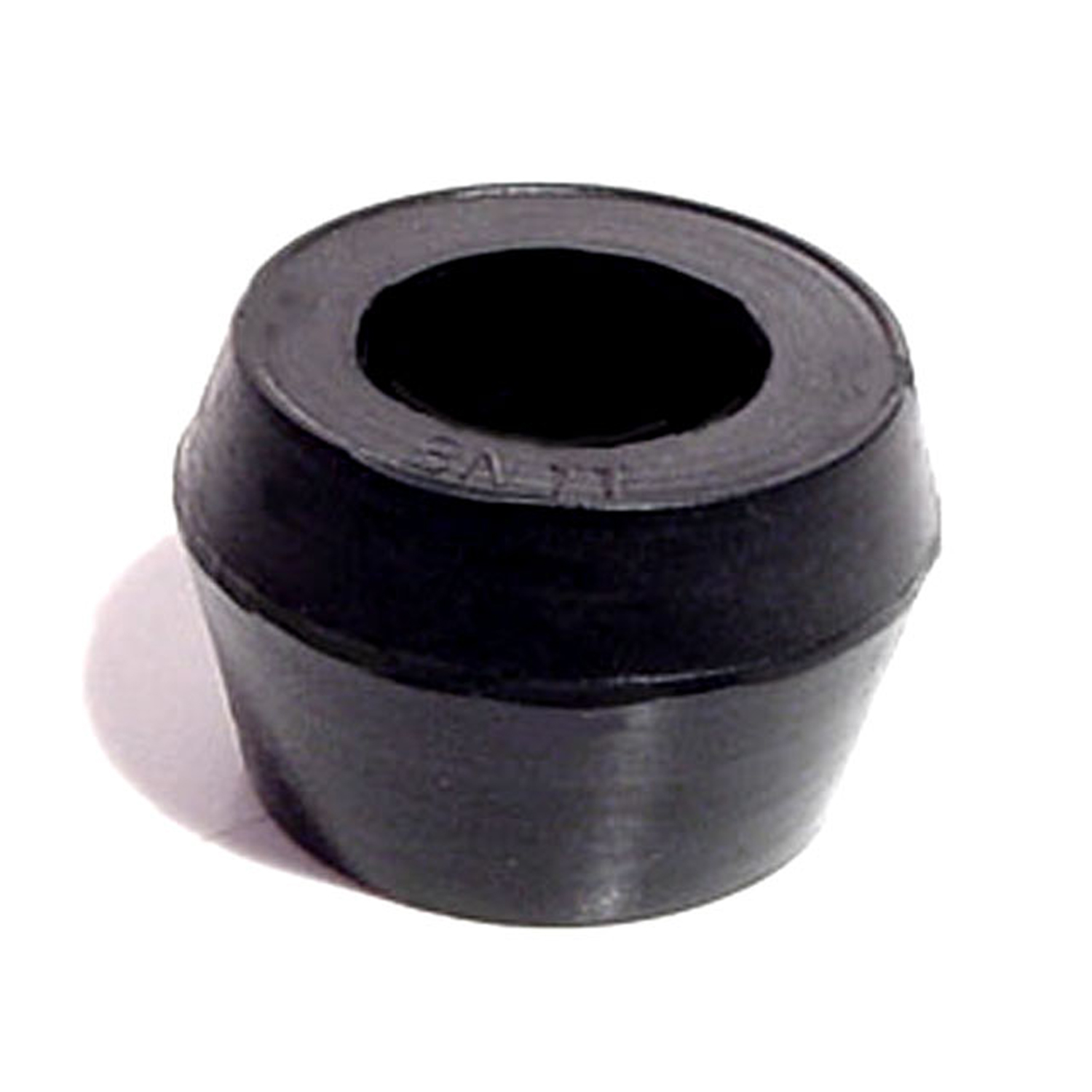 1968 Jeep J-2500 Shock Absorber Grommet. 1" bottom O.D-BN 11Shock Absorber Grommet. 1" bottom O.D., 3/4" high, with 5/8" I.D. Each
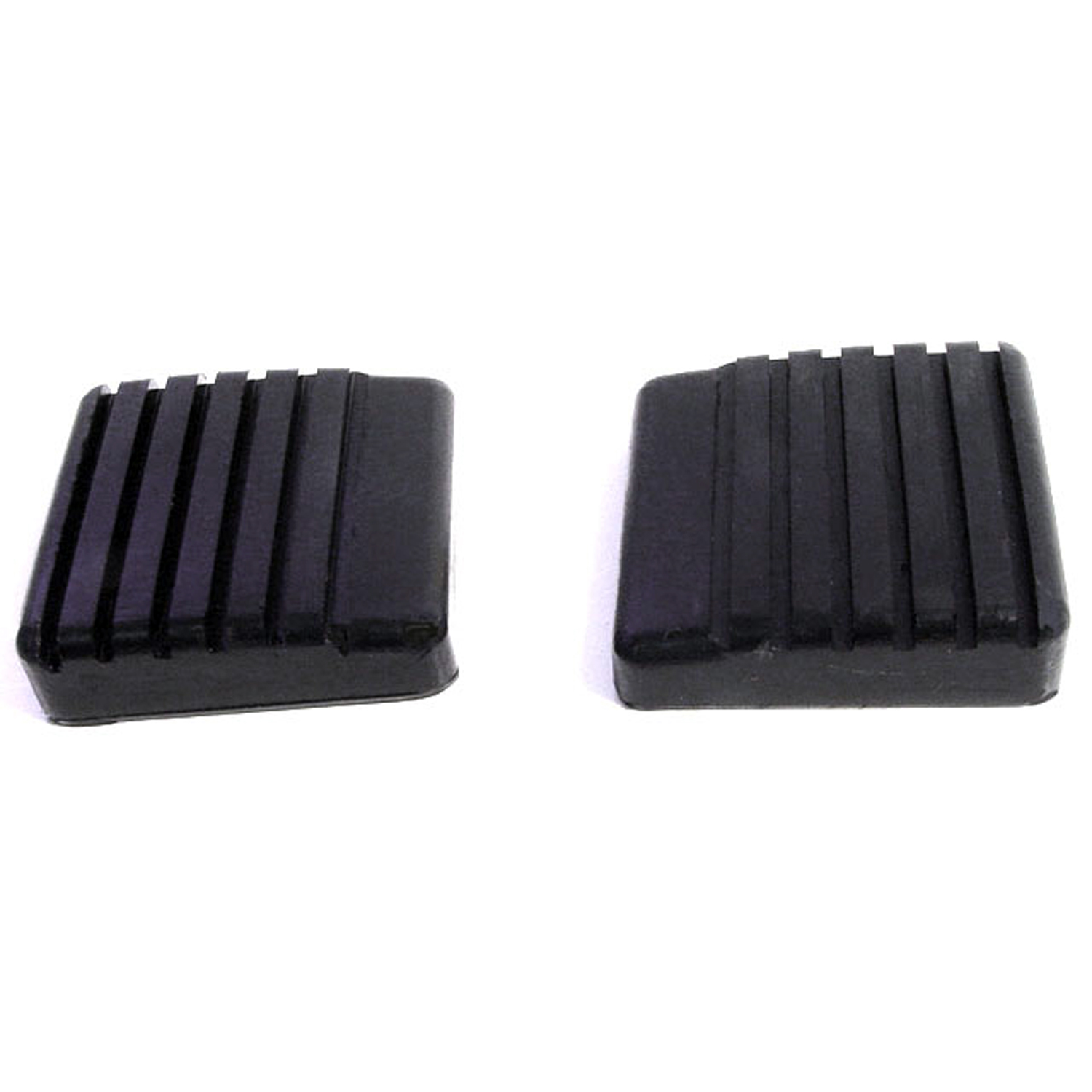 1968 Jeep J-2500 Clutch and Brake Pedal Pads. Pair-CB 61-BClutch and Brake Pedal Pads. Pair
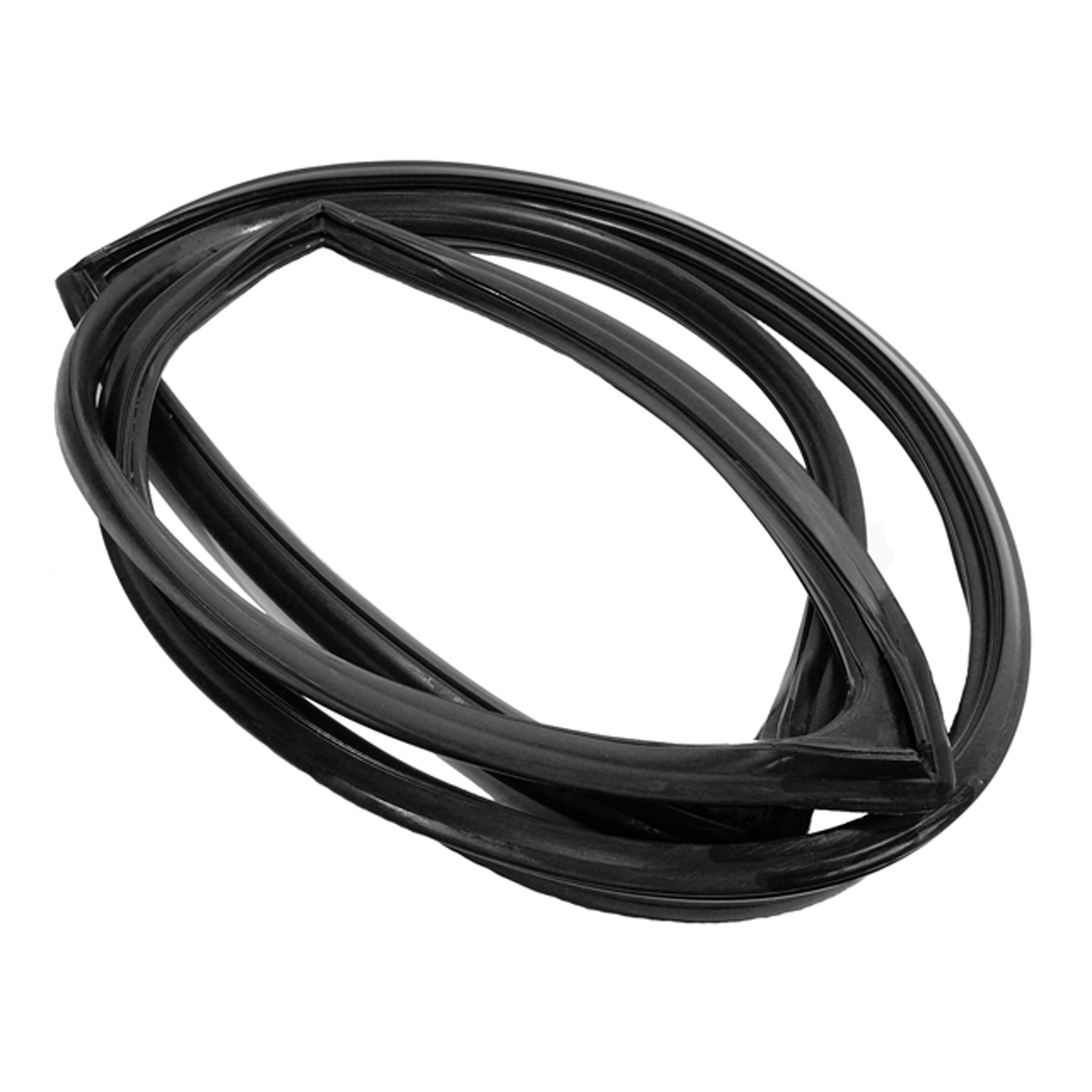 1968 Jeep J-2500 Vulcanized Windshield Seal. 164-1/4" Long. Each-VWS 0643Vulcanized Windshield Seal. 164-1/4" Long. Each
Why Choose Metro?
For over 100 years, Metro Moulded Parts has been the pinnacle of quality in classic car restoration parts. Our commitment to precision and authenticity in every component ensures a perfect fit and an OEM-level appearance.
- Expert Craftsmanship & Quality: Each part is a testament to our dedication to reliability and perfection, crafted from original designs and thoroughly tested.
- Advanced Technology: We use cutting-edge techniques to create flawless, long-lasting parts that surpass others in performance.
- SuperSoft Sponge – The Ultimate Door Seal: Not only are our door seals 30% softer than competitors', but they're also guaranteed to never leak. They effectively reduce wind and road noise, enhancing your classic car's comfort and driving experience.
- Proudly American: Our parts are a product of American craftsmanship, made in the USA with a spirit of excellence and heritage.
- Unrivaled Warranty: We back our products with a 30-year industry-leading warranty, a testament to our confidence in their quality.
Join us in preserving the legacy of classic cars with parts that are crafted for perfection, not just made.