
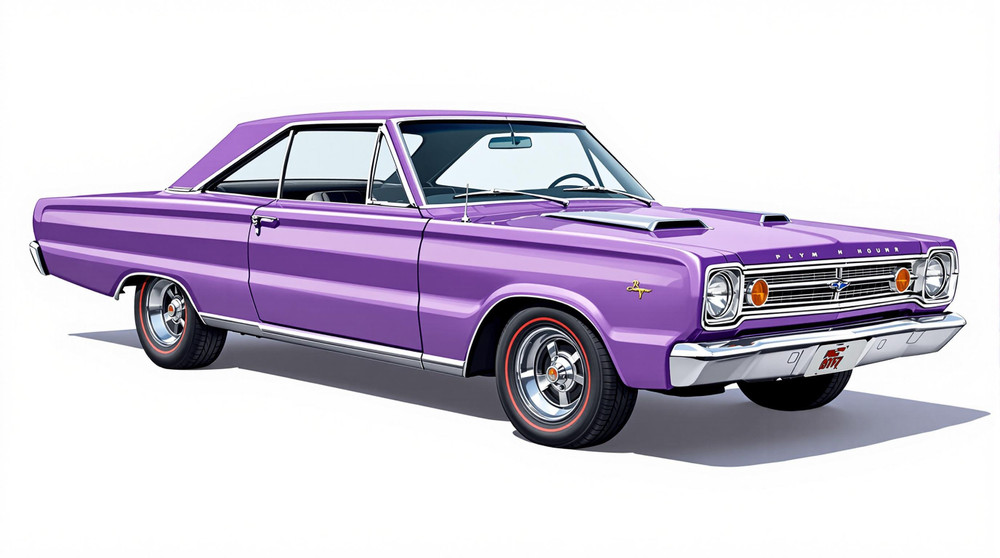
Image of 1967 Plymouth Belvedere, Note: These illustrations use artistic license and may differ from actual historical models.
Performance Metrics
Fundamental Metrics
Emotional Appeal
MMP Rating
| Engine Specifications | |
|---|---|
| Engine Options: | 225 Slant Six, 273 V8, 318 V8, 383 V8, 426 Hemi V8 |
| Displacement Range: | 225 - 426 cu in |
| Horsepower Range: | 145 - 425 hp |
| Torque: | 215 - 490 lb-ft |
| Compression Ratio: | 8.4:1 - 10.25:1 |
| Ignition System: | Electronic Ignition |
| Cooling System: | Liquid Cooled |
| Performance Specifications | |
| 0-60 Time: | 7.1 - 10.5 seconds |
| 1/4 Mile Time: | 15.1 - 17.5 seconds |
| Top Speed: | 115 - 130 mph |
| Transmission and Drive | |
| Drive Type: | Rear Wheel Drive |
| Transmission Type: | 3-Speed Manual, 4-Speed Manual, 3-Speed Automatic |
| Fuel and Efficiency | |
| Fuel System Type: | Carburetor |
| MPG: | 10 - 15 mpg |
| Dimensions and Brakes | |
| Brakes: | Front Disc, Rear Drum |
| Wheelbase: | 116 inches |
| Weight: | 3,200 - 3,800 lbs |
Note: Specifications for classic cars are given to the best of our ability, considering the limited and variant data available.
1967 Plymouth Belvedere: A Classic Mopar With Muscle
The 1967 Plymouth Belvedere could be a sensible family car, a roomy highway cruiser, or a serious piece of muscle, depending on how it was ordered. Built by Chrysler Corporation under its Plymouth division, the Belvedere was a mid-size, rear-wheel-drive car based on Chrysler’s B-body platform. Its mix of practical body styles and available big-block power made it a versatile player in a decade when American automakers were turning everyday transportation into performance machinery.
The Belvedere name had been part of Plymouth’s lineup since the early 1950s, but by 1967 it sat in a competitive market crowded with cars such as the Ford Fairlane and Chevrolet Chevelle. Plymouth’s answer was choice: buyers could select a modest six-cylinder sedan or step up to a V8-powered hardtop, with high-performance engines available for those who wanted considerably more than family-car pace.
One especially memorable chapter came on the racetrack. In 1967, Richard Petty drove a Plymouth Belvedere to victory in the Daytona 500 and went on to post a remarkable 27 wins during the NASCAR season. That racing success helped give the production Belvedere a sporting reputation that still adds to its appeal.
Belvedere Styling and Interior
The 1967 Belvedere wore a clean, squared-off shape that suited the period without looking overly ornate. Its broad grille, paired headlamps, long hood, and gently sculpted sides gave it a confident stance. The rear styling was similarly crisp, with simple lines and distinctive tail lamps. Compared with the more flamboyant fins of earlier years, the Belvedere looked modern and purposeful, with much of its visual character coming from its proportions rather than decorative trim.
Inside, the Belvedere was straightforward and spacious. Depending on trim and options, buyers got durable vinyl, cloth-and-vinyl upholstery, or upgraded materials and trim. Bench seats made the cabin practical for families, while certain configurations offered bucket seats and a center console for a sportier feel. The dash was functional and easy to read, with a broad instrument panel and familiar controls rather than today’s electronics-heavy layout.
For the era, available equipment could make a Belvedere quite comfortable. Options included air conditioning, power steering, power brakes, a radio, and automatic transmission. These were not standard on every car, so surviving examples can differ substantially in convenience and feel. The Belvedere’s technology was conventional by modern standards, but its combination of body-on-frame construction, front-engine layout, and straightforward mechanical systems made it easy to understand and service.
Plymouth offered the Belvedere in a range of period colors, including subdued whites and metallics as well as brighter reds, blues, greens, and turquoise shades. Exact color names and availability depended on trim and production details. A vivid color paired with a contrasting vinyl roof or interior can make a Belvedere stand out at a show, while neutral shades often suit its restrained styling.
Body Styles and Model Choices
The 1967 range included two-door and four-door sedans, two-door hardtops, four-door hardtops, and a convertible in the Belvedere lineup. Availability varied by subseries and equipment. The Belvedere I was the more basic choice, while the Belvedere II brought additional trim and a more upscale presentation. The Satellite sat above the Belvedere in Plymouth’s mid-size range, and the GTX was the performance-focused model.
For many enthusiasts, the two-door hardtop is the most iconic Belvedere shape. Its pillarless profile looks especially sleek with the side windows lowered, and it suits the car’s balance of family-car practicality and muscle-car attitude. The convertible is less common and has a different kind of appeal, while four-door models offer more everyday usefulness.
Why the Belvedere Mattered
The Belvedere’s importance lies less in a single radical invention than in how well it represented the changing American car market. It showed how a mid-size platform could serve several roles at once: economical transportation, comfortable family car, stylish hardtop, and performance machine. That flexibility became a defining idea of the muscle-car era.
Its B-body foundation also connected the Belvedere to a broad family of Chrysler products. Buyers could choose relatively mild power or move toward a high-output V8 without changing to a completely different kind of car. The Belvedere therefore helped make performance more accessible than it would have been in a specialized, low-volume sports car.
In NASCAR, the model’s success gave Plymouth a valuable performance image. Petty’s 1967 season was a particularly striking demonstration of the Belvedere’s racing potential. The production car was not simply a race car with road trim, but the connection between the showroom and the track gave the name genuine motorsport credibility.
Engines, Speed, and Road Manners
Engine choices varied with trim and equipment. The lineup included the 225-cubic-inch Slant Six and several V8 options, with small-block and big-block engines available depending on the model. At the top end were the powerful 440-cubic-inch V8 and the legendary 426-cubic-inch Hemi, though those engines were associated particularly with Plymouth’s performance models and are uncommon in Belvederes today. Transmission choices included manual gearboxes and the three-speed TorqueFlite automatic, again depending on the car’s specification.
Performance figures depend heavily on engine, transmission, axle ratio, tires, and vehicle condition. As a general guide, a six-cylinder Belvedere could take roughly 15 seconds or more to reach 60 mph, while a typical V8 car might manage the run in about 8 to 12 seconds. A properly equipped 426 Hemi car could do it in approximately 5 to 6 seconds. Top speed ranged from around 95 to 110 mph for more ordinary versions to roughly 125 mph or higher for high-performance configurations. These are period-style estimates, not guarantees for any individual car.
On the road, the Belvedere feels substantial. Its size and traditional suspension give it a relaxed, somewhat soft ride over ordinary pavement, though worn shocks, tired bushings, or sagging springs can make a decades-old example feel unsettled. On a winding road, it is more cruiser than sports car: the steering is less precise than a modern performance car’s, and body lean is part of the experience. Good tires and a sound suspension make a major difference.
The driving character changes with the engine. A Slant Six produces a steady, workmanlike sound, while a V8 adds a deeper exhaust note and stronger low-speed pull. Big-block cars feel especially forceful when the throttle opens, with the engine’s rumble, the transmission’s shift, and the car’s broad hood all contributing to the old-school muscle-car experience. Visibility, a wide bench seat, and simple controls make the Belvedere easy to settle into, though it lacks modern conveniences such as power-assisted electronic safety systems and contemporary climate control.
Owning and Maintaining a 1967 Belvedere
Today, Belvederes commonly serve as weekend cruisers, show cars, and restoration projects. A well-maintained six-cylinder or small-block V8 car can also be used regularly, but most owners treat these classics as occasional-use vehicles. Fuel consumption, age-related wear, and the absence of modern safety equipment make one less convenient for daily commuting than a newer car.
Mechanical maintenance is generally approachable for an owner with basic tools and experience. The engines and drivetrains are conventional, and many routine jobs are straightforward. Parts availability is good for common service items and many restoration components, though trim, model-specific interior pieces, and rare performance parts can take more searching. Before buying, inspect the body carefully for rust, especially around floors, lower panels, trunk areas, and structural points. Rust repair and incomplete restoration work can quickly outweigh the purchase price.
Reliability depends more on condition and maintenance than on the badge. A correctly restored car with a healthy cooling system, sound wiring, and properly rebuilt brakes can be enjoyable and dependable for local trips. A neglected example may need attention to its carburetor, electrical system, fuel delivery, suspension, and braking before it is ready for regular use. Keep in mind that a powerful engine does not make an old car’s brakes or handling equivalent to those of a modern vehicle.
Belvedere Facts and Misconceptions
The Belvedere name is commonly translated from Italian as “beautiful view,” a fitting label for a car often remembered through its long hood and open hardtop profile. The 1967 model also belongs to an era when a single car line could be ordered in dramatically different forms, from basic transportation to a machine with a race-bred Hemi V8.
It is important to distinguish the Belvedere from related Plymouth models. The GTX was Plymouth’s upscale performance model, while the Satellite occupied a more luxurious position in the mid-size family. They shared important platform and engineering elements, but they were not simply different names for the same trim level. A Belvedere equipped with a rare engine is especially interesting, but buyers should verify its original equipment through documentation rather than relying on badges or seller claims.
The Belvedere’s NASCAR legacy is its most prominent historical connection. Richard Petty’s 1967 Daytona 500 win and record-setting season remain key moments in Plymouth racing history. The car’s main criticisms are familiar ones for mid-century American cars: heavy weight, modest fuel economy, soft handling by modern standards, and rust vulnerability. Its standard safety equipment also reflects the era, so careful maintenance and sensible driving matter.
Collector Values and Rarity
Exact 1967 production totals vary by body style, trim, and engine, and a single number for every Belvedere configuration can be misleading. A reasonable broad estimate is that Plymouth built somewhere around 100,000 to 150,000 Belvedere-series cars for the model year. The common six-cylinder and small-block versions are still findable, while clean convertibles, highly original cars, and unusual factory performance combinations are much harder to locate.
As a broad 2026 U.S. market estimate, projects and rough drivers may sell for about $8,000 to $18,000. Presentable, usable cars often fall around $18,000 to $35,000, while excellent restorations or particularly desirable body styles can reach roughly $35,000 to $70,000 or more. A documented 426 Hemi example is in a separate collector category and can command well into six figures, with exceptional, verified cars potentially reaching several hundred thousand dollars. These ranges are approximate; originality, rust, paperwork, restoration quality, and engine authenticity can change the value dramatically.
Interest in classic Mopars has generally supported values for well-preserved and correctly documented cars, especially rare performance versions. Ordinary Belvederes have not always appreciated as quickly as the best-known muscle-car nameplates, and values can vary with broader collector-car trends. Buyers tend to pay a premium for solid bodywork and authentic equipment, while an ambitious restoration can cost more than the finished car is worth.
A Plymouth With More Than One Personality
The 1967 Plymouth Belvedere stands out because it could be many things at once: a roomy family car, a sharp-looking hardtop, a practical cruiser, or a potent performance machine. Its clean styling, adaptable B-body platform, and connection to Richard Petty’s remarkable NASCAR season give it a place in both everyday automotive history and American racing lore.
For collectors, the Belvedere offers a wide range of ways into classic Mopar ownership, from approachable six-cylinder sedans to rare, high-powered variants. Whichever version you choose, a well-kept 1967 Belvedere delivers a vivid reminder of an era when a sensible Plymouth could still have a racing story under its hood.
1967 Plymouth Belvedere Catalog of Parts
 1967 Plymouth Belvedere Quarter window pillar-post end seals-ALP 7007Quarter window pillar-post end seals. Fits '66-'67 Mopar 2-door hardtop and convertible.
 1967 Plymouth Belvedere Door end-cap filler seals-ALP 7008Door end-cap filler seals. Fits '66-'67 Mopar 2-door hardtop and convertible.
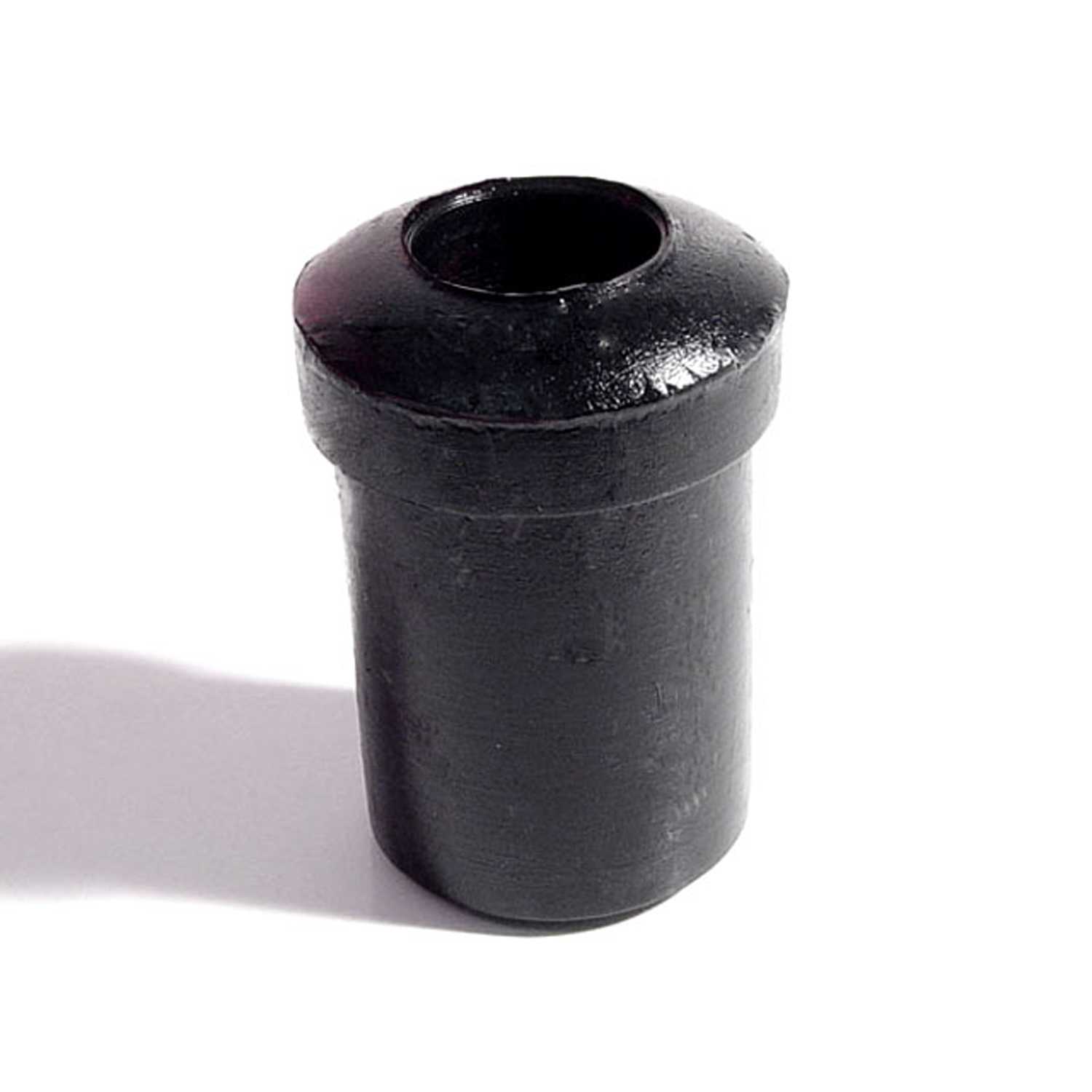 1967 Plymouth Belvedere Spring and Shackle Bushing. 1" bottom O.D-BN 20Spring and Shackle Bushing. 1" bottom O.D. X 1-5/8" high, with 9/16" I.D. Each
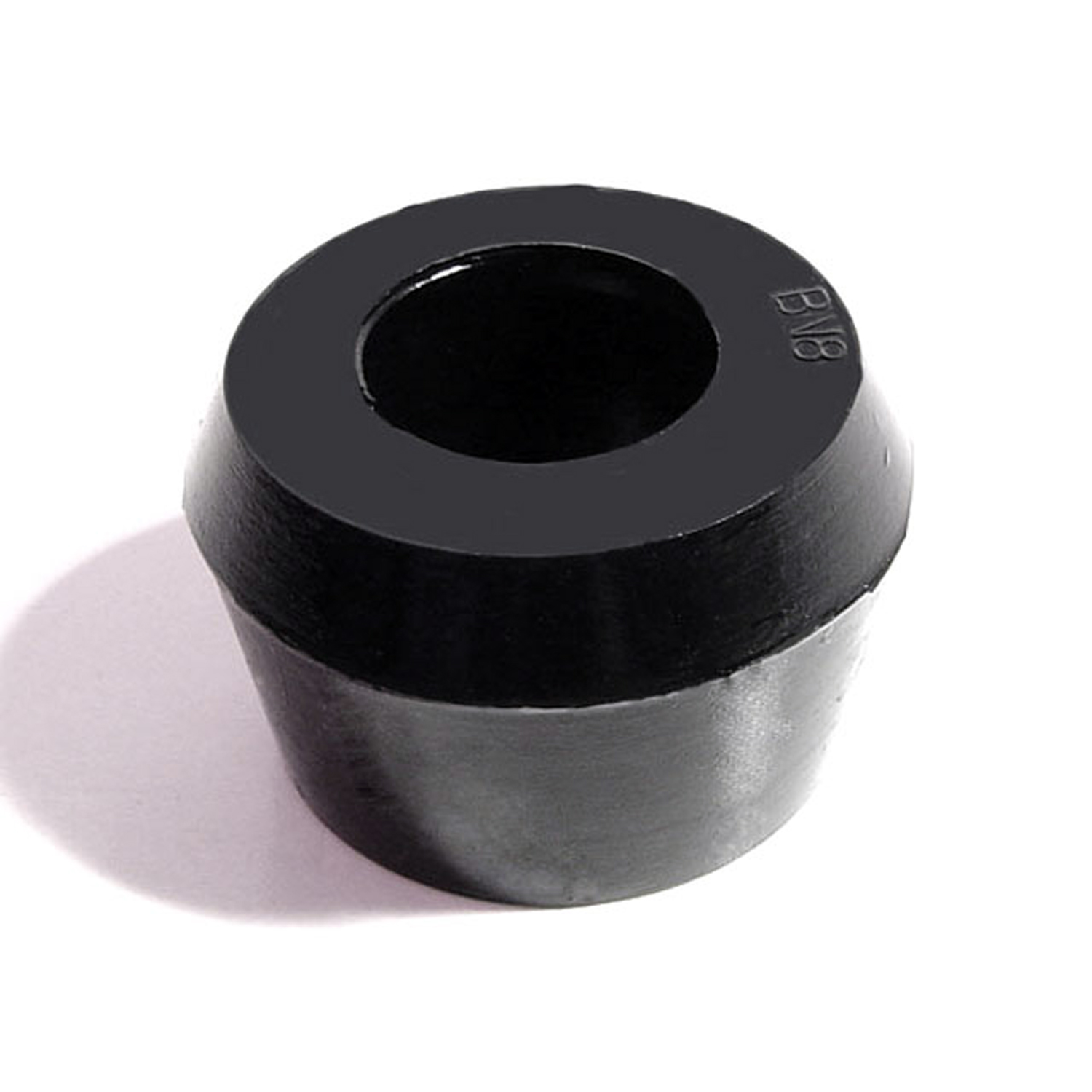 1967 Plymouth Belvedere Shock Absorber Grommet. 1-1/4" bottom O.D-BN 8Shock Absorber Grommet. 1-1/4" bottom O.D., 1" high, with 3/4" I.D. Each
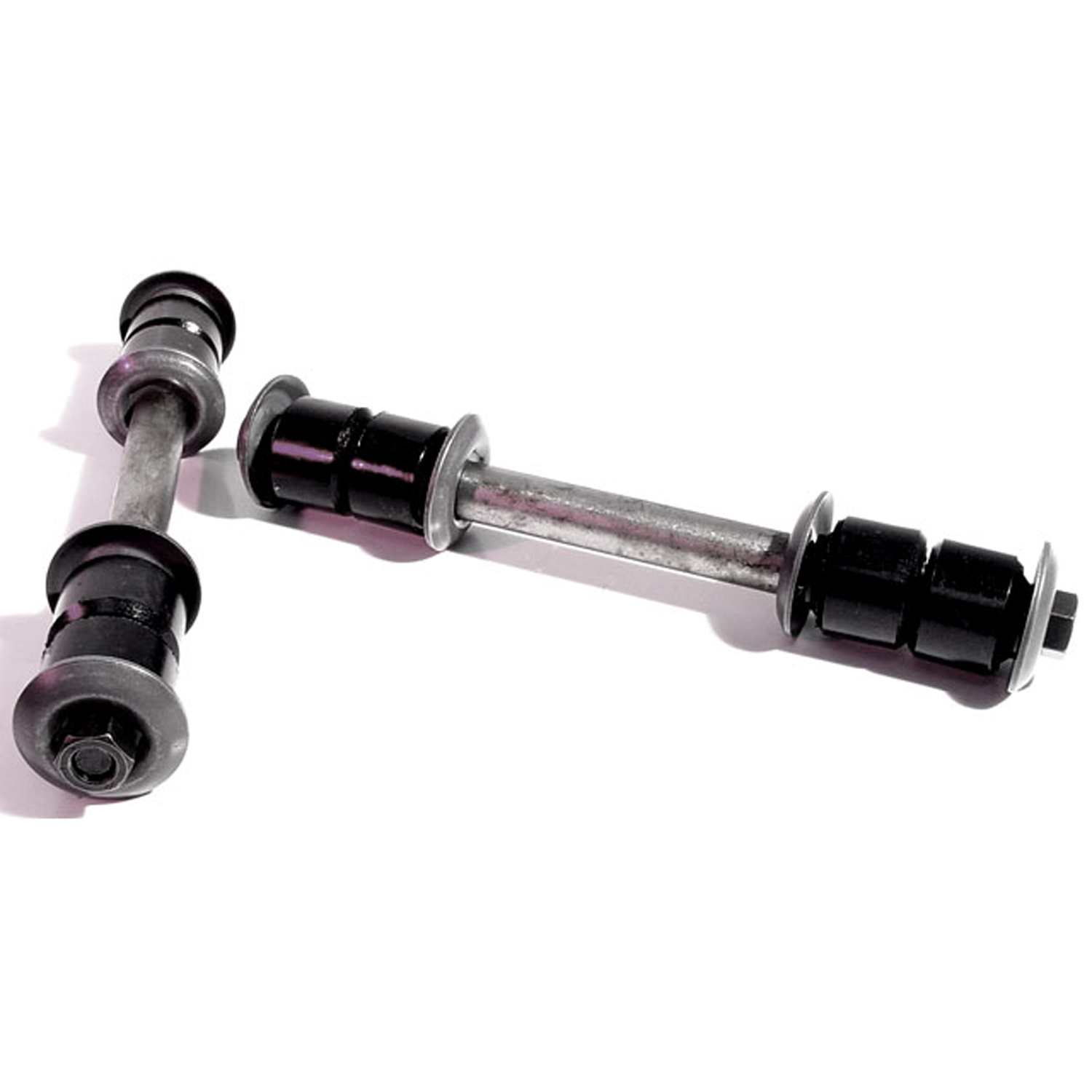 1967 Plymouth Belvedere Front Stabilizer End Repair Kit-BNK 21Front Stabilizer End Repair Kit. 22-piece set for two stabilizer bars. Contains all rubber bushings, washers, bolts and nuts, enough for one front end. Set
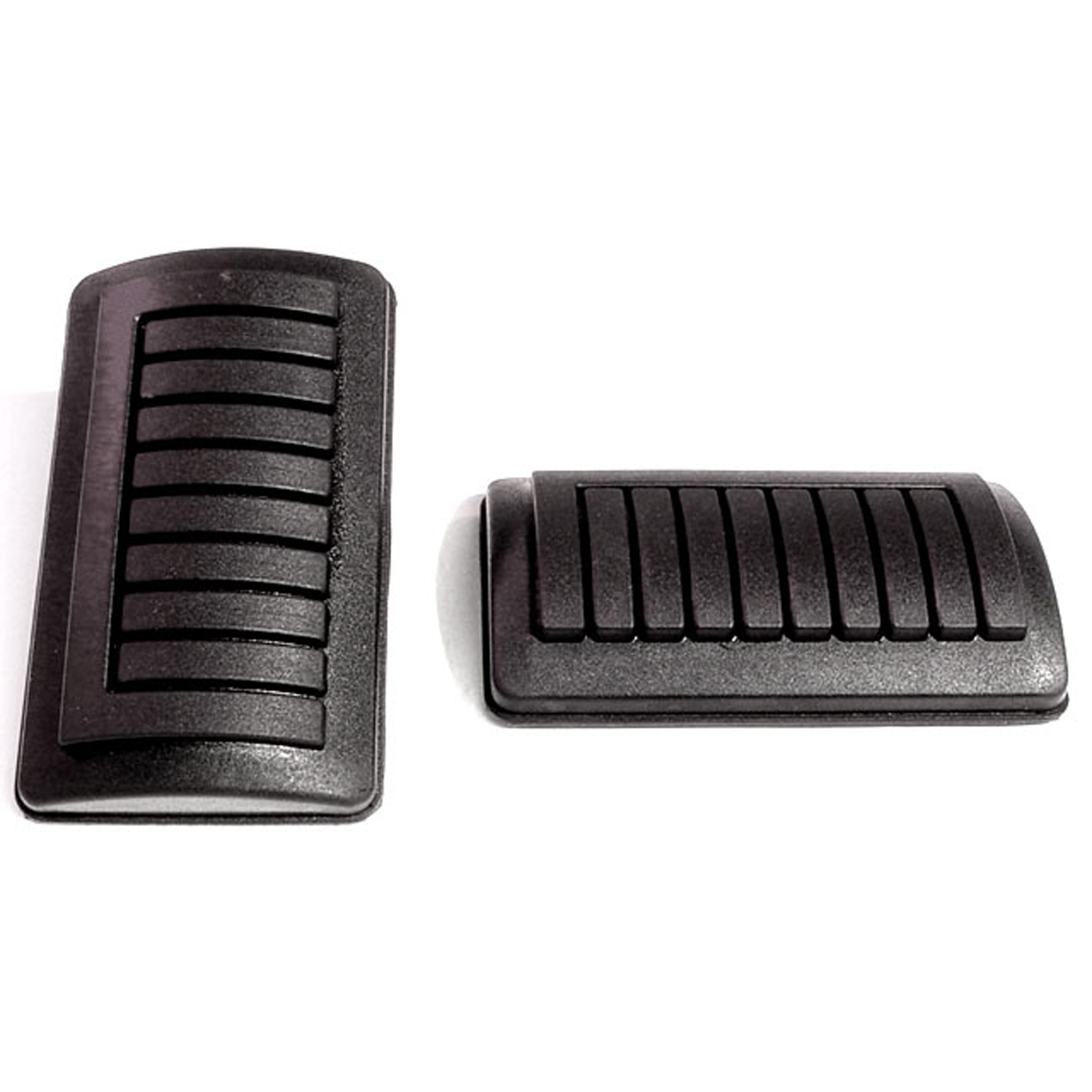 1967 Plymouth Belvedere Clutch and Brake Pedal Pads. 3-3/4" wide X 2-1/4" long-CB 198Clutch and Brake Pedal Pads. 3-3/4" wide X 2-1/4" long. Pair
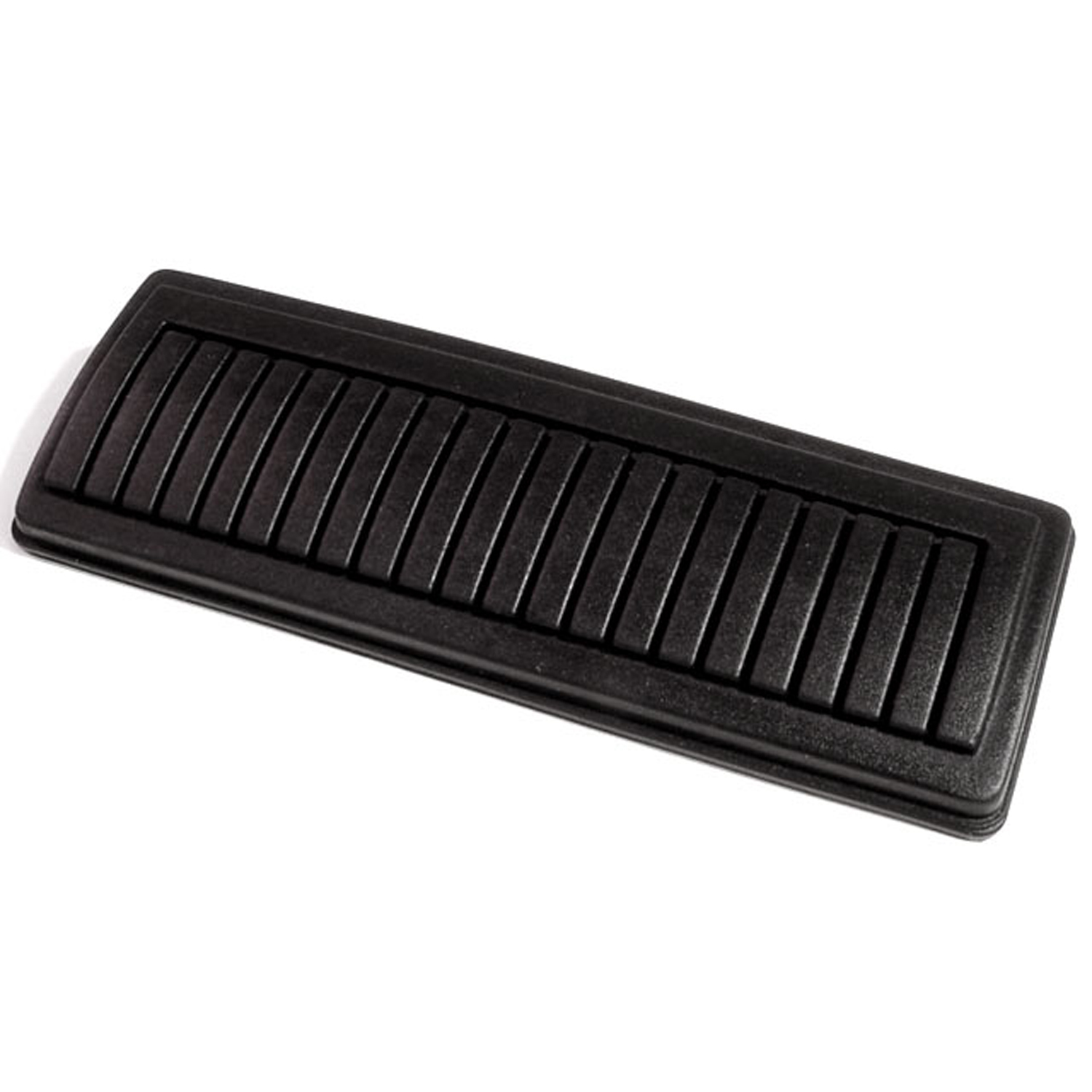 1967 Plymouth Belvedere Brake Pedal Pad, for models with automatic transmission-CB 200Brake Pedal Pad, for models with automatic transmission. 6-1/2" wide X 2-3/8" long. Each
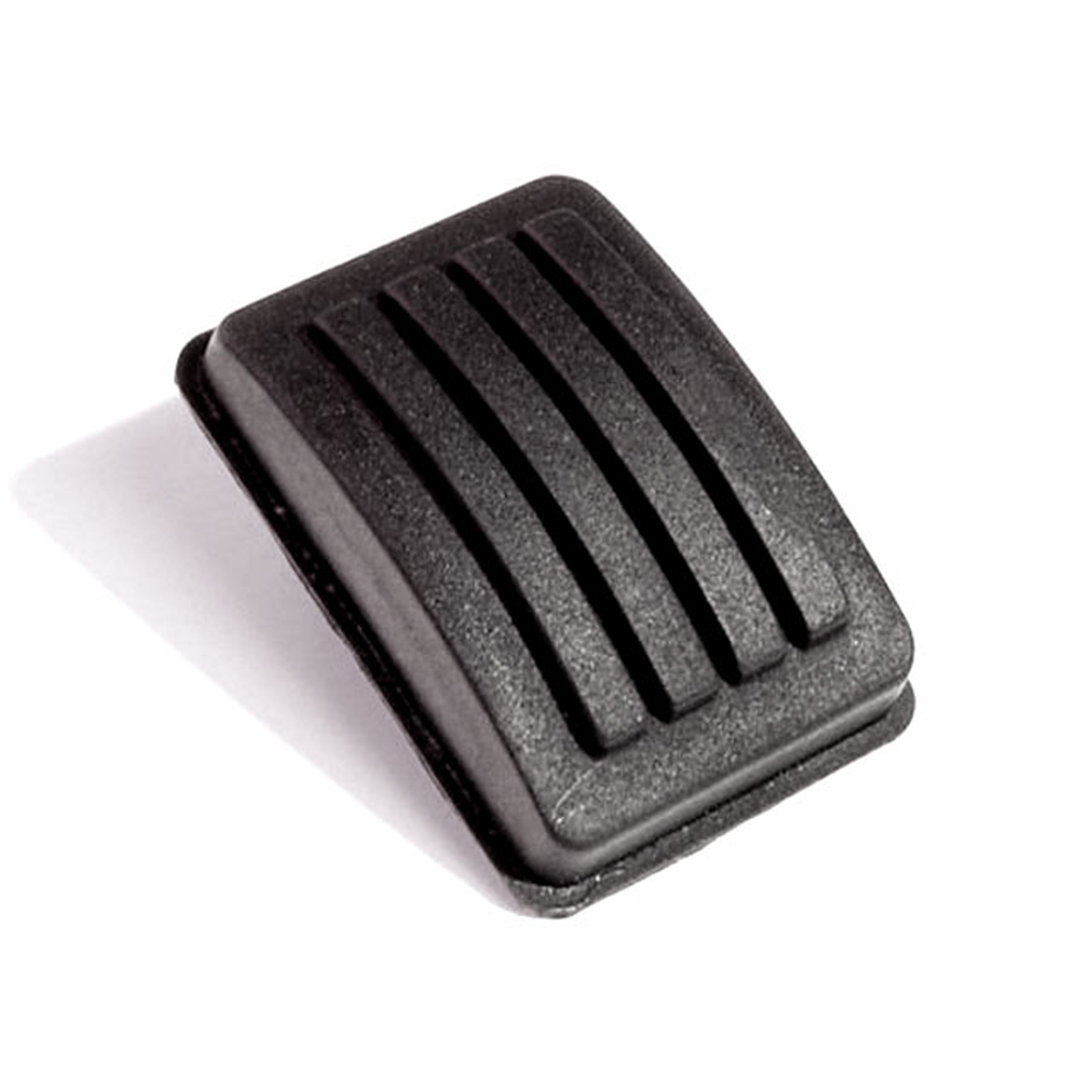 1967 Plymouth Belvedere Park Brake Pedal Pad-CB 200-BPark Brake Pedal Pad. Your stainless steel bezel fits over this new pad. 1-5/8" wide X 2-3/8" long. Each
 1967 Plymouth Belvedere Hood to Radiator Seal, 51-1/8" Long. Each-CS 20-CHood to Radiator Seal, 51-1/8" Long. Each
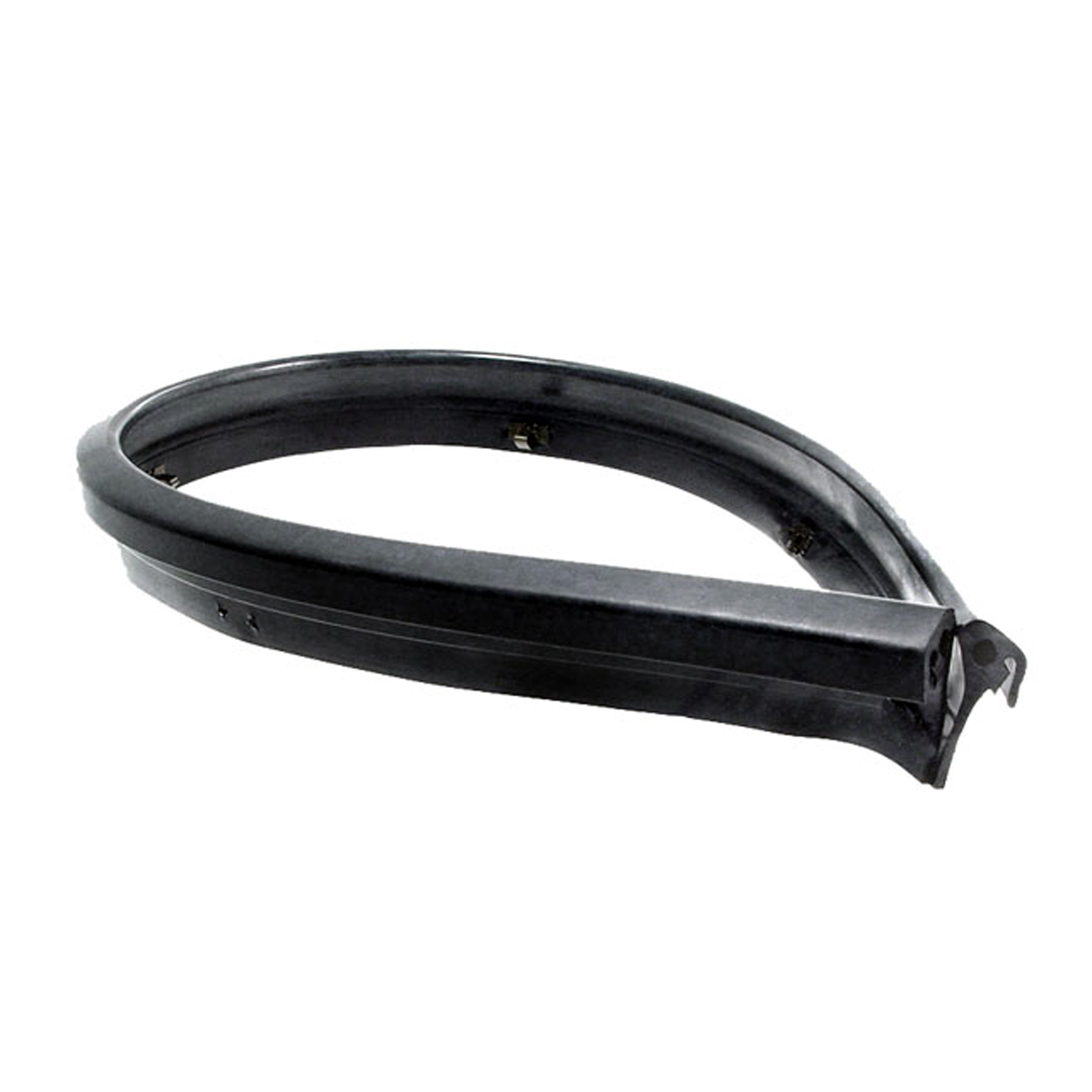 1967 Plymouth Belvedere Hood to Cowl Seal, 35" Long. Each-CS 20-XHood to Cowl Seal, 35" Long. Each
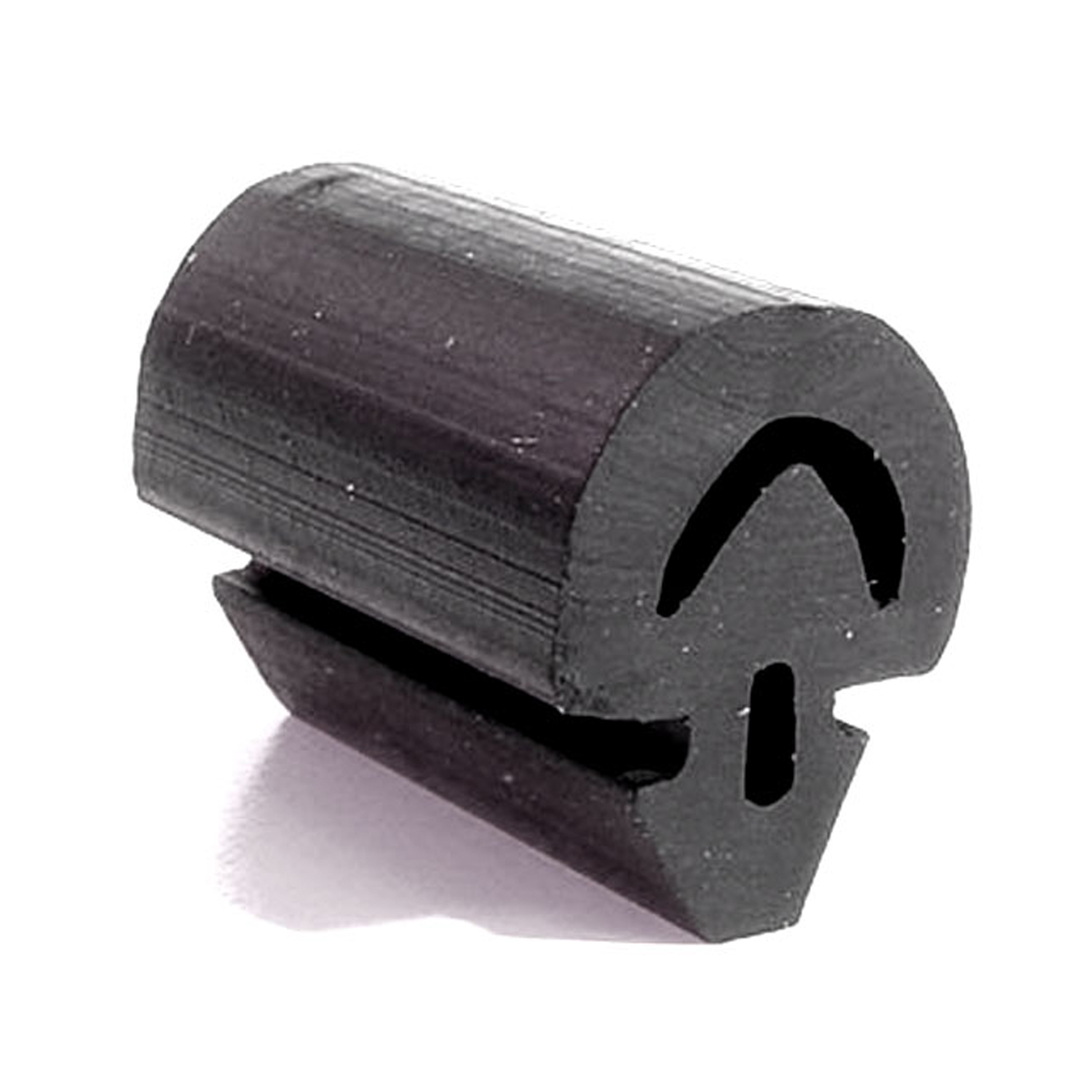 1967 Plymouth Belvedere Door Bumper. 3/4" high X 1/2" wide X 1" long-DB 50Door Bumper. 3/4" high X 1/2" wide X 1" long. Four used per car. Each
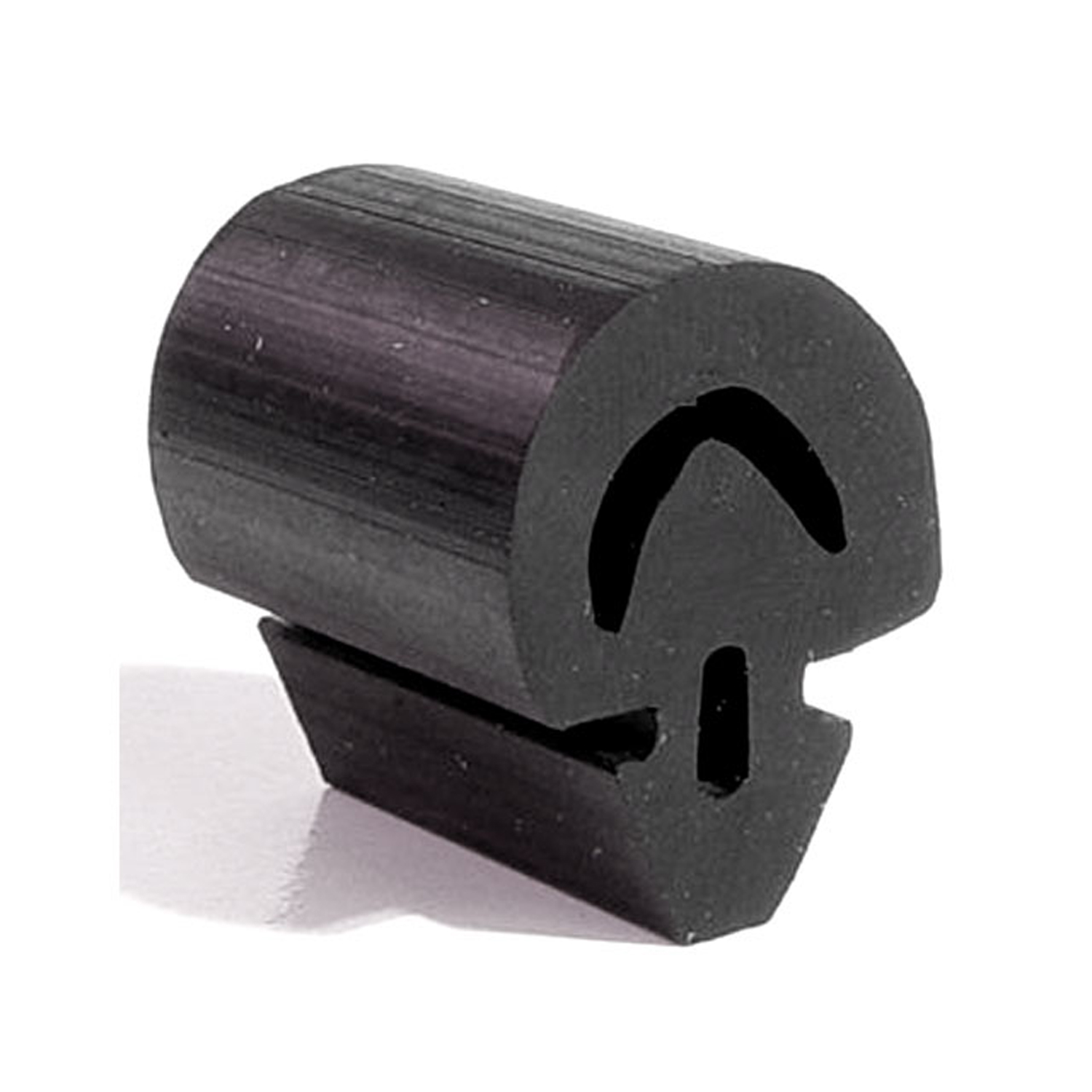 1967 Plymouth Belvedere Door Bumper. 3/4" high X 1/2" wide X 5/8" long-DB 50-MDoor Bumper. 3/4" high X 1/2" wide X 5/8" long. Four used per car. Each
 1967 Plymouth Belvedere Roof Rail Seal for Convertibles. 1-1/4" wide X 97" long-FK 13Roof Rail Seal for Convertibles. 1-1/4" wide X 97" long. Each
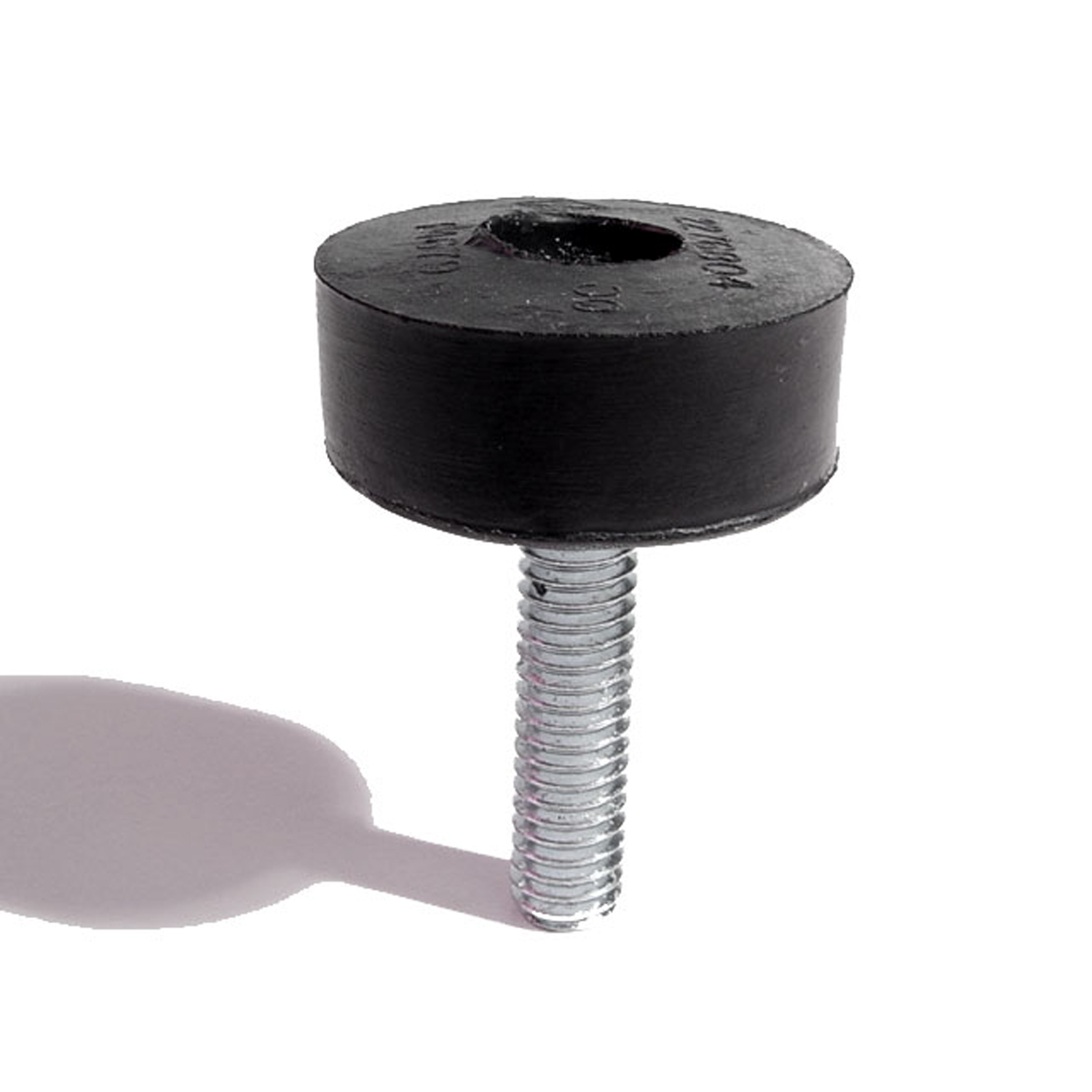 1967 Plymouth Belvedere Hood Adjustment Bolt and Bumper-HA 8Hood Adjustment Bolt and Bumper. 1-3/16" diameter rubber head. 5/16" thick X 18 threads/inch X 1-1/4" long bolt. Each
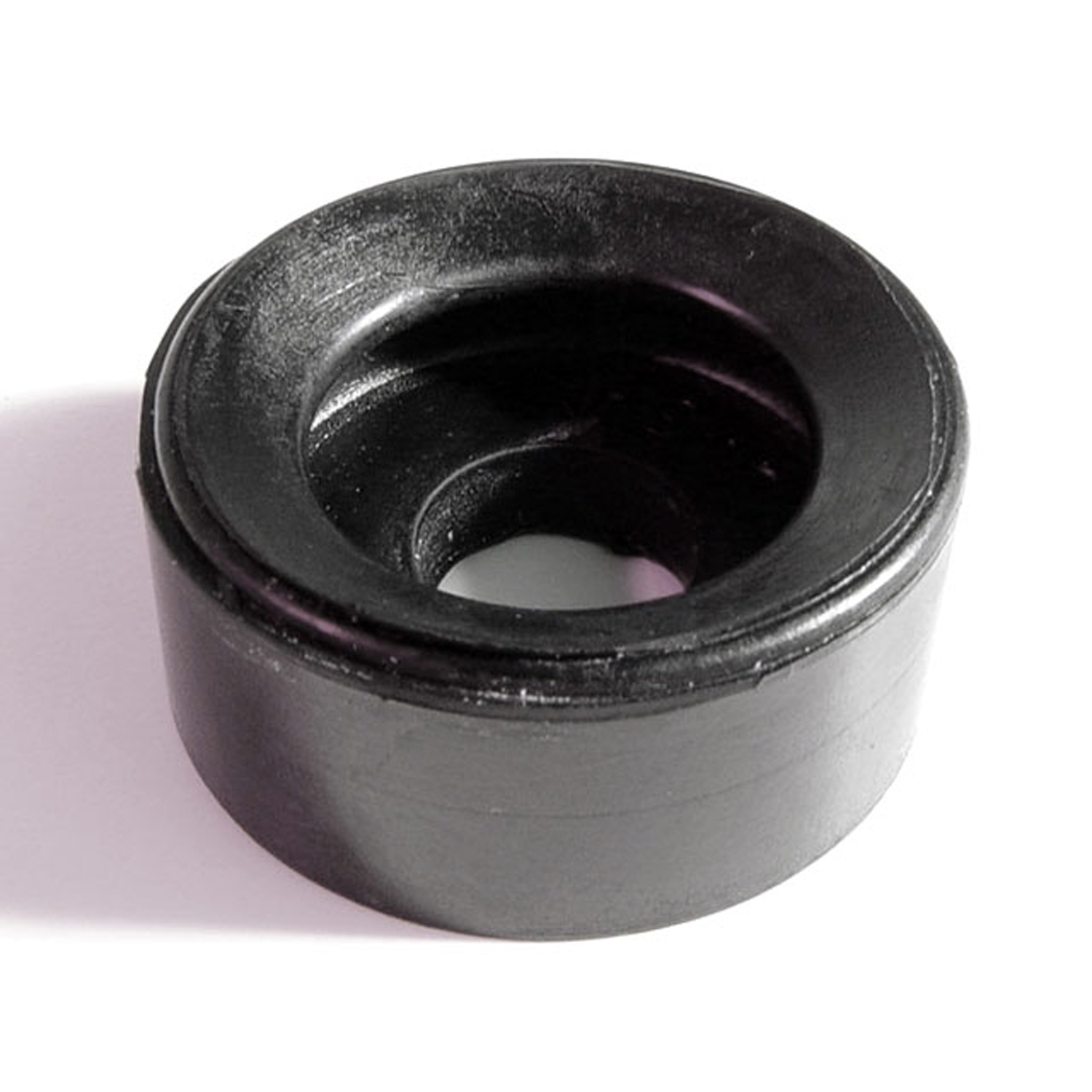 1967 Plymouth Belvedere Hood Adjustment Bumper. 1-1/4" O.D-HA 8-AHood Adjustment Bumper. 1-1/4" O.D., 3/4" large hole, 7/16" small hole, 1/2" thick. Each
 1967 Plymouth Belvedere Front bow retainer. Retainer-to-header seal-HD 740Front bow retainer. Retainer-to-header seal. '66-'67 Mopar B-body. 60-1/4 in. long. Each.
 1967 Plymouth Belvedere Hood Side Bumper. Each-HF 19-AHood Side Bumper. Measures 1.094" wide x 0.987" tall x 1.00" deep, Each.
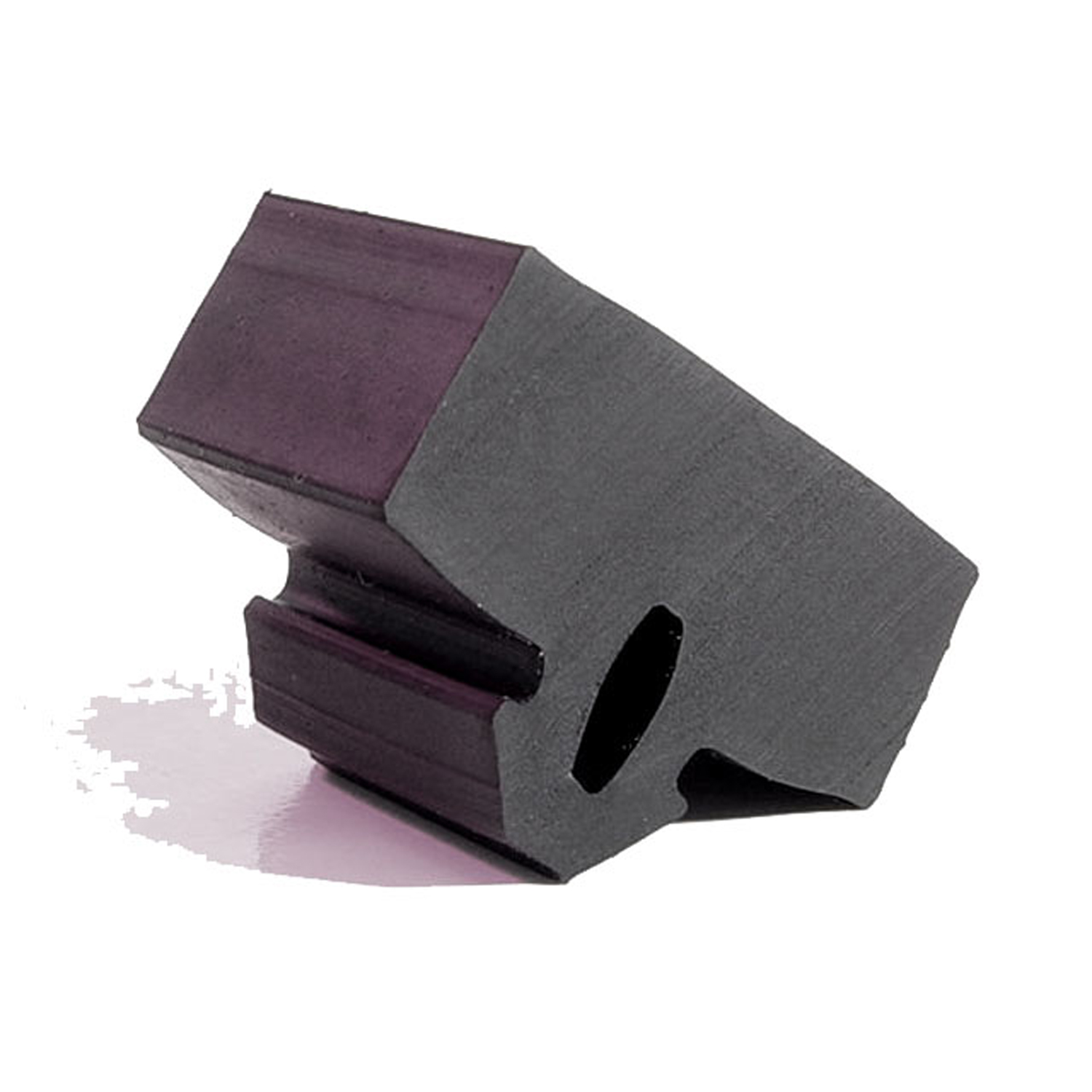 1967 Plymouth Belvedere Trunk Bumper. Each-HF 62Trunk Bumper. Each
 1967 Plymouth Belvedere Molded Door Seals with Clips and One Molded End-LM 23-BMolded Door Seals with Clips and One Molded End. For 2-Door Hardtop. Replaces OEM #2570774/5. Pair R&L
 1967 Plymouth Belvedere Molded Door Seals with Clips-LM 23-FMolded Door Seals with Clips. For 2-door sedan with "B" pillar post. Pair
 1967 Plymouth Belvedere Front door seals. Fits '66-'67 Mopar B-body 4-door sedan-LM 23-NFront door seals. Fits '66-'67 Mopar B-body 4-door sedan. Exact-fit, OEM-replacement seals for Dodge Coronet (Deluxe, 440, 500) and Plymouth Belvedere (I, II). Replaces OEM#'s 2860492/3. Pair. R&L.
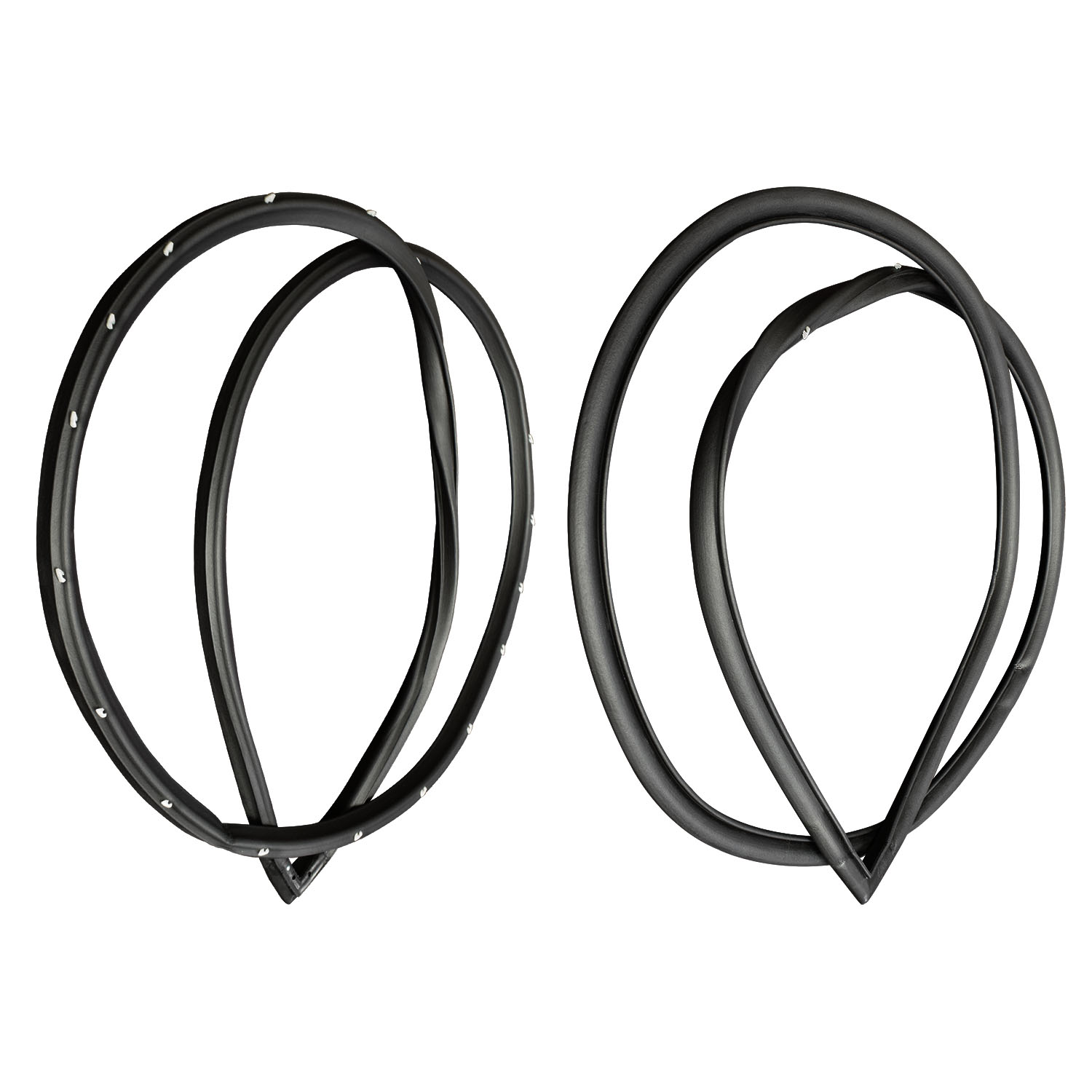 1967 Plymouth Belvedere Rear door seals. Fits '66-'70 Mopar B-body 4-door sedan-LM 23-QRear door seals. Fits '66-'70 Mopar B-body 4-door sedan. Exact-fit, OEM-replacement seals for Dodge Coronet (Deluxe, 440, 500) and Plymouth Belvedere / Satellite. Replaces OEM#'s 2811448/9. Pair. R&L.
 1967 Plymouth Belvedere Basic Kit, for 2-Door Hardtop-RKB 4005-101Basic Kit, for 2-Door Hardtop. Door (LM 23-B) Roof Rail (RR 4000) Trunk (TK 2325), Seals.
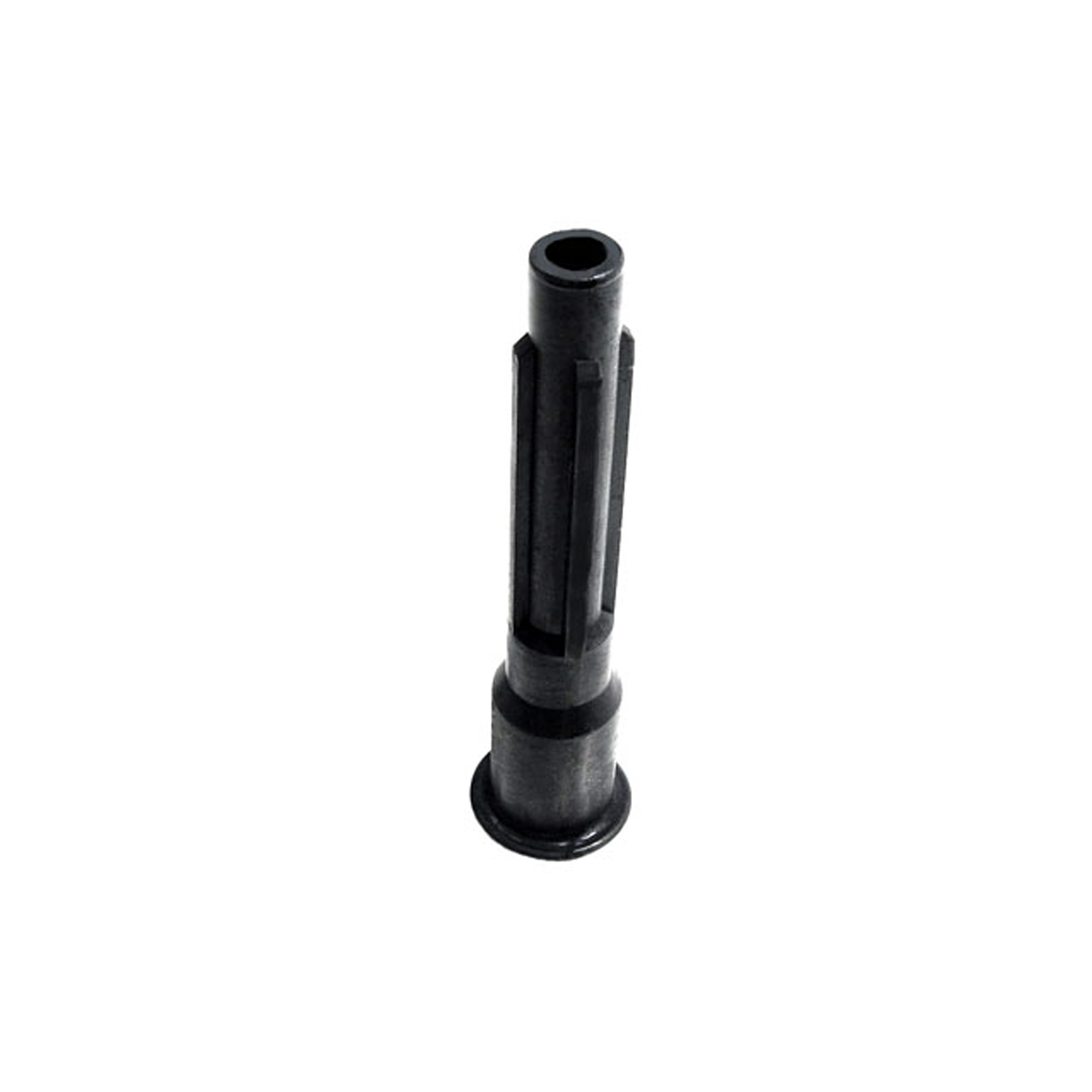 1967 Plymouth Belvedere Flexible Spark Plug Boot, used on Hemi's with power brakes-RP 1-MFlexible Spark Plug Boot, used on Hemi's with power brakes. 4" long, 5/16" upper i.d., 5/8" lower i.d. Each
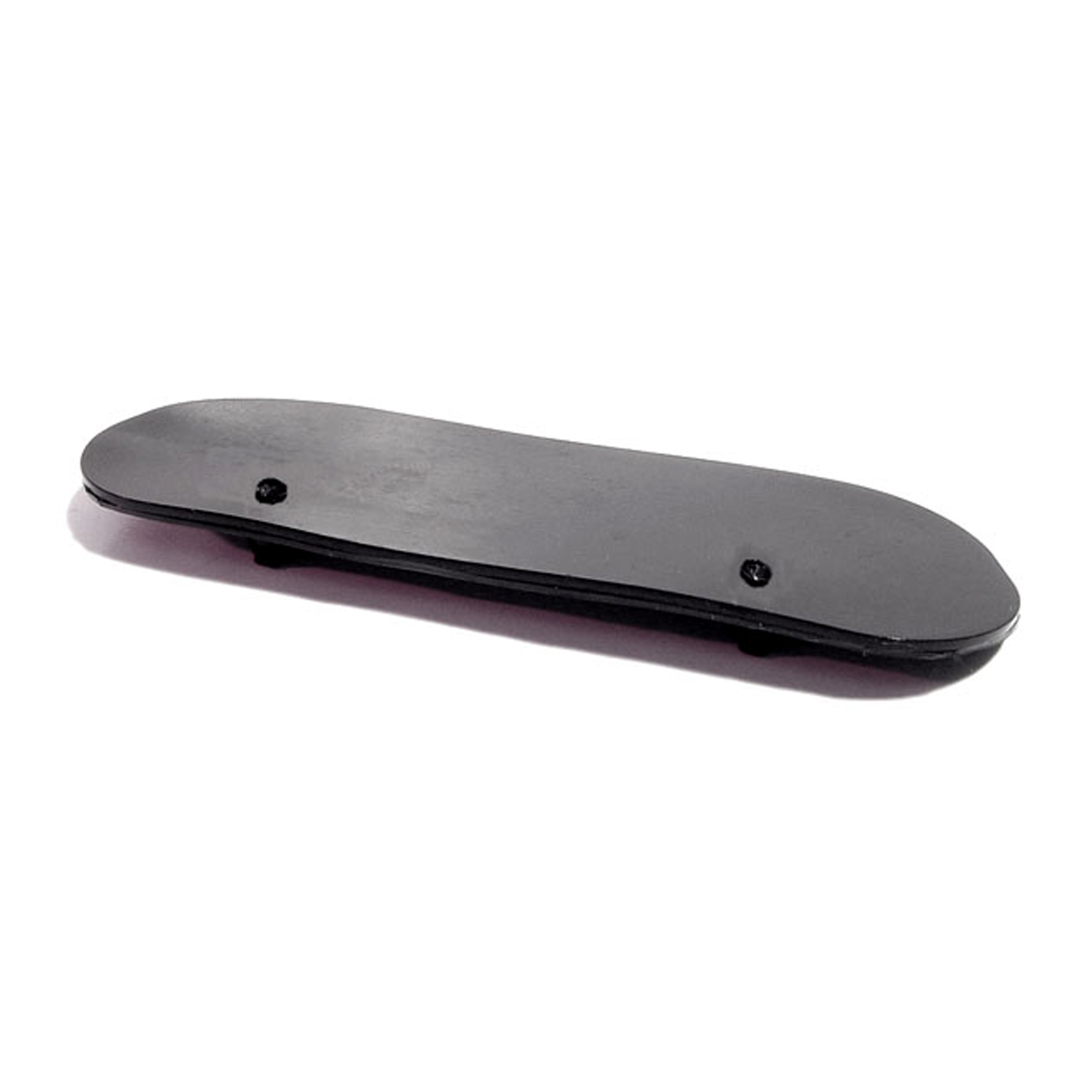 1967 Plymouth Belvedere Drain Flap on Cowl. Each-RP 900-ADrain Flap on Cowl. Each
 1967 Plymouth Belvedere Molded Roof Rail Seals, for 2-Door Hardtop. Pair R&L-RR 4000Molded Roof Rail Seals, for 2-Door Hardtop. Pair R&L
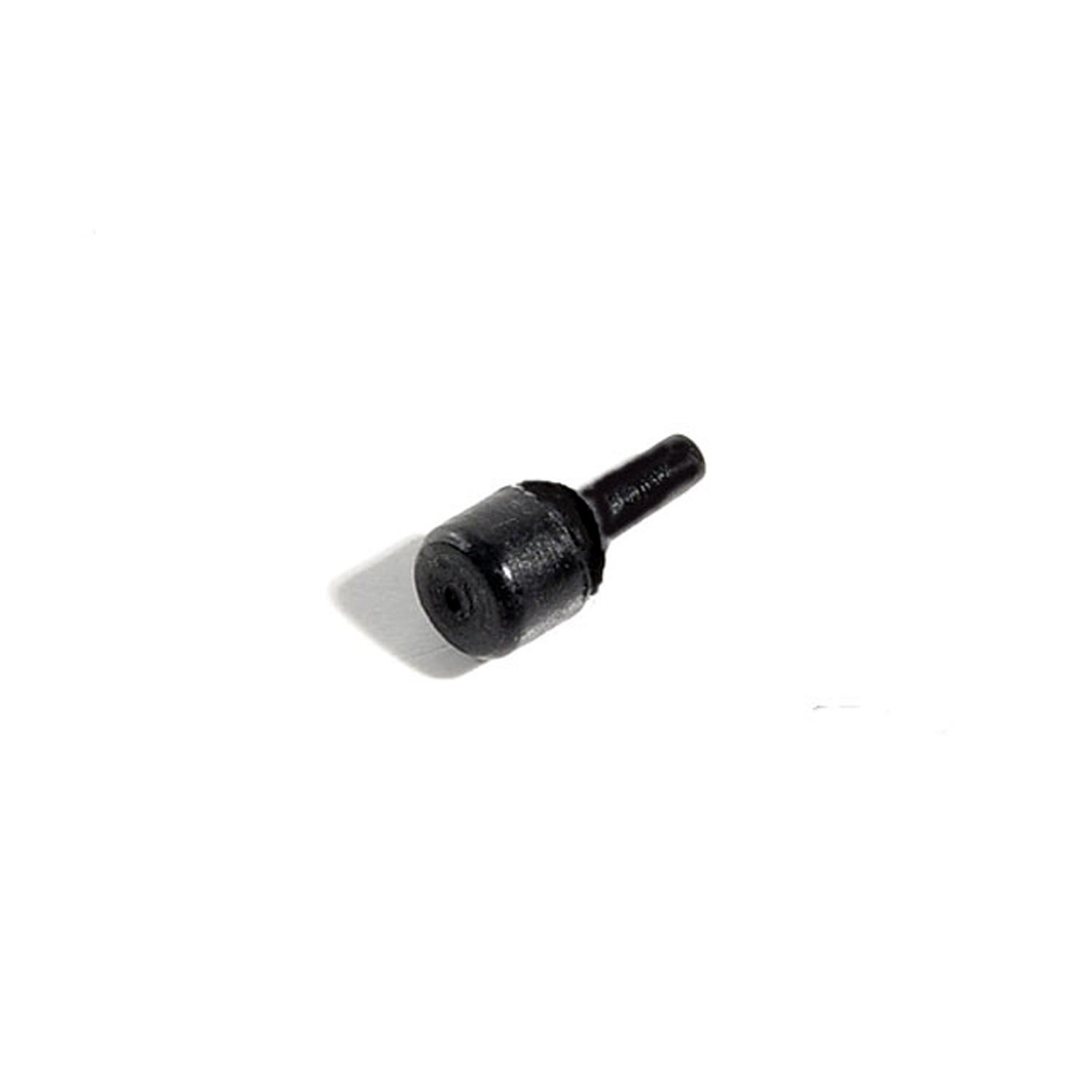 1967 Plymouth Belvedere Ashtray Bumper. 9/16" Long. Each-SB 120Ashtray Bumper. 9/16" Long. Each
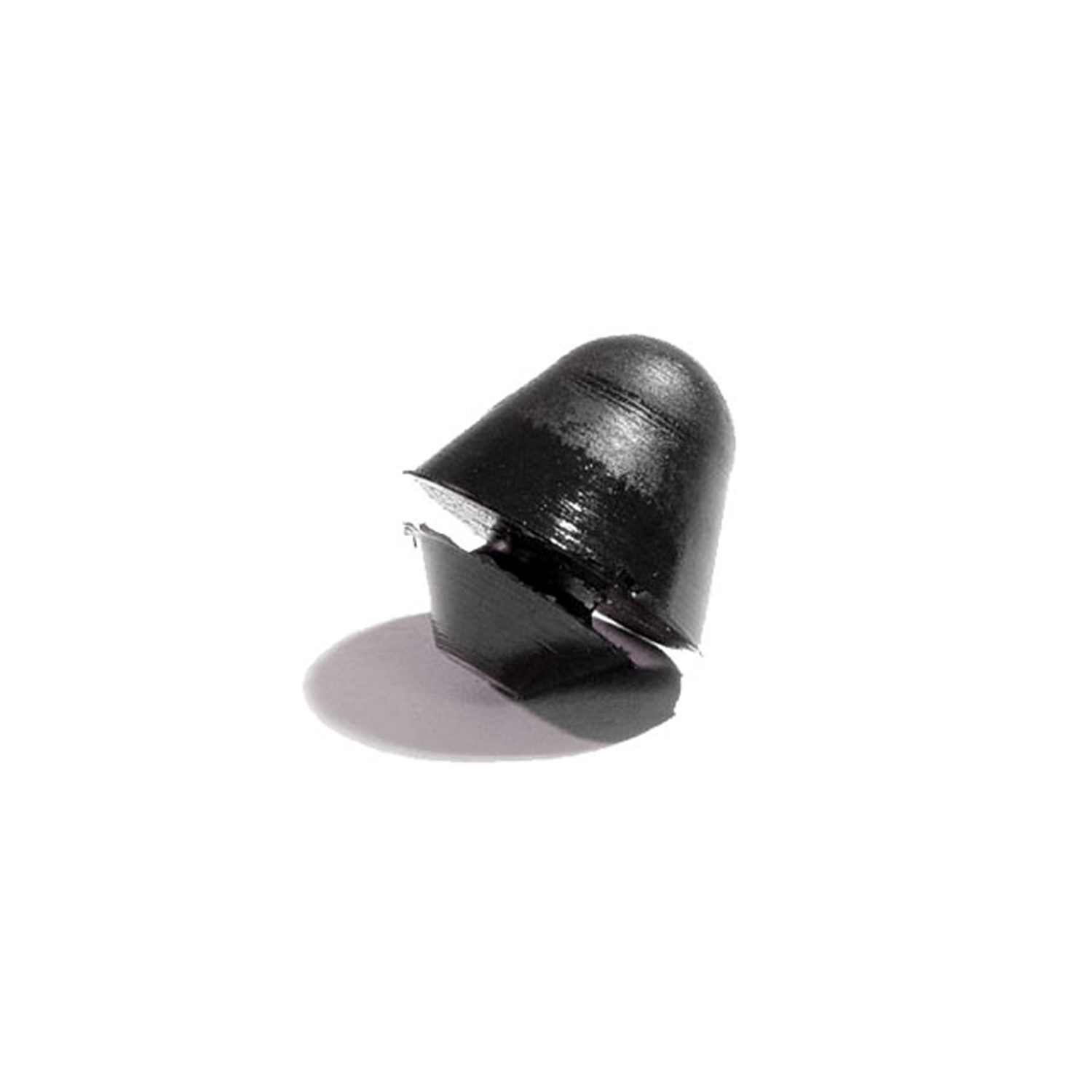 1967 Plymouth Belvedere Glove Box Bumper. Each-SB 121-AGlove Box Bumper. Each
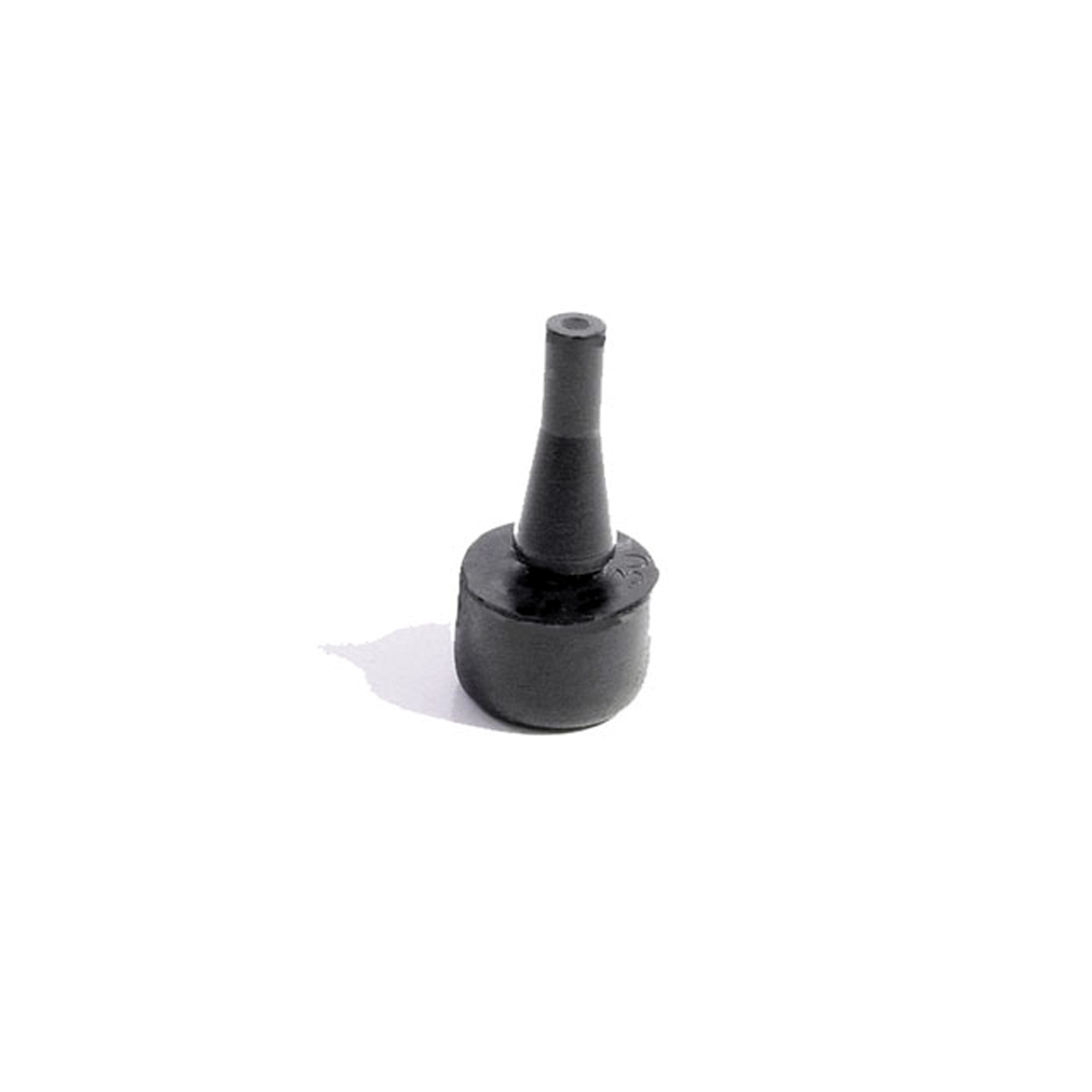 1967 Plymouth Belvedere Rear Cowl Bumper. 5/8" O.D., 1" high. Each-SB 30-MRear Cowl Bumper. 5/8" O.D., 1" high. Each
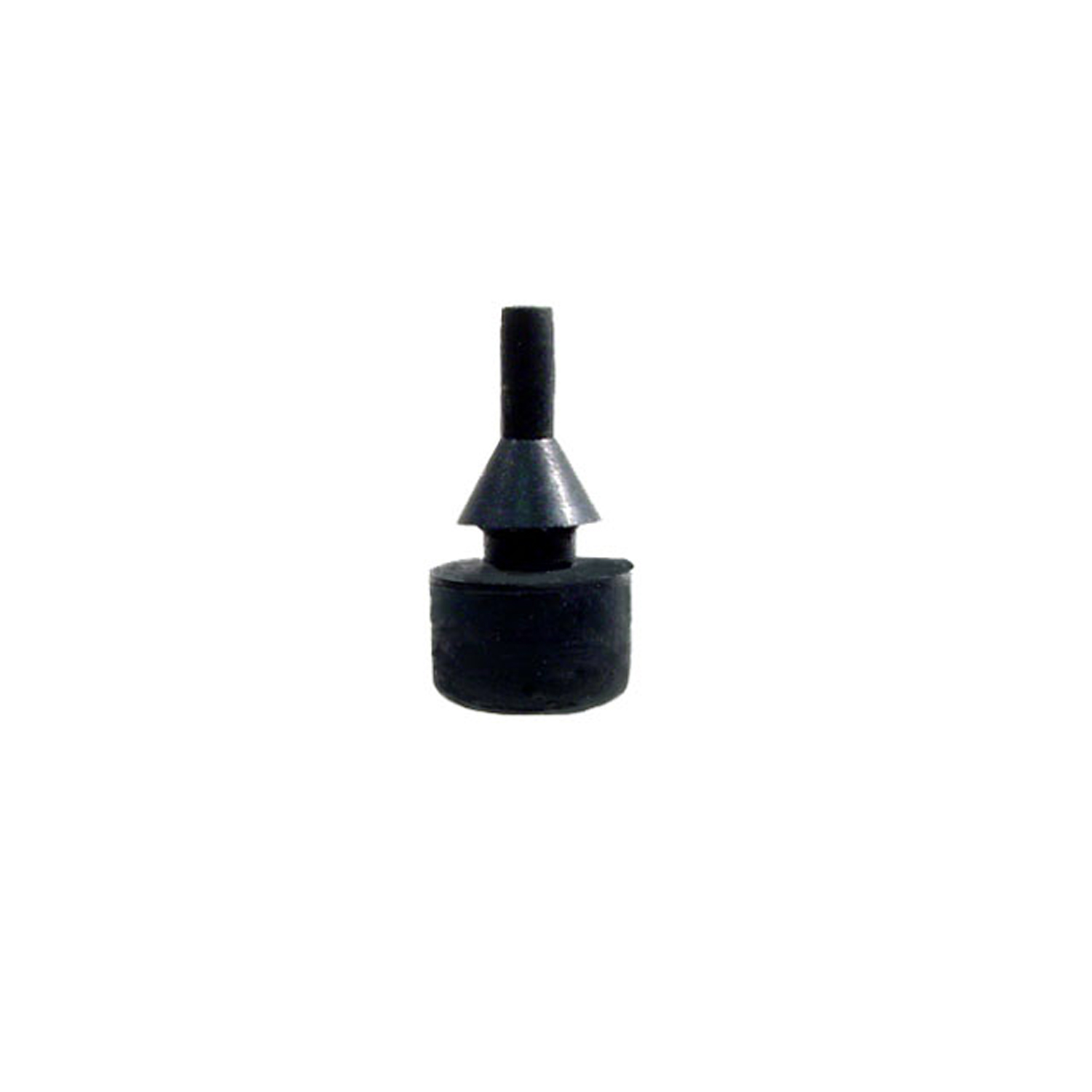 1967 Plymouth Belvedere License Plate Bumper. 7/16" O.D., fits a 1/4" hole. Each-SB 86License Plate Bumper. 7/16" O.D., fits a 1/4" hole. Each
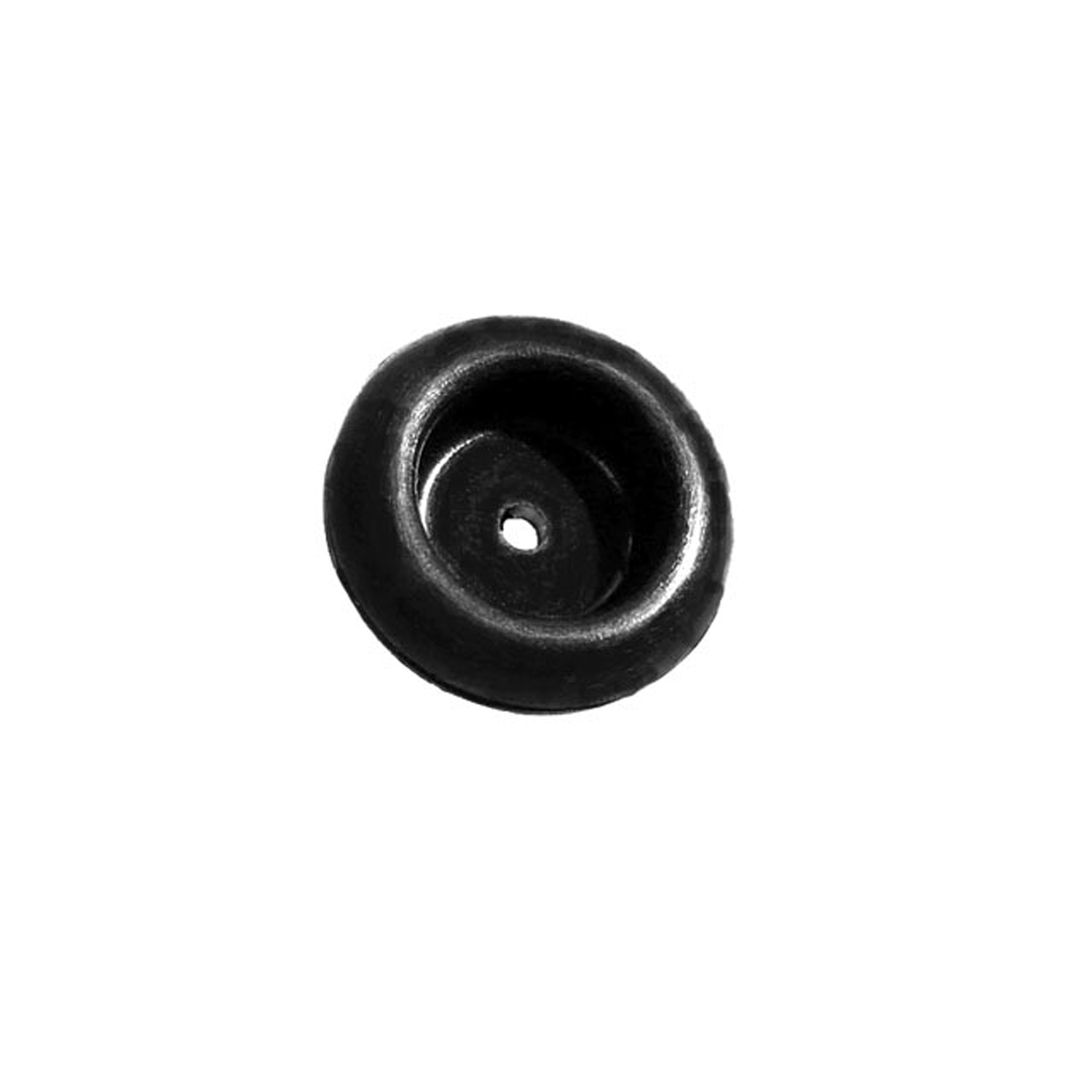 1967 Plymouth Belvedere Floor Panel Wire Grommet. Fits 3/4" hole. Each-SM 49Floor Panel Wire Grommet. Fits 3/4" hole. Each
 1967 Plymouth Belvedere Gas Filler Neck to Tank Grommet. Each-SM 600Gas Filler Neck to Tank Grommet. Each
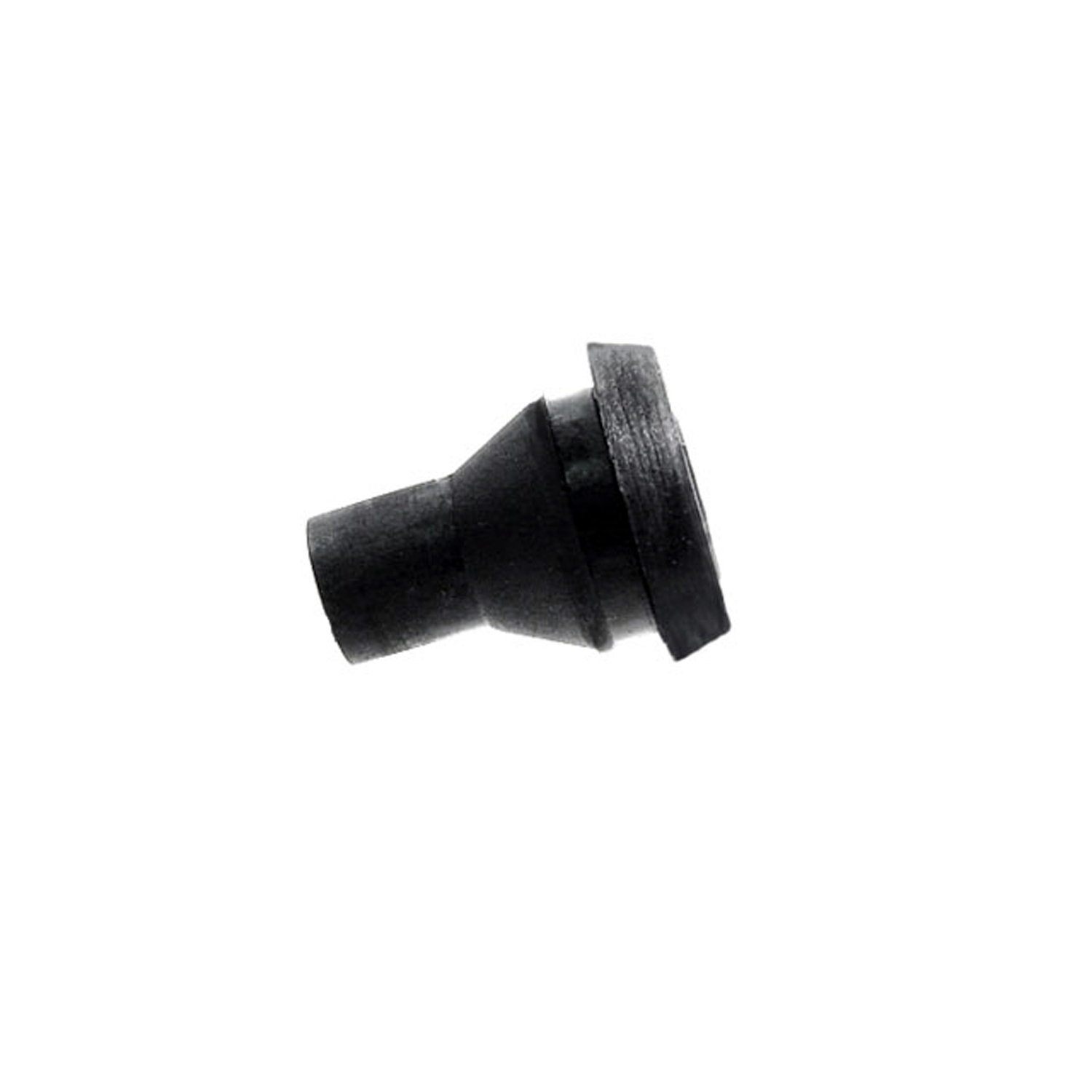 1967 Plymouth Belvedere License Light Wire Grommet. Each-SM 72License Light Wire Grommet. Each
 1967 Plymouth Belvedere Trunk Seal. Each-TK 2325Trunk Seal. Each
 1967 Plymouth Belvedere Trunk Mat Plaid Pattern-TM 2711Trunk Mat Plaid Pattern. High quality reproduction, made specific for vehicle. Print on rubber. Each
 1967 Plymouth Belvedere Nylon Lock Cylinder Gasket. 1-1/4" O.D., 7/8" I.D. Each-UM 2700-104Nylon Lock Cylinder Gasket. 1-1/4" O.D., 7/8" I.D. Each
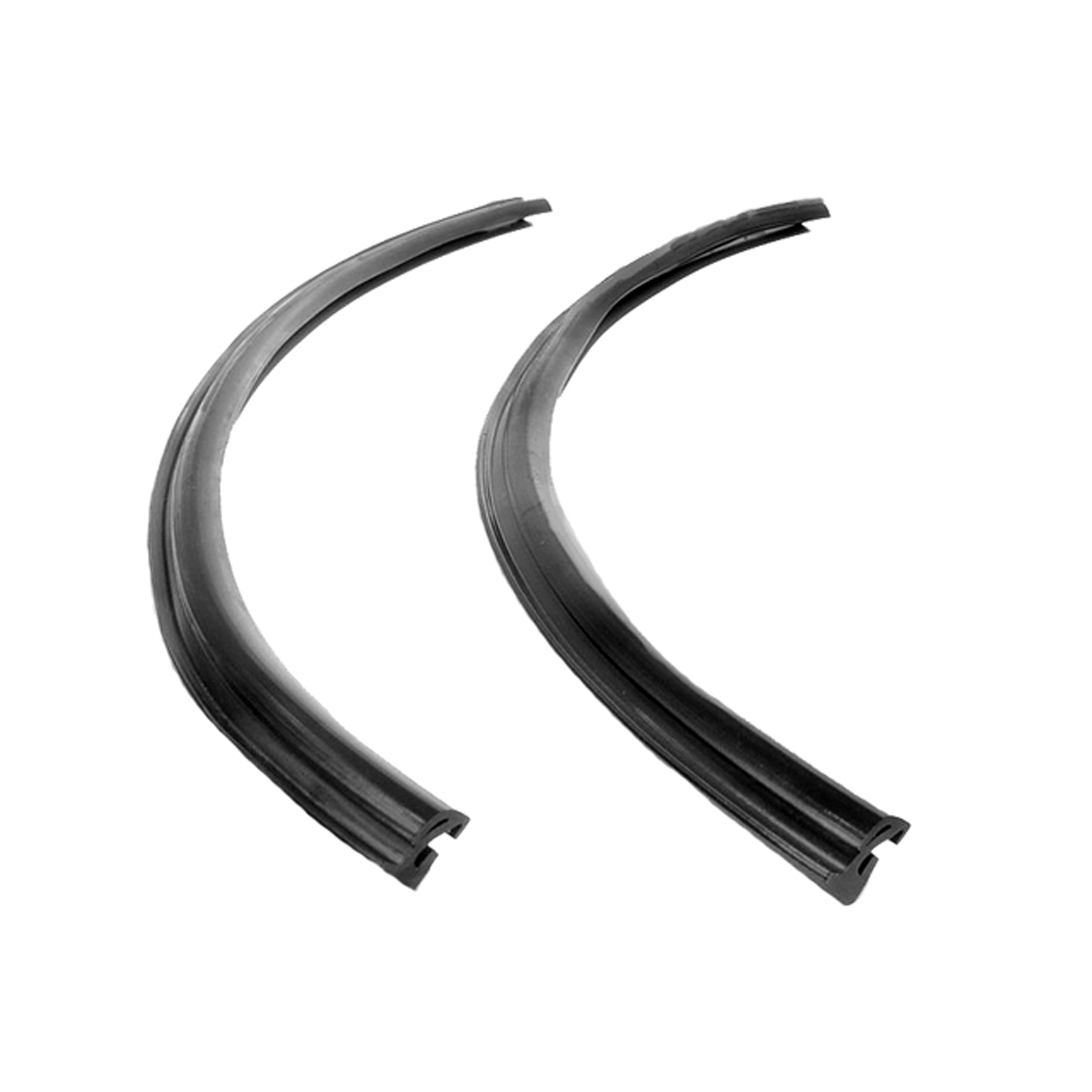 1967 Plymouth Belvedere Rear Roll-Up Window Seals. Two pieces, 20" long-VS 7-ARear Roll-Up Window Seals. Two pieces, 20" long. Replaces OEM #2782560-1. Pair
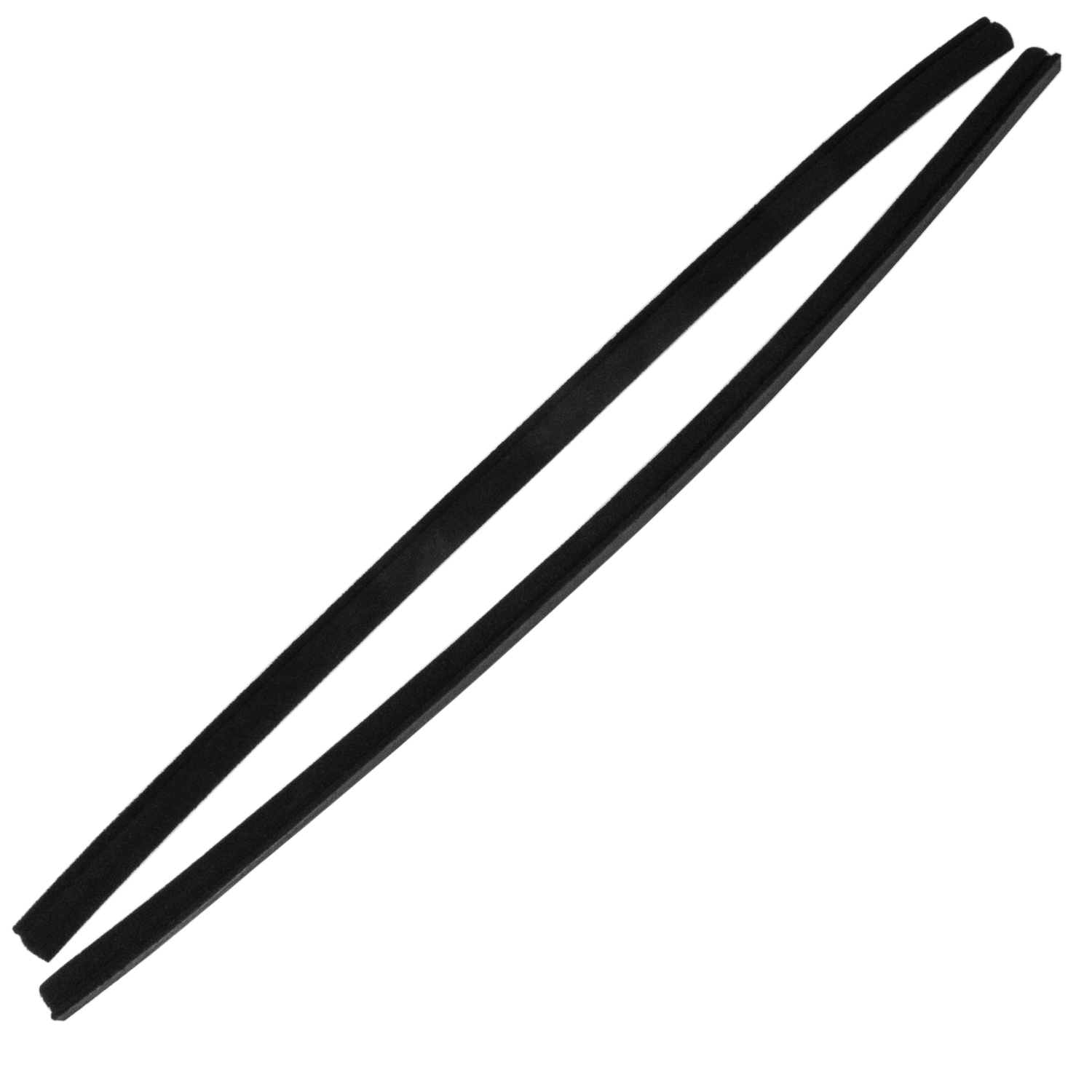 1967 Plymouth Belvedere Rear Roll-Up Window Seals. Two pieces, 20" long-VS 7-A/FLRear Roll-Up Window Seals. Two pieces, 20" long. Black, electrostatically flocked. Pair
 1967 Plymouth Belvedere Windshield Seal. Fits 66-67 Belvedere-Coronet 2 and 4 Door Sedans and Wagons-VWS 2701-AThis windshield seal works with chrome trim that inserts into body clips. Fits 2 & 4 door sedans & wagons.
 1967 Plymouth Belvedere Flocked Glass Run Channel-WC 33-96Flocked Glass Run Channel. For models with framed side glass. 96" Piece. Each
 1967 Plymouth Belvedere Door Weather Strip to Inside Panel Clip-WF 7-DDoor Weather Strip to Inside Panel Clip. Made of white nylon, 3/8" long. Each
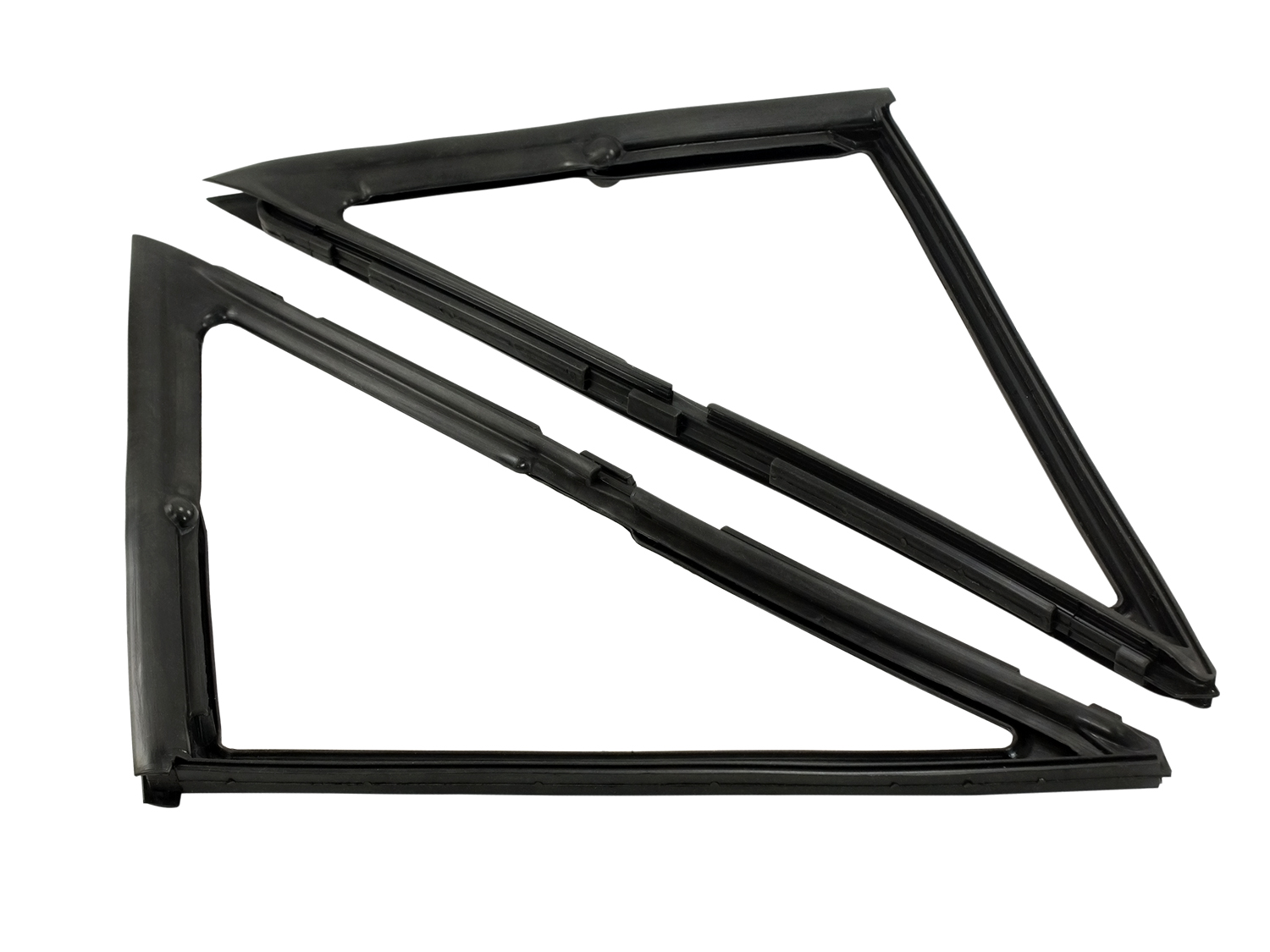 1967 Plymouth Belvedere REISSUE. Vent window seals-WR 2306REISSUE. Vent window seals. Completely re-designed and re-tooled 2013 molds for improved looks, fit and function. Fits '66-'67 Mopar B-body 2-door hardtop and '66-'70 B-body convertible. Replaces OEM#'s 2570786 & 2570787. Pair. R&L.
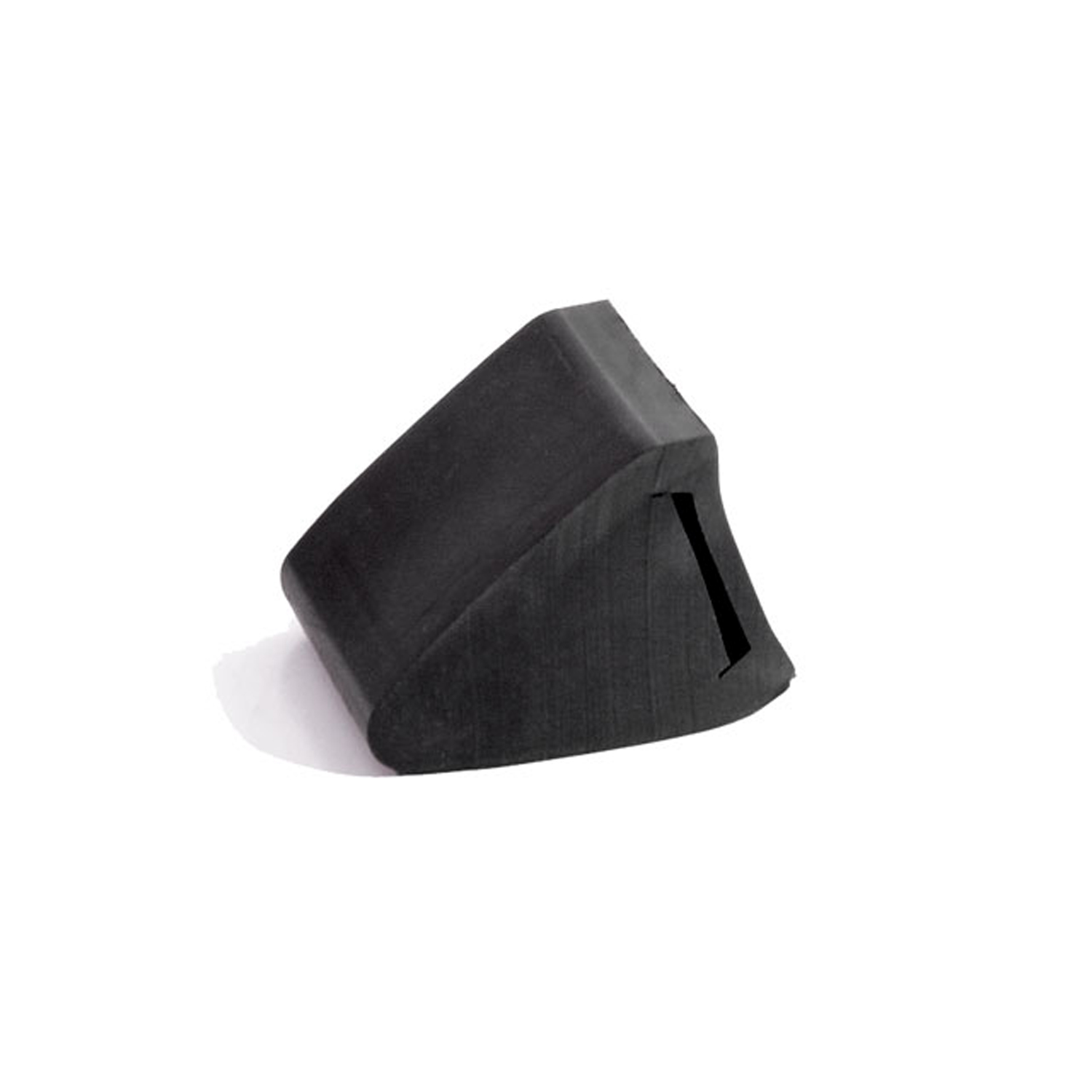 1967 Plymouth Belvedere Suspension bumper. '62-up Mopar A-, B- and C-body-XB 1Suspension bumper. '62-up Mopar A-, B- and C-body. Fits over the rear axle. Each.
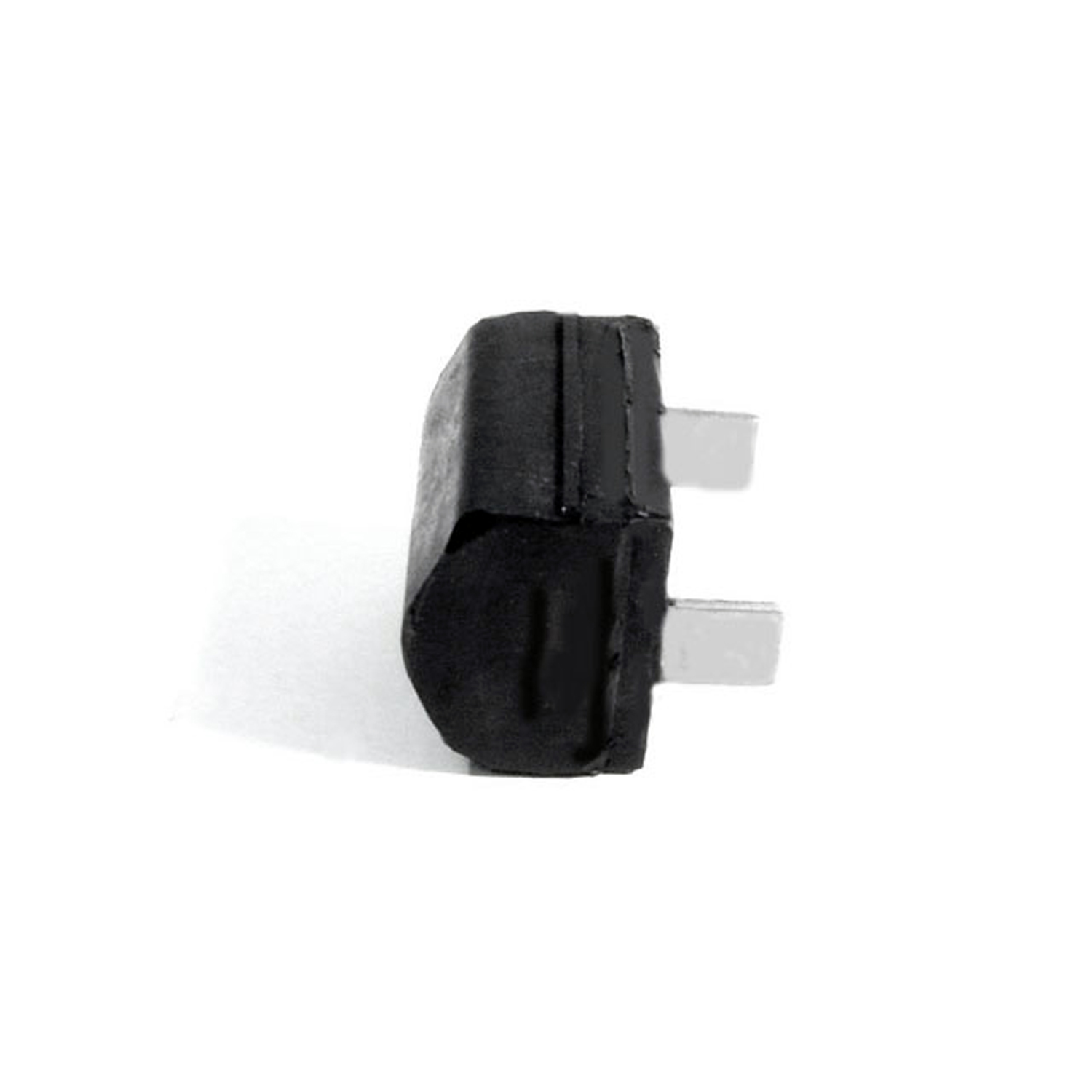 1967 Plymouth Belvedere Rear Axle Pinion Snubber. Each-XB 80Rear Axle Pinion Snubber. Each
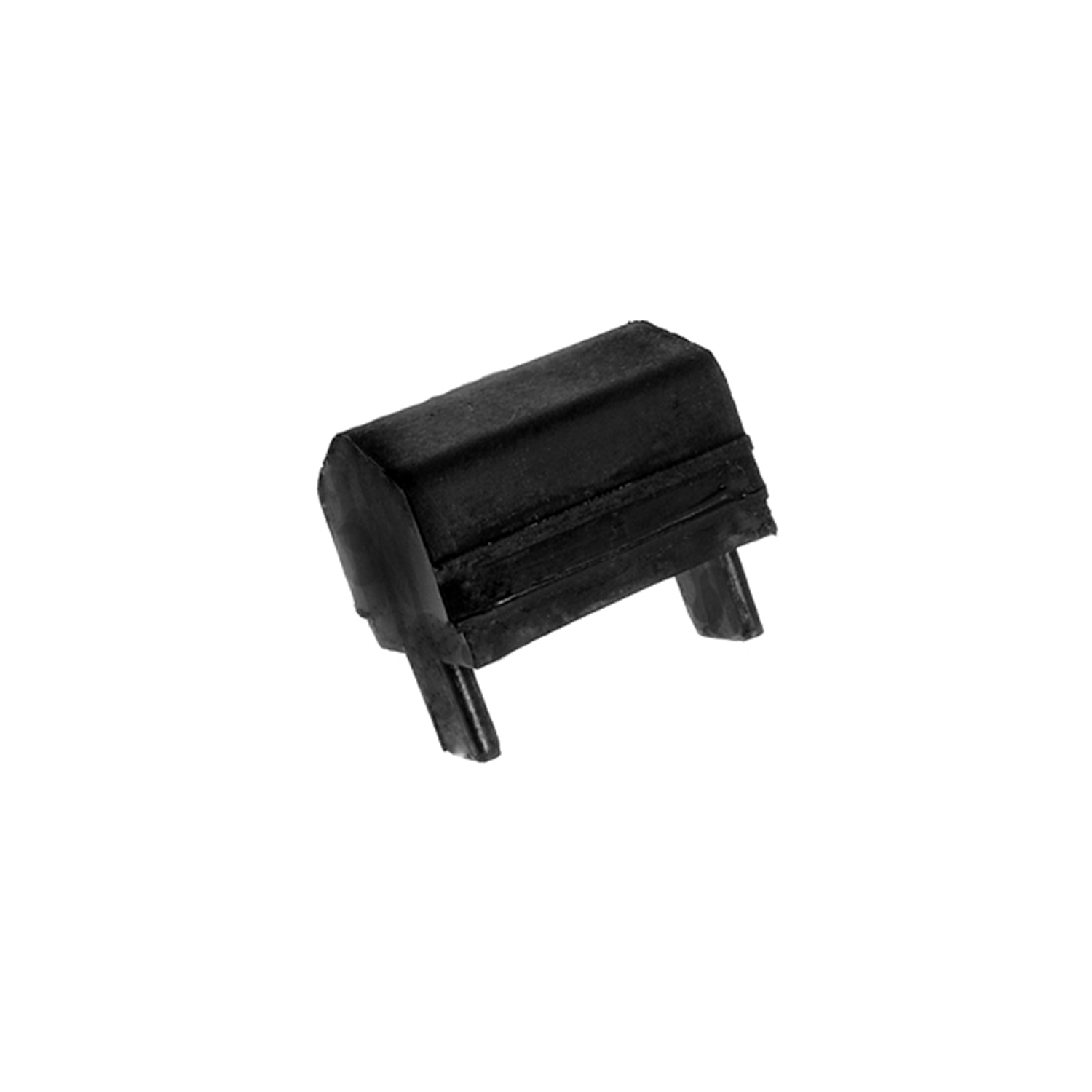 1967 Plymouth Belvedere Rear Axle Pinion Snubber. Each-XB 80-ARear Axle Pinion Snubber. Each
Why Choose Metro?
For over 100 years, Metro Moulded Parts has been the pinnacle of quality in classic car restoration parts. Our commitment to precision and authenticity in every component ensures a perfect fit and an OEM-level appearance.
- Expert Craftsmanship & Quality: Each part is a testament to our dedication to reliability and perfection, crafted from original designs and thoroughly tested.
- Advanced Technology: We use cutting-edge techniques to create flawless, long-lasting parts that surpass others in performance.
- SuperSoft Sponge – The Ultimate Door Seal: Not only are our door seals 30% softer than competitors', but they're also guaranteed to never leak. They effectively reduce wind and road noise, enhancing your classic car's comfort and driving experience.
- Proudly American: Our parts are a product of American craftsmanship, made in the USA with a spirit of excellence and heritage.
- Unrivaled Warranty: We back our products with a 30-year industry-leading warranty, a testament to our confidence in their quality.
Join us in preserving the legacy of classic cars with parts that are crafted for perfection, not just made.