

Image of 1959 Aston Martin Db4, Note: These illustrations use artistic license and may differ from actual historical models.
Performance Metrics
Fundamental Metrics
Emotional Appeal
MMP Rating
| Engine Specifications | |
|---|---|
| Engine: | Inline 6 |
| Displacement: | 3670 cc |
| Horsepower: | 240-266 hp |
| Torque: | 240 lb-ft |
| Compression Ratio: | 8.25:1 |
| Ignition System: | Twin-Spark Ignition System |
| Cooling System: | Liquid Cooled |
| Performance Specifications | |
| 0-60 Time: | 9 seconds |
| 1/4 Mile Time: | 16 seconds |
| Top Speed: | 140 mph |
| Transmission and Drive | |
| Drive Type: | Rear Wheel Drive |
| Transmission Type: | 4-speed manual, optional overdrive |
| Fuel and Efficiency | |
| Fuel System Type: | Triple SU carburetors |
| MPG: | 15 mpg |
| Dimensions and Brakes | |
| Brakes: | Disc Brakes |
| Wheelbase: | 98.3 inches |
| Weight: | 1300 kg |
Note: Specifications for classic cars are given to the best of our ability, considering the limited and variant data available.
1959 Aston Martin DB4: The Grand Tourer That Changed Aston Martin
The 1959 Aston Martin DB4 could turn a country road into a private test track, then arrive at a country house looking every inch the refined grand tourer. Built by Aston Martin at Newport Pagnell in Buckinghamshire, the DB4 brought together British engineering and Italian design at a moment when the company was stepping confidently onto the world stage.
Unveiled at the 1958 London Motor Show, the DB4 was a clean-sheet successor to the DB Mark III. Its advanced six-cylinder engine was designed by Polish-born engineer Tadek Marek, while its elegant aluminum body was shaped by Carrozzeria Touring of Milan. The car’s name followed Aston Martin’s David Brown model sequence, making it the fourth DB model.
The 1959 model year is especially interesting because it falls during the DB4’s early development. Series II cars arrived in January 1959 with engineering revisions that addressed issues found in the first run of cars. That steady evolution helped turn the DB4 into one of the defining British sports cars of its era.
Italian Lines, British Craftsmanship
The DB4’s proportions remain striking: a long bonnet, a compact cabin, a gently sloping roof, and a rounded tail. Its restrained chrome detailing and sculpted wheel arches gave it a poised, purposeful look rather than the overt aggression of some contemporary sports cars. The result was unmistakably Italian in its grace, yet distinctly British in its formal elegance.
Touring used its Superleggera, or “super-light,” construction method. A framework of small-diameter steel tubes supported hand-formed aluminum body panels. This approach saved weight and allowed the designers to create flowing shapes, though repairing damaged bodywork properly requires specialist knowledge.
Inside, the DB4 paired sporting intent with traditional luxury. Owners could expect Connolly leather upholstery, thick carpeting, polished trim, and carefully finished instruments. Colors and trim were often selected to suit the original buyer, so surviving cars can differ considerably. Exterior choices ranged from understated greys and silvers to deep reds, blues, and greens. British racing green is an enduring favorite, but period shades such as California Sage and Snow Shadow Grey show how varied the palette could be.
The most familiar DB4 is the closed two-door coupe, often described in period terminology as a saloon. Aston Martin also offered a convertible, along with more specialized versions including the higher-performance Vantage and the lighter, shorter-wheelbase DB4 GT. The DB4 GT Zagato, with its distinctive Italian coachwork, is the rarest and most celebrated shape associated with the model. These versions are important parts of the DB4 story, but they are not interchangeable with an ordinary 1959 DB4 when comparing performance or value.
Engineering Ahead of Its Time
At the DB4’s heart was a 3,670cc, all-aluminum, twin-cam inline-six. With three SU carburetors, the standard engine produced approximately 240 horsepower. The aluminum construction helped reduce weight, while the twin overhead camshafts gave the engine the breathing capacity expected of a serious high-performance car.
Four-wheel disc brakes were a major feature for the period, giving the DB4 stronger, more consistent stopping power than the drum-braked cars many drivers still knew. The chassis combined independent front suspension with a live rear axle, and rack-and-pinion steering provided a direct connection between the driver and the road. A four-speed manual gearbox completed a package designed for fast, sustained touring.
The DB4 also marked a turning point for Aston Martin. It combined contemporary performance with a new level of refinement and visual polish, broadening the appeal of the marque beyond hard-core sports-car enthusiasts. Its basic formula led directly to the DB5 and DB6, and helped establish the shape of the modern Aston Martin grand tourer: powerful, luxurious, and capable of covering long distances at speed.
DB4 Performance and Road Manners
Period figures and modern tests vary according to specification and condition, but a standard DB4 could reach roughly 140 mph and accelerate from 0 to 60 mph in about 9 seconds. Those were impressive numbers for a luxury touring car in 1959. The Vantage and GT versions were quicker, but a standard DB4 was already a genuinely fast machine by the standards of its day.
On a smooth open road, the car feels composed and eager. The straight-six builds speed with a smooth, rising mechanical note, while the manual gearbox invites measured, deliberate shifts. Push the engine harder and its sound becomes more urgent, but the DB4 is at its best when driven briskly rather than treated like a modern track car.
The ride is supple enough for long-distance travel, although the car’s age and suspension condition make a considerable difference. Over broken pavement, the live rear axle can feel less settled than a modern independent setup. On a winding road, the steering is direct and the chassis rewarding, but the DB4’s size and period tires call for respect. Its brakes were advanced for their time, yet stopping distances and pedal feel cannot match those of a contemporary sports car with modern tires and braking systems.
Living With a DB4
Today, most DB4s are cherished collector cars used for touring events, concours shows, rallies, and occasional drives on favorable roads. Some owners do use them regularly, but a valuable example is rarely a carefree daily driver. Heavy traffic, careless parking, and rough roads are poor companions for a hand-built aluminum-bodied classic.
A well-maintained DB4 can be dependable for its age, but ownership requires a realistic budget and access to marque specialists. The engine is sophisticated and rewarding, yet rebuilding it is a substantial undertaking. The aluminum body needs knowledgeable care, and the steel structure beneath it must be inspected for corrosion. Cooling, electrical systems, fuel delivery, suspension, and brakes also deserve close attention, particularly if the car has been stored for long periods.
Routine work is manageable for an experienced home mechanic with the right tools and workshop knowledge. However, the average owner should not assume that a DB4 is easy or inexpensive to repair. Correct parts, skilled labor, and proper restoration methods matter, and shortcuts can reduce both reliability and value.
DB4 Facts and Common Misconceptions
Aston Martin built 19 original DB4 GT Zagatos, making them among the most sought-after cars connected to the DB4 family. The standard DB4 itself was produced in far greater numbers, but it remains a rare sight compared with mass-produced classics.
The DB4 is sometimes confused with the DB5 in popular culture. It was the DB5 that became James Bond’s famous company car in the 1964 film Goldfinger, not the DB4. The DB4 nevertheless helped create the design and engineering foundation that made the DB5 such a natural successor.
Another point worth separating is Aston Martin’s racing record. The company’s celebrated victory at the 1959 24 Hours of Le Mans came with the DBR1, a purpose-built racing car, not the DB4. The DB4 GT was developed with competition in mind, but the standard DB4 was primarily a road-going grand tourer.
Owners and critics alike point to a few compromises: the cabin can feel snug, maintenance is costly, and the rear suspension is less sophisticated than later designs. Early cars also prompted engineering revisions as Aston Martin refined the model. These are part of the experience of a hand-built 1950s performance car, not reasons to overlook what the DB4 achieved.
1959 DB4 Collector Values
Aston Martin production totals are commonly quoted at about 1,110 DB4s across the full model run, including its major variants. That figure covers cars built from 1958 to 1963, not just 1959 examples. Exact availability depends on specification, history, condition, and whether the car has been altered or restored.
As a broad estimate in the current collector market, a standard DB4 coupe might sell for approximately US$400,000 to US$800,000. A highly original, exceptionally restored, or well-documented car can exceed that range. Convertibles, DB4 GTs, and Zagato-bodied cars occupy much higher price brackets, with values that can reach several million dollars depending on provenance and specification.
Values have risen substantially over the long term, supported by the DB4’s design significance, limited production, and strong international demand. The market can still move with economic conditions, and restoration costs are high enough to affect what buyers will pay. In practice, originality, matching numbers, documented history, and restoration quality can make an enormous difference to the final price.
Why the DB4 Still Matters
The 1959 Aston Martin DB4 united Touring’s graceful Italian styling, Tadek Marek’s advanced aluminum six-cylinder engine, and the craftsmanship of Newport Pagnell. It was fast, luxurious, and innovative, while its influence carried forward into some of the most admired Aston Martins ever built.
More than a handsome classic, the DB4 was the car that helped define Aston Martin’s postwar identity. Its blend of engineering ambition and effortless style still makes every well-kept example feel like an occasion.
1959 Aston Martin Db4 Catalog of Parts
 1959 Aston Martin DB4 Steering Column Dust Seal at Firewall-BL 5Steering Column Dust Seal at Firewall. 1-1/8" wide hole at top, 4-1/2" O.D. at base. Replaces AM part #50999. Each
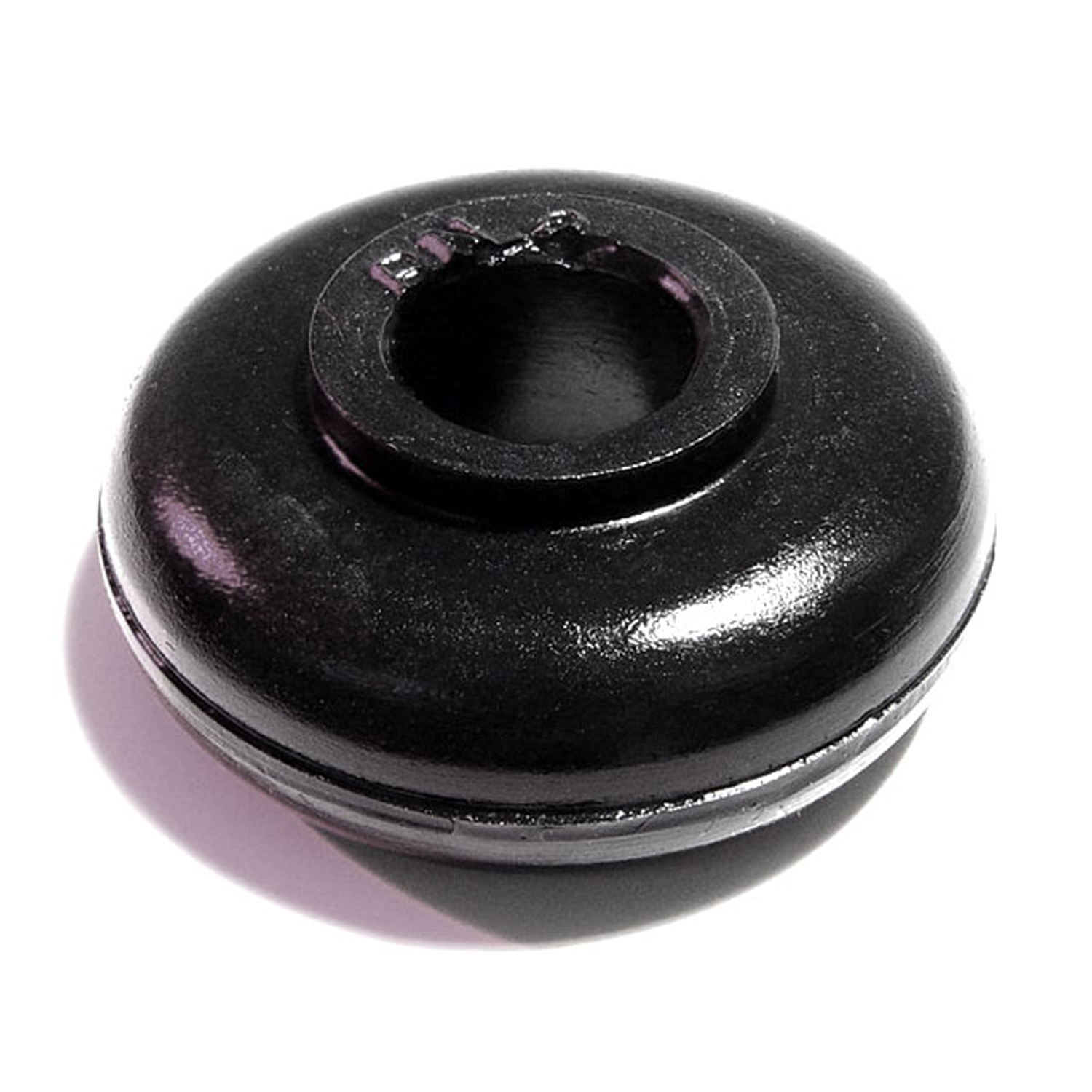 1959 Aston Martin DB4 Roll Bar Bushing. 1/2" high, with 1/2" hole. Each-BN 2Roll Bar Bushing. 1/2" high, with 1/2" hole. Each
 1959 Aston Martin DB4 Shock Grommet. 9/16" high, 3/8" hole. Each-BN 2-AShock Grommet. 9/16" high, 3/8" hole. Each
 1959 Aston Martin DB4 Clutch and Brake Pedal Pads. Perfect reproduction-CB 175Clutch and Brake Pedal Pads. Perfect reproduction. 1-3/4" wide X 3-1/4" long. Pair
 1959 Aston Martin DB4 Front Brake Caliper, Dust Excluder. For V-8 models-DE 10Front Brake Caliper, Dust Excluder. For V-8 models. 2-1/8" I.D., 3-1/4" O.D. Each
 1959 Aston Martin DB4 Radiator Rod Cushion. 1/4" thick, 3/8" hole, 1" O.D-RA 1Radiator Rod Cushion. 1/4" thick, 3/8" hole, 1" O.D. Eight used per car. Each
 1959 Aston Martin DB4 Spark Plug Boot. Each-RP 1-ZSpark Plug Boot. Each
 1959 Aston Martin DB4 Park Light Boot, with Beaded Pad. Order two per car-SM 65-GPark Light Boot, with Beaded Pad. Order two per car. Overall height is 2-5/8", I.D. of body is 1-1/8", I.D. of bead is 2-1/4". Each
Why Choose Metro?
For over 100 years, Metro Moulded Parts has been the pinnacle of quality in classic car restoration parts. Our commitment to precision and authenticity in every component ensures a perfect fit and an OEM-level appearance.
- Expert Craftsmanship & Quality: Each part is a testament to our dedication to reliability and perfection, crafted from original designs and thoroughly tested.
- Advanced Technology: We use cutting-edge techniques to create flawless, long-lasting parts that surpass others in performance.
- SuperSoft Sponge – The Ultimate Door Seal: Not only are our door seals 30% softer than competitors', but they're also guaranteed to never leak. They effectively reduce wind and road noise, enhancing your classic car's comfort and driving experience.
- Proudly American: Our parts are a product of American craftsmanship, made in the USA with a spirit of excellence and heritage.
- Unrivaled Warranty: We back our products with a 30-year industry-leading warranty, a testament to our confidence in their quality.
Join us in preserving the legacy of classic cars with parts that are crafted for perfection, not just made.