

Image of 1920 Auburn Model 6-39, Note: These illustrations use artistic license and may differ from actual historical models.
Performance Metrics
Fundamental Metrics
Emotional Appeal
MMP Rating
| Engine Specifications | |
|---|---|
| Engine Options: | Inline 6-cylinder engine |
| Displacement Range: | 3.2L |
| Horsepower Range: | Estimated 39-50 hp |
| Torque: | Not available |
| Compression Ratio: | Not available |
| Ignition System: | Battery and coil |
| Cooling System: | Water-cooled |
| Performance Specifications | |
| 0-60 Time: | Not available |
| 1/4 Mile Time: | Not available |
| Top Speed: | 50-55 mph |
| Transmission and Drive | |
| Drive Type: | Rear-wheel drive |
| Transmission Type: | 3-speed manual |
| Fuel and Efficiency | |
| Fuel System Type: | Carburetor |
| MPG: | Not available |
| Dimensions and Brakes | |
| Brakes: | Mechanical drum brakes |
| Wheelbase: | 130 inches |
| Weight: | Estimated 2,800 lbs |
Note: Specifications for classic cars are given to the best of our ability, considering the limited and variant data available.
1920 Auburn Model 6-39: A Six-Cylinder American Classic
The 1920 Auburn Model 6-39 was built for motorists who wanted the presence of a substantial American touring car without stepping into the very top tier of the market. It came from the Auburn Automobile Company of Auburn, Indiana, a manufacturer whose name would later become closely associated with the flamboyant styling and engineering ambitions of the Cord era.
Auburn’s story began in 1900, when brothers Frank and Morris Eckhart established the company. By 1920, the business was navigating a challenging postwar market and changing ownership, years before Errett Lobban Cord took control and transformed the marque. The 6-39 belongs to that earlier chapter: a practical, conventionally engineered car that helped keep Auburn on the road to its later fame.
One intriguing detail is the model name itself. “6-39” identifies the car as a six-cylinder Auburn in the 39-horsepower class, rather than referring to its displacement. Period specifications and surviving-car records are not always consistent, so individual examples should be checked against factory literature and their original components.
Touring-Car Style and Craftsmanship
The Model 6-39 wore the upright proportions typical of its time. Its tall radiator, separate fenders, narrow running boards and exposed lamps gave it a purposeful, formal profile. Brass or nickel-plated details, depending on equipment and finish, could brighten the front end, while a long hood announced the presence of the six-cylinder engine. With its tall wheels and slim tires, the Auburn looks delicate beside a modern car, but its stance was imposing on roads where many vehicles were smaller and less powerful.
Body styles offered for Auburn six-cylinder cars of the period included open touring and roadster forms, as well as more enclosed choices such as coupes and sedans. Exact availability could vary by model year and catalog, and body terminology was not always used consistently. The open touring car is the most recognizable configuration today, with seating for several passengers and a folding top that made it suitable for both local travel and longer trips.
Inside, the experience was more about durable coachwork than modern convenience. Owners would have found broad seating upholstered in materials such as leather or leatherette, depending on the body and specification, along with a wood or metal-trimmed dashboard and straightforward controls. The finish and upholstery could differ between bodies and individual cars, so a restored example may not represent every factory option.
Paint choices were generally restrained by modern standards. Dark blues, greens, maroons and black were common choices for cars of the period, but the exact Auburn palette and availability depended on the body and order. Black was a familiar, practical choice; richer colors gave an expensive open car extra distinction. Original paint records are uncommon, so surviving paint should be treated as a clue rather than definitive proof.
Period Technology and Mechanical Layout
The 6-39 was a conventional front-engine, rear-wheel-drive car, but its six-cylinder powerplant was a selling point. Compared with many four-cylinder cars, a six could deliver smoother, more even power, especially when carrying passengers or climbing a grade. The engine was paired with a manual transmission, with the driver responsible for using the clutch and selecting gears rather than relying on any form of automatic assistance.
Electric starting and lighting were becoming increasingly important features in this period, and cars in Auburn’s class could be equipped with electrical systems that spared the driver the routine use of a hand crank. Details varied by specification and surviving car. Braking was also very much of its era: the driver had mechanical controls and none of the power assistance or modern four-wheel disc technology expected today. A prospective buyer should have the brakes, steering, wiring and fuel system inspected before driving.
Why the Auburn 6-39 Matters
The Model 6-39 was not a revolutionary design, and that is part of its historical value. It shows how American manufacturers were refining the practical touring car during a period when personal motoring was expanding beyond the wealthiest households. A six-cylinder engine, a range of body choices and increasingly convenient electrical equipment helped make a substantial automobile more usable for everyday travel.
Its place in Auburn history is especially interesting because it predates the company’s best-known styling. Under Cord’s later leadership, Auburn became associated with dramatic lines, bold colors and high-performance models. The 1920 car is a reminder that the company’s identity was not born fully formed. It developed from a more traditional maker of solid, conventional automobiles.
The 6-39 did not establish a major speed record or introduce a technology that transformed the industry. Its significance is quieter: it represents the capable middle-class six-cylinder car that helped build the market on which later American automotive innovations depended.
Performance, Speed and Road Manners
Performance figures for individual 1920 Auburn 6-39s are difficult to pin down. The model’s 39-horsepower designation should not be confused with a modern dynamometer rating, and period gearing, body weight, tire condition and engine health all make a major difference. A sound, correctly tuned example would likely cruise comfortably at moderate road speeds. A top speed in the neighborhood of 50 to 60 mph is a reasonable period estimate, not a guaranteed factory-tested figure.
A modern 0-to-60-mph comparison is not especially useful for this car. The 6-39 was not designed around rapid acceleration, and many examples may struggle to reach 60 mph in ordinary operating condition. Acceleration would be leisurely, with the driver working through the manual gearbox and allowing the engine time to gather speed. Period road surfaces and tires also made sustained high-speed travel a very different proposition from driving a modern car.
On rough roads, the Auburn’s tall tires and leaf-spring suspension would absorb some sharp impacts, but the ride would still be affected by ruts, washboards and uneven gravel. The car’s high center of gravity and narrow tires call for measured cornering, particularly on a winding road. Strong crosswinds can move a tall-bodied antique around, and its steering requires more attention than power-assisted modern steering.
Behind the wheel, the engine’s note would be a steady mechanical hum, accompanied by the sounds of the transmission, tires and chassis. The driver sits upright, monitors the road closely and works the controls with intention. That hands-on experience is part of the appeal, but it also means the 6-39 demands patience and attentiveness rather than delivering effortless modern motoring.
Owning and Maintaining a 1920 Auburn
Today, the 6-39 is best suited to touring events, local club outings, museum displays and careful show use. It can be driven on suitable roads when properly maintained, but it is not an ideal daily driver. Modern traffic moves faster, replacement parts can take time to source, and the car lacks contemporary safety equipment such as seat belts, airbags and modern crash protection.
Much of the mechanical work is understandable to an experienced vintage-car owner. The systems are comparatively straightforward, and a capable mechanic can often service the engine, clutch, gearbox, brakes and electrical equipment without specialized diagnostic electronics. The challenge is finding correct parts and knowing which components are original to the car. Auburn-specific trim, body pieces and interior fittings may be considerably harder to locate than general mechanical supplies.
Reliability depends heavily on restoration quality and regular use. A car that has been stored for years may need attention to its fuel system, cooling system, tires, wiring, lubrication and brakes before it is safe to drive. For a car this old, a pre-purchase inspection by a specialist is essential, and a restored vehicle should be evaluated by mechanical condition as well as appearance.
Interesting Facts and Common Criticisms
The most notable Auburn connection is what came later. Errett Lobban Cord’s influence from the mid-1920s onward helped turn Auburn into one of the more visually distinctive American marques, alongside Cord and Duesenberg. The 6-39 predates that transformation, making it a useful contrast to the famous Auburns of the late 1920s and 1930s.
Reliable production totals for the Model 6-39 are not readily established in commonly available records. As a broad estimate, production was likely in the low thousands rather than the tens of thousands, but that should not be treated as a documented factory figure. Surviving examples are uncommon, and complete, well-documented cars are harder to find than cars needing restoration.
There is no widely recognized speed or endurance record associated specifically with the 1920 Model 6-39, nor is there a definitive celebrity-ownership story that defines the model. Its appeal is less about a single headline-making event and more about the glimpse it offers of American motoring before the industry’s mass-market conventions were fully settled.
Common criticisms are familiar to anyone considering an early touring car: modest speed, demanding controls, limited weather protection in open body styles, and a shortage of parts. Its mechanical brakes and period tires require a conservative driving style. These are not flaws by modern standards so much as reminders of the era in which the car was built.
Collector Value and Availability
Values vary sharply according to body style, completeness, originality, restoration quality and documentation. As a general current-market estimate, a project or incomplete example might fall around $10,000 to $25,000, while a solid, drivable car could bring roughly $25,000 to $50,000. A high-quality, well-documented restoration or a particularly desirable body could exceed that range, while a car with major mechanical or structural needs could sell for less. These are broad estimates, not a formal appraisal.
The 6-39 is a niche collectible. It is less widely recognized than the later Auburn speedsters and custom-bodied cars, which can limit demand, but its age, Auburn name and relative scarcity give it a meaningful following among early-car enthusiasts. Market availability is intermittent: prospective buyers may wait a long time for the right body style or a car with a convincing history.
Like many prewar classics, its value trend depends more on condition and buyer interest than on age alone. Exceptional examples can hold or increase their value, while average cars may see slower appreciation and substantial restoration costs. Buyers should budget for maintenance and conservation, not assume that a complete restoration will automatically be recovered at resale.
The 1920 Auburn 6-39’s Lasting Appeal
The Auburn Model 6-39 captures an important, less celebrated chapter in American automotive history. It offered six-cylinder power, traditional craftsmanship and practical touring-car options at a time when the automobile was becoming an increasingly familiar part of everyday life. It is not a modern-speed machine or a famous record-breaker, but its straightforward engineering and pre-Cord Auburn character make it a rewarding car to study and preserve.
For collectors, the 6-39 is a chance to own more than an old automobile. It is a tangible link to Auburn’s formative years, before the marque became a symbol of Art Deco glamour. Its greatest distinction is the way it connects the workaday touring cars of 1920 with the bold Auburn legend that followed.
1920 Auburn Model 6-39 Catalog of Parts
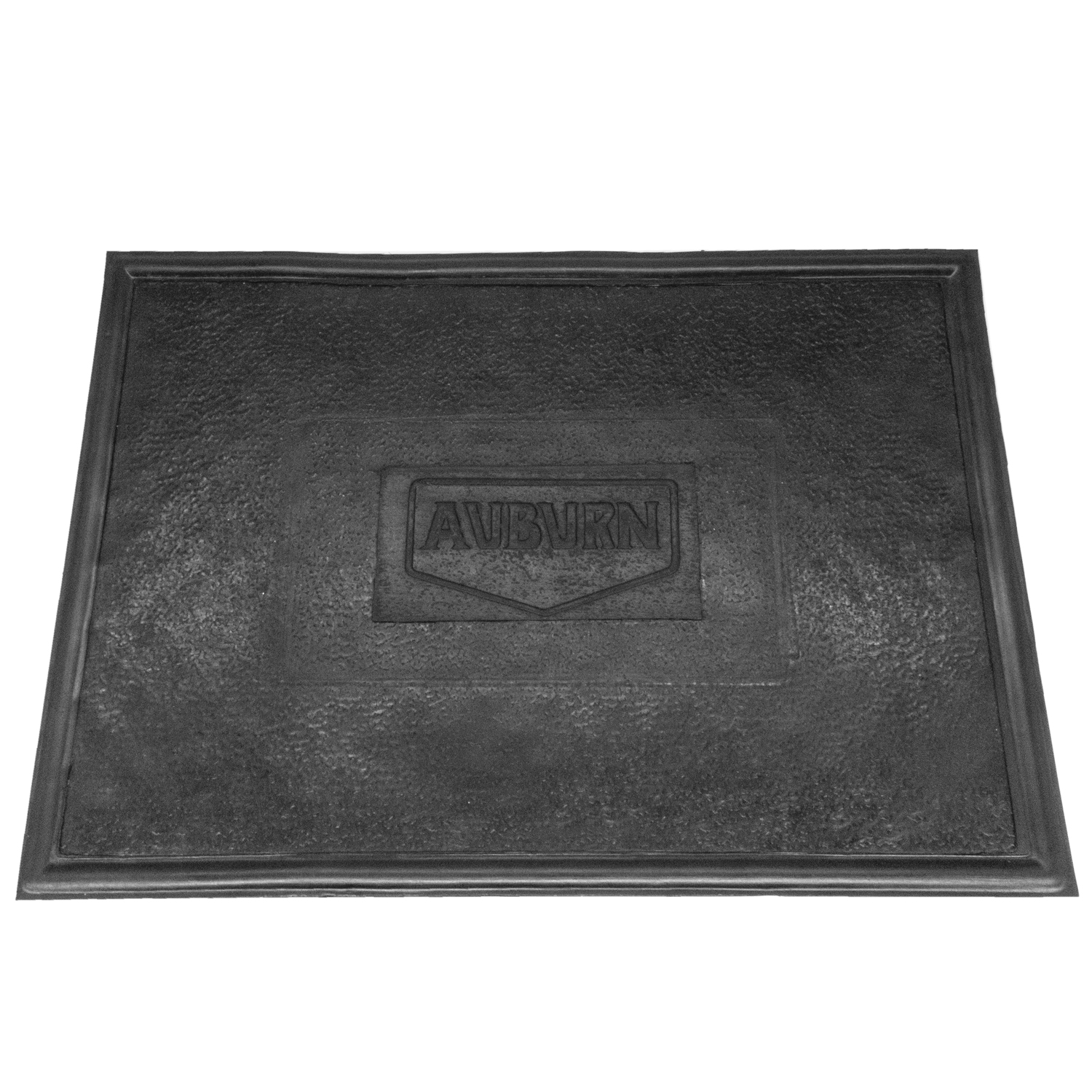 1920 Auburn Model 6-39 Accessory Floor Mat - 12"X17"-AC 14Accessory Floor Mat - made of high quality black rubber with molded original emblem. Also designed to be sewn into new carpets. 12"X17", Each
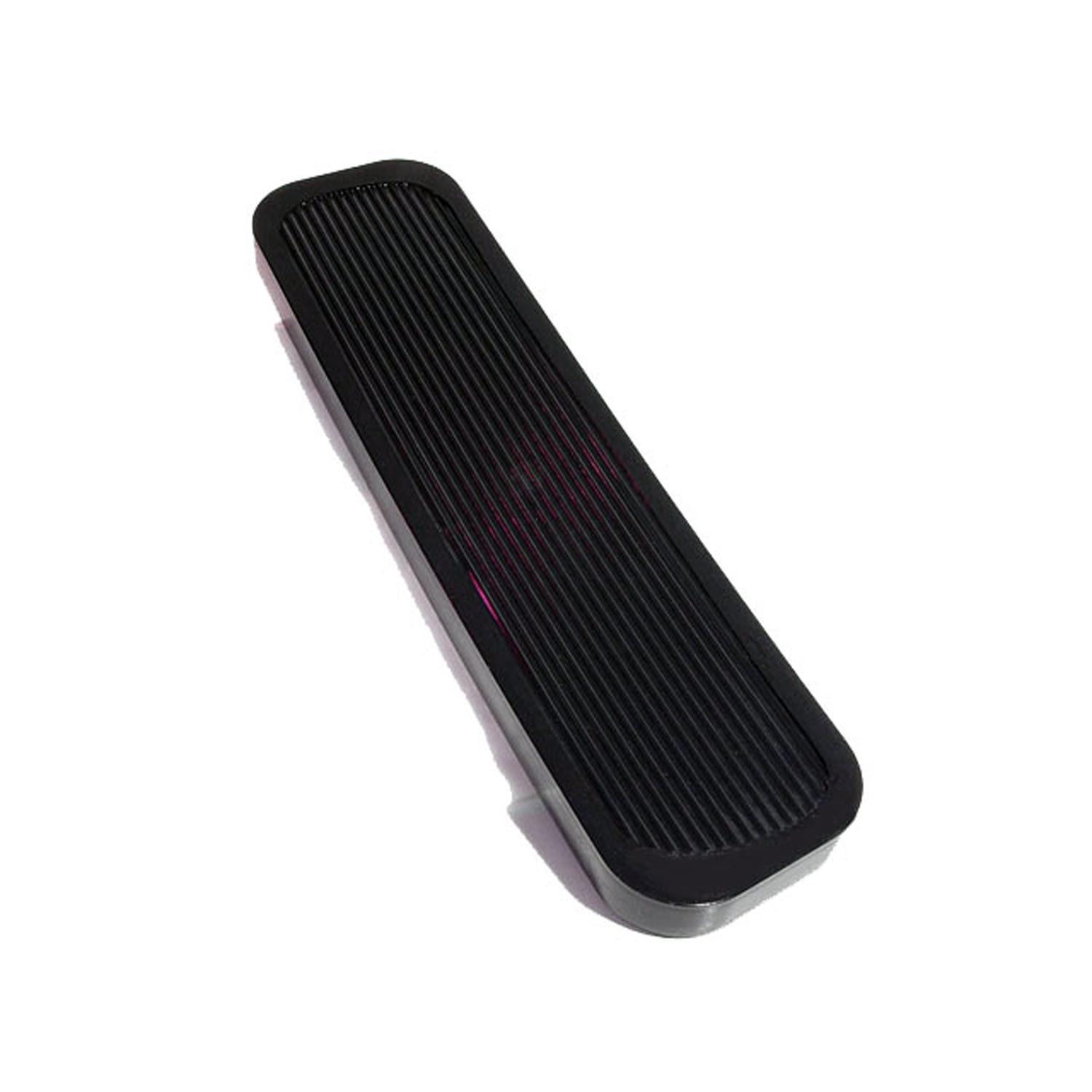 1920 Auburn Model 6-39 Accelerator Pedal Pad, 2-3/8" X 9-1/4", Each-AP 24Accelerator Pedal Pad, 2-3/8" X 9-1/4", Each
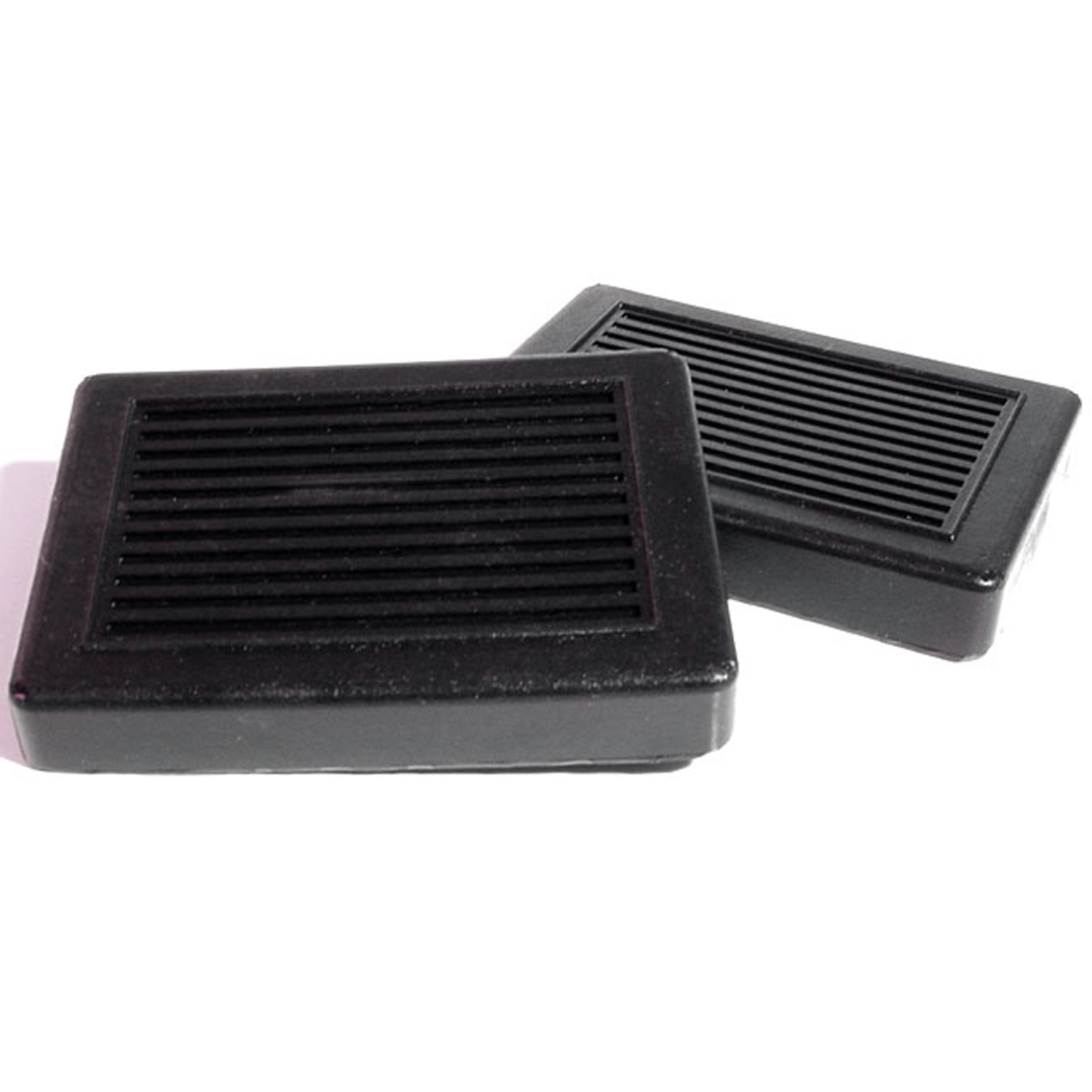 1920 Auburn Model 6-39 Clutch and Brake Pedal Pads. 3" wide X 3-7/8" long. Pair-CB 21Clutch and Brake Pedal Pads. 3" wide X 3-7/8" long. Pair
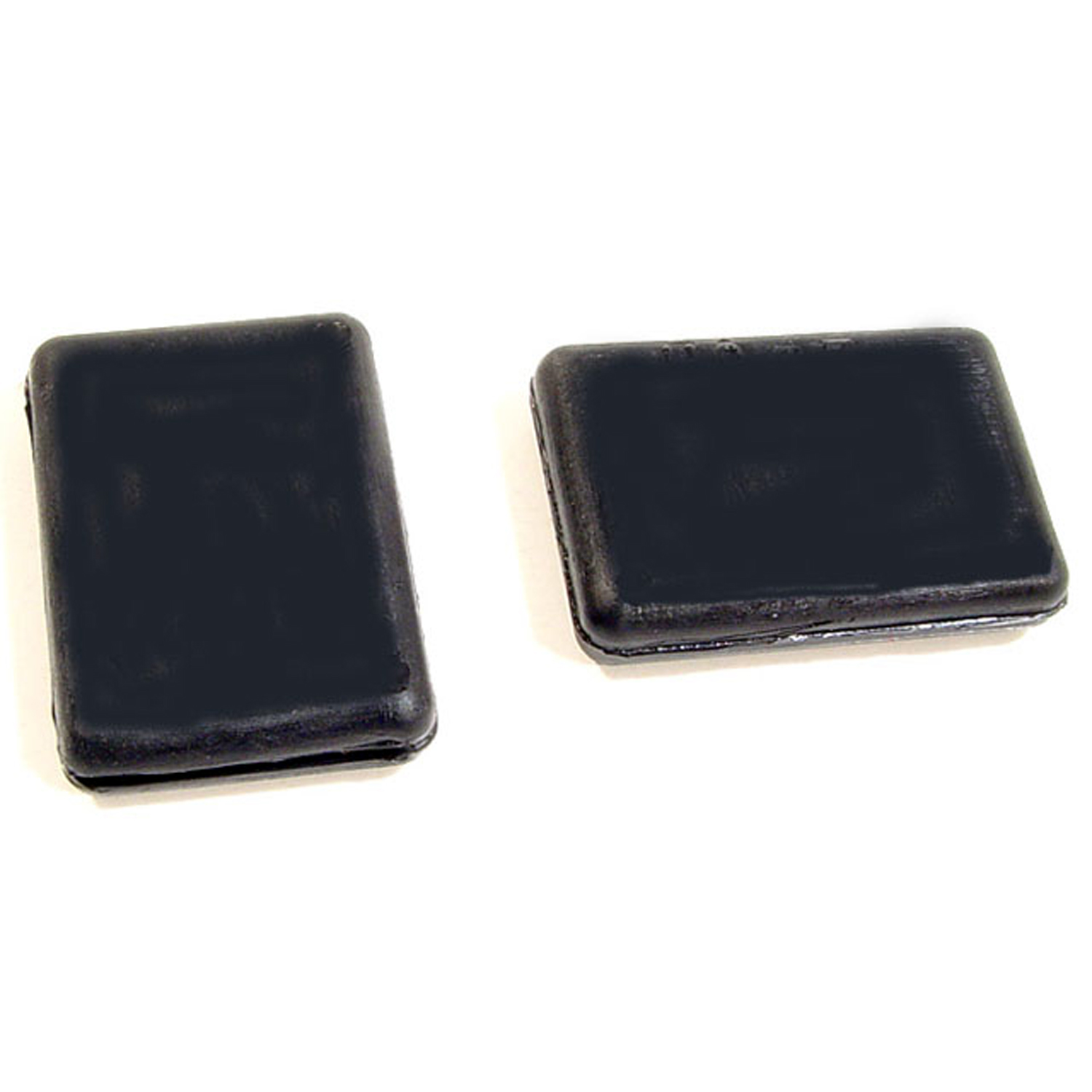 1920 Auburn Model 6-39 Hood Corners. Made of all rubber. No cut-away on back side-HC 27Hood Corners. Made of all rubber. No cut-away on back side. 7/8" X 1-1/4". Pair
Why Choose Metro?
For over 100 years, Metro Moulded Parts has been the pinnacle of quality in classic car restoration parts. Our commitment to precision and authenticity in every component ensures a perfect fit and an OEM-level appearance.
- Expert Craftsmanship & Quality: Each part is a testament to our dedication to reliability and perfection, crafted from original designs and thoroughly tested.
- Advanced Technology: We use cutting-edge techniques to create flawless, long-lasting parts that surpass others in performance.
- SuperSoft Sponge – The Ultimate Door Seal: Not only are our door seals 30% softer than competitors', but they're also guaranteed to never leak. They effectively reduce wind and road noise, enhancing your classic car's comfort and driving experience.
- Proudly American: Our parts are a product of American craftsmanship, made in the USA with a spirit of excellence and heritage.
- Unrivaled Warranty: We back our products with a 30-year industry-leading warranty, a testament to our confidence in their quality.
Join us in preserving the legacy of classic cars with parts that are crafted for perfection, not just made.