

Image of 1921 Auburn Model 6-39, Note: These illustrations use artistic license and may differ from actual historical models.
Performance Metrics
Fundamental Metrics
Emotional Appeal
MMP Rating
| Engine Specifications | |
|---|---|
| Engine Options: | Inline 6-cylinder engine |
| Displacement Range: | 3.3L |
| Horsepower Range: | Estimated 39-50 HP |
| Torque: | Not available |
| Compression Ratio: | Not available |
| Ignition System: | Battery and coil |
| Cooling System: | Water-cooled |
| Performance Specifications | |
| 0-60 Time: | Not available |
| 1/4 Mile Time: | Not available |
| Top Speed: | 50-55 mph |
| Transmission and Drive | |
| Drive Type: | Rear-wheel drive |
| Transmission Type: | 3-speed manual |
| Fuel and Efficiency | |
| Fuel System Type: | Carburetor |
| MPG: | Not available |
| Dimensions and Brakes | |
| Brakes: | Mechanical drum brakes |
| Wheelbase: | 130 inches |
| Weight: | Estimated 2800-3000 lbs |
Note: Specifications for classic cars are given to the best of our ability, considering the limited and variant data available.
1921 Auburn Model 6-39: A Six-Cylinder Classic from Indiana
The 1921 Auburn Model 6-39 brought six-cylinder power and handsome, practical styling to an American car market changing rapidly after World War I. Built by the Auburn Automobile Company in Auburn, Indiana, it belonged to the company’s early years, long before the dramatic, low-slung Auburns of the 1930s became famous. The 6-39 is a reminder that Auburn’s story began with sturdy, conventional touring cars as well as later glamour.
Auburn’s roots reach back to the Eckhart brothers, who founded the company in 1900. By 1921, the firm was trying to compete in a crowded market where buyers increasingly expected more power, comfort, and refinement. The 6-39’s name referred to its six-cylinder engine and its period horsepower rating, a figure measured differently from modern horsepower. One interesting point of contrast is that this unassuming early Auburn came from the same company that, under new leadership later in the decade, would produce some of the most striking American automobiles of the prewar era.
Body Lines, Cabin Trim, and Period Details
The Model 6-39 had the upright proportions typical of an early-1920s automobile: a tall radiator, separate fenders, exposed running boards, and large spoked wheels. Its hood stretched forward from the passenger compartment, giving the car a purposeful profile, while lamps mounted at the front and along the body supplied period-appropriate illumination. The styling was formal rather than flashy, with the car’s shape defined as much by its mechanical components as by its coachwork.
Inside, the cabin was functional and generously arranged by the standards of the day. Depending on body style and specification, upholstery could be leather or durable fabric, with wood and metal trim kept relatively straightforward. The driving position was upright, and the driver faced a simple instrument panel with essential gauges and controls. This was not a modern cocoon: the occupants were more exposed to weather, road noise, and engine heat than passengers in a contemporary car.
Paint and upholstery choices could vary with body style, dealer ordering, and individual specification. Dark shades such as black, deep blue, maroon, and green were common choices across period automobiles, but a definitive factory color list for every 6-39 body configuration is difficult to establish. Original cars and restorations may therefore differ considerably in finish.
Auburn offered the Model 6-39 in several open and closed body configurations during its production period. Touring cars and roadsters suited owners who wanted open-air motoring, while sedans and coupe-style bodies offered more weather protection. Exact offerings could change by model year and catalog, so surviving cars should be identified by their specific bodywork rather than assumed to match one universal specification. The open touring style is among the most recognizable forms of early Auburn.
Six-Cylinder Technology in the Early 1920s
The 6-39’s main selling point was its inline six-cylinder engine, generally described as a Continental-built, side-valve unit of roughly 3.4 litres. Its period rating was about 39 horsepower. A six-cylinder engine delivered smoother operation than many four-cylinder rivals, an important benefit on long journeys and at steady road speeds.
Like most cars of its era, the Auburn used a manual gearbox, rear-wheel drive, a conventional chassis, and mechanical braking. Its suspension relied on leaf springs and solid axles rather than the independent systems and hydraulic brakes familiar to modern drivers. These were established technologies, not radical inventions, but the six-cylinder layout gave the Model 6-39 a more refined character than a basic four-cylinder runabout.
The car did not reshape automotive engineering on its own. Its significance is better understood as part of Auburn’s progression: it helped sustain the company during a difficult period and established the early product heritage that later Auburn leaders would build upon. The Model 6-39 stands apart from the company’s later headline-grabbing cars precisely because it represents the practical, pre-Cord chapter of the story.
Road Manners and Real-World Speed
With about 39 horsepower by period measurement, the 6-39 was built for steady travel rather than rapid acceleration. A reasonable estimate for a sound, correctly equipped example is a top speed in the neighborhood of 50 to 60 mph, though condition, gearing, body style, tires, and road surface all affect the result. A reliable factory 0-to-60-mph figure is not commonly documented, and many examples would be slow to reach 60 mph, if they could do so at all. For a car of this age, quoted acceleration numbers should be treated as estimates, not precise test data.
On a smooth road, the long chassis and leaf-spring suspension give the car a composed, deliberate feel. Over sharp bumps, the solid axles and period tires transmit more movement into the cabin than a modern suspension would. On winding roads, the tall body, narrow tires, and steering geometry call for measured inputs. The 6-39 rewards anticipation: a driver plans braking and cornering rather than relying on late, forceful corrections.
From behind the wheel, the experience is tactile and mechanical. The engine’s steady six-cylinder note, the gear lever’s deliberate movement, and the direct feedback through the steering wheel make the driver an active participant. It is best enjoyed at relaxed touring speeds, with time to hear the engine and take in the landscape.
Owning and Maintaining a 1921 Auburn
Today, a Model 6-39 is primarily a collector and touring car rather than a daily driver. Owners may take a well-sorted example to vintage-car meets, regional tours, and preservation events. Its open body styles are especially suited to fair-weather outings, while a closed body can make longer trips more comfortable.
Many of the car’s mechanical systems are straightforward compared with those of a modern vehicle, and an experienced vintage-car mechanic can service the engine, ignition, carburetion, clutch, and mechanical brakes using traditional methods. That does not necessarily make ownership easy for the average hobbyist. Parts can be difficult to locate, some components may need specialist fabrication, and safe operation depends on careful attention to tires, steering, brakes, and lubrication. Regular maintenance is essential, particularly before any extended drive.
Reliability is closely tied to restoration quality and ongoing care. A properly rebuilt car can be enjoyable on suitable roads, but it should not be expected to tolerate modern highway speeds or traffic conditions without careful planning. Owners also need to consider the availability of correct parts and the value of preserving original components.
Little-Known Facts and Common Misconceptions
The Model 6-39 is part of Auburn’s early six-cylinder era, not one of the company’s famous 1930s speedsters and custom-bodied luxury cars. That distinction matters when researching one: the later Auburn’s styling, performance, and celebrity associations should not be casually attributed to the 1921 model.
No widely recognized speed or endurance record is associated specifically with the 6-39, and dependable production totals for the model are not readily established. A cautious estimate would place production in the low thousands, perhaps roughly 2,000 to 4,000 cars across the relevant run, but that is a broad estimate rather than a verified factory total. Surviving examples are scarce enough that a car’s condition, body style, history, and documentation can matter more than a guessed production figure.
Common criticisms are familiar to owners of many cars from the period: modest performance, limited braking by modern standards, weather exposure in open models, and the ongoing challenge of sourcing parts. Those traits are part of the car’s historical character, but they also mean it is best driven with care and maintained by someone who understands early automobiles.
Collector Values and Market Outlook
Values depend heavily on body style, originality, restoration quality, and whether the car is complete and roadworthy. As a broad present-day estimate, a project or incomplete example might sell for around $10,000 to $25,000. A usable driver or older restoration could fall roughly between $25,000 and $50,000, while a high-quality, correctly restored car may bring about $50,000 to $85,000 or more. Exceptional provenance or a particularly desirable body could move a sale beyond those ranges. These are guide figures, not a formal appraisal, and early-car auction results can vary substantially.
The Model 6-39 appears infrequently on the market, and buyers may need patience to find the right example. Well-documented, authentic cars are likely to hold collector interest, though values do not necessarily rise every year. As with many prewar vehicles, restoration costs can exceed the eventual sale price, so the best financial prospects usually belong to cars that are already complete, carefully maintained, and supported by good records.
Why the Auburn 6-39 Still Matters
The 1921 Auburn Model 6-39 combines early American six-cylinder engineering with the upright, purposeful style of the prewar touring era. It was not a record-breaker or a design revolution, but it helped carry the Auburn name through a challenging chapter and offers a direct connection to the company’s beginnings in Indiana.
For collectors, the 6-39 is more than a predecessor to Auburn’s later glamorous machines. It is a distinct classic in its own right, one that turns an ordinary drive into a conversation with automotive history.
1921 Auburn Model 6-39 Catalog of Parts
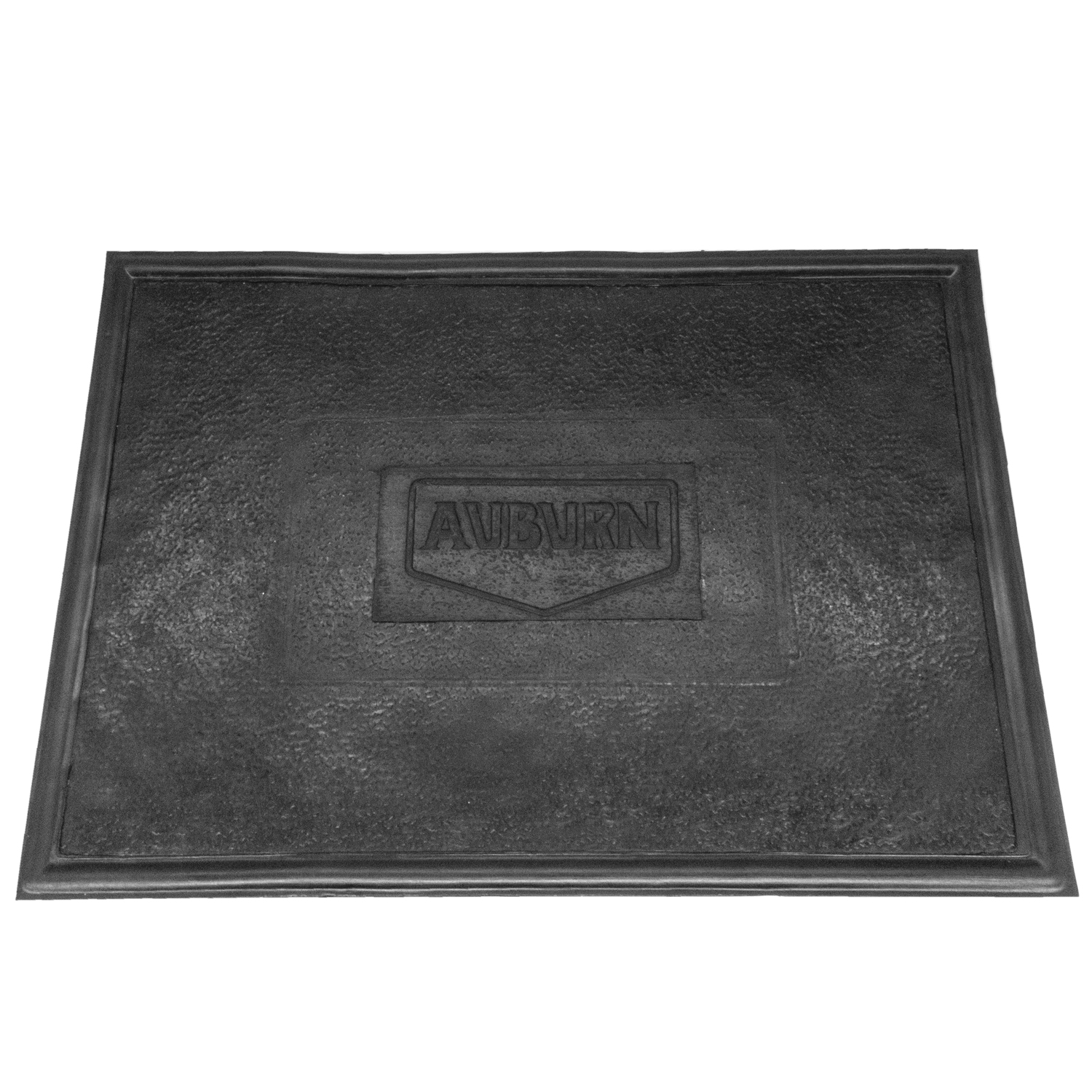 1921 Auburn Model 6-39 Accessory Floor Mat - 12"X17"-AC 14Accessory Floor Mat - made of high quality black rubber with molded original emblem. Also designed to be sewn into new carpets. 12"X17", Each
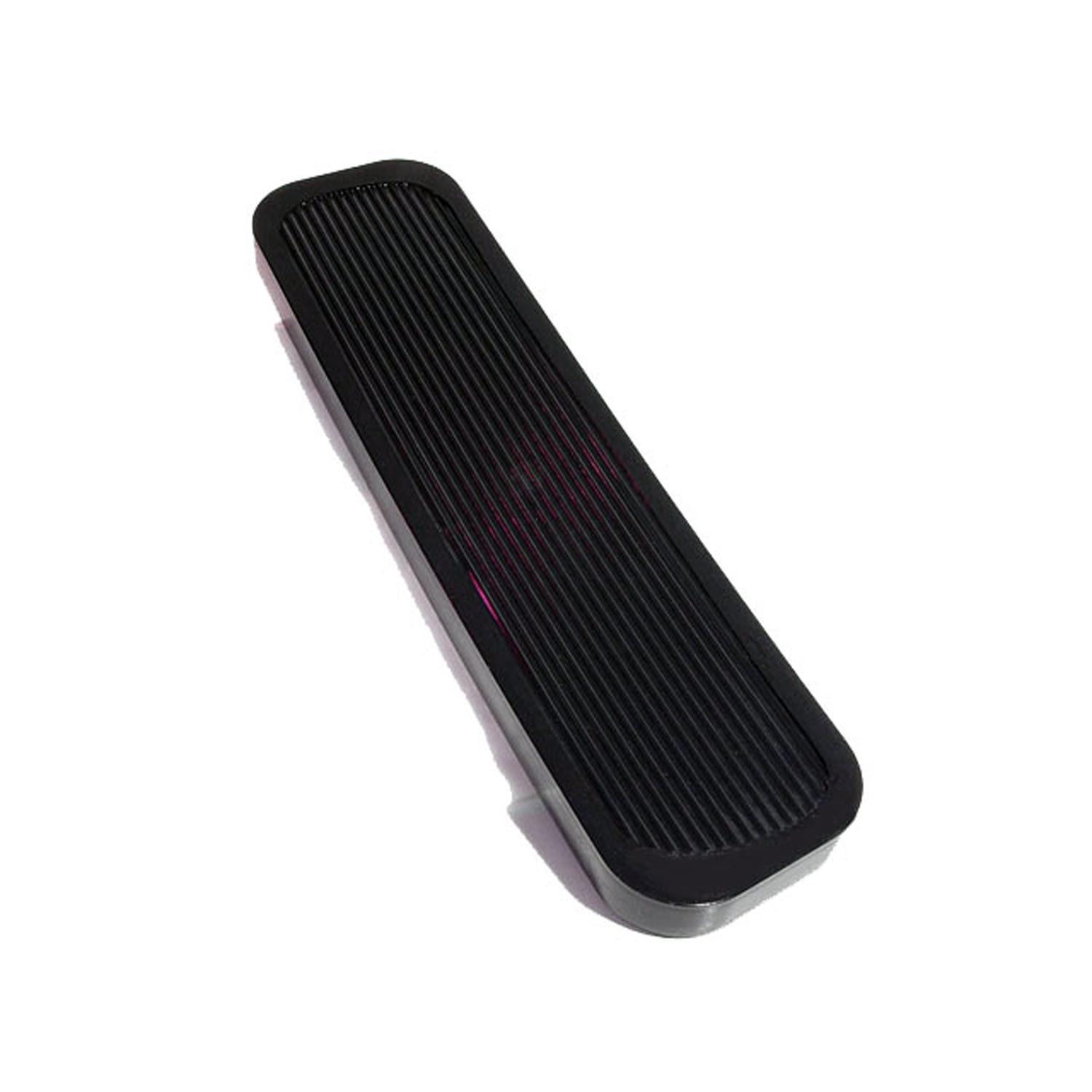 1921 Auburn Model 6-39 Accelerator Pedal Pad, 2-3/8" X 9-1/4", Each-AP 24Accelerator Pedal Pad, 2-3/8" X 9-1/4", Each
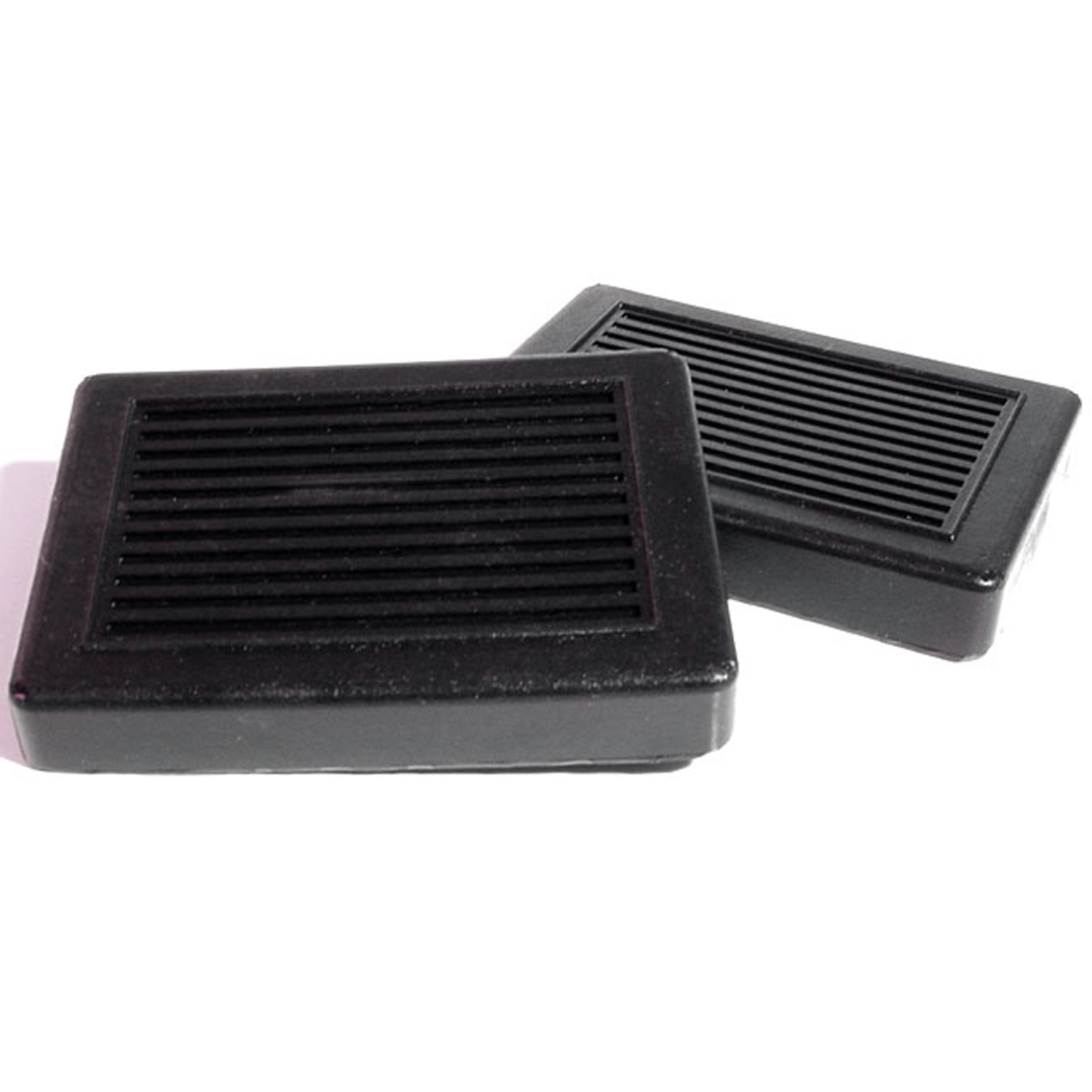 1921 Auburn Model 6-39 Clutch and Brake Pedal Pads. 3" wide X 3-7/8" long. Pair-CB 21Clutch and Brake Pedal Pads. 3" wide X 3-7/8" long. Pair
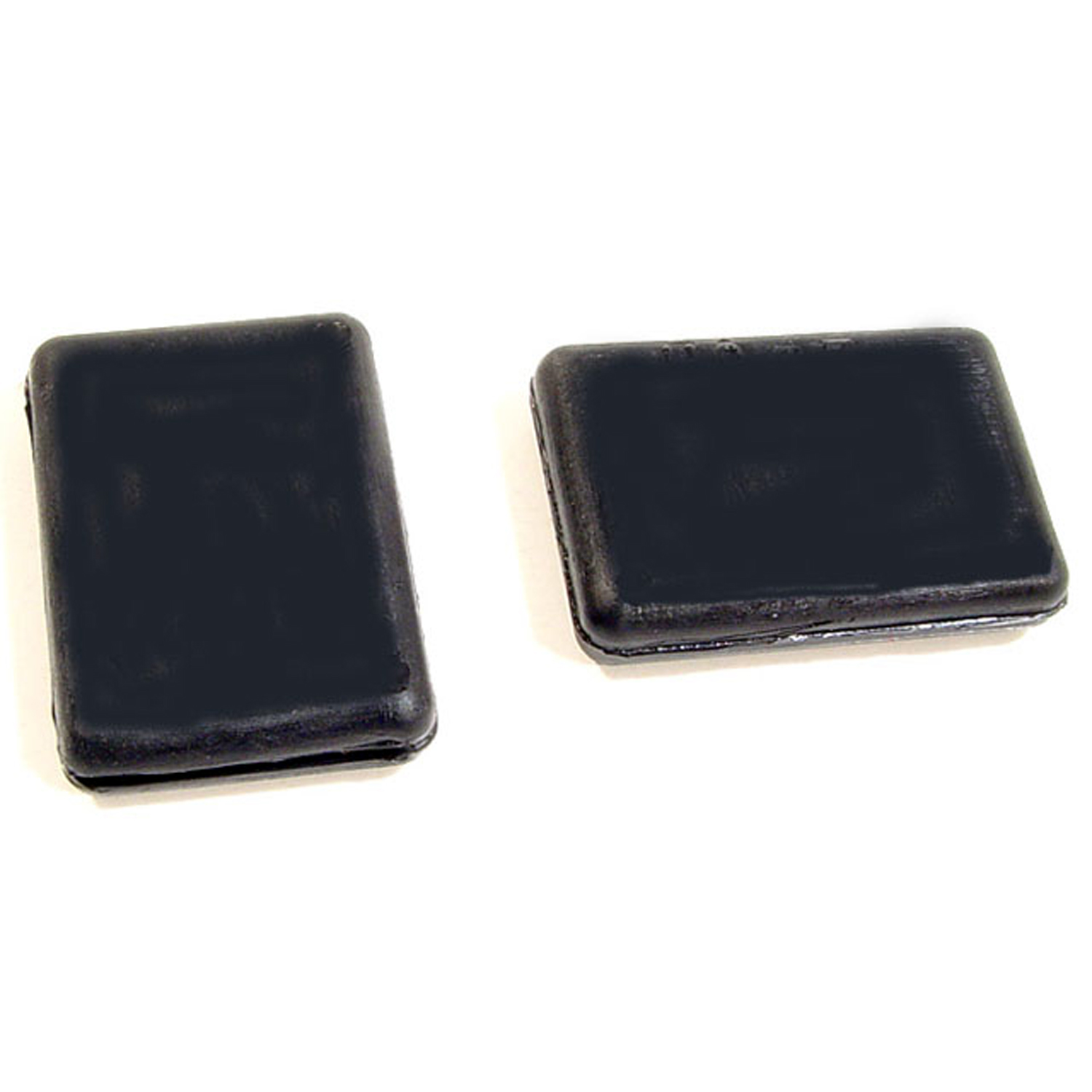 1921 Auburn Model 6-39 Hood Corners. Made of all rubber. No cut-away on back side-HC 27Hood Corners. Made of all rubber. No cut-away on back side. 7/8" X 1-1/4". Pair
Why Choose Metro?
For over 100 years, Metro Moulded Parts has been the pinnacle of quality in classic car restoration parts. Our commitment to precision and authenticity in every component ensures a perfect fit and an OEM-level appearance.
- Expert Craftsmanship & Quality: Each part is a testament to our dedication to reliability and perfection, crafted from original designs and thoroughly tested.
- Advanced Technology: We use cutting-edge techniques to create flawless, long-lasting parts that surpass others in performance.
- SuperSoft Sponge – The Ultimate Door Seal: Not only are our door seals 30% softer than competitors', but they're also guaranteed to never leak. They effectively reduce wind and road noise, enhancing your classic car's comfort and driving experience.
- Proudly American: Our parts are a product of American craftsmanship, made in the USA with a spirit of excellence and heritage.
- Unrivaled Warranty: We back our products with a 30-year industry-leading warranty, a testament to our confidence in their quality.
Join us in preserving the legacy of classic cars with parts that are crafted for perfection, not just made.