

Image of 1923 Auburn Model 6-43, Note: These illustrations use artistic license and may differ from actual historical models.
Performance Metrics
Fundamental Metrics
Emotional Appeal
MMP Rating
| Engine Specifications | |
|---|---|
| Engine Options: | Inline 6-cylinder engine |
| Displacement Range: | 4.2L |
| Horsepower Range: | Estimated 43-50 hp |
| Torque: | Not available |
| Compression Ratio: | Not available |
| Ignition System: | Battery and coil |
| Cooling System: | Water-cooled |
| Performance Specifications | |
| 0-60 Time: | Not available |
| 1/4 Mile Time: | Not available |
| Top Speed: | 50-55 mph |
| Transmission and Drive | |
| Drive Type: | Rear-wheel drive |
| Transmission Type: | 3-speed manual |
| Fuel and Efficiency | |
| Fuel System Type: | Carburetor |
| MPG: | Not available |
| Dimensions and Brakes | |
| Brakes: | Mechanical drum brakes |
| Wheelbase: | 130 inches |
| Weight: | Estimated 2,800 lbs |
Note: Specifications for classic cars are given to the best of our ability, considering the limited and variant data available.
1923 Auburn Model 6-43: A Six-Cylinder Classic
The 1923 Auburn Model 6-43 brought six-cylinder power and substantial early-automobile character to the roads of America, years before Auburn became famous for the dramatic designs of the Cord era. Built by the Auburn Automobile Company in Auburn, Indiana, the 6-43 was a conventional, well-appointed car for its time, with its model name pointing to its six-cylinder engine and rated output of about 43 horsepower.
Its timing makes it an interesting bridge in Auburn history. The company was still building its reputation in 1923; financial troubles and a change in leadership followed, and E. L. Cord took control in 1924. The sleek Auburn Speedsters that later became collector icons were still in the future. A curious detail is that the 6-43’s name is a useful bit of period shorthand: it describes the engine’s cylinder count and advertised horsepower, not the car’s displacement.
Classic Auburn Styling and Coachwork
The Model 6-43 wore the upright proportions typical of the early 1920s. Its tall radiator, long bonnet, separate front fenders, running boards, and exposed headlamps gave it a formal, purposeful profile. Narrow tires and wire or wood-spoke wheels reinforced its pre-streamline look. The result was not an aerodynamic shape, but one that communicated solidity and mechanical confidence.
Like many cars of the period, the Auburn’s body and trim could vary with its body style and equipment. Open models offered an airy cabin and a folding top, while closed bodies provided more shelter and privacy. Interiors were generally trimmed in durable upholstery, with leather often associated with open or higher-grade configurations and cloth or broadcloth common in enclosed cars. Wood trim, a large steering wheel, simple gauges, and exposed controls created a distinctly hands-on driving environment.
Surviving cars and period descriptions show that finishes varied by configuration, and exact paint choices should be checked against the individual car’s original records. Dark, restrained colors such as black, deep blue, and maroon suited the formal appearance of the era; open cars could also be ordered in other combinations. Body-style availability could vary by model year and market, but touring cars, roadsters, coupes, and sedans were typical choices in Auburn’s range. The touring body is especially evocative today, with its open sides and folding top making it a natural fit for vintage motoring events.
Engineering for the Early 1920s
The 6-43’s defining feature was its inline six-cylinder engine. Compared with many four-cylinder cars of the period, a six could deliver smoother power and a more refined feel, even if its output was modest by modern standards. It was paired with a manual transmission and mechanical controls, so the driver did more of the work than a modern motorist would. Braking, steering effort, and gear changes all demanded attention and technique.
It is best to see the Auburn as a capable conventional car rather than a technology showcase. Its significance lies in how it represented the move toward smoother, more comfortable six-cylinder motoring in the middle-price market. It did not introduce a revolutionary layout or define a new design language, but it helped establish the engineering and manufacturing foundation from which Auburn’s later, more distinctive models would emerge.
Road Manners and Performance
Period performance figures are not as consistent or standardized as modern test results. With roughly 43 horsepower, a sound Model 6-43 might reach about 50 to 60 mph in favorable conditions, depending on body style, gearing, mechanical condition, and load. A 0-to-60-mph time is not a particularly useful measure: acceleration was leisurely, and some cars may not have reached 60 mph reliably in ordinary use. A rough modern estimate would put a run to 60 well beyond 30 seconds, if the car could achieve that speed at all.
On the road, the Auburn’s long, upright body and period suspension were made for steady progress rather than sharp cornering. It could manage ordinary roads of its day, but rough surfaces brought body movement and bumps directly to the occupants. On a winding road, drivers needed to plan ahead, slow before bends, and account for substantial steering effort and the limits of old tires and brakes. Strong crosswinds could also be noticeable, particularly in an open body.
The driving experience is part of the appeal. Expect the measured chug of a six-cylinder engine, the mechanical sounds of the drivetrain, and a ride that feels connected to the road in a way modern cars do not. The driver works the controls, listens for changes in the engine’s rhythm, and chooses a pace that suits the machinery. It is a car for an unhurried outing, not a quick commute.
Owning and Maintaining a 6-43
Today, a 1923 Auburn Model 6-43 is most at home as a show car, touring car, or participant in vintage motoring events. Some owners may use one for occasional local drives, but it is not a practical daily driver by modern standards. Weather protection, traffic speed, braking performance, and the availability of specialist parts all shape how and where it can be used.
Maintenance is manageable for an experienced vintage-car owner, but not necessarily simple for someone accustomed only to modern vehicles. Routine work includes careful attention to lubrication, ignition, cooling, fuel delivery, tires, and mechanical brakes. Many basic repairs rely on familiar mechanical principles, yet parts may need to be sourced through marque specialists, clubs, swap meets, or custom fabrication. A pre-purchase inspection by a mechanic who understands brass-era and early vintage cars is especially valuable.
Reliability depends heavily on restoration quality and ongoing care. A well-sorted example can be enjoyable on suitable roads, while a neglected one may require extensive work before it is safe to drive. Originality, correct components, and documentation matter, but sound mechanical condition should come first for an owner who intends to tour.
Rare Details and Common Criticisms
The 6-43’s strongest claim to historical interest is its place just before Auburn’s dramatic transformation under E. L. Cord. It offers a view of the company before the streamlined styling and high-performance reputation that later defined the marque. No widely documented speed or endurance record is specifically associated with the Model 6-43, and celebrity ownership is not a central part of its story.
Exact production totals for individual early Auburn models are difficult to establish from commonly available records. A reasonable working estimate is that perhaps 2,000 to 4,000 Model 6-43s were built, but that figure should be treated as an informed estimate rather than a confirmed factory total. Surviving cars are uncommon, and fully documented examples are harder to find than the broader estimate might suggest.
Common criticisms are familiar for cars of this age: slow acceleration, limited braking by modern expectations, a demanding driving position, and a need for frequent attention. Those are not defects unique to Auburn so much as reminders of the period in which it was built. For a collector seeking effortless speed or easy parts availability, a later classic may be a better fit. For someone drawn to early motoring and Auburn’s pre-Cord story, those compromises are part of the experience.
Collector Values and Availability
Values vary significantly with body style, originality, restoration quality, provenance, and whether the car is running and roadworthy. As a broad current-market guide, a project or incomplete example might fall around $10,000 to $20,000, while a usable, well-presented car could bring roughly $20,000 to $40,000. A top-quality restoration or especially desirable body style may exceed that range, potentially reaching $50,000 or more. These are estimates, not guaranteed sale prices; specialist auction results and the condition of the specific car matter far more than a general guide.
The market for early Auburns is specialized, and a Model 6-43 may not appear for sale often. Values have tended to reward quality and provenance rather than rise uniformly across every example. Well-restored cars with clear histories remain the most appealing, while incomplete projects can be difficult to price because restoration costs are substantial. The model’s rarity supports collector interest, but its relatively low profile beside later Auburn icons can limit demand.
Why the 1923 Auburn Still Matters
The 1923 Auburn Model 6-43 is a substantial, six-cylinder snapshot of American motoring just before Auburn’s story took a more dramatic turn. Its upright styling, hands-on controls, and leisurely road manners capture an era when a smooth engine and a comfortable touring body were meaningful advances in everyday transportation.
It may not have the speed or spectacle of the later Auburn Speedsters, but the 6-43 has a quieter distinction: it preserves the company’s character at a pivotal moment. For collectors and enthusiasts, that makes every well-kept example more than an old car. It is a rolling chapter from the years before Auburn became a legend.
1923 Auburn Model 6-43 Catalog of Parts
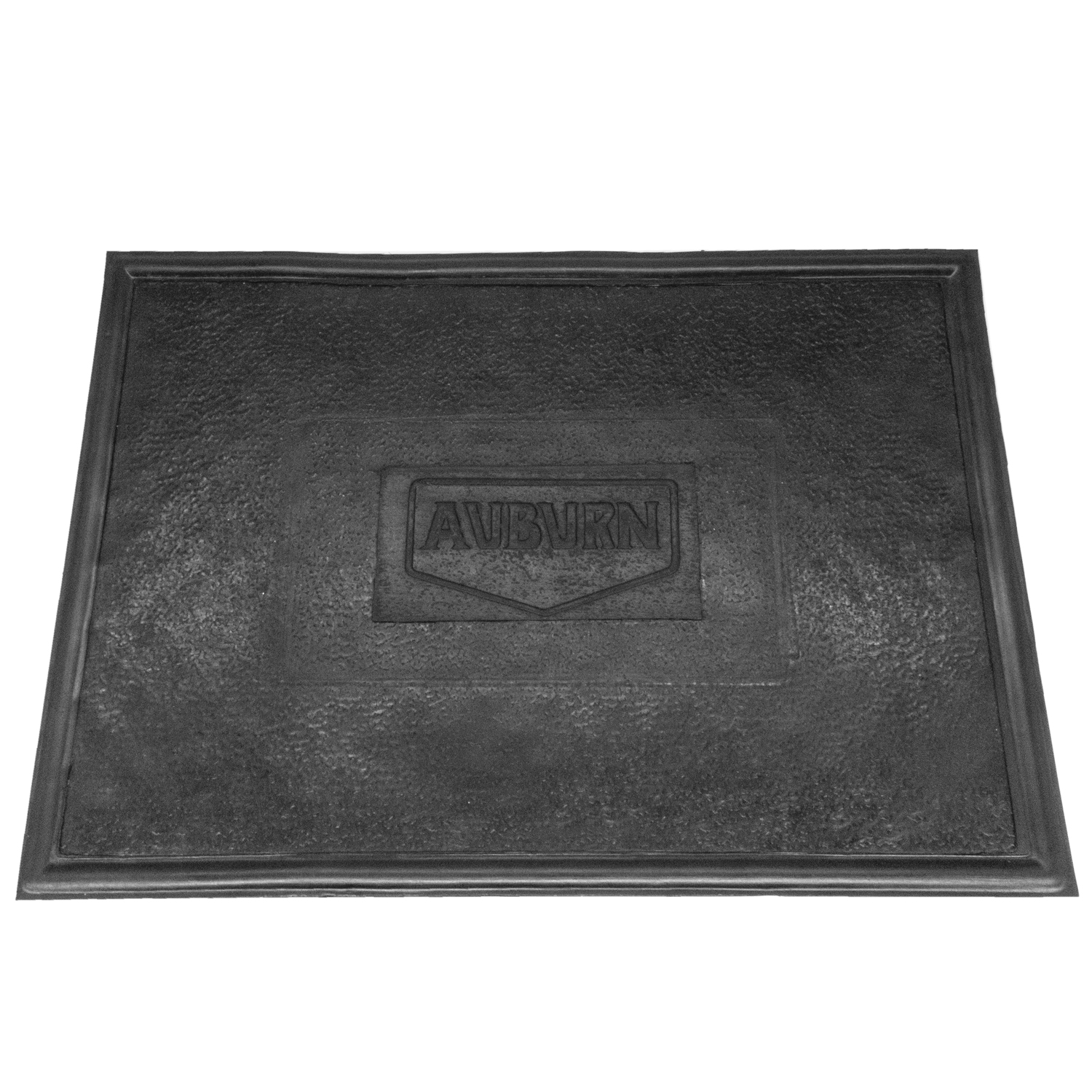 1923 Auburn Model 6-43 Accessory Floor Mat - 12"X17"-AC 14Accessory Floor Mat - made of high quality black rubber with molded original emblem. Also designed to be sewn into new carpets. 12"X17", Each
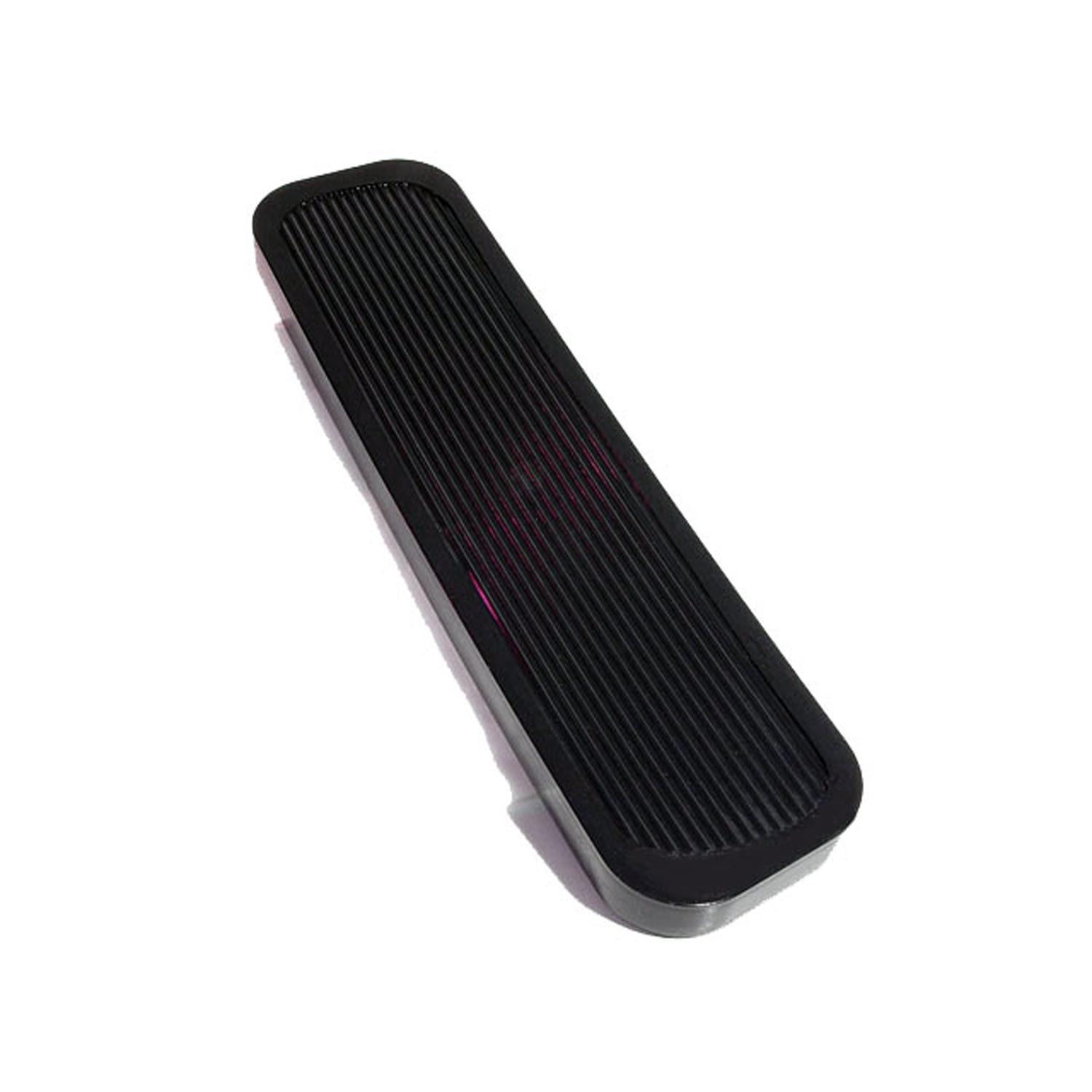 1923 Auburn Model 6-43 Accelerator Pedal Pad, 2-3/8" X 9-1/4", Each-AP 24Accelerator Pedal Pad, 2-3/8" X 9-1/4", Each
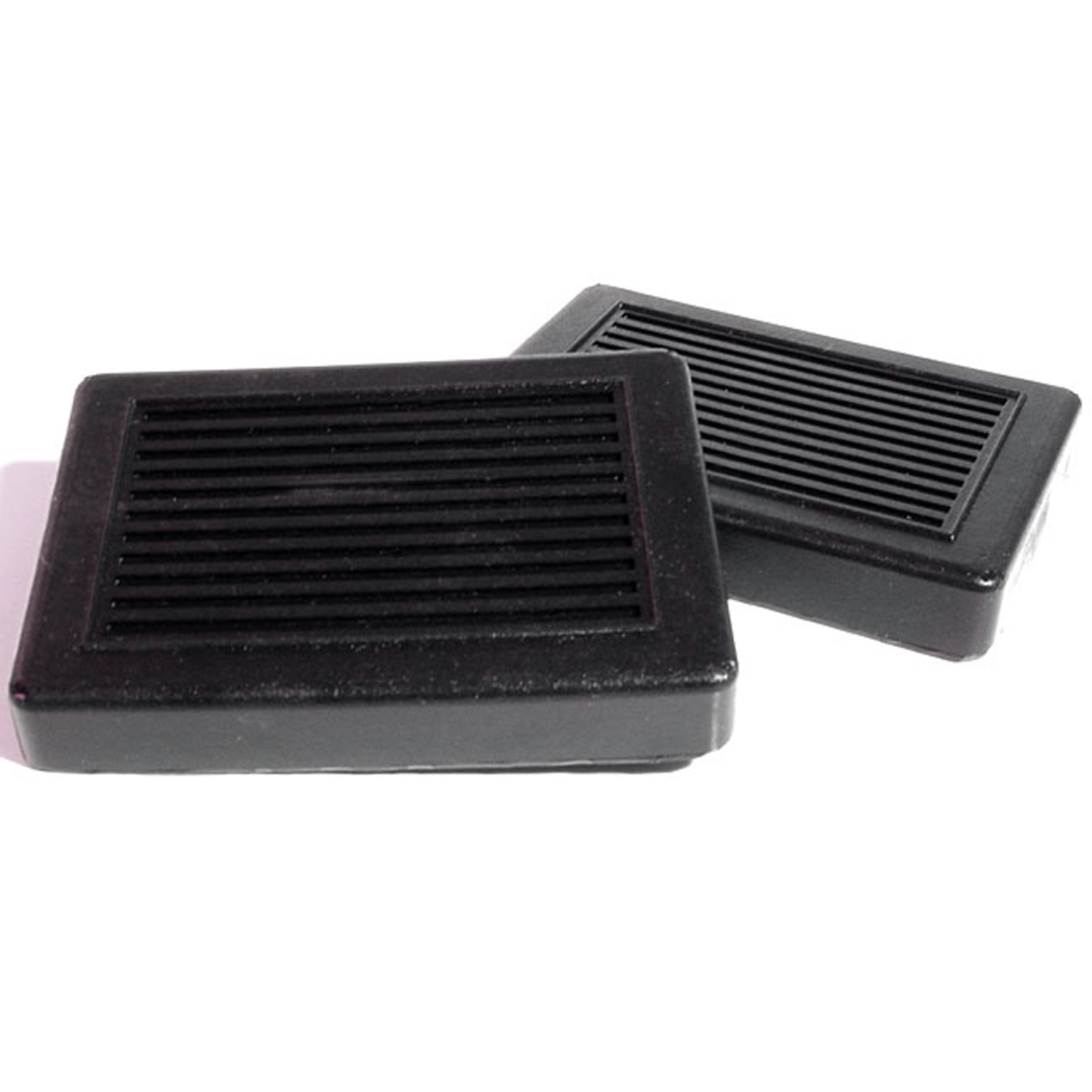 1923 Auburn Model 6-43 Clutch and Brake Pedal Pads. 3" wide X 3-7/8" long. Pair-CB 21Clutch and Brake Pedal Pads. 3" wide X 3-7/8" long. Pair
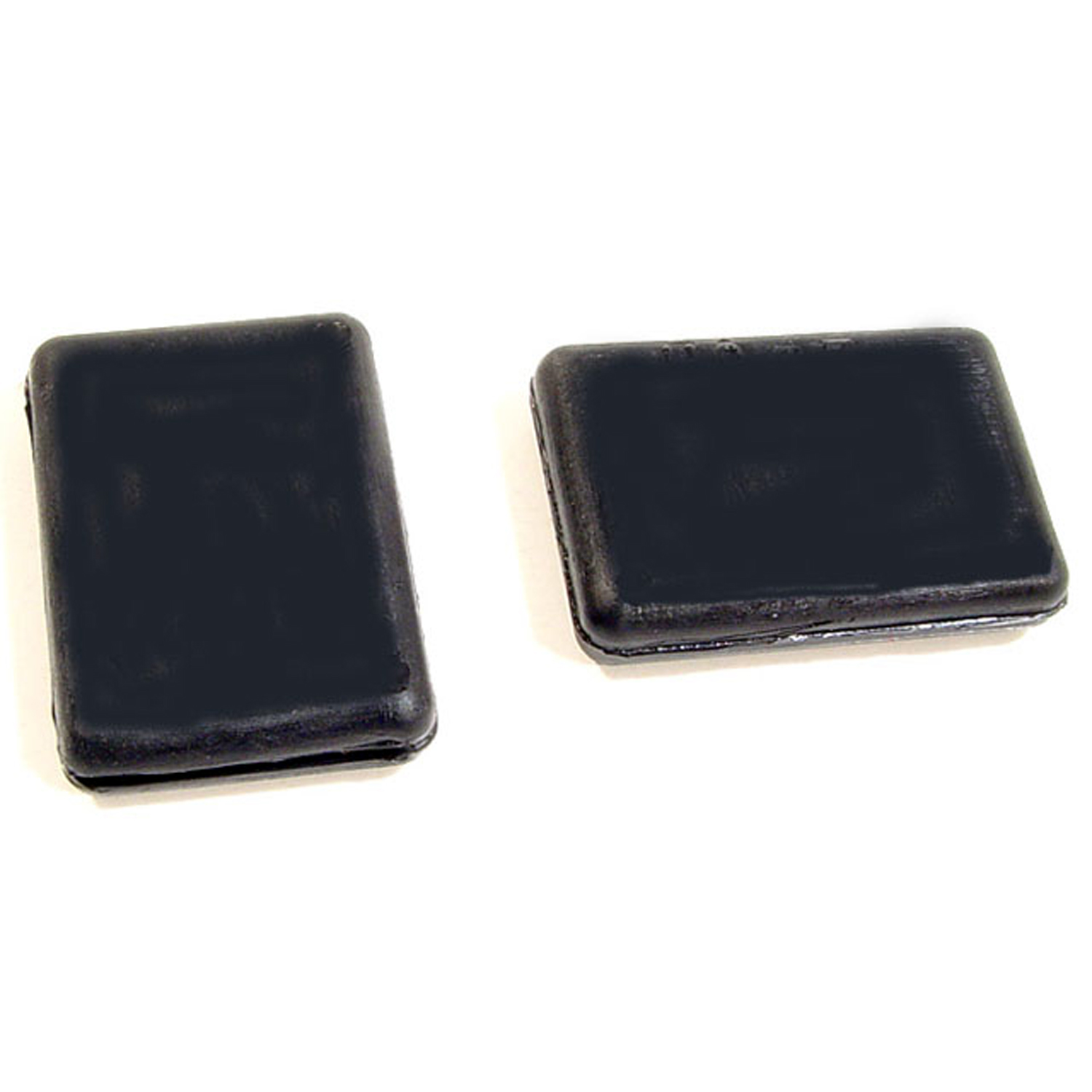 1923 Auburn Model 6-43 Hood Corners. Made of all rubber. No cut-away on back side-HC 27Hood Corners. Made of all rubber. No cut-away on back side. 7/8" X 1-1/4". Pair
Why Choose Metro?
For over 100 years, Metro Moulded Parts has been the pinnacle of quality in classic car restoration parts. Our commitment to precision and authenticity in every component ensures a perfect fit and an OEM-level appearance.
- Expert Craftsmanship & Quality: Each part is a testament to our dedication to reliability and perfection, crafted from original designs and thoroughly tested.
- Advanced Technology: We use cutting-edge techniques to create flawless, long-lasting parts that surpass others in performance.
- SuperSoft Sponge – The Ultimate Door Seal: Not only are our door seals 30% softer than competitors', but they're also guaranteed to never leak. They effectively reduce wind and road noise, enhancing your classic car's comfort and driving experience.
- Proudly American: Our parts are a product of American craftsmanship, made in the USA with a spirit of excellence and heritage.
- Unrivaled Warranty: We back our products with a 30-year industry-leading warranty, a testament to our confidence in their quality.
Join us in preserving the legacy of classic cars with parts that are crafted for perfection, not just made.