

Image of 1924 Auburn Model 6-43, Note: These illustrations use artistic license and may differ from actual historical models.
Performance Metrics
Fundamental Metrics
Emotional Appeal
MMP Rating
| Engine Specifications | |
|---|---|
| Engine Options: | Inline 6-cylinder engine |
| Displacement Range: | 4.2L |
| Horsepower Range: | Estimated 43-50 hp |
| Torque: | Not available |
| Compression Ratio: | Not available |
| Ignition System: | Battery and coil |
| Cooling System: | Water-cooled |
| Performance Specifications | |
| 0-60 Time: | Not available |
| 1/4 Mile Time: | Not available |
| Top Speed: | 50-55 mph |
| Transmission and Drive | |
| Drive Type: | Rear-wheel drive |
| Transmission Type: | 3-speed manual |
| Fuel and Efficiency | |
| Fuel System Type: | Carburetor |
| MPG: | Not available |
| Dimensions and Brakes | |
| Brakes: | Mechanical drum brakes |
| Wheelbase: | 130 inches |
| Weight: | Estimated 2,800 lbs |
Note: Specifications for classic cars are given to the best of our ability, considering the limited and variant data available.
1924 Auburn Model 6-43: A Six-Cylinder Auburn on the Road to Reinvention
The 1924 Auburn Model 6-43 brought quiet confidence to the American road: a long-hooded, six-cylinder touring car from an Indiana manufacturer on the verge of a remarkable comeback. Built by the Auburn Automobile Company in Auburn, Indiana, the 6-43 belonged to a practical generation of cars that emphasized respectable power, comfortable travel, and handsome styling rather than headline-grabbing speed.
The model appeared during a turning point for the company. Auburn had struggled financially, and in 1924 rising executive Errett Lobban Cord took control of its operations. The 6-43 was not a Cord-designed car, but it represents the Auburn line Cord inherited and the starting point for the company’s later transformation into a celebrated name in American luxury and performance motoring.
One detail that helps decode the car’s identity is its designation: “6” refers to its six-cylinder engine, while “43” reflects its period horsepower rating. That rating was an era-specific figure, not a modern measurement of output. Exact equipment and specifications can vary with body style and individual cars.
Long Hood, Open Roadster, and Period Comfort
The 6-43 wore the upright, carefully balanced proportions typical of the mid-1920s. Its tall radiator, separate fenders, exposed headlamps, running boards, and long hood gave it a recognizably formal profile. Brass and nickel details, where fitted, added sparkle without overwhelming the restrained lines. From the side, the running board visually connected the front and rear fenders, while the relatively upright cabin kept the car’s silhouette elegant and practical.
Inside, the experience was more about craftsmanship and utility than modern-style luxury. Depending on body and trim, owners could expect broad, well-padded seating, durable upholstery, a straightforward instrument panel, and substantial wood or painted trim. Materials and finishes were appropriate to a quality American car of the period, though surviving examples may differ because of restoration choices and later re-trimming.
Period Auburns were offered in several body configurations, with touring cars, roadsters, coupes, and closed sedans among the styles associated with the range. Open touring models made a strong impression because they suited the era’s leisure driving and showed off the car’s sweeping fenders and long chassis. A closed sedan offered more protection from weather and dust, making it appealing to buyers who wanted a car for regular transportation.
Factory paint combinations depended on the body and year, and modern restorations do not always preserve original schemes. Dark, dignified colors and contrasting trim were common choices for cars of this class. A well-preserved or carefully researched restoration should be judged against period documentation for its specific body style, rather than assumed to match one universal 6-43 color chart.
Six-Cylinder Engineering in the 1920s
The Model 6-43’s six-cylinder layout was a useful step up from the smaller four-cylinder engines still common in the market. Its smooth, even firing helped deliver more refined progress, especially at steady touring speeds. The car used a conventional front-engine, rear-wheel-drive layout and a manual transmission, with mechanical controls that asked more of the driver than a modern car does.
Its significance is less about a single revolutionary invention than about the way it brought established technology together in a well-proportioned package. Auburn offered buyers a substantial six-cylinder automobile from a regional manufacturer at a time when the American industry was expanding rapidly and competing fiercely on comfort, reliability, and value.
The 6-43 also sits at an interesting historical crossroads. Under Cord, Auburn would later become known for more dramatic styling and ambitious engineering, including the famous 1930s Speedsters. The 1924 car is a reminder that the company’s celebrated later identity grew from a more conventional foundation.
Performance: Built for Touring, Not Drag Races
With a period rating of about 43 horsepower, the 6-43 was designed for steady road travel rather than modern high-speed performance. A reasonable estimate for a properly running example is a top speed in the neighborhood of 50 to 60 mph, though actual results depend on gearing, body style, mechanical condition, tires, and road conditions. Reliable contemporary 0-to-60-mph test figures are difficult to establish. Given the car’s power and weight, reaching 60 mph would have been a slow process, and some examples may not comfortably reach it at all.
On a smooth road, the car’s longer proportions and substantial chassis would have made it feel composed by 1920s standards. On broken pavement, its older suspension design and tall tires would deliver more movement and vibration than a modern driver expects. On winding roads, the driver would need to plan ahead: steering is less precise than modern rack-and-pinion systems, and braking distances are longer. Mechanical drum brakes require regular adjustment and cannot match modern hydraulic systems with contemporary tires.
Behind the wheel, the six-cylinder engine would make a measured mechanical sound rather than a sharp, sporty roar. Gear changes involve deliberate coordination, and the steering wheel, pedals, and controls all remind the driver that this is a hands-on machine. The reward is a relaxed, sensory kind of motoring, with the engine note, tire noise, and open-air surroundings forming part of the trip.
Living With a 1924 Auburn
Today, a 6-43 is best suited to touring events, vintage-car gatherings, museum displays, and occasional pleasure drives. It is not a sensible daily driver in modern traffic. Its speed, braking, lighting, weather protection, and lack of contemporary safety equipment make it better suited to quiet roads and organized events than crowded commutes.
Maintenance is manageable for an owner comfortable with vintage machinery, but not necessarily easy for someone expecting modern parts-store convenience. Routine work includes lubrication, ignition and carburetor adjustment, attention to the cooling system, and careful servicing of the brakes and transmission. Many repairs are mechanically straightforward, but parts availability can be a challenge. Components may need to be sourced through specialist suppliers, vintage-car clubs, or made to fit by an experienced machinist.
Reliability depends heavily on the quality of the restoration and how the car has been stored and maintained. Before purchase, inspect the engine, frame, steering, brakes, cooling system, and wood structure in bodies that use it. A car that starts and moves is not automatically roadworthy; careful mechanical evaluation is essential.
Little-Known Facts and Common Misconceptions
The Model 6-43 belongs to Auburn’s pre-revival period, just as Cord was taking charge in 1924. That connection is historically interesting, but it is important not to confuse the car with the much later Auburn Speedster. The 6-43 is a different kind of Auburn: more restrained, more traditional, and representative of the company before its most famous styling era.
There is no widely recognized speed or endurance record associated specifically with the 6-43, and claims of celebrity ownership should be checked against documentation for the individual car. Its appeal lies less in a single dramatic achievement than in its place within the story of Auburn and the American automobile industry.
Common criticisms are familiar to anyone who drives a prewar car: modest acceleration, heavy controls, limited weather protection in open models, and braking that demands foresight. Parts and specialist labor can also make ownership more involved than owning a more common Ford or Chevrolet of the same era. Those limitations are part of the period experience, but they should be weighed honestly before buying.
Collector Value and Availability
The 1924 Auburn 6-43 is uncommon on today’s market, but a dependable production total for this precise model and its individual body styles is not readily established. As a broad estimate, production was likely in the hundreds to low thousands rather than the tens of thousands. That is an informed estimate, not a verified factory figure, and surviving examples are fewer still.
For a rough current-market guide, a project car or incomplete example might fall around $10,000 to $25,000. A usable, older restoration could bring approximately $25,000 to $45,000, while a high-quality restoration or especially desirable body style may reach roughly $45,000 to $75,000 or more. These are broad estimates, not an appraisal. Condition, originality, provenance, restoration quality, and the strength of the collector-car market can move a sale well outside those ranges.
Values for sound, well-documented examples are likely to be steadier than those for neglected projects, but the 6-43 is a niche collectible rather than a guaranteed high-growth investment. Prices for early brass-and-nickel-era and prewar cars have varied with changing collector tastes. Buyers should focus on condition and authenticity first, and treat any future appreciation as a bonus rather than a promise.
Why the Auburn 6-43 Still Matters
The 1924 Auburn Model 6-43 is a handsome, practical snapshot of American motoring at a moment of change. Its six-cylinder engine, traditional body styles, and composed touring character made it a credible quality car in its day, while its timing connects it to the leadership shift that would reshape Auburn’s future.
It may not have the fame of the later Auburn Speedster, but the 6-43 has its own appeal: it tells the story of a company before the legend fully took shape. For collectors who value authentic prewar character and the history behind the badge, this Auburn is more than an old touring car. It is a road-going link between the company’s uncertain past and its unforgettable future.
1924 Auburn Model 6-43 Catalog of Parts
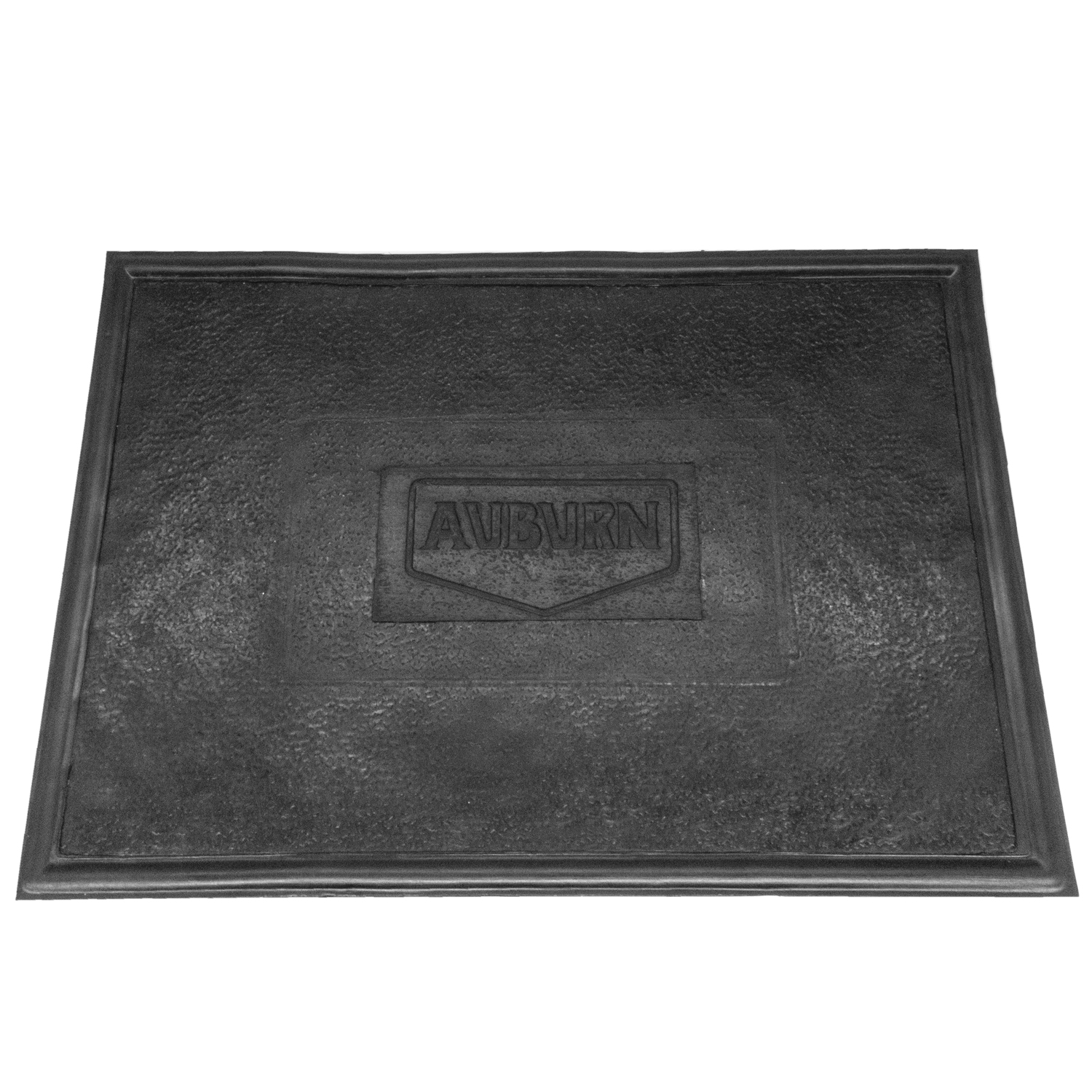 1924 Auburn Model 6-43 Accessory Floor Mat - 12"X17"-AC 14Accessory Floor Mat - made of high quality black rubber with molded original emblem. Also designed to be sewn into new carpets. 12"X17", Each
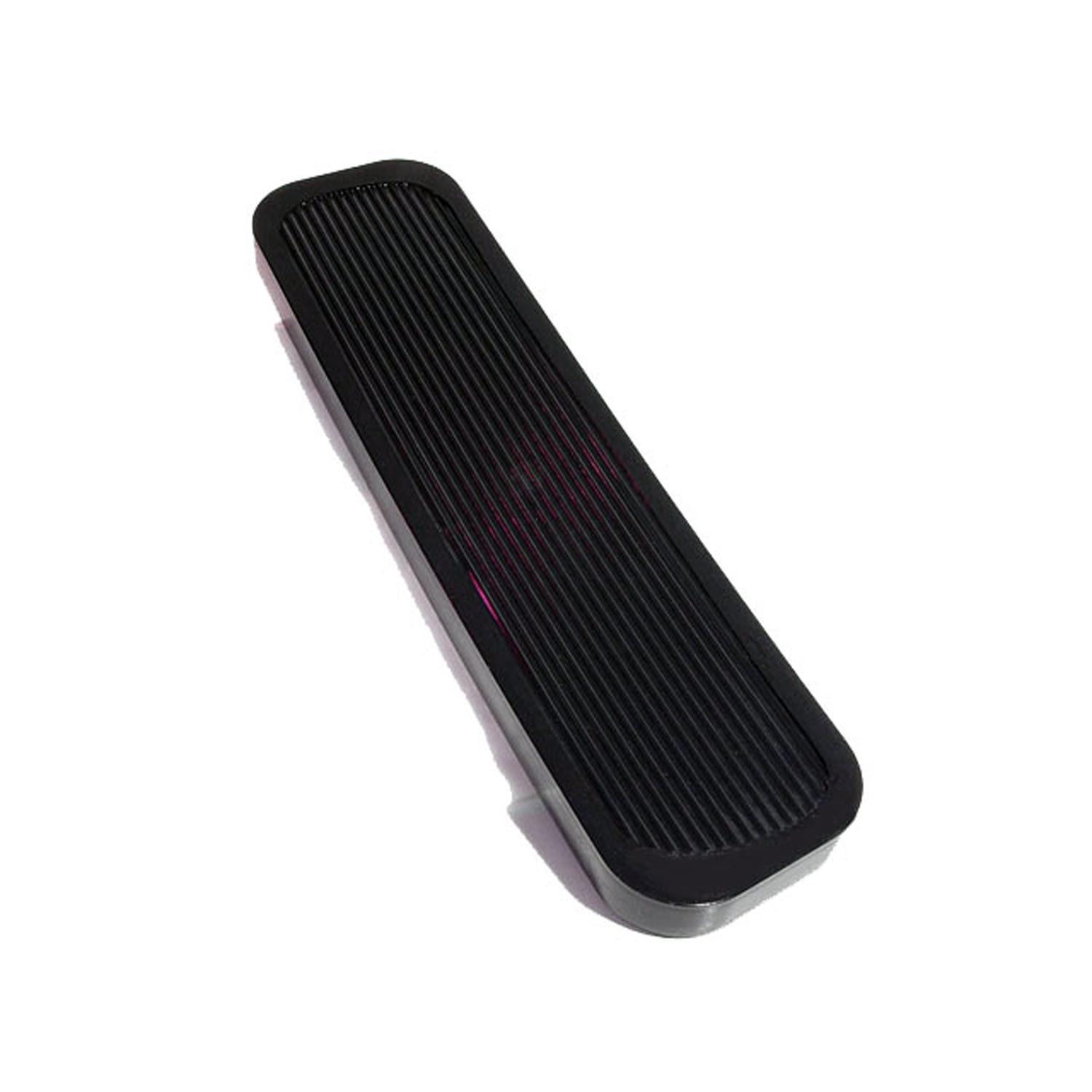 1924 Auburn Model 6-43 Accelerator Pedal Pad, 2-3/8" X 9-1/4", Each-AP 24Accelerator Pedal Pad, 2-3/8" X 9-1/4", Each
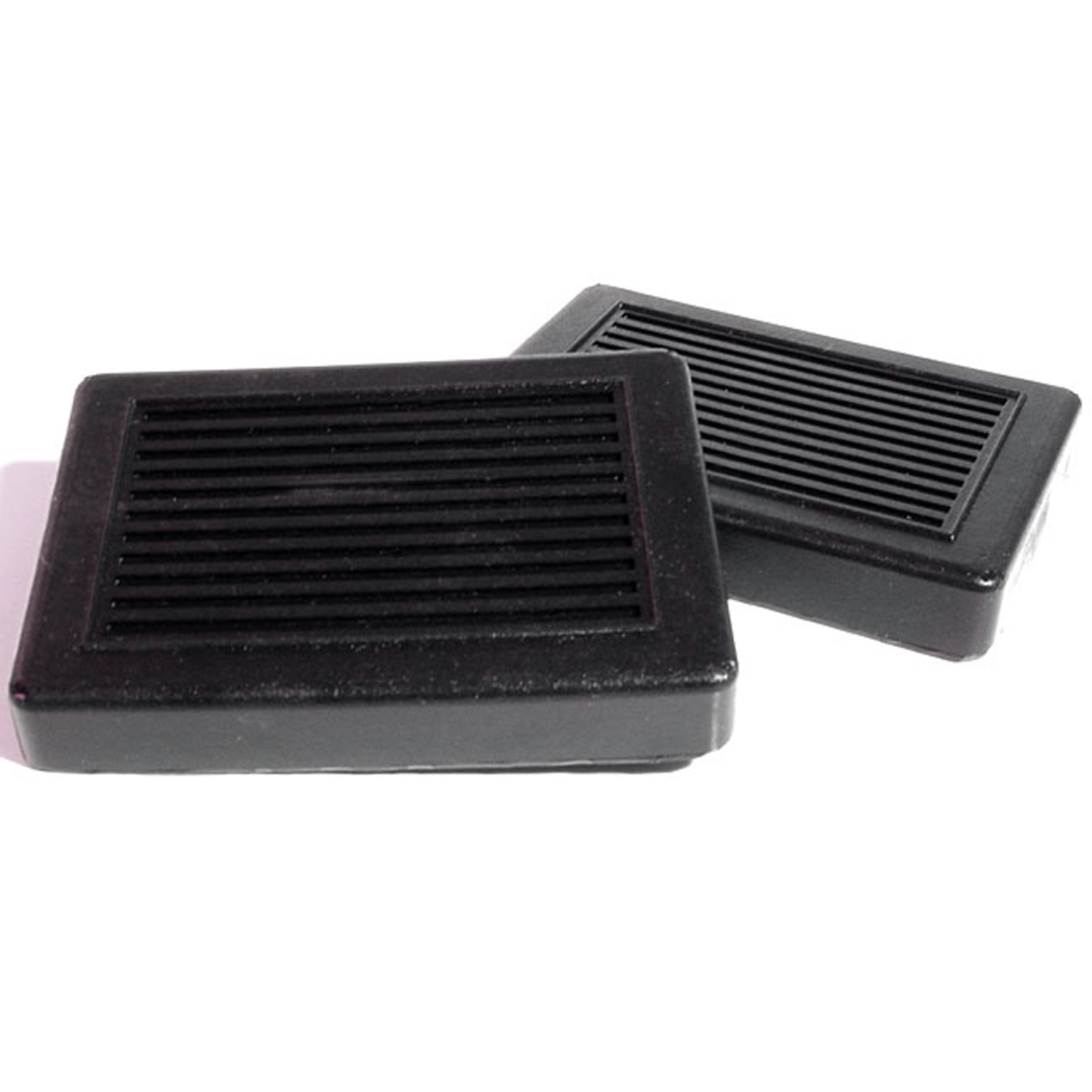 1924 Auburn Model 6-43 Clutch and Brake Pedal Pads. 3" wide X 3-7/8" long. Pair-CB 21Clutch and Brake Pedal Pads. 3" wide X 3-7/8" long. Pair
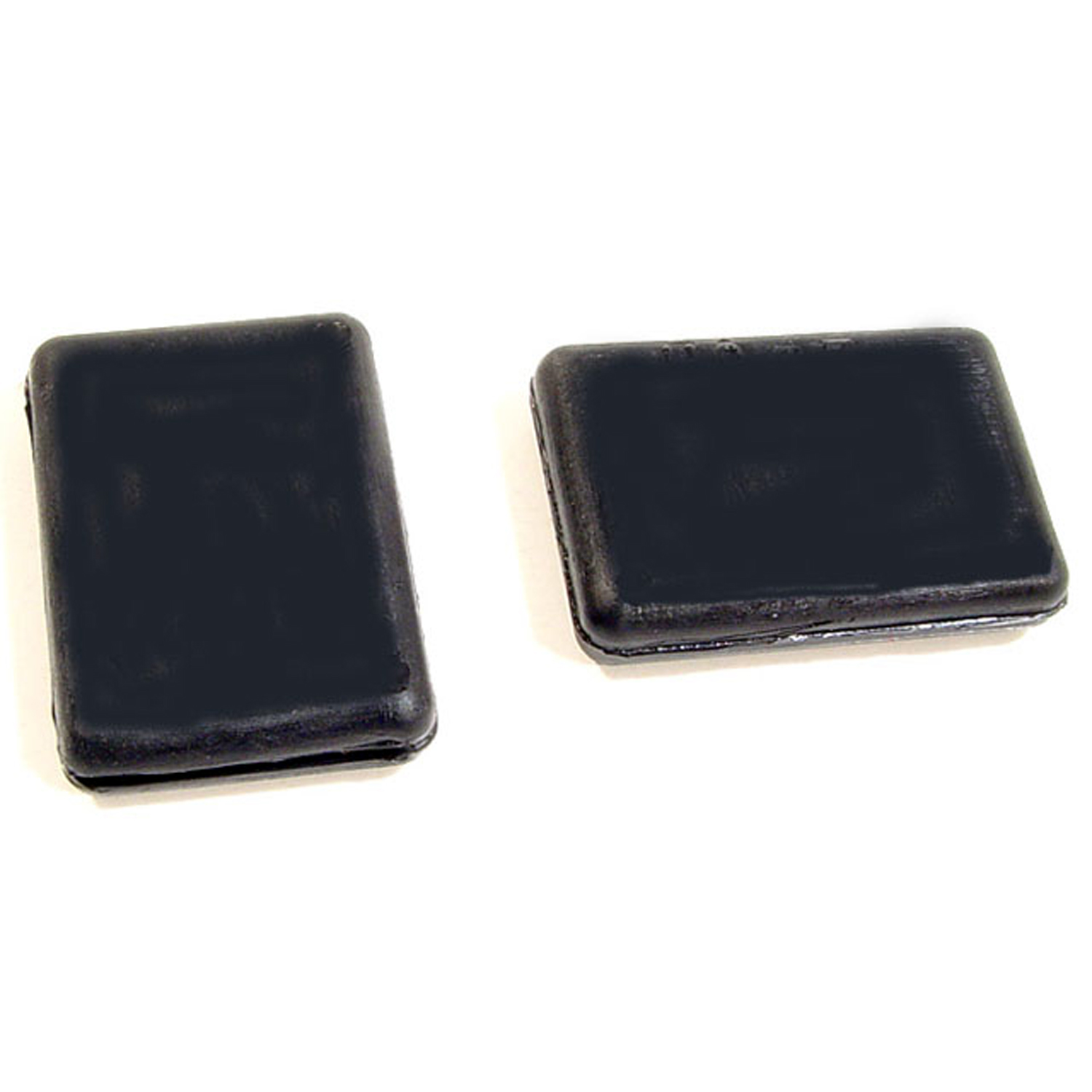 1924 Auburn Model 6-43 Hood Corners. Made of all rubber. No cut-away on back side-HC 27Hood Corners. Made of all rubber. No cut-away on back side. 7/8" X 1-1/4". Pair
Why Choose Metro?
For over 100 years, Metro Moulded Parts has been the pinnacle of quality in classic car restoration parts. Our commitment to precision and authenticity in every component ensures a perfect fit and an OEM-level appearance.
- Expert Craftsmanship & Quality: Each part is a testament to our dedication to reliability and perfection, crafted from original designs and thoroughly tested.
- Advanced Technology: We use cutting-edge techniques to create flawless, long-lasting parts that surpass others in performance.
- SuperSoft Sponge – The Ultimate Door Seal: Not only are our door seals 30% softer than competitors', but they're also guaranteed to never leak. They effectively reduce wind and road noise, enhancing your classic car's comfort and driving experience.
- Proudly American: Our parts are a product of American craftsmanship, made in the USA with a spirit of excellence and heritage.
- Unrivaled Warranty: We back our products with a 30-year industry-leading warranty, a testament to our confidence in their quality.
Join us in preserving the legacy of classic cars with parts that are crafted for perfection, not just made.