

Image of 1926 Auburn Model 8-88, Note: These illustrations use artistic license and may differ from actual historical models.
Performance Metrics
Fundamental Metrics
Emotional Appeal
MMP Rating
| Engine Specifications | |
|---|---|
| Engine: | Inline 8-cylinder engine |
| Displacement: | 4.8L |
| Horsepower: | Estimated 68-88 HP |
| Torque: | Not available |
| Compression Ratio: | Not available |
| Ignition System: | Battery and coil |
| Cooling System: | Water-cooled |
| Performance Specifications | |
| 0-60 Time: | Not available |
| 1/4 Mile Time: | Not available |
| Top Speed: | 70 mph |
| Transmission and Drive | |
| Drive Type: | Rear-wheel drive |
| Transmission Type: | 3-speed manual |
| Fuel and Efficiency | |
| Fuel System Type: | Carburetor |
| MPG: | Not available |
| Dimensions and Brakes | |
| Brakes: | Mechanical drum brakes |
| Wheelbase: | 130 inches |
| Weight: | Estimated 3500 lbs |
Note: Specifications for classic cars are given to the best of our ability, considering the limited and variant data available.
1926 Auburn 8-88: A Straight-Eight with Style
The 1926 Auburn Model 8-88 brought eight-cylinder power and polished styling to buyers who wanted something more ambitious than an ordinary touring car. Built by the Auburn Automobile Company in Connersville, Indiana, it belonged to a fast-changing era when American manufacturers were making bigger, smoother engines increasingly accessible. The 8-88 was not the most famous Auburn of the company’s later years, but it helped establish the marque’s reputation for combining performance, presence, and value.
Auburn’s fortunes changed sharply under automobile executive Errett Lobban Cord, who took control of the company in 1924. Cord pushed Auburn toward more distinctive products and stronger engineering, while the company’s Indiana connections gave it access to Lycoming engines. The Model 8-88’s defining feature was its Lycoming straight-eight, a smooth-running engine that gave the car a more refined character than many four-cylinder competitors.
One intriguing detail is in the model name itself: “8-88” referred to the car’s eight-cylinder engine and its advertised 88 horsepower. That combination made for an easy-to-remember badge and signaled Auburn’s ambition to bring eight-cylinder motoring to a broader market.
Auburn 8-88 Design and Cabin
The 8-88 wore the classic proportions of a mid-1920s American automobile. Its tall, upright radiator and long hood announced the engine beneath, while separate rounded fenders framed the wheels. Running boards connected the front and rear fenders, and large headlamps, a folding windshield on open models, and carefully shaped bodywork supplied the period’s unmistakable road presence. Wire wheels and bright trim could add a dressier look, depending on the body and specification.
Inside, the experience was formal rather than sporty by modern standards. The driver sat behind a large steering wheel and a straightforward instrument panel, with controls for ignition, lighting, throttle, and choke arranged for hands-on operation. Closed cars typically used durable, well-finished upholstery and trim, while open models could be ordered with leather seating. Wood framing and trim were common features of coachbuilt bodies of the period. Exact materials and finishes varied by body style and equipment, so surviving cars may not all match one another.
Factory paint choices varied with the body style and model-year specification. Period Auburns could be finished in colors beyond plain black, with dark, rich shades such as blue, green, or maroon among the kinds of hues associated with the era. Contrasting details could make an open car especially striking. Black remained a practical and popular choice, but buyers looking for visual distinction had reason to consider a colored finish. Because colors and trim changed across catalog offerings, a car’s original paint is best confirmed through factory records or surviving documentation rather than inferred from a modern restoration.
Auburn offered the 8-88 in several body configurations during this period, with availability dependent on the exact model-year catalog and production run. Buyers could encounter open styles such as touring cars and roadsters, as well as enclosed sedans, coupes, and brougham-type bodies. The open roadster is arguably the most immediately evocative today: it shows off the long hood and sweeping fenders, and its folding top gives it a distinctly sporting profile. Sedans, meanwhile, better suited families and year-round travel.
What Made the 8-88 Significant
The 8-88’s importance lies less in a single revolutionary feature than in what it represented. In the mid-1920s, a straight-eight engine was a sophisticated selling point. Eight cylinders delivered smoother power pulses than the four-cylinder engines still common in less expensive cars, and the layout gave Auburn a credible performance story without requiring a costly luxury-car badge.
The 88-horsepower Lycoming engine helped distinguish the Auburn from many contemporaries, while the range of body styles made the car adaptable to different buyers. It was part of a broader shift in American motoring toward more powerful engines, improved comfort, and increasingly expressive styling. Auburn’s later history, especially its association with Cord and the dramatic cars of the late 1920s and 1930s, often overshadows the 8-88. Still, this model belongs to the period when the company was building the engineering and market identity that made those later cars possible.
The 8-88 was not a direct design template for modern cars, but its formula remains familiar: offer a smooth, capable engine, give buyers a choice of body styles, and make the car look more special than its price might suggest. That combination was central to Auburn’s appeal.
Engine, Speed, and Road Manners
The Model 8-88 used a Lycoming inline eight displacing approximately 268 cubic inches and producing a rated 88 horsepower. Power went to the rear wheels through a conventional manual transmission, generally a three-speed unit. As with many cars of its age, the precise specification can vary by production details and surviving components, so a particular example should be checked against its serial numbers and historical records.
A sound, correctly tuned 8-88 could reach roughly 65 to 70 mph under favorable conditions. Period cars were not tested using today’s standardized acceleration procedures, so there is no dependable factory 0-to-60-mph figure. A reasonable estimate for a healthy example is around 25 to 30 seconds, with body style, gearing, mechanical condition, road surface, and driver technique all making a difference. The car was built for confident touring, not quick launches at a traffic light.
On the road, the straight-eight is the star. Its power delivery is smoother and more continuous than that of a typical four-cylinder car of the same era, with a low mechanical hum that becomes a purposeful growl as engine speed rises. The driver works a clutch and gear lever, listens to the engine, and plans shifts rather than relying on the effortless operation of a modern automatic.
The 8-88’s chassis and suspension reflect the roads of the 1920s. It can absorb ordinary bumps reasonably well, but rough pavement, sharp-edged potholes, and washboard surfaces demand a slower pace. On winding roads, its size, period tires, steering play, and high center of gravity call for deliberate inputs. The car can be enjoyable and composed when driven smoothly, but it does not have modern tire grip, power steering, or contemporary braking performance. A comfortable touring speed is well below its estimated top speed.
Living with a 1926 Auburn
Today, most 8-88s are used for collector tours, club events, local parades, and display rather than daily transportation. A well-maintained example can cover short or moderate distances, but regular use requires planning. Modern traffic moves faster, drivers expect stronger brakes, and parts such as tires, lighting components, and ignition pieces may need specialist sourcing.
Maintenance is hands-on. Owners should expect routine attention to ignition timing, carburetion, lubrication, cooling, clutch adjustment, wheel bearings, and the mechanical brake system. A mechanically minded owner can handle many basic jobs, but engine work, body restoration, and wood-structure repairs are best approached with help from a shop experienced in prewar cars. The 8-88’s relatively conventional layout is an advantage, but age and the availability of correct replacement parts matter more than theoretical simplicity.
Reliability depends heavily on restoration quality. An unrestored car with tired wiring, a neglected cooling system, or worn steering and brakes can be frustrating and unsafe. A properly sorted example, maintained by someone familiar with vintage machinery, can be dependable for the kind of touring it was designed to do. Before buying, inspect the frame, body wood, engine condition, transmission, and brake system, and confirm that the car’s components are consistent with its stated year and model.
Little-Known Auburn 8-88 Details
The 8-88 sits in a fascinating chapter of Auburn history: after Cord’s arrival but before the company became widely associated with the striking Auburn Speedster and the Cord and Duesenberg marques. It is a useful reminder that Auburn’s story was not built on one famous body style alone. The company’s earlier straight-eight cars helped establish its reputation for offering substantial engineering and style at a competitive price.
There is no widely recognized speed or endurance record specifically associated with the 1926 Model 8-88. Nor should every surviving car be assumed to have a celebrity connection or a rare factory package. For this model, the most meaningful “special edition” is often a documented body style, unusual original equipment, or a car with unusually strong ownership history.
Common criticisms are practical ones. The 8-88 is heavy and slow by modern standards, its brakes require more anticipation than a contemporary driver may expect, and its steering and suspension feel distinctly vintage. Closed examples can also be less airy and more cumbersome than an open touring car. Those drawbacks are part of the period experience, but they are important considerations for anyone planning to drive one regularly.
Collector Value and Availability
Exact production totals for the 1926 Model 8-88 are not consistently reported in readily available model-by-model records. A reasonable working estimate is that several thousand were built, perhaps in the range of 3,000 to 6,000 across the model and its body variations. That is an informed estimate, not a confirmed factory total. Surviving examples are much scarcer, and condition, body style, originality, and documentation strongly affect availability.
As a broad current-market guide, a project car or incomplete example might sell for roughly $10,000 to $25,000. A usable driver or older restoration could fall around $25,000 to $50,000, while a high-quality restoration or especially desirable open body may bring approximately $50,000 to $90,000 or more. Exceptional cars with rare configurations, excellent provenance, or concours-level restoration can exceed that range. These are general estimates rather than guaranteed asking or sale prices; prewar-car values vary considerably by condition and venue.
Well-presented, historically significant Auburns have long-term collector appeal, but the market is selective. A correctly restored roadster may attract stronger interest than a more common closed body, while an expensive restoration does not always return its full cost at sale. Over time, the 8-88 is best viewed as a niche classic with steady enthusiast interest rather than a car guaranteed to appreciate rapidly. Originality, quality of work, and a credible history will matter more than optimistic claims in a listing.
Why the 1926 Auburn 8-88 Still Matters
The 1926 Auburn Model 8-88 combined a smooth Lycoming straight-eight, a choice of formal and open body styles, and the confident proportions of a classic American touring car. It was not a modern performance machine, and it did not need to be. Its appeal comes from the way it captures an important transition in motoring, when eight-cylinder power and carefully considered styling were moving beyond the exclusive luxury class.
For collectors, the 8-88 offers more than an attractive radiator and a long hood. It connects directly to Auburn’s rise under E. L. Cord and to the wider story of American automotive ambition. Drive one at its own pace, and its character becomes clear: a measured, mechanical, unmistakably vintage experience from a company whose most celebrated years were just around the corner.
1926 Auburn Model 8-88 Catalog of Parts
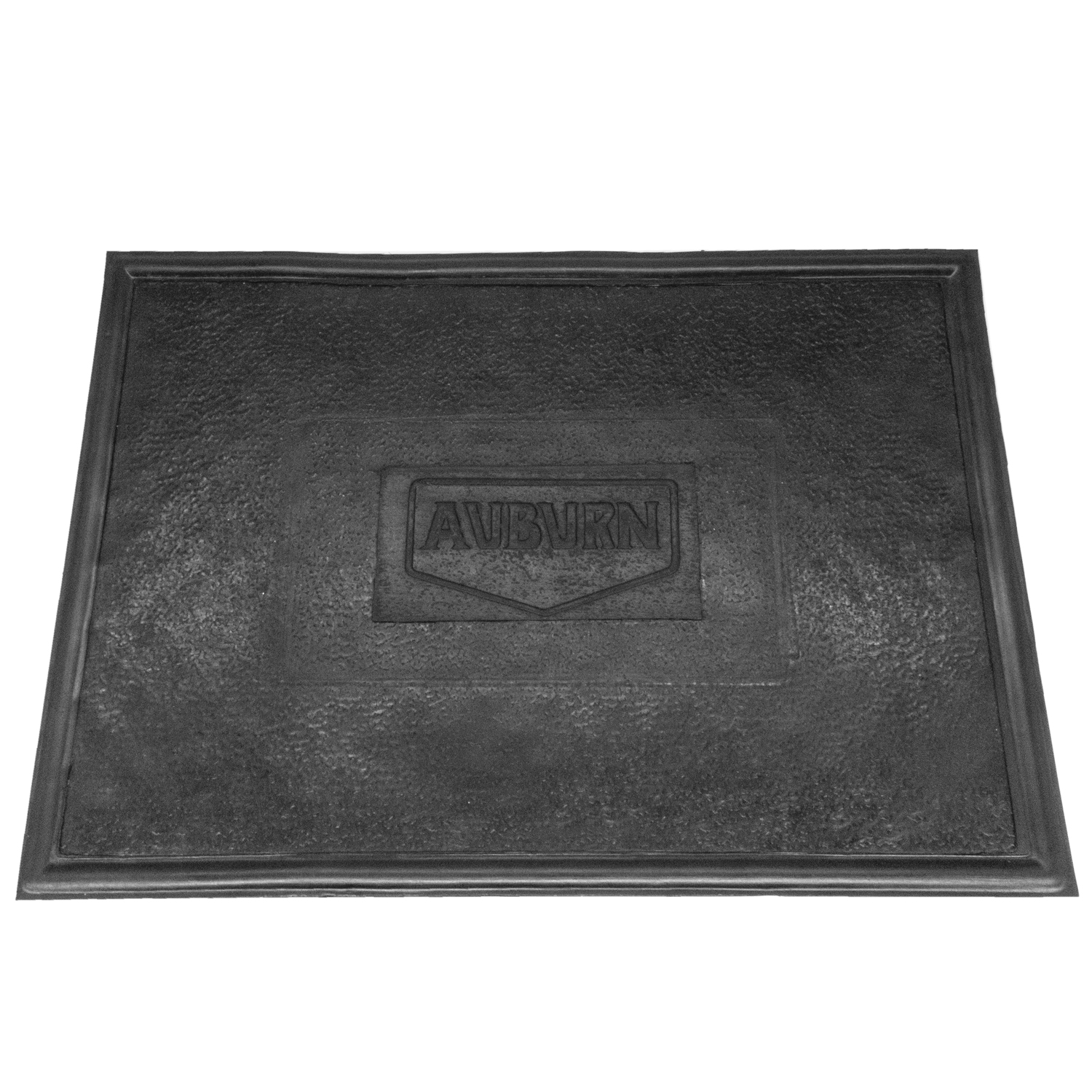 1926 Auburn Model 8-88 Accessory Floor Mat - 12"X17"-AC 14Accessory Floor Mat - made of high quality black rubber with molded original emblem. Also designed to be sewn into new carpets. 12"X17", Each
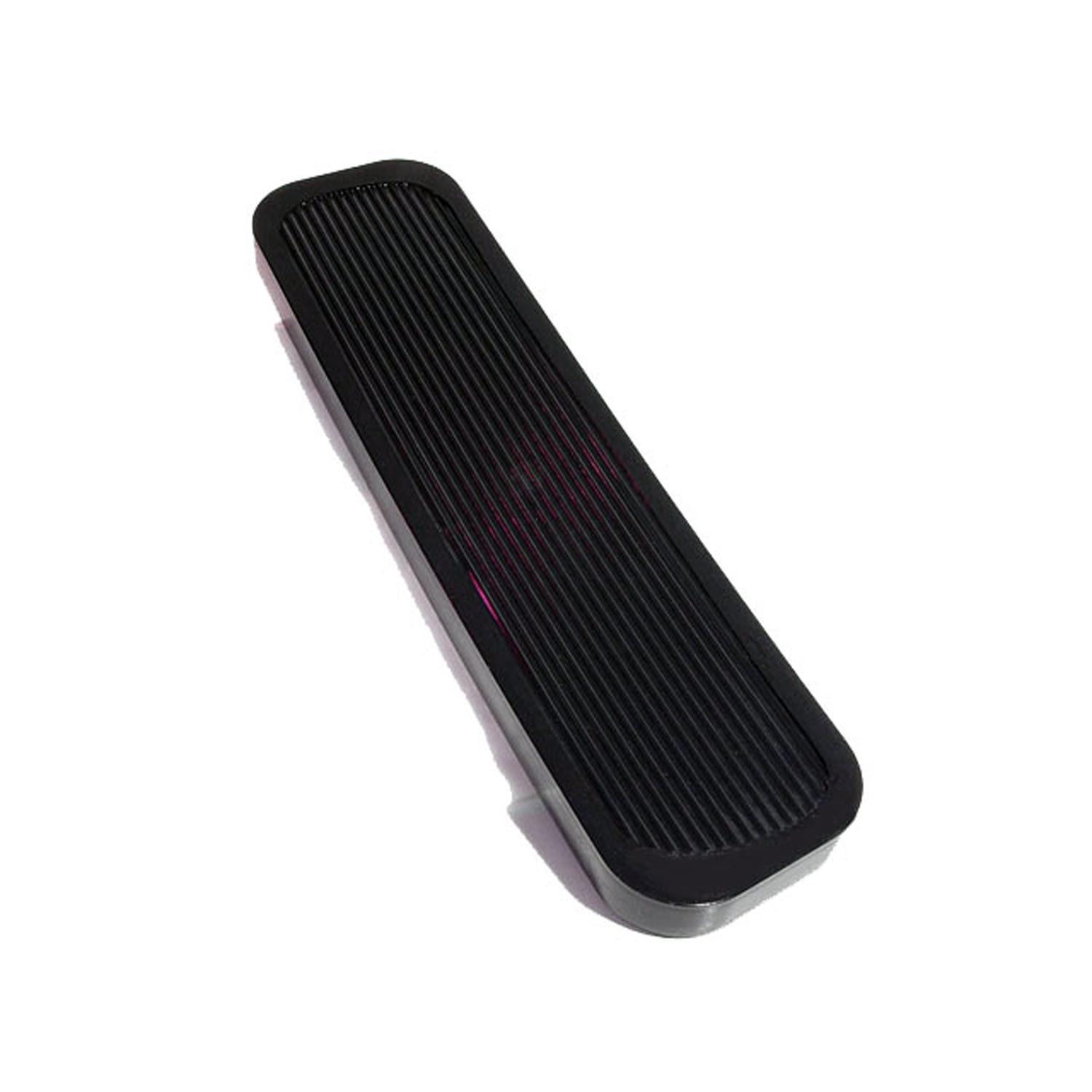 1926 Auburn Model 8-88 Accelerator Pedal Pad, 2-3/8" X 9-1/4", Each-AP 24Accelerator Pedal Pad, 2-3/8" X 9-1/4", Each
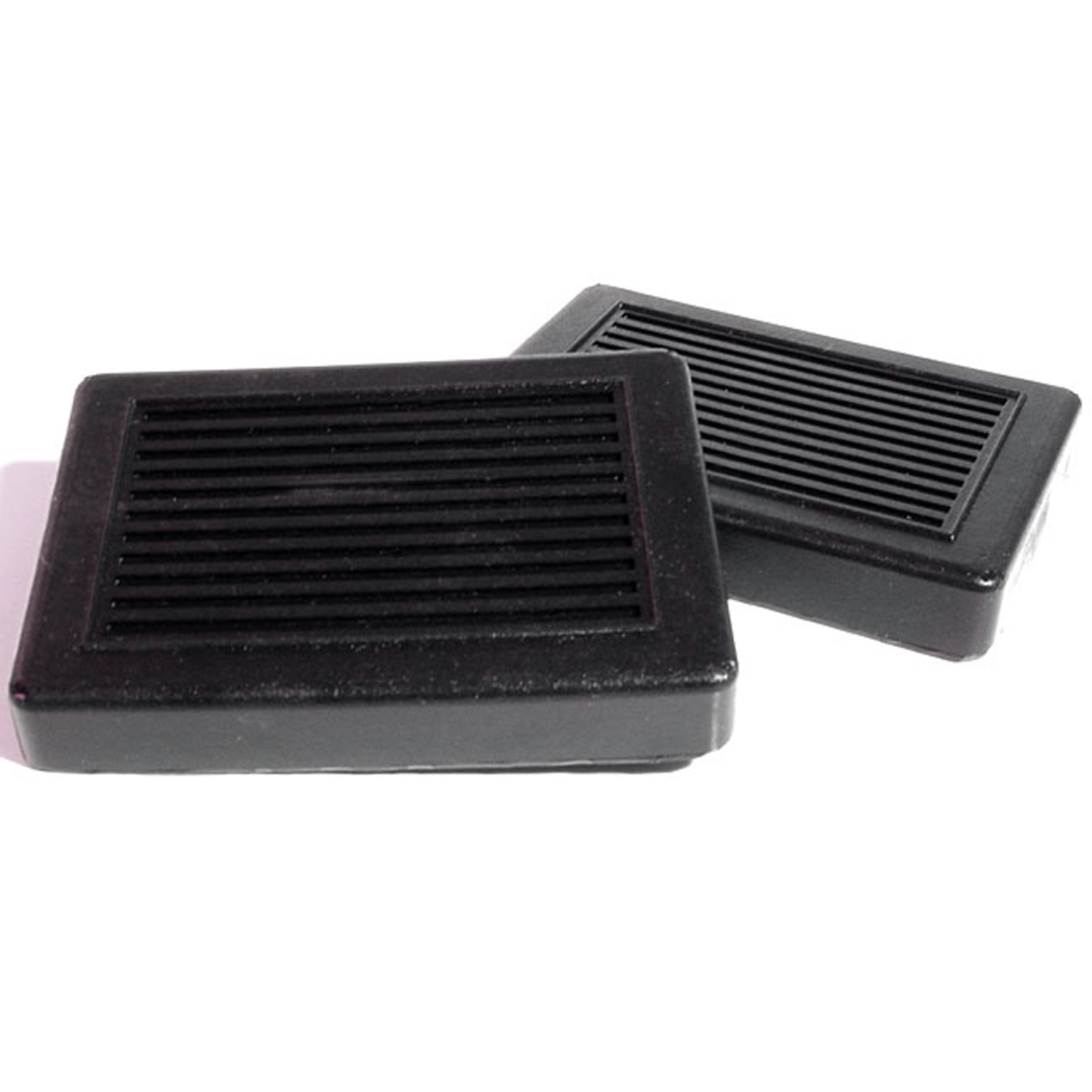 1926 Auburn Model 8-88 Clutch and Brake Pedal Pads. 3" wide X 3-7/8" long. Pair-CB 21Clutch and Brake Pedal Pads. 3" wide X 3-7/8" long. Pair
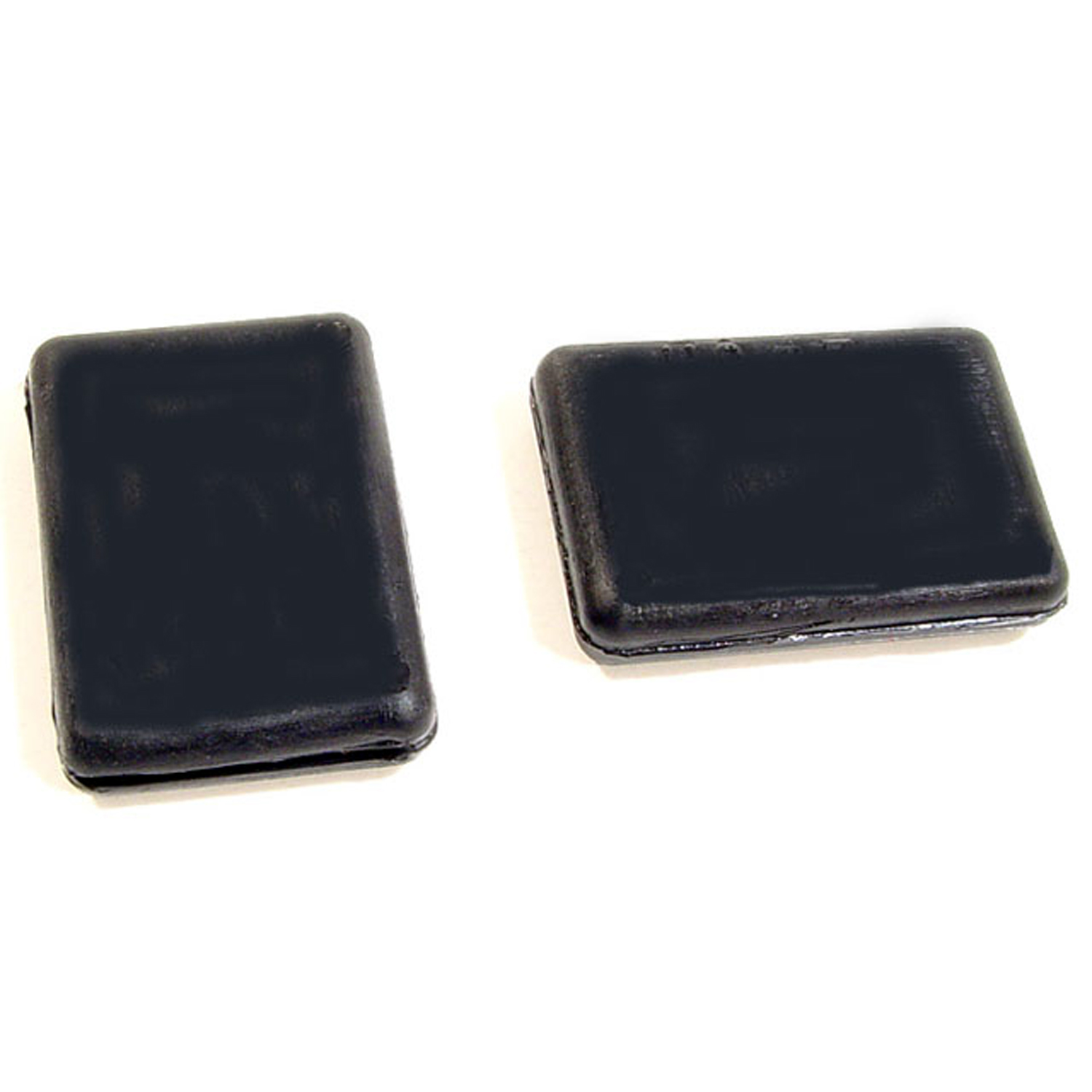 1926 Auburn Model 8-88 Hood Corners. Made of all rubber. No cut-away on back side-HC 27Hood Corners. Made of all rubber. No cut-away on back side. 7/8" X 1-1/4". Pair
Why Choose Metro?
For over 100 years, Metro Moulded Parts has been the pinnacle of quality in classic car restoration parts. Our commitment to precision and authenticity in every component ensures a perfect fit and an OEM-level appearance.
- Expert Craftsmanship & Quality: Each part is a testament to our dedication to reliability and perfection, crafted from original designs and thoroughly tested.
- Advanced Technology: We use cutting-edge techniques to create flawless, long-lasting parts that surpass others in performance.
- SuperSoft Sponge – The Ultimate Door Seal: Not only are our door seals 30% softer than competitors', but they're also guaranteed to never leak. They effectively reduce wind and road noise, enhancing your classic car's comfort and driving experience.
- Proudly American: Our parts are a product of American craftsmanship, made in the USA with a spirit of excellence and heritage.
- Unrivaled Warranty: We back our products with a 30-year industry-leading warranty, a testament to our confidence in their quality.
Join us in preserving the legacy of classic cars with parts that are crafted for perfection, not just made.