

Image of 1929 Auburn Model 120, Note: These illustrations use artistic license and may differ from actual historical models.
Performance Metrics
Fundamental Metrics
Emotional Appeal
MMP Rating
| Engine Specifications | |
|---|---|
| Engine: | Straight-8 |
| Displacement: | 298 cubic inches |
| Horsepower: | Estimated 125 HP |
| Torque: | Not available |
| Compression Ratio: | Not available |
| Ignition System: | Distributor and coil |
| Cooling System: | Water-cooled |
| Performance Specifications | |
| 0-60 Time: | Not available |
| 1/4 Mile Time: | Not available |
| Top Speed: | 100 mph |
| Transmission and Drive | |
| Drive Type: | Rear-wheel drive |
| Transmission Type: | 3-speed manual |
| Fuel and Efficiency | |
| Fuel System Type: | Carburetor |
| MPG: | Not available |
| Dimensions and Brakes | |
| Brakes: | Mechanical drum brakes |
| Wheelbase: | 130 inches |
| Weight: | Estimated 3,500 lbs |
Note: Specifications for classic cars are given to the best of our ability, considering the limited and variant data available.
1929 Auburn Model 120: A Straight-Eight with Style
The 1929 Auburn Model 120 paired a powerful straight-eight engine with the kind of low, sweeping bodywork that made Auburns stand out on American roads. Built by the Auburn Automobile Company of Auburn, Indiana, it belonged to the company’s ambitious late-1920s lineup, when ownership under industrialist E. L. Cord helped transform Auburn from a struggling manufacturer into a maker of stylish, well-equipped cars.
Often identified more precisely as the Auburn 8-120, the model took its name from its 120-horsepower engine. That output put it among the more capable American cars of its price class. A particularly memorable version was the boattail Speedster, promoted for high-speed touring and associated with the exciting claim that it could reach 100 mph. That figure applied to the sporting model under favorable conditions, not every Model 120 body style.
Streamlined Auburn Styling
Auburn’s 1929 design language was long, elegant, and slightly theatrical. A tall, bright-finished radiator shell led into a long hood, while flowing fenders framed the wheels and gave the car a sense of motion even when parked. Slender lamps, carefully shaped body lines, and restrained decorative trim completed the look. Compared with the upright, boxier cars still common at the time, the Auburn felt distinctly modern.
The 8-120 was offered in several body styles during the model year, with catalog choices varying by trim and production run. Buyers could find practical enclosed sedans and coupes, as well as open touring cars, phaetons, cabriolets, and the eye-catching Speedster. The boattail Speedster is the most iconic today, but the closed cars were important to Auburn’s appeal as comfortable, usable transportation.
Paint was a significant part of the car’s presentation. Auburn offered factory color schemes and combinations that could vary by body style and year. Buyers could choose more understated dark finishes or brighter, contrasting treatments that emphasized the fenders and body contours. Many surviving cars have been repainted, so an individual car’s current color should not automatically be taken as its original factory finish.
Comfort and Craftsmanship Inside
The cabin balanced traditional coachwork with the conveniences expected of an upper-market automobile. Depending on body style and trim, owners found upholstered seating, a well-finished dashboard with clear instruments, and thoughtful brightwork rather than a bare, utilitarian interior. Leather was associated with more sporting or upscale configurations, while enclosed models could use a mix of upholstery materials and trim specified for the particular body.
As with many cars of the era, interior materials and equipment could differ between standard and custom versions. The best-preserved examples show the quality in details such as the upholstery, door panels, dashboard finish, and fit of the hardware. Those features also make restoration more involved: reproducing the correct materials and trim is often as important to a collector as getting the mechanical work right.
Engineering for Its Era
The Model 120’s central engineering feature was a Lycoming inline-eight. With a displacement of approximately 299 cubic inches and a rating of 120 horsepower, it offered more power than the smaller engines found in many mainstream cars. Its long, smooth-running layout suited the Auburn’s grand-touring character, delivering a steady pull rather than the sharp, high-revving response of a modern engine.
A three-speed manual transmission was typical, and four-wheel hydraulic brakes gave the driver more consistent braking assistance than the mechanical systems still found on many contemporary vehicles. These were meaningful features in a period when American cars were becoming faster and heavier. They did not make the Auburn effortless by modern standards, but they helped it feel capable on the roads of its day.
Auburn’s Place in Automotive History
The 8-120 arrived during a period of rapid change in American motoring. Consumers increasingly wanted cars that were not only dependable but also stylish and powerful. Auburn answered with a broad range of bodywork, strong engine performance, and a price positioning intended to make prestige-car looks more accessible than the very expensive offerings from the likes of Duesenberg.
Its design also reflects the influence of E. L. Cord’s broader automotive ambitions. Cord brought together Auburn, Cord, and Duesenberg under his business empire, giving the brands distinct identities while sharing a spirit of innovation and dramatic styling. The Model 120 was not as technically radical as the later front-wheel-drive Cord L-29, nor as extravagant as a Duesenberg, but it helped establish Auburn as a maker of desirable, high-performance cars.
The Auburn’s lasting influence is especially visible in the way American manufacturers learned to sell performance as part of a complete image. The Speedster was not simply a fast body on a chassis. Its long hood, low profile, and dramatic rear deck made speed part of the car’s visual identity. The famous Auburn Speedsters of the early 1930s would build on that formula and become even more recognizable.
Performance and Road Manners
Performance depended heavily on body style, gearing, mechanical condition, and road surface. A well-sorted 8-120 Speedster is often associated with a top speed near 100 mph, though that was a period claim and not a guarantee for every surviving car. Enclosed sedans and heavier body styles were slower. A reasonable estimate for a healthy Model 120’s 0-to-60 mph time is roughly 20 to 25 seconds, but reliable factory acceleration figures are scarce and period testing was not standardized.
On a smooth road, the straight-eight gives the car a measured, even rhythm. The engine’s sound is a deep mechanical hum, accompanied by the whir of the drivetrain and the wind around the open bodywork. The manual transmission asks the driver to work deliberately, while the steering and braking require more effort and anticipation than a modern car.
On rough surfaces, the Auburn’s large tires and substantial chassis soften some bumps, but its suspension cannot erase the ruts and corrugations common on roads of the period. On winding roads, the car rewards a calm pace. Its size, steering effort, and period tires favor smooth, planned inputs rather than quick direction changes. Even a Speedster is best enjoyed as a fast touring car by modern standards, not driven as though it were a contemporary sports car.
Living with a Model 120
Today, most Model 120s are collector cars used for touring, club events, exhibitions, and occasional local drives. A sound, correctly maintained example can cover real miles, but it is not an ideal daily driver in modern traffic. Visibility, braking distances, lighting, tire technology, and the absence of modern safety equipment all require a more attentive approach.
Routine mechanical work is approachable for an experienced enthusiast, and the conventional layout is less complicated than that of many later cars. However, a 1929 Auburn is not automatically easy to maintain. Parts availability can be limited, and some components may require specialist knowledge or custom fabrication. Before buying, check the engine, transmission, hydraulic brakes, electrical system, chassis, and body structure. A car that has been restored without careful attention to original specifications can become expensive to sort out.
Fast Facts and Common Misconceptions
The Model 120’s most famous claim belongs to its Speedster form: Auburn advertised the car as capable of 100 mph. It is best understood as a headline for a particular sporting configuration under suitable conditions, rather than a verified top speed for every 8-120. The figure nevertheless captures the model’s central appeal: unusually strong performance combined with dramatic styling.
Auburn’s association with the Cord automotive empire is another point of interest. The Model 120 represents the period before the more famous 1930s Auburn Speedsters, including the later 851, which are sometimes confused with earlier cars. A 1929 8-120 is a distinct model, with its own engine, body details, and place in the company’s history.
Common criticisms are familiar to anyone considering a prewar car: brakes and steering demand effort, parts can be difficult to source, and a restoration may cost more than expected. The 100-mph reputation can also create unrealistic expectations. Age, body style, gearing, and condition matter far more than the slogan alone.
Collector Value and Availability
Exact production figures for the 1929 8-120 are not consistently documented in commonly available model references. As a broad estimate, overall Auburn production in 1929 was in the tens of thousands, while Model 120 production was likely several thousand. A working estimate of roughly 3,000 to 6,000 8-120s is plausible, but should be treated as an estimate rather than a confirmed factory total. The number of surviving cars is smaller, and original, well-documented examples are much harder to find than restored or modified ones.
Values depend sharply on body style, authenticity, restoration quality, and provenance. As a general 2026 market guide, a usable sedan or coupe might bring around $30,000 to $75,000, while a high-quality example could exceed that range. A genuine, correctly configured Speedster can command roughly $100,000 to $250,000 or more, with exceptional cars and strong documentation potentially reaching higher figures. These are broad estimates, not appraisals; condition and originality can move a price substantially.
Well-presented Auburns have a durable following, but their values do not rise uniformly. The market tends to reward rare sporting bodies, sound restorations, and documented originality. More common closed cars can be comparatively affordable, though restoration costs may outstrip their resale value. Over time, the Model 120 is best viewed as a selective collector car with steady interest, rather than a guaranteed short-term investment.
Why the 1929 Auburn 8-120 Still Matters
The 1929 Auburn Model 120 brought together a strong Lycoming straight-eight, handsome coachwork, useful contemporary technology, and a sporting image that few cars at its price could match. Its Speedster made the boldest statement, but the broader model range showed that Auburn’s appeal extended beyond show-stopping looks.
Nearly a century later, the 8-120 remains a vivid expression of American motoring ambition: elegant enough for a grand entrance, powerful enough to make a long journey feel special, and distinctive enough to turn every roadside stop into a conversation.
1929 Auburn Model 120 Catalog of Parts
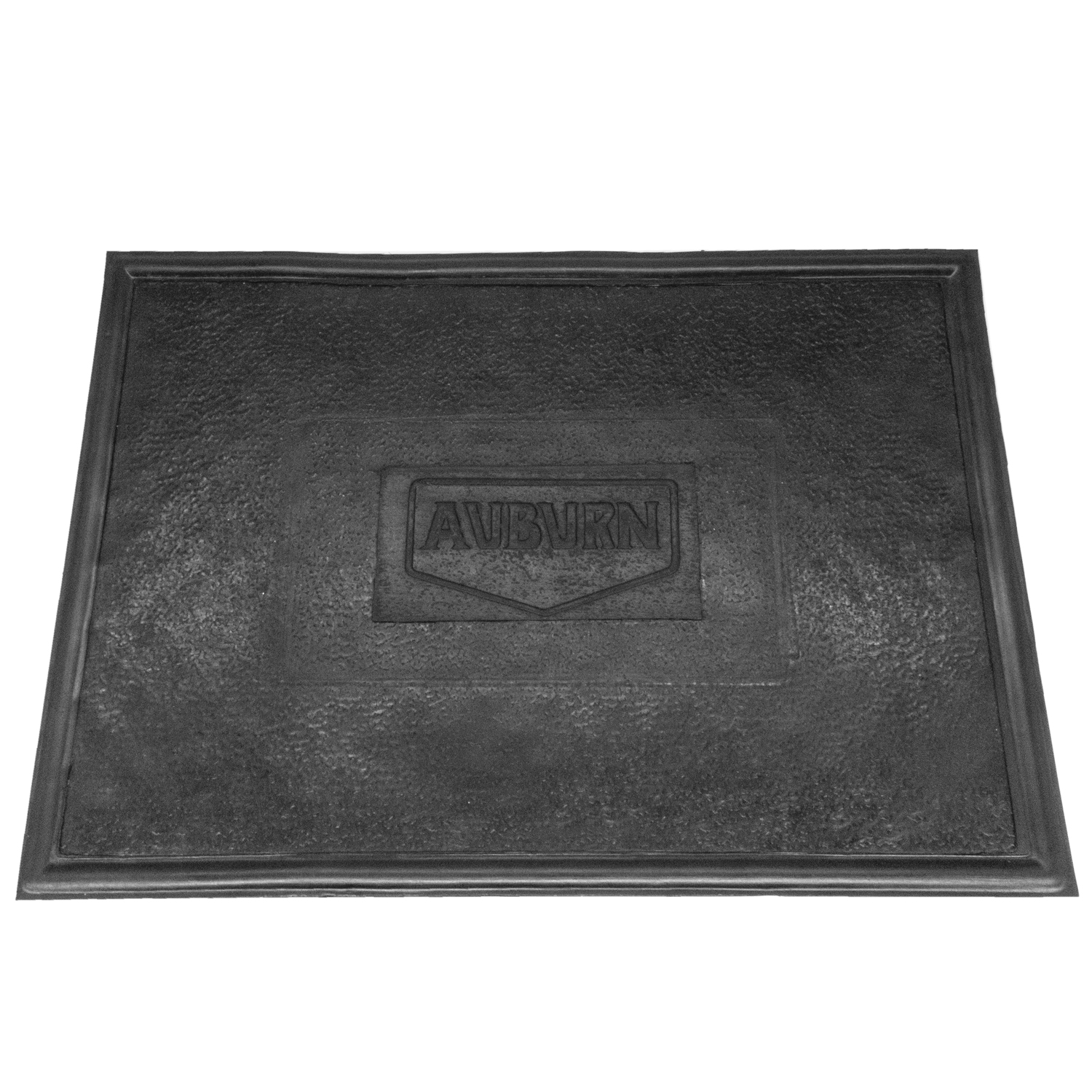 1929 Auburn Model 120 Accessory Floor Mat - 12"X17"-AC 14Accessory Floor Mat - made of high quality black rubber with molded original emblem. Also designed to be sewn into new carpets. 12"X17", Each
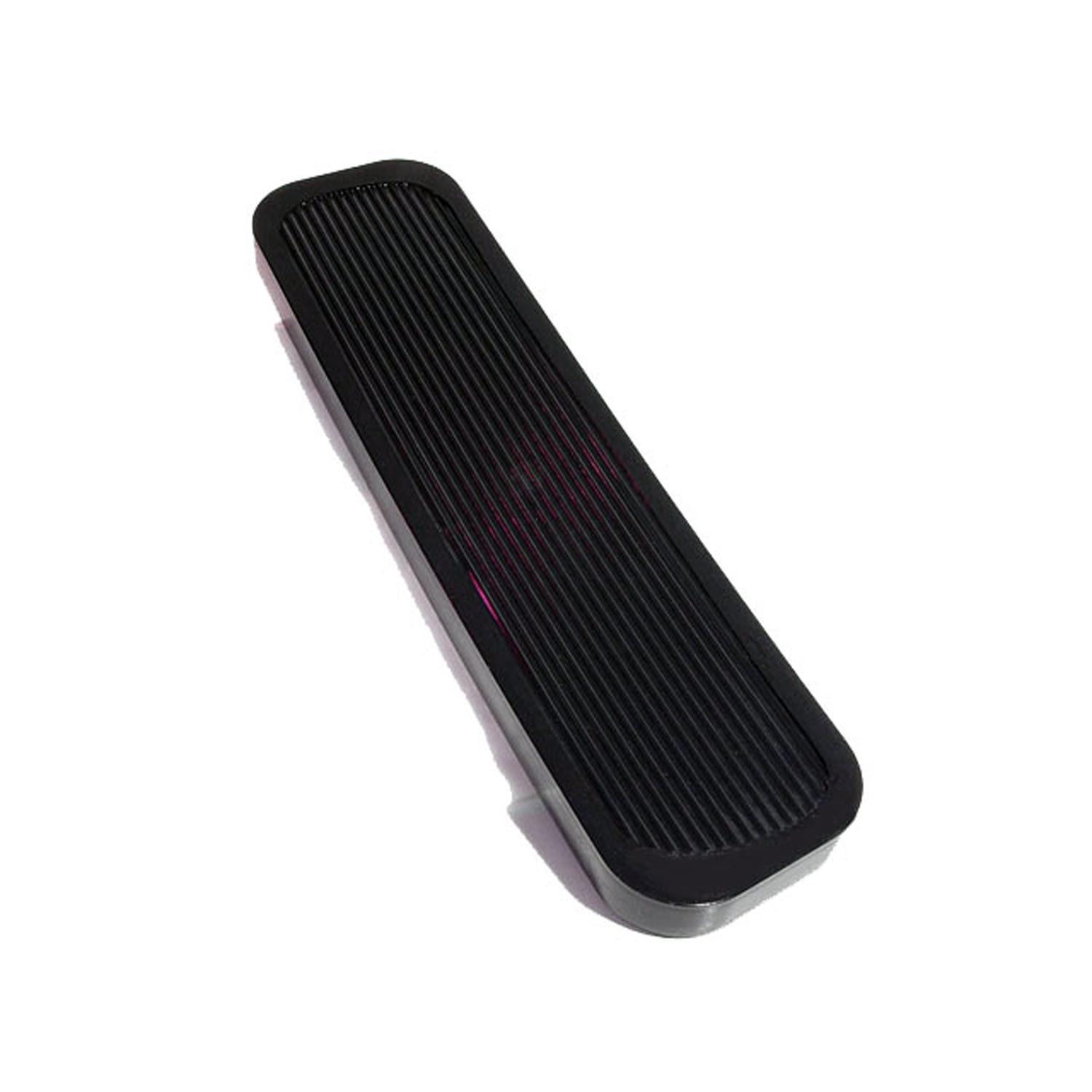 1929 Auburn Model 120 Accelerator Pedal Pad, 2-3/8" X 9-1/4", Each-AP 24Accelerator Pedal Pad, 2-3/8" X 9-1/4", Each
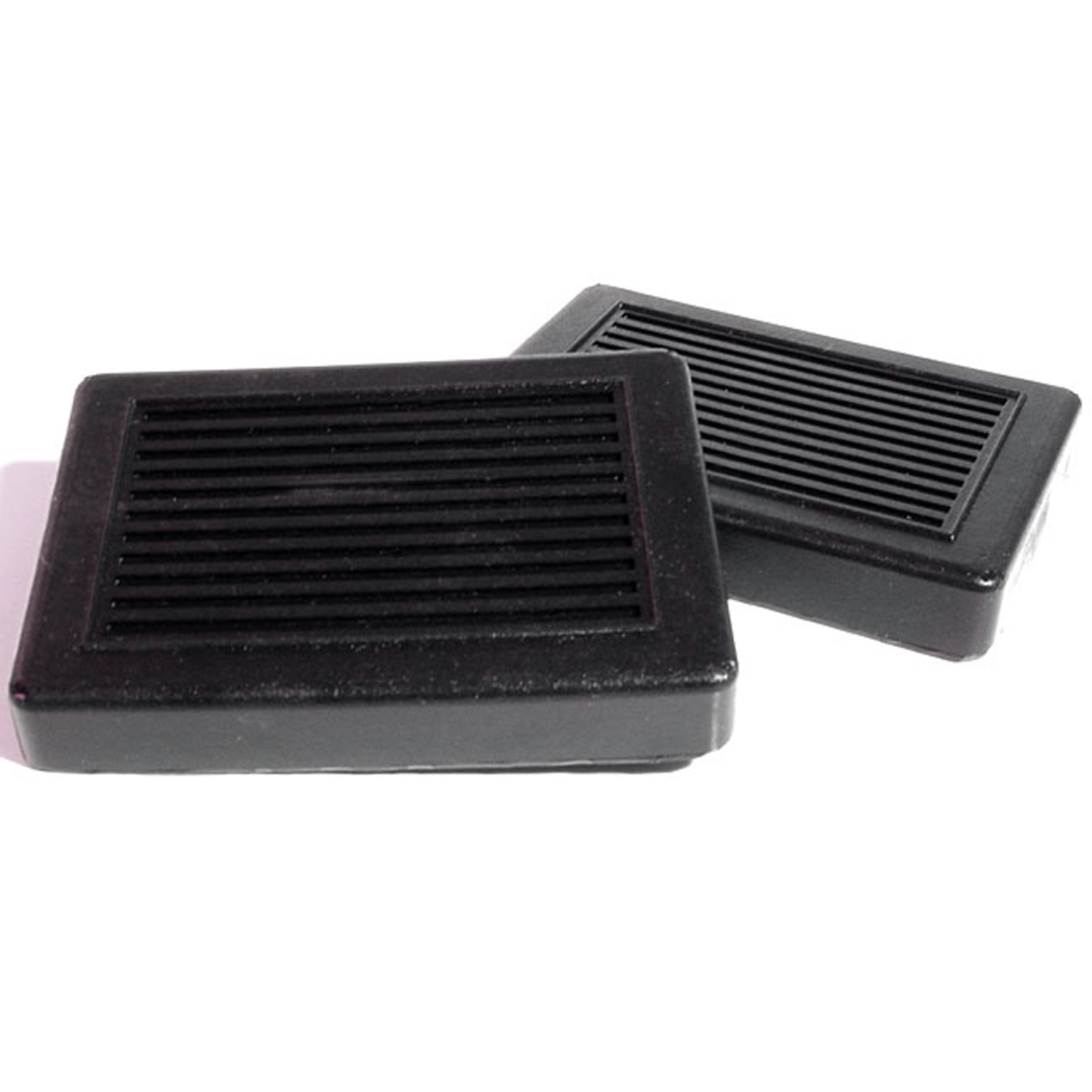 1929 Auburn Model 120 Clutch and Brake Pedal Pads. 3" wide X 3-7/8" long. Pair-CB 21Clutch and Brake Pedal Pads. 3" wide X 3-7/8" long. Pair
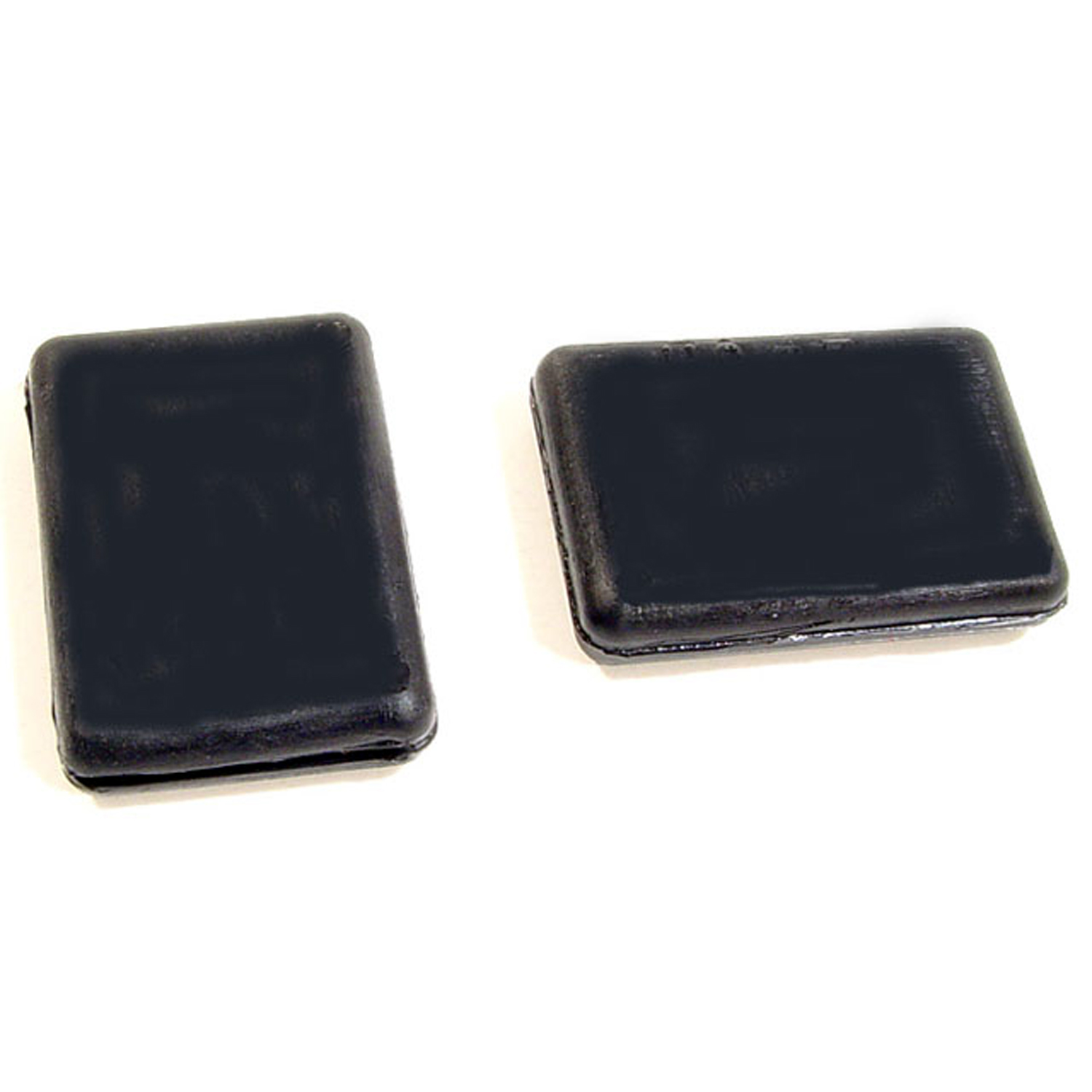 1929 Auburn Model 120 Hood Corners. Made of all rubber. No cut-away on back side-HC 27Hood Corners. Made of all rubber. No cut-away on back side. 7/8" X 1-1/4". Pair
 1929 Auburn Model 120 Headlight Bracket Pads. 3" wide X 4-7/8" long. Pair R&L-MP 101Headlight Bracket Pads. 3" wide X 4-7/8" long. Pair R&L
 1929 Auburn Model 120 Headlight Pads. 4-5/8" wide X 4-5/8" long. Pair-MP 101-BHeadlight Pads. 4-5/8" wide X 4-5/8" long. Pair
 1929 Auburn Model 120 Tail-light Pads. 2-1/8" wide X 3-3/4" long. Pair R&L-MP 101-CTail-light Pads. 2-1/8" wide X 3-3/4" long. Pair R&L
 1929 Auburn Model 120 Windshield Base Pad. 1-1/2" wide X 4'3-1/8" long. Each-MP 101-DWindshield Base Pad. 1-1/2" wide X 4'3-1/8" long. Each
Why Choose Metro?
For over 100 years, Metro Moulded Parts has been the pinnacle of quality in classic car restoration parts. Our commitment to precision and authenticity in every component ensures a perfect fit and an OEM-level appearance.
- Expert Craftsmanship & Quality: Each part is a testament to our dedication to reliability and perfection, crafted from original designs and thoroughly tested.
- Advanced Technology: We use cutting-edge techniques to create flawless, long-lasting parts that surpass others in performance.
- SuperSoft Sponge – The Ultimate Door Seal: Not only are our door seals 30% softer than competitors', but they're also guaranteed to never leak. They effectively reduce wind and road noise, enhancing your classic car's comfort and driving experience.
- Proudly American: Our parts are a product of American craftsmanship, made in the USA with a spirit of excellence and heritage.
- Unrivaled Warranty: We back our products with a 30-year industry-leading warranty, a testament to our confidence in their quality.
Join us in preserving the legacy of classic cars with parts that are crafted for perfection, not just made.