

Image of 1929 Auburn Model 8-90, Note: These illustrations use artistic license and may differ from actual historical models.
Performance Metrics
Fundamental Metrics
Emotional Appeal
MMP Rating
| Engine Specifications | |
|---|---|
| Engine: | Straight-8 |
| Displacement: | 298.6 cu in (4.9 L) |
| Horsepower: | Estimated 90-95 HP |
| Torque: | Not available |
| Compression Ratio: | Not available |
| Ignition System: | Battery and coil |
| Cooling System: | Water-cooled |
| Performance Specifications | |
| 0-60 Time: | Not available |
| 1/4 Mile Time: | Not available |
| Top Speed: | 70-75 mph |
| Transmission and Drive | |
| Drive Type: | Rear-wheel drive |
| Transmission Type: | 3-speed manual |
| Fuel and Efficiency | |
| Fuel System Type: | Carburetor |
| MPG: | Not available |
| Dimensions and Brakes | |
| Brakes: | 4-wheel hydraulic brakes |
| Wheelbase: | 120-130 inches |
| Weight: | Estimated 3500-4000 lbs |
Note: Specifications for classic cars are given to the best of our ability, considering the limited and variant data available.
1929 Auburn 8-90: An Eight-Cylinder Classic with Style
The 1929 Auburn Model 8-90 brought the glamour of a high-priced American automobile within reach of a much broader audience. Built by the Auburn Automobile Company of Auburn, Indiana, it paired a smooth straight-eight engine with handsome coachwork and thoughtful equipment, all at a price that undercut many prestigious rivals.
Auburn was part of the fast-growing Cord Corporation, assembled by entrepreneur Errett Lobban Cord after he took control of the automaker in 1924. The 8-90 sat in the middle of Auburn’s late-1920s lineup: more refined than a basic touring car, but less costly than the larger and more powerful models above it. Its story also has a memorable twist. While the elegant Auburn Speedster became the company’s best-known image, the 8-90 was offered in more practical closed bodies too, making the same straight-eight character available for everyday motoring.
Art Deco Looks Before the Art Deco Era
The 8-90 has the confident stance that made late-1920s American cars so appealing. A tall, upright radiator leads the eye down the long hood, while sweeping front fenders, exposed headlamps and running boards give the body a purposeful, almost athletic profile. Fine trim and carefully shaped bodywork add polish without making the car look overly ornate.
Details varied with the body style, but Auburn’s design language was consistent: a substantial grille, graceful hood lines and a long wheelbase that gave the car an elegant road presence. The famous boattail Speedster took those proportions to their most dramatic extreme, narrowing toward a pointed rear deck. It is the most iconic 8-90 form, though closed sedans and coupes better illustrate how the model served as a usable family car as well as a style statement.
Inside, buyers could expect a well-finished cabin for the period. Upholstery materials depended on body and trim level, with broadcloth common in enclosed cars and leather generally associated with open or sportier models. A broad instrument panel, large steering wheel and straightforward controls made the cockpit feel substantial rather than delicate. Wood trim and coordinated upholstery gave higher-grade bodies a more luxurious finish.
Factory paint choices varied by body and year. Auburn offered attractive single- and two-tone treatments, and buyers could choose colors that emphasized the car’s long body lines. Dark shades such as black, maroon and green suited sedans, while lighter or contrasting combinations helped open cars and Speedsters stand out. Restored examples may wear vivid colors, but the exact original palette should be checked against factory records for the specific body.
Straight-Eight Power and Period Technology
The Model 8-90’s defining mechanical feature was its Lycoming inline-eight, displacing about 268 cubic inches and producing approximately 90 horsepower. Lycoming was a respected engine builder, and the straight-eight layout was prized for its smoothness. Rather than delivering a sharp burst of power, the engine built speed steadily and quietly for its time.
A three-speed manual transmission sent power to the rear wheels. Four-wheel hydraulic brakes were an important piece of equipment on Auburns of this period, offering more consistent braking than the older mechanical systems still found on many cars. The 8-90 was not a modern car in disguise, but its combination of eight-cylinder power, hydraulic braking and polished coachwork made it a notably complete package for 1929.
Why the Auburn 8-90 Mattered
The 8-90’s significance lies less in one revolutionary invention than in the way Auburn combined established technology into an appealing, well-priced automobile. At a time when many buyers still chose four-cylinder cars, an eight-cylinder engine gave the Auburn an air of refinement and prestige. Its styling also helped define the company’s identity: sporty, elegant cars that looked more expensive than their price suggested.
Auburn’s approach anticipated a lasting American-market formula: offer eye-catching design and impressive specifications at a price below the best-known luxury marques. The company would later become famous for the supercharged Auburn Speedsters of the 1930s, but the 8-90 belongs to the period when Auburn was building the momentum that made those later cars possible.
The 8-90 was not a mass-market bestseller on the scale of a Ford, nor did it establish a new engineering standard by itself. Its lasting influence is more visible in its styling and brand image. It helped make Auburn synonymous with sporty, high-value American motoring.
Road Manners and Performance
Performance figures depend on body style, gearing, condition and the accuracy of modern tests. A sound 1929 Auburn 8-90 could reach roughly 70 to 75 mph, with lighter bodies generally having an advantage over a full-size sedan. A period-correct estimate for 0 to 60 mph is around 20 to 25 seconds. Those figures are best treated as practical estimates, not guaranteed factory test results.
On the road, the straight-eight is known for its even, restrained note. It does not have the hard-edged sound of a small racing engine; instead, it produces a steady mechanical hum that becomes more pronounced as the car gathers speed. The three-speed gearbox rewards deliberate shifts, while the large steering wheel and long wheelbase make the car feel substantial.
The suspension was designed for the roads of its day, not modern pothole-free highways. It can absorb ordinary roughness, but sharp bumps and broken pavement call for a slower pace. On winding roads, the 8-90 feels more like a composed touring car than a sports car. Its size, tall tires and period steering demand anticipation, and a careful driver will leave generous room for braking. Hydraulic brakes were a welcome advantage, though they should not be expected to match the stopping distances or pedal feel of a modern vehicle.
Living with an Auburn
Today, most 8-90s are collector cars used for club tours, local shows, historic motoring events and occasional pleasure drives. A sedan can be a comfortable choice for leisurely outings, while an open car or Speedster is more likely to be treated as a special-occasion machine. Even a well-restored example is generally better suited to scenic roads than daily commuting.
Maintenance is manageable for an experienced vintage-car owner, but parts and specialist knowledge matter. The engine’s basic layout is understandable to a competent mechanic, and many routine service tasks are straightforward. However, correct restoration of the cooling system, ignition, brakes, carburetion and electrical equipment takes period knowledge. Before buying, inspect the chassis and body carefully, confirm that the brakes work evenly, and check for signs of poor-quality repairs or mismatched components.
Reliability depends heavily on restoration and upkeep. A properly maintained 8-90 can tour reliably at moderate speeds, but age-related issues such as overheating, fuel-system trouble, worn steering joints and deteriorated wiring are common concerns. A pre-purchase inspection by someone familiar with Auburns is money well spent.
Rare Details and Common Misconceptions
The most recognizable 8-90 is the Speedster, particularly the boattail-bodied version. Its long hood and tapered tail make it one of the most photogenic American cars of the late 1920s. But buyers should take care: the market includes reproductions and cars whose bodies or mechanical parts have been altered. A striking silhouette alone does not prove that a car is an original factory Speedster.
There is no widely recognized land-speed or endurance record associated specifically with the 1929 Model 8-90. Its appeal is rooted in design, equipment and value rather than competition history. Nor is a particular celebrity connection essential to its story. The more important historical point is that Auburn’s cars formed part of Cord’s ambitious portfolio, which also included Cord and Duesenberg automobiles.
A common criticism is that the 8-90 can be mistaken for a more powerful Auburn model, especially when it wears dramatic Speedster coachwork. Its 90-horsepower engine is smooth, but it is not a modern high-performance motor. Another practical drawback is that the elegant bodywork can make restoration expensive, especially when trim, upholstery or specialized body panels need attention.
Collector Values and Availability
Exact production figures for the 1929 Model 8-90 are difficult to pin down by body style, so any total should be treated as an estimate. A reasonable working estimate is that several thousand were built, perhaps in the range of 8,000 to 12,000 cars across the 8-90 line. The surviving population is much smaller, and original or correctly documented examples are harder to find than the broad estimate might suggest.
Values vary sharply according to body style, authenticity, restoration quality and provenance. As a broad current-market guide, a project or driver-quality sedan might fall around $20,000 to $40,000. A high-quality restored sedan or coupe could bring roughly $40,000 to $80,000, while desirable open bodies may command more. A genuine, well-documented 8-90 Speedster can reach approximately $150,000 to $400,000 or higher, depending on originality and condition. Exceptional examples and unusual provenance can exceed those ranges, while replicas should be valued differently from authentic cars.
Over the long term, well-preserved Auburns have benefited from the brand’s strong styling and the limited supply of quality survivors. Values are not guaranteed to rise every year, and restoration costs can outpace market gains. The strongest collector demand tends to favor documented, original cars and authentic Speedsters. Buyers should compare recent sales and verify the car’s identity rather than relying only on asking prices.
Auburn’s Lasting Appeal
The 1929 Auburn Model 8-90 blended a smooth Lycoming straight-eight, useful period technology and striking American design into a car that could serve as both transportation and a statement of taste. Its Speedster body remains the showstopper, but the model’s broader appeal comes from the fact that Auburn offered real elegance across a range of practical body styles.
Nearly a century later, the 8-90 still captures the optimism of the late 1920s: long roads, polished chrome and the promise of eight-cylinder motoring. It is not just a handsome survivor. It is a reminder of the moment Auburn turned style and engineering into one of America’s most memorable automotive identities.
1929 Auburn Model 8-90 Catalog of Parts
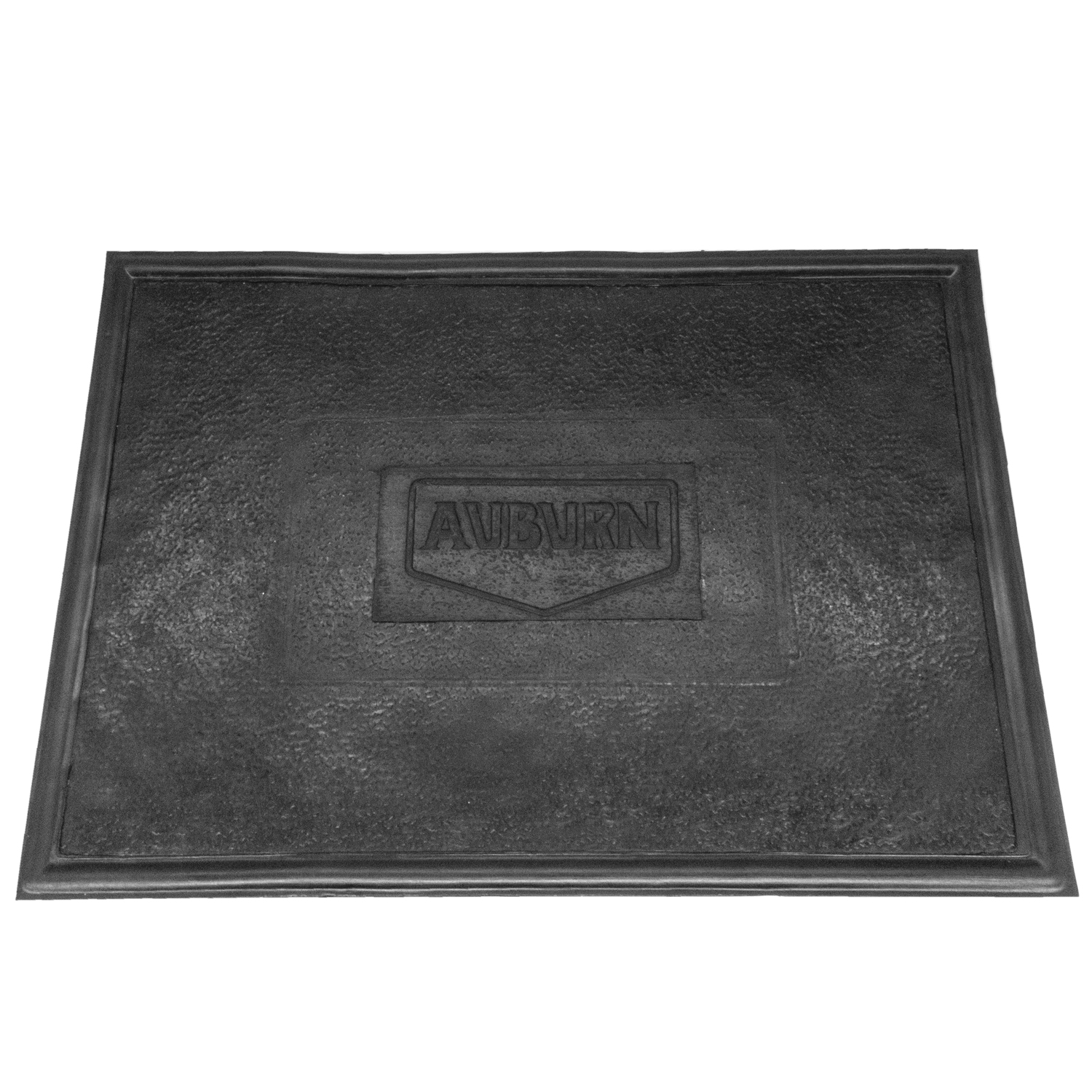 1929 Auburn Model 8-90 Accessory Floor Mat - 12"X17"-AC 14Accessory Floor Mat - made of high quality black rubber with molded original emblem. Also designed to be sewn into new carpets. 12"X17", Each
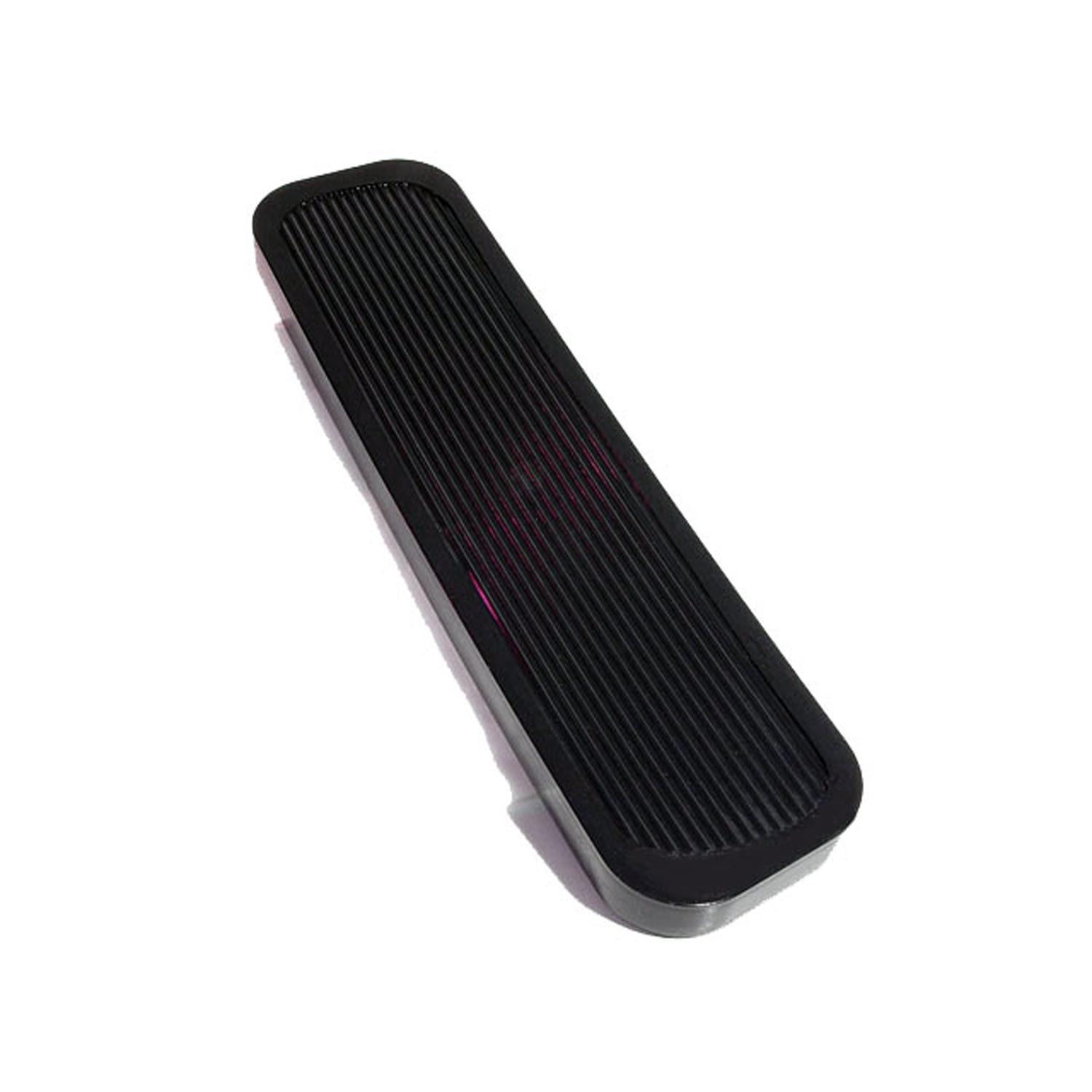 1929 Auburn Model 8-90 Accelerator Pedal Pad, 2-3/8" X 9-1/4", Each-AP 24Accelerator Pedal Pad, 2-3/8" X 9-1/4", Each
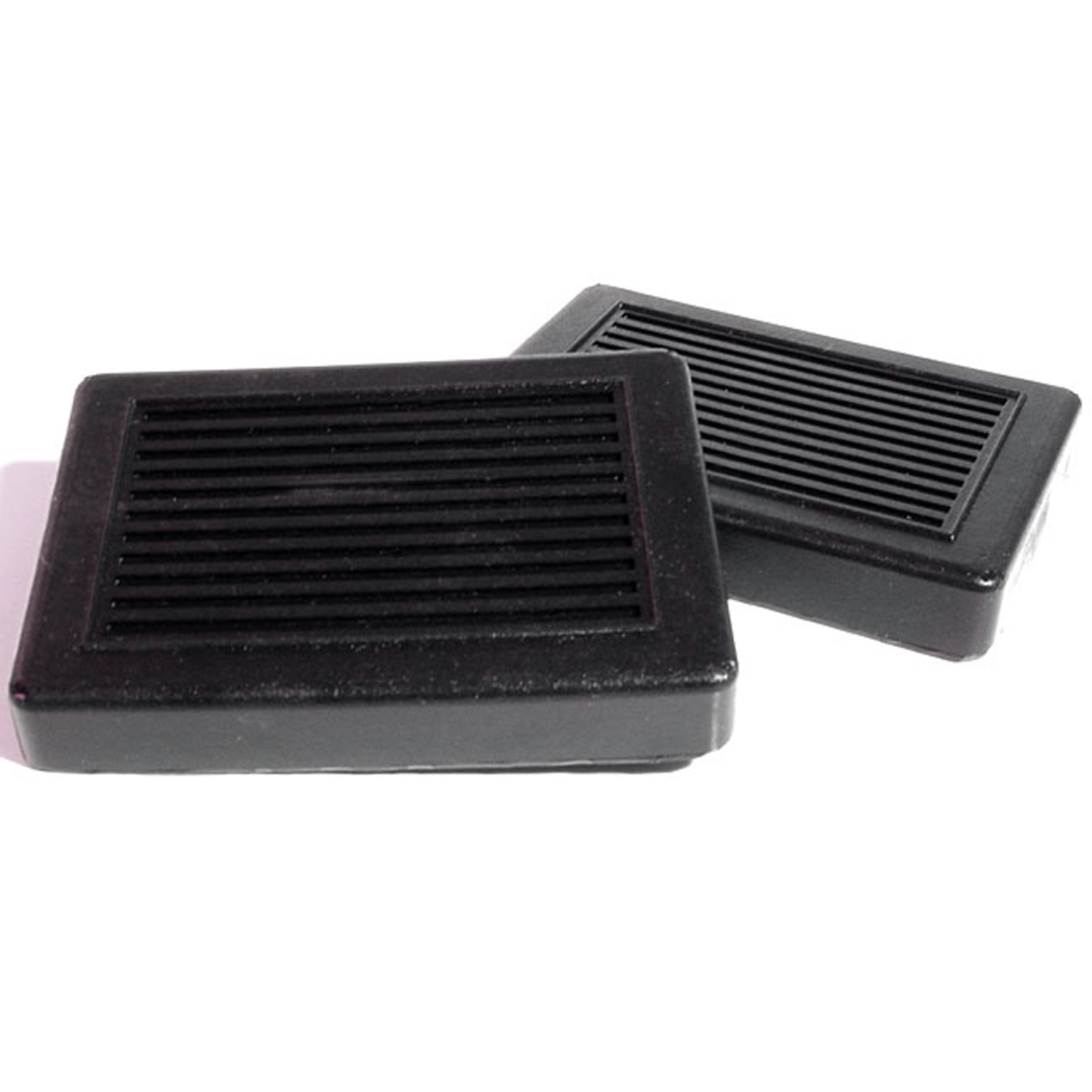 1929 Auburn Model 8-90 Clutch and Brake Pedal Pads. 3" wide X 3-7/8" long. Pair-CB 21Clutch and Brake Pedal Pads. 3" wide X 3-7/8" long. Pair
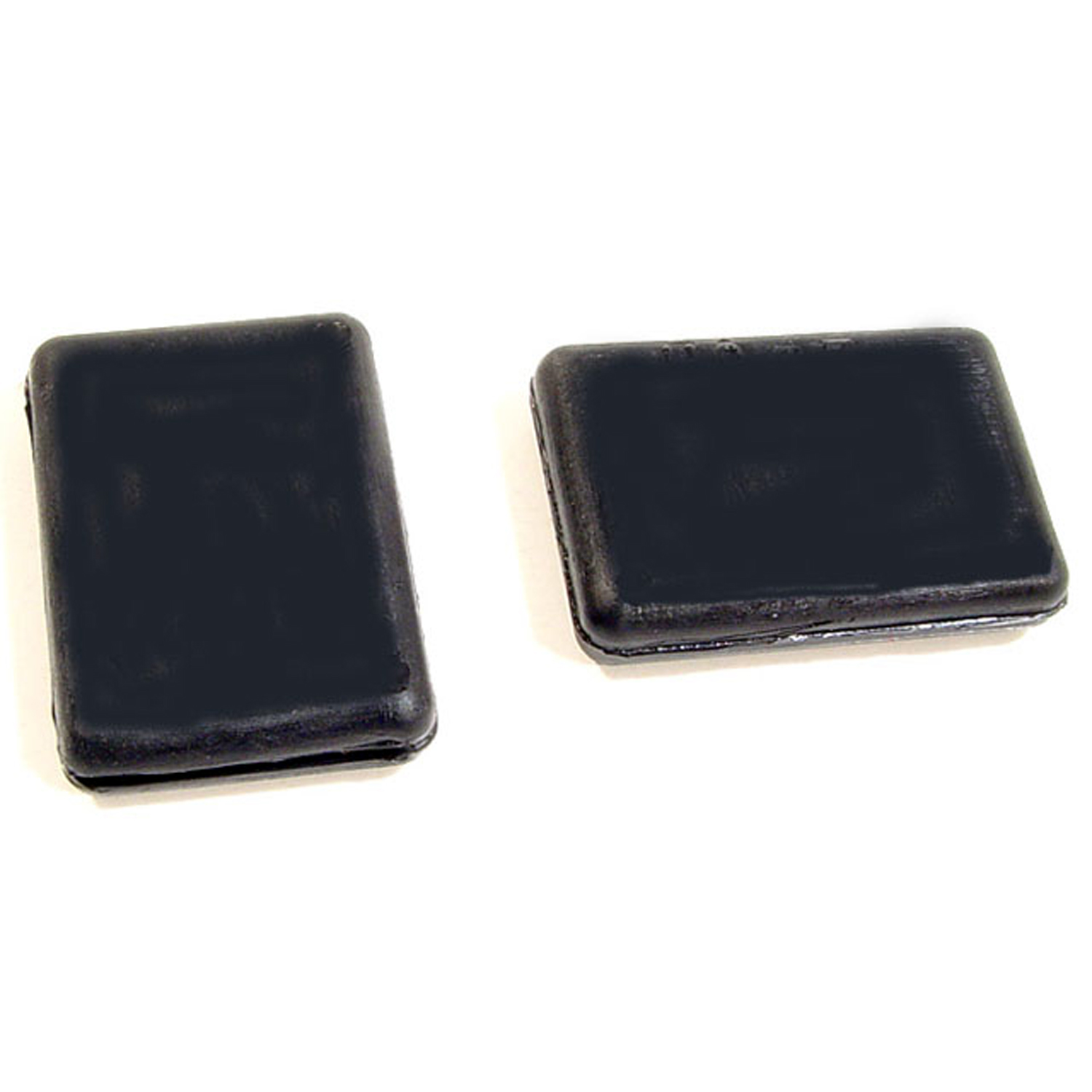 1929 Auburn Model 8-90 Hood Corners. Made of all rubber. No cut-away on back side-HC 27Hood Corners. Made of all rubber. No cut-away on back side. 7/8" X 1-1/4". Pair
 1929 Auburn Model 8-90 Headlight Bracket Pads. 3" wide X 4-7/8" long. Pair R&L-MP 101Headlight Bracket Pads. 3" wide X 4-7/8" long. Pair R&L
 1929 Auburn Model 8-90 Headlight Pads. 4-5/8" wide X 4-5/8" long. Pair-MP 101-BHeadlight Pads. 4-5/8" wide X 4-5/8" long. Pair
 1929 Auburn Model 8-90 Tail-light Pads. 2-1/8" wide X 3-3/4" long. Pair R&L-MP 101-CTail-light Pads. 2-1/8" wide X 3-3/4" long. Pair R&L
 1929 Auburn Model 8-90 Windshield Base Pad. 1-1/2" wide X 4'3-1/8" long. Each-MP 101-DWindshield Base Pad. 1-1/2" wide X 4'3-1/8" long. Each
Why Choose Metro?
For over 100 years, Metro Moulded Parts has been the pinnacle of quality in classic car restoration parts. Our commitment to precision and authenticity in every component ensures a perfect fit and an OEM-level appearance.
- Expert Craftsmanship & Quality: Each part is a testament to our dedication to reliability and perfection, crafted from original designs and thoroughly tested.
- Advanced Technology: We use cutting-edge techniques to create flawless, long-lasting parts that surpass others in performance.
- SuperSoft Sponge – The Ultimate Door Seal: Not only are our door seals 30% softer than competitors', but they're also guaranteed to never leak. They effectively reduce wind and road noise, enhancing your classic car's comfort and driving experience.
- Proudly American: Our parts are a product of American craftsmanship, made in the USA with a spirit of excellence and heritage.
- Unrivaled Warranty: We back our products with a 30-year industry-leading warranty, a testament to our confidence in their quality.
Join us in preserving the legacy of classic cars with parts that are crafted for perfection, not just made.