

Image of 1929 Auburn Model 88, Note: These illustrations use artistic license and may differ from actual historical models.
Performance Metrics
Fundamental Metrics
Emotional Appeal
MMP Rating
| Engine Specifications | |
|---|---|
| Engine: | Straight-8 |
| Displacement: | 298.6 cubic inches |
| Horsepower: | Estimated 88-115 HP |
| Torque: | Not available |
| Compression Ratio: | Not available |
| Ignition System: | Distributor and coil |
| Cooling System: | Water-cooled |
| Performance Specifications | |
| 0-60 Time: | Not available |
| 1/4 Mile Time: | Not available |
| Top Speed: | 75-85 mph |
| Transmission and Drive | |
| Drive Type: | Rear-wheel drive |
| Transmission Type: | 3-speed manual |
| Fuel and Efficiency | |
| Fuel System Type: | Carburetor |
| MPG: | Not available |
| Dimensions and Brakes | |
| Brakes: | Mechanical drum brakes |
| Wheelbase: | 120 inches |
| Weight: | Estimated 3,400 lbs |
Note: Specifications for classic cars are given to the best of our ability, considering the limited and variant data available.
1929 Auburn Model 8-88: A Straight-Eight for the People
The 1929 Auburn Model 8-88 offered a tempting proposition: the smoothness and prestige of an eight-cylinder car without the price tag of a top-tier luxury automobile. Built by the Auburn Automobile Company in Auburn, Indiana, it belonged to the ambitious lineup assembled under industrialist E. L. Cord, who had taken control of the company in the mid-1920s and pushed it toward bold styling and strong value.
The “8-88” name pointed to its eight-cylinder engine and advertised 88 horsepower. In an era when many everyday cars still used four- or six-cylinder power, that was a persuasive selling point. The model was not Auburn’s most glamorous offering, but it brought the marque’s engineering and distinctive presence to a broader market.
Auburn’s timing was remarkable. The company reached its sales high point around 1929, just as the stock-market crash and the Great Depression began to undermine demand for expensive automobiles. The Model 8-88 therefore represents both the confidence of the late-1920s boom and the difficult conditions that soon reshaped the American car industry.
Art Deco Presence Before Art Deco
The 8-88 had the upright, formal proportions expected of a late-1920s automobile, but Auburn gave them extra polish. A tall radiator shell and long hood established a confident front profile, while sweeping fenders, bright trim and carefully shaped bodywork helped the car look more expensive than its position in the range suggested. Its styling was less flamboyant than the famous Auburn boattail speedsters that followed, yet it carried the same attention to proportion and visual impact.
Inside, closed models typically used durable, well-finished upholstery such as broadcloth, with open cars offering leather seating. The dashboard, controls and interior trim were more traditional than modern, but a well-kept example can still feel genuinely luxurious. Materials and details varied by body style and equipment, and restoration quality makes a substantial difference to the impression today.
Power came from a 268.6-cubic-inch L-head inline-eight, rated at 88 horsepower. It was paired with a three-speed manual transmission and rear-wheel drive. The long, even firing rhythm of a straight-eight was a notable refinement over many contemporary engines, and Auburn paired it with four-wheel hydraulic brakes, an important convenience for drivers accustomed to less consistent braking systems. Suspension was conventional for the period, using leaf springs rather than modern independent suspension.
Period paint choices could include dark blue, maroon, green, gray and black, with contrasting colors or trim treatments available on some combinations. Exact colors depended on the body and factory specifications, and surviving cars are not always wearing their original finish. Closed sedans were practical favorites, while open phaetons and cabriolets gave the 8-88 a more sporting, sociable character. Coupes and other closed-body variants also appeared in Auburn’s offerings. Body availability could vary by catalog and market, so a particular configuration should be checked against its serial and production records.
What Made the Auburn 8-88 Matter
The Model 8-88’s importance lies in how it positioned the straight-eight. Rather than reserving eight-cylinder power for an ultra-expensive flagship, Auburn made it a central part of a comparatively accessible model. That gave buyers a smoother-running alternative to the typical six-cylinder car without requiring them to step up to Auburn’s more costly offerings.
The car also reflected E. L. Cord’s broader strategy: combine mechanical appeal, assertive styling and competitive pricing to make Auburn stand out in a crowded market. It was not a technical revolution on the scale of later front-wheel-drive Cords or Duesenberg engineering, but it helped establish the company’s reputation for offering striking automobiles with serious power. The lesson endured: strong design and a compelling specification can matter as much as sheer size or luxury.
Eight-Cylinder Pace and Period Road Manners
Contemporary performance figures can vary with body style, gearing, condition and the way a test was conducted. A healthy 8-88 is generally estimated to reach roughly 70 to 75 mph, with a 0-to-60-mph time likely in the neighborhood of 20 to 25 seconds. Those figures are best treated as period-style estimates, not guaranteed results for every surviving car. The Auburn was brisk for its class, but it was not built to deliver modern acceleration.
On the road, the straight-eight’s strongest quality is its smooth, steady pull. The engine produces a low mechanical rumble that rises into a deeper, more purposeful note under acceleration. Drivers shift through the three-speed gearbox themselves, using a clutch and controls that reward a deliberate touch. Steering is manual, and the car’s size and period tires call for anticipation rather than quick, last-second corrections.
The long wheelbase helps the Auburn feel composed on ordinary roads, though its leaf-spring suspension cannot disguise sharp bumps or rough surfaces. On a winding road, the 8-88 prefers a flowing pace and smooth inputs. It can feel substantial and reassuring, but it does not corner like a modern car. Brakes require more planning than contemporary power-assisted systems, even with the advantage of hydraulic operation. The experience is best described as relaxed, mechanical and involving, with the driver firmly in charge.
Living With a 1929 Auburn
Today, most 8-88s are used for touring, club events, historic motoring and display rather than daily transportation. Their visual presence makes them natural show-field cars, while their relatively straightforward mechanical layout can make them usable on carefully planned drives. Regular highway use is possible for a properly restored example, but modern traffic speeds, braking distances and the availability of replacement parts deserve respect.
Routine work is familiar to experienced prewar-car mechanics: ignition and carburetion service, lubrication, cooling-system checks, brake maintenance and careful attention to the drivetrain. The engine is not unusually complicated, and many repairs are accessible to a capable owner with the correct manuals and tools. Parts sourcing is the bigger challenge. Some components are reproduced or shared across related Auburn applications, while model-specific trim and body pieces can require patience, specialist help or custom fabrication.
Reliability depends heavily on the quality of the restoration. A car that has been driven and maintained is often a better touring prospect than one with a fresh cosmetic finish but neglected mechanical systems. Before buying, inspect the engine for oil pressure and cooling health, test the brakes, check the frame and body structure, and verify that major components are correct for the car.
Little-Known Auburn 8-88 Details
The Model 8-88’s most memorable distinction is its value proposition: a genuine straight-eight at a price intended to reach beyond the most affluent buyers. That made it a useful counterpoint to Auburn’s more exotic image and helped give the company a broader lineup than its later speedster reputation alone might suggest.
Exact production figures for individual 8-88 body styles are difficult to establish consistently. A reasonable estimate is that several thousand were built for the 1929 model year, perhaps in the range of 5,000 to 10,000, though that should be treated as an informed approximation rather than a verified factory total. Many have since disappeared through age, scrap drives, deterioration or the loss of body-specific parts.
The 8-88 should not be confused with Auburn’s celebrated boattail speedsters, which are often much more valuable and visually dramatic. The 1929 model’s significance is quieter: it shows how Auburn translated its straight-eight engineering and styling ambitions into a car intended for more ordinary buyers. A common criticism today is that its appearance and performance can seem less spectacular beside the company’s later Speedsters and Cords. Its period-correct controls, modest acceleration and limited parts supply are also part of the ownership trade-off.
Collector Value and Market Outlook
Condition, body style, originality and restoration quality have a major effect on value. As a broad current-market guide, a project or incomplete car might fall around $10,000 to $25,000. A presentable driver or sound sedan could bring roughly $25,000 to $50,000, while a high-quality restoration or desirable open-body example may reach about $50,000 to $100,000 or more. These are estimates, not appraisals, and exceptional provenance or an unusually correct restoration can change the numbers substantially.
The 8-88 is uncommon enough to attract Auburn enthusiasts, but it is generally more attainable than the celebrated Auburn Speedsters and top Cord or Duesenberg models. Cars do appear at specialist auctions and through marque networks, although buyers may need to wait for the right body style or condition. Over the long term, well-documented, correctly restored examples have the best chance of holding or gaining value. The wider prewar-car market can fluctuate, and expensive restorations do not always return their full cost at resale.
Why the 1929 Auburn 8-88 Still Deserves a Look
The 1929 Auburn Model 8-88 combined an 88-horsepower straight-eight, four-wheel hydraulic brakes, handsome late-1920s styling and a comparatively accessible place in Auburn’s range. It was not the company’s wildest creation, but it captured the optimism and ambition that made Auburn a significant name in American motoring.
For collectors, the 8-88 offers a more approachable way into the Auburn story. For drivers, it delivers the steady soundtrack, hands-on controls and imposing presence of a true prewar automobile. Its appeal is not just that it survived a turbulent era. It is that it brought a little eight-cylinder grandeur within reach, one carefully shaped Auburn at a time.
1929 Auburn Model 88 Catalog of Parts
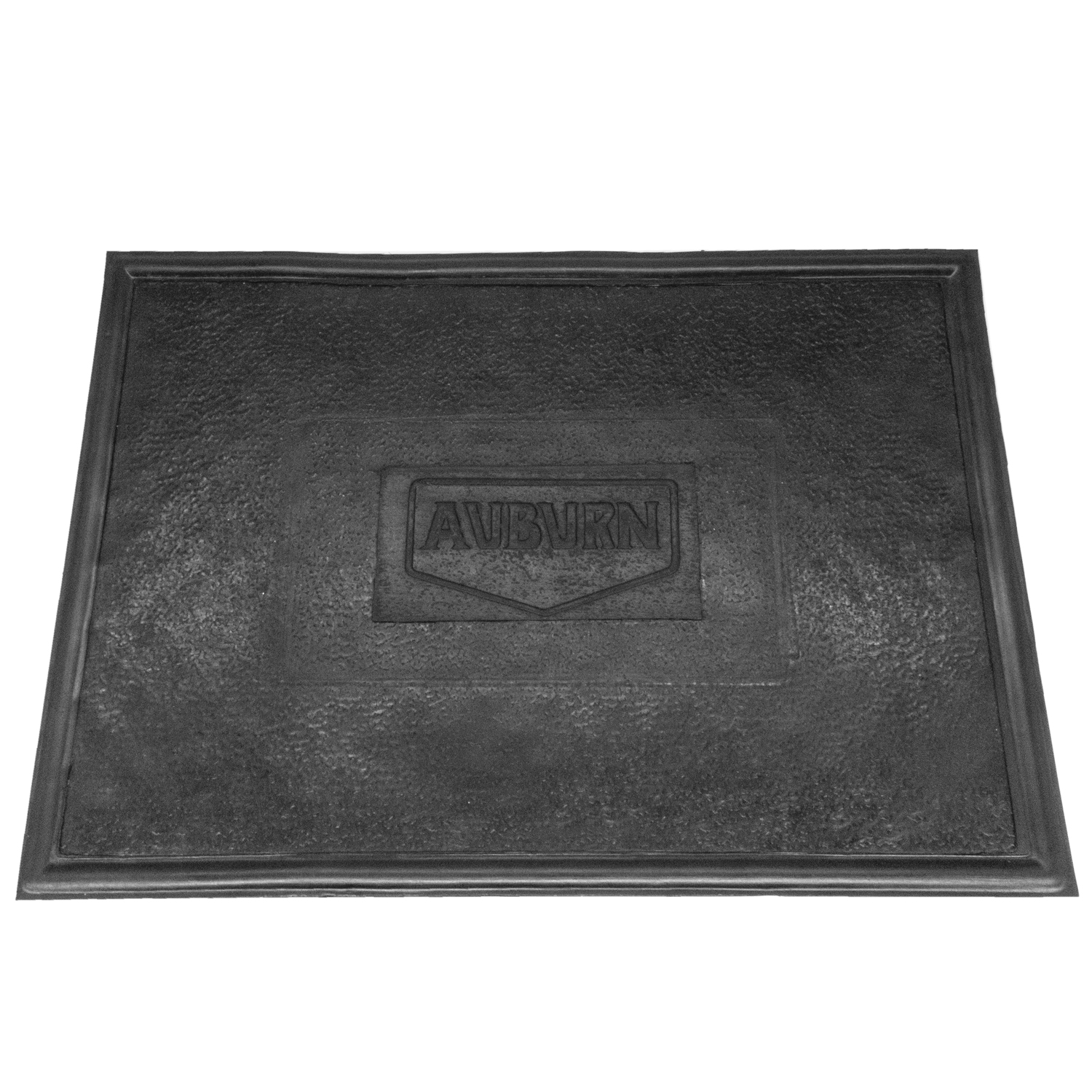 1929 Auburn Model 88 Accessory Floor Mat - 12"X17"-AC 14Accessory Floor Mat - made of high quality black rubber with molded original emblem. Also designed to be sewn into new carpets. 12"X17", Each
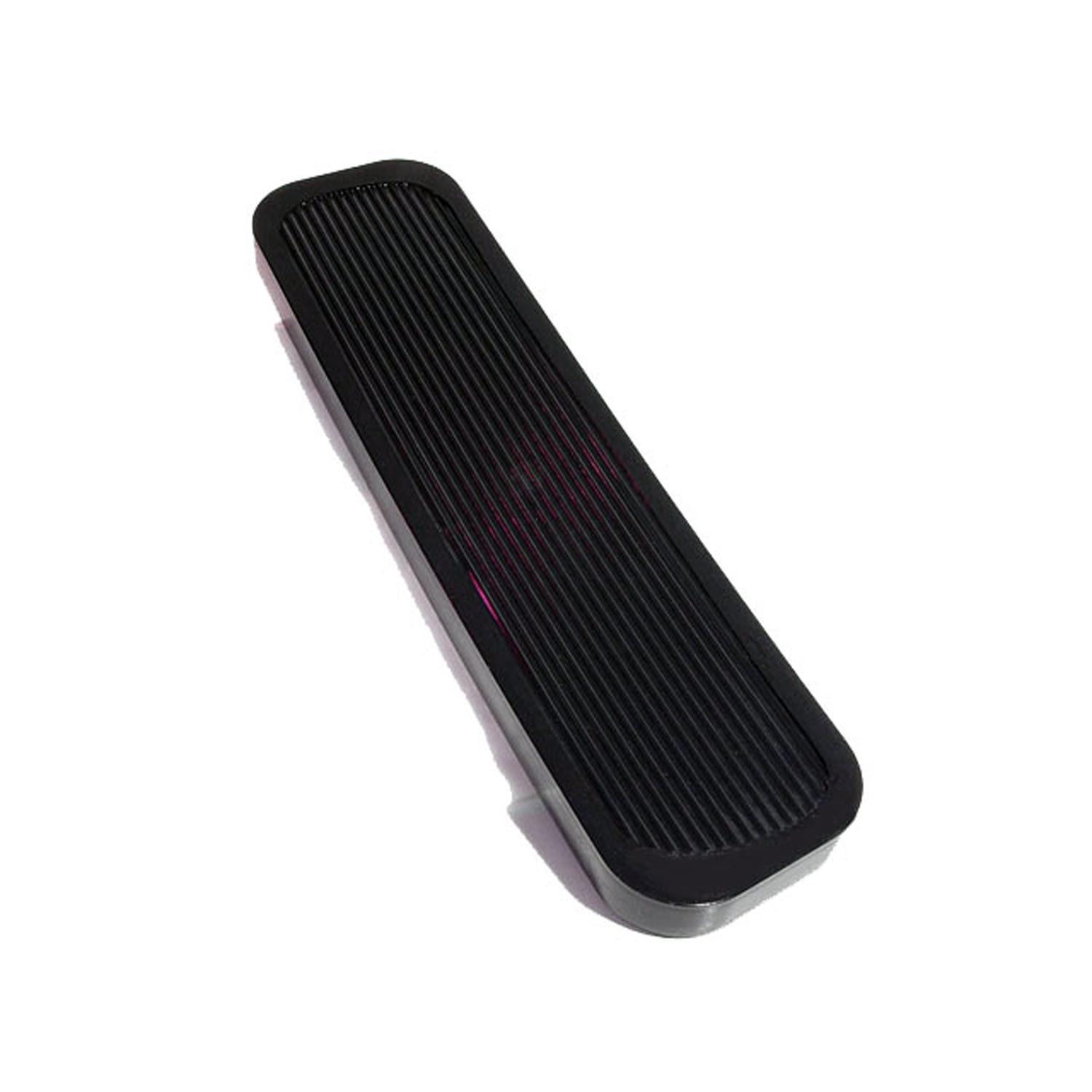 1929 Auburn Model 88 Accelerator Pedal Pad, 2-3/8" X 9-1/4", Each-AP 24Accelerator Pedal Pad, 2-3/8" X 9-1/4", Each
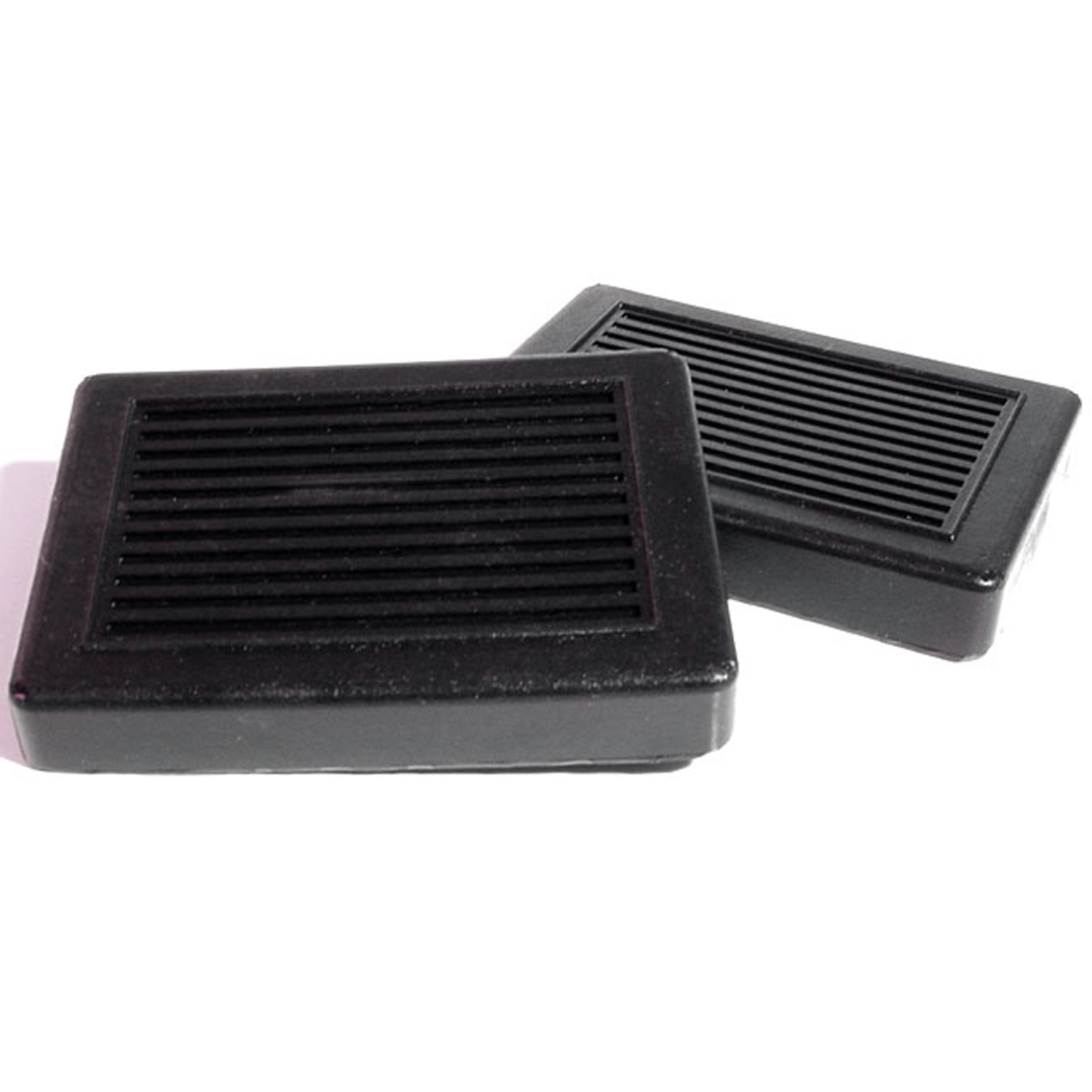 1929 Auburn Model 88 Clutch and Brake Pedal Pads. 3" wide X 3-7/8" long. Pair-CB 21Clutch and Brake Pedal Pads. 3" wide X 3-7/8" long. Pair
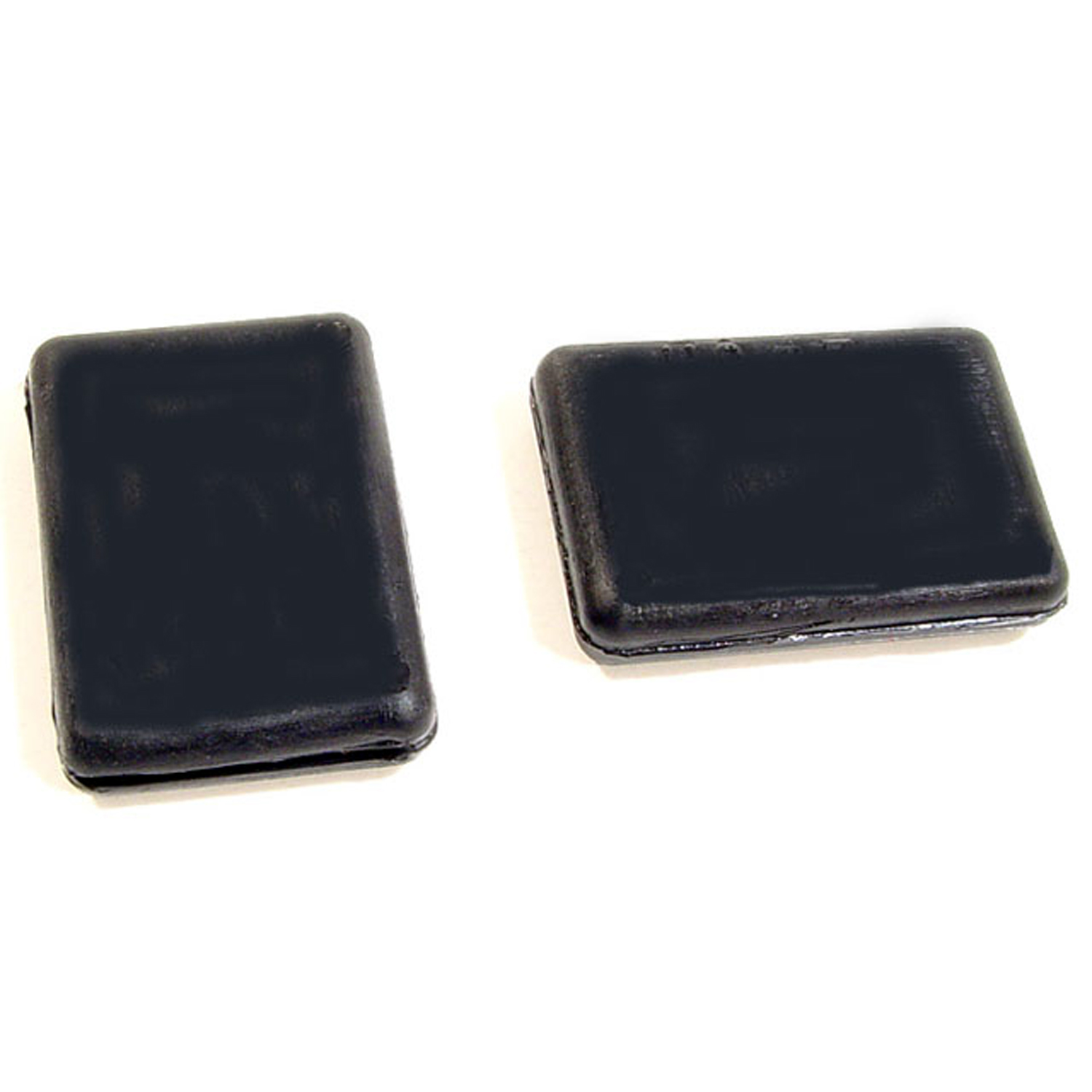 1929 Auburn Model 88 Hood Corners. Made of all rubber. No cut-away on back side-HC 27Hood Corners. Made of all rubber. No cut-away on back side. 7/8" X 1-1/4". Pair
 1929 Auburn Model 88 Headlight Bracket Pads. 3" wide X 4-7/8" long. Pair R&L-MP 101Headlight Bracket Pads. 3" wide X 4-7/8" long. Pair R&L
 1929 Auburn Model 88 Headlight Pads. 4-5/8" wide X 4-5/8" long. Pair-MP 101-BHeadlight Pads. 4-5/8" wide X 4-5/8" long. Pair
 1929 Auburn Model 88 Tail-light Pads. 2-1/8" wide X 3-3/4" long. Pair R&L-MP 101-CTail-light Pads. 2-1/8" wide X 3-3/4" long. Pair R&L
 1929 Auburn Model 88 Windshield Base Pad. 1-1/2" wide X 4'3-1/8" long. Each-MP 101-DWindshield Base Pad. 1-1/2" wide X 4'3-1/8" long. Each
Why Choose Metro?
For over 100 years, Metro Moulded Parts has been the pinnacle of quality in classic car restoration parts. Our commitment to precision and authenticity in every component ensures a perfect fit and an OEM-level appearance.
- Expert Craftsmanship & Quality: Each part is a testament to our dedication to reliability and perfection, crafted from original designs and thoroughly tested.
- Advanced Technology: We use cutting-edge techniques to create flawless, long-lasting parts that surpass others in performance.
- SuperSoft Sponge – The Ultimate Door Seal: Not only are our door seals 30% softer than competitors', but they're also guaranteed to never leak. They effectively reduce wind and road noise, enhancing your classic car's comfort and driving experience.
- Proudly American: Our parts are a product of American craftsmanship, made in the USA with a spirit of excellence and heritage.
- Unrivaled Warranty: We back our products with a 30-year industry-leading warranty, a testament to our confidence in their quality.
Join us in preserving the legacy of classic cars with parts that are crafted for perfection, not just made.