

Image of 1930 Auburn Model 8-95, Note: These illustrations use artistic license and may differ from actual historical models.
Performance Metrics
Fundamental Metrics
Emotional Appeal
MMP Rating
| Engine Specifications | |
|---|---|
| Engine: | Straight-8 |
| Displacement: | 4.8L |
| Horsepower: | Estimated 95 HP |
| Torque: | Information not available |
| Compression Ratio: | Information not available |
| Ignition System: | Distributor and coil |
| Cooling System: | Water-cooled |
| Performance Specifications | |
| 0-60 Time: | Information not available |
| 1/4 Mile Time: | Information not available |
| Top Speed: | 100 mph |
| Transmission and Drive | |
| Drive Type: | Rear-wheel drive |
| Transmission Type: | 3-speed manual |
| Fuel and Efficiency | |
| Fuel System Type: | Carburetor |
| MPG: | Information not available |
| Dimensions and Brakes | |
| Brakes: | Mechanical drum brakes |
| Wheelbase: | 130 inches |
| Weight: | Estimated 3,500 lbs |
Note: Specifications for classic cars are given to the best of our ability, considering the limited and variant data available.
1930 Auburn Model 8-95: A Straight-Eight at a Smart Price
The 1930 Auburn Model 8-95 brought long-hood glamour and the smooth pull of an eight-cylinder engine to buyers who did not want to pay top-tier luxury-car prices. Built by the Auburn Automobile Company in Auburn, Indiana, it belonged to the ambitious automotive empire assembled by industrialist E. L. Cord. Its recipe was appealingly direct: handsome styling, a Lycoming straight-eight and a price positioned below Auburn’s more powerful models.
The 8-95 arrived at a pivotal moment. Auburn had gained momentum during the prosperous late 1920s, but the 1930s economic downturn was about to make expensive automobiles harder to sell. The model reflected Cord’s strategy of offering conspicuous style across a broader range of prices. One intriguing distinction was right under its long hood: the 8-95 used an engine from Lycoming, a company within Cord’s automotive orbit, linking Auburn’s road cars to the wider network of firms he controlled.
Long Hoods, Sweeping Fenders and Period Color
The 8-95 wore the classic proportions of a fine American car of its era. A tall, upright radiator and prominent headlamps led into a long hood with neat rows of louvers. Flowing front fenders framed the wheels, while running boards connected the front and rear of the car in one graceful line. Depending on body style and equipment, a rear-mounted spare tire or a pair of side-mounted spares added to the impression of a car ready for a grand tour.
Inside, the atmosphere was traditional rather than austere. Upholstery materials varied with body style and trim level, with broadcloth or mohair common in closed cars and leather used in some open or more upscale interiors. A wood-trimmed dashboard, clear period-style instruments and polished fittings gave the cabin a suitably formal finish. These were substantial cars, and their spacious cabins were designed for passengers to travel in comfort rather than squeeze into a compact interior.
Factory color choices varied by body and market. Buyers could choose from restrained solid finishes and, on some configurations, two-tone schemes. Dark blue, maroon, green and black are among the shades associated with Auburns of the period, though today’s restored cars do not always retain their original paint. Two-tone treatments could bring extra definition to the fenders and body lines without overwhelming the car’s elegant shape.
The 8-95 was offered in several body styles across the range, including closed passenger cars and more open or sporting configurations. Exact availability depended on the catalog and market. The sleek speedster is the most visually dramatic and widely remembered Auburn body style, while sedans and coupes better represent the model’s practical side. Buyers could also find equipment such as wire wheels or additional spare tires, depending on the car’s specification.
What the 8-95 Brought to Auburn
The Model 8-95’s importance was not that it introduced a radical new technology. Its achievement was combining the refinement and visual presence of a straight-eight automobile with a comparatively accessible position in Auburn’s lineup. In an era when many cars still used four- or six-cylinder engines, an eight-cylinder powerplant gave the 8-95 a notable selling point: smoother power delivery and a more prestigious character.
Auburn’s broader approach also helped shape the way American buyers thought about style and value. The company offered cars that looked expensive and carefully finished without limiting its appeal to the very wealthiest customers. That balance became especially important as competition intensified and the economy weakened. The 8-95 was part of the same design-minded Auburn family that would later produce some of the marque’s most celebrated cars, even though it was a more restrained proposition than the headline-grabbing models.
Lycoming Eight: Performance and Road Manners
Power came from a Lycoming inline-eight of approximately 268.6 cubic inches, rated at about 95 horsepower. It drove the rear wheels through a three-speed manual transmission. The engine’s chief appeal was its smoothness: rather than delivering a sharp burst of power, it built speed in a steady, relaxed fashion. Four-wheel hydraulic brakes were a valuable feature for a car of the period, though they are no substitute for modern braking systems.
There is no single dependable factory 0-to-60 mph figure for every 8-95 body and configuration. As a practical estimate, expect acceleration to 60 mph to take roughly 25 to 30 seconds, with weight, gearing, engine condition and road surface making a significant difference. A sound example might reach about 75 to 80 mph under favorable conditions, but sustained high-speed driving is better left to a carefully inspected car and an experienced driver.
On a smooth road, the 8-95 feels substantial and composed. Its long wheelbase helps it settle into a steady cruise, while the period suspension allows noticeable body movement over rough pavement. Deep bumps call for a slower pace, and winding roads require planning: steering is less precise than in a modern car, and the 8-95’s size and weight are always part of the conversation. The straight-eight’s low, even mechanical note and the deliberate action of the manual gearbox make driving a physical, involving experience rather than a quiet trip in the background.
Owning and Maintaining an Auburn
Today, the 8-95 is primarily a show car, touring car or carefully used weekend automobile, not a realistic daily driver. It can be driven on suitable roads, but its braking distance, handling, lighting and occupant protection belong to another era. Owners should also remember that old-car reliability depends less on a badge than on the quality of the restoration and the care given to the vehicle since.
Routine work is approachable for a mechanically experienced owner, but restoration is not necessarily simple. The engine and basic mechanical systems are conventional by vintage-car standards, yet Auburn-specific trim, body pieces and interior details can be challenging to source. Before buying, inspect the engine, transmission, brakes, cooling system and wood or metal body structure closely. A specialist familiar with prewar American cars can be invaluable, especially when evaluating a car that has been modified or incompletely restored.
Worth Knowing About the 1930 Auburn
The 8-95 shared the Auburn name and design philosophy with more powerful and more expensive models, making it a way into the marque without stepping to the top of the range. Auburn’s connection to Lycoming is another notable detail: the engine supplier was part of Cord’s wider business interests, so the car’s powerplant came from within the same corporate family.
No widely recognized speed or endurance record belongs specifically to the 8-95. Its appeal is instead tied to Auburn’s design reputation and the company’s larger story, which includes the celebrated Auburn-Cord-Duesenberg era. A common criticism of cars from this period is their demanding maintenance and limited safety by modern standards. The 8-95 also lacks the outright performance of Auburn’s higher-powered offerings, but that was the trade-off for its more attainable place in the lineup.
Collector Value and Availability
Surviving 8-95s are scarce enough to reward patient searching, particularly in original condition or with well-documented restorations. Precise production figures by model and body style are not consistently available. A reasonable working estimate is that several thousand Model 8-95 cars were built, perhaps in the range of 3,000 to 5,000, but that should be treated as an informed estimate rather than a confirmed factory total. Surviving examples are fewer still, and desirable open or sporting bodies are harder to find than closed cars.
Values depend heavily on body style, originality, restoration quality and mechanical condition. As a broad current-market guide, a driver-quality sedan might fall around $25,000 to $60,000. Strong coupes and other more desirable body styles can bring roughly $45,000 to $100,000, while exceptional speedsters or rare, highly finished examples may reach $100,000 to $250,000 or more. These are general estimates, not appraisals; a correct, documented car can command a substantial premium, while a project with missing parts may cost far less.
Well-preserved examples of significant prewar marques have generally held collector interest, but Auburn values are not immune to changing tastes or wider market conditions. The best cars tend to attract the strongest buyers, while restoration costs can exceed the value of an ordinary example. For that reason, condition and authenticity matter more than assuming every Auburn will automatically appreciate.
Auburn’s Elegant Middle Ground
The 1930 Auburn Model 8-95 combined a Lycoming straight-eight, graceful American styling and a comfortable, substantial cabin in a package positioned below Auburn’s most expensive models. It was neither a bare-bones car nor the most powerful machine in the showroom. Instead, it offered a persuasive middle ground: enough refinement to feel special, and enough practicality to make its elegance usable.
More than nine decades later, the 8-95 remains a reminder that automotive significance is not measured by horsepower alone. Its lasting appeal lies in the way Auburn made an ambitious, beautifully proportioned car feel within reach, just before the changing times made that ambition much harder to sustain.
1930 Auburn Model 8-95 Catalog of Parts
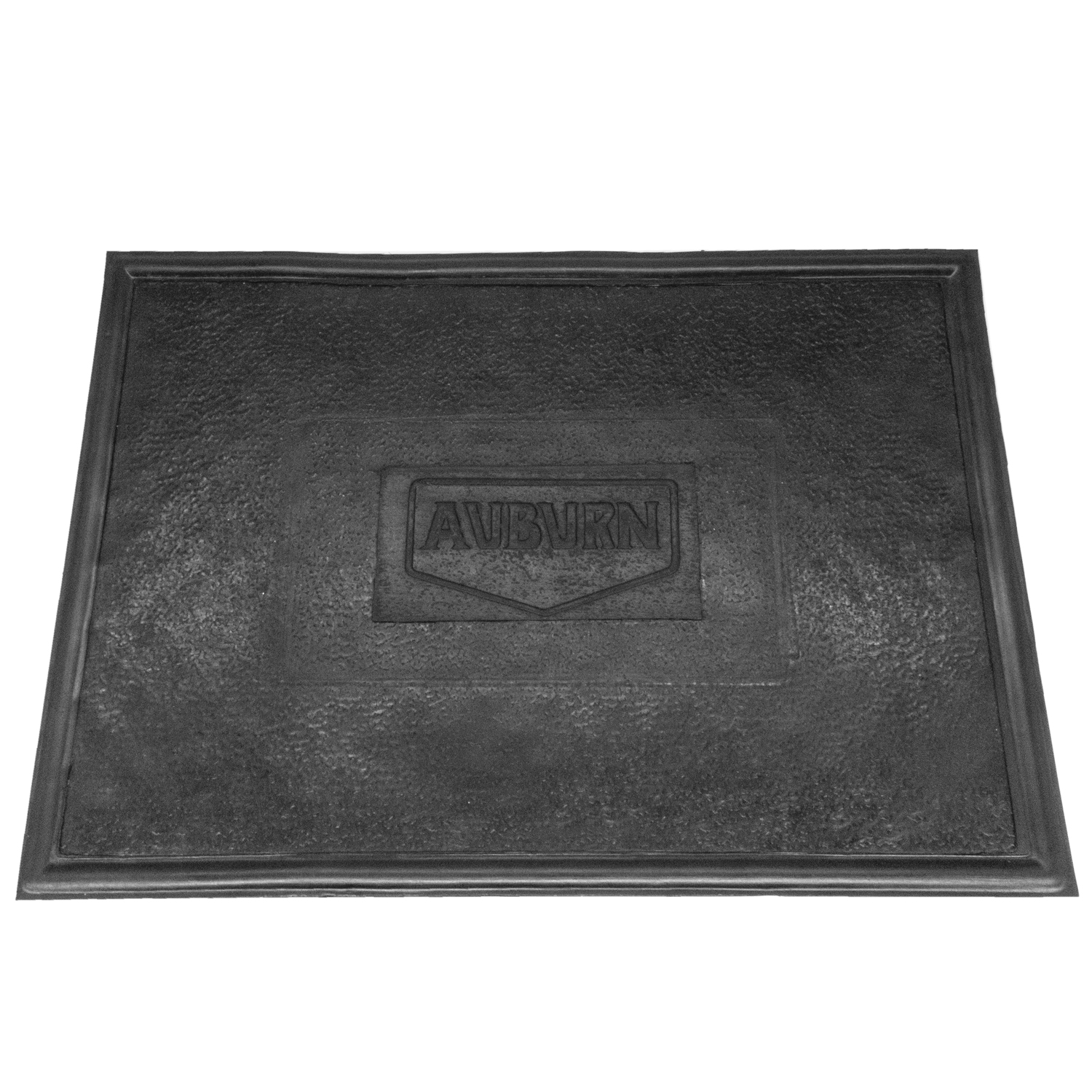 1930 Auburn Model 8-95 Accessory Floor Mat - 12"X17"-AC 14Accessory Floor Mat - made of high quality black rubber with molded original emblem. Also designed to be sewn into new carpets. 12"X17", Each
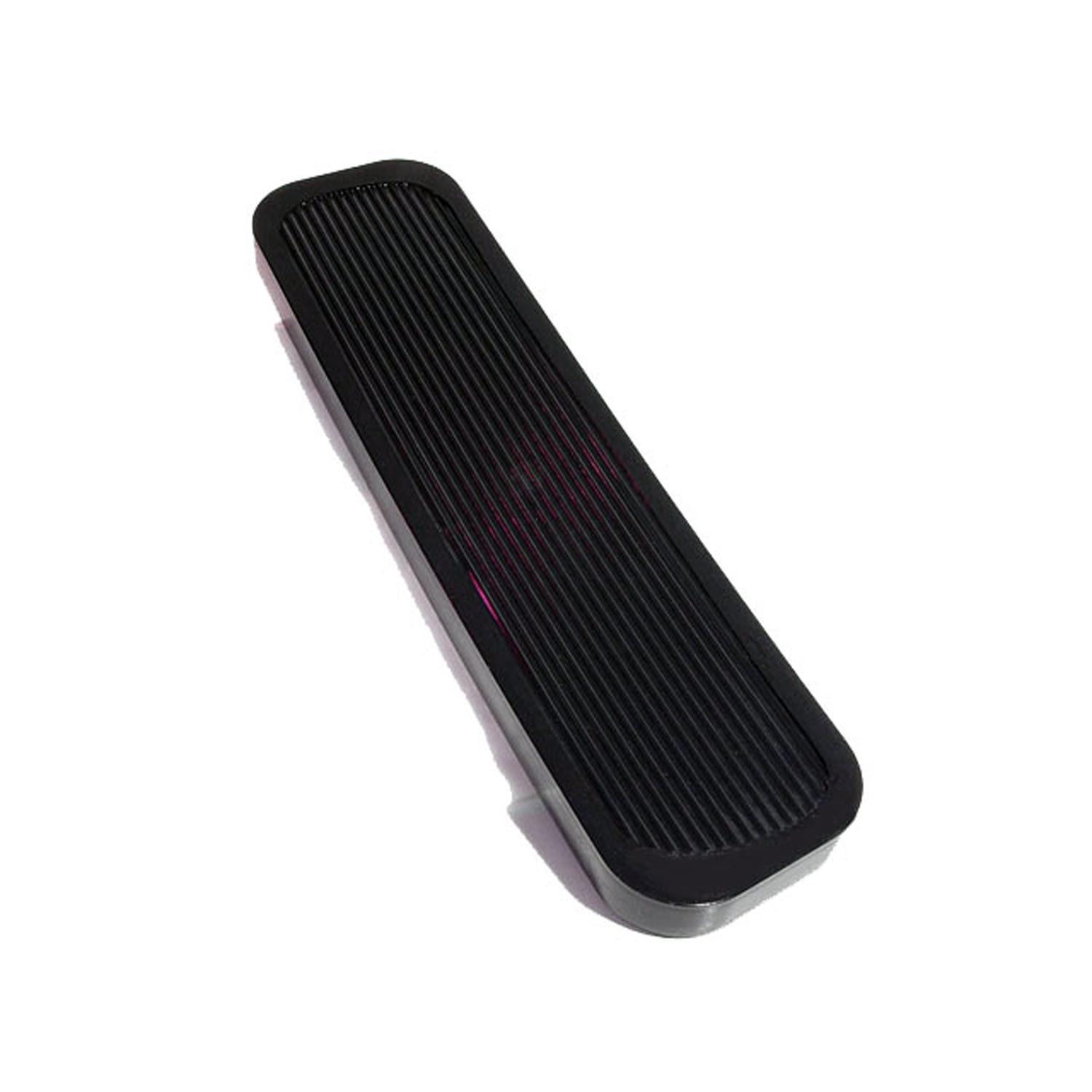 1930 Auburn Model 8-95 Accelerator Pedal Pad, 2-3/8" X 9-1/4", Each-AP 24Accelerator Pedal Pad, 2-3/8" X 9-1/4", Each
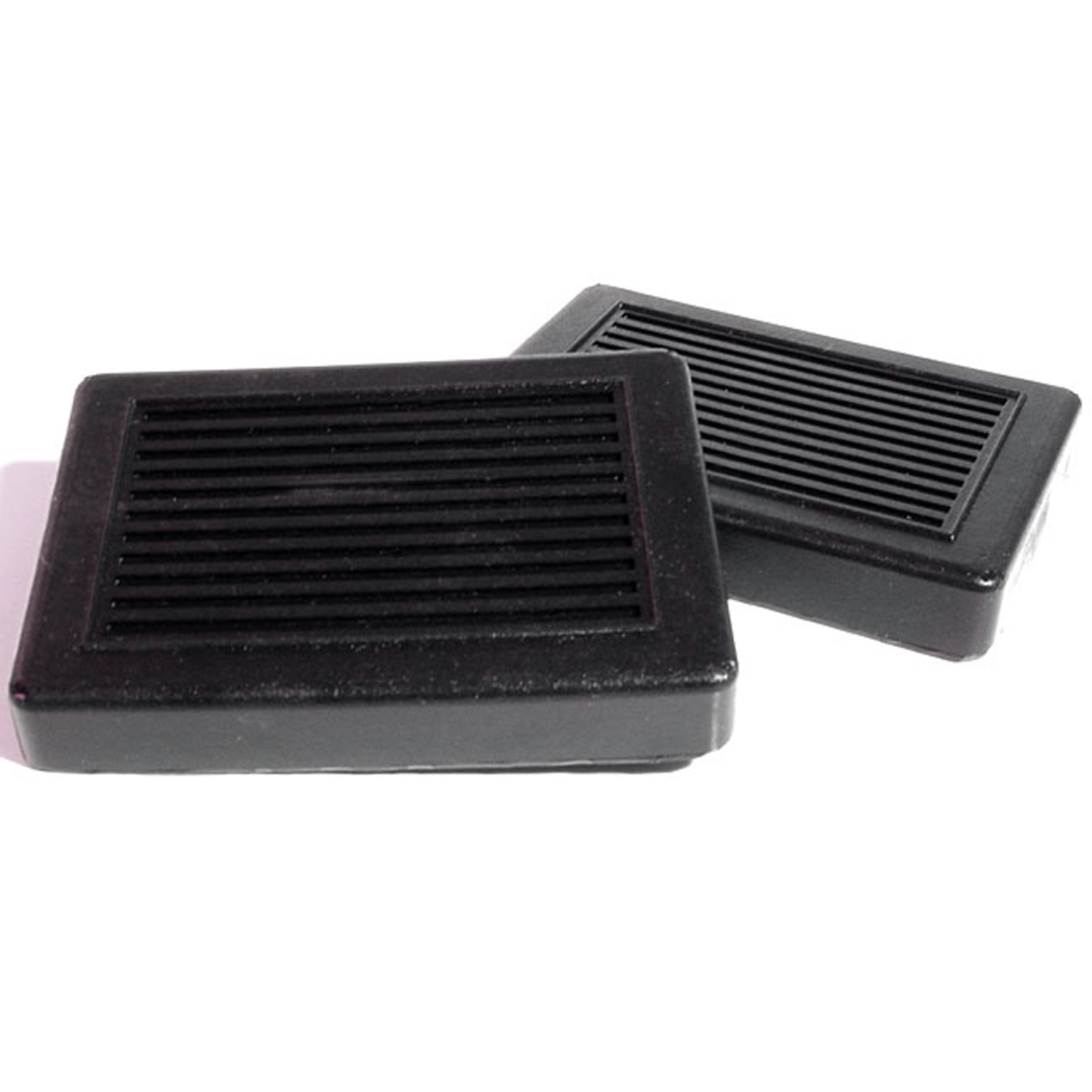 1930 Auburn Model 8-95 Clutch and Brake Pedal Pads. 3" wide X 3-7/8" long. Pair-CB 21Clutch and Brake Pedal Pads. 3" wide X 3-7/8" long. Pair
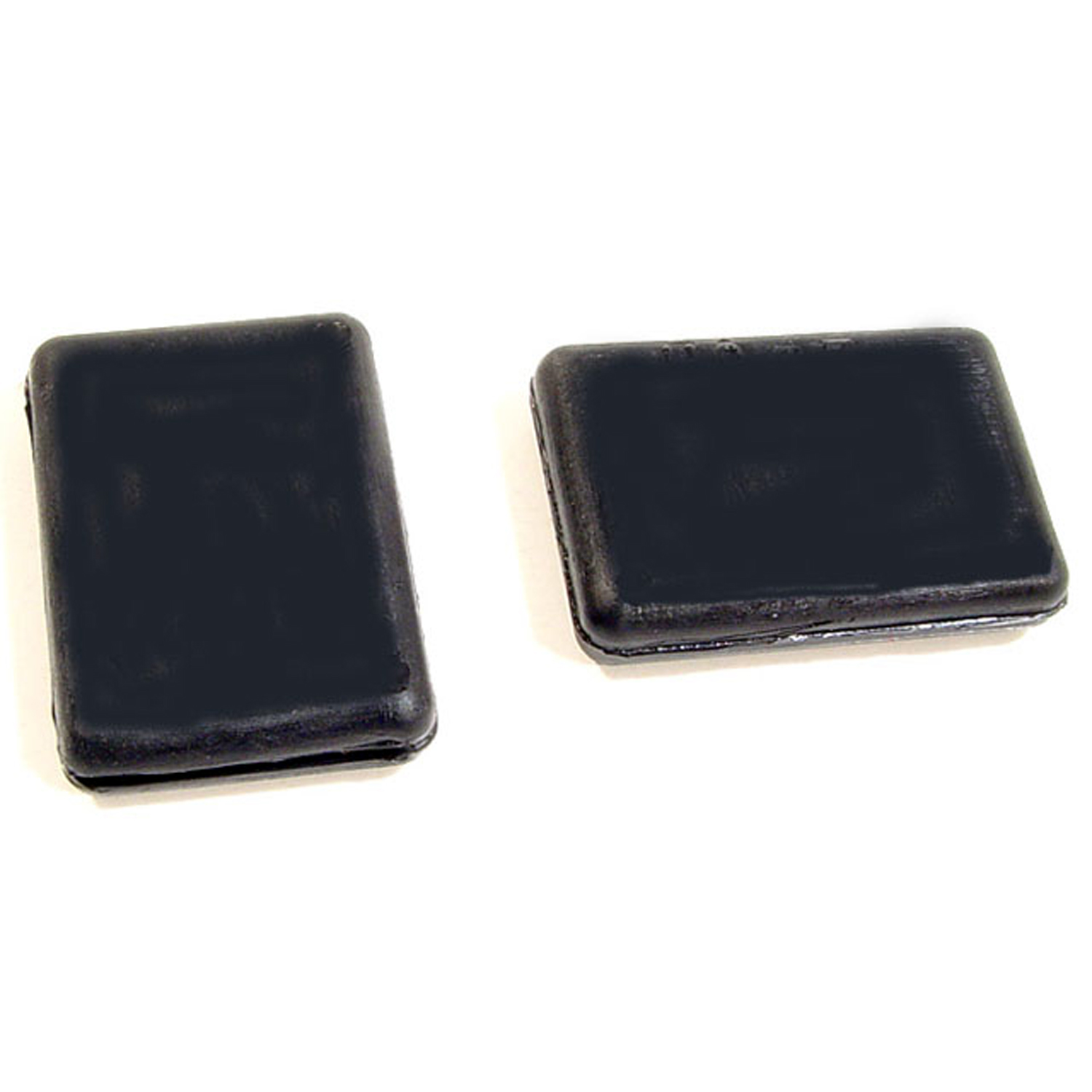 1930 Auburn Model 8-95 Hood Corners. Made of all rubber. No cut-away on back side-HC 27Hood Corners. Made of all rubber. No cut-away on back side. 7/8" X 1-1/4". Pair
 1930 Auburn Model 8-95 Side Window Seal. Sold by the foot-LP 95-FSide Window Seal. Sold by the foot
 1930 Auburn Model 8-95 Headlight Bracket Pads. 3" wide X 4-7/8" long. Pair R&L-MP 101Headlight Bracket Pads. 3" wide X 4-7/8" long. Pair R&L
 1930 Auburn Model 8-95 Headlight Pads. 4-5/8" wide X 4-5/8" long. Pair-MP 101-BHeadlight Pads. 4-5/8" wide X 4-5/8" long. Pair
 1930 Auburn Model 8-95 Tail-light Pads. 2-1/8" wide X 3-3/4" long. Pair R&L-MP 101-CTail-light Pads. 2-1/8" wide X 3-3/4" long. Pair R&L
 1930 Auburn Model 8-95 Windshield Base Pad. 1-1/2" wide X 4'3-1/8" long. Each-MP 101-DWindshield Base Pad. 1-1/2" wide X 4'3-1/8" long. Each
Why Choose Metro?
For over 100 years, Metro Moulded Parts has been the pinnacle of quality in classic car restoration parts. Our commitment to precision and authenticity in every component ensures a perfect fit and an OEM-level appearance.
- Expert Craftsmanship & Quality: Each part is a testament to our dedication to reliability and perfection, crafted from original designs and thoroughly tested.
- Advanced Technology: We use cutting-edge techniques to create flawless, long-lasting parts that surpass others in performance.
- SuperSoft Sponge – The Ultimate Door Seal: Not only are our door seals 30% softer than competitors', but they're also guaranteed to never leak. They effectively reduce wind and road noise, enhancing your classic car's comfort and driving experience.
- Proudly American: Our parts are a product of American craftsmanship, made in the USA with a spirit of excellence and heritage.
- Unrivaled Warranty: We back our products with a 30-year industry-leading warranty, a testament to our confidence in their quality.
Join us in preserving the legacy of classic cars with parts that are crafted for perfection, not just made.