

Image of 1932 Auburn Model 8-100, Note: These illustrations use artistic license and may differ from actual historical models.
Performance Metrics
Fundamental Metrics
Emotional Appeal
MMP Rating
| Engine Specifications | |
|---|---|
| Engine: | Straight-8 |
| Displacement: | 268 cubic inches |
| Horsepower: | Estimated 100 HP |
| Torque: | Not available |
| Compression Ratio: | Not available |
| Ignition System: | Distributor and coil |
| Cooling System: | Water-cooled |
| Performance Specifications | |
| 0-60 Time: | Not available |
| 1/4 Mile Time: | Not available |
| Top Speed: | 100 mph |
| Transmission and Drive | |
| Drive Type: | Rear-wheel drive |
| Transmission Type: | 3-speed manual |
| Fuel and Efficiency | |
| Fuel System Type: | Carburetor |
| MPG: | Not available |
| Dimensions and Brakes | |
| Brakes: | Mechanical drum brakes |
| Wheelbase: | 127 inches |
| Weight: | Estimated 3,400 lbs |
Note: Specifications for classic cars are given to the best of our ability, considering the limited and variant data available.
1932 Auburn Model 8-100: Style and Substance in the Depression Era
The 1932 Auburn Model 8-100 brought long-hood glamour and straight-eight power within reach of buyers who could not afford a Duesenberg. Built by the Auburn Automobile Company in Auburn, Indiana, it belonged to a striking family of cars shaped under the direction of industrialist E. L. Cord. The 8-100 paired elegant styling with a 100-horsepower Lycoming engine, making it a compelling middle ground between ordinary family transportation and the extravagant luxury cars of its day.
Its timing was challenging. The Great Depression had sharply reduced demand for new automobiles, yet Auburn continued to offer cars with visual drama and upscale features at comparatively attainable prices. A fascinating part of the Auburn story is the company’s famous 100-mph Speedster advertising. That claim applied to particular Speedster configurations, not every 8-100, but it captured the performance-minded image Auburn wanted its entire lineup to project.
Art Deco Auburn Styling
The 8-100 wore the confident proportions that made early-1930s Auburns so memorable. A tall, bright-finished radiator shell formed the visual centerpiece, while the long hood, flowing front fenders, and carefully shaped rear body gave the car a low, sweeping profile for its era. Narrow hood louvers, generous chrome trim, and sculpted fender lines added detail without making the design feel cluttered. On open and sportier bodies, side-mounted spare wheels could further emphasize the car’s length and road-going character.
Inside, the experience depended on body style and trim level. Closed cars typically featured broadcloth or mohair upholstery, while open models and better-appointed examples could have leather. Wood or wood-grain-finished trim, a broad instrument panel, and polished fittings gave the cabin a more substantial feel than a basic mass-market car. It was not modern luxury in the contemporary sense, but it offered a handsome, carefully finished environment for driver and passengers.
Auburn buyers could choose from coordinated solid and two-tone paint schemes. Dark blues, greens, maroons, and black were among the period’s popular choices, often set off with contrasting body accents or brightwork. Exact colors and combinations varied by body and production specification, and surviving cars may have been repainted. Original paint records or factory documentation are useful when authenticity matters to a collector.
Depending on the precise 8-100 series and catalog year, Auburn offered several body styles, including sedans, coupes, cabriolets, and open touring-style bodies. The sporty Speedster is the most iconic Auburn shape, with its long tail, cockpit-like seating, and side-mounted spares. However, not every Auburn Speedster is an 8-100, and model designations can be confused in later sales listings. Buyers should verify the chassis, engine, body, and identifying records rather than relying on a seller’s label alone.
Engineering for a Changing Industry
The Model 8-100’s name pointed to its 100-horsepower rating. Its Lycoming straight-eight displaced about 268.6 cubic inches and delivered power smoothly through a conventional three-speed manual transmission. A straight-eight has a naturally even, refined character compared with many contemporary six-cylinder engines, and it suited Auburn’s aim of making an affordable car feel more expensive.
Hydraulic brakes were an important practical feature in a period when some cars still relied on mechanical braking systems. They gave the driver more consistent braking effort, although stopping distances and pedal feel remain very different from those of a modern car. Depending on equipment and model, Auburn also offered features such as a Columbia two-speed rear axle on some cars. This type of auxiliary gearing could provide a wider range of road speeds without requiring a more complex main transmission.
The 8-100 did not invent the straight-eight or the hydraulic brake. Its significance was in how Auburn combined established engineering with appealing styling and a strong value proposition. In a difficult market, the company presented a car that looked and felt special without asking buyers to pay flagship-car prices. Auburn’s approach helped establish the marque as a maker of stylish, performance-conscious automobiles, even as financial pressure and shrinking sales made the business increasingly difficult to sustain.
Road Manners and Straight-Eight Performance
Performance figures vary with body style, gearing, engine condition, and measurement methods. A healthy 8-100 could reach roughly 80 to 90 mph in a conventional body, while lighter or specially geared versions could do better. Acceleration from 0 to 60 mph was likely in the neighborhood of 20 to 25 seconds, though surviving cars may be slower after decades of wear or modifications. These are useful period-car estimates, not guaranteed factory test results for every 8-100.
On the road, the straight-eight’s appeal is less about a sharp burst of acceleration and more about its smooth pull and distinctive mechanical voice. Expect a deep exhaust note, a steady engine hum, and the need to work the gear lever when climbing hills or passing. The manual steering, large wheel, and relatively narrow tires ask for more physical effort than a modern driver may expect.
The suspension can soften ordinary road imperfections, but a nearly century-old car should not be mistaken for a modern touring sedan. Worn springs, tired shock absorbers, loose steering components, or incorrect tires can make the ride unsettled. On winding roads, the 8-100 rewards a measured pace and early braking. Its size and period chassis feel most at home on open roads, where the driver can enjoy the engine’s steady rhythm and the car’s composed, stately manner.
Living With a 1932 Auburn
Today, an 8-100 is primarily a collector car, show car, or occasional touring car rather than a daily driver. It can be driven to events and on carefully planned trips, but its owner needs to keep up with lubrication, cooling-system checks, brake inspections, and tire condition. Old fuel systems, wiring, seals, and hoses may require attention even when the car appears well presented.
The basic mechanical layout is understandable to a knowledgeable vintage-car mechanic, and many routine jobs are within reach of an experienced owner. The challenge is sourcing correct parts and preserving original details. Straight-eight engine work, hydraulic-brake repairs, and restoration of body trim can be specialized and costly. Before buying, check for overheating, oil pressure problems, transmission noise, brake pull, corrosion, and evidence of poorly executed repairs. A sound, documented car is usually a better value than a cheaper project with missing or incorrect components.
Auburn Facts and Common Misconceptions
Auburn’s celebrated Speedster image can lead to confusion. The company’s 100-mph marketing was tied to specific models and equipment, so it should not be treated as proof that every Model 8-100 could reach that speed. Likewise, a car described as a Speedster should be checked carefully for correct identification and authenticity, since desirable body styles can attract replicas, altered cars, or imprecise descriptions.
The 8-100 is not generally known for holding a major endurance or outright speed record. Its greater claim to fame is its place in Auburn’s bold prewar design story. The marque’s cars, alongside Cord and Duesenberg, formed part of the ambitious Indiana-based automotive group associated with E. L. Cord. The company’s stylish image endured even as Depression-era economics undermined its business.
Common criticisms are practical ones: the car is large, its performance is modest by modern standards, and parts or expert service can be difficult to find. Its comfort and reliability also depend heavily on restoration quality. A well-maintained example can be rewarding, but a neglected one can quickly become an expensive project.
Collector Values and Availability
Exact production figures for individual 8-100 body styles are not consistently reported, so any model-specific total should be treated cautiously. A reasonable working estimate is that several thousand 8-100s were built, rather than tens of thousands. The number of surviving, correctly identified cars is smaller, and availability depends greatly on body style and condition.
As a broad 2026 market estimate, a project or incomplete example might fall around $15,000 to $30,000. A presentable, usable sedan or coupe could bring roughly $30,000 to $65,000, while a high-quality restoration or especially desirable open body may command $65,000 to $120,000 or more. An authentic, correctly identified Auburn Speedster can be worth substantially more, but it belongs to a separate collector category and should not be used as a direct price comparison for an ordinary 8-100 sedan.
Values are influenced by originality, restoration quality, documentation, body style, and mechanical condition. Well-restored, distinctive prewar cars have generally remained attractive to collectors, but prices can move unevenly as tastes and the broader classic-car market change. The best approach is to compare recent sales of the same body style and condition, not just asking prices. For a rare or unusually configured car, an appraisal by an Auburn specialist is money well spent.
Why the Auburn 8-100 Still Matters
The 1932 Auburn Model 8-100 combined a refined straight-eight, useful period engineering, and dramatic styling at a time when the American auto industry was under extraordinary strain. It was not the fastest or most advanced car on the road, but it offered a compelling mix of presence and attainable prestige. Nearly a century later, the 8-100 remains a vivid reminder that Auburn knew how to make a car feel like an event before its engine even started.
1932 Auburn Model 8-100 Catalog of Parts
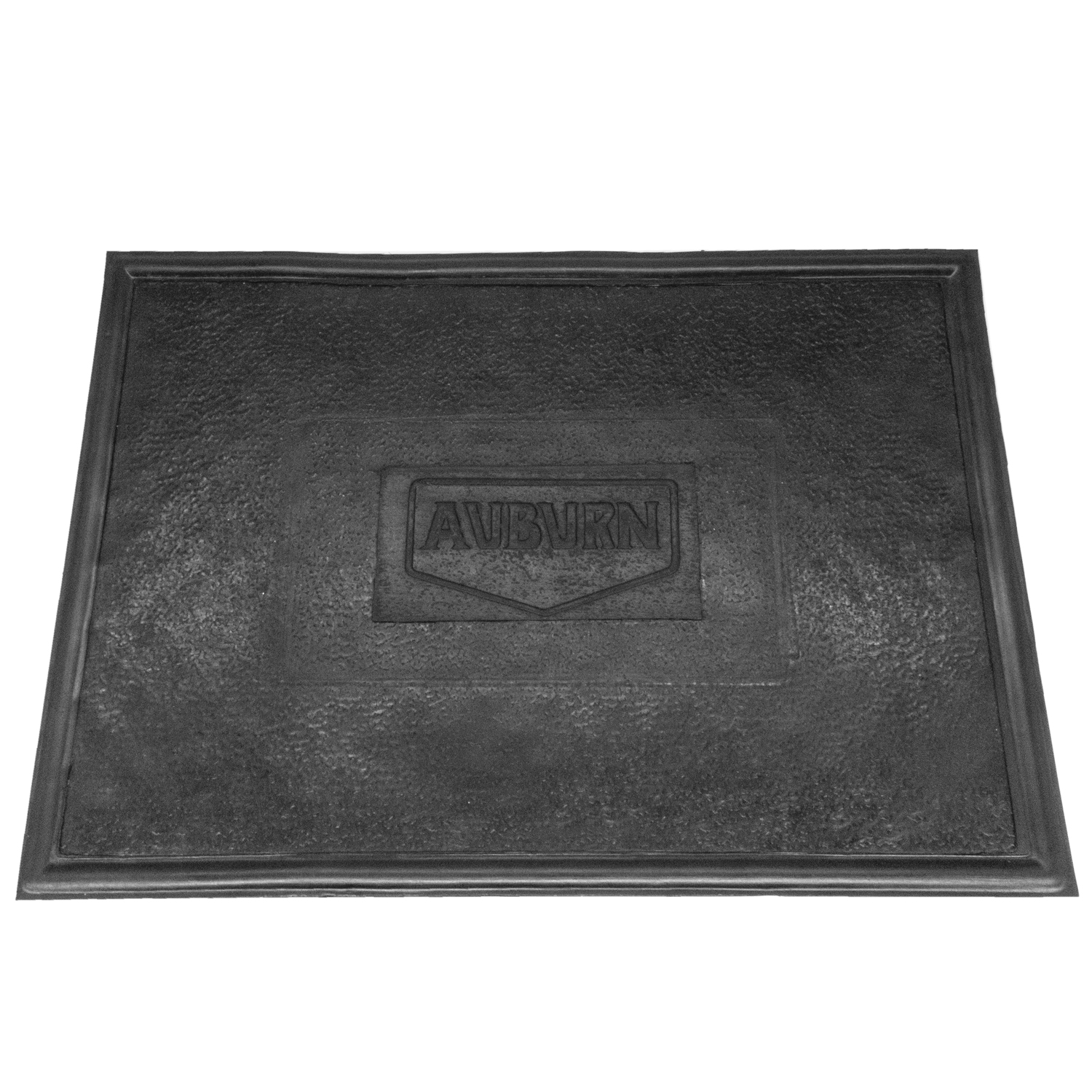 1932 Auburn Model 8-100 Accessory Floor Mat - 12"X17"-AC 14Accessory Floor Mat - made of high quality black rubber with molded original emblem. Also designed to be sewn into new carpets. 12"X17", Each
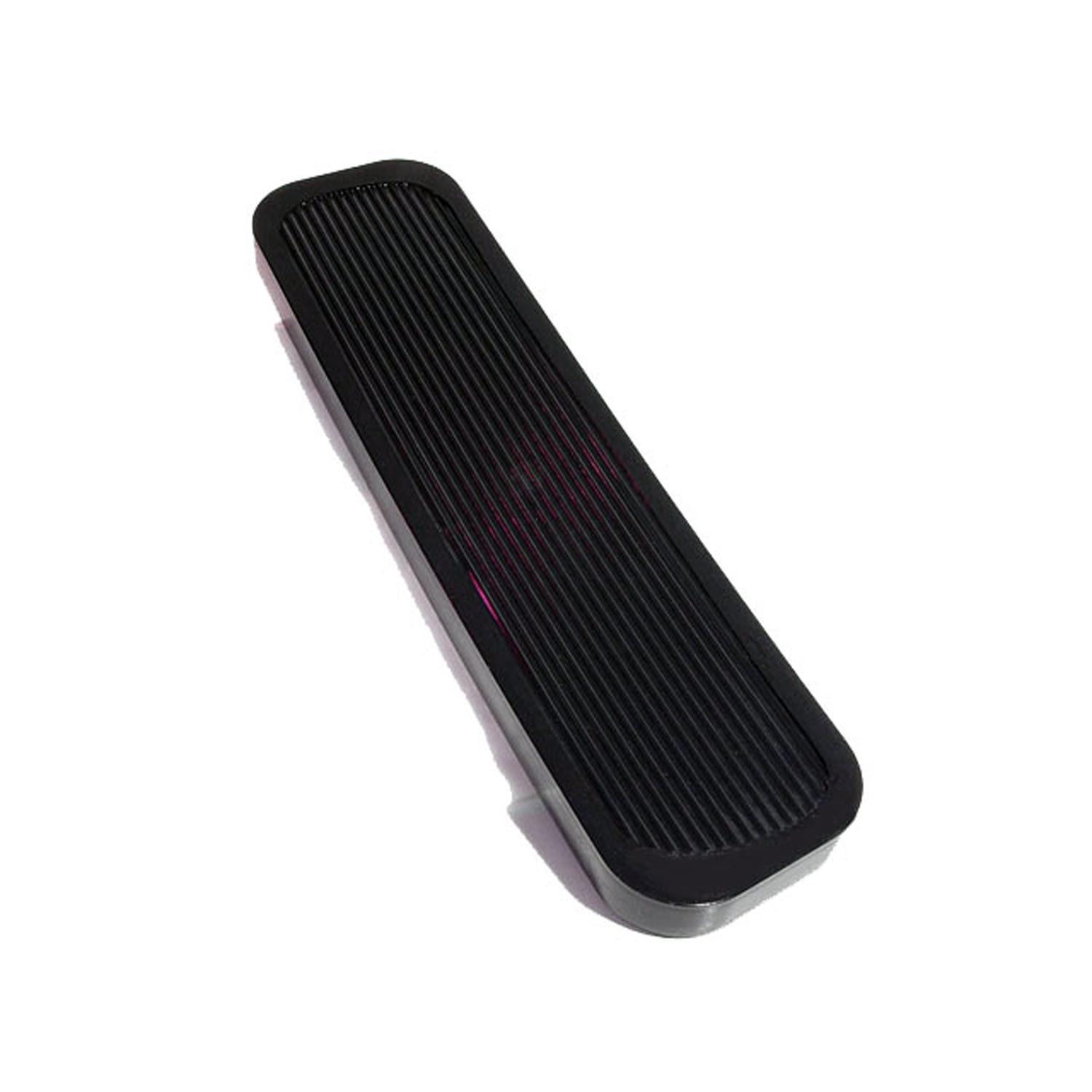 1932 Auburn Model 8-100 Accelerator Pedal Pad, 2-3/8" X 9-1/4", Each-AP 24Accelerator Pedal Pad, 2-3/8" X 9-1/4", Each
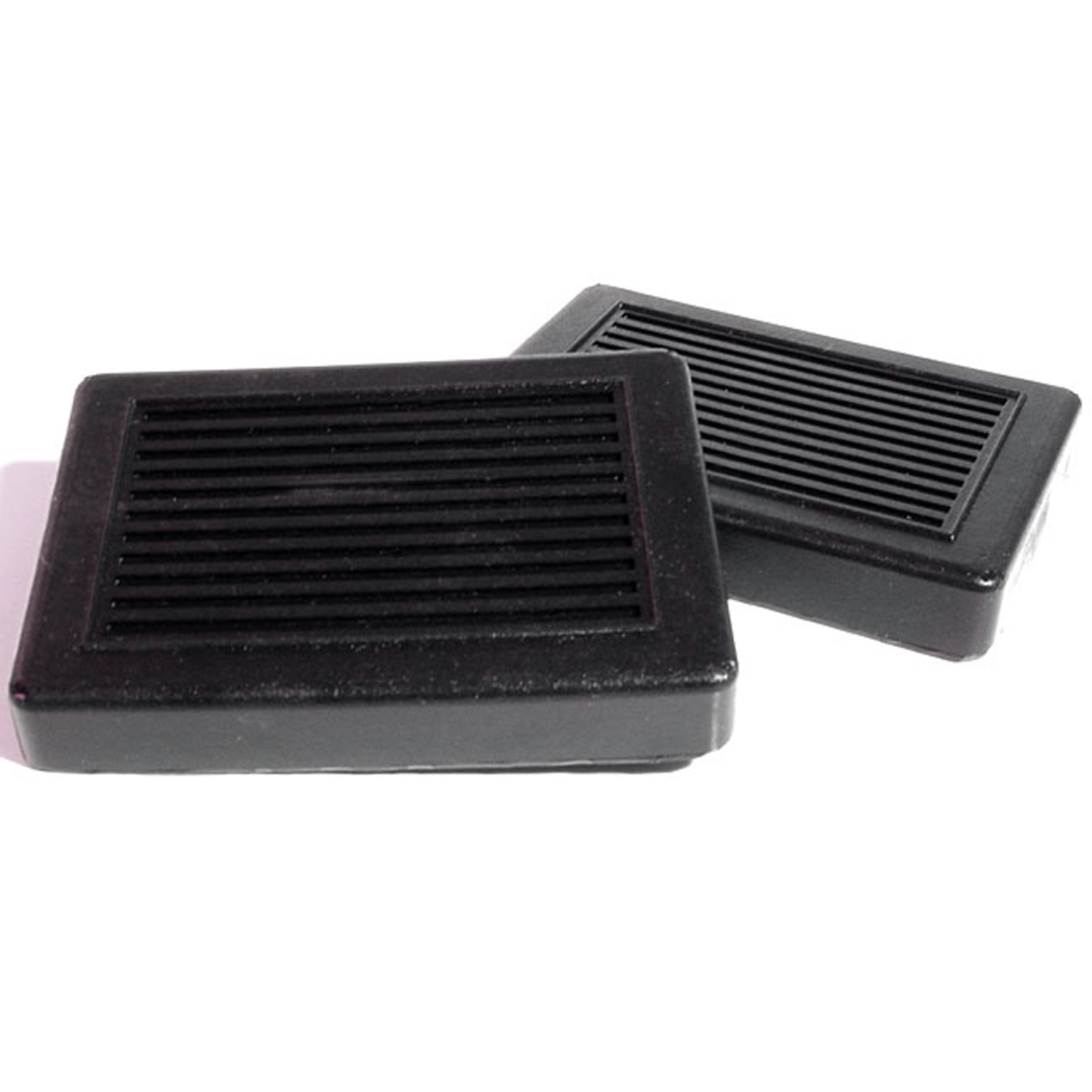 1932 Auburn Model 8-100 Clutch and Brake Pedal Pads. 3" wide X 3-7/8" long. Pair-CB 21Clutch and Brake Pedal Pads. 3" wide X 3-7/8" long. Pair
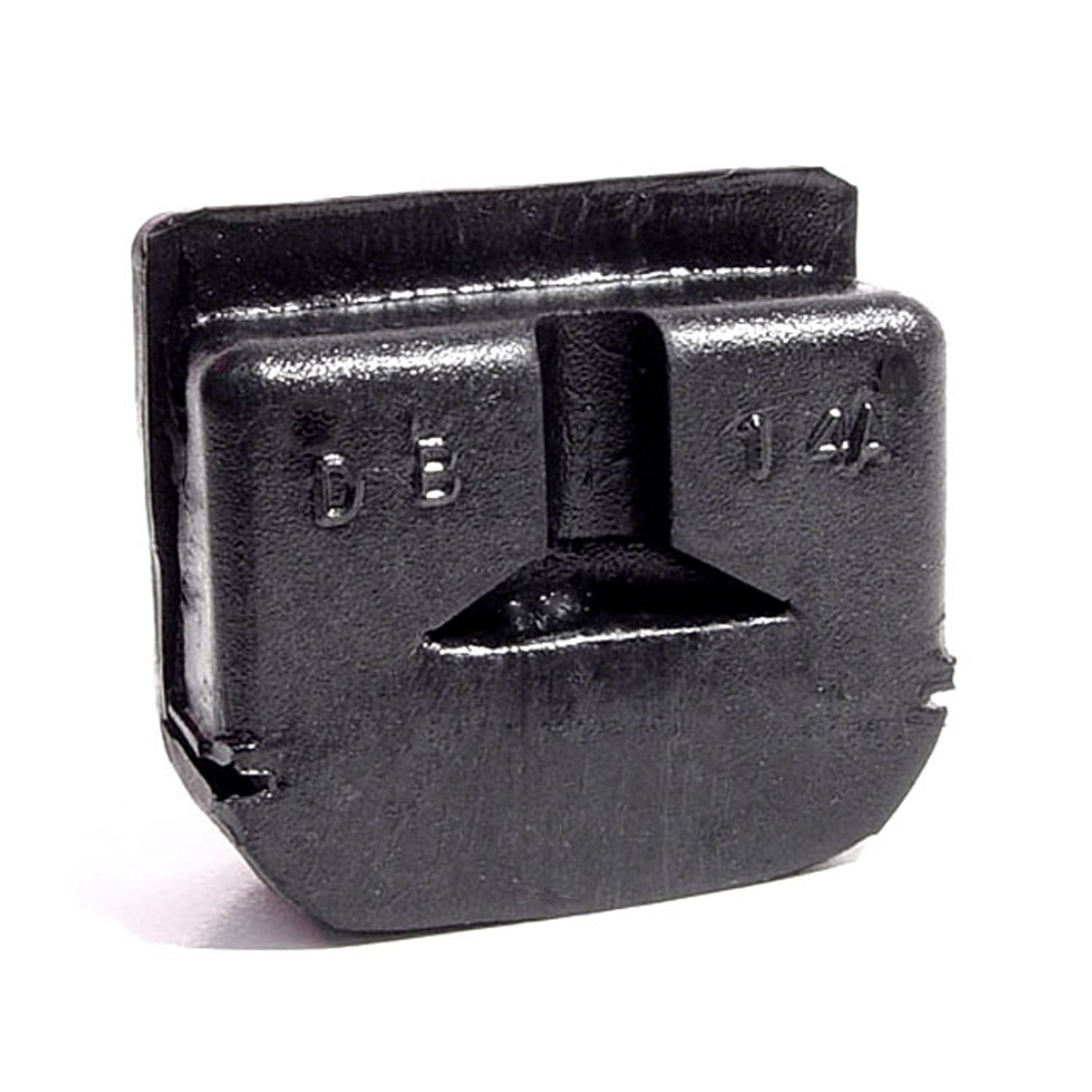 1932 Auburn Model 8-100 Door Bumper. Exact reproduction-DB 14-ADoor Bumper. Exact reproduction. 1-3/16" high X 1-9/16" wide X 9/16" thick. Each
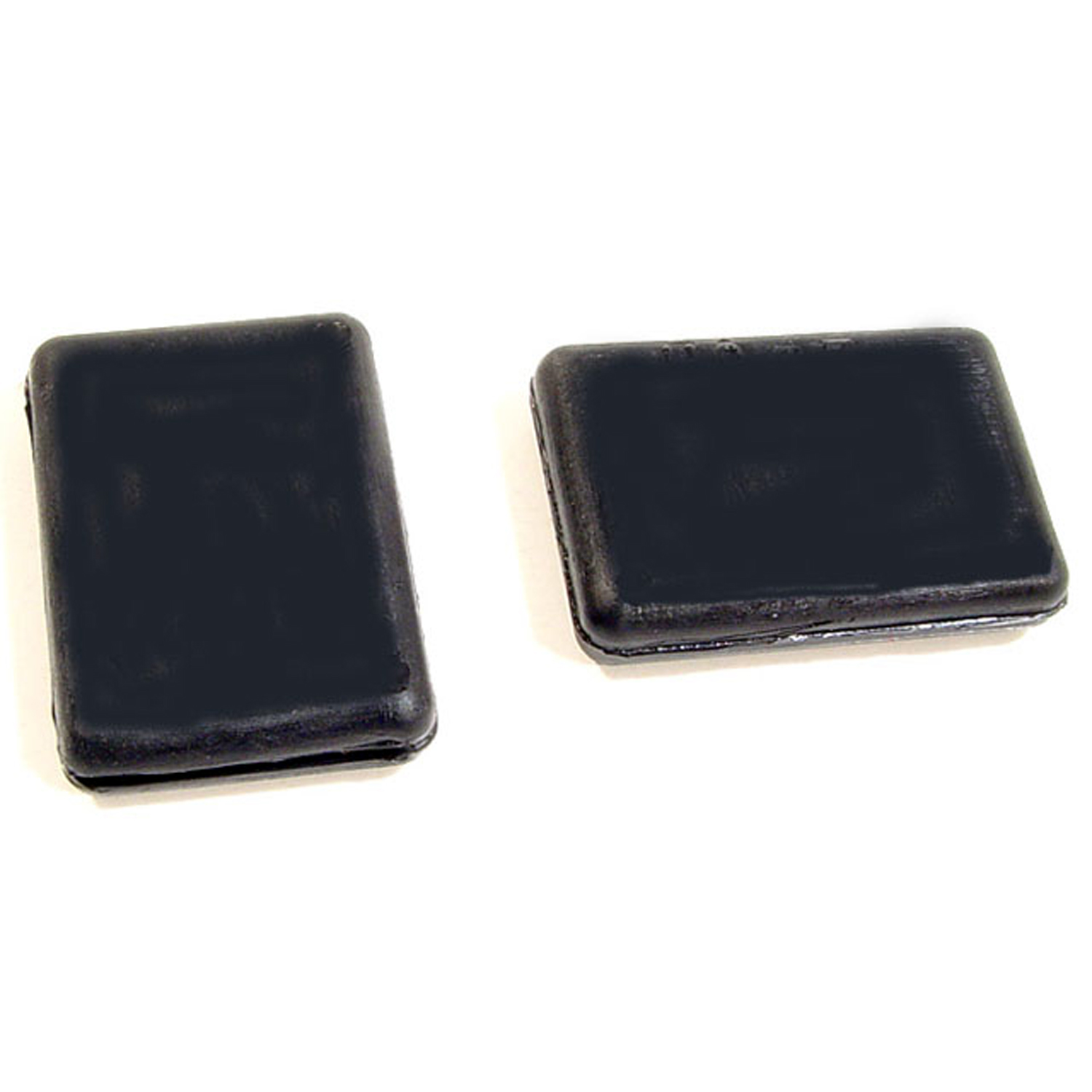 1932 Auburn Model 8-100 Hood Corners. Made of all rubber. No cut-away on back side-HC 27Hood Corners. Made of all rubber. No cut-away on back side. 7/8" X 1-1/4". Pair
 1932 Auburn Model 8-100 Side Window Seal. Sold by the foot-LP 95-FSide Window Seal. Sold by the foot
 1932 Auburn Model 8-100 Windshield Base Pad for the Speedster. Made in three pieces-MP 100-BWindshield Base Pad for the Speedster. Made in three pieces. 14-3/4" long projection, 2'3" long overall. Each
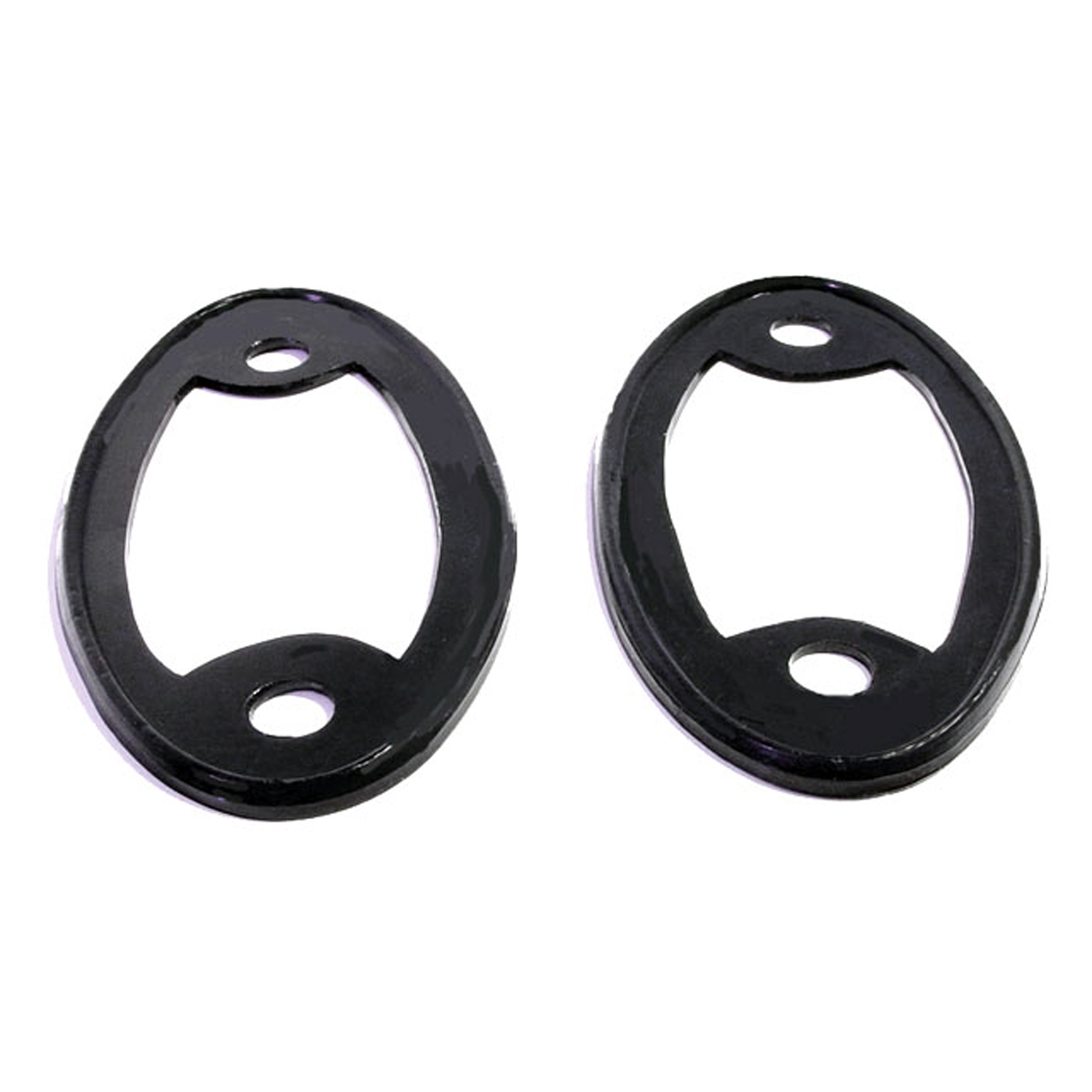 1932 Auburn Model 8-100 Headlight Pads. 2-5/8" wide X 5-1/4" long. Pair-MP 102Headlight Pads. 2-5/8" wide X 5-1/4" long. Pair
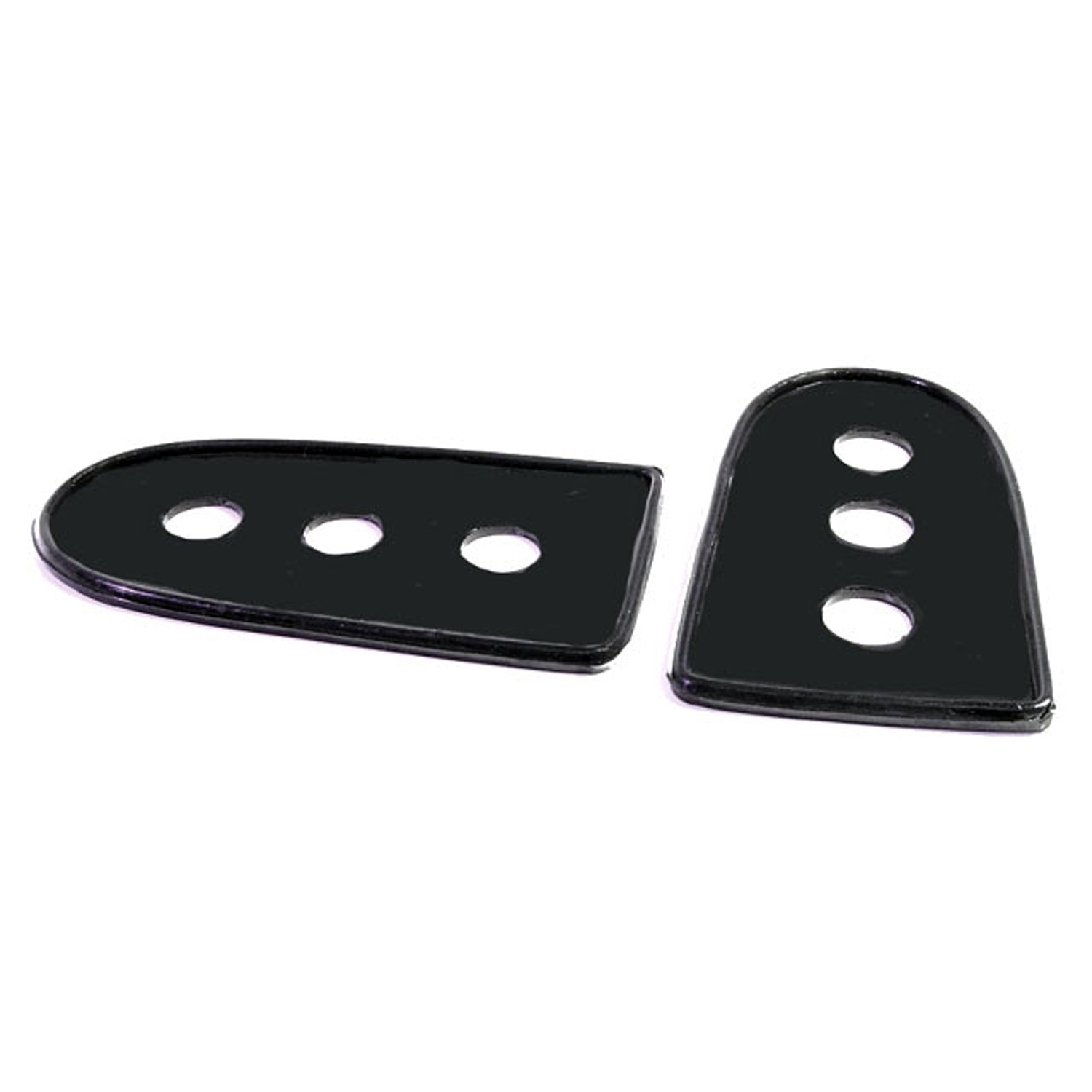 1932 Auburn Model 8-100 Tail-light Pads. 2-1/4" wide X 4" long. Pair-MP 103Tail-light Pads. 2-1/4" wide X 4" long. Pair
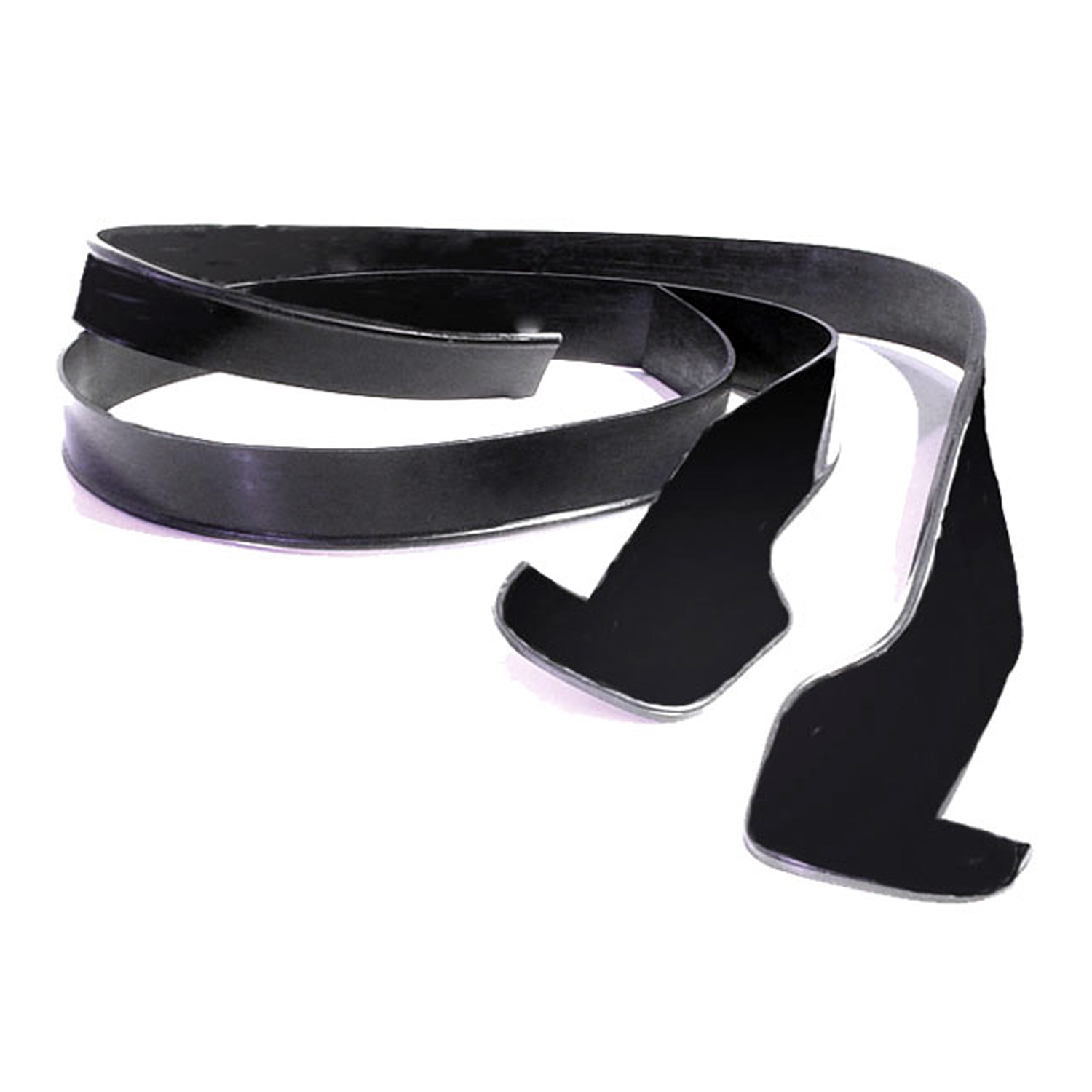 1932 Auburn Model 8-100 Windshield Base Pad. Made in two pieces-MP 106Windshield Base Pad. Made in two pieces. 1-7/8" wide at end X 3' 9-1/2" long. Each
Why Choose Metro?
For over 100 years, Metro Moulded Parts has been the pinnacle of quality in classic car restoration parts. Our commitment to precision and authenticity in every component ensures a perfect fit and an OEM-level appearance.
- Expert Craftsmanship & Quality: Each part is a testament to our dedication to reliability and perfection, crafted from original designs and thoroughly tested.
- Advanced Technology: We use cutting-edge techniques to create flawless, long-lasting parts that surpass others in performance.
- SuperSoft Sponge – The Ultimate Door Seal: Not only are our door seals 30% softer than competitors', but they're also guaranteed to never leak. They effectively reduce wind and road noise, enhancing your classic car's comfort and driving experience.
- Proudly American: Our parts are a product of American craftsmanship, made in the USA with a spirit of excellence and heritage.
- Unrivaled Warranty: We back our products with a 30-year industry-leading warranty, a testament to our confidence in their quality.
Join us in preserving the legacy of classic cars with parts that are crafted for perfection, not just made.