

Image of 1933 Auburn Model 12-161, Note: These illustrations use artistic license and may differ from actual historical models.
Performance Metrics
Fundamental Metrics
Emotional Appeal
MMP Rating
| Engine Specifications | |
|---|---|
| Engine: | Lycoming V12 |
| Displacement: | 391 cubic inches (6.4 liters) |
| Horsepower: | Estimated 160 HP |
| Torque: | Not available |
| Compression Ratio: | Not available |
| Ignition System: | Battery and coil |
| Cooling System: | Liquid-cooled |
| Performance Specifications | |
| 0-60 Time: | Not available |
| 1/4 Mile Time: | Not available |
| Top Speed: | 100 mph |
| Transmission and Drive | |
| Drive Type: | Rear-wheel drive |
| Transmission Type: | 3-speed manual |
| Fuel and Efficiency | |
| Fuel System Type: | Carburetor |
| MPG: | Not available |
| Dimensions and Brakes | |
| Brakes: | 4-wheel hydraulic drum brakes |
| Wheelbase: | 133 inches |
| Weight: | 4,500 lbs |
Note: Specifications for classic cars are given to the best of our ability, considering the limited and variant data available.
1933 Auburn Model 12-161: A V12 for the Open Road
The 1933 Auburn Model 12-161 paired the drama of a long, low luxury car with the unusual refinement of a V12 engine, creating one of the most striking American automobiles of the Depression era. Built by the Auburn Automobile Company in Auburn, Indiana, it belonged to the Cord Corporation, the automotive group led by entrepreneur E. L. Cord. Auburn aimed to offer impressive engineering and custom-car style at prices below those of many established luxury marques.
The Model 12-161 arrived at a difficult moment for the American auto industry. The Great Depression had sharply reduced demand for expensive cars, yet Auburn continued to court buyers with powerful engines, distinctive styling, and an ambitious range of bodywork. One detail that still catches enthusiasts’ attention is the car’s name: “12” identified its cylinder count, while “161” referred to its horsepower rating, a formidable figure for a production car of the period.
Art Deco Lines and V12 Presence
The 12-161’s exterior makes a strong impression before the engine is even started. Its tall, carefully shaped grille, sweeping front fenders, long hood, and flowing body sides give it a purposeful profile. On open models, the low windshield and exposed side-mounted spare tires add to the sense of occasion. Auburn’s styling balanced decoration with movement: even at a standstill, the car looks ready to cover ground.
The Salon Speedster is the most iconic version for many collectors. Its rakish proportions and dramatic open-air character make it a natural showpiece, though the 12-161 was not limited to sporting bodywork. Auburn offered the model in several body styles, including sedan and limousine forms, with availability varying by model year and catalogue. Closed bodies provided a more formal, sheltered experience, while open versions put the car’s sweeping lines and V12 soundtrack on display.
Cabins were trimmed to suit the car’s luxury positioning, with leather upholstery in many open or higher-specification examples and carefully finished trim around the dashboard. The instrument panel put essential gauges in the driver’s view, while broad seating and generous cabin space made the Auburn better suited to touring than its sporting appearance might suggest. Exact materials and equipment can differ between body styles and individual cars, particularly after decades of restoration.
Factory paint and trim combinations varied, and two-tone treatments could emphasize the Auburn’s long body and sculpted fenders. Deep, formal shades such as dark red, blue, or black are often associated with cars of this class, but the precise palette depended on the body and year. Restored examples may also wear colors chosen by later owners, so original paint documentation is valuable to collectors.
Engineering Ahead of the Curve
At the heart of the Model 12-161 was a Lycoming V12 of approximately 391 cubic inches, rated at 160 horsepower. Lycoming was part of Cord’s automotive interests, and its engines helped give Auburn a technical identity distinct from more ordinary mass-market cars. The V12’s multiple cylinders promised unusually smooth power delivery, while a three-speed manual transmission put control in the driver’s hands.
Depending on equipment and specification, Auburn’s available features could include a Columbia two-speed rear axle. This auxiliary gearing gave the driver a higher cruising ratio without requiring a different main transmission, a useful innovation for long-distance travel. Equipment varied, so buyers examining a particular 12-161 should verify the axle and other options rather than assume every car has them.
The combination of a relatively accessible luxury-car price, high horsepower, and eye-catching styling set Auburn apart from many contemporaries. It brought some of the visual theater and performance associated with much more expensive cars to a broader, though still affluent, market. Its design also helped establish the Auburn Speedster as a lasting symbol of American automotive glamour.
How the Auburn Drives
Period performance claims and surviving-car reports suggest a top speed in the neighborhood of 100 mph under favorable conditions. A modern estimate for 0 to 60 mph is roughly 14 to 18 seconds, depending on body style, gearing, vehicle condition, and how the car is driven. These figures should be treated as broad estimates rather than laboratory-tested specifications. A nearly century-old car’s tune, tires, and mechanical health make a major difference.
The V12’s character is more about smooth, steady thrust than a sharp burst of acceleration. At speed, the engine’s note is a deep, even mechanical hum, with the transmission and exhaust adding a distinctly vintage soundtrack. The steering and controls require more effort and attention than those of a modern car, and the driver must plan braking and gear changes well in advance.
On a straight, open road, the Auburn feels composed and substantial. Its long wheelbase helps soften ordinary road imperfections, though worn suspension components or modern expectations can make rough pavement less comfortable than the car’s luxurious reputation suggests. On winding roads, the driver feels the car’s size and period steering geometry. It rewards smooth inputs rather than quick direction changes, and its age makes conservative speeds the sensible choice.
Living With a 1933 Auburn
Today, a 12-161 is primarily a collector car, show car, and occasional touring machine, not a practical daily driver. Well-maintained examples can participate in vintage-car events and carefully planned drives, but regular use requires attention to cooling, lubrication, brakes, tires, and the condition of the electrical system. Long storage periods can be just as hard on an old car as frequent use.
Maintenance is manageable for a specialist familiar with prewar American cars, but it is not an easy project for every home mechanic. The V12 has more components than a contemporary straight-six or straight-eight, and parts availability can be challenging. Some service work can be handled by a capable owner with the right manuals and tools, but engine, transmission, and restoration work often calls for a marque expert.
Originality matters. Before buying, a prospective owner should check the engine and chassis numbers, inspect the frame and body for corrosion or poor repairs, and confirm that major components match the car’s claimed specification. A thorough pre-purchase inspection is particularly important because the cost of correcting hidden mechanical or restoration problems can be substantial.
Rare-Car Trivia and Common Complaints
The Auburn 12-161’s V12 was an unusual choice in a market where many luxury manufacturers relied on eight-cylinder engines. That cylinder count, combined with the model’s bold styling, gives the car a distinctive place among American classics. Its connection to the Cord Corporation also places it in the same ambitious automotive orbit as the Auburn Speedster and the technically adventurous Cord automobiles.
There is no widely recognized production record or single famous historical event that defines the 12-161. Its reputation rests instead on its engineering, styling, and rarity. Precise production totals are difficult to establish, and surviving counts differ by body style and source. A reasonable estimate is that only a few hundred Model 12-161 cars were built, with the rarest configurations representing a small fraction of that number.
Common criticisms are practical rather than aesthetic. The car is large, thirsty by modern standards, mechanically complex compared with simpler period models, and dependent on specialist parts and knowledge. Its performance also needs to be understood in context: a claimed 100-mph capability does not make a 1933 Auburn behave like a modern high-speed car. Responsible owners treat its brakes, tires, and chassis as vintage equipment, not as if they were built to current standards.
Collector Values and Market Outlook
Value depends heavily on body style, originality, restoration quality, provenance, and mechanical condition. As a broad current-market guide, a project or incomplete example might fall around $50,000 to $100,000, while a sound driver or well-presented sedan could bring approximately $100,000 to $250,000. A highly restored, especially desirable open model such as a Salon Speedster may reach roughly $250,000 to $600,000 or more. Exceptional cars with strong provenance can exceed that range, while condition issues can pull a car well below it.
These are estimates, not fixed prices. Auctions for rare prewar cars can vary considerably from one sale to the next, and the Auburn market is thin enough that a single exceptional result may not represent the value of every example. Over the long term, the 12-161’s rarity and distinctive V12 identity support collector interest. The market can still fluctuate, and restoration costs do not always translate directly into resale value. Buyers generally favor documented, correctly restored cars over expensive restorations with uncertain histories.
Why the 12-161 Still Matters
The 1933 Auburn Model 12-161 brought together a smooth 160-horsepower V12, confident Art Deco styling, and a choice of bodies ranging from formal sedans to the unmistakable Speedster. It was created during a severe economic downturn, yet it embodied Auburn’s determination to make luxury motoring feel exciting and attainable relative to the most expensive cars of its day.
Nearly a century later, the Model 12-161 remains memorable not simply because it is rare, but because it made a bold statement about what an American automobile could be. Its long hood, V12 heartbeat, and unmistakable presence turn every carefully chosen drive into a reminder of Auburn’s brief, brilliant ambition.
1933 Auburn Model 12-161 Catalog of Parts
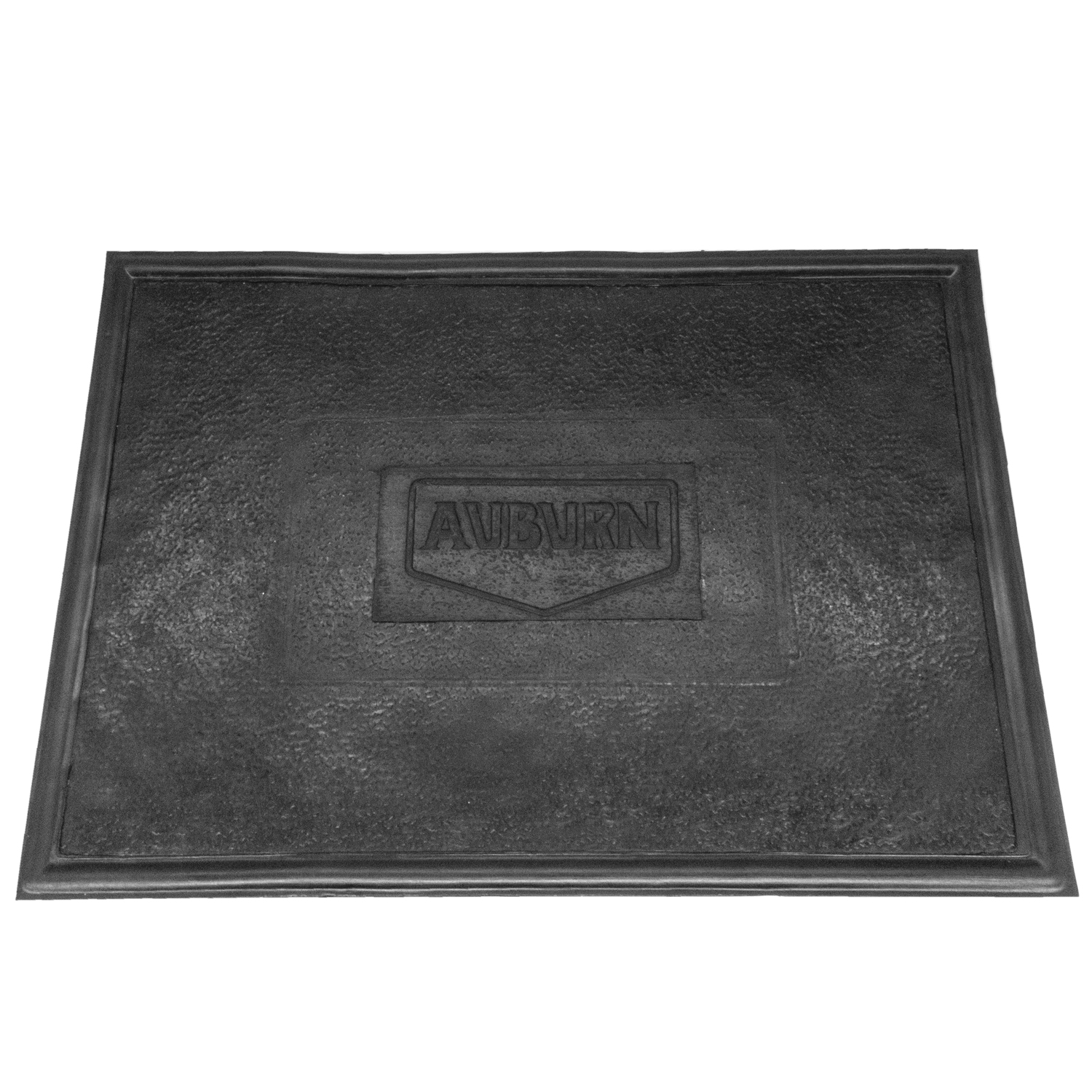 1933 Auburn Model 12-161 Accessory Floor Mat - 12"X17"-AC 14Accessory Floor Mat - made of high quality black rubber with molded original emblem. Also designed to be sewn into new carpets. 12"X17", Each
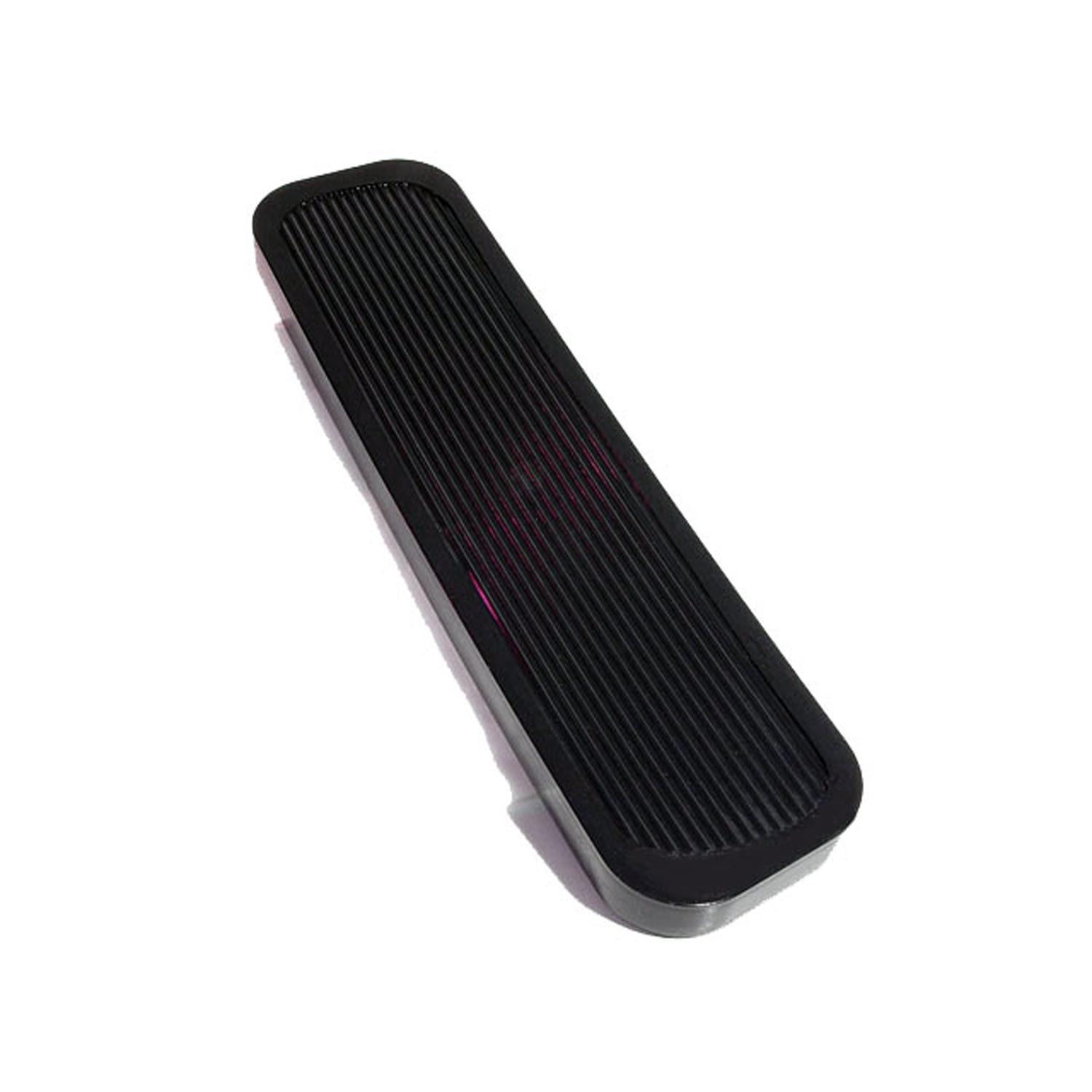 1933 Auburn Model 12-161 Accelerator Pedal Pad, 2-3/8" X 9-1/4", Each-AP 24Accelerator Pedal Pad, 2-3/8" X 9-1/4", Each
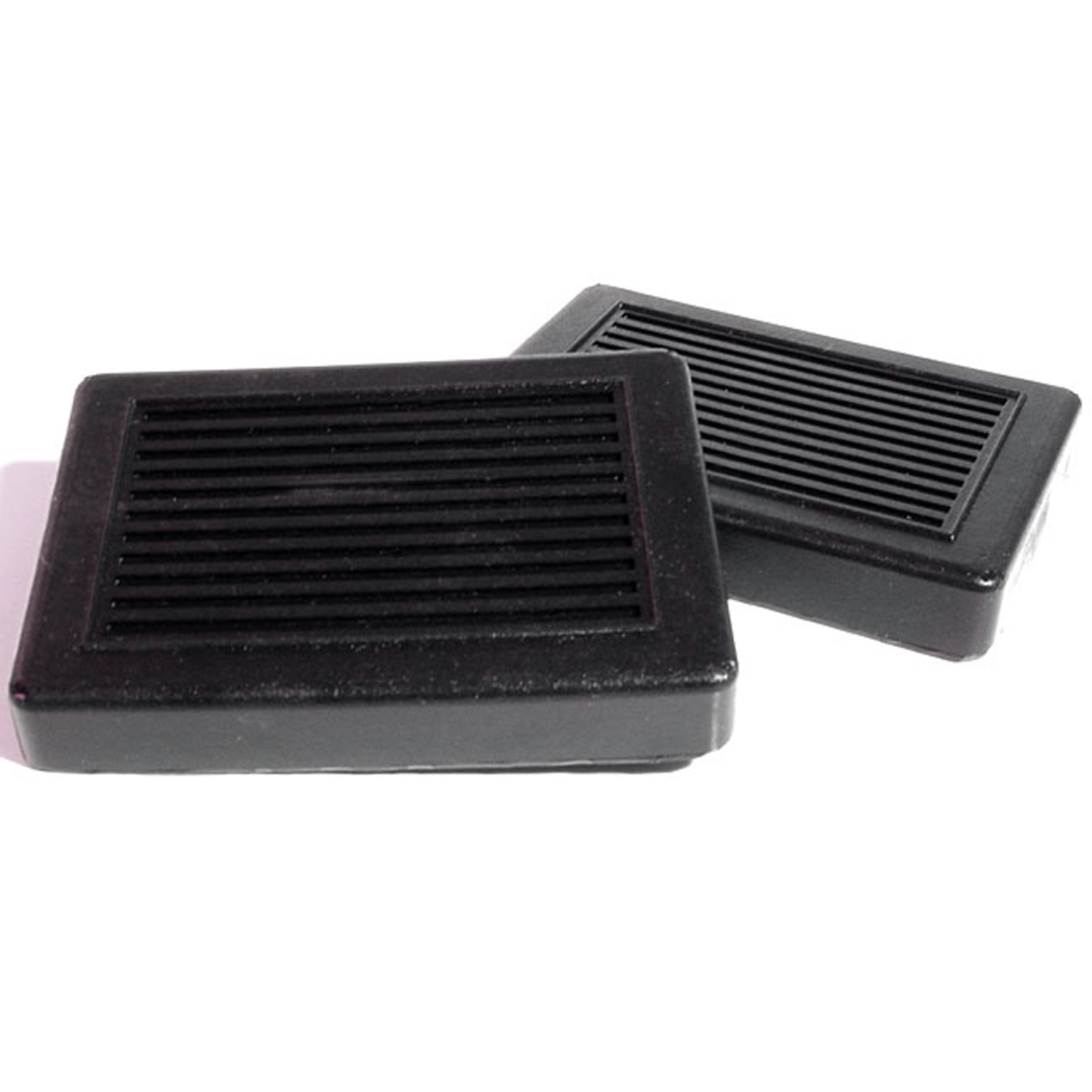 1933 Auburn Model 12-161 Clutch and Brake Pedal Pads. 3" wide X 3-7/8" long. Pair-CB 21Clutch and Brake Pedal Pads. 3" wide X 3-7/8" long. Pair
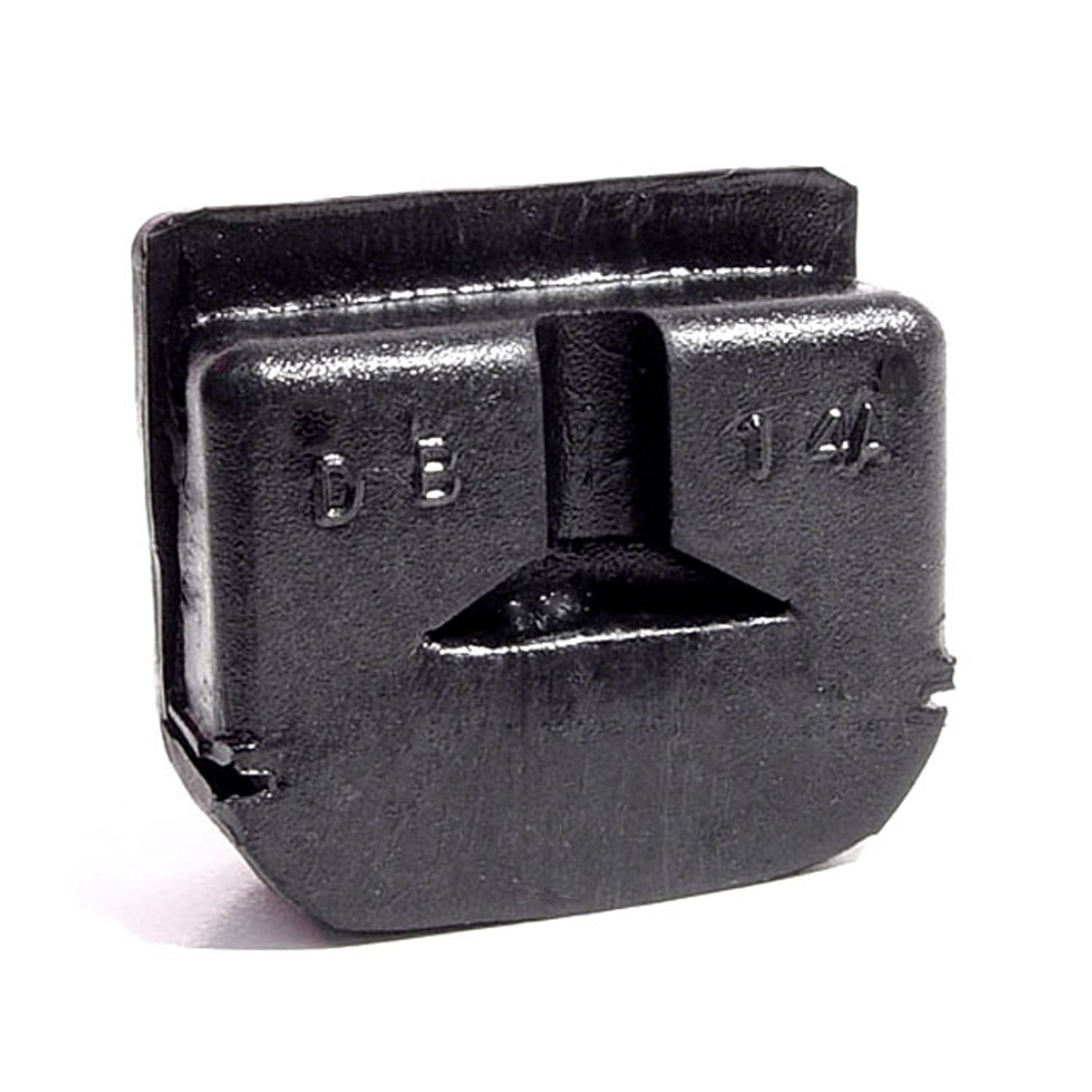 1933 Auburn Model 12-161 Door Bumper. Exact reproduction-DB 14-ADoor Bumper. Exact reproduction. 1-3/16" high X 1-9/16" wide X 9/16" thick. Each
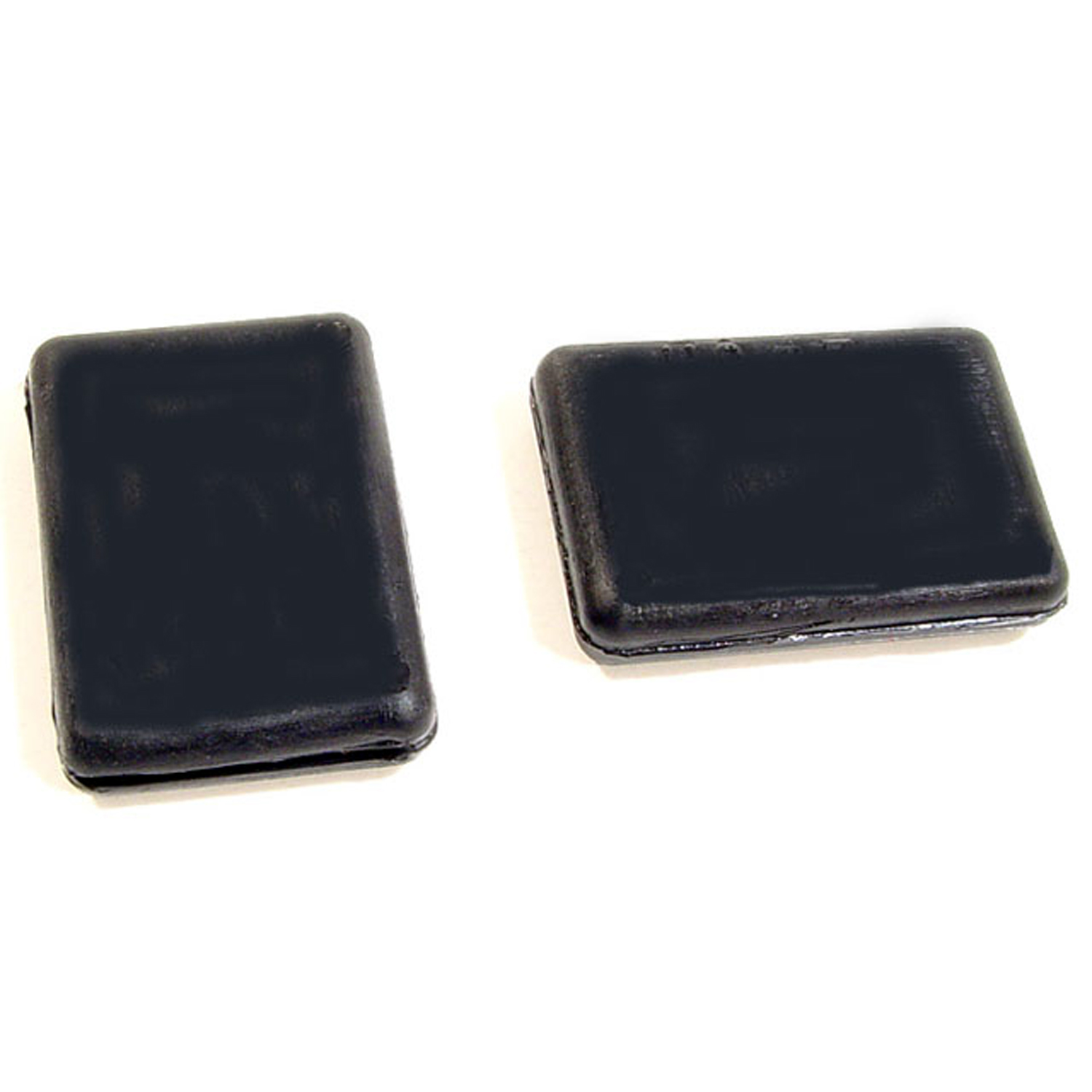 1933 Auburn Model 12-161 Hood Corners. Made of all rubber. No cut-away on back side-HC 27Hood Corners. Made of all rubber. No cut-away on back side. 7/8" X 1-1/4". Pair
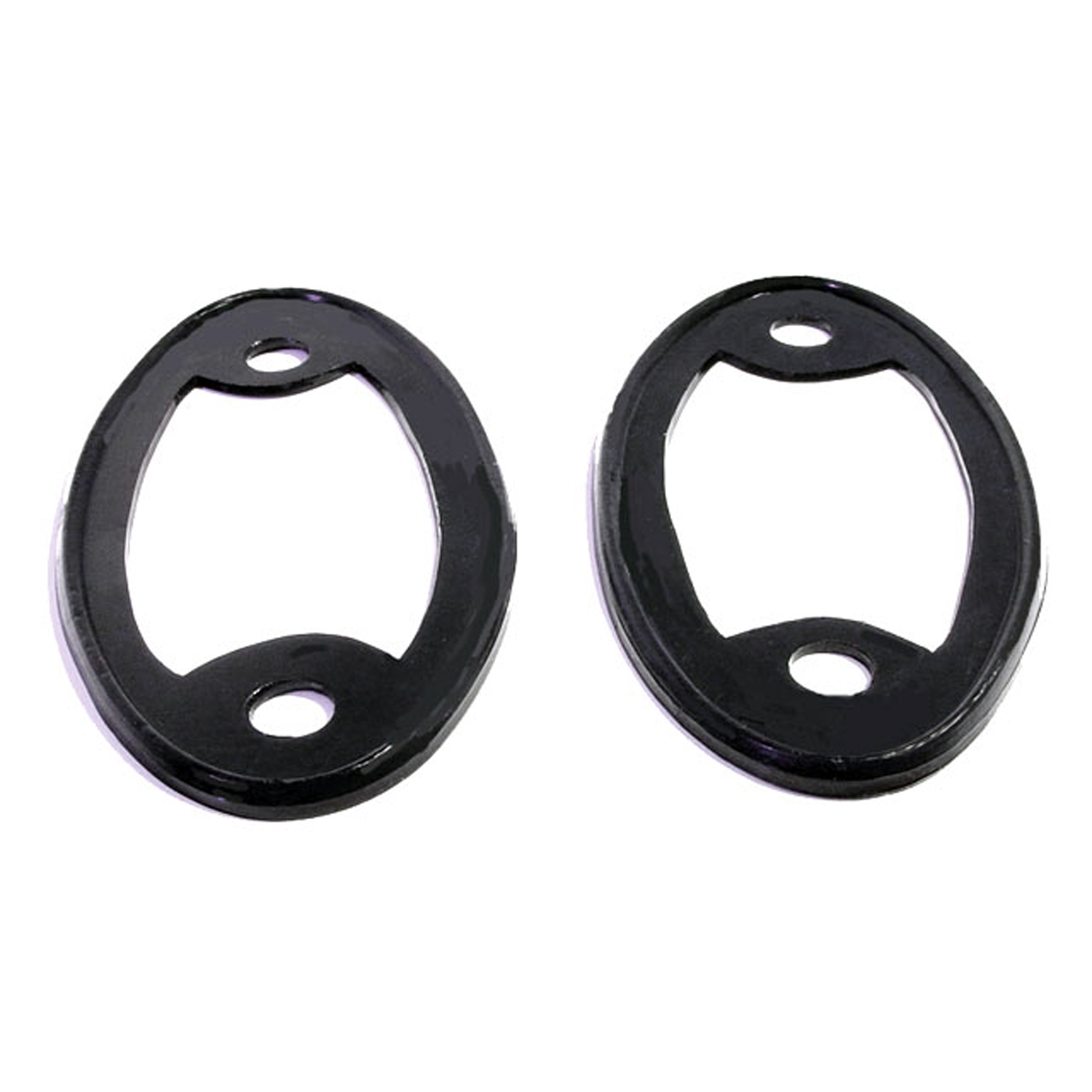 1933 Auburn Model 12-161 Headlight Pads. 2-5/8" wide X 5-1/4" long. Pair-MP 102Headlight Pads. 2-5/8" wide X 5-1/4" long. Pair
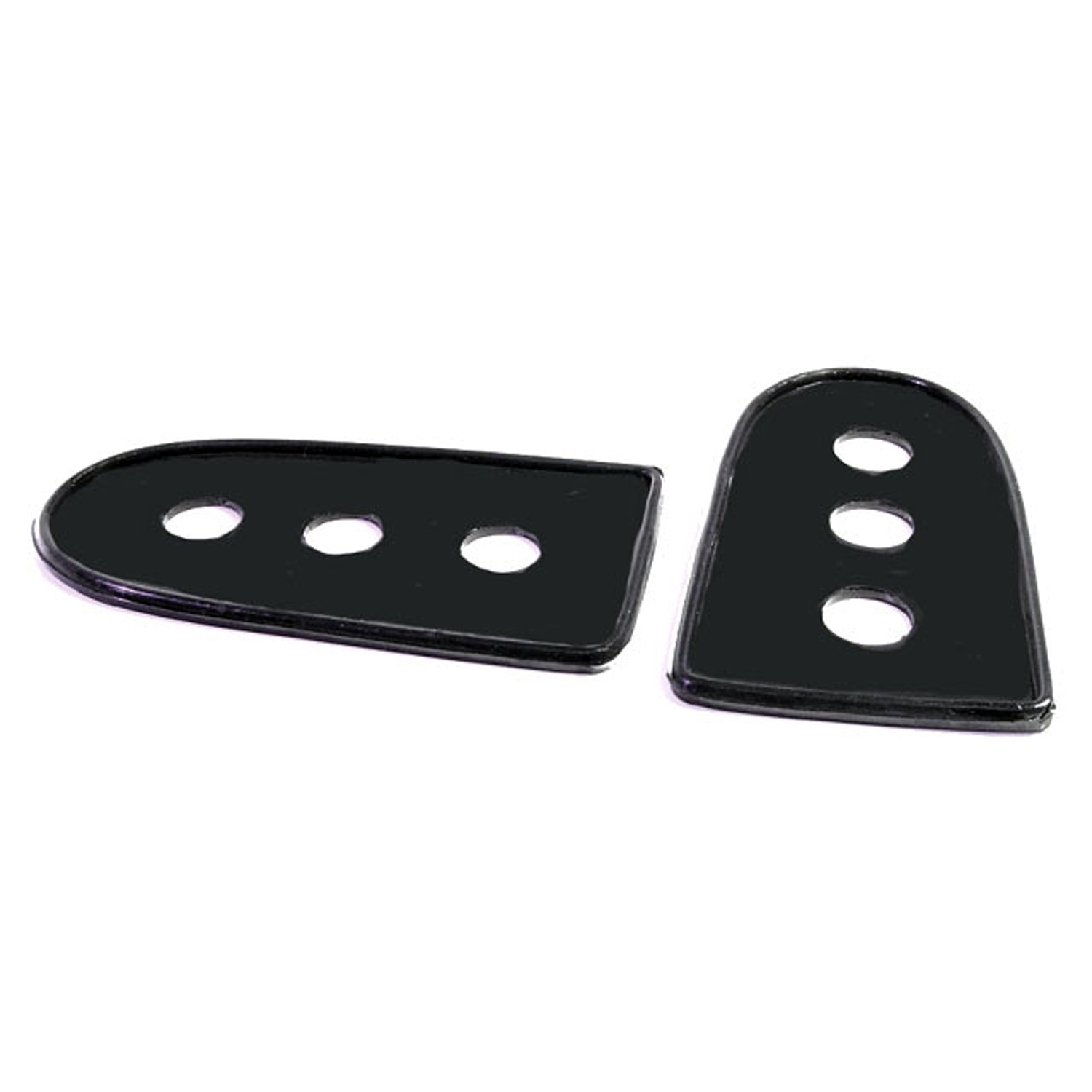 1933 Auburn Model 12-161 Tail-light Pads. 2-1/4" wide X 4" long. Pair-MP 103Tail-light Pads. 2-1/4" wide X 4" long. Pair
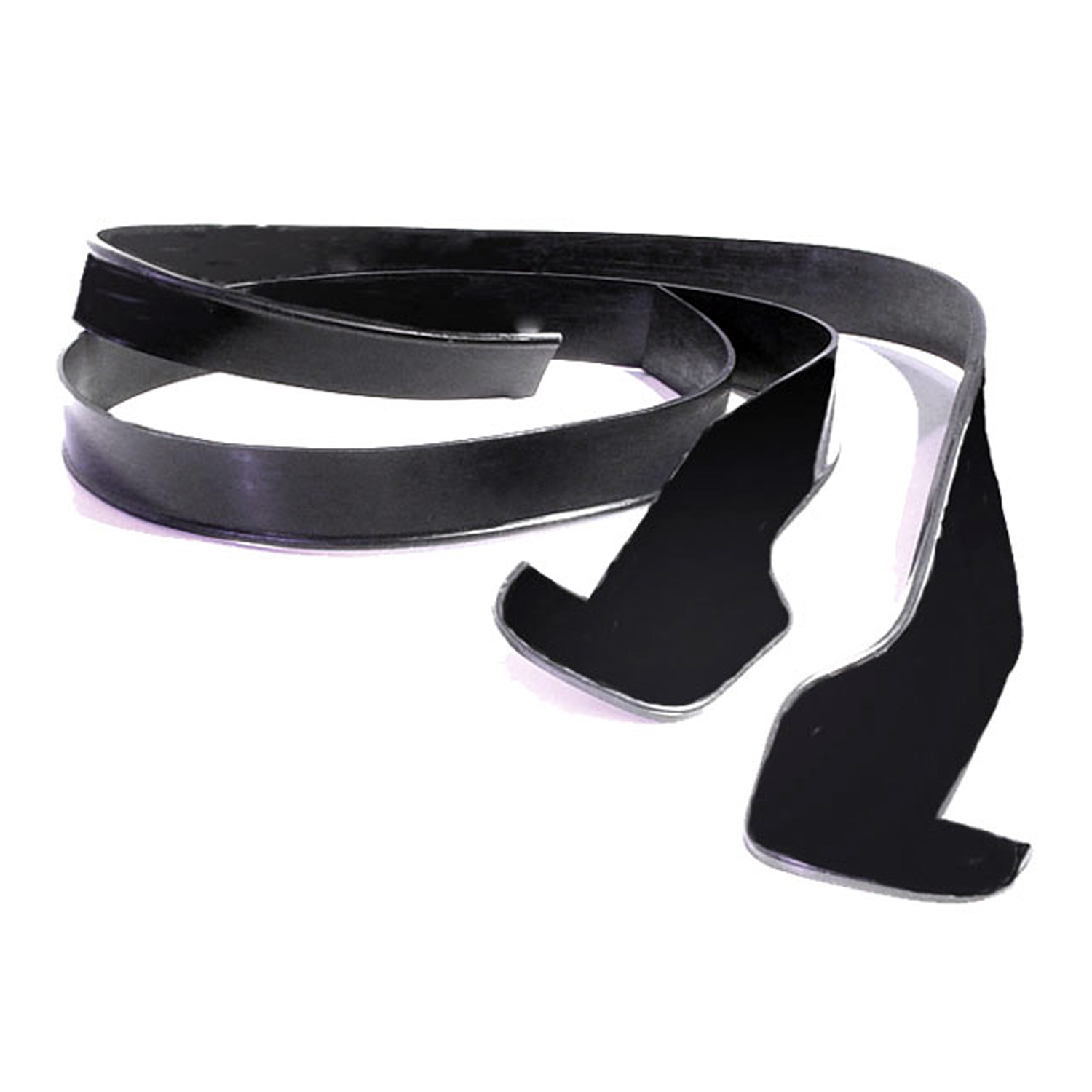 1933 Auburn Model 12-161 Windshield Base Pad. Made in two pieces-MP 106Windshield Base Pad. Made in two pieces. 1-7/8" wide at end X 3' 9-1/2" long. Each
Why Choose Metro?
For over 100 years, Metro Moulded Parts has been the pinnacle of quality in classic car restoration parts. Our commitment to precision and authenticity in every component ensures a perfect fit and an OEM-level appearance.
- Expert Craftsmanship & Quality: Each part is a testament to our dedication to reliability and perfection, crafted from original designs and thoroughly tested.
- Advanced Technology: We use cutting-edge techniques to create flawless, long-lasting parts that surpass others in performance.
- SuperSoft Sponge – The Ultimate Door Seal: Not only are our door seals 30% softer than competitors', but they're also guaranteed to never leak. They effectively reduce wind and road noise, enhancing your classic car's comfort and driving experience.
- Proudly American: Our parts are a product of American craftsmanship, made in the USA with a spirit of excellence and heritage.
- Unrivaled Warranty: We back our products with a 30-year industry-leading warranty, a testament to our confidence in their quality.
Join us in preserving the legacy of classic cars with parts that are crafted for perfection, not just made.