

Image of 1934 Auburn Model 850x, Note: These illustrations use artistic license and may differ from actual historical models.
Performance Metrics
Fundamental Metrics
Emotional Appeal
MMP Rating
| Engine Specifications | |
|---|---|
| Engine Options: | Straight-8 |
| Displacement Range: | 4.6L |
| Horsepower Range: | Estimated 115-150 HP |
| Torque: | Not available |
| Compression Ratio: | Not available |
| Ignition System: | Distributor and coil |
| Cooling System: | Water-cooled |
| Performance Specifications | |
| 0-60 Time: | Not available |
| 1/4 Mile Time: | Not available |
| Top Speed: | 100 mph |
| Transmission and Drive | |
| Drive Type: | Rear-wheel drive |
| Transmission Type: | 3-speed manual |
| Fuel and Efficiency | |
| Fuel System Type: | Carburetor |
| MPG: | Not available |
| Dimensions and Brakes | |
| Brakes: | Drum brakes |
| Wheelbase: | 127 inches |
| Weight: | Estimated 3500 lbs |
Note: Specifications for classic cars are given to the best of our ability, considering the limited and variant data available.
1934 Auburn Model 850X: A Stylish Eight-Cylinder Classic
The 1934 Auburn Model 850X brought long-hood glamour and straight-eight power to a company fighting for survival. Built by the Auburn Automobile Company of Auburn, Indiana, it belonged to the marque’s less costly eight-cylinder range, offering much of the period’s show-car style without the price or mechanical complexity of Auburn’s famous supercharged models.
Auburn’s fortunes were already under pressure from the Great Depression, and the company would stop building cars in 1937. That makes the 850X more than an attractive prewar automobile: it represents one of the final chapters in a short-lived independent manufacturer’s effort to compete with much larger automakers. One intriguing point for buyers and researchers is that “850X” is not always used consistently in surviving records and modern listings. Original model plates, body styles, and period documentation are important when confirming the identity and specification of an individual car.
Auburn Style from Hood to Tail
The 850X wears the confident proportions that made Auburns instantly recognizable. Its long hood, upright chrome grille, sweeping fenders, and neatly tapered rear give the car a sense of motion even at a standstill. Headlamps sit prominently beside the grille, while bright trim and wire wheels provide the period’s preferred mix of elegance and mechanical display. Depending on body style, the rear could be formal and enclosed or more open and sporting.
Auburn’s styling was a major part of its appeal. The company understood that a car needed to look expensive, not merely move its passengers. The 850X’s flowing lines and carefully balanced proportions gave it presence beside contemporary offerings from Packard, Buick, and Chrysler, while its pricing aimed at a broader audience than the most exclusive luxury cars.
Inside, owners could expect a broad bench seat, a wood-finished or wood-grain instrument panel, an array of clearly arranged gauges, and substantial upholstery. Materials and trim varied with body style and equipment, so the condition and originality of an individual interior matter more than any single universal specification. A well-preserved cabin feels formal and airy, with the large steering wheel and upright seating position typical of the era.
Factory color and trim combinations varied by body and year, and surviving cars may have been repainted more than once. Dark blues, greens, maroons, and black were natural choices for a car with Auburn’s elegant character, while brighter two-tone treatments suited its sportier bodies. Buyers assessing originality should consult period paint references and the car’s documentation rather than assume a modern color is factory-correct.
Body Styles and Equipment
Auburn offered its cars in a range of closed and open forms across the model line, including sedans, coupes, and convertible or touring-style bodies. The exact catalog choices associated with an 850X can be difficult to establish because model names and body designations are not always applied consistently in later records. The car’s body tag and chassis number are the best starting points for identifying what it left the factory as.
The speedster is the most iconic Auburn shape, with its dramatic rear deck and unmistakably sporting profile. However, buyers should not automatically equate an 850X with the legendary supercharged Auburn Speedster. Auburn’s celebrated supercharged cars were distinct models, and a genuine, correctly documented speedster is a different proposition from an 850-series car wearing later speedster-style components.
Eight-Cylinder Engineering
At the heart of the 850-series cars was a Lycoming straight-eight engine. Commonly cited specifications for this class of Auburn put displacement at about 268 cubic inches and output near 100 horsepower, though exact figures should be checked against the car’s engine and model documentation. The inline-eight layout delivered smooth, flexible power and helped give the Auburn a refined character on the open road.
A three-speed manual transmission was typical for the period. Auburn also equipped its cars with hydraulic brakes, an important convenience compared with the mechanical braking systems still found on some earlier automobiles. These features did not make the 850X modern by today’s standards, but they helped it feel capable and well equipped in its own time.
It is useful to separate the 850X from the Auburn 851 Speedster often associated with the marque. The later 851’s supercharged engine and dramatic performance made it a record-setting publicity machine. Those celebrated specifications do not automatically apply to an 850X, which should be judged on its own engine, body, and equipment.
Why the 850X Matters
Auburn’s influence came from combining style, performance, and value in a way that made the brand stand out among independent manufacturers. The company helped popularize the idea that a comparatively attainable car could have the visual impact of a luxury automobile. Long hoods, sculpted fenders, bright trim, and distinctive bodywork gave Auburns a strong identity at a time when many cars were becoming increasingly standardized.
The 850X also belongs to the era when automakers used engineering and appearance to distinguish their products rather than relying on annual styling changes alone. Its straight-eight power, hydraulic brakes, and carefully finished body made it a compelling touring car, while the broader Auburn range supplied the more exotic supercharged models that captured headlines. The result was a brand with both everyday ambition and genuine show-car drama.
Road Manners and Performance
Period performance figures for a specific 850X are not consistently published, and body weight, gearing, engine condition, and tire choice all affect results. As a practical estimate for a sound, naturally aspirated eight-cylinder example, top speed would likely fall around 80 to 90 mph, with a 0-to-60-mph time in the neighborhood of 20 seconds or more. These are estimates, not guaranteed factory test figures. The supercharged Auburn Speedsters’ much stronger performance should not be confused with that of the 850X.
On a smooth road, the straight-eight should feel relaxed and even, gathering speed without the abrupt character of a smaller, high-revving engine. The long wheelbase helps the car settle into a comfortable touring rhythm. Over rough pavement, however, its age is apparent: the suspension, tall tires, and substantial body move more than those of a modern car, and worn bushings or tired dampers can make the ride unsettled.
On winding roads, the 850X rewards a measured driving style. Its steering is typically slower and heavier than modern rack-and-pinion systems, while its size and period tires encourage smooth inputs rather than quick corrections. The engine’s low, even note, the mechanical feel of the gearshift, and the view over the long hood are central to the experience. It is a car to drive with anticipation, not one to hustle like a contemporary sports sedan.
Living with a Prewar Auburn
Today, an 850X is best suited to touring, club events, exhibitions, and occasional pleasure drives. It can be made roadworthy and used regularly, but it is not a sensible modern daily driver. Braking distances, lighting, crash protection, and traffic speed are all very different from what current motorists expect.
Maintenance is manageable for an owner comfortable with older machinery, but parts and specialist knowledge can take time to locate. Routine jobs include checking ignition timing, carburetion, cooling, lubrication, brake adjustment, and the condition of fuel and electrical systems. Hydraulic brakes need particular attention because leaks or neglected components can compromise safety. Before a long drive, inspect tires, hoses, wiring, steering, and the cooling system rather than relying on appearance alone.
Many mechanical repairs are straightforward in principle, but restoration work is another matter. Body panels, trim, upholstery, and model-specific components can be difficult or costly to reproduce. A complete, documented car is often a better purchase than a cheaper project with missing hardware, uncertain identity, or extensive structural rust.
Notable Facts and Misconceptions
Auburn’s best-known publicity achievement belongs to the supercharged 851 Speedster. In 1935, a specially prepared example driven by Ab Jenkins set celebrated endurance and speed records on the Bonneville Salt Flats. That achievement helped cement Auburn’s reputation, but it was not a record set by the ordinary 850X. The distinction matters because speedster stories and specifications are sometimes incorrectly attached to other Auburn models.
Another common source of confusion is the relationship between factory speedsters and cars later converted or styled to resemble them. Because Auburn’s most famous body shapes are highly desirable, replicas and modified cars exist. Careful inspection of serial numbers, body construction, engine details, and historical paperwork is essential before paying a premium for a supposedly rare configuration.
The company’s main challenge was not a lack of style or engineering ambition. The Depression sharply reduced demand for expensive cars, and Auburn struggled to maintain sales against larger rivals with greater financial resources. Its elegant designs could attract attention, but attention alone could not solve the company’s economic problems.
Collector Values and Rarity
There is no dependable, widely published production total for the 1934 850X as a separate model designation. Auburn’s total production in 1934 is generally placed in the several-thousand range, but the number built in any one body style or under a particular 850X label is much less certain. A reasonable working estimate is that the 850X represents a small subset of that total, perhaps several hundred to a low few thousand cars. Treat that as an informed estimate, not a factory-confirmed count.
Values vary substantially with body style, authenticity, condition, restoration quality, and provenance. As a broad current-market guide, a usable but imperfect example might sell for roughly $25,000 to $50,000, while a high-quality restoration or especially desirable open car could bring approximately $60,000 to $125,000 or more. These are general estimates, not a formal appraisal. Authentic supercharged Auburn Speedsters are a separate category and can command far higher prices.
Over the long term, significant Auburns have benefited from the marque’s design reputation and limited survival numbers. The market is nevertheless selective. Exceptional, well-documented cars tend to hold attention, while modified, incomplete, or poorly restored examples can be difficult to sell. A buyer should budget for maintenance and specialist work, not just the purchase price.
The 850X’s Lasting Appeal
The 1934 Auburn Model 850X combines a smooth straight-eight, graceful prewar styling, and the story of an ambitious American manufacturer nearing the end of its run. It was not the record-setting supercharged Speedster, but it shares the Auburn qualities that made the name memorable: visual drama, thoughtful engineering, and a strong sense of occasion.
For collectors, the 850X is a distinctive alternative to more familiar luxury marques, provided its identity and condition are carefully verified. For anyone who appreciates the period, it offers a vivid reminder that even a company facing hard times could build a car with lasting presence. The Auburn 850X does not need a land-speed record to make an impression; its long hood and straight-eight character tell their own story.
1934 Auburn Model 850x Catalog of Parts
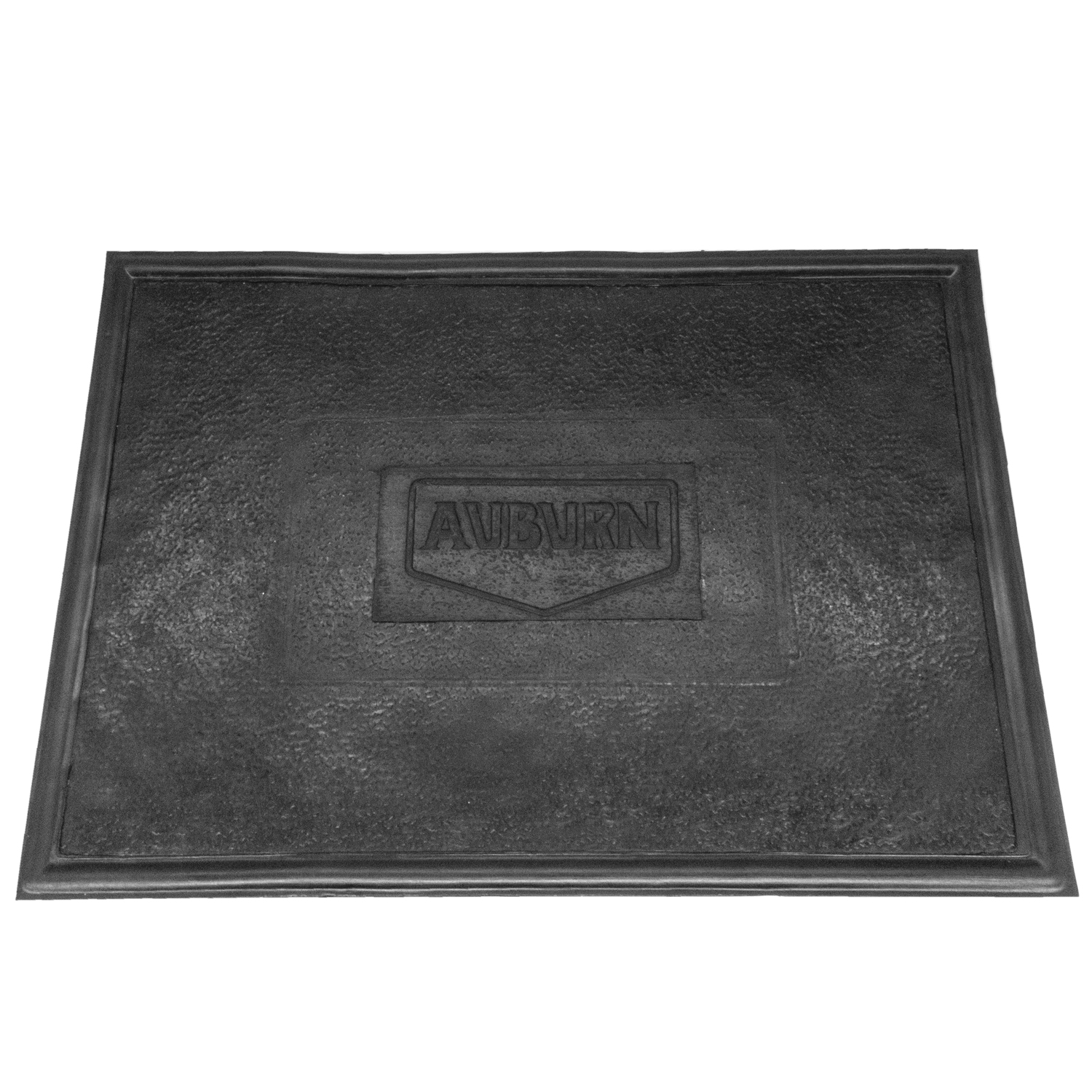 1934 Auburn Model 850X Accessory Floor Mat - 12"X17"-AC 14Accessory Floor Mat - made of high quality black rubber with molded original emblem. Also designed to be sewn into new carpets. 12"X17", Each
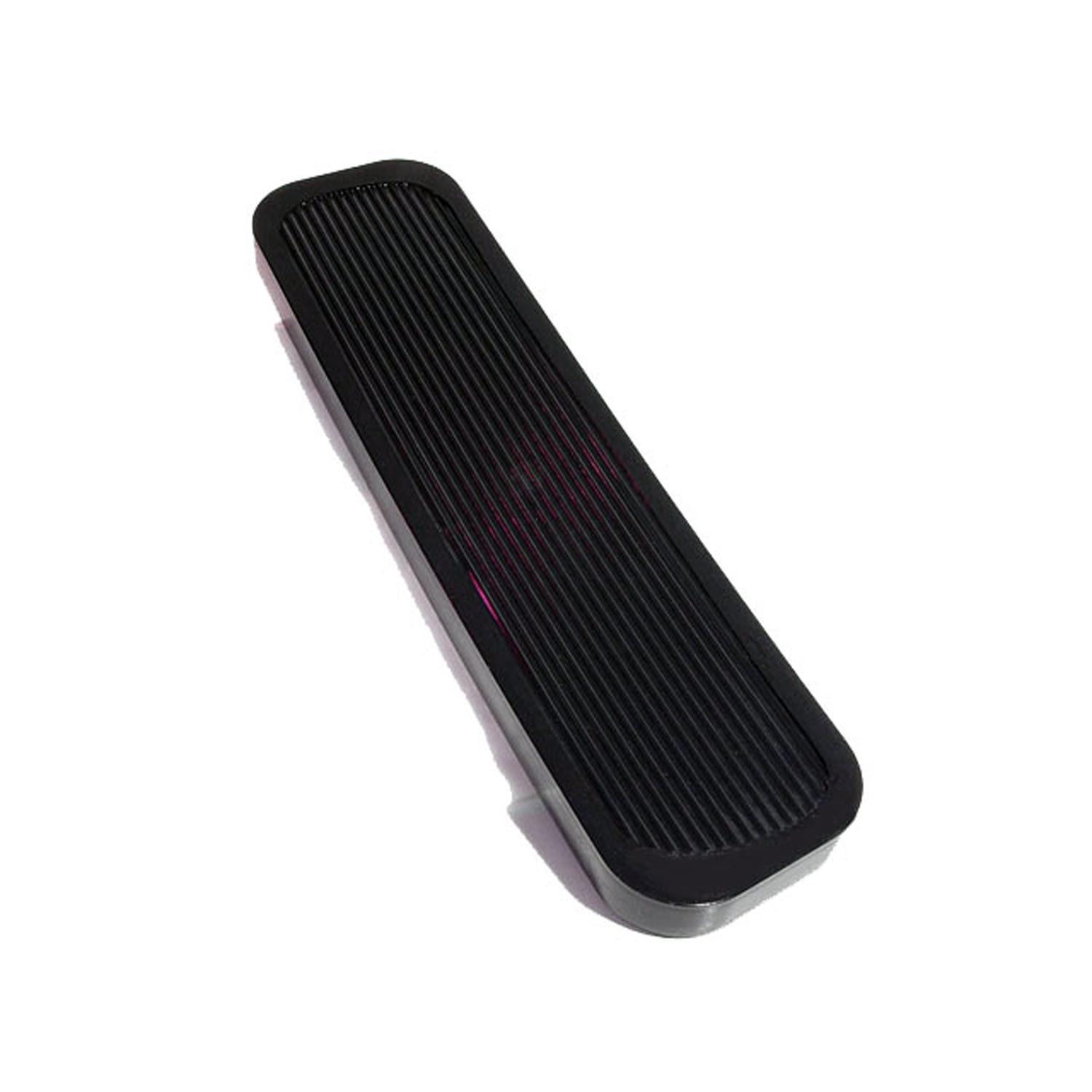 1934 Auburn Model 850X Accelerator Pedal Pad, 2-3/8" X 9-1/4", Each-AP 24Accelerator Pedal Pad, 2-3/8" X 9-1/4", Each
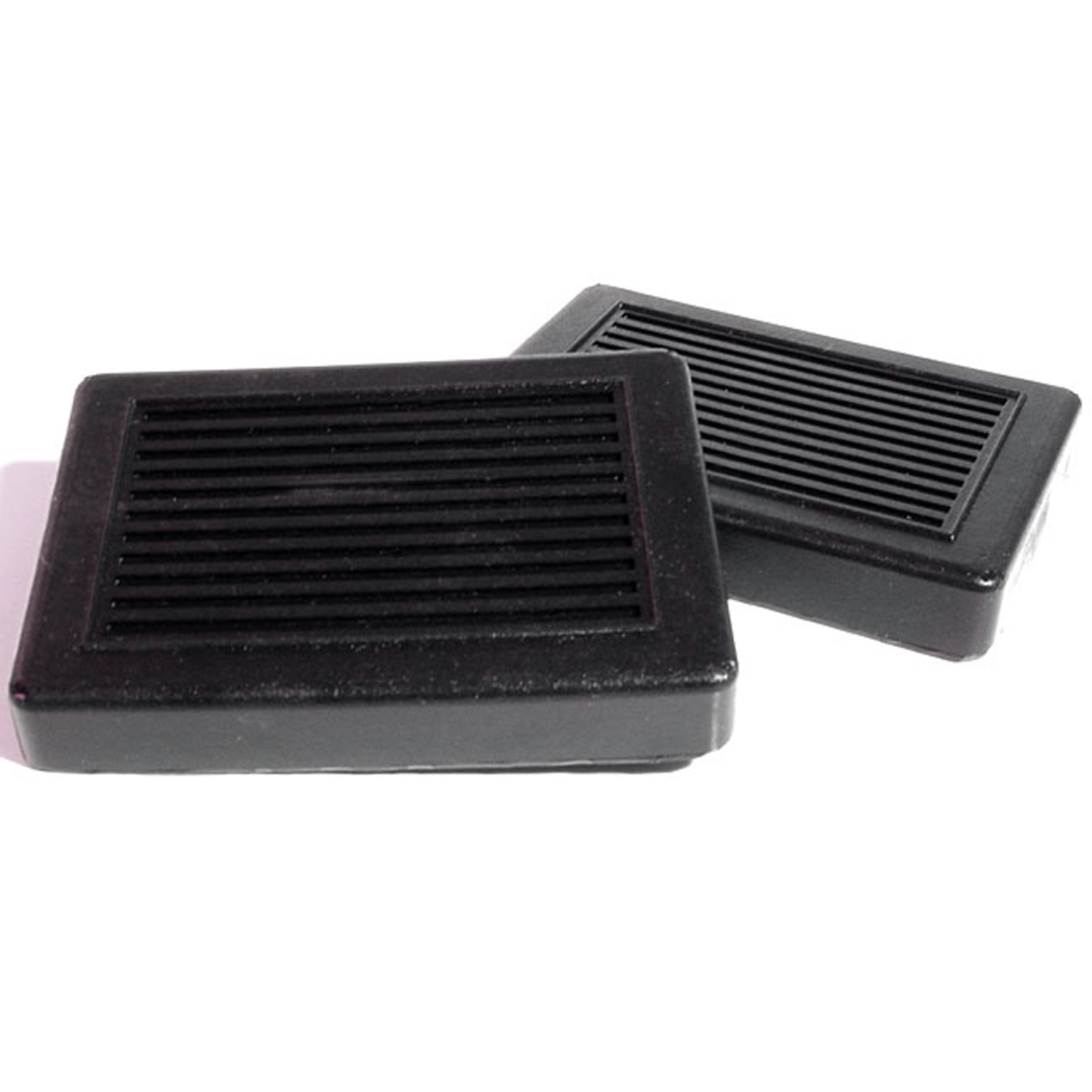 1934 Auburn Model 850X Clutch and Brake Pedal Pads. 3" wide X 3-7/8" long. Pair-CB 21Clutch and Brake Pedal Pads. 3" wide X 3-7/8" long. Pair
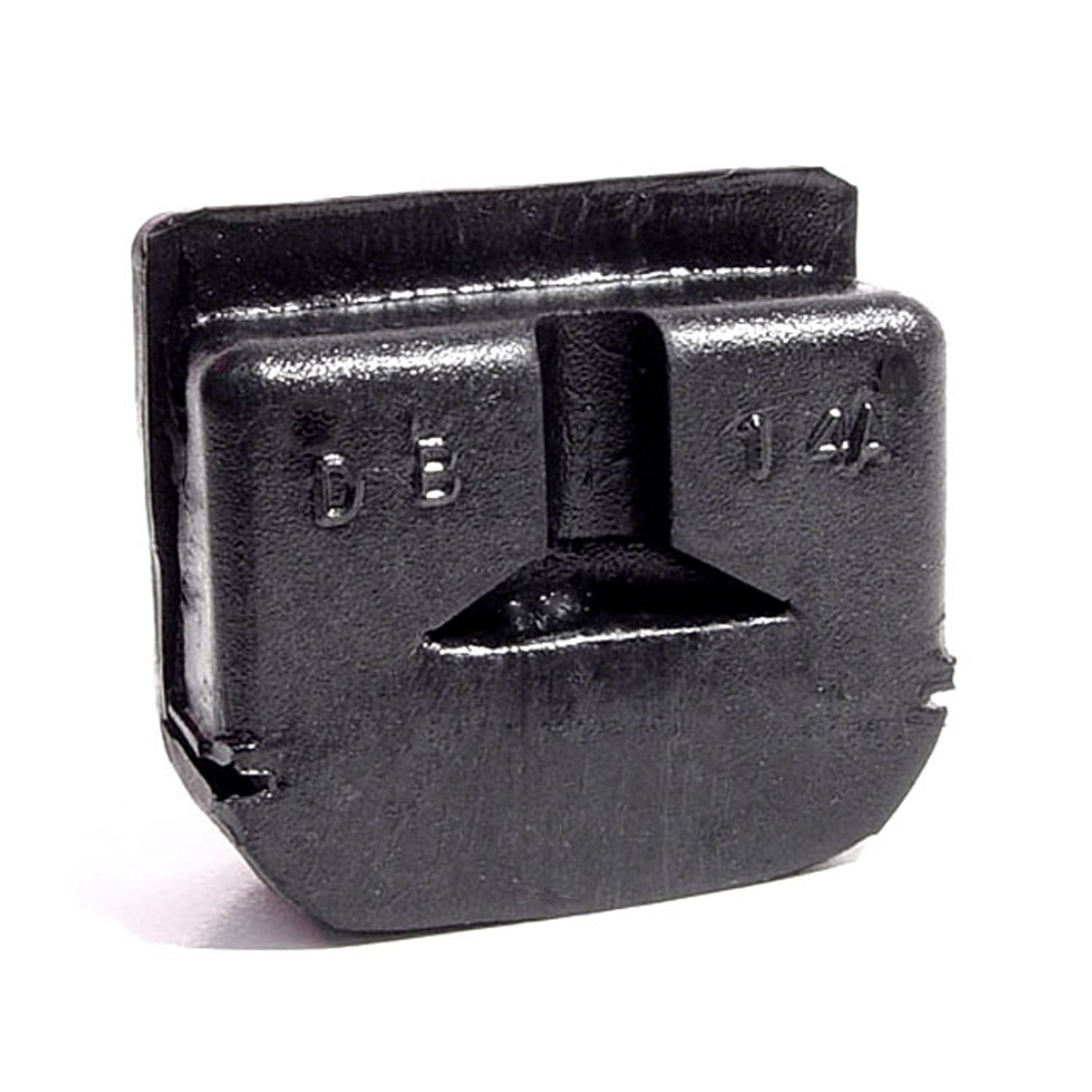 1934 Auburn Model 850X Door Bumper. Exact reproduction-DB 14-ADoor Bumper. Exact reproduction. 1-3/16" high X 1-9/16" wide X 9/16" thick. Each
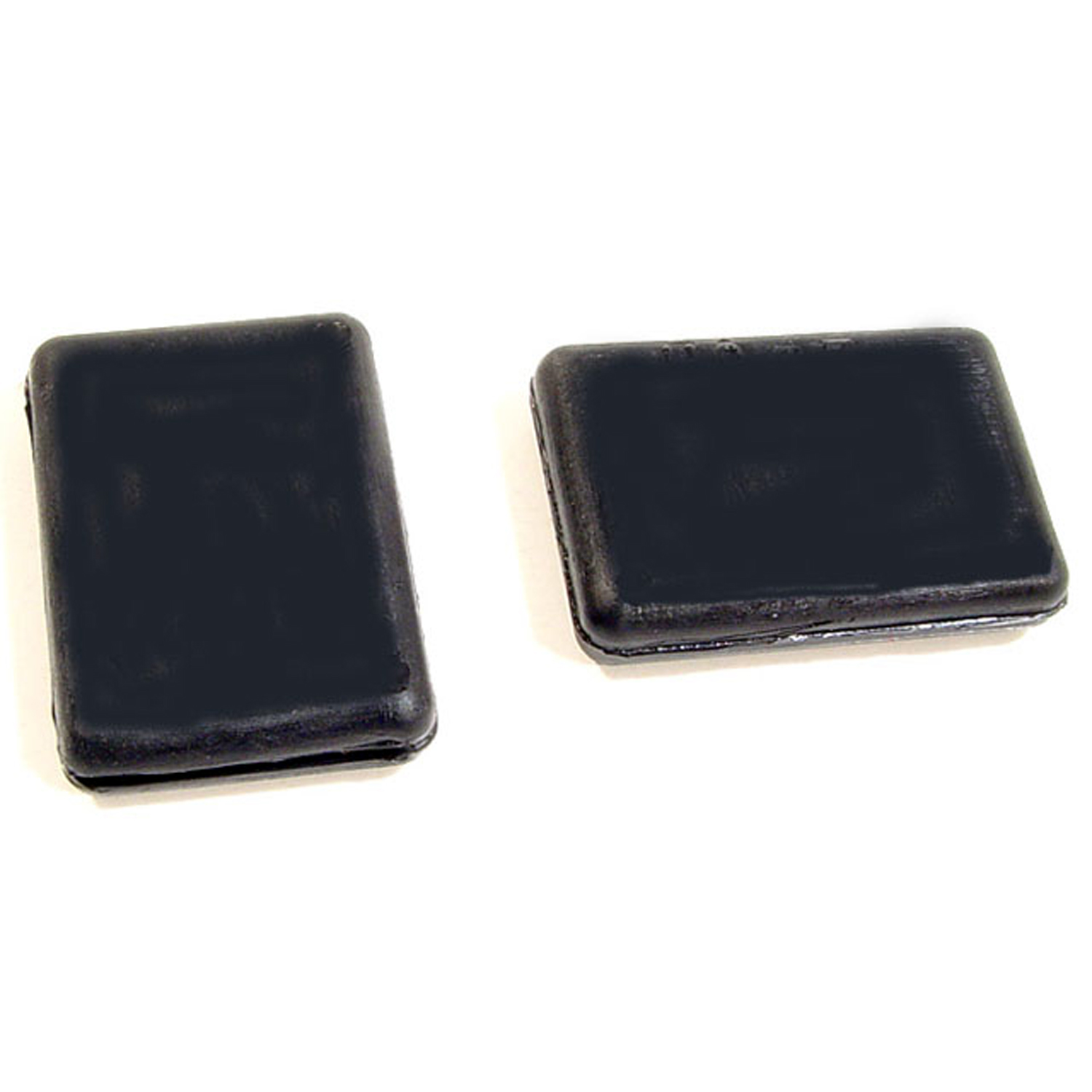 1934 Auburn Model 850X Hood Corners. Made of all rubber. No cut-away on back side-HC 27Hood Corners. Made of all rubber. No cut-away on back side. 7/8" X 1-1/4". Pair
 1934 Auburn Model 850X Headlight Pads. 3-3/8" wide X 9-7/8" long. Pair R&L-MP 100Headlight Pads. 3-3/8" wide X 9-7/8" long. Pair R&L
 1934 Auburn Model 850X Windshield Base Pad. Made in two pieces-MP 105Windshield Base Pad. Made in two pieces. 3-1/4" wide at end X 1' 9-5/8" long. Each
 1934 Auburn Model 850X Tail-light Bracket Pads. 2-3/4" wide X 3-1/4" long. Pair-MP 110Tail-light Bracket Pads. 2-3/4" wide X 3-1/4" long. Pair
 1934 Auburn Model 850X Trunk Hinge Pads. 1-1/4" wide X 6" long. Set-MP 110-BTrunk Hinge Pads. 1-1/4" wide X 6" long. Set
 1934 Auburn Model 850X Door Handle Pads. 1-3/4" wide X 2-5/8" long. Pair-MP 110-CDoor Handle Pads. 1-3/4" wide X 2-5/8" long. Pair
 1934 Auburn Model 850X Trunk Handle Pad. 1-5/8" wide X 2-1/4" long. Each-MP 110-DTrunk Handle Pad. 1-5/8" wide X 2-1/4" long. Each
 1934 Auburn Model 850X Rumble Seat Step-Plate Bracket Pad-MP 110-ERumble Seat Step-Plate Bracket Pad. 3-1/4" wide X 5-7/8" long. Each
Why Choose Metro?
For over 100 years, Metro Moulded Parts has been the pinnacle of quality in classic car restoration parts. Our commitment to precision and authenticity in every component ensures a perfect fit and an OEM-level appearance.
- Expert Craftsmanship & Quality: Each part is a testament to our dedication to reliability and perfection, crafted from original designs and thoroughly tested.
- Advanced Technology: We use cutting-edge techniques to create flawless, long-lasting parts that surpass others in performance.
- SuperSoft Sponge – The Ultimate Door Seal: Not only are our door seals 30% softer than competitors', but they're also guaranteed to never leak. They effectively reduce wind and road noise, enhancing your classic car's comfort and driving experience.
- Proudly American: Our parts are a product of American craftsmanship, made in the USA with a spirit of excellence and heritage.
- Unrivaled Warranty: We back our products with a 30-year industry-leading warranty, a testament to our confidence in their quality.
Join us in preserving the legacy of classic cars with parts that are crafted for perfection, not just made.