

Image of 1935 Auburn Model 6-653, Note: These illustrations use artistic license and may differ from actual historical models.
Performance Metrics
Fundamental Metrics
Emotional Appeal
MMP Rating
| Engine Specifications | |
|---|---|
| Engine Options: | Inline 6-cylinder |
| Displacement Range: | 3.6L |
| Horsepower Range: | Estimated 85-100 hp |
| Torque: | Information not available |
| Compression Ratio: | Information not available |
| Ignition System: | Distributor and coil |
| Cooling System: | Liquid-cooled |
| Performance Specifications | |
| 0-60 Time: | Information not available |
| 1/4 Mile Time: | Information not available |
| Top Speed: | 85 mph |
| Transmission and Drive | |
| Drive Type: | Rear-wheel drive |
| Transmission Type: | 3-speed manual |
| Fuel and Efficiency | |
| Fuel System Type: | Carburetor |
| MPG: | Information not available |
| Dimensions and Brakes | |
| Brakes: | Mechanical drum brakes |
| Wheelbase: | 127 inches |
| Weight: | Estimated 3500 lbs |
Note: Specifications for classic cars are given to the best of our ability, considering the limited and variant data available.
1935 Auburn Model 6-653: Affordable Style at the End of an Era
The 1935 Auburn Model 6-653 brought the marque’s distinctive styling to buyers who wanted Auburn character without the cost of its powerful eight-cylinder models. Built by the Auburn Automobile Company in Auburn, Indiana, the 6-653 paired a Lycoming inline-six with a long, polished-looking body and the confident stance that made Auburns stand out on American roads.
Its timing gives the car extra historical weight. Auburn was part of the Cord Corporation, whose stable also included the advanced Cord and the ultra-luxurious Duesenberg. But the Depression had made expensive cars harder to sell, and Auburn was nearing the end of automobile production. The 6-653 is a reminder that the company’s ambitions extended beyond glamorous speedsters: it also built more accessible cars with genuine style.
One useful clue is in the name. “6” identifies the six-cylinder series, while “653” is the model designation. It was the more economical sibling in a lineup best remembered for Auburn’s dramatic Speedsters, but it still carried much of the marque’s visual flair.
Streamlined Auburn Styling and Cabin Details
The 6-653 has the upright, substantial proportions expected of a mid-1930s American car, softened by flowing fenders and a carefully shaped body. Its long hood leads to a prominent grille, while the headlights sit out on the front fenders, framing the nose. Running boards connect the front and rear fenders, and the overall profile looks formal rather than sporting. Details and trim vary by body style and surviving car, but the design has the unmistakable prewar combination of ornament and mass.
Inside, the emphasis was on comfort and durable finish rather than modern convenience. Expect a broad bench seat, a large steering wheel, clear mechanical controls, and upholstery and trim appropriate to the car’s original specification. Depending on body style and equipment, cabins could feature cloth or other period upholstery materials, with polished metal accents and wood-grain finishes used to create a more upscale impression. Materials and condition differ greatly today, especially after decades of restoration or re-trimming.
Factory paint and trim choices depended on body style and the year’s catalog offerings. Auburns were available in restrained solid colors as well as two-tone combinations, which could make the sweeping fenders and long bodywork more noticeable. Dark reds, greens, blues, black, and combinations with contrasting upper or lower sections are common choices seen on restored examples. Buyers should check period documentation when verifying a particular color combination, since current cars may wear later repaint colors.
The 6-653 appeared in closed body styles, including sedan and coupe or brougham forms, with exact offerings depending on the catalog and market. The four-door sedan is among the most recognizable and practical versions, while two-door cars have a slightly sportier profile. It is important not to confuse these cars with the far more famous Auburn 851 and 852 Speedsters, whose dramatic boattail bodies and eight-cylinder power made them the icons of the range.
Six-Cylinder Engineering for the Mid-1930s
Power came from a Lycoming L-head inline-six displacing about 214.8 cubic inches. Period specifications commonly list output at roughly 85 horsepower, delivered through a three-speed manual transmission to the rear wheels. That combination was conventional for its time, but it gave Auburn a durable, straightforward powertrain that was less costly to buy and operate than a large straight-eight.
The car also benefited from the broader progress of the era. Hydraulic brakes were becoming an important feature on American cars, replacing older mechanical systems with more even braking force at the wheels. The 6-653’s exact equipment should be confirmed by model documentation and inspection, but its mix of traditional rear-wheel-drive engineering and improving safety technology reflected how quickly ordinary cars were becoming more capable.
Auburn’s larger design achievement was making an economical model look like part of a sophisticated marque. The 6-653 was not an engineering showcase in the way the front-wheel-drive Cord was, nor was it a luxury flagship like the Duesenberg. Its appeal was more practical: recognizable styling, respectable performance, and a price point intended to reach more buyers.
Road Performance and Driving Feel
Expect performance that feels measured by modern standards. With roughly 85 horsepower moving a substantial prewar body, a sound 6-653 may reach an estimated top speed in the neighborhood of 75 to 85 mph. A 0-to-60-mph time is likely around 20 to 25 seconds, though gearing, body style, mechanical condition, tires, and road conditions can shift those estimates considerably. These are practical estimates, not guaranteed factory test figures.
The inline-six produces a steady, low mechanical note rather than the sharper exhaust bark associated with a performance car. Acceleration builds gradually, so the driver plans overtakes instead of rushing into them. The three-speed manual asks for deliberate shifts, and the car’s long hood and large steering wheel make the driving position feel distinctly different from a modern sedan.
On broken pavement, the 6-653’s weight and period suspension give it a more substantial ride than a lightweight car, but it will still respond to potholes and uneven surfaces with the movement typical of a 1930s chassis. On winding roads, expect slower steering responses and more body lean than in a modern car. Good tires, properly maintained steering components, suspension bushings, and brakes make a major difference. This Auburn is best enjoyed at a relaxed pace, with room to appreciate the scenery and the car’s presence.
Living with a 1935 Auburn
Today, the 6-653 is mainly a show, touring, and collection car. A well-sorted example can take part in local classic-car events and leisurely vintage tours, but it is not a sensible daily driver by modern standards. It lacks contemporary crash protection, requires attentive operation, and can be uncomfortable in heavy traffic or at sustained highway speeds.
Routine maintenance is familiar to owners of prewar cars: regular lubrication, attention to ignition and cooling systems, careful inspection of the fuel system, and frequent checks of brakes and tires. The mechanical layout is comparatively straightforward, which helps a skilled home mechanic, but that does not make every repair easy. Parts availability can be uneven, and body trim, upholstery details, and model-specific components may take time to locate. A specialist or marque club can be invaluable when identifying correct parts and settings.
Reliability depends heavily on restoration quality and use. An old car that has been stored for years may need substantial work even if it looks tidy. Before buying, inspect the chassis for rust or poorly repaired damage, check the engine’s oil pressure and cooling behavior, test the brakes carefully, and verify that the transmission shifts cleanly. A pre-purchase inspection by someone experienced with Auburns is money well spent.
Little-Known Facts and Common Misconceptions
The 6-653 belongs to the same corporate family as two very different automotive extremes: the technically advanced Cord and the opulent Duesenberg. That range is part of Auburn’s appeal. The six-cylinder model offered a comparatively approachable entry into a company whose name was also associated with dramatic styling and high performance.
The Auburn story is often reduced to the Speedster, but the 6-653 shows the breadth of the company’s offerings. It was a real production car intended for ordinary owners, not a limited-run race machine. No major speed or endurance record is commonly associated with the 6-653 itself, and claims of celebrity ownership should be checked against documentation rather than repeated as fact.
A common criticism is that the six-cylinder car lacks the power and glamour of the Auburn eights. That is fair if the goal is outright performance or the most celebrated Auburn silhouette. But the 6-653 offers a different kind of appeal: it is less costly, less ostentatious, and often easier to enjoy as a period touring car. Its modest engine is part of its identity, not a hidden performance secret.
Collector Value, Rarity, and Availability
The 1935 Auburn 6-653 is uncommon, but it is not valued like an 851 or 852 Speedster. Exact production totals by body style are difficult to establish from readily available records. A reasonable working estimate is roughly 500 to 1,500 examples across the 6-653 series, with the surviving population substantially smaller. Treat that as an informed estimate, not a confirmed factory total.
In the current collector market, condition and body style matter enormously. As a broad 2026 estimate, a project car or incomplete example might fall around $8,000 to $20,000. A usable driver or older restoration may bring roughly $20,000 to $40,000, while a high-quality, correctly restored example could reach about $40,000 to $70,000 or more. These are approximate ranges; exceptional provenance, rare equipment, originality, and the quality of the restoration can move a car outside them. Values should not be compared directly with Auburn Speedsters, which occupy a very different market.
Good examples do not appear every day, and buyers may need patience to find the right body style or a car with solid documentation. Over the long term, well-preserved Auburns have collector appeal because of the marque’s importance and the shrinking supply of sound prewar cars. Still, the 6-653 is a niche purchase, and prices can vary with the broader classic-car market. A careful, documented car is generally a safer bet than an ambitious restoration project.
Why the Auburn 6-653 Still Matters
The 1935 Auburn Model 6-653 combines practical six-cylinder engineering with the confident proportions of a respected American marque. It was not the fastest Auburn, the rarest showpiece, or the most technically adventurous car in the Cord Corporation family. Instead, it represents the company’s effort to make distinctive design available in a more attainable package at a difficult moment in automotive history.
That balance is what makes the 6-653 worth remembering. It offers a direct connection to Auburn’s final years, a satisfying prewar driving experience, and a style that remains unmistakably its own. For collectors who value character over headline horsepower, this Auburn is more than the quiet sibling of a Speedster. It is a handsome survivor from the close of one of America’s most ambitious automotive chapters.
1935 Auburn Model 6-653 Catalog of Parts
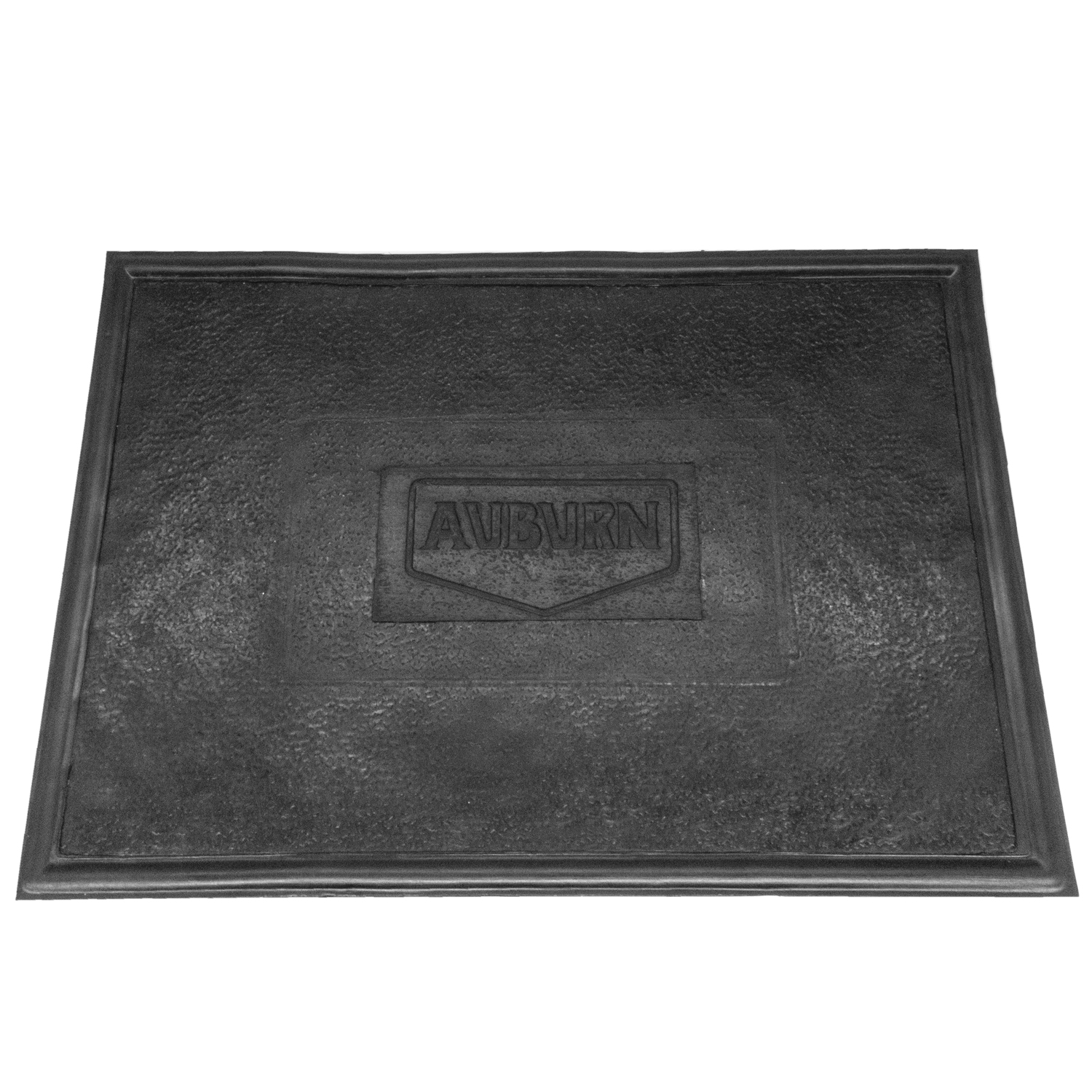 1935 Auburn Model 6-653 Accessory Floor Mat - 12"X17"-AC 14Accessory Floor Mat - made of high quality black rubber with molded original emblem. Also designed to be sewn into new carpets. 12"X17", Each
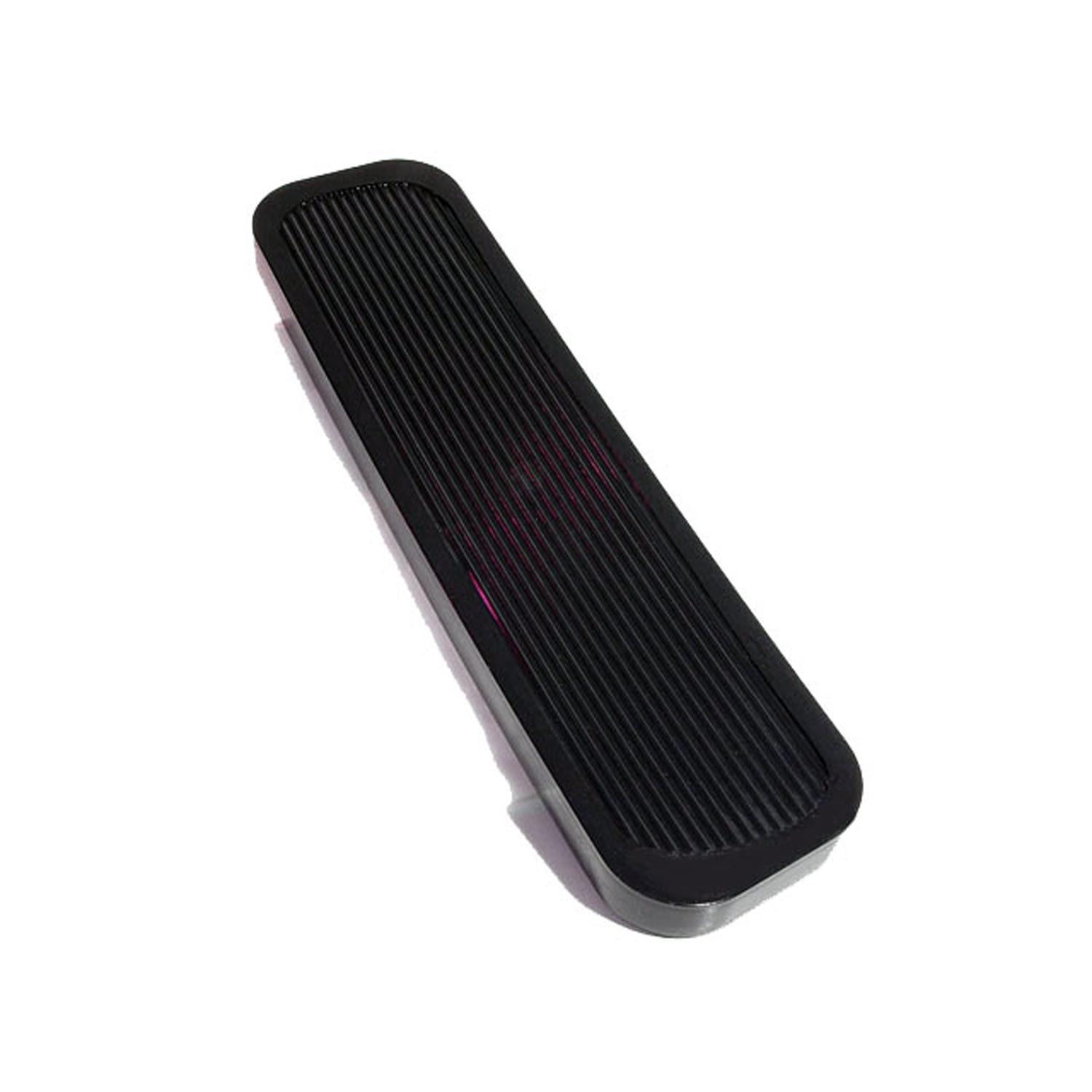 1935 Auburn Model 6-653 Accelerator Pedal Pad, 2-3/8" X 9-1/4", Each-AP 24Accelerator Pedal Pad, 2-3/8" X 9-1/4", Each
 1935 Auburn Model 6-653 Rear Bumper Arm Grommets-BG 18Rear Bumper Arm Grommets. 3-1/2" wide X 5-1/4" long, with 1-7/8" long inner slot. Pair
 1935 Auburn Model 6-653 Front Bumper Arm Grommets-BG 19Front Bumper Arm Grommets. 5" wide X 7-1/8" long, with 1-7/8" long inner slot. Pair
 1935 Auburn Model 6-653 Rear Bumper Arm Grommets-BG 19-ARear Bumper Arm Grommets. 4-7/8" wide X 6-3/8" long, with 1-7/8" long inner slot. Pair
 1935 Auburn Model 6-653 Front and Rear Bumper Arm Grommets (for Passenger models)-BGK 18Front and Rear Bumper Arm Grommets (for Passenger models). Front: 5" W X 7-1/8" L, with 1-7/8" long inner slot. Rear: 3-1/2" W X 5-1/4" L with, 1-7/8" long inner slot. 4 piece set.
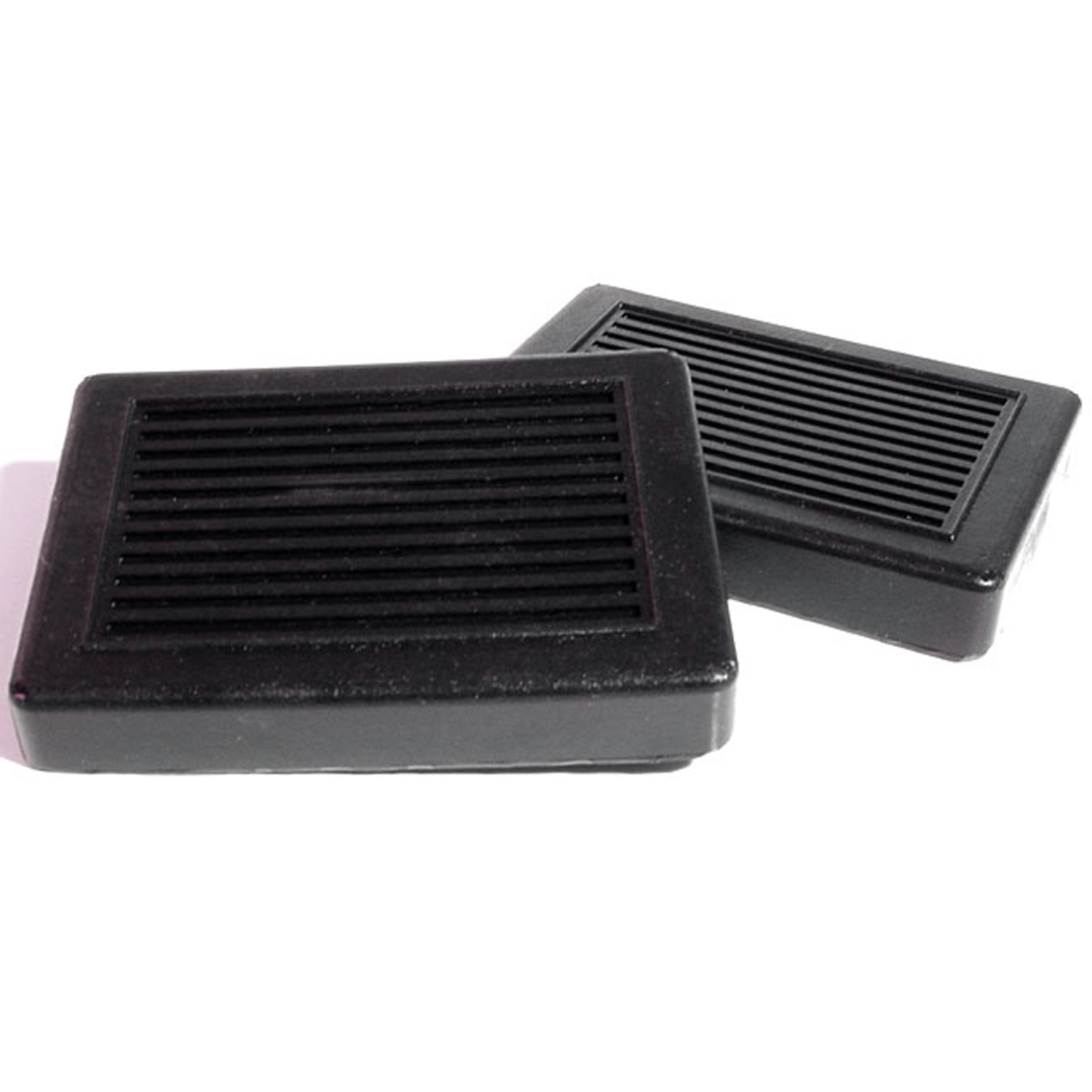 1935 Auburn Model 6-653 Clutch and Brake Pedal Pads. 3" wide X 3-7/8" long. Pair-CB 21Clutch and Brake Pedal Pads. 3" wide X 3-7/8" long. Pair
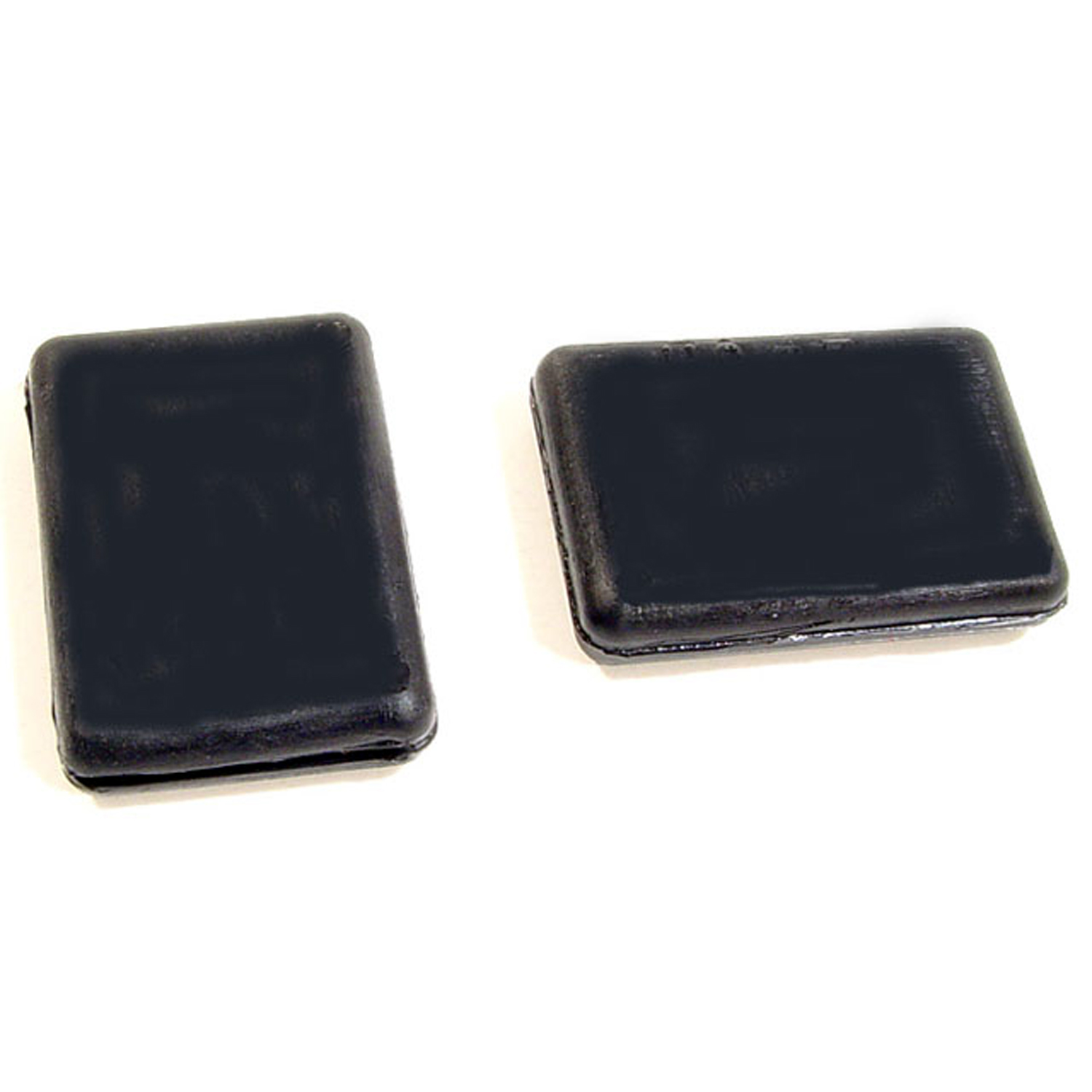 1935 Auburn Model 6-653 Hood Corners. Made of all rubber. No cut-away on back side-HC 27Hood Corners. Made of all rubber. No cut-away on back side. 7/8" X 1-1/4". Pair
 1935 Auburn Model 6-653 Headlight Pads. 3-3/8" wide X 9-7/8" long. Pair R&L-MP 100Headlight Pads. 3-3/8" wide X 9-7/8" long. Pair R&L
 1935 Auburn Model 6-653 Top Center Post Pads, for Phaeton-MP 104Top Center Post Pads, for Phaeton. 2-1/8" wide X 2-3/8" long. Pair R&L
 1935 Auburn Model 6-653 Bottom Center Post Pads, for Phaeton. Pair R&L-MP 104-BBottom Center Post Pads, for Phaeton. Pair R&L
 1935 Auburn Model 6-653 Windshield Base Pad. Made in two pieces-MP 105Windshield Base Pad. Made in two pieces. 3-1/4" wide at end X 1' 9-5/8" long. Each
 1935 Auburn Model 6-653 Tail-light Bracket Pads. 2-3/4" wide X 3-1/4" long. Pair-MP 110Tail-light Bracket Pads. 2-3/4" wide X 3-1/4" long. Pair
 1935 Auburn Model 6-653 Trunk Hinge Pads. 1-1/4" wide X 6" long. Set-MP 110-BTrunk Hinge Pads. 1-1/4" wide X 6" long. Set
 1935 Auburn Model 6-653 Door Handle Pads. 1-3/4" wide X 2-5/8" long. Pair-MP 110-CDoor Handle Pads. 1-3/4" wide X 2-5/8" long. Pair
 1935 Auburn Model 6-653 Trunk Handle Pad. 1-5/8" wide X 2-1/4" long. Each-MP 110-DTrunk Handle Pad. 1-5/8" wide X 2-1/4" long. Each
 1935 Auburn Model 6-653 Rumble Seat Step-Plate Bracket Pad-MP 110-ERumble Seat Step-Plate Bracket Pad. 3-1/4" wide X 5-7/8" long. Each
Why Choose Metro?
For over 100 years, Metro Moulded Parts has been the pinnacle of quality in classic car restoration parts. Our commitment to precision and authenticity in every component ensures a perfect fit and an OEM-level appearance.
- Expert Craftsmanship & Quality: Each part is a testament to our dedication to reliability and perfection, crafted from original designs and thoroughly tested.
- Advanced Technology: We use cutting-edge techniques to create flawless, long-lasting parts that surpass others in performance.
- SuperSoft Sponge – The Ultimate Door Seal: Not only are our door seals 30% softer than competitors', but they're also guaranteed to never leak. They effectively reduce wind and road noise, enhancing your classic car's comfort and driving experience.
- Proudly American: Our parts are a product of American craftsmanship, made in the USA with a spirit of excellence and heritage.
- Unrivaled Warranty: We back our products with a 30-year industry-leading warranty, a testament to our confidence in their quality.
Join us in preserving the legacy of classic cars with parts that are crafted for perfection, not just made.